
Monte Pulito, San Marino Travel Guide
Discover Monte Pulito: A serene blend of medieval charm, natural beauty, and culinary delights in the heart of San Marino.
Nestled in the hills of San Marino, Monte Pulito is a tranquil haven waiting to be discovered. This quaint village is a perfect blend of historical charm and natural beauty, offering visitors a peaceful retreat from the hustle and bustle of modern life. As you wander through the narrow cobblestone streets, you'll be transported back in time. The village is home to several well-preserved medieval structures, including charming stone houses, ancient churches, and a centuries-old castle. Each building tells a story, reflecting the rich history and culture of the region. Nature lovers will be enchanted by the lush landscapes surrounding Monte Pulito. The village is surrounded by rolling hills, verdant forests, and picturesque vineyards. Hiking trails abound, offering breathtaking views of the countryside. For a more leisurely experience, take a stroll through the local gardens, where vibrant flowers and aromatic herbs create a sensory delight. Monte Pulito is also a culinary paradise. The village boasts several family-run trattorias and osterias, where you can savor traditional San Marinese dishes. Don't miss the opportunity to sample the local wines, which are renowned for their quality and flavor. Whether you're seeking history, nature, or gastronomy, Monte Pulito offers a unique and unforgettable experience. This hidden gem of San Marino invites you to slow down, relax, and enjoy the simple pleasures of life.

Know before you go
Hi, I'm Eve. Here are a few practical things to know before exploring Monte Pulito.
- Visit early in the morning or late in the afternoon to avoid crowds and enjoy the village at its most peaceful.
- Wear comfortable shoes for exploring the cobblestone streets and surrounding hiking trails.
- Try the local specialty, Torta Tre Monti, a delicious layered wafer cake.
- Bring a camera to capture the stunning views and picturesque scenery.
- Check the local calendar for traditional festivals and events, which offer a glimpse into the village's vibrant culture.
Explore Monte Pulito: Things to Do, Places to Eat, Hotels & More
Handpicked recommendations for top attractions, local dining, accommodations, and more

Best attractions in Monte Pulito
Top-rated picks
Best Attractions
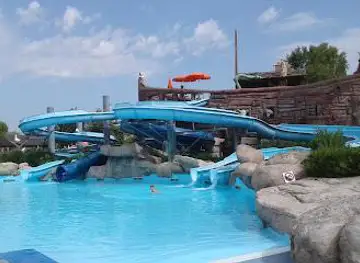
Aquafan
Dive into excitement at Aquafan, Italy's top water park in Riccione, featuring thrilling slides, wave pools, and fun for the whole family.

Fiabilandia
Discover the magic of Fiabilandia, an enchanting amusement park in Rivazzurra, perfect for families and thrill-seekers seeking unforgettable adventures.

Fortress of San Leo
Explore the Fortress of San Leo, a stunning medieval stronghold offering breathtaking views and a journey through Italy's rich history.

Ròseo Euroterme Wellness Resort
Discover the ultimate relaxation at Ròseo Euroterme Wellness Resort, where thermal baths and wellness treatments create a unique escape in Bagno di Romagna.

Best landmarks in Monte Pulito
Top-rated picks
Best Landmarks
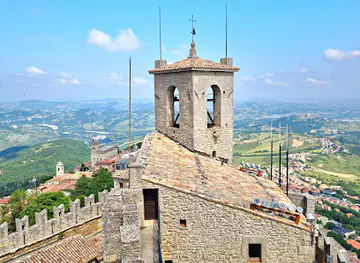
Guaita Tower
Discover the historical charm and stunning vistas of Guaita Tower, a medieval fortress that defines San Marino's landscape and heritage.

Falesia Second Tower
Discover the breathtaking views and rich history at Falesia Second Tower in San Marino, a must-see historical landmark for all travelers.

Basilica of Saint Marinus
Explore the serene Basilica of Saint Marinus, a monumental testament to history and faith in the heart of San Marino.

Cable Car San Marino - City
Discover the breathtaking views of San Marino aboard the Cable Car to Mount Titano, an unforgettable journey through stunning landscapes and rich history.

Best restaurants in Monte Pulito
Top-rated picks
Best Restaurants

Ristorante Bolognese
Experience authentic Italian cuisine at Ristorante Bolognese in San Marino, where every dish tells a story of tradition and flavor.

Ritrovo Dei Lavoratori XXVIII Luglio
Experience authentic Italian flavors at Ritrovo Dei Lavoratori XXVIII Luglio, a premier dining destination in San Marino offering delightful dishes and a warm ambiance.
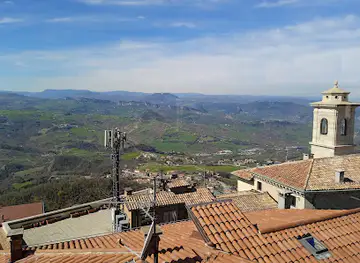
Ristorante Pizzeria Spingarda
Discover Ristorante Pizzeria Spingarda: Your go-to spot for authentic Italian cuisine and delightful family-friendly dining in San Marino.

Draft American Slow Diner
Experience authentic American cuisine at Draft American Slow Diner in San Marino - where every bite tells a delicious story.

Best bars in Monte Pulito
Top-rated picks
Best Bars
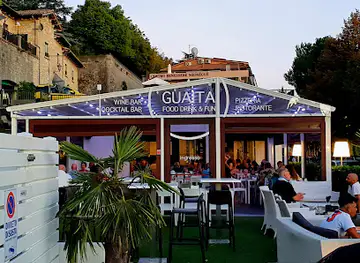
GUAITA food, drink & fun
Experience the best of Italian dining at GUAITA in San Marino, where delicious food meets a vibrant atmosphere and exceptional service.

Giulietti Km0
Explore Giulietti Km0 in San Marino for incredible burgers, craft beers, and a lively atmosphere that captures the spirit of modern dining.
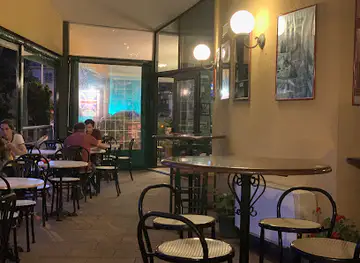
London Pub
Discover the essence of British pub culture at London Pub in San Marino, where great drinks and welcoming vibes await tourists.

Cacao Cafe' di Santolini Andrea
Experience the rich flavors of Italy at Cacao Cafe' di Santolini Andrea, where coffee, cocktails, and culinary delights await.

Best nightclubs in Monte Pulito
Top-rated picks
Best Nightclubs

GUAITA food, drink & fun
Experience the best of San Marino dining at GUAITA, where Italian flavors meet vibrant nightlife in a welcoming atmosphere.

London Pub
Discover the lively ambiance of London Pub in San Marino, where local flavors and a welcoming atmosphere create unforgettable evenings.

Imperiale Bar Ristorante
Experience the authentic taste of the Mediterranean at Imperiale Bar Ristorante in Faetano, where every dish tells a story of local flavors.

Bar Casa Rossa
Discover Bar Casa Rossa in Murata: a cozy bar offering delightful drinks and a welcoming atmosphere perfect for travelers.

Best shops in Monte Pulito
Top-rated picks
Best Shops

San Marino Duck Store
Explore the whimsical San Marino Duck Store, a delightful souvenir shop offering unique duck-themed gifts and toys in the heart of San Marino.

Emporium Italy by Chiaroscuro - San Marino, Borse & Accessori In Vera Pelle Italiana
Explore the artistry of Italian leather at Emporium Italy in San Marino, where every piece tells a story of craftsmanship and tradition.

Blackout Store
Explore the Blackout Store in Domagnano for a curated selection of stylish dresses that blend modern trends with timeless elegance.

Boutique Sir Paul
Explore unique fashion at Boutique Sir Paul, a stylish clothing store in San Marino di Urbino offering curated selections for every taste.

Explore Monte Pulito on the Map
A handpicked selection of must-see spots in Monte Pulito, mapped for you.
Monte Pulito Essentials
-
Monte Pulito is located in the picturesque microstate of San Marino. The nearest major airport is Federico Fellini International Airport in Rimini, Italy, approximately 25 kilometers away. From Rimini, you can take a bus, which operates several times a day, directly to San Marino. Alternatively, you can drive or hire a taxi for a more convenient option. If traveling by train, the closest railway station is in Rimini, from where you can catch a bus or taxi to reach Monte Pulito.
-
Monte Pulito is a compact area, making it easy to explore on foot. For longer distances, local buses are available and provide a reliable way to get around. Taxis are also available but can be more expensive. Renting a car is an option if you wish to explore the surrounding areas at your own pace. Additionally, bicycles are available for rent, which can be an enjoyable way to tour the scenic routes.
-
The official currency in San Marino is the Euro (EUR). Credit and debit cards are widely accepted in most hotels, restaurants, and shops. However, it's advisable to carry some cash for smaller establishments, markets, and rural areas. ATMs are readily available throughout Monte Pulito, making it easy to withdraw cash as needed.
-
Monte Pulito is generally a very safe destination for tourists. Violent crime is rare, but petty crimes like pickpocketing can occur, especially in crowded tourist areas. Avoiding poorly lit areas at night and keeping an eye on your belongings will help ensure a trouble-free visit. There are no specific high-crime neighborhoods targeting tourists.
-
In case of emergency, dial 112, the European emergency number. The local police station and medical facilities are accessible in Monte Pulito. It is highly recommended to have travel insurance that covers medical emergencies. Pharmacies are available in the area for minor health issues and over-the-counter medications.
-
Fashion: Do dress conservatively, especially when visiting religious sites. Avoid overly casual attire in upscale restaurants. Religion: Do respect local customs and religious practices. Always cover your shoulders and knees when entering churches. Public Transport: Do be polite and offer your seat to elderly passengers. Don't eat or drink on public transport. Greetings: Do greet people with a handshake. A friendly 'Buongiorno' goes a long way. Eating & Drinking: Do try the local cuisine and accept food and drink graciously. Don't refuse hospitality, as it may be considered impolite.
-
To experience Monte Pulito like a local, visit the local markets for fresh produce and artisanal goods. Engage with locals, who are friendly and often willing to share stories about the area's rich history. Don't miss the chance to explore the historic city center, with its medieval architecture and charming streets. For a unique experience, attend local festivals and events to immerse yourself in the culture.
When is the best time to visit Monte Pulito?
Useful Local Phrases for Monte Pulito
You don't need to speak the language perfectly. Even learning a few simple words can make conversations warmer—and locals usually appreciate the effort.
— Eve

Here are the phrases I use most often in Monte Pulito. Try a few—you'll be surprised how far they go! 😊
❤️
-
- HelloCiao
[chow] - GoodbyeAddio
[ah-dee-oh] - YesSì
[see] - NoNo
[noh] - Please/You're welcomePer favore
[pair fah-voh-reh] - Thank youGrazie
[graht-zee-eh] - Excuse me/SorryScusa
[skoo-zah] - How are you?Come stai?
[koh-meh stai] - Fine. And you?Bene. E tu?
[beh-neh. eh too] - Do you speak English?Parli inglese?
[pahr-lee een-gleh-zeh] - I don't understandNon capisco
[nohn kah-pee-skoh]
- HelloCiao
-
- I'd like to see the menu, pleaseVorrei vedere il menu, per favore
[voh-reh-ee veh-deh-reh eel meh-noo, pair fah-voh-reh] - I don't eat meatNon mangio carne
[nohn mahn-joh kahr-neh] - Cheers!Salute!
[sah-loo-teh] - I would like to pay, pleaseVorrei pagare, per favore
[voh-reh-ee pah-gah-reh, pair fah-voh-reh]
- I'd like to see the menu, pleaseVorrei vedere il menu, per favore
-
- Help!Aiuto!
[ah-yoo-toh] - Go away!Vai via!
[vah-ee vee-ah] - Call the Police!Chiama la Polizia!
[kee-ah-mah lah poh-lee-ts-yah] - Call a doctor!Chiama un dottore!
[kee-ah-mah oon doh-toh-reh] - I'm lostMi sono perso
[mee soh-no pehr-soh] - I'm illSto male
[stoh mah-leh]
- Help!Aiuto!
-
- I'd like to buy...Vorrei comprare...
[voh-reh-ee kohm-prah-reh] - I'm just lookingSto solo guardando
[stoh soh-loh gwar-dahn-doh] - How much is it?Quanto costa?
[kwahn-toh koh-stah] - That's too expensiveÈ troppo caro
[eh troh-poh kah-roh] - Can you lower the price?Puoi abbassare il prezzo?
[pwah-ee ahb-bah-sah-reh eel preh-tsoh]
- I'd like to buy...Vorrei comprare...
-
- What time is it?Che ora è?
[keh oh-rah eh] - It's one o'clockÈ l'una
[eh loo-nah] - Half past (10)Sono le dieci e mezza
[soh-no leh dee-eh-chee eh meh-tsah] - MorningMattina
[maht-tee-nah] - AfternoonPomeriggio
[poh-meh-ree-joh] - EveningSera
[seh-rah] - YesterdayIeri
[yeh-ree] - TodayOggi
[oh-jee] - TomorrowDomani
[doh-mah-nee] - 1Uno
[oo-noh] - 2Due
[doo-eh] - 3Tre
[treh] - 4Quattro
[kwah-troh] - 5Cinque
[cheen-kweh] - 6Sei
[say] - 7Sette
[seht-teh] - 8Otto
[oh-toh] - 9Nove
[noh-veh] - 10Dieci
[dee-eh-chee]
- What time is it?Che ora è?
-
- Where's a/the...?Dov'è...?
[doh-veh] - What's the address?Qual è l'indirizzo?
[kwahl eh leen-dee-ree-tsoh] - Can you show me (on the map)?Puoi mostrarmi (nella mappa)?
[pwah-ee moh-strehr-mee (nel-lah mahp-pah)] - When's the next (bus)?Quando passa il prossimo (autobus)?
[kwahn-doh pahs-sah eel prohss-see-moh (ow-toh-boos)] - A ticket (to ....)Un biglietto (per ....)
[oon beel-lyet-toh (pair)]
- Where's a/the...?Dov'è...?
History of Monte Pulito
-
Monte Pulito, a picturesque village in the Republic of San Marino, has origins tracing back to the early medieval period. It was initially established as a small agricultural settlement, leveraging the fertile lands and strategic location atop a hill for both sustenance and defense.
-
During the 11th and 12th centuries, Monte Pulito expanded its fortifications to protect against invading forces. The remnants of these medieval walls and watchtowers still stand today, offering visitors a glimpse into the village's defensive past and its importance in regional conflicts.
-
The Renaissance period brought significant cultural and architectural advancements to Monte Pulito. This era saw the construction of several ornate churches and public buildings, adorned with frescoes and sculptures by local artisans influenced by the Italian Renaissance. The Church of San Giovanni, with its stunning frescoes, is a prime example of this period's artistic influence.
-
In 1463, Monte Pulito was the site of a significant battle during the War of the Roses in San Marino. The conflict saw local forces successfully defend the village against an invading army, solidifying its reputation for resilience and strategic importance. Annual reenactments of this battle are held, drawing history enthusiasts from around the world.
-
The 19th century brought an economic transformation to Monte Pulito with the introduction of silk production. The establishment of several silk workshops turned the village into a hub of artisanal craftsmanship, contributing to its prosperity. The legacy of this industry is preserved in the Monte Pulito Silk Museum, which showcases historical weaving techniques and garments.
-
Today, Monte Pulito balances its rich historical heritage with modern amenities, making it a popular destination for tourists. The village has preserved its historical architecture while incorporating contemporary facilities, offering visitors a unique blend of the old and new. Local festivals, traditional cuisine, and artisanal shops provide an immersive cultural experience.
Cities in Monte Pulito
Browse our curated selection of top destinations, scenic points, and must-visit spots in the area.


Neighbouring destination travel guides
Browse our curated selection of top destinations, scenic points, and must-visit spots in the area.


Your all‑in‑one travel companion app
Explore expert travel guides, compare and book tours, experiences, hotels, and more—all from the palm of your hand. Download now for seamless trip planning wherever your wanderlust takes you.


Explore More of San Marino

Looking beyond Monte Pulito? Discover San Marino for broader travel guides, local hot-spots, and regional highlights.
Explore San Marino