

Monte Lupo Travel Guide - Free Web & App
Your ultimate guide to Monte Lupo. Discover top landmarks, proposed trips, and local tips. Free on the web or via the Evendo companion app.


Monte Lupo, San Marino, is a quiet rural hillscape for walkers seeking open views, local roads, scenery and access to the republic’s wider heritage.
Landscape and Setting
Monte Lupo is a small rural hillscape within San Marino, better understood as a local geographical feature than as a developed resort or independent town. Its character comes from the contrast between open farmland, wooded margins, minor roads and the broad undulating countryside surrounding the republic. The landscape belongs to San Marino’s hilly interior, where views can extend towards the Apennines and, from suitable elevated positions elsewhere in the country, towards the Adriatic coast. Exact access and local boundaries are best checked on current maps, as Monte Lupo is not organised around a formal visitor centre or a concentrated group of attractions.Read more about Monte Lupo
Exploring the Area
Rural Character
When is the best time to visit Monte Lupo?
Best: May–June, September · 24–30°C| Month | High (°C) | Rainfall (mm) |
|---|---|---|
| January | 10 | 80 |
| February | 11 | 70 |
| March | 15 | 60 |
| April | 19 | 50 |
| May (best) | 24 | 30 |
| June (best) | 30 | 20 |
| July | 33 | 15 |
| August | 31 | 20 |
| September (best) | 28 | 50 |
| October | 22 | 60 |
| November | 16 | 70 |
| December | 10 | 80 |
Getting to and around Monte Lupo
How to get there
Transportation
Best attractions in Monte Lupo
Monte Lupo’s principal attraction is the surrounding San Marino countryside rather than a concentration of formal sights. Visitors can explore the hill’s rural setting through public roads and any clearly established local paths, observing cultivated slopes, wooded edges, scattered homes and changing views across the republic’s interior. The experience is most naturally combined with nearby settlements and castelli, where churches, village centres and everyday local life provide more tangible points of interest. San Marino City and the historic monuments of Monte Titano are major attractions elsewhere in the republic, not part of Monte Lupo itself, but they can place the quieter landscape in context. Because the area has no substantial visitor infrastructure of its own, it suits travellers interested in walking, landscape photography and the less monumental side of San Marino. Access should always be checked locally, particularly where minor tracks appear to continue beyond public roads or alongside agricultural land.
-
Museum
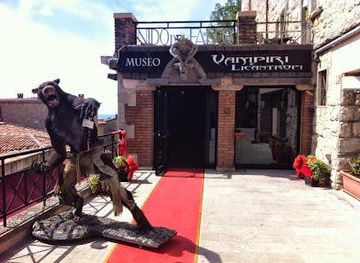
Museo delle Creature della Notte - Vampiri e Licantropi
Explore the eerie world of vampires and werewolves at San Marino's Museo delle Creature della Notte, where legends come to life.
Best landmarks in Monte Lupo
Monte Lupo is principally a natural and geographical landmark, identified by its hillscape and rural position rather than by a prominent monument or architectural complex. Its significance lies in the way it represents San Marino beyond the fortified summit of Monte Titano: cultivated slopes, minor roads and dispersed settlement reveal the republic’s wider territorial character. The celebrated towers, walls and historic buildings of San Marino City are important landmarks of the country but stand elsewhere and should not be attributed to Monte Lupo. Likewise, any nearby church, village centre or civic building belongs to its own settlement and should be visited as part of a wider itinerary. The most meaningful landmarks around Monte Lupo are therefore landscape features, viewpoints and the surviving pattern of rural land use, subject to access from public routes.
-
Castle
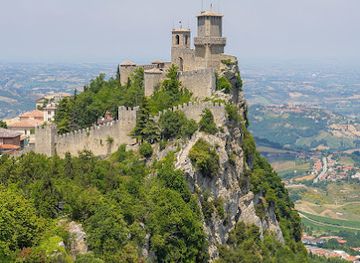
Guaita Tower
Discover the historic Guaita Tower, a medieval fortress offering breathtaking views and a glimpse into the rich heritage of San Marino.
-
Historical landmark
Falesia Second Tower
Discover the historical splendor and breathtaking views from Falesia Second Tower in San Marino, a must-visit landmark for every traveler.
-
Basilica
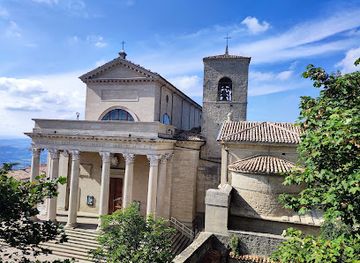
Basilica of Saint Marinus
Discover the Basilica of Saint Marinus: A stunning architectural gem and spiritual haven in the heart of San Marino, offering breathtaking views and rich history.
-
Historical landmark
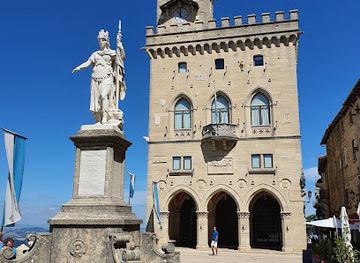
Liberty Square
Discover the enchanting Liberty Square in San Marino, where history, culture, and breathtaking architecture come together in a picturesque setting.

Explore Monte Lupo on the map
Plan your trip on one map. See where the top attractions, landmarks, restaurants and hotels are, and book hotels and experiences in a few clicks.
Best hotels in Monte Lupo
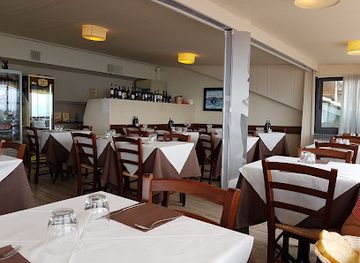
Best restaurants in Monte Lupo
Monte Lupo has no established dining district and visitors should not expect restaurants or cafés concentrated around the geographical feature itself. Meals are more likely to be found in the nearest populated settlement or in one of San Marino’s larger castelli, with further choice in the capital and along the main routes. San Marinese and Romagnol cooking commonly draw on pasta, filled pasta, cured meats, cheeses, seasonal vegetables, bread and straightforward countryside dishes, while Italian coffee, gelato and regional wines are widely encountered. Rural food shops and small businesses may be useful for provisions, but their presence and opening arrangements vary. Planning food and water before a walk is therefore sensible, especially when visiting outside the main settlements or combining Monte Lupo with a longer countryside excursion.
-
Restaurant
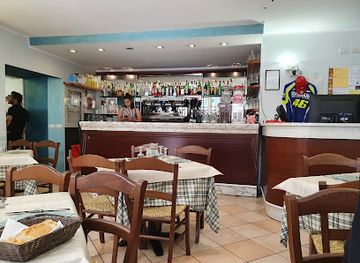
Ristorante Bolognese
Discover the authentic flavors of Italy at Ristorante Bolognese in San Marino - where every bite tells a story.
-
Restaurant
Ritrovo Dei Lavoratori XXVIII Luglio
Savor authentic Italian dishes in a cozy atmosphere at Ritrovo Dei Lavoratori XXVIII Luglio in San Marino.
-
Restaurant
Ristorante Pizzeria Spingarda
Discover authentic Italian flavors at Ristorante Pizzeria Spingarda in San Marino—where delicious pizzas and seafood await in a family-friendly setting.
-
Restaurant
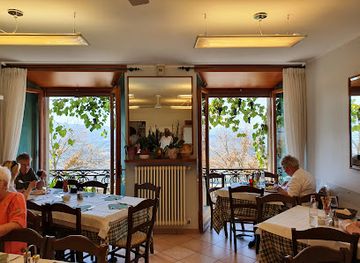
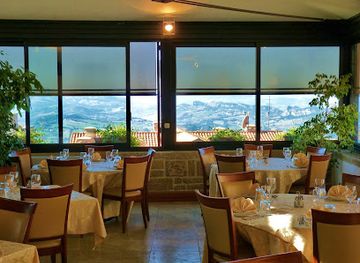
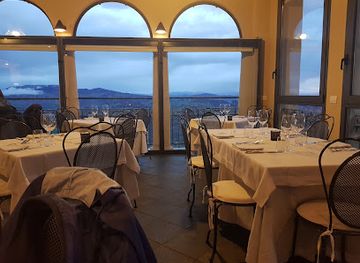
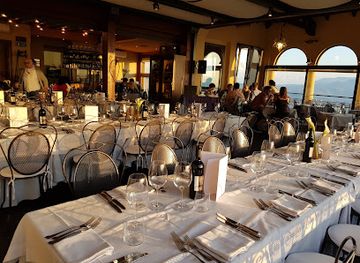
La Terrazza
Discover La Terrazza: A restaurant offering breathtaking views and exquisite local cuisine in the heart of San Marino.
Best bars in Monte Lupo
Monte Lupo has no known nightlife infrastructure of its own and becomes quiet after the daytime movement of local roads and rural properties. Evening options are concentrated in San Marino’s inhabited centres, where visitors may find traditional bars, cafés, hotel lounges and restaurants serving as social meeting places rather than a dedicated club scene. San Marino City offers the broadest choice within the republic, while larger neighbouring settlements and Rimini in Italy provide a more extensive evening economy outside the destination. In the countryside, the authentic evening atmosphere is subdued: a meal, a local bar or the view from a settlement is more realistic than late-night entertainment. Venue availability can vary by season, weekday and local events.
-
Restaurant
Ristorante Bolognese
Indulge in authentic Italian flavors at Ristorante Bolognese, a culinary highlight in Città di San Marino, perfect for food lovers and tourists alike.
-
Restaurant
La Terrazza
Discover the culinary excellence of La Terrazza in San Marino, where local flavors meet breathtaking views for an unforgettable dining experience.
-
Restaurant
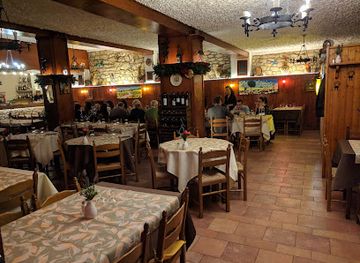
Ristorante Il Beccafico
Experience authentic Italian cuisine in the heart of Città di San Marino at Ristorante Il Beccafico, where tradition meets taste.
-
Restaurant
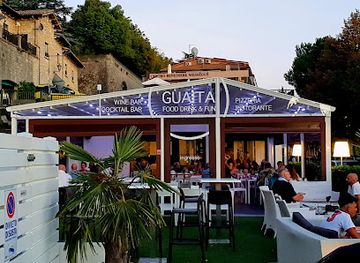
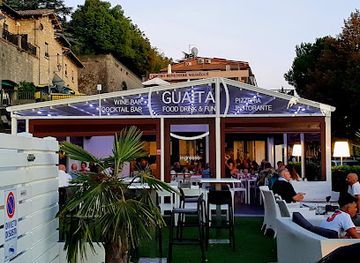
GUAITA food, drink & fun
Experience the best of Italian cuisine and vibrant nightlife at GUAITA, San Marino's premier restaurant and bar.
Best nightclubs in Monte Lupo
Monte Lupo has no known nightlife infrastructure of its own and becomes quiet after the daytime movement of local roads and rural properties. Evening options are concentrated in San Marino’s inhabited centres, where visitors may find traditional bars, cafés, hotel lounges and restaurants serving as social meeting places rather than a dedicated club scene. San Marino City offers the broadest choice within the republic, while larger neighbouring settlements and Rimini in Italy provide a more extensive evening economy outside the destination. In the countryside, the authentic evening atmosphere is subdued: a meal, a local bar or the view from a settlement is more realistic than late-night entertainment. Venue availability can vary by season, weekday and local events.
-
Bar
GUAITA food, drink & fun
Experience the best of Italian cuisine and vibrant nightlife at GUAITA in San Marino, where food, drink, and fun come together.
-
Pub
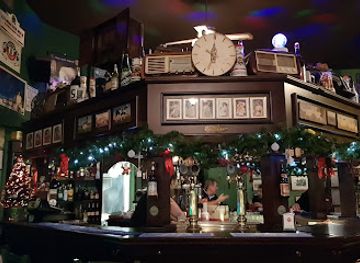
London Pub
Experience the lively atmosphere and authentic flavors at London Pub in San Marino, where every visit is a celebration of local culture.
-
Bar
Bar Casa Rossa
Discover Bar Casa Rossa in Murata, where local flavors and a cozy atmosphere create the perfect retreat for tourists exploring San Marino.
-
Bar
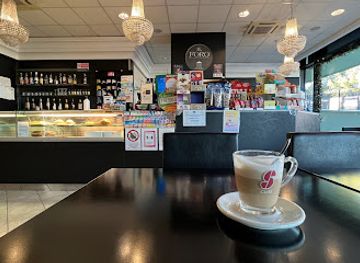
Il Foro Srl
Discover the cozy charm of Il Foro Srl, a delightful bar in San Marino perfect for relaxing with friends over drinks.
Best shops in Monte Lupo
Shopping at Monte Lupo itself is negligible, with no recognised commercial quarter or dedicated craft market associated with the hill. Visitors should obtain food, water and practical supplies in a nearby settlement or one of San Marino’s larger centres. Across the republic, more characteristic purchases include locally made food products, San Marinese or Italian regional specialities, ceramics, leather goods, crafts and souvenirs connected with the country’s historic identity, although the range varies between businesses. San Marino City has the greatest concentration of tourist-oriented retail, while village shops and food producers offer a more practical rural alternative. Shops, markets and independent workshops should be treated as separate nearby facilities rather than assumed to be located within Monte Lupo’s countryside.
-
Shopping mall
Atlante Shopping Center
Explore diverse shopping, dining, and entertainment options at the Atlante Shopping Center in Dogana - a vibrant retail paradise.
-
Shopping mall
Azzurro centro commerciale
Explore Azzurro Centro Commerciale, a vibrant shopping destination in San Marino with diverse shops and dining options for every taste.
-
Leather goods store
Fantini Pelletteria
Explore the exquisite craftsmanship of Italian leather goods at Fantini Pelletteria in San Marino, a must-visit for discerning shoppers.
-
Souvenir store
San Marino Duck Store
Explore the whimsical San Marino Duck Store for unique duck-themed souvenirs and toys in the heart of San Marino.




Get your free copy of our complete guide to Monte Lupo, delivered straight to you.
Everything on this page, from attractions and restaurants to essentials and local phrases, in one PDF you can read offline, print or share.
Already have an account? Sign in
Your Monte Lupo guide is ready.
We'll send it to · Not you? Sign out

Getting your guide ready…
We are putting together a fresh copy of the Monte Lupo guide. This can take up to a minute.
This can take a few moments. If your browser asks, choose Allow so the download can start. You'll find the guide in your Downloads folder.
Nothing happened? Download it again
Sorry, the guide is taking longer than usual. Please try again in a minute, or get it by email instead.
Monte Lupo essentials
Currency and Payment
Safety
Emergency Situations
Do's and Don'ts
Local Tips
From Eve
Local phrases worth knowing
You don't need to get them perfect. A few words go a long way, and locals appreciate the effort.
Basics
| English | Local | Say it |
|---|---|---|
| Hello | Ciao | [chow] |
| Goodbye | Addio | [ah-dyo] |
| Yes | Sì | [see] |
| No | No | [no] |
| Please/You're welcome | Per favore | [pehr fah-voh-reh] |
| Thank you | Grazie | [grah-tsyeh] |
| Excuse me/Sorry | Mi scusi | [mee skoo-zee] |
| How are you? | Come stai? | [koh-meh stah-ee] |
| Fine. And you? | Bene. E tu? | [beh-neh. eh too] |
| Do you speak English? | Parli inglese? | [pahr-lee een-gleh-zeh] |
| I don't understand | Non capisco | [nohn kah-pee-skoh] |
Eating & Drinking
| English | Local | Say it |
|---|---|---|
| I'd like to see the menu, please | Vorrei vedere il menù, per favore | [vohr-reh veh-deh-reh eel meh-noo, pehr fah-voh-reh] |
| I don't eat meat | Non mangio carne | [nohn mahn-joh kahr-neh] |
| Cheers! | Salute! | [sah-loo-teh] |
| I would like to pay, please | Vorrei pagare, per favore | [vohr-reh pah-gah-reh, pehr fah-voh-reh] |
Emergencies
| English | Local | Say it |
|---|---|---|
| Help! | Aiuto! | [ah-yoo-toh] |
| Go away! | Vattene! | [vaht-teh-neh] |
| Call the Police! | Chiama la polizia! | [kyah-mah lah poh-lee-tsya] |
| Call a doctor! | Chiama un dottore! | [kyah-mah oon doh-toh-reh] |
| I'm lost | Mi sono perso | [mee soh-noh pehr-soh] |
| I'm ill | Sono malato | [soh-noh mah-lah-toh] |
Shopping
| English | Local | Say it |
|---|---|---|
| I'd like to buy... | Vorrei comprare... | [vohr-reh kohm-prah-reh] |
| I'm just looking | Sto solo guardando | [stoh soh-loh gwar-dahn-doh] |
| How much is it? | Quanto costa? | [kwahn-toh koh-stah] |
| That's too expensive | È troppo caro | [eh troh-poh kah-roh] |
| Can you lower the price? | Puoi abbassare il prezzo? | [pwah-ee ab-bah-sah-reh eel preh-tsoh] |
Time & Numbers
| English | Local | Say it |
|---|---|---|
| What time is it? | Che ora è? | [keh oh-rah eh] |
| It's one o'clock | È l'una | [eh loo-nah] |
| Half past (10) | Sono le dieci e mezza | [soh-noh leh dyeh-chee eh meh-tsah] |
| Morning | Mattina | [maht-tee-nah] |
| Afternoon | Pomeriggio | [poh-meh-ree-joh] |
| Evening | Sera | [seh-rah] |
| Yesterday | Ieri | [yeh-ree] |
| Today | Oggi | [ohd-jee] |
| Tomorrow | Domani | [doh-mah-nee] |
| 1 | Uno | [oo-noh] |
| 2 | Due | [doo-eh] |
| 3 | Tre | [treh] |
| 4 | Quattro | [kwah-troh] |
| 5 | Cinque | [cheen-kweh] |
| 6 | Sei | [say] |
| 7 | Sette | [seh-tteh] |
| 8 | Otto | [oht-toh] |
| 9 | Nove | [noh-veh] |
| 10 | Dieci | [dyeh-chee] |
Transport & Directions
| English | Local | Say it |
|---|---|---|
| Where's a/the...? | Dov'è un/il...? | [doh-veh oon/eel] |
| What's the address? | Qual è l'indirizzo? | [kwahl eh leen-dee-reet-tsaw] |
| Can you show me (on the map)? | Puoi mostrarmi (sulla mappa)? | [pwah-ee mohs-trar-mee (sool-lah mahp-pah)] |
| When's the next (bus)? | Quando passa il prossimo (autobus)? | [kwahn-doh pahs-sah eel prohss-see-moh (ow-toh-boos)] |
| A ticket (to ....) | Un biglietto (per ....) | [oon beel-lyeh-toh (pehr)] |
History of Monte Lupo
A Landscape Shaped by the Apennines
Monte Lupo belongs to the hilly landscape of San Marino, a small republic situated on the northeastern flank of the Apennines in central Italy. Its terrain reflects the wider geological character of the region, where elevated ridges, slopes and valleys create a transition between inland hills and the Adriatic plain. Monte Lupo is not associated with a major independent historical episode in the standard narratives of San Marino, and its importance is primarily geographical and local. Understanding its setting requires seeing it as part of the rural terrain that surrounds the more prominent summit and settlement of Monte Titano.
Rural Settlement and Agriculture
For centuries, San Marino’s population lived not only in fortified centres but also across a dispersed agricultural hinterland of fields, farmsteads and small settlements. Places such as Monte Lupo form part of this less monumental landscape, where land use was shaped by cultivation, grazing, woodland and movement between villages. The republic’s historic communities depended on the surrounding countryside for food and materials, while roads and tracks linked rural households with parish centres and market settlements. Much of this history survives less through individual monuments than through the pattern of slopes, lanes, property boundaries and cultivated land.
The Republic Beyond the Citadel
San Marino’s international image has long been dominated by the medieval towers and fortified ridge of the capital, yet the republic’s administrative territory includes several rural castelli and extensive countryside. During the modern period, improved roads, vehicles and cross-border connections gradually reduced the isolation of smaller rural areas and encouraged housing and commuting beyond the historic centre. Monte Lupo is best interpreted within this broader development: a countryside location whose identity is connected to the republic as a whole rather than to a separate town or historic district.
Modern Landscape and Conservation
Contemporary San Marino balances residential growth, agriculture, road infrastructure and the protection of its historic and environmental character. Monte Lupo remains a modest rural destination rather than a heavily developed attraction, making responsible access particularly important. The absence of a large visitor infrastructure is itself part of the area’s character. Visitors encounter a lived-in landscape where farming, private property and everyday movement continue alongside recreational walking and scenic touring. Its historical significance therefore lies in the continuity of San Marino’s rural setting and in the contrast between the republic’s highly celebrated heritage core and its quieter outer countryside.
Monte Lupo in Photos
Browse through our photo collection highlighting the charm and character of the destination.
Cities in Monte Lupo
The towns and cities of Monte Lupo, and the easiest places to base yourself.
-

-

-

-

-

-


Swipe for more cities
Neighbouring destination travel guides
The closest destinations to Monte Lupo, if you have time for more than one.
-

-

-

-

-


Swipe for more destinations
Explore more

Explore more of San Marino
Discover San Marino: A charming microstate with medieval towers, scenic vistas, rich history, and delightful cuisine. Perfect for a unique cultural escape.
Explore San Marino