

Al Hada Travel Guide - Free Web & App
Your ultimate guide to Al Hada. Discover top landmarks, proposed trips, and local tips. Free on the web or via the Evendo companion app.


Discover Al Hada, a serene mountain retreat in Saudi Arabia, known for its cool climate, stunning views, cable car rides, hiking trails, and local cuisine.
Read more about Al Hada
When is the best time to visit Al Hada?
Best: March–April, November · 24–27°C| Month | High (°C) | Rainfall (mm) |
|---|---|---|
| January | 20 | 0 |
| February | 20 | 0 |
| March (best) | 24 | 0 |
| April (best) | 27 | 0 |
| May | 31 | 0 |
| June | 34 | 0 |
| July | 35 | 0 |
| August | 35 | 0 |
| September | 33 | 0 |
| October | 30 | 0 |
| November (best) | 26 | 0 |
| December | 22 | 0 |
Getting to and around Al Hada
How to get there
Transportation
Best attractions in Al Hada
Al Hada in Saudi Arabia offers a unique blend of natural beauty and historical significance for visitors to explore. From the stunning views of the Tihama plains to the lush greenery of the Al Hada mountains, there is no shortage of picturesque landscapes to admire. History buffs will be enthralled by the ancient ruins of the Al Hada archaeological site, where they can learn about the region's fascinating past. Adventurous travelers can also enjoy activities such as hiking, paragliding, and horseback riding in the breathtaking surroundings. With its rich history and stunning scenery, Al Hada is a must-visit destination for anyone looking to experience the best of Saudi Arabia.
-
Tourist attraction
Strawberries Farm
Experience the joy of strawberry picking at the Strawberries Farm in Alhada, where fresh produce meets breathtaking scenery in a delightful rural setting.
-
Tourist attraction
Strawberries Farm
Experience the joy of strawberry picking at the enchanting Strawberries Farm in Alhada, where nature and sweetness await every visitor.
-
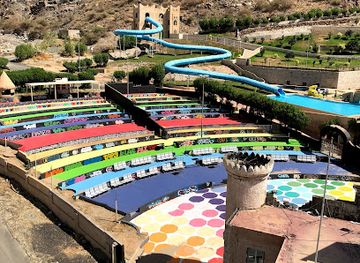
Animal park
Bird Park
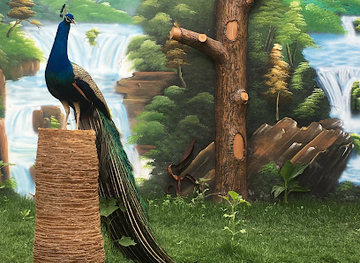
Immerse yourself in the colorful world of birds at Bird Park, the ultimate destination for avian enthusiasts in Alhada.
-
Park
Al Hada Park
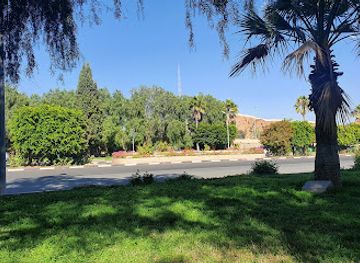
Discover the natural beauty and tranquility of Al Hada Park, a perfect escape for tourists seeking relaxation in a picturesque setting.

Best landmarks in Al Hada
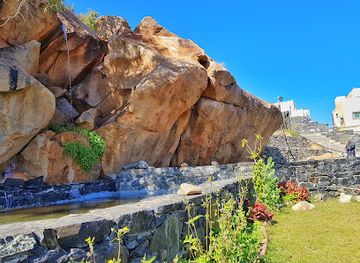
Al Hada in Saudi Arabia offers visitors a captivating mix of natural beauty and cultural heritage. From the breathtaking views of the Al Hada mountains to the historic Al Hada Palace, there is something for everyone to enjoy. Explore the Al Hada market for unique souvenirs and immerse yourself in the local cuisine at traditional restaurants. Don't miss the chance to visit the Al Hada Waterfall and take a relaxing stroll through the lush gardens. Whether you are a nature lover, history enthusiast, or simply looking for a peaceful retreat, Al Hada has it all.
-
Tourist attraction
Strawberries Farm
Explore the lush Strawberry Farm in Alhada, where nature meets flavor in a delightful family-friendly atmosphere.
-
Mountain cable car
Al Hada Cable Car
Discover the breathtaking mountains of Al Hada with a scenic cable car ride, offering stunning views and unforgettable experiences in Saudi Arabia.
-
Animal park
Bird Park
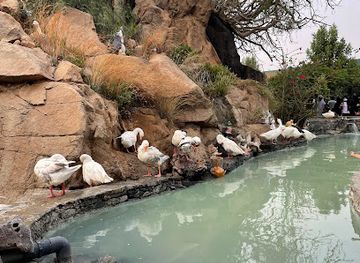
Explore the enchanting Bird Park in Alhada, where vibrant birds and serene landscapes create a perfect family-friendly escape.
-
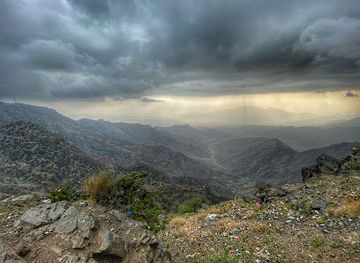
Bird watching area
مطل نهاية العالم
Explore the breathtaking Alhada Bird Watching Area in the stunning Hada mountains, a paradise for nature lovers and bird enthusiasts alike.
Explore Al Hada on the map
Plan your trip on one map. See where the top attractions, landmarks, restaurants and hotels are, and book hotels and experiences in a few clicks.
Best hotels in Al Hada
Best restaurants in Al Hada
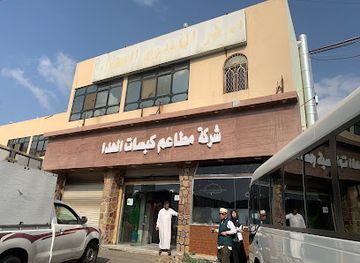
Al Hada offers a diverse dining scene that caters to all tastes and preferences. From traditional Saudi Arabian cuisine served in local eateries to international restaurants offering a wide range of dishes, visitors can indulge in a culinary journey like no other. Whether you crave authentic Middle Eastern flavors, fresh seafood, or international delicacies, Al Hada has something for everyone. The breathtaking views of the mountains and the cool mountain air only add to the dining experience, making it a memorable and unique adventure for all visitors.
-
Restaurant
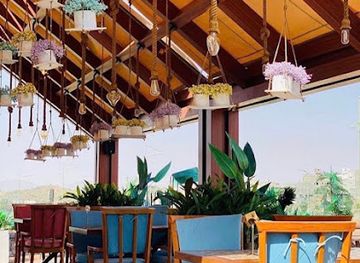
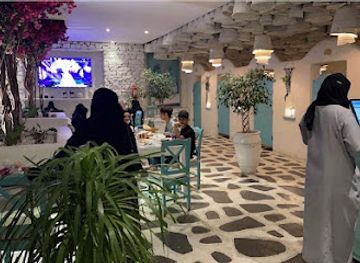
Kabsat
Discover Kabsat in Alhada for an unforgettable Arabian dining experience with authentic flavors and warm hospitality.
-
Restaurant
Opal Lounge
Experience culinary delights at Opal Lounge, where local flavors meet international cuisine in the heart of Taif.
-
Restaurant
Dar Taj Indian Restaurant
Experience authentic Indian cuisine at Dar Taj Restaurant in Alhada - where every dish tells a flavorful story.
-
Hamburger
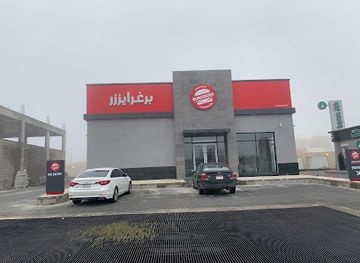
Burgerizzr
Savor gourmet burgers at Burgerizzr in Taif—where every bite is a celebration of flavor and freshness.
Best bars in Al Hada
Experience the vibrant nightlife of Al Hada, where visitors can immerse themselves in a unique blend of traditional Arabian entertainment and modern amenities. From lively bars serving exotic cocktails to upscale nightclubs with top DJs spinning the latest tunes, there is something for everyone to enjoy. Dance the night away under the starlit sky or relax with a shisha in a cozy lounge, surrounded by the stunning mountain views. With a welcoming atmosphere and friendly locals, the nightlife scene in Al Hada is sure to leave a lasting impression on any visitor.
-
Hotel
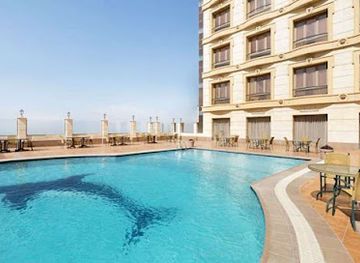
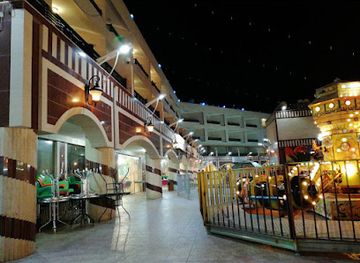
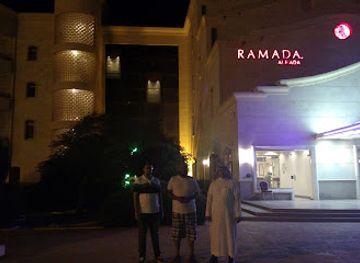
Ramada by Wyndham Al Hada
Discover the enchanting landscapes of Taif at Ramada by Wyndham Al Hada, where comfort and adventure harmoniously collide.
-
Hotel
فندق بهادر الهدا
Discover luxury and tranquility at فندق بهادر الهدا, your perfect retreat in Alhada, blending comfort with stunning natural scenery.
-
Park
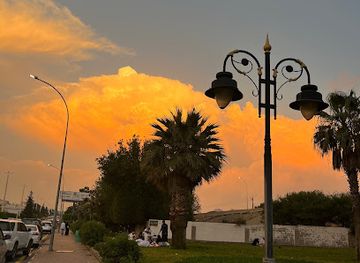
Al Hada Park
Explore Al Hada Park: A Scenic Retreat in Saudi Arabia's Lush Landscapes, Perfect for Nature Lovers and Families.
-
Hookah bar
Rawabi Alhada Cafe
Discover Rawabi Alhada Cafe, a perfect blend of traditional hookah and delightful café delights in the heart of Alhada.
Best nightclubs in Al Hada
Experience the vibrant nightlife of Al Hada, where visitors can immerse themselves in a unique blend of traditional Arabian entertainment and modern amenities. From lively bars serving exotic cocktails to upscale nightclubs with top DJs spinning the latest tunes, there is something for everyone to enjoy. Dance the night away under the starlit sky or relax with a shisha in a cozy lounge, surrounded by the stunning mountain views. With a welcoming atmosphere and friendly locals, the nightlife scene in Al Hada is sure to leave a lasting impression on any visitor.
-
Night club
كرفان ابو هاشم
Dive into the thrilling nightlife of Alhada at كرفان ابو هاشم, where music, dance, and unforgettable experiences await every visitor.
-
 Night club
مقهى وملهى التل
Experience the vibrant nightlife of Alhada at مقهى وملهى التل, where music and dance create unforgettable memories in a lively atmosphere.
Best shops in Al Hada
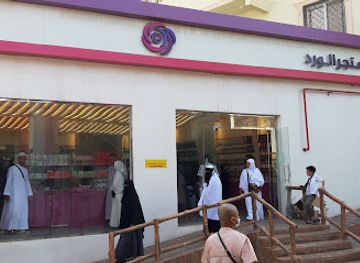
The shopping scene in Al Hada offers a unique blend of traditional Saudi Arabian handicrafts, modern shopping malls, and bustling souks. Visitors can explore colorful markets selling everything from intricate carpets and textiles to aromatic spices and traditional attire. For a more contemporary shopping experience, there are several modern malls with international brands and designer boutiques. Whether you're looking for authentic local souvenirs or luxury goods, Al Hada's diverse shopping scene has something for every visitor to enjoy.
-
Tourist attraction
مصنع راشد القرشي لإنتاج دهن وماء الورد الطائفي
Discover the rich tradition of rose water and oil production at Rashid Al-Qurashi Factory in Taif, a unique cultural experience amidst the fragrant blooms.
-
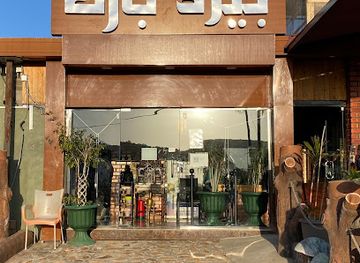
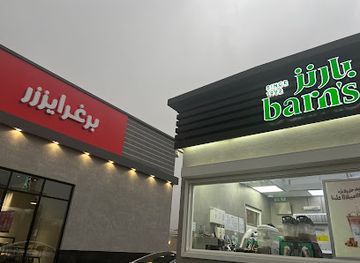
Coffee shop
Barn's | بارنز
Discover the rich flavors of Barn's Coffee in Al Hada, where artisanal brews and stunning views create the perfect café experience.
-
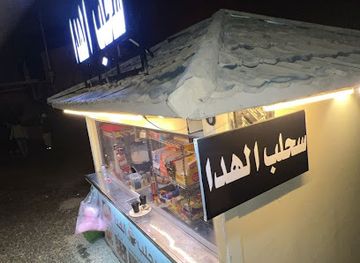
Coffee shop
سحلب الهدا
Discover the cozy ambiance and rich flavors of سحلب الهدا, a top coffee shop in Alhada, perfect for tourists seeking a relaxing escape.
-
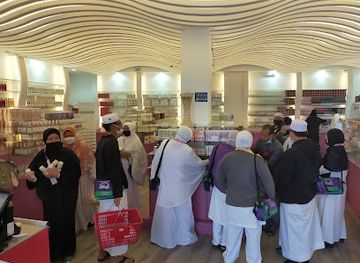
Perfume store
Al Taif Rose Masterpieces
Discover the enchanting scents of Al Taif at Al Taif Rose Masterpieces, where traditional Arabian fragrances come to life in exquisite bottles.
Get your free copy of our complete guide to Al Hada, delivered straight to you.
Everything on this page, from attractions and restaurants to essentials and local phrases, in one PDF you can read offline, print or share.
Already have an account? Sign in
Your Al Hada guide is ready.
We'll send it to · Not you? Sign out

Getting your guide ready…
We are putting together a fresh copy of the Al Hada guide. This can take up to a minute.
This can take a few moments. If your browser asks, choose Allow so the download can start. You'll find the guide in your Downloads folder.
Nothing happened? Download it again
Sorry, the guide is taking longer than usual. Please try again in a minute, or get it by email instead.
Al Hada essentials
Currency and Payment
Safety
Emergency Situations
Do's and Don'ts
Local Tips
From Eve
Local phrases worth knowing
You don't need to get them perfect. A few words go a long way, and locals appreciate the effort.
Basics
| English | Local | Say it |
|---|---|---|
| Hello | مرحبا | [Marhaban] |
| Goodbye | وداعا | [Wadaean] |
| Yes | نعم | [Naam] |
| No | لا | [La] |
| Please/You're welcome | من فضلك | [Min fadlik] |
| Thank you | شكرا | [Shukran] |
| Excuse me/Sorry | عذرا | [Aathara] |
| How are you? | كيف حالك؟ | [Kayf halik?] |
| Fine. And you? | بخير. وأنت؟ | [Bikhair. Wa ant?] |
| Do you speak English? | هل تتحدث الإنجليزية؟ | [Hal tatahadath al-inglizia?] |
| I don't understand | لا أفهم | [La afham] |
Eating & Drinking
| English | Local | Say it |
|---|---|---|
| I'd like to see the menu, please | أريد رؤية القائمة، من فضلك | [Areed ru'ya al-qaimah, min fadlik] |
| I don't eat meat | أنا لا آكل اللحم | [Ana la aakol al-lahm] |
| Cheers! | صحتين! | [Sahatein] |
| I would like to pay, please | أرغب في الدفع، من فضلك | [Arghab fi al-daf', min fadlik] |
Emergencies
| English | Local | Say it |
|---|---|---|
| Help! | النجدة! | [Al-najdah!] |
| Go away! | انصرف! | [Insarf!] |
| Call the Police! | اتصل بالشرطة! | [Itasal bialshurta!] |
| Call a doctor! | اتصل بالطبيب! | [Itasal bialtabib!] |
| I'm lost | ضاعت الطريق | [Da'at al-tariq] |
| I'm ill | أنا مريض | [Ana mareed] |
Shopping
| English | Local | Say it |
|---|---|---|
| I'd like to buy... | أريد شراء... | [Areed shira...] |
| I'm just looking | أنا فقط أتفرج | [Ana faqat atfarg] |
| How much is it? | كم سعرها؟ | [Kam sa'raha?] |
| That's too expensive | هذا غالي جدا | [Hatha ghali jiddan] |
| Can you lower the price? | هل يمكنك خفض السعر؟ | [Hal yumkinuk khafeed al-sa'ra?] |
Time & Numbers
| English | Local | Say it |
|---|---|---|
| What time is it? | كم الساعة؟ | [Kam al-sa'ah?] |
| It's one o'clock | الساعة الواحدة | [Al-sa'ah al-wahidah] |
| Half past (10) | العاشرة والنصف | [Al-ashirah wal-nisf] |
| Morning | الصباح | [Al-subah] |
| Afternoon | الظهر | [Al-thuhr] |
| Evening | المساء | [Al-masa'] |
| Yesterday | أمس | [Ams] |
| Today | اليوم | [Al-yawm] |
| Tomorrow | غدا | [Ghadan] |
| 1 | واحد | [Wahid] |
| 2 | اثنان | [Ithnan] |
| 3 | ثلاثة | [Thalathah] |
| 4 | أربعة | [Arbahah] |
| 5 | خمسة | [Khamsah] |
| 6 | ستة | [Sitah] |
| 7 | سبعة | [Sabahah] |
| 8 | ثمانية | [Thamanyah] |
| 9 | تسعة | [Tis'ah] |
| 10 | عشرة | [Asharah] |
Transport & Directions
| English | Local | Say it |
|---|---|---|
| Where's a/the...? | أين...؟ | [Ayna...?] |
| What's the address? | ما هو العنوان؟ | [Ma huwa al-unnwan?] |
| Can you show me (on the map)? | هل يمكنك أن تريني (على الخريطة)؟ | [Hal yumkinuk an tarini (ala al-kharitah)?] |
| When's the next (bus)? | متى يأتي الحافلة التالية؟ | [Mata yati al-hafilah al-taliyah?] |
| A ticket (to ....) | تذكرة (إلى ....) | [Tathkirah (ila ....)] |
History of Al Hada
Ancient Beginnings
Al Hada, nestled in the mountains of the Hejaz region, has a history that dates back to ancient times. This area has been inhabited for thousands of years, with archaeological evidence pointing to early human settlements. The rugged terrain and lush environment made it an ideal location for early communities to thrive.
Strategic Location
Due to its strategic location, Al Hada has long been a crucial corridor for trade caravans traveling between the coastal regions of the Red Sea and the interior of the Arabian Peninsula. This made it an important link in the ancient trade routes, facilitating the exchange of goods, cultures, and ideas.
Ottoman Influence
During the Ottoman Empire's control over the Arabian Peninsula, Al Hada played a significant role as a mountain retreat. The Ottomans appreciated the cooler climate of the region, which provided a respite from the scorching heat of the lowlands. Several Ottoman-era structures and influences remain visible in the area.
Modern Development
In the 20th century, Al Hada saw significant development under the Kingdom of Saudi Arabia. The construction of modern roads and infrastructure transformed the area into a popular tourist destination. The famous Al Hada Road, with its winding hairpin turns, offers breathtaking views and has become an iconic feature of the region.
Cultural Significance
Al Hada is not just a natural wonder but also a cultural treasure trove. The region is home to the indigenous Bedouin tribes who have preserved their traditional way of life over the centuries. Visitors can experience their rich cultural heritage, including traditional music, dance, and cuisine.
Natural Beauty
The natural beauty of Al Hada is one of its most captivating aspects. The region is known for its lush greenery, terraced farms, and stunning mountain vistas. The cool climate and abundant flora and fauna make it a popular destination for nature lovers and outdoor enthusiasts.
Al Hada in Photos
Browse through our photo collection highlighting the charm and character of the destination.
Neighbouring destination travel guides
The closest destinations to Al Hada, if you have time for more than one.
-

-

-

-
-


Swipe for more destinations
Explore more

Explore more of Makkah
Explore Makkah, the spiritual heart of Islam, where millions gather for Hajj and experience a blend of rich history, culture, and modern comforts.
Explore Makkah
Explore more of Saudi Arabia
Discover the rich heritage, stunning landscapes, and warm hospitality of Saudi Arabia, where ancient traditions meet modern wonders in a truly unique travel experience.
Explore Saudi Arabia