

Free Vojvodina Travel Guide & Mobile App
Explore Vojvodina with free travel guides. Discover regional history, expert tips, proposed trips, and audio guides on web or mobile app.


Explore Vojvodina’s historic towns, Danube wetlands, Fruška Gora monasteries, Art Nouveau streets, vineyards and multicultural cuisine in northern Serbia.
Read more about Vojvodina
When is the best time to visit Vojvodina?
Best: June, August–September · 22–27°C| Month | High (°C) | Rainfall (mm) |
|---|---|---|
| January | 5 | 40 |
| February | 7 | 40 |
| March | 12 | 45 |
| April | 17 | 55 |
| May | 22 | 65 |
| June (best) | 26 | 70 |
| July | 28 | 60 |
| August (best) | 27 | 55 |
| September (best) | 22 | 50 |
| October | 16 | 45 |
| November | 10 | 50 |
| December | 5 | 45 |
Getting to and around Vojvodina
How to get there
Transportation
Top city travel guides in Vojvodina
The cities of Vojvodina, and the easiest places to base yourself.
-

-

-

-

-


Swipe for more cities
Destinations in Vojvodina
Resorts, valleys and scenic spots worth a trip of their own.
-

-

-


Swipe for more destinations
Best attractions in Vojvodina
Vojvodina’s attractions range from urban heritage and fortifications to wetlands, vineyards and wide-open agricultural landscapes. Novi Sad provides museums, galleries, theatres and the Danube setting of Petrovaradin Fortress, while nearby Fruška Gora National Park combines wooded walking routes, viewpoints, wineries and Orthodox monasteries. Subotica is a destination for architecture, and Palić adds a lakeside resort landscape with historic villas and avenues. Sremska Mitrovica offers access to the Roman remains of Sirmium, while Sombor, Zrenjanin and Kikinda show the region’s Austro-Hungarian townscape and multicultural history. Nature-focused visitors can explore the Kovilj-Petrovaradin wetlands, Danube habitats, the Tisa river corridor and the Deliblato Sands, a distinctive sandy landscape in southern Banat. Cycling, birdwatching, fishing and boating are important activities, though some reserves require planning and local guidance. Village farmsteads, food traditions and seasonal events add a slower rural dimension that contrasts with Novi Sad’s cultural calendar.
-
Nature preserve
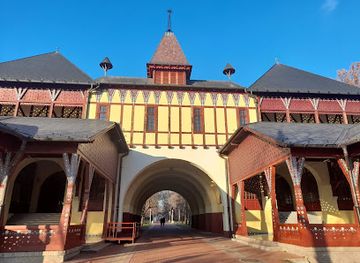
Palić Nature Park
Discover the tranquility and beauty of Palić Nature Park, a nature preserve featuring lush landscapes, diverse wildlife, and serene lakes in Serbia.
-
National park
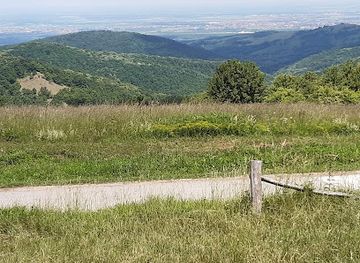
Fruška Gora National Park
Explore the breathtaking landscapes and rich heritage of Fruška Gora National Park, a natural gem in Serbia, ideal for nature lovers and history buffs alike.
-
Market
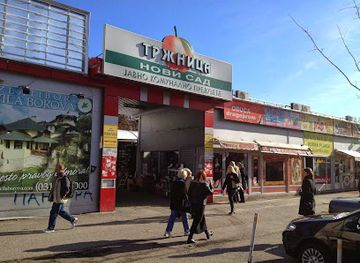
Futoška pijaca
Explore Futoška Pijaca, the vibrant market in Novi Sad where fresh produce meets local culture and authentic Serbian flavors come to life.
-
Tourist attraction
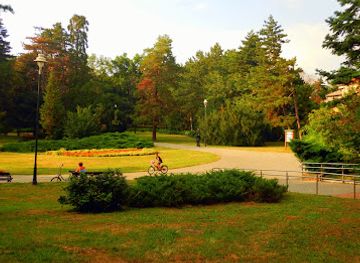
Futoški Park
Discover the natural beauty and cultural vibrancy of Futoški Park, a must-visit destination in Novi Sad for relaxation and exploration.
Best landmarks in Vojvodina
Petrovaradin Fortress is Vojvodina’s most recognisable historic structure, occupying a strategic position above the Danube opposite Novi Sad. Its bastions, tunnels, clock tower and views express the military importance of the Habsburg frontier, while the nearby old town retains a distinct fortress-settlement character. In Novi Sad, the Name of Mary Church, the Serbian Orthodox Cathedral and the Bishop’s Palace help define the central cityscape. Subotica’s Town Hall and the nearby synagogue are major examples of regional Secession architecture, with richly coloured façades and decorative detail that distinguish the city from Serbia’s other urban centres. The historic resort buildings of Palić form another notable architectural ensemble. Sremska Mitrovica is significant for the buried and excavated remains of Roman Sirmium, once an important imperial city. Across Fruška Gora, monasteries such as Krušedol, Grgeteg, Hopovo and Jazak represent the enduring religious and artistic heritage of Serbian communities in the region. The Deliblato Sands, although natural rather than monumental, is also a defining geographical landmark of southern Banat.
-
Fortress
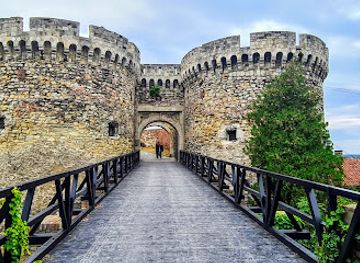
Belgrade Fortress
Explore the historical treasures of Belgrade Fortress, where the past meets breathtaking views of the Sava and Danube rivers.
-
City park
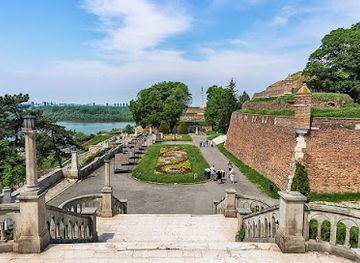
Kalemegdan
Experience the breathtaking views and rich history at Kalemegdan, Belgrade's iconic fortress and cultural landmark, where nature meets heritage.
-
Park
Danube Park
Explore the lush landscapes and cultural treasures of Danube Park in Novi Sad, a serene escape in the heart of Serbia's vibrant city.
-
Nature preserve
Palić Nature Park
Discover the natural beauty of Palić Nature Park, a serene retreat in Serbia featuring lush landscapes, diverse wildlife, and tranquil lakeside views.
Explore Vojvodina on the map
Plan your trip on one map. See where the top cities, national parks and sights are, and book hotels and experiences in a few clicks.
Best hotels in Vojvodina
Best restaurants in Vojvodina
Vojvodina’s cuisine reflects the meeting of Serbian, Hungarian, Slovak, Romanian, Croatian, German and other traditions. Menus commonly feature paprika-rich stews, goulash-style dishes, freshwater fish, grilled meats, seasonal vegetables, noodles, savoury pastries and substantial breads. Along the Danube and Tisa, fish soups and other river-based dishes are longstanding specialities, while villages and farmsteads often emphasise home-produced dairy, cured meats, preserves and fruit brandy. Novi Sad offers the broadest choice of contemporary restaurants, cafés and international food, whereas Subotica, Sombor and smaller towns retain a stronger café, bakery and traditional-restaurant culture. Fruška Gora is associated with vineyards and cellar visits, and local wines pair naturally with regional food. Markets are useful for tasting paprika, honey, fruit, cheese and seasonal produce. In rural areas, opening arrangements can be limited or informal, so organised food and wine visits may be more reliable than spontaneous dining plans.
-
Restaurant
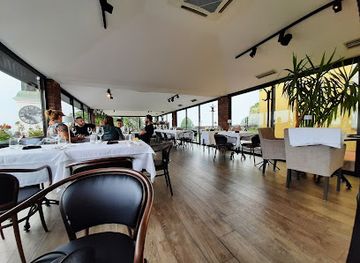
Vinska Kuca Kovacevic
Experience authentic Serbian cuisine at Vinska Kuca Kovacevic in Irig—where tradition meets taste in every dish.
-
Restaurant
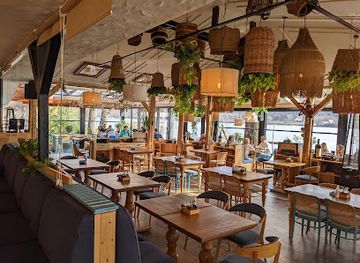
Piknik
Discover Piknik in Novi Sad: where delectable cuisine meets stunning riverside views.
-
Restaurant
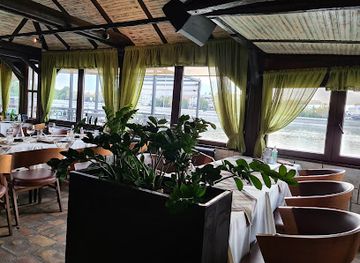
Čarda Aqua Doria
Discover the essence of Serbian culture through food at Čarda Aqua Doria—where every meal is a celebration.
-
Restaurant
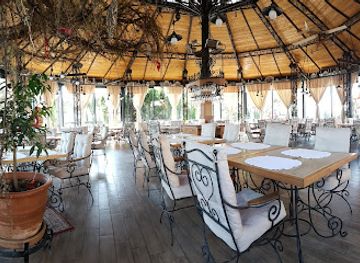
Terasa
Discover exquisite Serbian cuisine at Terasa in Petrovaradin, offering stunning river views and an unforgettable dining experience.
Best bars in Vojvodina
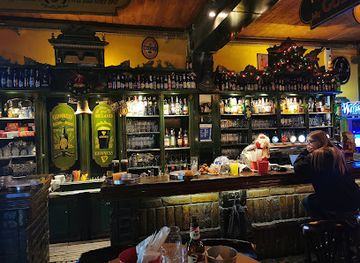
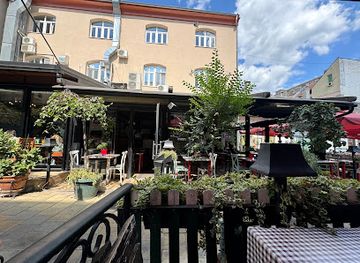
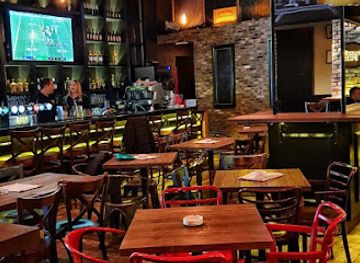
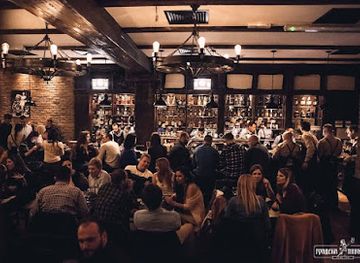
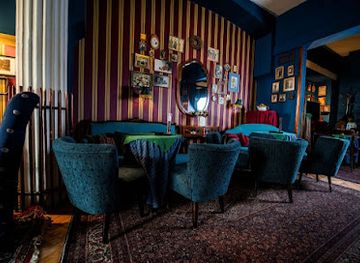
Novi Sad has Vojvodina’s most varied evening scene, with cafés, bars, live-music venues, riverside settings and clubs concentrated around the central streets and the wider Petrovaradin area. Its large music events can bring temporary crowds and altered transport arrangements, so accommodation may require advance planning at those times. Subotica offers a smaller but active selection of cafés, bars and cultural venues, with evenings often beginning in the central Art Nouveau district. In Sombor, Zrenjanin and other provincial towns, nightlife is more likely to centre on neighbourhood cafés, traditional pubs, restaurants and occasional live music than on a large club circuit. Rural Vojvodina generally favours convivial evenings in farmsteads, wine cellars and village establishments, sometimes with seasonal programming. Visitors should not expect late-night services everywhere; outside the main towns, evenings can become quiet soon after dinner.
-
Pub
Irish Pub
Discover the lively atmosphere of the Irish Pub in Novi Sad, where great food, music, and drinks await in a cozy setting.
-
Serbian
Pivnica Gusan
Discover the rich tastes of Serbia at Pivnica Gusan, a lively pub offering authentic dishes and local drinks in the heart of Novi Sad.
-
Pub
Funk & Soul Pub
Experience the vibrant nightlife of Belgrade at Funk & Soul Pub, where craft beer, live music, and a lively atmosphere await you.
-
Gastropub
Gradska pivnica
Discover the flavors of Novi Sad at Gradska Pivnica, where traditional Serbian cuisine meets a vibrant gastropub atmosphere.
Best nightclubs in Vojvodina
Novi Sad has Vojvodina’s most varied evening scene, with cafés, bars, live-music venues, riverside settings and clubs concentrated around the central streets and the wider Petrovaradin area. Its large music events can bring temporary crowds and altered transport arrangements, so accommodation may require advance planning at those times. Subotica offers a smaller but active selection of cafés, bars and cultural venues, with evenings often beginning in the central Art Nouveau district. In Sombor, Zrenjanin and other provincial towns, nightlife is more likely to centre on neighbourhood cafés, traditional pubs, restaurants and occasional live music than on a large club circuit. Rural Vojvodina generally favours convivial evenings in farmsteads, wine cellars and village establishments, sometimes with seasonal programming. Visitors should not expect late-night services everywhere; outside the main towns, evenings can become quiet soon after dinner.
-
Cocktail bar
Absolut
Discover the lively ambiance of Absolut Cocktail Bar in Novi Sad, where innovative cocktails and a cozy atmosphere create unforgettable experiences.
-
Night club
Hype
Dive into the electrifying nightlife of Belgrade at Hype Night Club, a vibrant venue where music and energy come alive every weekend.
-
Night club
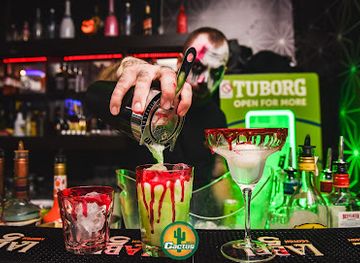
CACTUS BAR
Cactus Bar in Novi Sad: A vibrant night club experience with electrifying music, tasty cocktails, and an unforgettable party atmosphere.
-
Night club
Cuba Libre
Experience the vibrant nightlife of Novi Sad at Cuba Libre, a lively nightclub and café offering diverse music and a welcoming atmosphere.

Best shops in Vojvodina
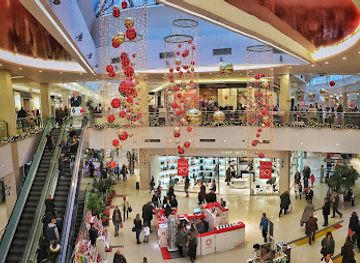
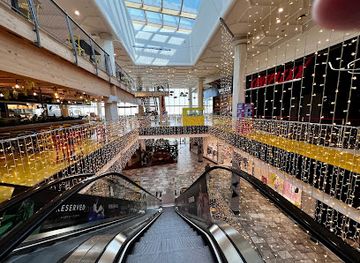
Shopping in Vojvodina is strongest in its historic town centres, where independent clothing shops, bakeries, bookshops, cafés and practical local stores sit alongside larger national retailers. Novi Sad has the widest urban choice, including design-led shops, galleries and contemporary craft outlets, while Subotica is particularly rewarding for architecture combined with small businesses and regional food shopping. Sombor, Zrenjanin and other market towns offer a slower high-street experience and periodic produce markets rather than extensive luxury retail. Look for paprika, honey, fruit preserves, cheeses, wines from Fruška Gora, locally made fruit brandy and traditional baked goods, buying alcohol and food products from reputable shops or established producers. Craft items, folk textiles, ceramics and handmade decorations may appear at cultural events and artisan markets, though availability varies by season. In rural areas, ask permission before entering farmsteads or photographing goods, and carry dinars for smaller vendors.
-
Shopping mall
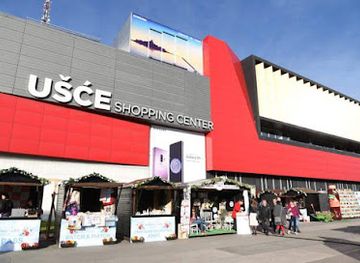
UŠĆE Shopping Center
Explore UŠĆE Shopping Center, Belgrade's ultimate shopping destination with diverse shops, delicious dining, and entertainment options.
-
Shopping mall
Delta City
Explore Delta City in Belgrade – a vibrant shopping mall with diverse retail options, delicious dining, and entertainment for all ages.
-
Shopping mall
BIG FASHION Beograd
Explore a shopping paradise at BIG FASHION Beograd, featuring diverse stores, dining options, and entertainment all under one roof.
-
Shopping mall
BIG Novi Sad
Experience vibrant shopping, dining, and entertainment at BIG Novi Sad, the ultimate destination for tourists seeking retail therapy in Serbia.
Get your free copy of our complete guide to Vojvodina, delivered straight to you.
Everything on this page, from attractions and restaurants to essentials and local phrases, in one PDF you can read offline, print or share.
Already have an account? Sign in
Your Vojvodina guide is ready.
We'll send it to · Not you? Sign out

Getting your guide ready…
We are putting together a fresh copy of the Vojvodina guide. This can take up to a minute.
This can take a few moments. If your browser asks, choose Allow so the download can start. You'll find the guide in your Downloads folder.
Nothing happened? Download it again
Sorry, the guide is taking longer than usual. Please try again in a minute, or get it by email instead.
Vojvodina essentials
Currency and Payment
Safety
Emergency Situations
Do's and Don'ts
Local Tips
From Eve
Local phrases worth knowing
You don't need to get them perfect. A few words go a long way, and locals appreciate the effort.
Basics
| English | Local | Say it |
|---|---|---|
| Hello | Zdravo | [zdrah-vo] |
| Goodbye | Doviđenja | [do-vee-jen-ya] |
| Yes | Da | [dah] |
| No | Ne | [neh] |
| Please/You're welcome | Molim/ Nema na čemu | [moh-leem/ neh-mah nah cheh-moo] |
| Thank you | Hvala | [hvah-lah] |
| Excuse me/Sorry | Izvinite | [iz-vee-nee-teh] |
| How are you? | Kako ste? | [kah-koh steh] |
| Fine. And you? | Dobro. A vi? | [doh-broh. ah vee] |
| Do you speak English? | Da li govorite engleski? | [dah lee goh-vor-ee-teh eng-les-kee] |
| I don't understand | Ne razumem | [neh rah-zoo-mem] |
Eating & Drinking
| English | Local | Say it |
|---|---|---|
| I'd like to see the menu, please | Hteo bih da vidim meni, molim | [hteh-oh bih dah vee-deem meh-nee, moh-leem] |
| I don't eat meat | Ne jedem meso | [neh yeh-dem meh-so] |
| Cheers! | Živeli! | [zhee-veh-lee] |
| I would like to pay, please | Hteo bih da platim, molim | [hteh-oh bih dah plah-teem, moh-leem] |
Emergencies
| English | Local | Say it |
|---|---|---|
| Help! | U pomoć! | [oo poh-mohch] |
| Go away! | Odlazi! | [od-lah-zee] |
| Call the Police! | Pozovite policiju! | [poh-zoh-vee-teh poh-lee-tsee-yoo] |
| Call a doctor! | Pozovite doktora! | [poh-zoh-vee-teh dok-toh-rah] |
| I'm lost | Izgubio sam se | [iz-goo-bee-oh sahm seh] |
| I'm ill | Bolestan sam | [boh-leh-stan sahm] |
Shopping
| English | Local | Say it |
|---|---|---|
| I'd like to buy... | Hteo bih da kupim... | [hteh-oh bih dah koo-peem] |
| I'm just looking | Samo gledam | [sah-mo gled-am] |
| How much is it? | Koliko košta? | [koh-lee-koh koh-shtah] |
| That's too expensive | To je preskupo | [toh yeh preh-skoo-poh] |
| Can you lower the price? | Možete li spustiti cenu? | [moh-zhe-teh lee spoos-tee-tee tseh-noo] |
Time & Numbers
| English | Local | Say it |
|---|---|---|
| What time is it? | Koliko je sati? | [koh-lee-koh yeh sah-tee] |
| It's one o'clock | Jedan je čas | [yeh-dahn yeh chahs] |
| Half past (10) | Pola (10) | [poh-lah] |
| Morning | Jutro | [yoo-troh] |
| Afternoon | Posle podne | [poh-sleh pod-neh] |
| Evening | Veče | [veh-cheh] |
| Yesterday | Juče | [yoo-cheh] |
| Today | Danas | [dah-nahs] |
| Tomorrow | Sutra | [soo-trah] |
| 1 | Jedan | [yeh-dahn] |
| 2 | Dva | [dva] |
| 3 | Tri | [tree] |
| 4 | Četiri | [cheh-tee-ree] |
| 5 | Pet | [pet] |
| 6 | Šest | [shest] |
| 7 | Sedam | [seh-dahm] |
| 8 | Osam | [oh-sahm] |
| 9 | Devet | [deh-vet] |
| 10 | Deset | [deh-set] |
Transport & Directions
| English | Local | Say it |
|---|---|---|
| Where's a/the...? | Gde je...? | [gdeh yeh] |
| What's the address? | Koja je adresa? | [koh-yah yeh ah-dreh-sah] |
| Can you show me (on the map)? | Možete li mi pokazati (na mapi)? | [moh-zhe-teh lee mee poh-kah-zah-tee (nah mah-pee)] |
| When's the next (bus)? | Kada je sledeći (autobus)? | [kah-dah yeh sleh-deh-chee (au-toh-boos)] |
| A ticket (to ....) | Jedna karta (za ...) | [yeh-dnah kar-tah (zah ...)] |
History of Vojvodina
Prehistoric settlements and the Roman frontier
The fertile plains and rivers of present-day Vojvodina have supported settlement since prehistoric times. Archaeological remains include Neolithic communities such as those associated with the Starčevo and Vinča cultural horizons, while later peoples used the region’s waterways and rich soils for farming and trade. Under Rome, the area lay near important frontier zones along the Danube. Sirmium, at modern Sremska Mitrovica, became one of the empire’s significant cities and an administrative centre in Pannonia. Roman roads, military installations and urban remains established patterns of settlement that continued to influence the region long after imperial rule ended.
Medieval Hungarian rule and fortified settlements
During the medieval period, much of Vojvodina was linked politically and economically with the Kingdom of Hungary. Fortified places, churches, monasteries and market settlements developed along the Danube and other major routes. The region’s position between central Europe and the Balkans made it strategically important, particularly as Ottoman power advanced northwards. Medieval legacies are visible in archaeological sites and later town plans, although warfare, shifting borders and repeated rebuilding mean that much of the surviving architectural character belongs to later centuries.
Ottoman rule and Habsburg reconstruction
Ottoman expansion transformed the political landscape of the southern Pannonian plain from the sixteenth century onwards. After the Habsburg reconquest in the late seventeenth and early eighteenth centuries, the area was reorganised through military administration, land settlement and agricultural development. New communities arrived alongside established Serbian populations, including Hungarians, Germans, Slovaks, Romanians and others. Planned towns, defensive works and estate agriculture expanded, laying the foundations for the multicultural and largely rural society that became characteristic of Vojvodina.
The Military Frontier and the growth of towns
Parts of southern and eastern Vojvodina were incorporated into the Habsburg Military Frontier, a defensive zone facing the Ottoman Empire. Military settlements brought distinctive administrative arrangements and encouraged the development of roads, river transport and frontier towns. Elsewhere, commercial and agricultural centres grew under civilian administration. Petrovaradin became an important fortress town, while Novi Sad, Subotica, Sombor, Zrenjanin and other settlements expanded through trade, crafts and grain production. The resulting architectural mixture of Baroque, Classicist and later Secession styles remains a defining feature of many Vojvodina towns.
Novi Sad and the Serbian cultural revival
Novi Sad became a major centre of Serbian intellectual and cultural life during the eighteenth and nineteenth centuries, when it was often described as the Serbian Athens. Publishing, education, theatre and religious institutions flourished there, supported by the city’s position on the Danube and its links with communities across the Habsburg lands. The Serbian Matica, founded in the nineteenth century and later based in Novi Sad, contributed significantly to literature, scholarship and cultural organisation. This period strengthened the city’s role as a Serbian cultural centre while preserving its distinctly multi-ethnic urban setting.
Railways, agriculture and Austro-Hungarian modernisation
The nineteenth century brought railway construction, improved river transport, commercial agriculture and new industrial activity. Vojvodina’s grain, livestock, wine and other produce entered wider markets, while expanding towns acquired schools, civic buildings, banks and public institutions. Subotica and other urban centres developed imposing Secession architecture, the regional expression of the wider Art Nouveau movement. Mechanised agriculture and modern communications altered village life, but the plain’s economic identity remained strongly tied to farming, food production and the transport routes connecting central Europe with the Balkans.
Vojvodina in Yugoslavia and contemporary Serbia
After the First World War, Vojvodina became part of the Kingdom of Serbs, Croats and Slovenes, later Yugoslavia, while its ethnic and linguistic diversity continued to shape public life. The Second World War brought occupation, persecution and profound demographic disruption. In socialist Yugoslavia, industrialisation, agricultural collectivisation and urban growth changed the relationship between towns and villages. Vojvodina gained and later saw changes to its autonomous status within Serbia. Since the break-up of Yugoslavia, Novi Sad has expanded as a university and technology centre, while the province continues to balance agricultural traditions, multicultural heritage and contemporary Serbian identity.
Vojvodina in Photos
Browse through our photo collection highlighting the charm and character of the destination.
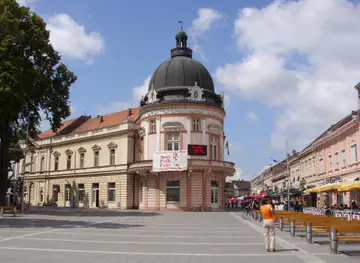
Neighbouring regions of Vojvodina
The closest regions to Vojvodina, if you have time for more than one.
-

-

-

-
-


Swipe for more regions
Explore more

Explore more of Serbia
Discover Serbia: A Balkan treasure with rich history, stunning natural landscapes, and vibrant cities waiting to be explored.
Explore Serbia