

Free Banat Travel Guide & Mobile App
Explore Banat with free travel guides. Discover regional history, expert tips, proposed trips, and audio guides on web or mobile app.


Explore Serbian Banat for wide Vojvodina plains, multicultural towns, vineyards, wetlands, sandy landscapes and layered Central European heritage.
Read more about Banat
When is the best time to visit Banat?
Best: June–August · 24–26°C| Month | High (°C) | Rainfall (mm) |
|---|---|---|
| January | 4 | 50 |
| February | 7 | 45 |
| March | 12 | 50 |
| April | 17 | 55 |
| May | 22 | 60 |
| June (best) | 24 | 65 |
| July (best) | 26 | 60 |
| August (best) | 26 | 55 |
| September | 22 | 50 |
| October | 16 | 55 |
| November | 10 | 50 |
| December | 5 | 45 |
Getting to and around Banat
How to get there
Transportation
Top city travel guides in Banat
The cities of Banat, and the easiest places to base yourself.
-

-

-

-


Swipe for more cities
Destinations in Banat
Resorts, valleys and scenic spots worth a trip of their own.

Swipe for more destinations
Best attractions in Banat
Banat’s attractions are spread across a large, predominantly rural landscape rather than concentrated in one resort town. Pančevo offers historic churches, civic buildings and industrial heritage near the Danube, while Zrenjanin provides a useful base for exploring central Banat and its waterways. Vršac combines a historic town, vineyards, the Vršac Mountains and the remains of Vršac Castle, whose hilltop position gives context to the region’s frontier past. Kikinda adds museums and a distinctive townscape, as well as the seasonal spectacle of long-eared owls gathering in urban trees. Nature is central to the visitor experience: the Deliblato Sands support walking, cycling and wildlife observation; Carska bara protects wetlands and bird habitat; and Slano Kopovo near Novi Bečej is an important saline wetland. The ruins of Arača provide a striking archaeological and architectural excursion across the northern plain, while Bela Crkva is associated with lakes, orchards and relaxed summer recreation. Smaller villages, monasteries, wine estates and farm landscapes reward travel by car, though access and opening arrangements should be checked locally. The overall attraction is the contrast between cultivated plain, sandy terrain, wetlands, mountain foothills and multicultural settlements.
-
Tourist attraction
The Gallery of Matica Srpska
Explore the rich cultural heritage and artistic treasures of Serbia at The Gallery of Matica Srpska in Novi Sad.
-
Tourist attraction
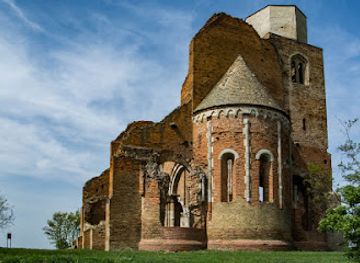
Arača
Discover the beauty of Arača, a medieval gem in Serbia's Novi Bečej, where history and architecture unite in serene surroundings.
-
Tourist attraction
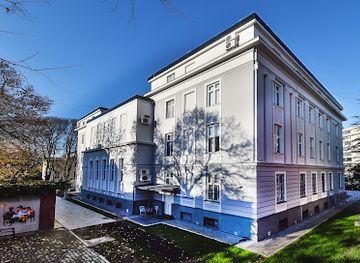
Menrat’s palace
Explore Menrat’s Palace in Novi Sad, a stunning historical landmark showcasing exquisite architecture and rich cultural heritage.
-
Historical place museum
Poljana gde je bila bitka Turaka i Vrščana
Explore the Poljana battlefield in Vršč, Serbia, where history comes alive through the tales of the Turks and Vršćans clash.

Best landmarks in Banat
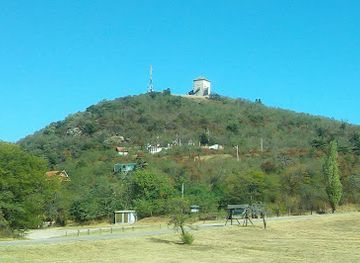
The most recognisable landmarks of Serbian Banat express its frontier history, planned settlement and contrasting landscapes. Vršac Castle, also known as Vršac Tower, occupies a prominent hill above the town and the plain, preserving the strategic importance of the Vršac area during the medieval and later frontier periods. In Novi Bečej municipality, the remains of Arača Church stand alone in the agricultural landscape; its Romanesque-Gothic character and ruined walls make it one of northern Banat’s most distinctive historic sites. Zrenjanin’s central area is notable for its ensemble of nineteenth- and early twentieth-century civic buildings, reflecting the town’s development as an administrative and commercial centre. Pančevo’s historic churches and urban architecture reveal its Habsburg and industrial legacies. The Vršac Mountains form a natural landmark rising sharply from the plain, while the Deliblato Sands offer a different visual identity of dunes, woodland and open sandy terrain. Wetlands such as Carska bara and Slano Kopovo are landmarks of ecological rather than monumental significance, demonstrating how rivers, saline waters and former floodplains have shaped Banat’s geography.
-
Fortress
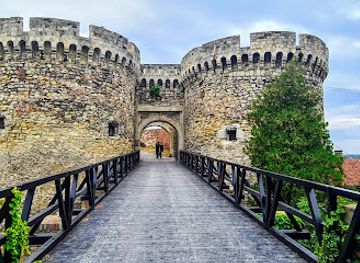
Belgrade Fortress
Discover Belgrade Fortress, a captivating blend of history and nature with breathtaking views of the city’s rivers, perfect for every traveler.
-
City park
Kalemegdan
Discover the historical and cultural treasures of Kalemegdan, a stunning fortress and city park in the heart of Belgrade, where history meets natural beauty.
-
Fortress
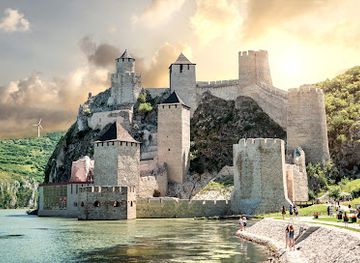
Golubac Fortress
Discover the rich history and stunning views of Golubac Fortress, a medieval landmark guarding the banks of the Danube River in Serbia.
-
Fortress
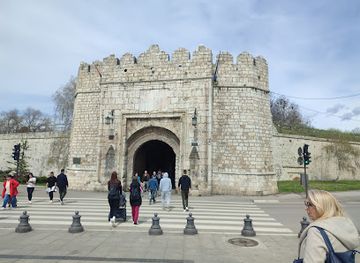
Fortress of Niš
Discover the historic Fortress of Niš, a stunning landmark where ancient history meets breathtaking views in the heart of Serbia.

Explore Banat on the map
Plan your trip on one map. See where the top cities, national parks and sights are, and book hotels and experiences in a few clicks.
Best hotels in Banat
Best restaurants in Banat
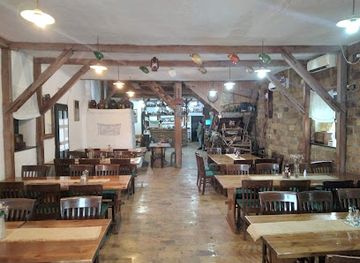
Banat’s food reflects Serbian cooking alongside Romanian, Hungarian, Slovak, German and broader Central European influences. Menus commonly feature paprika-rich stews, grilled meats, freshwater fish, seasonal vegetables, soups, noodles and savoury or sweet pastries. In villages and market towns, bakery counters and cafés are useful places to look for kiflice, strudel-style pastries and other regional baking traditions, while restaurants may serve fish preparations connected with the Danube, Tisa and local waterways. Pančevo, Zrenjanin, Vršac and Kikinda offer the widest choice of restaurants, cafés and traditional eateries; outside them, dining tends to be simpler and more closely tied to local households, farms and inns. Vršac and the surrounding Banat vineyards give wine a particularly visible role, with white, red and rosé styles varying between producers. Farmers’ markets are valuable for fruit, peppers, honey, preserves and dairy products, although product selection changes with the season. Visitors should distinguish between dishes broadly associated with Vojvodina and those presented as a producer’s own local speciality.
-
Restaurant
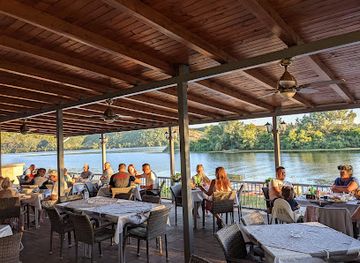
Riblji restoran "Dunavski cvet"
Experience authentic Serbian seafood at Riblji restoran 'Dunavski cvet' in Banatska Palanka - where every dish tells a story.
-
Lunch
Restoran Jorgovan
Discover authentic Serbian flavors at Restoran Jorgovan in Golubac – where culinary traditions meet stunning landscapes.
-
Restaurant
Banatska kuća
Savor traditional Serbian flavors at Banatska kuća - where rustic charm meets culinary excellence in Zrenjanin.
-
Family-friendly
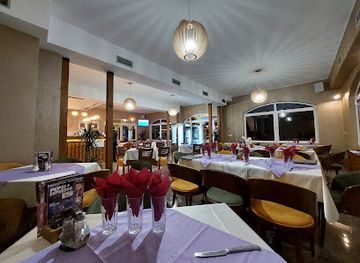
bar Banat
Experience family-friendly dining at Bar Banat with delicious burgers and pizzas in the heart of Kikinda.
Best bars in Banat
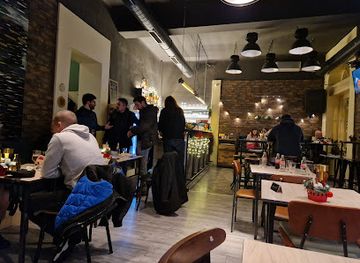
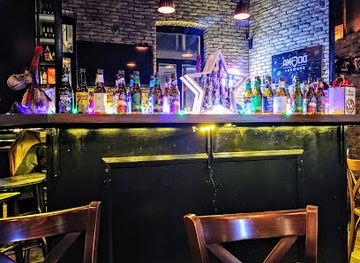
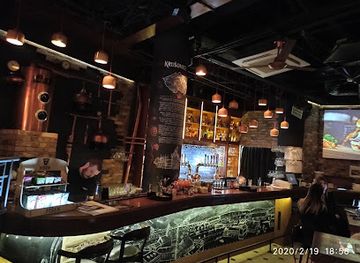
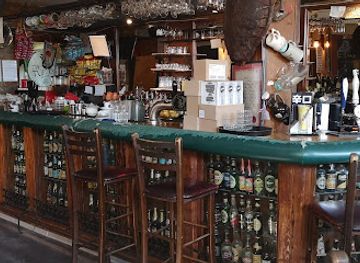
Evening life in Banat is centred on cafés, traditional pubs, restaurants and town squares rather than a large club circuit. Pančevo, Zrenjanin, Vršac and Kikinda have the broadest choice of bars, with later venues and occasional live music concentrated in the urban centres. Vršac’s wine culture supports wine-focused socialising, while smaller towns may offer local beer, spirits and relaxed café terraces rather than dedicated nightlife districts. In villages, evenings are generally quieter and may revolve around family restaurants, community events or seasonal celebrations. Pančevo benefits from its proximity to Belgrade, but it should not be treated as part of Belgrade’s nightlife area. Opening patterns and individual venues change, so local recommendations are more dependable than relying on old listings. Responsible drinking, consideration for residential streets and arranging transport back to rural accommodation are particularly important when staying outside the main towns.
-
Pub
Funk & Soul Pub
Discover the heart of Belgrade's nightlife at Funk & Soul Pub, where music, drinks, and good vibes come together.
-
Pub
Gunners Pub
Discover the vibrant atmosphere of Gunners Pub, a Belgrade hotspot for beer lovers featuring a cozy beer garden and live music.
-
Pub
O.U.R. Pub
Discover the heartbeat of Belgrade at O.U.R. Pub, where live music, delicious food, and a welcoming atmosphere unite for an unforgettable experience.
-
Brewpub
The Black Turtle
Discover the vibrant ambiance and unique craft beers at The Black Turtle, a cherished brewpub in Belgrade's historic Stari Grad district.
Best nightclubs in Banat
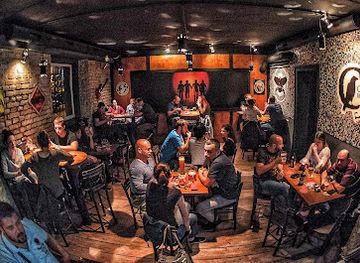
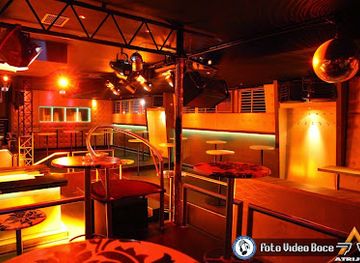
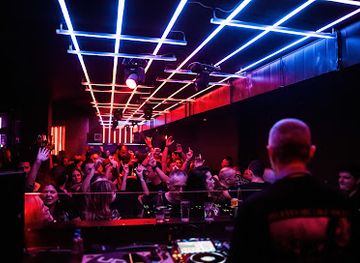
Evening life in Banat is centred on cafés, traditional pubs, restaurants and town squares rather than a large club circuit. Pančevo, Zrenjanin, Vršac and Kikinda have the broadest choice of bars, with later venues and occasional live music concentrated in the urban centres. Vršac’s wine culture supports wine-focused socialising, while smaller towns may offer local beer, spirits and relaxed café terraces rather than dedicated nightlife districts. In villages, evenings are generally quieter and may revolve around family restaurants, community events or seasonal celebrations. Pančevo benefits from its proximity to Belgrade, but it should not be treated as part of Belgrade’s nightlife area. Opening patterns and individual venues change, so local recommendations are more dependable than relying on old listings. Responsible drinking, consideration for residential streets and arranging transport back to rural accommodation are particularly important when staying outside the main towns.
-
Night club
Backstage Belgrade
Discover the electrifying nightlife at Backstage Belgrade, where music, dancing, and vibrant atmosphere come together for an unforgettable experience.
-
Night club
Hype
Discover the electrifying atmosphere of Hype, Belgrade's premier night club, where unforgettable nights and top DJs await you.
-
Disco club
Discotheque ATRIJUM
Discover the electrifying nightlife of Kladovo at Discotheque ATRIJUM, where music, dance, and unforgettable memories await.
-
Night club
KULT
Experience Belgrade's electrifying nightlife at KULT, the ultimate destination for music, dance, and unforgettable memories.


Best shops in Banat
Shopping in Banat is primarily local and practical, with the strongest character found in market towns, open-air markets, bakeries, wine shops and independent food retailers. Pančevo, Zrenjanin, Vršac and Kikinda have the broadest high-street selection, while smaller settlements are better for produce, household goods and village-made foods than for extensive retail browsing. Markets are useful places to look for seasonal fruit and vegetables, peppers, honey, preserves, cheese and baked goods, although opening days and stall numbers vary. Vršac is the natural place to investigate locally produced wine, while craft and souvenir choices may include pottery, textiles, decorative food products and small-scale artworks rather than standardised tourist merchandise. Antiques and traditional household objects sometimes appear through independent dealers, but quality and provenance should be assessed carefully. Visitors seeking regional gifts will generally find food, wine and honey more representative of Banat than mass-produced souvenirs. Carry Serbian dinars for market purchases and small businesses, and remember that the best rural products may be sold seasonally or directly from producers.
-
Shopping mall
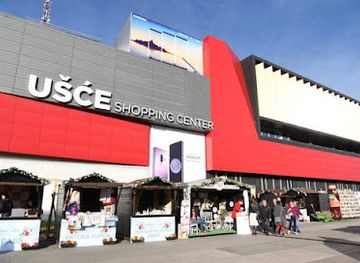
UŠĆE Shopping Center
Discover the ultimate shopping and entertainment experience at UŠĆE Shopping Center in Belgrade, where every visit is an adventure.
-
Shopping mall
Delta City
Explore Delta City, the ultimate shopping destination in Belgrade, offering a blend of local and international brands, dining, and entertainment.
-
Shopping mall
BIG FASHION Beograd
Experience retail therapy at BIG FASHION Beograd, a modern shopping mall in Belgrade with diverse shops, dining, and entertainment options.
-
Shopping mall
Galerija - Beograd
Explore Belgrade's Galerija: A dynamic shopping mall with diverse shops and delightful dining options, perfect for tourists seeking a taste of local culture.

Get your free copy of our complete guide to Banat, delivered straight to you.
Everything on this page, from attractions and restaurants to essentials and local phrases, in one PDF you can read offline, print or share.
Already have an account? Sign in
Your Banat guide is ready.
We'll send it to · Not you? Sign out

Getting your guide ready…
We are putting together a fresh copy of the Banat guide. This can take up to a minute.
This can take a few moments. If your browser asks, choose Allow so the download can start. You'll find the guide in your Downloads folder.
Nothing happened? Download it again
Sorry, the guide is taking longer than usual. Please try again in a minute, or get it by email instead.
Banat essentials
Currency and Payment
Safety
Emergency Situations
Do's and Don'ts
Local Tips
From Eve
Local phrases worth knowing
You don't need to get them perfect. A few words go a long way, and locals appreciate the effort.
Basics
| English | Local | Say it |
|---|---|---|
| Hello | Zdravo | [Zdra-vo] |
| Goodbye | Doviđenja | [Do-vi-đen-ya] |
| Yes | Da | [Da] |
| No | Ne | [Ne] |
| Please/You're welcome | Molim | [Mo-lim] |
| Thank you | Hvala | [Hva-la] |
| Excuse me/Sorry | Izvinite | [Iz-vi-ni-te] |
| How are you? | Kako ste? | [Ka-ko ste?] |
| Fine. And you? | Dobro. A vi? | [Do-bro. A vi?] |
| Do you speak English? | Govoriš li engleski? | [Go-vo-rish li en-gles-ki?] |
| I don't understand | Ne razumem | [Ne ra-zu-mem] |
Eating & Drinking
| English | Local | Say it |
|---|---|---|
| I'd like to see the menu, please | Želeo bih da vidim meni, molim | [Zhe-le-o bih da vi-dim me-ni, mo-lim] |
| I don't eat meat | Ne jedem meso | [Ne ye-dem me-so] |
| Cheers! | Na zdravlje! | [Na zdrav-lje!] |
| I would like to pay, please | Želeo bih da platim, molim | [Zhe-le-o bih da pla-tim, mo-lim] |
Emergencies
| English | Local | Say it |
|---|---|---|
| Help! | Pomoć! | [Po-moć!] |
| Go away! | Odlazi! | [Od-la-zi!] |
| Call the Police! | Pozovite policiju! | [Po-zo-vi-te po-li-ci-ju!] |
| Call a doctor! | Pozovite doktora! | [Po-zo-vi-te dok-to-ra!] |
| I'm lost | Izgubio sam se | [Iz-gu-bi-o sam se] |
| I'm ill | Bolestan sam | [Bo-les-tan sam] |
Shopping
| English | Local | Say it |
|---|---|---|
| I'd like to buy... | Želeo bih da kupim... | [Zhe-le-o bih da ku-pim...] |
| I'm just looking | Samo gledam | [Sa-mo gle-dam] |
| How much is it? | Koliko je to? | [Ko-li-ko ye to?] |
| That's too expensive | To je preskupo | [To ye pre-sku-po] |
| Can you lower the price? | Možeš li da spustiš cenu? | [Mo-zheš li da spu-stiš ce-nu?] |
Time & Numbers
| English | Local | Say it |
|---|---|---|
| What time is it? | Koliko je sati? | [Ko-li-ko ye sa-ti?] |
| It's one o'clock | Jedan je sat | [Je-dan ye sat] |
| Half past (10) | Pola (10) | [Po-la (10)] |
| Morning | Jutro | [Yu-tro] |
| Afternoon | Popodne | [Po-pod-ne] |
| Evening | Veče | [Ve-che] |
| Yesterday | Juče | [Yu-che] |
| Today | Danas | [Da-nas] |
| Tomorrow | Sutra | [Su-tra] |
| 1 | 1 | [1] |
| 2 | 2 | [2] |
| 3 | 3 | [3] |
| 4 | 4 | [4] |
| 5 | 5 | [5] |
| 6 | 6 | [6] |
| 7 | 7 | [7] |
| 8 | 8 | [8] |
| 9 | 9 | [9] |
| 10 | 10 | [10] |
Transport & Directions
| English | Local | Say it |
|---|---|---|
| Where's a/the...? | Gde je...? | [Gde ye...?] |
| What's the address? | Koja je adresa? | [Ko-ja ye a-dre-sa?] |
| Can you show me (on the map)? | Možeš li da mi pokažeš (na mapi)? | [Mo-zheš li da mi po-ka-žeš (na ma-pi)?] |
| When's the next (bus)? | Kada je sledeći (autobus)? | [Ka-da ye sle-de-ći (au-to-bus)?] |
| A ticket (to ....) | Jedna karta (za....) | [Jed-na kar-ta (za....)] |
History of Banat
Prehistoric Communities of the Banat Plain
Banat has been occupied since prehistoric times, when fertile river corridors, wetlands and loess soils supported farming, fishing and settlement. Archaeological evidence from the wider Pannonian Basin records successive Neolithic, Copper Age and Bronze Age communities, whose pottery, tools and settlement remains reveal long-distance exchange as well as local adaptation. The region’s flat terrain made movement relatively easy, but rivers and marshes also shaped where people lived. Much of this early heritage is encountered through museum collections and archaeological research rather than monumental sites, since later agriculture and settlement have altered the visible landscape.
Roman Frontier and River Communications
The Danube formed a major boundary of the Roman Empire, and the Banat area was connected to the military, commercial and administrative networks of the lower Pannonian and Moesian frontier. Roads, river traffic, fortified positions and agricultural estates linked settlements across what is now northern Serbia and western Romania. Roman influence did not erase earlier communities, but introduced new systems of taxation, construction and trade. Archaeological traces are often fragmentary, yet the region’s strategic position between the Danube basin and the interior remained important long after Roman authority withdrew.
Medieval Kingdoms and the Arača Legacy
During the medieval period, Banat belonged largely to the Hungarian crown and developed through royal estates, fortified settlements, churches and agricultural communities. Trade routes connected the plain with the Tisa and Danube, while religious institutions helped anchor settlement. The ruined Romanesque church of Arača, near Novi Bečej, is one of the region’s most evocative survivals from this era. Medieval communities faced warfare, political changes and shifting patterns of landholding, but the church ruins and archaeological remains demonstrate the region’s earlier place within the architectural and ecclesiastical world of Central Europe.
Ottoman Banat and the Habsburg Conquest
Ottoman forces incorporated much of Banat during the sixteenth century, and the area was administered within the Ottoman frontier system for roughly 160 years. Warfare, migration and the decline or transformation of older settlements changed the demographic and economic landscape. Habsburg forces conquered the Banat in the early eighteenth century, after which the territory was organised as the Banat of Temeswar, governed from Timișoara, now in Romania. This transition introduced new military, administrative and colonisation policies that shaped the region’s later villages, roads and land use.
Habsburg Settlement and the Military Frontier
Under Habsburg rule, Banat was repopulated and reorganised through planned settlement, agricultural development and military administration. Serbs, Romanians, Germans, Hungarians, Slovaks and other groups settled or were resettled in different parts of the plain. In the south, the Banat Military Frontier placed communities within a defensive system facing the Ottoman Empire; elsewhere, estates and newly surveyed villages supported intensive farming. Straight streets, large farm plots, churches of several denominations and German-influenced building traditions still reveal this period’s lasting influence.
Nineteenth-Century Agriculture, Trade and Industry
The nineteenth century brought stronger integration with the Habsburg economy. Improved roads, canals and railways helped move grain, livestock and manufactured goods through the region, while towns such as Pančevo, Vršac, Zrenjanin and Kikinda expanded as administrative and commercial centres. Agricultural estates became more productive, and milling, food processing and other industries developed alongside craft trades. The period also saw national and cultural institutions grow within the multi-ethnic society of southern Hungary, contributing to the civic architecture and urban character still visible in Banat’s larger towns.
Banat in Yugoslavia and Contemporary Serbia
After the First World War, the Serbian part of Banat became part of the Kingdom of Serbs, Croats and Slovenes, later Yugoslavia, and was subsequently incorporated into the autonomous province of Vojvodina within Serbia. The twentieth century brought land reform, war, major demographic change, socialist industrialisation and the expansion of urban centres. Today, Banat’s identity reflects both Serbian and wider Vojvodina traditions, while Romanian, Hungarian, Slovak, Roma and other cultural communities continue to contribute to local public life. Agriculture remains important, complemented by manufacturing, services, wine production and nature-based tourism.
Banat in Photos
Browse through our photo collection highlighting the charm and character of the destination.
Neighbouring regions of Banat
The closest regions to Banat, if you have time for more than one.
-

-

-

-

-


Swipe for more regions
Explore more

Explore more of Serbia
Discover Serbia: A Balkan treasure with rich history, stunning natural landscapes, and vibrant cities waiting to be explored.
Explore Serbia