

Free Zaječar Travel Guide & Mobile App
Explore Zaječar with free travel guides. Discover regional history, expert tips, proposed trips, and audio guides on web or mobile app.


Explore Zaječar in eastern Serbia for Roman ruins, Timok valleys, mountain scenery, spa towns and a distinctive local music tradition.
Read more about Zaječar
When is the best time to visit Zaječar?
Best: May–June, September · 24–28°C| Month | High (°C) | Rainfall (mm) |
|---|---|---|
| January | 5 | 40 |
| February | 8 | 35 |
| March | 13 | 45 |
| April | 19 | 52 |
| May (best) | 24 | 65 |
| June (best) | 28 | 65 |
| July | 31 | 50 |
| August | 31 | 45 |
| September (best) | 24 | 50 |
| October | 18 | 45 |
| November | 11 | 55 |
| December | 6 | 53 |
Getting to and around Zaječar
How to get there
Transportation
Destinations in Zaječar
Resorts, valleys and scenic spots worth a trip of their own.

Swipe for more destinations
Best attractions in Zaječar
Zaječar's attractions are led by archaeology but extend well beyond a single Roman monument. Felix Romuliana near Gamzigrad is the region's central cultural attraction, with monumental walls, gates, mosaics and an archaeological museum set among open countryside. At Ravna near Knjaževac, Timacum Minus offers a more intimate view of Roman administration and settlement in the Timok valley. Zaječar's National Museum adds archaeological, historical and ethnographic context, while the city becomes a cultural gathering point during Gitarijada. The surrounding district brings different experiences: Knjaževac combines valley scenery and wine-growing traditions, Boljevac opens routes towards the distinctive massif of Rtanj, and Sokobanja offers spa facilities, parks and hill walks. Rural roads lead to villages, viewpoints and seasonal food traditions rather than a dense chain of formal attractions. Visitors interested in nature can pursue hiking and cycling in the uplands, provided they plan for limited services and changing weather. The region is best understood through a combination of heritage visits, short outdoor excursions, local museums and time in its market and spa towns.
-
Park
Kraljevica Memorial Park-Forest
Explore the serene beauty of Kraljevica Memorial Park-Forest, a lush escape in Zaječar with history, nature, and family-friendly activities.
-
National museum
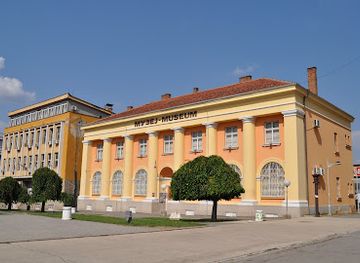
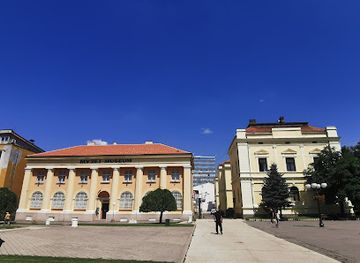
National Museum Zaječar
Explore the rich heritage of Serbia at the National Museum Zaječar, where history and culture come alive through captivating exhibits.
Best landmarks in Zaječar
Felix Romuliana is the defining landmark of the Zaječar region: its fortified circuit, monumental gates and surviving decorative details express the status of a late Roman imperial residence. The site matters not simply for its ruins but for the direct connection between the Timok landscape and Emperor Galerius. At Ravna, the remains of Timacum Minus mark an earlier Roman network of forts, roads and settlements in the valley near Knjaževac. In Zaječar itself, the National Museum is an important civic and cultural landmark because it brings the district's archaeology and local history together under one roof. The Timok rivers give the city a geographical identity, while the broader district is visually defined by the mass of Rtanj and the wooded hills around Sokobanja and Knjaževac. These natural forms are not isolated monuments but orientation points that explain the region's settlement patterns, routes and outdoor character. Historic town centres in Zaječar, Knjaževac and Sokobanja provide a more everyday architectural counterpoint to the Roman sites.
-
Park
Kraljevica Memorial Park-Forest
Experience the natural beauty and historical significance of Kraljevica Memorial Park-Forest in Zaječar.
-
Historical landmark
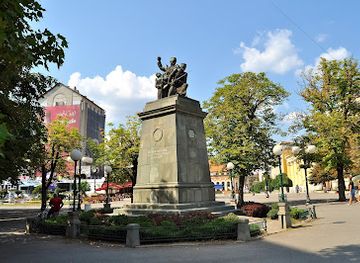
Monument to the fallen fighters of Timok valley
Explore the Monument to the Fallen Fighters of Timok Valley in Zaječar, a historical landmark that commemorates the bravery and sacrifice of local heroes.
-
National museum
National Museum Zaječar
Discover Serbia's rich cultural heritage at the National Museum Zaječar, home to captivating artifacts and stunning mosaics from the UNESCO site of Romuliana.
-
Sculpture
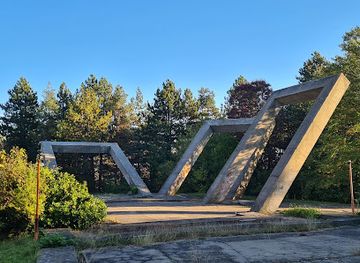
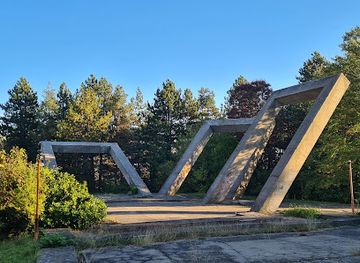
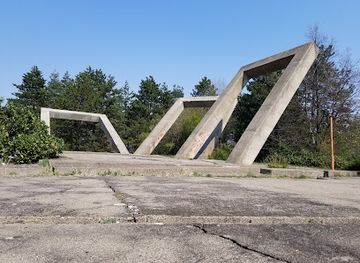
Vešala Monument
Explore the Vešala Monument in Zaječar, a stunning example of brutalist architecture that reflects the rich cultural heritage of the region.
Explore Zaječar on the map
Plan your trip on one map. See where the top cities, national parks and sights are, and book hotels and experiences in a few clicks.
Best hotels in Zaječar
Best restaurants in Zaječar
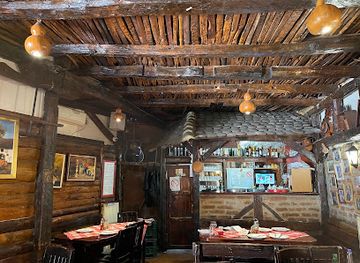
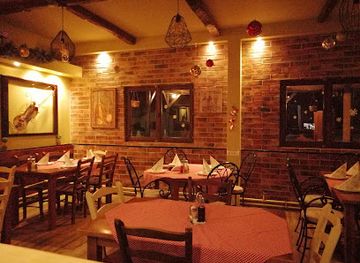
Dining in the Zaječar area reflects eastern Serbian home cooking and the produce of the Timok valleys. Restaurants and traditional inns commonly serve grilled meat, soups, beans, stuffed vegetables, fresh salads, soft cheeses and breads, with menus changing according to season. In villages and smaller towns, portions tend to favour filling regional cooking rather than elaborate presentation, while Zaječar and Sokobanja provide a broader choice of cafés, pizzerias and contemporary Serbian restaurants. Fruit cultivation and small-scale vineyards are important parts of the local food landscape, and wines from the wider Timok area may appear alongside Serbian spirits and domestic beer. Farmers' markets are useful for seeing the everyday produce of the district, including peppers, tomatoes, fruit, honey and dairy products. When visiting a spa town, look for traditional restaurants serving cooked dishes as well as casual cafés for coffee and pastries. Outside the main centres, it is sensible to check meal availability in advance, particularly in the evening or outside the summer season.
-
Restaurant
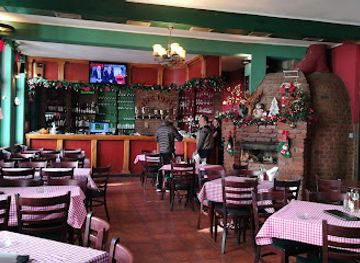
Pub
Discover the flavors of Serbia at Pub Rivendell in Zaječar – where great food meets warm hospitality.
-
Restaurant
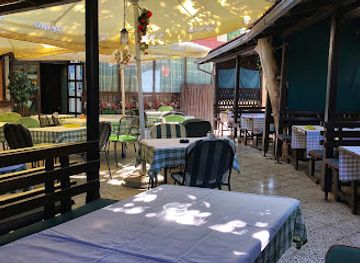
Restoran Dva brata
Discover authentic Serbian cuisine at Restoran Dva Brata in Zaječar - where tradition meets taste in every bite.
-
Restaurant
Kod Mede
Discover authentic Serbian flavors at Kod Mede in Zaječar – where every meal is a celebration of local cuisine.
-
Restaurant
Rakija and Meze
Experience authentic Serbian cuisine at Rakija and Meze in Bor – where tradition meets taste.
Best bars in Zaječar
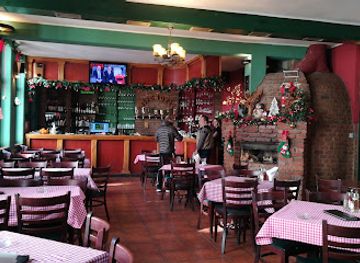
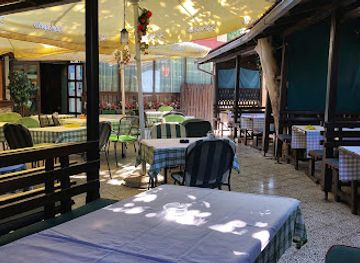
Evening life in Zaječar is centred on cafés, bars and restaurants in the town centre, with a relaxed social rhythm rather than a large, concentrated club scene. Gitarijada brings a more intense programme of live music when it takes place, but it is a specific festival occasion rather than a permanent description of the city. Sokobanja has cafés, restaurants and seasonal evening activity serving spa visitors, while Knjaževac offers smaller bars and local meeting places. In villages and rural districts, traditional inns and home-style restaurants are more relevant than nightclubs, and venues may close earlier than visitors expect. Serbia's café culture makes coffee a natural part of an evening out, and local beer, wine and fruit-based spirits are widely available. Check current event information locally, since live music and seasonal schedules can change.
-
Restaurant
Pub
Enjoy a delightful mix of local cuisine and vibrant nightlife at Pub Rivendell, the heart of Zaječar's dining scene.
-
Restaurant
Restoran Dva brata
Experience authentic Serbian cuisine and warm hospitality at Restoran Dva Brata in Zaječar, a must-visit for culinary enthusiasts.
-
Restaurant
Kod Mede
Experience authentic Serbian cuisine at Kod Mede, a culinary gem in Zaječar, perfect for tourists seeking local flavors and warm hospitality.
-
Restaurant
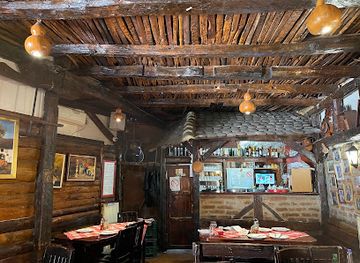
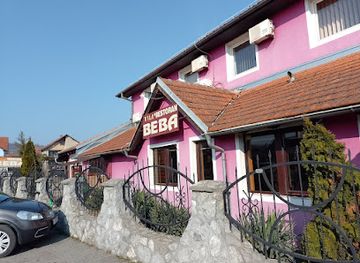
Motel Beba
Discover the flavors of Serbia at Motel Beba, a unique restaurant and motel in Zaječar offering traditional cuisine and cozy accommodations.
Best nightclubs in Zaječar
Evening life in Zaječar is centred on cafés, bars and restaurants in the town centre, with a relaxed social rhythm rather than a large, concentrated club scene. Gitarijada brings a more intense programme of live music when it takes place, but it is a specific festival occasion rather than a permanent description of the city. Sokobanja has cafés, restaurants and seasonal evening activity serving spa visitors, while Knjaževac offers smaller bars and local meeting places. In villages and rural districts, traditional inns and home-style restaurants are more relevant than nightclubs, and venues may close earlier than visitors expect. Serbia's café culture makes coffee a natural part of an evening out, and local beer, wine and fruit-based spirits are widely available. Check current event information locally, since live music and seasonal schedules can change.
-
Restaurant
Pub
Discover the unique flavors and cozy atmosphere of Pub Rivendell, a top dining destination in Zaječar, Serbia.
-
Bar
Club Z
Discover Zaječar's nightlife at Club Z, where great drinks and a welcoming atmosphere come together for an unforgettable experience.
-
Restaurant
Klub Kristal
Discover the lively ambiance and delectable cuisine at Klub Kristal, the heart of Zaječar's nightlife scene.
-
Cafe
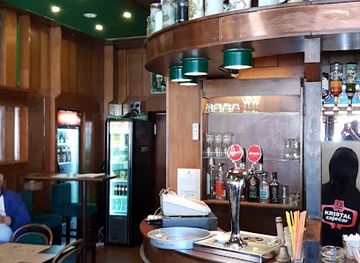
€uroClub
Experience the cozy ambiance of €uroClub Cafe in Zaječar, offering delightful beverages and light bites in a welcoming setting.
Best shops in Zaječar
Shopping in Zaječar is practical and locally focused, with central streets, supermarkets, small independent shops and open-market trading supplying residents and visitors. The city's market is a useful place to look for seasonal fruit and vegetables, honey, dairy products and other everyday produce, although arrangements and trading days should be checked locally. Knjaževac and Sokobanja offer smaller high streets with cafés, food shops, pharmacies, souvenirs and craft-oriented businesses rather than extensive retail centres. Regional purchases may include Timok-area wine, fruit preserves, honey, dried produce and Serbian confectionery, while rural households sometimes sell products directly when visitors ask through local accommodation providers. Sokobanja has the strongest concentration of tourist souvenirs, including herbal and spa-related products. Independent galleries, craft shops and market stalls provide more character than branded retail, but selection varies by season. Visitors seeking specialist fashion or major shopping centres will find a wider choice in larger Serbian cities outside the district.
-
Shopping mall
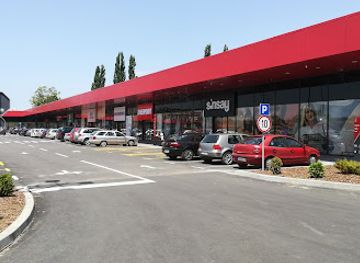
STOP SHOP Zaječar
Experience shopping like never before at Stop Shop Zaječar, where local culture meets modern retail in a family-friendly environment.
-
Furniture store
JYSK Zaječar
Discover stylish and affordable furniture at JYSK Zaječar, your go-to destination for home furnishings in the heart of Serbia.
-
Clothing store
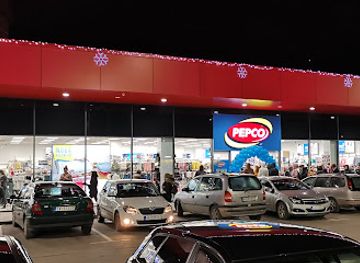
Pepco
Explore Pepco in Zaječar for a diverse range of affordable clothing, toys, and home goods, perfect for families and savvy shoppers.
-
Home goods store
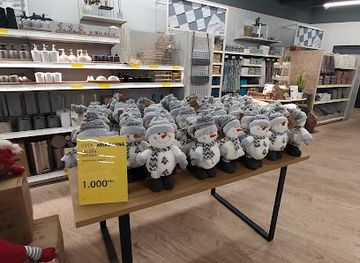
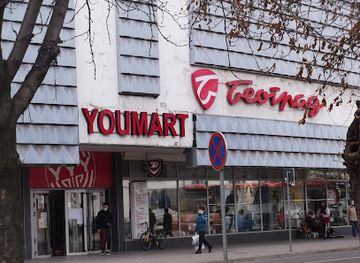
YOUMART
Explore YOUMART in Zaječar for an exceptional selection of home goods that blend style and function, perfect for every tourist's needs.
Get your free copy of our complete guide to Zaječar, delivered straight to you.
Everything on this page, from attractions and restaurants to essentials and local phrases, in one PDF you can read offline, print or share.
Already have an account? Sign in
Your Zaječar guide is ready.
We'll send it to · Not you? Sign out

Getting your guide ready…
We are putting together a fresh copy of the Zaječar guide. This can take up to a minute.
This can take a few moments. If your browser asks, choose Allow so the download can start. You'll find the guide in your Downloads folder.
Nothing happened? Download it again
Sorry, the guide is taking longer than usual. Please try again in a minute, or get it by email instead.
Zaječar essentials
Currency and Payment
Safety
Emergency Situations
Do's and Don'ts
Local Tips
From Eve
Local phrases worth knowing
You don't need to get them perfect. A few words go a long way, and locals appreciate the effort.
Basics
| English | Local | Say it |
|---|---|---|
| Hello | Zdravo | [Z-dra-vo] |
| Goodbye | Doviđenja | [Do-vi-đen-ja] |
| Yes | Da | [Da] |
| No | Ne | [Ne] |
| Please/You're welcome | Molim | [Mo-lim] |
| Thank you | Hvala | [H-va-la] |
| Excuse me/Sorry | Izvinite | [I-zvi-ni-te] |
| How are you? | Kako ste? | [Ka-ko ste?] |
| Fine. And you? | Dobro. A vi? | [Do-bro. A vi?] |
| Do you speak English? | Govoriš li engleski? | [Go-vo-riš li en-gles-ki?] |
| I don't understand | Ne razumem | [Ne ra-zu-mem] |
Eating & Drinking
| English | Local | Say it |
|---|---|---|
| I'd like to see the menu, please | Mogu li videti meni, molim? | [Mo-gu li vi-de-ti me-ni, mo-lim?] |
| I don't eat meat | Ne jedem meso | [Ne je-dem me-so] |
| Cheers! | Živeli! | [Ži-ve-li!] |
| I would like to pay, please | Hteo bih da platim, molim? | [H-te-o bih da pla-tim, mo-lim?] |
Emergencies
| English | Local | Say it |
|---|---|---|
| Help! | Pomoć! | [Po-moć!] |
| Go away! | Odlazi! | [Od-la-zi!] |
| Call the Police! | Pozovite policiju! | [Po-zo-vi-te po-li-ci-ju!] |
| Call a doctor! | Pozovite doktora! | [Po-zo-vi-te dok-to-ra!] |
| I'm lost | Izgubio sam se | [Iz-gu-bi-o sam se] |
| I'm ill | Bolestan sam | [Bo-le-stan sam] |
Shopping
| English | Local | Say it |
|---|---|---|
| I'd like to buy... | Hteo bih da kupim... | [H-te-o bih da ku-pim...] |
| I'm just looking | Samo gledam | [Sa-mo gled-am] |
| How much is it? | Koliko košta? | [Ko-li-ko ko-šta?] |
| That's too expensive | To je preskupo | [To je pre-sku-po] |
| Can you lower the price? | Možete li spustiti cenu? | [Mo-že-te li spu-sti-ti ce-nu?] |
Time & Numbers
| English | Local | Say it |
|---|---|---|
| What time is it? | Koliko je sati? | [Ko-li-ko je sa-ti?] |
| It's one o'clock | Jedan je čas | [Je-dan je čas] |
| Half past (10) | Polovinu (10) | [Po-lo-vi-nu (10)] |
| Morning | Jutro | [Ju-tro] |
| Afternoon | Posle podne | [Pos-le pod-ne] |
| Evening | Veče | [Ve-che] |
| Yesterday | Juče | [Ju-che] |
| Today | Danas | [Da-nas] |
| Tomorrow | Sutra | [Su-tra] |
| 1 | Jedan | [Je-dan] |
| 2 | Dva | [Dva] |
| 3 | Tri | [Tri] |
| 4 | Četiri | [Če-ti-ri] |
| 5 | Pet | [Pet] |
| 6 | Šest | [Šest] |
| 7 | Sedam | [Se-dam] |
| 8 | Osam | [O-sam] |
| 9 | Devet | [De-vet] |
| 10 | Deset | [De-set] |
Transport & Directions
| English | Local | Say it |
|---|---|---|
| Where's a/the...? | Gde je...? | [Gde je...?] |
| What's the address? | Koja je adresa? | [Ko-ja je a-dre-sa?] |
| Can you show me (on the map)? | Možete li mi pokazati (na mapi)? | [Mo-že-te li mi po-ka-za-ti (na ma-pi)?] |
| When's the next (bus)? | Kada je sledeći (autobus)? | [Ka-da je sle-de-ći (au-to-bus)?] |
| A ticket (to ....) | Jedna karta (do ...) | [Jed-na kar-ta (do ...)] |
History of Zaječar
Pre-Roman Timok Communities
The Timok valleys were occupied by prehistoric and Iron Age communities before the region became part of the Roman world. Their settlements were shaped by access to water, arable land, routes through the eastern Serbian hills and nearby mineral resources. Archaeological evidence across the wider Zaječar and Knjaževac areas records changing patterns of farming, craft production and exchange. Although much of this early heritage is experienced through museum collections rather than monumental ruins, it establishes the region as a long-inhabited corridor between the interior Balkans and the Danube frontier.
Roman Timacum Minus
Roman authority developed strongly in the Timok region from the first centuries AD. Timacum Minus, near the modern village of Ravna in Knjaževac municipality, was a settlement and military-administrative centre connected with movement across the eastern Balkan provinces. Excavations have revealed fortifications, buildings, inscriptions and evidence of craft and economic activity. Its position illustrates how Rome organised the valleys and uplands beyond the principal Danube frontier, while the site museum helps place local finds within the wider history of Roman Moesia.
Felix Romuliana and Emperor Galerius
The most important historical monument near Zaječar is Felix Romuliana, the late Roman palace built by Emperor Galerius around the turn of the fourth century. Named in honour of his mother Romula, the complex included imposing defensive walls, ceremonial gates, residential quarters and richly decorated interiors. Galerius spent his final years there, and the palace reflects the political culture of the Tetrarchy, when emperors maintained several centres of power across the empire. Its surviving architecture and mosaics make it one of Serbia's foremost Roman archaeological sites and a UNESCO World Heritage property.
Medieval Timok Borderlands
After Roman rule weakened, the Timok valleys remained a zone of movement and competition among Byzantine, Bulgarian, Serbian and later Ottoman powers. Medieval settlements and fortifications changed as political control shifted, while churches and rural communities connected the region to the wider Christian traditions of the Balkans. The evidence is less concentrated than at Felix Romuliana, but the period explains the area's frontier character and the strategic value of routes through eastern Serbia. Later Serbian state formation and Ottoman administration both left traces in local settlement patterns and place names.
Ottoman Rule and the Timok Region
For several centuries the area formed part of the Ottoman imperial system, with villages, agricultural land and roads administered within changing provincial arrangements. Zaječar's later development was influenced by its position in the Timok region, where local communities combined farming, livestock keeping and trade. Ottoman-era legacies are often more visible in the layered history of settlements and routes than in a single preserved monument. The nineteenth century brought gradual political change, population movement and the incorporation of the area into the modern Serbian state.
Nineteenth-Century Serbian Modernisation
Following the establishment and international recognition of the modern Serbian kingdom, Zaječar grew as an administrative, commercial and transport centre for eastern Serbia. Roads, public institutions and later railway connections strengthened links with Belgrade, Niš, the Danube and neighbouring Bulgaria. Town life became more urban, while surrounding villages continued to support the regional economy through agriculture, livestock and vineyards. This period created much of the civic framework that visitors encounter today, including public buildings, market activity and the city's role as the principal service centre of the Timok area.
Gitarijada and Contemporary Cultural Identity
Since the 1960s, Zaječar has been associated with Gitarijada, a rock music festival that began during the Yugoslav period and became an enduring part of the city's cultural profile. Its significance lies not only in live performances but also in the way it connected a smaller eastern Serbian city with youth culture and musicians from across the former Yugoslav space. Alongside archaeological tourism, museums and spa travel elsewhere in the district, the festival contributes to a contemporary identity that is more varied than the region's Roman heritage alone.
Zaječar in Photos
Browse through our photo collection highlighting the charm and character of the destination.
Neighbouring regions of Zaječar
The closest regions to Zaječar, if you have time for more than one.
-

-

-

-

-


Swipe for more regions
Explore more

Explore more of Serbia
Discover Serbia: A Balkan treasure with rich history, stunning natural landscapes, and vibrant cities waiting to be explored.
Explore Serbia