

Free Western Area Travel Guide & Mobile App
Explore Western Area with free travel guides. Discover regional history, expert tips, proposed trips, and audio guides on web or mobile app.


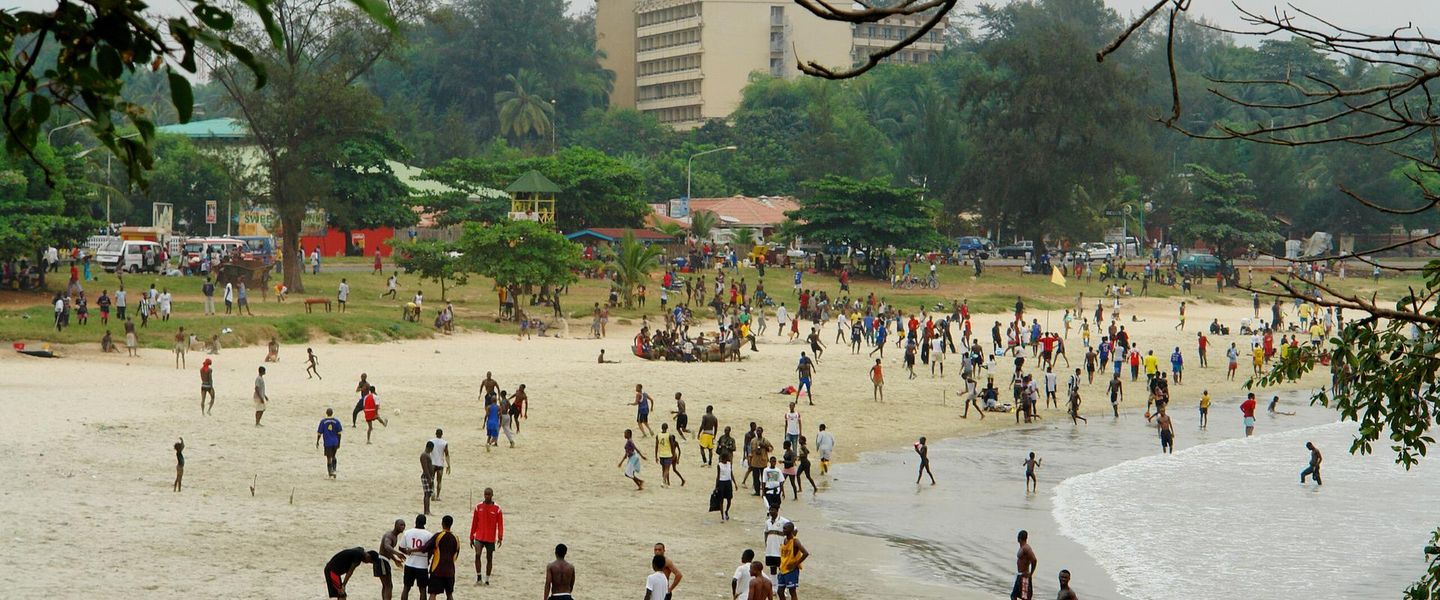


Explore Western Area for Freetown’s Krio heritage, Atlantic beaches, rainforest hills, wildlife conservation and Sierra Leonean food culture.
Read more about Western Area
When is the best time to visit Western Area?
Best: July–September · 30–31°C| Month | High (°C) | Rainfall (mm) |
|---|---|---|
| January | 34 | 1 |
| February | 35 | 2 |
| March | 35 | 3 |
| April | 35 | 5 |
| May | 34 | 9 |
| June | 31 | 11 |
| July (best) | 30 | 12 |
| August (best) | 30 | 12 |
| September (best) | 31 | 10 |
| October | 32 | 7 |
| November | 33 | 3 |
| December | 32 | 2 |
Getting to and around Western Area
How to get there
Transportation
Top city travel guides in Western Area
The cities of Western Area, and the easiest places to base yourself.

Swipe for more cities
Destinations in Western Area
Resorts, valleys and scenic spots worth a trip of their own.
-

-

-

-


Swipe for more destinations
Best attractions in Western Area
Western Area’s attractions range from urban heritage and cultural institutions in Freetown to rainforest, wildlife and beaches across the peninsula. In the capital, visitors can explore older streets, markets, churches, mosques, public buildings and the city’s museums and educational heritage, while waterfront and hillside neighbourhoods reveal contrasting aspects of urban life. Tacugama Chimpanzee Sanctuary offers guided visits focused on rescued chimpanzees and conservation education. The Western Area Peninsula National Park provides opportunities for guided walks through one of the region’s most important remaining forest environments, with birds, primates and steep tropical terrain. Along the southern coast, Lumley, Tokeh and River Number Two are associated with beach outings, swimming, relaxation and informal seaside dining, although facilities vary and ocean conditions require care. Rural communities, creeks and cultivated slopes add interest between the better-known sites. The region is best experienced through a mixture of organised excursions and flexible city exploration, since weather, traffic and road conditions can affect access.
-
National park
Western Area National Park
Explore the breathtaking landscapes and rich biodiversity at Western Area National Park, a true natural gem in Sierra Leone.
-
Beach
Lumley Beach Freetown Sierra Leone
Experience the beauty and tranquility of Lumley Beach, a stunning coastal escape in Freetown, Sierra Leone, perfect for sunbathing and relaxation.
-
Beach
Bureh Beach
Bureh Beach - Experience the stunning coastline of Sierra Leone, where golden sands meet vibrant local culture and thrilling surf adventures await.
-
Beach
Tokeh Beach
Discover the pristine beauty of Tokeh Beach, a serene slice of paradise on Sierra Leone's coastline, perfect for relaxation and adventure.
Best landmarks in Western Area
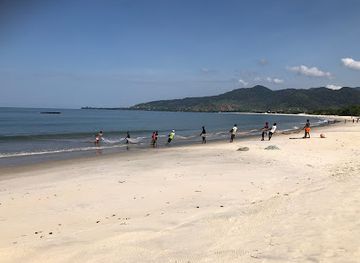
Freetown’s most defining landmark is its setting: the city rises between the Sierra Leone River estuary and the wooded ridges of the peninsula, creating views that explain its historical importance as a harbour and colonial capital. The Cotton Tree, a long-standing symbol of Freetown, is associated with the city’s Black Loyalist foundation and remains part of the capital’s civic memory. Fourah Bay College represents the region’s enduring educational significance, while older churches, mosques and colonial-era civic buildings reflect the city’s diverse religious and institutional history. The hills around Leicester and Regent provide prominent natural markers above the urban area, although access and views vary with weather and development. Across the peninsula, the protected rainforest of the Western Area Peninsula National Park forms a major natural landmark, contrasting sharply with the open Atlantic shore. Beaches such as River Number Two and the coastal stretches around Tokeh are geographical landmarks as much as recreation sites, marking the meeting of forested hills, villages and the sea.
-
 Hotel
HotelRadisson Blu Mammy Yoko Hotel, Freetown
Experience luxury and comfort at Radisson Blu Mammy Yoko Hotel in Freetown, an ideal destination for relaxation and culture on Sierra Leone's stunning coast.
-
Hotel
Mamba Point Hotel Restaurant Lagoonda
Experience the flavors of Freetown at Mamba Point Hotel Restaurant Lagoonda, where local cuisine meets stunning ocean views.
-
Beach
River No 2 Beach
Experience the serene beauty and vibrant culture of River No 2 Beach in Sierra Leone, a perfect tropical getaway for relaxation and adventure.
-
Ferry service
Seacoach Express Water Taxi
Experience stunning coastal views and reliable transportation with Seacoach Express Water Taxi, the best way to explore Sierra Leone's islands and mainland.
Explore Western Area on the map
Plan your trip on one map. See where the top cities, national parks and sights are, and book hotels and experiences in a few clicks.
Best hotels in Western Area
Best restaurants in Western Area
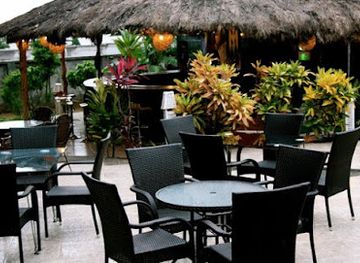
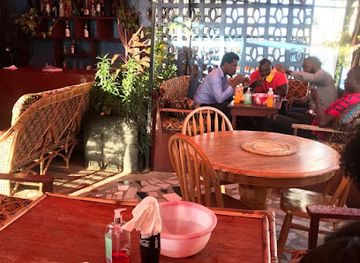
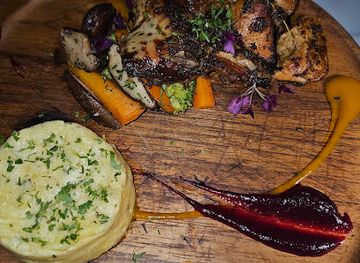
Freetown provides Western Area’s broadest choice of dining, from informal cookshops and market stalls to cafés, hotel restaurants and establishments serving international food. Sierra Leonean cooking commonly centres on rice accompanied by stews made with cassava leaves, groundnuts or fish, as well as grilled seafood, chicken, cassava, yam and fried plantain. Pepper sauces and fresh seasonal produce are important elements of many meals. Restaurants and casual eateries around central Freetown, Aberdeen and Lumley offer different settings, while coastal areas are associated with grilled fish and seafood when supplies allow. Visitors should distinguish between the food traditions of Sierra Leone and dishes marketed more broadly as West African, since the region’s cooking has its own combinations of leaves, spices, seafood and rice. Reputable restaurants are the sensible choice for visitors adjusting to local ingredients, and bottled or treated drinking water should be used.
-
Restaurant
Bliss Restaurant
Experience authentic Sierra Leonean cuisine at Bliss Restaurant in Freetown—where every meal is crafted with care and served with warmth.
-
Restaurant
Papaya Restaurant
Discover authentic Sierra Leonean cuisine with a modern twist at Papaya Restaurant in Freetown - a must-visit culinary destination.
-
Restaurant
Roof Garden Bar & Restaurant
Discover Freetown's hidden gem at Roof Garden Bar & Restaurant – where stunning views meet exquisite dining and vibrant nightlife.
-
Restaurant
LOR Restaurant
Experience the vibrant flavors of Sierra Leone at LOR Restaurant in Freetown—where local culture meets exquisite cuisine.
Best bars in Western Area
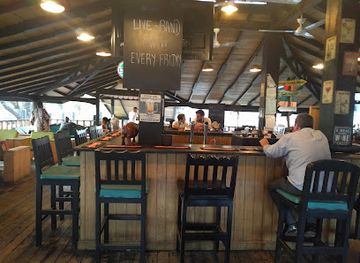
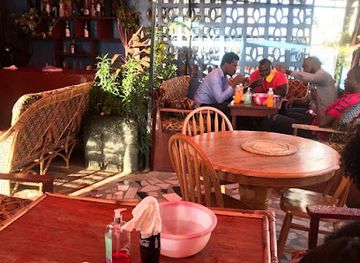
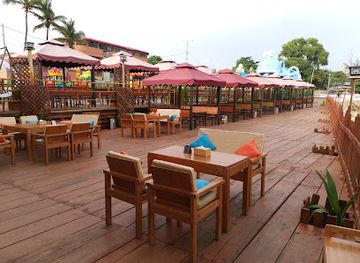
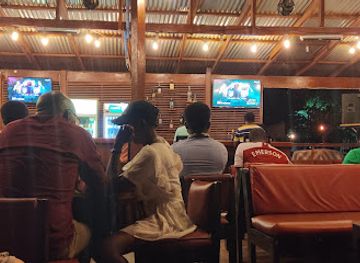
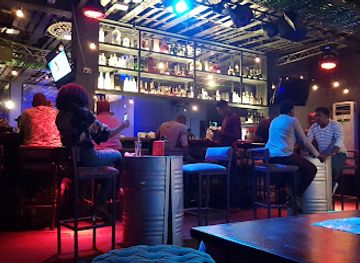
Nightlife in Western Area is concentrated in Freetown and the coastal districts of Aberdeen and Lumley, rather than spread evenly across the peninsula. Traditional bars, restaurants, informal music venues and hotel lounges provide much of the evening activity, with occasional live performances and dancing in larger establishments. Beachfront venues can be busier at weekends or during holiday periods, while quieter parts of the peninsula generally close earlier and offer little organised nightlife. The capital’s social scene includes local music, football viewing, conversation and food as well as drinking, so visitors need not treat alcohol as the central attraction. Use trusted transport after dark, confirm the route home in advance and check current venue arrangements locally, as opening patterns and individual businesses can change.
-
Bar
Roof Garden Bar & Restaurant
Discover breathtaking views and delightful cuisine at the Roof Garden Bar & Restaurant in Freetown, a must-visit for every traveler.
-
Bar
The Warehouse
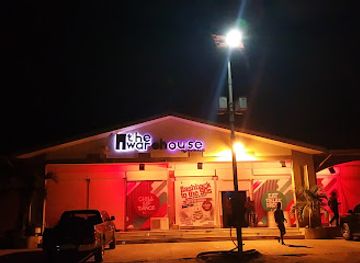
Discover Freetown's vibrant nightlife at The Warehouse, an energetic bar and nightclub where music and fun meet along the beautiful Lumley Beach.
-
Restaurant
Leone sky bar
Discover culinary excellence and stunning views at Leone Sky Bar, Freetown's top destination for a memorable dining experience.
-
Grill
Eddies Bar and Grill
Discover the vibrant flavors of Eddie's Bar and Grill in Freetown, where local meets international in a lively atmosphere.
Best nightclubs in Western Area
Nightlife in Western Area is concentrated in Freetown and the coastal districts of Aberdeen and Lumley, rather than spread evenly across the peninsula. Traditional bars, restaurants, informal music venues and hotel lounges provide much of the evening activity, with occasional live performances and dancing in larger establishments. Beachfront venues can be busier at weekends or during holiday periods, while quieter parts of the peninsula generally close earlier and offer little organised nightlife. The capital’s social scene includes local music, football viewing, conversation and food as well as drinking, so visitors need not treat alcohol as the central attraction. Use trusted transport after dark, confirm the route home in advance and check current venue arrangements locally, as opening patterns and individual businesses can change.
-
Night club
The Warehouse
Experience the vibrant nightlife of The Warehouse in Freetown, where music and ambiance create unforgettable nights.
-
Tennis club
Hill Station Club
Discover the perfect spot for tennis and relaxation at Hill Station Club in Freetown, where lush surroundings meet community spirit.
-
Night club
P-LAX LOUNGE
Dive into the lively nightlife at P-LAX Lounge, Sierra Leone's top night club, offering an unforgettable experience filled with music, dance, and local culture.
-
Night club
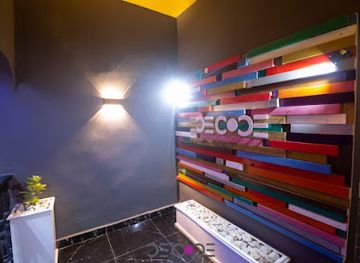
DeCode Lounge
Experience Freetown's vibrant nightlife at DeCode Lounge, where music, dance, and great vibes come together along Lumley Beach.

Best shops in Western Area
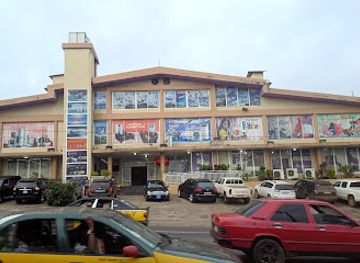
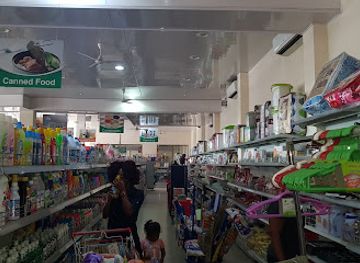
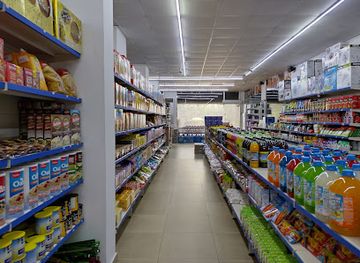
Shopping in Western Area is centred on Freetown’s markets, neighbourhood high streets and established commercial areas rather than on a single specialised retail district. Markets offer everyday goods, clothing, household items, fruit, vegetables and locally prepared foods, while supermarkets and larger shops in the capital provide more predictable supplies for travellers. Handcrafted items, textiles, jewellery, carvings and locally made decorative objects can be found through craft sellers and galleries, though quality and provenance vary; negotiate courteously and ask whether materials are locally produced. Sierra Leonean coffee, cocoa products, spices and packaged foods may make useful gifts when bought from reputable retailers. Outside Freetown, shopping is more limited and usually tied to village shops, roadside produce and small stalls near beaches or transport routes. Carry cash for informal purchases, inspect goods carefully and avoid buying artefacts, wildlife products or objects that may have been removed unlawfully from archaeological or protected environments.
-
Supermarket
Freetown Mall
Experience the vibrant essence of Freetown at the Freetown Mall, where local culture meets everyday shopping convenience.
-
Supermarket
CHOITHRAM SUPERMARKET
Discover the vibrant shopping experience at Choithram Supermarket, offering local delicacies and international brands in the heart of Freetown.
-
Grocery store
City Supermarket
Explore the vibrant flavors of Freetown at City Supermarket, your one-stop grocery store for local and international delights.
-
Clothing store
calaba Town
Experience the vibrant fashion culture at Calaba Town, a must-visit clothing store in Freetown, Sierra Leone, showcasing local styles and unique finds.
Get your free copy of our complete guide to Western Area, delivered straight to you.
Everything on this page, from attractions and restaurants to essentials and local phrases, in one PDF you can read offline, print or share.
Already have an account? Sign in
Your Western Area guide is ready.
We'll send it to · Not you? Sign out

Getting your guide ready…
We are putting together a fresh copy of the Western Area guide. This can take up to a minute.
This can take a few moments. If your browser asks, choose Allow so the download can start. You'll find the guide in your Downloads folder.
Nothing happened? Download it again
Sorry, the guide is taking longer than usual. Please try again in a minute, or get it by email instead.
Western Area essentials
Currency and Payment
Safety
Emergency Situations
Do's and Don'ts
Local Tips
From Eve
Local phrases worth knowing
You don't need to get them perfect. A few words go a long way, and locals appreciate the effort.
Basics
| English | Local | Say it |
|---|---|---|
| Hello | Salone | [sah-loh-neh] |
| Goodbye | Bye | [bye] |
| Yes | Yes | [yes] |
| No | No | [noh] |
| Please/You're welcome | Pliz | [pleez] |
| Thank you | Tenki | [ten-kee] |
| Excuse me/Sorry | Sori | [soh-ree] |
| How are you? | Ow far? | [ow fahr] |
| Fine. And you? | I fine. An yu? | [eye fine. an yoo] |
| Do you speak English? | Yu de tok English? | [yoo de tohk in-guh-lish] |
| I don't understand | A no sabi | [ah noh sah-bee] |
Eating & Drinking
| English | Local | Say it |
|---|---|---|
| I'd like to see the menu, please | A wan for si di menu, pliz | [ah wan for see dee meh-noo, pleez] |
| I don't eat meat | A no dey eat meat | [ah noh dey eet meet] |
| Cheers! | Cheers! | [cheers] |
| I would like to pay, please | A wan for pey, pliz | [ah wan for pay, pleez] |
Emergencies
| English | Local | Say it |
|---|---|---|
| Help! | Help! | [help] |
| Go away! | Go way! | [go way] |
| Call the Police! | Call di Police! | [call dee po-lees] |
| Call a doctor! | Call a doctor! | [call a doktor] |
| I'm lost | A don lost | [ah don lost] |
| I'm ill | A don sick | [ah don sik] |
Shopping
| English | Local | Say it |
|---|---|---|
| I'd like to buy... | A wan for bai... | [ah wan for bye] |
| I'm just looking | A just de luk | [ah juhst de look] |
| How much is it? | Ow much e be? | [ow much eh beh] |
| That's too expensive | Dat e too much | [daht eh too much] |
| Can you lower the price? | Yu fit reduce di price? | [yoo fit ree-doos dee prys] |
Time & Numbers
| English | Local | Say it |
|---|---|---|
| What time is it? | Wet in time e be? | [weh tin tahym eh beh] |
| It's one o'clock | Na wan o'clock | [nah wan oh-clock] |
| Half past (10) | Half past ten | [half past ten] |
| Morning | Mornin | [mornin] |
| Afternoon | Aftanoon | [af-ta-noon] |
| Evening | Ivenin | [ee-venin] |
| Yesterday | Yestidey | [yes-ti-dey] |
| Today | Tudei | [too-dey] |
| Tomorrow | Tomoro | [toh-moh-roh] |
| 1 | Wan | [wan] |
| 2 | Tu | [too] |
| 3 | Tri | [tree] |
| 4 | Foh | [foh] |
| 5 | Faiv | [fahiv] |
| 6 | Six | [siks] |
| 7 | Sev | [sev] |
| 8 | Eit | [eht] |
| 9 | Nain | [nayn] |
| 10 | Ten | [ten] |
Transport & Directions
| English | Local | Say it |
|---|---|---|
| Where's a/the...? | Wia di...? | [wee-ah dee] |
| What's the address? | Wet in di address? | [wet in dee ad-dress] |
| Can you show me (on the map)? | Yu fit show me (for di map)? | [yoo fit shoh me (for dee map)] |
| When's the next (bus)? | When di next (bus)? | [wen dee next (bus)] |
| A ticket (to ....) | Wan ticket (to ...) | [wan ti-ket (to ...)] |
History of Western Area
Early Temne and Bullom Landscapes
Before Freetown was founded, the peninsula and adjoining estuarine country were inhabited and used by communities including Temne and Bullom peoples. Coastal creeks, forest resources, fishing grounds and inland routes shaped settlement and trade. European contact from the late fifteenth century brought Atlantic commerce and increasing outside pressure, but it did not erase established societies or local political authority. The region’s later history was built on this older human geography, even as the harbour and colonial capital transformed the peninsula’s population and economy.
Freetown’s Foundation, 1787–1808
Freetown was established in 1787 as a settlement for formerly enslaved Black people associated with Britain, initially under the auspices of the Committee for the Relief of the Black Poor. A larger group of Black Loyalists arrived from Nova Scotia in 1792, followed by Jamaican Maroons in 1800. The settlement developed around the harbour and surrounding hills, and its population helped shape the Krio community and language. In 1808 Britain made Freetown a Crown Colony and used it as a base for suppressing the Atlantic slave trade.
Colonial Capital and the Anti-Slavery Campaign
During the nineteenth century Freetown became the administrative centre of British interests in Sierra Leone and an important naval and commercial port. The colony’s courts, churches, schools and trading houses expanded, while the capital received Africans liberated from slave ships intercepted by the British West Africa Squadron. This created a diverse urban society and helped spread Sierra Leone’s Creole, or Krio, culture. Colonial rule also brought unequal political power and economic control, legacies that remained important as Sierra Leone moved towards independence.
Education and Fourah Bay College
Fourah Bay College was founded in Freetown in 1827 by the Church Missionary Society and later became affiliated with the University of Durham. It developed into one of West Africa’s most significant centres of higher education, training clergy, teachers, administrators and intellectuals from across the region. Its influence helped give Freetown a reputation as an educational and religious centre, although access to colonial education was uneven. The college’s history remains part of the capital’s wider story of African scholarship and institutional development.
Independence and the Modern Capital
Sierra Leone gained independence from Britain in 1961, with Freetown continuing as the national capital and principal port. Post-independence growth brought new suburbs, public institutions, commercial activity and pressure on roads, housing and urban services. The city’s position between steep hills and the sea limited expansion and made drainage, transport and land management persistent concerns. Western Area consequently contains both historic civic districts and rapidly changing settlements, reflecting the opportunities and pressures of Sierra Leone’s political and economic centre.
Civil War and Freetown’s Reconstruction
The Sierra Leone Civil War, which began in 1991, reached Freetown with severe violence, including the January 1999 rebel invasion and subsequent fighting. The conflict left deep social and physical scars across the country, although Western Area later became a focus of humanitarian activity, reconstruction and renewed public life. Sierra Leone’s post-war recovery has included efforts in governance, education, conservation and tourism. Visitors encounter a capital whose contemporary identity is shaped both by resilience and by continuing urban challenges.
Conservation on the Peninsula
The forests of the Freetown Peninsula have long supplied water, timber and other resources to nearby communities, but urban growth and land pressure have increased the need for protection. The Western Area Peninsula National Park was established to conserve the remaining rainforest and its wildlife, while Tacugama Chimpanzee Sanctuary has become a prominent centre for chimpanzee rescue and conservation education. These initiatives connect the region’s environmental future to local livelihoods, responsible tourism and the protection of a rare forest landscape close to a major African capital.
Western Area in Photos
Browse through our photo collection highlighting the charm and character of the destination.
Neighbouring regions of Western Area
The closest regions to Western Area, if you have time for more than one.
-

-

-

-

-


Swipe for more regions
Explore more

Explore more of Sierra Leone
Discover Sierra Leone, a West African treasure with pristine beaches, lush rainforests, rich history, and vibrant cultures, offering unforgettable adventures and warm hospitality.
Explore Sierra Leone