
Western Area Urban District, Sierra Leone Travel Guide
Discover the Western Area Urban District in Sierra Leone: a vibrant blend of history, culture, and natural beauty with stunning beaches, historic landmarks, and lively markets.
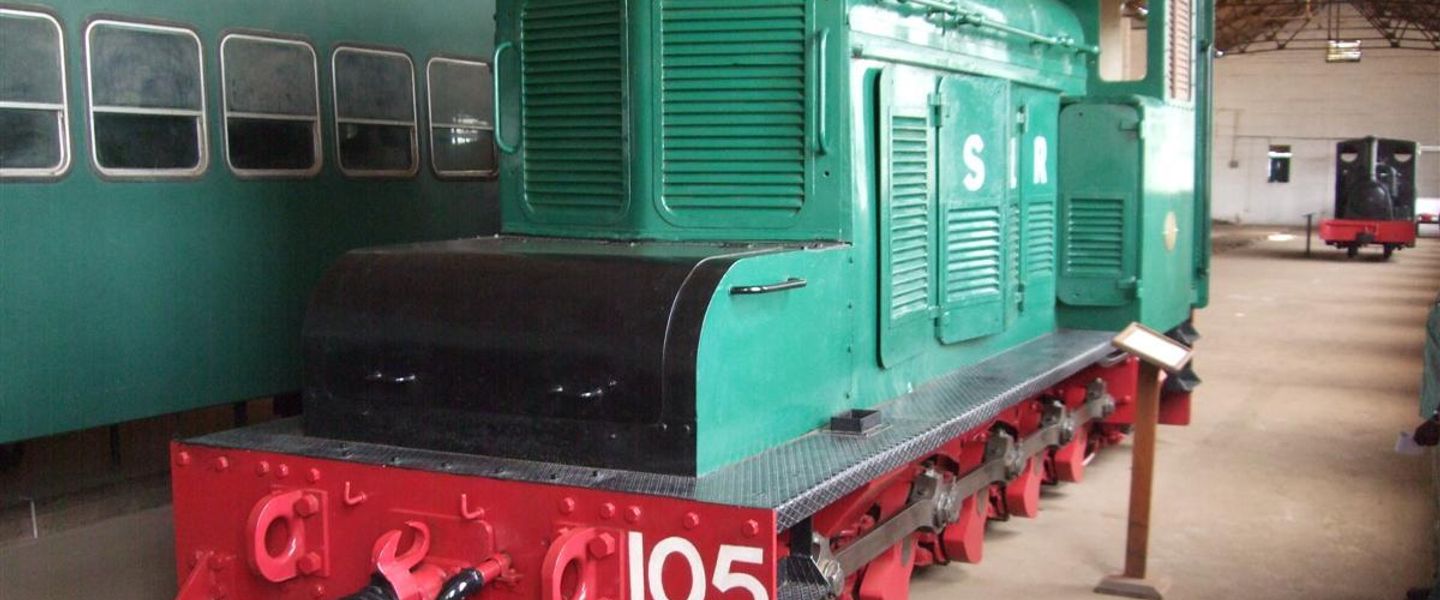
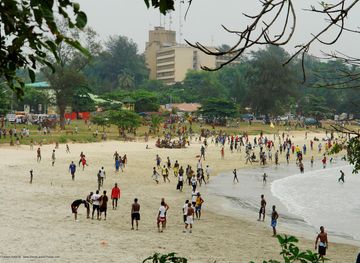
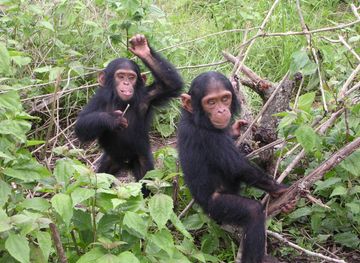
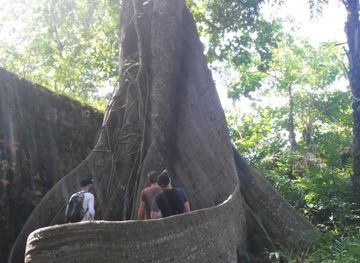
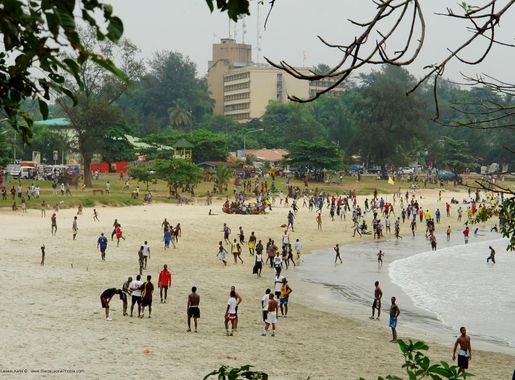
The Western Area Urban District is a bustling and vibrant part of Sierra Leone, offering a rich blend of culture, history, and natural beauty. Located on the coast, this district is home to the nation's capital, Freetown, which is a lively city with a unique charm. The area is known for its stunning beaches, historic landmarks, and friendly locals who are always eager to share their stories. From the historic Cotton Tree in the heart of Freetown to the serene beaches of Lumley and Aberdeen, there is something for everyone in the Western Area Urban District. The National Museum offers a glimpse into the country's past, while the bustling markets provide a taste of local life and flavors. Don't miss the chance to visit the Tacugama Chimpanzee Sanctuary, where you can learn about the conservation efforts to protect these wonderful creatures. Food lovers will be delighted by the array of local dishes, from fresh seafood to traditional rice-based meals. The nightlife in Freetown is also vibrant, with plenty of bars and clubs to explore. Whether you're looking to relax on the beach, immerse yourself in history, or enjoy the lively urban atmosphere, the Western Area Urban District is a destination that promises a memorable experience.

Know before you go
Hi, I'm Eve. Here are a few practical things to know before exploring Western Area Urban District.
- Visit the National Museum early to avoid crowds and get the best experience.
- Check the local tide schedule before planning a beach day to make the most of your visit.
- Try the local seafood at Lumley Beach for a fresh and authentic taste of Sierra Leone.
- Use local taxis or shared transportation options for an affordable way to explore the city.
- Carry some local currency (Leones) for small purchases, as not all places accept credit cards.
Top City Travel Guides in Western Area Urban District
The cities of Western Area Urban District, and the easiest places to base yourself.

Explore Western Area Urban District: Things to Do, Places to Eat, Hotels & More
Handpicked recommendations for top attractions, local dining, accommodations, and more

Top Attractions & Sightseeing in Western Area Urban District
Top-rated picks
Best Attractions

Cotton Tree
Explore the historical significance of Cotton Tree, a cultural icon in Freetown, Sierra Leone, symbolizing freedom and resilience.

Western Area National Park
Discover the breathtaking landscapes and rich biodiversity of Western Area National Park, Sierra Leone's premier natural attraction.

Lumley Beach Freetown Sierra Leone
Explore Lumley Beach in Freetown, Sierra Leone – a vibrant coastal escape with stunning views, lively entertainment, and delicious local cuisine.

Freetown Amusement Park - Victoria Park
Discover the vibrant Freetown Amusement Park in Victoria Park, a perfect family-friendly destination for fun, relaxation, and adventure in Sierra Leone.

Best landmarks in Western Area Urban District
Top-rated picks
Best Landmarks

Mamba Point Hotel Restaurant Lagoonda
Experience exquisite dining at Mamba Point Hotel Restaurant Lagoonda, where local flavors meet international cuisine with stunning coastal views.

The Country Lodge Hotel
Discover tranquility at The Country Lodge Hotel in Freetown, where stunning views and comfortable accommodations await.

Tacugama Chimpanzee Sanctuary
Explore the Tacugama Chimpanzee Sanctuary in Freetown, Sierra Leone, and witness the amazing work of wildlife conservation firsthand.

Home Suites Boutique Hotel
Discover comfort and luxury at Home Suites Boutique Hotel in Freetown, where stunning coastal views meet modern amenities for an unforgettable stay.

Best restaurants in Western Area Urban District
Top-rated picks
Best Restaurants
Mamba Point Hotel Restaurant Lagoonda
Experience exceptional dining at Mamba Point Hotel Restaurant Lagoonda in Freetown, where local flavors meet stunning views.

Gigibontà Ice Cream and Pizzeria
Indulge in unique ice cream flavors and authentic Italian pizza at Gigibontà Ice Cream and Pizzeria near Lumley Beach, Freetown.

Tacugama Chimpanzee Sanctuary
Experience conservation firsthand at Tacugama Chimpanzee Sanctuary - a haven for rescued chimps nestled in Sierra Leone's lush landscapes.

Sierra Palms Resort
Experience luxury at Sierra Palms Resort in Freetown—where stunning beachfront views meet exquisite dining and top-notch amenities.

Best bars in Western Area Urban District
Top-rated picks
Best Bars
Mamba Point Hotel Restaurant Lagoonda
Savor the essence of Sierra Leonean and international cuisine at Mamba Point Hotel Restaurant Lagoonda, where stunning views meet delightful flavors.

Gigibontà Ice Cream and Pizzeria
Experience the best of Italian cuisine and artisanal ice cream at Gigibontà, a vibrant eatery by Lumley Beach in Freetown, Sierra Leone.

Tacugama Chimpanzee Sanctuary
Explore Tacugama Chimpanzee Sanctuary, a vital wildlife rescue service in Freetown, where conservation meets unforgettable wildlife encounters.

Roy Hotel & Restaurant
Discover the vibrant flavors of Freetown at Roy Hotel & Restaurant, where delicious cuisine meets stunning beach views for an unforgettable dining experience.

Best nightclubs in Western Area Urban District
Top-rated picks
Best Nightclubs

The Warehouse
Experience the vibrant nightlife at The Warehouse, where music, dance, and cocktails create unforgettable memories in Freetown.

Hill Station Club
Experience the joy of tennis at Hill Station Club in Freetown—where beautiful courts and friendly faces await you.

Mamz Beach Bar
Experience the tropical bliss of Mamz Beach Bar in Freetown, where refreshing drinks meet stunning ocean views in a vibrant atmosphere.

DeVillage Beach Bar & Restaurant
Experience the taste of Freetown at DeVillage Beach Bar & Restaurant – where delicious grilled cuisine meets stunning ocean views.

Best shops in Western Area Urban District
Top-rated picks
Best Shops

Tacugama Chimpanzee Sanctuary
Experience wildlife conservation at Tacugama Chimpanzee Sanctuary in Freetown, a unique blend of education, adventure, and natural beauty.

Sierra Palms Resort
Discover the perfect blend of luxury and relaxation at Sierra Palms Resort, your ideal escape on Lumley Beach in Freetown.

Freetown Mall
Explore Freetown Mall, your local supermarket for fresh produce, snacks, and everyday essentials in the heart of Freetown, Sierra Leone.

St Mary's Supermarket
Explore the vibrant local culture at St Mary's Supermarket in Freetown, where every aisle offers a taste of Sierra Leonean life.

Explore Western Area Urban District on the Map
A handpicked selection of must-see spots in Western Area Urban District, mapped for you.
Western Area Urban District Essentials
-
Western Area Urban District is home to Freetown, Sierra Leone's capital. The main entry point is Lungi International Airport (FNA), located across the Sierra Leone River. From Lungi, you can take a ferry, water taxi, or helicopter to reach Freetown. The water taxi is a popular and efficient option, taking around 30 minutes. Taxis and private transfers are also available for a more direct route.
-
Freetown offers various transportation options, including taxis, motorbikes (okadas), and buses. Taxis are common, but ensure you agree on a fare before the journey. Okadas are faster but less safe. Public buses cover key routes and are economical but can be crowded. Car rentals are available but driving can be challenging due to traffic and road conditions. Walking is feasible in central areas.
-
The official currency of Sierra Leone is the Leone (SLL). Cash is the primary mode of transaction, so carry enough local currency. ATMs are available in Freetown, but not all accept international cards. Credit cards are accepted in some hotels and restaurants but less so in smaller establishments. Currency exchange services are available at the airport and in major hotels.
-
While Freetown is relatively safe, some areas have higher crime rates. Avoid venturing alone at night in places like Kroo Bay, Susan's Bay, and parts of the Central Business District. Stick to well-lit areas and avoid flashing valuables. Always remain vigilant and aware of your surroundings. Petty theft and pickpocketing can occur in crowded places, so keep belongings secure.
-
In case of an emergency, dial 999 for police, 994 for fire, and 997 for an ambulance. Major hospitals include Connaught Hospital and Choithram Memorial Hospital. Pharmacies are available for minor health issues. It is recommended to have comprehensive travel insurance covering medical emergencies. The U.S. Embassy is located in Freetown for consular assistance.
-
Fashion: Do dress modestly, particularly in religious and rural areas. Avoid overly revealing clothing. Religion: Do respect local customs, especially during religious observances. Public Transport: Do be polite and patient. Don't eat or drink on public transport. Greetings: Do greet people with a handshake and a smile. Address elders with respect. Eating & Drinking: Do try local dishes and be gracious when offered food. Don't waste food, as it is considered disrespectful.
-
To experience Freetown like a local, visit the Big Market for crafts and souvenirs. Enjoy local dishes like cassava leaves and jollof rice at Lumley Beach's food stalls. Engage with locals, who are generally friendly and eager to share their culture. Attend a cultural event or festival if possible. For a unique experience, take a trip to the Tacugama Chimpanzee Sanctuary.
When is the best time to visit Western Area Urban District?
Useful Local Phrases for Western Area Urban District
You don't need to speak the language perfectly. Even learning a few simple words can make conversations warmer—and locals usually appreciate the effort.
— Eve

Here are the phrases I use most often in Western Area Urban District. Try a few—you'll be surprised how far they go! 😊
❤️
-
- HelloBokou
[Boh-koh] - GoodbyeTata
[Tah-tah] - YesYah
[Yah] - NoNo
[No] - Please/You're welcomePlis
[Pleez] - Thank youTenki
[Ten-kee] - Excuse me/SorrySori
[So-ree] - How are you?Ow ya?
[Ow yah?] - Fine. And you?Fine. An yu?
[Fine. An yoo?] - Do you speak English?Yu sabi English?
[Yoo sah-bee In-glich?] - I don't understandA no sabi
[Ah no sah-bee]
- HelloBokou
-
- I'd like to see the menu, pleaseA wan fo si di menu, plis
[Ah wan fo see dee men-oo, pleez] - I don't eat meatA no eat meat
[Ah no eet meet] - Cheers!Cheers!
[Cheers!] - I would like to pay, pleaseA wan fo pai, plis
[Ah wan fo pie, pleez]
- I'd like to see the menu, pleaseA wan fo si di menu, plis
-
- Help!Help!
[Help!] - Go away!Goh wey!
[Go wey!] - Call the Police!Call di Police!
[Call dee Po-lees!] - Call a doctor!Call a docta!
[Call a doc-ta!] - I'm lostA don lost
[Ah don lost] - I'm illA sick
[Ah sick]
- Help!Help!
-
- I'd like to buy...A wan fo bai...
[Ah wan fo bye...] - I'm just lookingA jus de luk
[Ah jus de look] - How much is it?How much e be?
[How much eh beh?] - That's too expensiveDat too expensive
[Dat too expen-sive] - Can you lower the price?Yu fit lower di price?
[Yoo fit low-er dee price?]
- I'd like to buy...A wan fo bai...
-
- What time is it?Wetin time e be?
[Wetin time eh beh?] - It's one o'clockE don one o'clock
[Eh don one o-clock] - Half past (10)Half past ten
[Half past ten] - MorningMornin
[Mornin] - AfternoonAfternoon
[Afternoon] - EveningEvenin
[Evenin] - YesterdayYestideh
[Yes-ti-deh] - TodayTudeh
[Too-deh] - TomorrowTomorow
[To-morrow] - 1Wan
[Wan] - 2Tu
[Too] - 3Tri
[Tree] - 4Foh
[Foh] - 5Faiv
[Five] - 6Siks
[Six] - 7Seven
[Seven] - 8Eit
[Eight] - 9Nain
[Nine] - 10Ten
[Ten]
- What time is it?Wetin time e be?
-
- Where's a/the...?Wetin de...?
[Wetin de...?] - What's the address?Wetin di address?
[Wetin dee ad-dress?] - Can you show me (on the map)?Yu fit show me (for di map)?
[Yoo fit show me (for dee map)?] - When's the next (bus)?Wen di next (bus)?
[When dee next (bus)?] - A ticket (to ....)A tiket (to ...)
[Ah ti-ket (to ...)]
- Where's a/the...?Wetin de...?
History of Western Area Urban District
-
Freetown, the capital of Sierra Leone and the heart of the Western Area Urban District, was founded in 1787 by the British as a settlement for freed African American, Afro-Caribbean, and African slaves. The settlement initially struggled to survive but eventually prospered, becoming a symbolic haven of freedom and hope for freed slaves.
-
In 1792, over a thousand freed African American slaves who had fought for the British during the American Revolutionary War arrived in Freetown from Nova Scotia, Canada. These settlers, known as the Nova Scotians or 'Settlers,' played a crucial role in establishing the cultural and social foundations of the city.
-
In 1800, another group of settlers known as the Jamaican Maroons arrived in Freetown. These were formerly enslaved people from Jamaica who had rebelled against the British and were eventually deported to Sierra Leone. Their arrival added to the cultural mosaic of the Western Area Urban District.
-
Throughout the 19th century, Freetown grew under British colonial rule, becoming a hub for British colonial administration in West Africa. The Krio people, descendants of the freed slaves from various regions, became a dominant cultural and social force, influencing the language, architecture, and customs of the district.
-
During both World Wars, Freetown served as a strategic British naval base. Its deep natural harbor made it an ideal location for Allied naval operations in the Atlantic. This period brought significant infrastructure development and an influx of diverse populations, further enriching the local culture.
-
Sierra Leone gained independence from British colonial rule on April 27, 1961. Freetown, as the capital, witnessed significant political and social changes. The post-colonial period saw the rise of national leaders and the formation of new political structures, impacting the cultural and urban landscape of the Western Area Urban District.
-
From 1991 to 2002, Sierra Leone was devastated by a brutal civil war. Freetown experienced significant turmoil, with parts of the city being heavily damaged. The conflict had a profound impact on the city's population and infrastructure, but Freetown has shown remarkable resilience and recovery in the post-war years.
-
Today, Freetown is a vibrant city known for its cultural festivals, such as the annual Freetown Music Festival and the Krio heritage celebrations. The city's landmarks, including the Cotton Tree, the National Museum, and historic churches, offer glimpses into its rich and diverse history, while its bustling markets and lively streets reflect the dynamic spirit of modern Sierra Leone.
Neighbouring Regions of Western Area Urban District
The closest regions to Western Area Urban District, if you have time for more than one.



Your all‑in‑one travel companion app
Explore expert travel guides, compare and book tours, experiences, hotels, and more—all from the palm of your hand. Download now for seamless trip planning wherever your wanderlust takes you.


Explore More of Sierra Leone

Looking beyond Western Area Urban District? Discover Sierra Leone for broader travel guides, local hot-spots, and regional highlights.
Explore Sierra LeoneWestern Area Urban District in Photos
Browse through our photo collection highlighting the charm and character of the destination.




The Vibrant Heart of Sierra Leone: Western Area Urban District
The Western Area Urban District is a bustling and vibrant part of Sierra Leone, offering a rich blend of culture, history, and natural beauty. Located on the coast, this district is home to the nation's capital, Freetown, which is a lively city with a unique charm. The area is known for its stunning beaches, historic landmarks, and friendly locals who are always eager to share their stories. From the historic Cotton Tree in the heart of Freetown to the serene beaches of Lumley and Aberdeen, there is something for everyone in the Western Area Urban District. The National Museum offers a glimpse into the country's past, while the bustling markets provide a taste of local life and flavors. Don't miss the chance to visit the Tacugama Chimpanzee Sanctuary, where you can learn about the conservation efforts to protect these wonderful creatures. Food lovers will be delighted by the array of local dishes, from fresh seafood to traditional rice-based meals. The nightlife in Freetown is also vibrant, with plenty of bars and clubs to explore. Whether you're looking to relax on the beach, immerse yourself in history, or enjoy the lively urban atmosphere, the Western Area Urban District is a destination that promises a memorable experience.