

Free Changi Travel Guide & Mobile App
Explore Changi with free travel guides. Discover regional history, expert tips, proposed trips, and audio guides on web or mobile app.


Changi blends Singapore’s world-renowned airport, coastal parks, wartime heritage, local food and ferry access to nearby Pulau Ubin.
Read more about Changi
When is the best time to visit Changi?
Best: February, June–July · 31°C| Month | High (°C) | Rainfall (mm) |
|---|---|---|
| January | 30 | 250 |
| February (best) | 31 | 160 |
| March | 31 | 190 |
| April | 32 | 170 |
| May | 31 | 171 |
| June (best) | 31 | 166 |
| July (best) | 31 | 158 |
| August | 31 | 171 |
| September | 31 | 191 |
| October | 31 | 191 |
| November | 31 | 250 |
| December | 30 | 288 |
Getting to and around Changi
How to get there
Transportation
Top city travel guides in Changi
The cities of Changi, and the easiest places to base yourself.

Swipe for more cities
Destinations in Changi
Resorts, valleys and scenic spots worth a trip of their own.

Swipe for more destinations
Best attractions in Changi
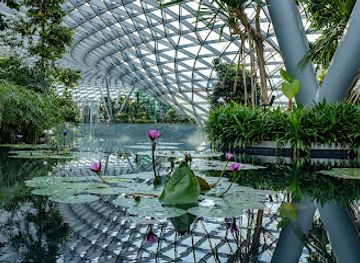
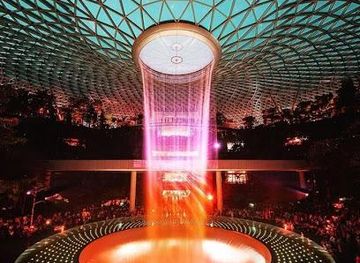
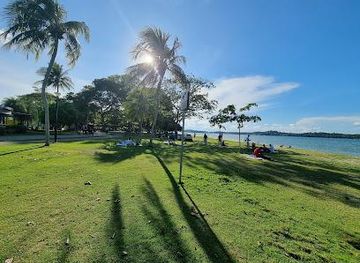
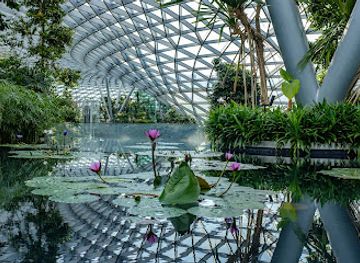
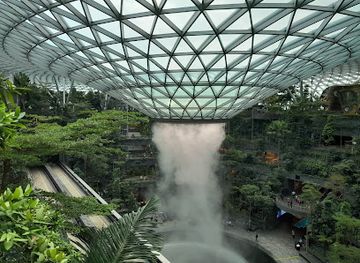
Changi’s attractions combine major airport design with coastal recreation and a concentrated wartime story. Jewel Changi Airport is the district’s most accessible contemporary attraction, bringing gardens, restaurants, shops and the Rain Vortex together beneath a large glass roof. It is particularly useful for travellers with a stopover, although access rules depend on whether they have cleared immigration. Changi Chapel and Museum offers a more reflective experience, interpreting the Japanese occupation and the lives of prisoners of war and civilian internees through personal material and historical displays. Along the shoreline, Changi Beach Park provides space for walking, cycling, picnicking and watching aircraft approach over the water. Changi Village adds local food and a ferry connection to Pulau Ubin, which lies outside Changi and requires separate planning. The area is not a conventional museum quarter or entertainment district; its appeal comes from the contrast between global aviation infrastructure, quiet coastal scenery, local neighbourhood life and memorial history. Visitors interested in Singapore’s built environment may also find the airport’s terminals, landscaping and transport engineering rewarding in their own right.
-
Shopping mall
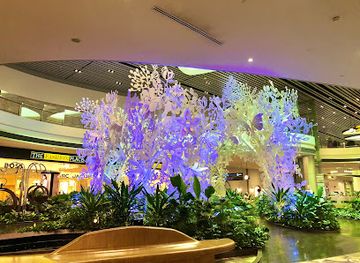
Jewel Changi Airport
Explore Jewel Changi Airport, a stunning blend of nature and shopping, featuring the world's tallest indoor waterfall and a plethora of dining options.
-
International airport
Singapore Changi Airport
Experience the extraordinary at Singapore Changi Airport, a blend of nature, shopping, and culinary delights that redefine airport travel.
-
Changi Beach Park
Explore Changi Beach Park, a serene coastal retreat in Singapore offering stunning views, recreational activities, and a perfect picnic spot for tourists.
-
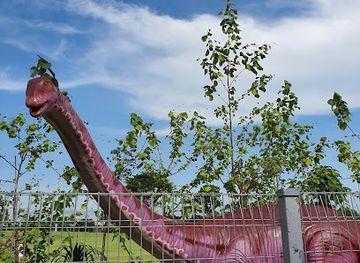
Theme park
Changi Jurassic Mile
Discover the prehistoric world at Changi Jurassic Mile, Singapore's exciting outdoor theme park featuring life-sized dinosaur replicas and interactive exhibits.
Best landmarks in Changi
Jewel Changi Airport is Changi’s defining modern landmark, recognisable for its sweeping glass form and the Rain Vortex, an engineered waterfall surrounded by indoor planting. It represents Singapore’s effort to turn transport infrastructure into a public-facing architectural destination. Changi Chapel and Museum is the area’s most important commemorative landmark, linking today’s district to the wartime experience of prisoners of war and civilian internees. The surviving identity of Changi Prison, established in the colonial period, is also significant, although the prison complex is a functioning secure institution and is not an ordinary sightseeing site. Changi Beach Park provides a geographical landmark rather than a single monument: its open shoreline, offshore views and aircraft movements distinguish Singapore’s eastern edge from the dense central city. Changi Village’s ferry point is another recognisable local feature, serving as the departure point for Pulau Ubin, which is nearby but geographically separate from Changi. Together, these places express the district’s unusual combination of aviation, military history, coast and everyday neighbourhood life.
-
Shopping mall
Jewel Changi Airport
Explore Jewel Changi Airport, where nature meets innovation in an immersive shopping and dining experience at Singapore's iconic travel hub.
-
International airport
Singapore Changi Airport
Explore the wonders of Singapore Changi Airport, where travel meets leisure with shopping, dining, and unique experiences all under one roof.
-
Shopping mall
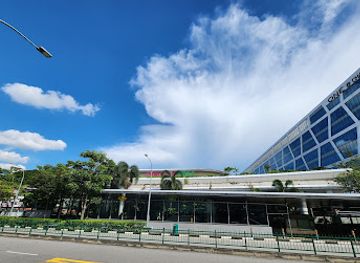
Changi City Point
Discover a shopping paradise at Changi City Point, Singapore's premier destination for outlet shopping, dining, and entertainment.
-
Garden
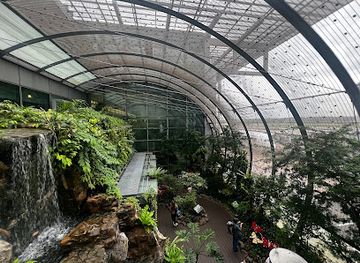
Butterfly Garden
Experience the serene beauty of the Butterfly Garden at Changi Airport, a unique oasis filled with vibrant butterflies and lush greenery.
Explore Changi on the map
Plan your trip on one map. See where the top cities, national parks and sights are, and book hotels and experiences in a few clicks.
Best hotels in Changi
Best restaurants in Changi
Dining in Changi ranges from international airport restaurants and polished outlets at Jewel to the informal food culture of Changi Village. The village’s hawker-style eateries and coffee shops are useful places to sample Singaporean staples such as chicken rice, laksa, nasi lemak, roti prata and seafood dishes without the formality of a destination restaurant. Around the airport, the choice is broader and more international, with quick meals, cafés, bakeries and sit-down restaurants suited to passengers, aircrew and local workers. Changi Beach and the village also have casual venues where seafood and simple local dishes fit the coastal setting, although the area is not primarily known for a single signature food. Singapore’s dining customs apply here: expect shared tables at busy food centres, order at individual stalls and return trays where required. Visitors seeking a more extensive range of regional cuisines will find a greater concentration in central Singapore, but Changi is convenient for an accessible introduction to everyday Singaporean food.
-
Hawker center
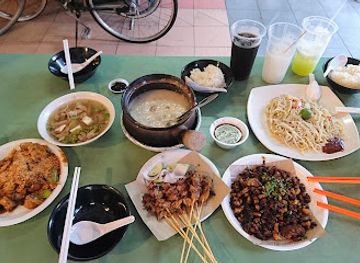
Changi Village Hawker Centre
Experience authentic Singaporean flavors at Changi Village Hawker Centre – where culinary diversity meets affordable indulgence.
-
Restaurant
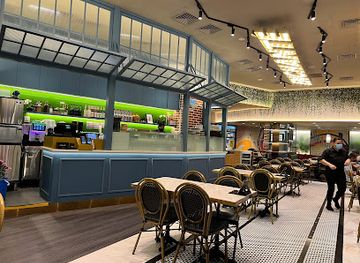
Poulet Bijou - Jewel Changi Airport
Discover exquisite French cuisine infused with local flavors at Poulet Bijou in Jewel Changi Airport - A must-visit culinary destination.
-
Restaurant
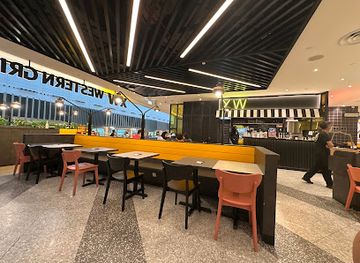
XW Western Grill - Changi Airport T2
Experience delectable Western cuisine at XW Western Grill, located in Changi Airport T2 - where flavor meets convenience for every traveler.
-
Lounge
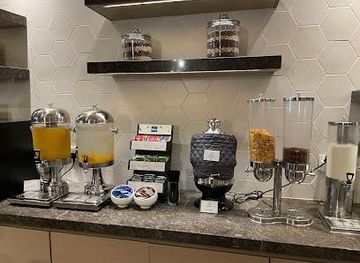
Plaza Premium Lounge Singapore (International Departures, Terminal 1)
Changi's premier pay-in lounge: runway vistas, laksa feasts, and plush escapes for seamless Singapore transits.
Best bars in Changi
Changi is not one of Singapore’s principal nightlife districts, and evening activity generally centres on airport dining, hotel bars, cafés and the restaurants around Jewel rather than nightclubs. These venues serve travellers and local residents, with a mixture of international drinks, casual dining and lounge-style settings. Changi Village is quieter, though some eateries and pubs remain open into the evening and provide a relaxed alternative to the city-centre bar scene. The coastal parks are suitable for an early evening stroll, but they are not a substitute for a late-night entertainment area and visitors should follow park regulations and transport arrangements. Those seeking live music, cocktail bars or clubs will find a much denser choice in central Singapore, while Changi’s evening character is better suited to a meal, a drink before a flight or a calm night near the airport.
-
Lounge
SilverKris Lounge
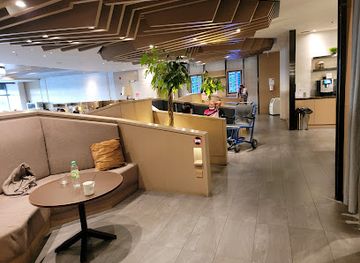
Experience unparalleled comfort and luxury at SilverKris Lounge in Changi Airport, where relaxation meets elegance for discerning travelers.
-
Lounge
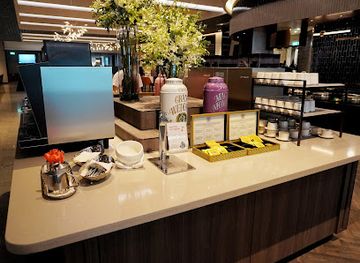
Plaza Premium Lounge Singapore (International Departures, Terminal 1)
Discover the ultimate travel comfort at Plaza Premium Lounge Singapore, where luxury meets convenience at Changi Airport's Terminal 1.
-
Bar
The Coastal Settlement
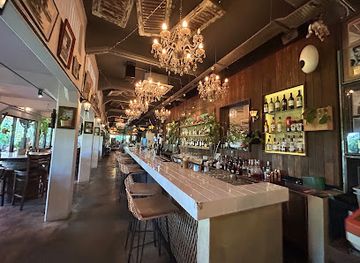
Discover The Coastal Settlement, where lush greenery meets a vibrant dining experience in Changi, Singapore. A perfect blend of bar, restaurant, and café.
-
Travel lounge
Cathay Pacific Lounge
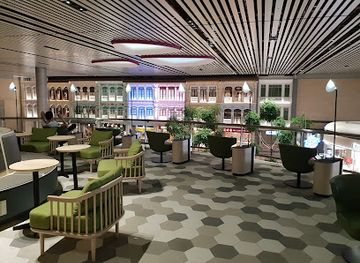
Relax in luxury at the Cathay Pacific Lounge, a serene escape in Changi Airport featuring gourmet dining and premium amenities for travelers.
Best nightclubs in Changi
Changi is not one of Singapore’s principal nightlife districts, and evening activity generally centres on airport dining, hotel bars, cafés and the restaurants around Jewel rather than nightclubs. These venues serve travellers and local residents, with a mixture of international drinks, casual dining and lounge-style settings. Changi Village is quieter, though some eateries and pubs remain open into the evening and provide a relaxed alternative to the city-centre bar scene. The coastal parks are suitable for an early evening stroll, but they are not a substitute for a late-night entertainment area and visitors should follow park regulations and transport arrangements. Those seeking live music, cocktail bars or clubs will find a much denser choice in central Singapore, while Changi’s evening character is better suited to a meal, a drink before a flight or a calm night near the airport.
-
Lounge
SilverKris Lounge
Discover the luxurious SilverKris Lounge at Changi Airport, where comfort and sophistication meet for an unparalleled travel experience.
-
Travel lounge
Cathay Pacific Lounge
Experience unparalleled comfort and luxury at the Cathay Pacific Lounge in Changi Airport, your ultimate travel oasis.
-
Night club
XclusiV
Experience the pulse of Singapore's nightlife at XclusiV, where unforgettable music and vibrant energy come together.
-
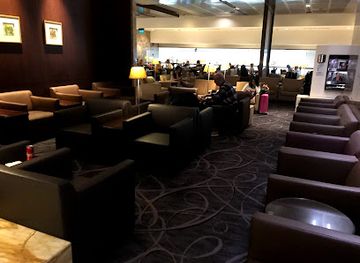
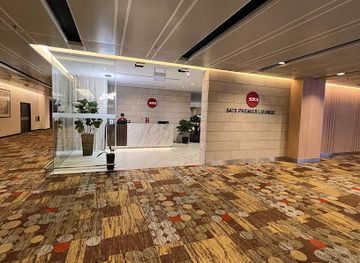
Lounge
SATS Premier Lounge T1
Discover tranquility at SATS Premier Lounge T1, the perfect haven for travelers seeking comfort, refreshments, and serenity at Changi Airport.

Best shops in Changi
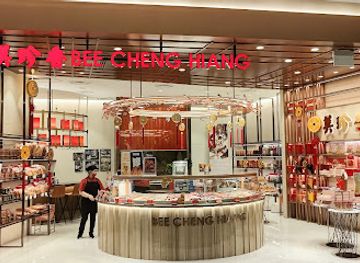
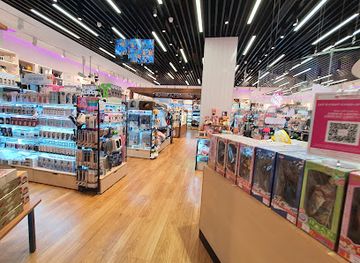
Shopping in Changi is dominated by the airport and Jewel Changi Airport, where visitors find fashion, beauty products, electronics, travel goods, Singapore-themed gifts, food products and duty-free retail. Jewel is designed as a destination shopping and dining complex rather than a conventional high street, with a strong emphasis on architecture and indoor landscaping. The airport terminals offer additional retail suited to passengers, including packaged snacks and gifts that are easy to carry. For a more local atmosphere, Changi Village has small shops, provision stores and practical services rather than extensive fashion retail. Visitors can look for Singaporean food souvenirs, tea, confectionery and packaged regional products, checking import rules before carrying food onwards. Changi is not the place for Singapore’s broadest independent design or luxury-shopping selection; those seeking specialist boutiques, antiques or major urban malls will find more choice elsewhere on the island. Its retail strength is convenience, airport access and a well-curated range for travellers.
-
Shopping mall
Jewel Changi Airport
Explore Jewel Changi Airport, Singapore's stunning shopping mall and tourist attraction with lush gardens, unique shops, and delightful dining experiences.
-
Shopping mall
Changi City Point
Discover the best shopping, dining, and entertainment experiences at Changi City Point, Singapore's premier shopping mall.
-
Shopping mall
Changi City Point
Discover the ultimate shopping experience at Changi City Point, Singapore's premier mall with diverse retail, dining, and entertainment options.
-
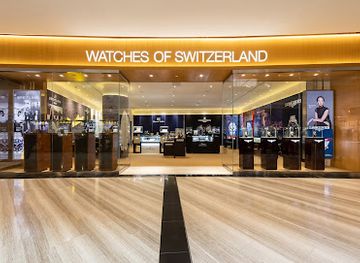
Watch store
Watches of Switzerland Jewel Boutique
Explore the exquisite selection of luxury timepieces at Watches of Switzerland Jewel Boutique in Singapore’s Changi Airport, a haven for watch enthusiasts.

Get your free copy of our complete guide to Changi, delivered straight to you.
Everything on this page, from attractions and restaurants to essentials and local phrases, in one PDF you can read offline, print or share.
Already have an account? Sign in
Your Changi guide is ready.
We'll send it to · Not you? Sign out

Getting your guide ready…
We are putting together a fresh copy of the Changi guide. This can take up to a minute.
This can take a few moments. If your browser asks, choose Allow so the download can start. You'll find the guide in your Downloads folder.
Nothing happened? Download it again
Sorry, the guide is taking longer than usual. Please try again in a minute, or get it by email instead.
Changi essentials
Currency and Payment
Safety
Emergency Situations
Do's and Don'ts
Local Tips
From Eve
Local phrases worth knowing
You don't need to get them perfect. A few words go a long way, and locals appreciate the effort.
Basics
| English | Local | Say it |
|---|---|---|
| Hello | Hello | [həˈloʊ] |
| Goodbye | Goodbye | [ɡʊdˈbaɪ] |
| Yes | Yes | [jɛs] |
| No | No | [noʊ] |
| Please/You're welcome | Please/You're welcome | [pliːz/ jʊr ˈwɛlkəm] |
| Thank you | Thank you | [θæŋk ju] |
| Excuse me/Sorry | Excuse me/Sorry | [ɪkˈskjuːz mi/ ˈsɔri] |
| How are you? | How are you? | [haʊ ɑr ju] |
| Fine. And you? | Fine. And you? | [faɪn. ənd ju] |
| Do you speak English? | Do you speak English? | [du ju spiːk ˈɪŋɡlɪʃ] |
| I don't understand | I don't understand | [aɪ doʊnt ˌʌndərˈstænd] |
Eating & Drinking
| English | Local | Say it |
|---|---|---|
| I'd like to see the menu, please | I'd like to see the menu, please | [aɪd laɪk tu si ðə ˈmɛnjuː, pliːz] |
| I don't eat meat | I don't eat meat | [aɪ doʊnt iːt miːt] |
| Cheers! | Cheers! | [tʃɪrz] |
| I would like to pay, please | I would like to pay, please | [aɪ wʊd laɪk tu peɪ, pliːz] |
Emergencies
| English | Local | Say it |
|---|---|---|
| Help! | Help! | [hɛlp] |
| Go away! | Go away! | [ɡoʊ əˈweɪ] |
| Call the Police! | Call the Police! | [kɔl ðə pəˈliːs] |
| Call a doctor! | Call a doctor! | [kɔl ə ˈdɒktər] |
| I'm lost | I'm lost | [aɪm lɔst] |
| I'm ill | I'm ill | [aɪm ɪl] |
Shopping
| English | Local | Say it |
|---|---|---|
| I'd like to buy... | I'd like to buy... | [aɪd laɪk tu baɪ...] |
| I'm just looking | I'm just looking | [aɪm dʒʌst ˈlʊkɪŋ] |
| How much is it? | How much is it? | [haʊ mʌtʃ ɪz ɪt] |
| That's too expensive | That's too expensive | [ðæts tuː ɪkˈspɛnsɪv] |
| Can you lower the price? | Can you lower the price? | [kæn ju ˈloʊər ðə praɪs] |
Time & Numbers
| English | Local | Say it |
|---|---|---|
| What time is it? | What time is it? | [wɒt taɪm ɪz ɪt] |
| It's one o'clock | It's one o'clock | [ɪts wʌn əˈklɒk] |
| Half past (10) | Half past (10) | [hɑːf pæst (10)] |
| Morning | Morning | [ˈmɔrnɪŋ] |
| Afternoon | Afternoon | [ˌɑːftərˈnuːn] |
| Evening | Evening | [ˈiːvnɪŋ] |
| Yesterday | Yesterday | [ˈjɛstərdeɪ] |
| Today | Today | [təˈdeɪ] |
| Tomorrow | Tomorrow | [təˈmɒroʊ] |
| 1 | 1 | [wʌn] |
| 2 | 2 | [tuː] |
| 3 | 3 | [θriː] |
| 4 | 4 | [fɔːr] |
| 5 | 5 | [faɪv] |
| 6 | 6 | [sɪks] |
| 7 | 7 | [sɛvən] |
| 8 | 8 | [eɪt] |
| 9 | 9 | [naɪn] |
| 10 | 10 | [tɛn] |
Transport & Directions
| English | Local | Say it |
|---|---|---|
| Where's a/the...? | Where's a/the...? | [wɛrz ə/ðə...?] |
| What's the address? | What's the address? | [wɒts ðə əˈdrɛs] |
| Can you show me (on the map)? | Can you show me (on the map)? | [kæn ju ʃoʊ mi (ɒn ðə mæp)?] |
| When's the next (bus)? | When's the next (bus)? | [wɛn z ðə nɛkst (bʌs)?] |
| A ticket (to ....) | A ticket (to ....) | [ə ˈtɪkɪt (tu ....)] |
History of Changi
Early Coastal Settlement and the Changi Name
Before the airport and modern road network transformed the east, Changi was a largely rural coastal area of woodland, plantations and shoreline settlements. Its position near the eastern approaches to Singapore made it part of the island’s maritime landscape, while the waters around Changi connected local communities with fishing grounds and nearby islands. The precise origins of the place name are debated, but Changi became established in Singapore’s geographical vocabulary during the colonial period. Much of the original landscape has since disappeared beneath infrastructure, yet the surviving coast and village district retain traces of its earlier, less urban character.
Colonial Defence and Changi Prison
Changi became strategically important to the British as Singapore’s eastern defences expanded. Changi Prison was completed in 1936, and military facilities, roads and airfields developed around the district during the late colonial period. These installations reflected Singapore’s role as a major British naval and military base in Southeast Asia. The prison’s imposing walls and the surrounding defence infrastructure later acquired a very different significance during the Second World War, when Changi became associated with captivity, deprivation and wartime memory.
The Japanese Occupation, 1942–1945
After the fall of Singapore in February 1942, Changi became one of the principal areas associated with prisoners of war and civilian internees. The prison and nearby compounds held people from many backgrounds, including British and Commonwealth servicemen, civilians and medical personnel. Conditions were harsh, although prisoners also created religious, artistic and educational forms of support. The Changi Chapel and Museum preserves documents, paintings and personal testimony connected with this period. The district’s wartime history remains central to its identity and is approached today through remembrance rather than military pageantry.
Post-war Military Changi
Following the Japanese surrender, Changi resumed its role within Singapore’s British military infrastructure. Royal Air Force facilities and associated camps occupied large areas, and the district remained less densely developed than the colonial centre. Military aviation, coastal defence and the prison continued to shape local life for much of the post-war period. When Singapore became independent in 1965, many defence functions were gradually reorganised under Singaporean control. The extensive institutional land preserved Changi’s open character even as other parts of eastern Singapore urbanised rapidly.
Singapore Changi Airport Opens, 1981
Singapore Changi Airport began operations in 1981, replacing the former airport at Paya Lebar as the country’s principal international gateway. Its construction was a major national infrastructure project, involving extensive land reclamation and the redevelopment of Singapore’s eastern coastline. The airport helped establish Singapore as a leading aviation and logistics centre while bringing hotels, roads, business facilities and employment to Changi. Its continuing expansion has made the district a place where global travel infrastructure sits alongside older coastal settlements and memorial sites.
Aviation, Business and the Contemporary District
In the twenty-first century, Changi has developed into a broad aviation and business ecosystem rather than simply an airport estate. Changi Business Park, expanded airport terminals, logistics facilities and Jewel Changi Airport reflect Singapore’s emphasis on connectivity, technology and carefully managed public space. Opened in 2019, Jewel introduced gardens, retail and dining beneath a large glass structure, giving visitors a civic-style attraction linked directly to the airport. At the same time, Changi Beach Park, Changi Village and the area’s museums preserve a slower coastal and historical dimension.
Changi in Photos
Browse through our photo collection highlighting the charm and character of the destination.
Neighbouring regions of Changi
The closest regions to Changi, if you have time for more than one.
-

-

-

-

-


Swipe for more regions
Explore more

Explore more of Singapore
Explore Singapore: A vibrant city-state where modernity meets tradition, offering world-class cuisine, stunning gardens, and unique cultural experiences.
Explore Singapore