

Maho Beach Travel Guide - Free Web & App
Your ultimate guide to Maho Beach. Discover top landmarks, proposed trips, and local tips. Free on the web or via the Evendo companion app.


Maho Beach, Sint Maarten, pairs dramatic aircraft landings with warm Caribbean water, nearby nightlife, island dining and easy access to Dutch-side attractions.
Beach and Runway
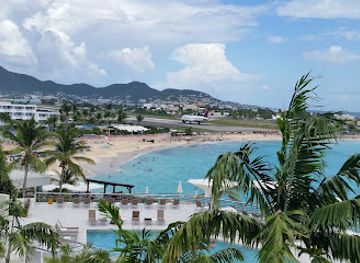
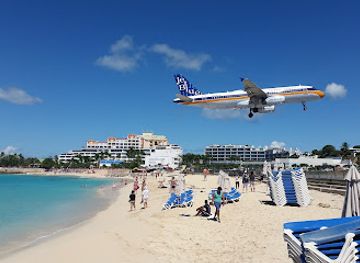
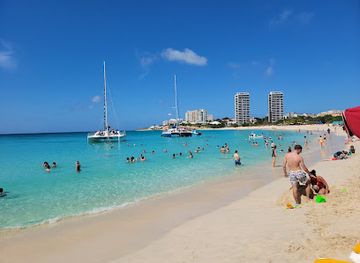
Maho Beach occupies a narrow strip of sand on the south-western coast of Sint Maarten, immediately beside Princess Juliana International Airport. Its fame comes from the unusually close relationship between beach and runway: arriving aircraft pass low above the shoreline before landing, creating one of the Caribbean’s most recognisable aviation spectacles. The beach faces the turquoise waters of the Caribbean Sea, although its compact size, strong surf and exposure to aircraft activity give it a very different character from a secluded swimming cove.Read more about Maho Beach
A Compact Visitor Hub
Island Character
When is the best time to visit Maho Beach?
Best: February, April, June · 29–31°C| Month | High (°C) | Rainfall (mm) |
|---|---|---|
| January | 29 | 60 |
| February (best) | 29 | 50 |
| March | 30 | 50 |
| April (best) | 30 | 40 |
| May | 31 | 40 |
| June (best) | 31 | 30 |
| July | 31 | 30 |
| August | 31 | 30 |
| September | 31 | 40 |
| October | 31 | 50 |
| November | 30 | 60 |
| December | 30 | 60 |
Getting to and around Maho Beach
How to get there
Transportation
Best attractions in Maho Beach
The central attraction is Maho Beach itself, where arriving aircraft pass low overhead before touching down at Princess Juliana International Airport. Visitors can watch the changing rhythm of landings from the sand or from nearby businesses, although aircraft movements depend on operational conditions and schedules. The beach is also used for sunbathing and swimming when sea conditions are suitable, with the airport runway and Caribbean horizon forming an unusually dramatic backdrop. Nearby Maho Village adds restaurants, shops, casinos and bars, while Mullet Bay provides a broader beach environment and a more conventional seaside experience a short drive away. The coastal road towards Cupecoy leads to rocky coves, sunset viewpoints and a shoreline with a different, more rugged character. Simpson Bay, also close by, contributes marinas, dining and access to the island’s wider tourism scene, making Maho a compact base for exploring the western Dutch side rather than an isolated beach resort.
-
Casino
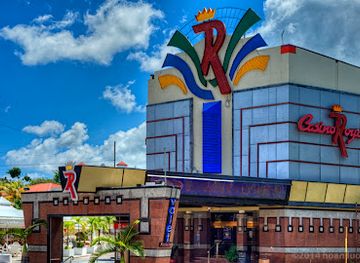
Casino Royale
Discover Casino Royale in Sint Maarten, where thrilling games, exquisite dining, and stunning beach views create the ultimate Caribbean experience.
-
Tourist attraction
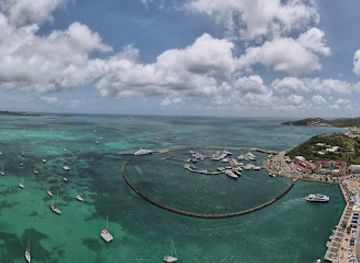
Sint Maarten Antillen
Discover the beauty and vibrant culture of Sint Maarten Antillen, a Caribbean paradise with stunning beaches and rich history.
-
Museum
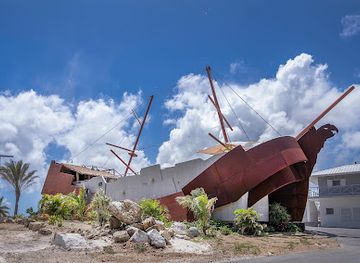
Pirate Experience @ The Rusty Parrot
Explore the thrilling world of pirates at The Rusty Parrot, a captivating museum in Philipsburg, Sint Maarten, perfect for families and adventurers.
-
Tourist attraction
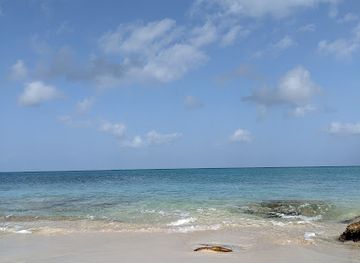
Parking for Plum Beach
Experience the tranquil beauty of Plum Beach, a serene Caribbean paradise perfect for relaxation, family fun, and unforgettable sunsets.
Best landmarks in Maho Beach
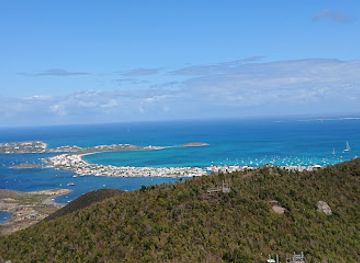
Maho Beach’s principal landmark is not a historic building but the airport approach that has made the shoreline internationally recognisable. Princess Juliana International Airport’s runway lies directly beyond the beach, creating a striking visual relationship between commercial aviation, sand and sea. The airport itself is an operational facility rather than a conventional visitor monument, and restricted areas must be respected. Maho’s coastal setting also connects it with the broader landmarks of Sint Maarten’s south-western shore: the open Caribbean frontage, nearby Mullet Bay and the rocky coast around Cupecoy. Together these features show the quick transition from sandy beach to engineered transport landscape and rugged shoreline that characterises this part of the island. The landmark value of Maho therefore rests on its unusual geography and aviation history rather than on architecture or archaeological remains.
-
 Resort hotel
Sonesta Maho Beach Resort, Casino & Spa
Experience the ultimate Caribbean getaway at Sonesta Maho Beach Resort, Casino & Spa, where luxury meets adventure on the stunning Maho Beach.
-
Nature preserve
Loterie Farm
Experience the beauty of nature at Loterie Farm, a picturesque preserve in St. Martin offering hiking, dining, and relaxation in a tropical paradise.
-
Park
Rainforest Adventures St Maarten
Experience the thrill of zip-lining and the tranquility of nature at Rainforest Adventures St Maarten, a must-visit park for every traveler.
-
Park
Parotte Ville Bird Park
Explore Parotte Ville Bird Park, a tropical sanctuary in Sint Maarten, where exotic birds and lush landscapes create unforgettable memories for nature lovers.
Explore Maho Beach on the map
Plan your trip on one map. See where the top attractions, landmarks, restaurants and hotels are, and book hotels and experiences in a few clicks.
Best hotels in Maho Beach
Best restaurants in Maho Beach
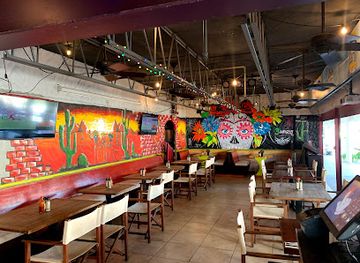
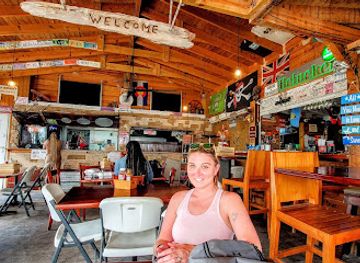
Dining around Maho Beach reflects Sint Maarten’s international tourism economy, with restaurants and casual food venues concentrated in Maho Village and the surrounding hotel area rather than spread along a long undeveloped shore. Menus commonly draw on Caribbean, American, European and international influences, while visitors can also find the island’s broader culinary character in nearby Simpson Bay and Philipsburg. Seafood, grilled dishes, island-style seasoning and rum-based drinks are familiar features of Sint Maarten’s visitor dining scene, although the exact choice changes between establishments. Maho is convenient for eating between aircraft sightings, with casual beach-oriented venues alongside more formal hotel and resort restaurants. Travellers looking for a wider local and international selection can use a taxi or hire car to explore the Dutch side, while those seeking a quieter meal may prefer venues away from the airport-facing shoreline.
-
Grill
Sunset Bar and Grill
Discover Sunset Bar and Grill: A culinary paradise offering grilled delights with breathtaking views over Simpson Bay's turquoise waters.
-
Caribbean
Da Waterhole
Experience Caribbean flavors at Da Waterhole, where delicious food meets stunning beach views in Sint Maarten.
-
Mexican
3 Amigos
Discover vibrant Mexican cuisine at 3 Amigos in Sint Maarten – where delicious food meets lively nightlife.
-
American
Fat Tony's
Experience delightful American cuisine at Fat Tony's in Cupecoy, Sint Maarten—where affordability meets flavor in a tropical paradise.
Best bars in Maho Beach
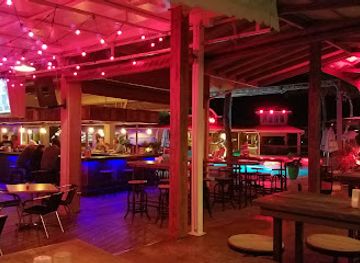
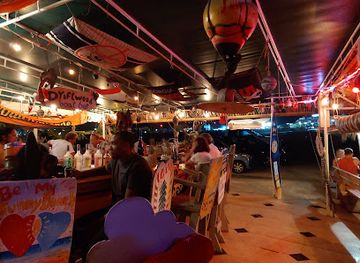
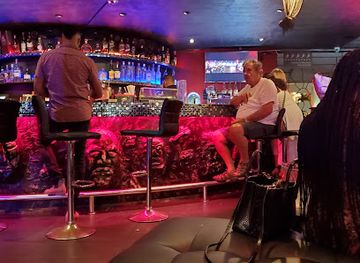
Maho has one of the liveliest evening scenes on the Dutch side outside Philipsburg, with bars, casino entertainment and late dining concentrated in and around Maho Village and the nearby resort area. The atmosphere is closely connected to tourism and aviation: daytime beach viewing gradually gives way to drinks, music and socialising after sunset, while casino venues provide a more formal indoor option. Entertainment can be busy and international rather than specifically traditional to the island, although Sint Maarten’s wider nightlife combines Caribbean hospitality with visitors from North America and Europe. Simpson Bay, a short drive away, offers additional bars and evening venues, but the area’s atmosphere and operating pattern can vary by season, weather and business schedules. Visitors should arrange a safe way back to their accommodation and avoid walking beside busy roads after dark.
-
Grill
Sunset Bar and Grill
Experience the ultimate blend of delicious grilled cuisine and stunning Caribbean sunsets at Sunset Bar and Grill in Simpson Bay.
-
Caribbean
Da Waterhole
Experience the vibrant Caribbean charm at Da Waterhole, a beachside bar and grill offering delicious food, refreshing drinks, and stunning sunset views.
-
Mexican
3 Amigos
Discover the vibrant flavors and lively atmosphere at 3 Amigos, Sint Maarten's go-to spot for authentic Mexican cuisine and exciting nightlife.
-
Restaurant
Palapa Hidden Oasis SXM
Experience the vibrant culinary scene at Palapa Hidden Oasis, where exquisite flavors meet a tropical paradise in Simpson Bay, Sint Maarten.


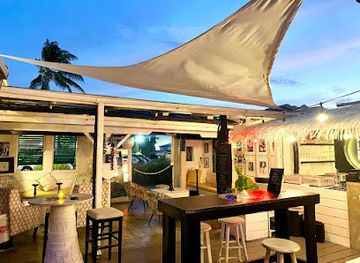
Best nightclubs in Maho Beach
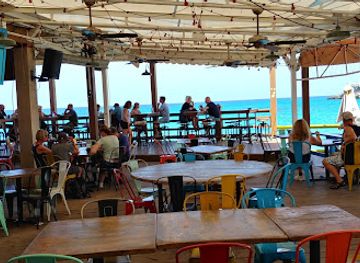
Maho has one of the liveliest evening scenes on the Dutch side outside Philipsburg, with bars, casino entertainment and late dining concentrated in and around Maho Village and the nearby resort area. The atmosphere is closely connected to tourism and aviation: daytime beach viewing gradually gives way to drinks, music and socialising after sunset, while casino venues provide a more formal indoor option. Entertainment can be busy and international rather than specifically traditional to the island, although Sint Maarten’s wider nightlife combines Caribbean hospitality with visitors from North America and Europe. Simpson Bay, a short drive away, offers additional bars and evening venues, but the area’s atmosphere and operating pattern can vary by season, weather and business schedules. Visitors should arrange a safe way back to their accommodation and avoid walking beside busy roads after dark.
-
Grill
Sunset Bar and Grill
Discover the vibrant atmosphere and delicious cuisine at Sunset Bar and Grill, the perfect beachfront spot for relaxation and breathtaking sunsets in Sint Maarten.
-
Bar
Driftwood Boat Bar
Experience the vibrant nightlife and tropical charm at Driftwood Boat Bar in Simpson Bay, where great drinks and live music await.
-
Bar
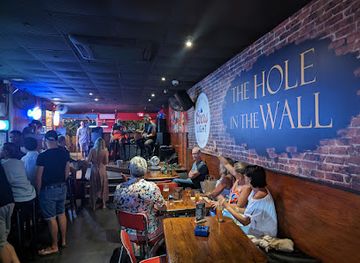
The Hole in the Wall
Experience the vibrant nightlife at The Hole in the Wall, a popular bar in Sint Maarten known for great cocktails and a lively atmosphere.
-
Lounge
WE Lounge
Discover the vibrant nightlife at WE Lounge in Maho Village, where Caribbean vibes meet stylish relaxation and unforgettable experiences.
Best shops in Maho Beach
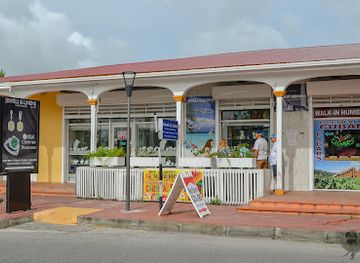
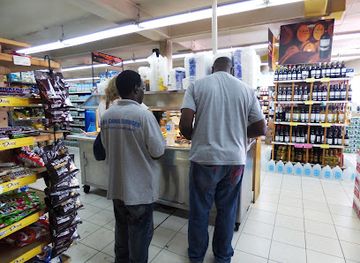
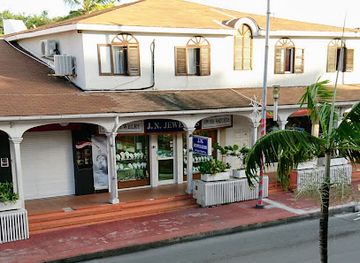
Shopping at Maho Beach is concentrated in Maho Village and nearby resort developments, where visitors can find convenience goods, beach essentials, souvenirs, clothing, jewellery and other products aimed at the island’s international holiday market. The area is useful for practical purchases before or after time on the sand, but it is not a traditional market district and the beach itself has limited independent retail space. For a broader selection, Philipsburg is known for its waterfront and Front Street shopping, while Simpson Bay provides additional shops and visitor services within a short drive. Sint Maarten’s retail scene reflects its historic role as a duty-free-oriented tourism centre, although product availability and individual business arrangements change. Local rum, food products, island-themed crafts and artwork can provide more regionally connected alternatives to standard resort merchandise.
-
Jewelry store
Jewels & Beyond
Discover exquisite jewelry, beachwear, and unique souvenirs at Jewels & Beyond, your ultimate shopping destination in Sint Maarten.
-
Supermarket
Maho Market
Explore Maho Market in Sint Maarten for a delightful shopping experience with local flavors and essential goods.
-
Jewelry store
J.N. Jewelers
Explore the exquisite craftsmanship and unique designs at J.N. Jewelers, your premier jewelry destination in Sint Maarten.
-
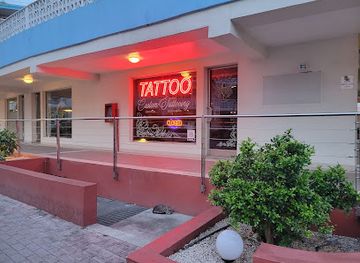
Tattoo shop
Tattoo Inkorporated
Experience the artistry of Tattoo Inkorporated in Sint Maarten, where creativity and self-expression come together in stunning body art.
Get your free copy of our complete guide to Maho Beach, delivered straight to you.
Everything on this page, from attractions and restaurants to essentials and local phrases, in one PDF you can read offline, print or share.
Already have an account? Sign in
Your Maho Beach guide is ready.
We'll send it to · Not you? Sign out

Getting your guide ready…
We are putting together a fresh copy of the Maho Beach guide. This can take up to a minute.
This can take a few moments. If your browser asks, choose Allow so the download can start. You'll find the guide in your Downloads folder.
Nothing happened? Download it again
Sorry, the guide is taking longer than usual. Please try again in a minute, or get it by email instead.
Maho Beach essentials
Currency and Payment
Safety
Emergency Situations
Do's and Don'ts
Local Tips
From Eve
Local phrases worth knowing
You don't need to get them perfect. A few words go a long way, and locals appreciate the effort.
Basics
| English | Local | Say it |
|---|---|---|
| Hello | Bonjour | [Bon-zhoor] |
| Goodbye | Au revoir | [Oh reh-vwar] |
| Yes | Oui | [Wee] |
| No | Non | [Non] |
| Please/You're welcome | S'il vous plaît/De rien | [Seel voo pleh/Dee ryen] |
| Thank you | Merci | [Mehr-see] |
| Excuse me/Sorry | Excusez-moi/Désolé | [Ex-koo-zay mwah/Day-zoh-lay] |
| How are you? | Comment ça va? | [Koh-mohn sah vah?] |
| Fine. And you? | Bien. Et vous? | [Byen. Ay voo?] |
| Do you speak English? | Parlez-vous anglais? | [Par-lay voo ahn-glay?] |
| I don't understand | Je ne comprends pas | [Zhuh nuh kohm-prahn pah] |
Eating & Drinking
| English | Local | Say it |
|---|---|---|
| I'd like to see the menu, please | Je voudrais voir le menu, s'il vous plaît | [Zhuh voo-dray vwahr luh meh-noo, seel voo pleh] |
| I don't eat meat | Je ne mange pas de viande | [Zhuh nuh mahnj pah duh vee-ahnd] |
| Cheers! | Santé! | [Sahn-tay] |
| I would like to pay, please | Je voudrais payer, s'il vous plaît | [Zhuh voo-dray pay-ay, seel voo pleh] |
Emergencies
| English | Local | Say it |
|---|---|---|
| Help! | Au secours! | [Oh seh-koor] |
| Go away! | Allez-vous en! | [Ah-lay voo zahn] |
| Call the Police! | Appelez la police! | [Ah-peh-lay lah poh-lees] |
| Call a doctor! | Appelez un docteur! | [Ah-peh-lay uh dohk-tuhr] |
| I'm lost | Je suis perdu | [Zhuh swee pair-doo] |
| I'm ill | Je suis malade | [Zhuh swee mah-lahd] |
Shopping
| English | Local | Say it |
|---|---|---|
| I'd like to buy... | Je voudrais acheter... | [Zhuh voo-dray ah-shuh-tay...] |
| I'm just looking | Je regarde juste | [Zhuh ruh-gard zhust] |
| How much is it? | Combien ça coûte? | [Kohm-byen sah koot?] |
| That's too expensive | C'est trop cher | [Say troh share] |
| Can you lower the price? | Pouvez-vous baisser le prix? | [Poo-vay voo beh-say luh pree?] |
Time & Numbers
| English | Local | Say it |
|---|---|---|
| What time is it? | Quelle heure est-il? | [Kell er ay teel?] |
| It's one o'clock | Il est une heure | [Eel ay tun er] |
| Half past (10) | Dix et demie | [Dees ay duh-mee] |
| Morning | Matin | [Mah-tan] |
| Afternoon | Après-midi | [Ah-pray mee-dee] |
| Evening | Soir | [Swahr] |
| Yesterday | Hier | [Yair] |
| Today | Aujourd'hui | [Oh-zhoor dewee] |
| Tomorrow | Demain | [Duh-man] |
| 1 | Un | [Ehn] |
| 2 | Deux | [Duh] |
| 3 | Trois | [Twa] |
| 4 | Quatre | [Kat] |
| 5 | Cinq | [Sank] |
| 6 | Six | [Sees] |
| 7 | Sept | [Set] |
| 8 | Huit | [Weet] |
| 9 | Neuf | [Nuhf] |
| 10 | Dix | [Dees] |
Transport & Directions
| English | Local | Say it |
|---|---|---|
| Where's a/the...? | Où est...? | [Oo ay...?] |
| What's the address? | Quelle est l'adresse? | [Kell ay lah-dress?] |
| Can you show me (on the map)? | Pouvez-vous me montrer (sur la carte)? | [Poo-vay voo muh mohn-tray (sir lah kart)?] |
| When's the next (bus)? | Quand est le prochain (bus)? | [Kond ay luh proh-shahn (bus)?] |
| A ticket (to ....) | Un billet (pour ...) | [Ehn bee-yay (poor ...)] |
History of Maho Beach
A Shoreline Shaped by Sea and Wind
Maho Beach is a small coastal strand on Sint Maarten’s south-western side, part of an island landscape shaped by Caribbean wave action, tropical weather and shifting sand. Its setting is closely linked to the low-lying land around the Maho and Simpson Bay areas, while the neighbouring coast alternates between sandy beaches, rocky shore platforms and small coves. The beach’s modern identity is therefore geographical as well as cultural: its narrow shoreline and position beside the airport have made the relationship between natural coast and engineered infrastructure central to the visitor experience.
From Plantation Island to Tourism
Sint Maarten developed within the colonial plantation economy of the Caribbean, with Dutch and French interests sharing the island since the seventeenth century. The Dutch territory, now the country of Sint Maarten, experienced major economic change during the twentieth century as salt production and older agricultural activities gave way to tourism, construction and international services. Maho lies within this transformation. Its surrounding lowlands, once far less built-up than today, became increasingly valuable for hotels, entertainment and transport infrastructure as Sint Maarten positioned itself as a regional holiday destination.
Princess Juliana International Airport
The nearby airport is named after Juliana of the Netherlands and forms the defining historical presence at Maho Beach. Aviation helped connect Sint Maarten with North American, Caribbean and European markets, accelerating the growth of the island’s tourism economy. As aircraft began using the runway beside the beach, visitors discovered that arriving planes could be viewed at exceptionally close range. What began as an incidental feature of the airport’s location became one of the island’s most widely recognised attractions, linking Maho’s identity to commercial aviation as much as to the sea.
Tourism, Development and Recovery
Hotels, restaurants, casinos and other visitor businesses expanded around Maho and the adjacent Maho Village as tourism became central to Sint Maarten’s economy. The area has also faced the wider Caribbean realities of hurricanes, including the severe disruption caused by Hurricane Irma in 2017, after which buildings, beaches and tourism facilities required extensive recovery. Maho’s contemporary character reflects this continuing cycle of development and renewal: a compact, highly visited beach community that depends on international access while remaining exposed to weather, coastal change and the pressures of concentrated tourism.
Maho Beach in Photos
Browse through our photo collection highlighting the charm and character of the destination.
Cities in Maho Beach
The towns and cities of Maho Beach, and the easiest places to base yourself.
-

-

-

-


Swipe for more cities
Neighbouring destination travel guides
The closest destinations to Maho Beach, if you have time for more than one.
-

-

-

-

-


Swipe for more destinations
Explore more
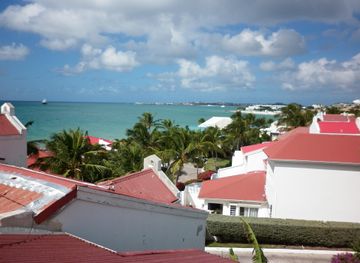
Explore more of Pelican Key
Pelican Key offers waterfront stays, Caribbean swimming, boating access and a quieter base near Simpson Bay on Dutch Sint Maarten.
Explore Pelican Key
Explore more of Sint Maarten
Discover Sint Maarten: A Caribbean paradise with a blend of Dutch and French cultures, stunning beaches, vibrant nightlife, and unforgettable experiences.
Explore Sint Maarten