

Free Hont Travel Guide & Mobile App
Explore Hont with free travel guides. Discover regional history, expert tips, proposed trips, and audio guides on web or mobile app.


Explore Hont in southern Slovakia for medieval towns, vineyard villages, spa springs, volcanic landscapes and the cultural character of the Ipeľ borderlands.
Read more about Hont
When is the best time to visit Hont?
Best: June–August · 23–26°C| Month | High (°C) | Rainfall (mm) |
|---|---|---|
| January | 3 | 30 |
| February | 3 | 35 |
| March | 9 | 40 |
| April | 14 | 45 |
| May | 19 | 50 |
| June (best) | 23 | 55 |
| July (best) | 26 | 60 |
| August (best) | 25 | 55 |
| September | 21 | 50 |
| October | 16 | 45 |
| November | 9 | 40 |
| December | 4 | 35 |
Getting to and around Hont
How to get there
Transportation
Best attractions in Hont
Hont’s attractions are spread through a countryside of market towns, wooded highlands, vineyards and Ipeľ valley settlements. Krupina combines a historic centre with the Vartovka watchtower and access to walking routes in the surrounding hills. Dudince offers mineral springs, spa facilities and a quieter base for exploring southern Hont. The castle ruins at Čabraď are reached through a rural landscape and reward visitors interested in frontier history, while Bzovík’s fortified monastery presents a different form of medieval defence. Modrý Kameň Castle houses a specialised museum of puppetry and toys, giving the region an attraction with appeal beyond conventional military heritage. Stará Hora near Sebechleby preserves hillside wine cellars and a traditional viticultural setting, while Hrušov is associated with vernacular architecture and living rural customs. Walking, cycling, birdwatching and landscape photography are especially suitable in the forests and open farmland, although facilities are dispersed. Hont is best experienced as a sequence of small visits rather than a concentrated sightseeing circuit.
-
Tourist attraction
Dobšinská Ice Cave
Discover the breathtaking beauty of Dobšinská Ice Cave, a UNESCO World Heritage site showcasing stunning ice formations and natural wonders.
-
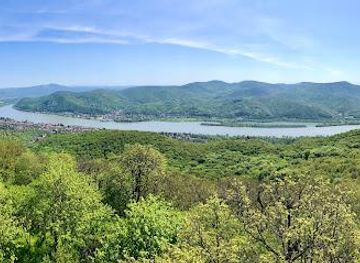
Scenic spot
Juliánus Kilátó
Experience the beauty of Juliánus Kilátó, where stunning views of the Danube Bend await amidst lush landscapes and serene nature.
-
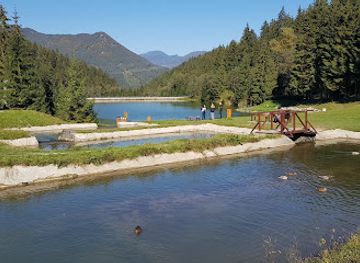
Recreation center
Hrabovo
Explore Hrabovo, a serene recreational center in Slovakia, surrounded by stunning landscapes and perfect for outdoor adventures and relaxation.
-
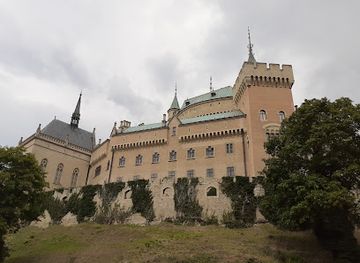
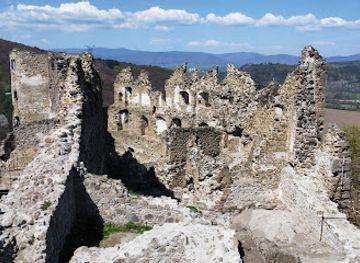
Castle
Šášovský hrad
Explore the historic Šášovský Hrad in Slovakia, where stunning views, rich history, and enchanting ruins await every visitor.
Best landmarks in Hont
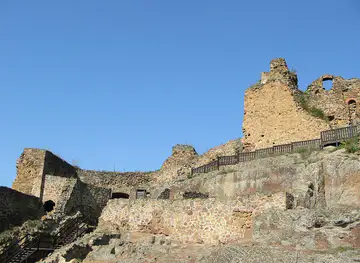
The Vartovka watchtower above Krupina is one of Hont’s most recognisable structures, a surviving lookout associated with the defensive network built during the Ottoman frontier period. In the town below, historic streets and remnants of fortifications help explain Krupina’s former role as a market and royal settlement. The ruins of Čabraď Castle occupy a wooded position above the Litava valley and convey the strategic significance of Hont’s interior routes, while Bzovík’s fortified monastery combines religious origins with later military adaptations. Modrý Kameň Castle stands above the southern town and is notable both for its surviving aristocratic setting and its museum collections. Stará Hora near Sebechleby is a landmark landscape rather than a single monument: rows of hillside cellars and vineyard plots preserve a distinctive form of rural architecture. The Ipeľ valley, with its open fields and borderland settlements, provides a geographical counterpoint to the forested volcanic uplands around Krupina. Together these places express Hont’s layered identity as a medieval county, a frontier and a productive rural region.
-
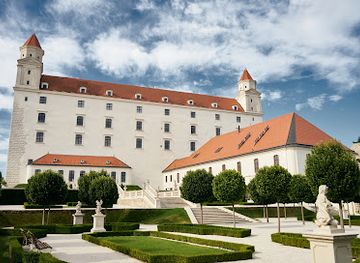
Castle
Bratislava Castle
Explore Bratislava Castle, a historic gem offering stunning views, rich culture, and fascinating exhibits in the heart of Slovakia's capital.
-
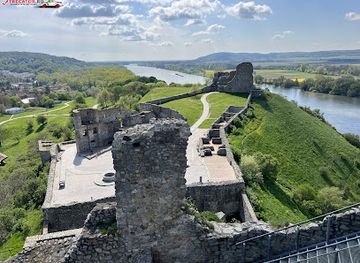
Castle
Hrad Devín
Explore Hrad Devín, a stunning castle in Slovakia, where history meets breathtaking views at the confluence of the Morava and Danube rivers.
-
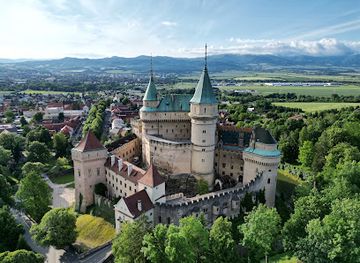
Castle
Castle of Spirits (Bojnice Castle)
Discover the enchanting Bojnice Castle, a historical gem in Slovakia, boasting stunning architecture, rich history, and beautiful gardens.
-
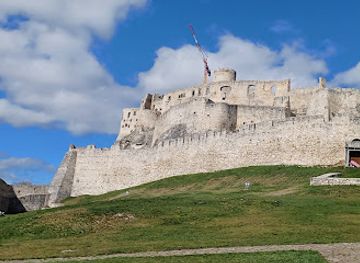
Castle
Spiš Castle
Explore the stunning Spiš Castle, a UNESCO World Heritage site, and immerse yourself in Slovakia's rich medieval history and breathtaking landscapes.
Explore Hont on the map
Plan your trip on one map. See where the top cities, national parks and sights are, and book hotels and experiences in a few clicks.
Best hotels in Hont
Best restaurants in Hont
Dining in Hont reflects the meeting of central Slovak, southern Slovak and Hungarian-influenced traditions. Town restaurants and traditional inns commonly serve soups, dumplings, potato-based dishes, pork, poultry and seasonal vegetables, while village kitchens may offer recipes shaped by local household customs. In the southern districts, look for paprika-seasoned dishes, freshwater fish where available and baked goods associated with the Ipeľ lowlands. Vineyards around Sebechleby and other Hont settlements support small-scale wine production, and fruit from the warmer hills is used for preserves, pastries and spirits. Dudince and Krupina have the broadest choice of cafés, restaurants and spa dining, while rural areas are more dependent on inns, guesthouses and pre-arranged tastings. Farmers’ markets and direct purchases from producers can reveal more about the region’s food culture than formal menus, particularly in the harvest season. Local wines may be light and fresh or fuller in character according to the site and producer, so ask for regional guidance rather than expecting one single Hont style.
-
Restaurant
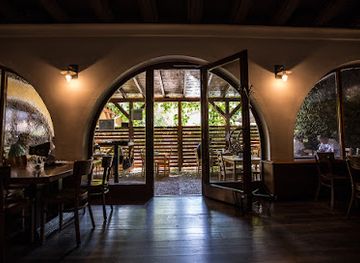
Bratislava Flagship
Experience authentic Slovak cuisine at Bratislava Flagship, where tradition meets modern dining in a cozy atmosphere.
-
Brewery
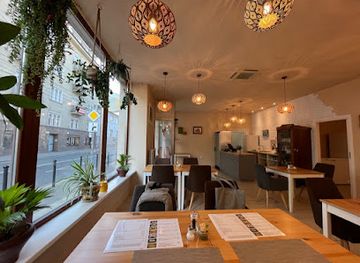
Bratislavský Meštiansky Pivovar
Discover the heart of Slovak brewing at Bratislavský Meštiansky Pivovar – where traditional flavors meet contemporary brews.
-
Restaurant
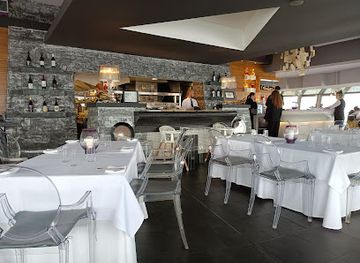
UFO
Experience breathtaking views and exquisite cuisine at UFO Restaurant in Bratislava – where every meal becomes an unforgettable adventure.
-
Restaurant
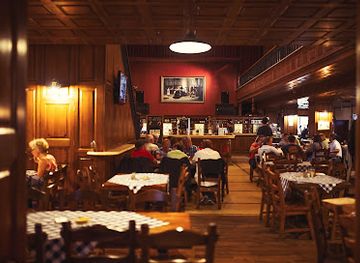
Bistro Zepen House
Experience the authentic tastes of Georgian and Ukrainian cuisine at Bistro Zepen House in Bratislava.
Best bars in Hont
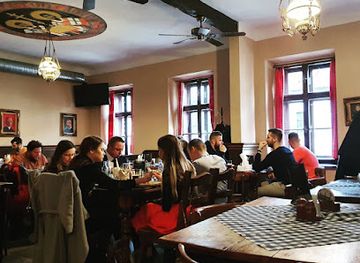
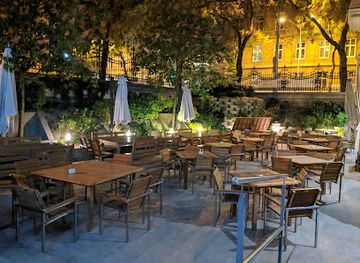
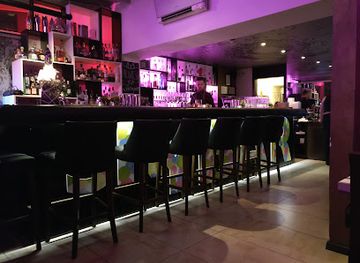
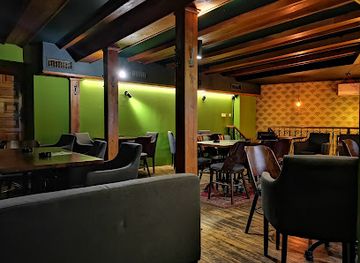
Hont’s evening life is modest and town-centred rather than built around large clubs. Krupina provides the widest choice of traditional pubs, cafés and occasional cultural programmes, while Dudince’s hotels and spa establishments are the main focus for an evening drink or organised entertainment. In Šahy and other larger southern settlements, pubs and cafés serve as informal meeting places, with Slovak and Hungarian influences reflected in the food and conversation. Rural villages generally close early, although community events, seasonal celebrations and wine-related gatherings can create a livelier atmosphere at particular times of year. Visitors should not expect a continuous nightlife district or late transport between villages. Breweries, wine cellars and local inns are better suited to a relaxed evening than fast-paced clubbing, and arrangements for tastings may need to be made in advance. Always check current opening information, especially outside the main summer and spa seasons.
-
Restaurant
Slovak Pub
Discover the flavors of Slovakia at Slovak Pub, where traditional cuisine and local beers come together in a cozy setting.
-
Brewpub
FABRIKA the beer pub
Discover the rich flavor of Slovakian craft beers in the heart of Old Town at FABRIKA the Beer Pub, a lively brewpub experience.
-
Modern European
Lemontree & Sky Bar Restaurant Bratislava
Savor exquisite Modern European cuisine and cocktails with stunning views at Lemontree & Sky Bar Restaurant in Bratislava.
-
Bar
Bukowski Bar
Discover Bukowski Bar in Bratislava for a lively night out, featuring innovative cocktails and a vibrant atmosphere perfect for tourists.
Best nightclubs in Hont
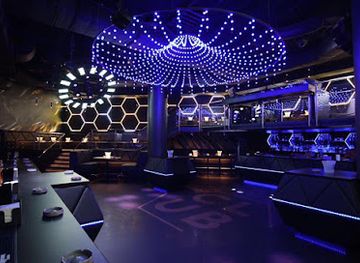
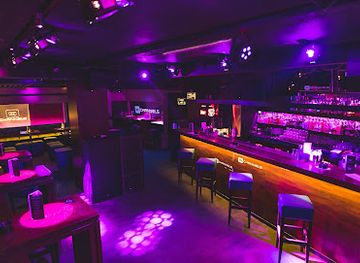
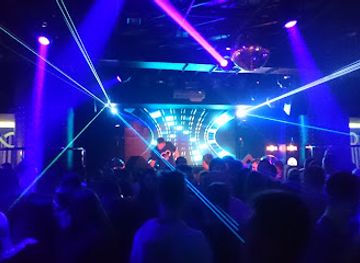
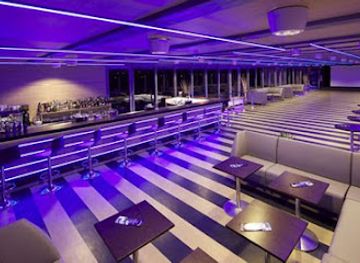
Hont’s evening life is modest and town-centred rather than built around large clubs. Krupina provides the widest choice of traditional pubs, cafés and occasional cultural programmes, while Dudince’s hotels and spa establishments are the main focus for an evening drink or organised entertainment. In Šahy and other larger southern settlements, pubs and cafés serve as informal meeting places, with Slovak and Hungarian influences reflected in the food and conversation. Rural villages generally close early, although community events, seasonal celebrations and wine-related gatherings can create a livelier atmosphere at particular times of year. Visitors should not expect a continuous nightlife district or late transport between villages. Breweries, wine cellars and local inns are better suited to a relaxed evening than fast-paced clubbing, and arrangements for tastings may need to be made in advance. Always check current opening information, especially outside the main summer and spa seasons.
-
Disco club
The Club Bratislava
Discover the electrifying nightlife of The Club Bratislava, where unforgettable nights await with great music and a vibrant atmosphere.
-
Night club
Channels Club
Discover the electrifying nightlife at Channels Club, where cocktails and dancing create an unforgettable experience in Old Town.
-
Disco club
Infinity Club
Discover the vibrant nightlife of Partizánske at Infinity Club, a premier disco destination offering unforgettable dancing and entertainment.
-
Night club
Rivers Club
Discover the lively Rivers Club in Bratislava, where vibrant nightlife, live music, and unforgettable events create an exceptional experience.
Best shops in Hont
Shopping in Hont is centred on practical town high streets, small food shops, markets and direct purchases from producers rather than large retail destinations. Krupina, Šahy, Dudince and Veľký Krtíš offer the broadest everyday choice, while village shops can be useful for bread, preserves, seasonal fruit and other provisions. Regional wine is one of the most appropriate purchases, particularly around Sebechleby and other vineyard settlements, although visitors should buy from established producers and check transport arrangements for bottles. Farmers’ stalls and local food outlets may also offer honey, fruit products, herbs, baked goods and spirits. Craft and folk products are more likely to appear at cultural events, museums and seasonal markets than in permanent specialist shops. Modrý Kameň and other heritage sites may have small museum shops, but opening arrangements vary. Antiques, textiles and handmade objects can be found occasionally in market towns, though Hont is better suited to selective local purchases than extensive souvenir shopping.
-
Shopping mall
Aupark Bratislava
Explore Aupark Bratislava, a vibrant shopping mall featuring fashion, dining, and entertainment along the scenic Danube River.
-
Shopping mall
Eurovea
Experience the vibrant atmosphere of Eurovea, Bratislava's premier shopping mall featuring retail shops, dining, and stunning riverside views.
-
Shopping mall
AVION Shopping Park Bratislava
Explore AVION Shopping Park in Bratislava for a unique blend of shopping, dining, and entertainment experiences that cater to all tastes.
-
Shopping mall
Aupark Košice
Discover Aupark Košice: A vibrant shopping destination featuring a mix of department stores and dining options in the heart of Slovakia's Old Town.
Get your free copy of our complete guide to Hont, delivered straight to you.
Everything on this page, from attractions and restaurants to essentials and local phrases, in one PDF you can read offline, print or share.
Already have an account? Sign in
Your Hont guide is ready.
We'll send it to · Not you? Sign out

Getting your guide ready…
We are putting together a fresh copy of the Hont guide. This can take up to a minute.
This can take a few moments. If your browser asks, choose Allow so the download can start. You'll find the guide in your Downloads folder.
Nothing happened? Download it again
Sorry, the guide is taking longer than usual. Please try again in a minute, or get it by email instead.
Hont essentials
Currency and Payment
Safety
Emergency Situations
Do's and Don'ts
Local Tips
From Eve
Local phrases worth knowing
You don't need to get them perfect. A few words go a long way, and locals appreciate the effort.
Basics
| English | Local | Say it |
|---|---|---|
| Hello | Ahoj | [ahoy] |
| Goodbye | Zbohom | [zbo-hom] |
| Yes | Áno | [ah-no] |
| No | Nie | [nyeh] |
| Please/You're welcome | Prosím | [pro-seem] |
| Thank you | Ďakujem | [dya-koo-yem] |
| Excuse me/Sorry | Prepáčte | [pre-pach-te] |
| How are you? | Ako sa máš? | [ah-koh sah mahsh] |
| Fine. And you? | Dobre. A ty? | [dob-reh. ah tee?] |
| Do you speak English? | Hovoríš po anglicky? | [ho-vor-eesh poh ang-leet-skee?] |
| I don't understand | Nerozumiem | [ne-roh-zoo-mee-em] |
Eating & Drinking
| English | Local | Say it |
|---|---|---|
| I'd like to see the menu, please | Chcel by som vidieť menu, prosím | [kh-tsel bee sohm vid-yet men-oo, pro-seem] |
| I don't eat meat | Nejem mäso | [nyeh-yem meh-so] |
| Cheers! | Na zdravie! | [nah zdrah-vee-eh] |
| I would like to pay, please | Chcel by som zaplatiť, prosím | [kh-tsel bee sohm zah-plah-teet, pro-seem] |
Emergencies
| English | Local | Say it |
|---|---|---|
| Help! | Pomoc! | [poh-mots] |
| Go away! | Odiď! | [oh-deed] |
| Call the Police! | Zavolajte políciu! | [zah-vo-lah-tye poh-lee-tsee-oo] |
| Call a doctor! | Zavolajte doktora! | [zah-vo-lah-tye dok-toh-rah] |
| I'm lost | Som stratný | [sohm strah-tnee] |
| I'm ill | Som chorý | [sohm kho-ree] |
Shopping
| English | Local | Say it |
|---|---|---|
| I'd like to buy... | Chcel by som kúpiť... | [kh-tsel bee sohm koo-peet...] |
| I'm just looking | Iba sa pozerám | [ee-bah sah po-zeh-rahm] |
| How much is it? | Koľko to stojí? | [kol-ko toh stoy-ee?] |
| That's too expensive | To je príliš drahé | [to yeh pree-leesh dra-heh] |
| Can you lower the price? | Môžete znížiť cenu? | [mwo-zheh-teh znee-zheet tseh-noo?] |
Time & Numbers
| English | Local | Say it |
|---|---|---|
| What time is it? | Koľko je hodín? | [kol-ko yeh ho-deen?] |
| It's one o'clock | Je jedna hodina | [yeh yed-nah ho-dee-nah] |
| Half past (10) | Pol desiatej | [pohl deh-sya-teh] |
| Morning | Ráno | [rah-noh] |
| Afternoon | Popoludnie | [poh-poh-lud-nee-eh] |
| Evening | Večer | [veh-cher] |
| Yesterday | Včera | [vcheh-rah] |
| Today | Dnes | [dnyes] |
| Tomorrow | Zajtra | [zai-trah] |
| 1 | 1 | [1] |
| 2 | 2 | [2] |
| 3 | 3 | [3] |
| 4 | 4 | [4] |
| 5 | 5 | [5] |
| 6 | 6 | [6] |
| 7 | 7 | [7] |
| 8 | 8 | [8] |
| 9 | 9 | [9] |
| 10 | 10 | [10] |
Transport & Directions
| English | Local | Say it |
|---|---|---|
| Where's a/the...? | Kde je...? | [kde yeh...?] |
| What's the address? | Aká je adresa? | [ah-kah yeh ah-dreh-sah?] |
| Can you show me (on the map)? | Môžete mi ukázať (na mape)? | [mwo-zheh-teh mee oo-kah-zaht (nah mah-peh)?] |
| When's the next (bus)? | Kedy ide najbližší (bus)? | [ke-dee ee-deh nai-blee-zhee (boos)?] |
| A ticket (to ....) | Lístok (do ....) | [leest-ok (doh ....)] |
History of Hont
Early settlement and the Hont name
The Hont area has been inhabited since prehistoric times, with fertile valleys, wooded uplands and routes across the central Slovak hills encouraging settlement. The region’s name is linked to Hont, an early medieval noble associated with the Hont-Pázmány lineage. Medieval Hont County developed around strongholds, ecclesiastical estates and agricultural communities, eventually extending across much of what is now southern-central Slovakia and into areas south of the modern border. Its position between the Danube basin and the interior made it a zone of movement as well as local production.
Medieval county and fortified settlements
From the eleventh century onwards, Hont was organised through county administration, castles and market settlements. Krupina gained importance as a royal town on routes linking the mining districts with southern markets, while monasteries and aristocratic estates shaped the countryside. Fortifications at Bzovík and Čabraď demonstrate the political and economic significance of the area. Churches, village layouts and surviving town structures still reflect this medieval framework, even where later rebuilding has altered the original buildings.
Mining, trade and the growth of Krupina
Krupina benefited from the wider economic development of central Slovakia, particularly through trade, crafts and the movement of goods between mining towns and the southern lowlands. Gold and other mineral resources were worked in the wider region at different periods, although Hont was never defined solely by mining in the way that nearby Banská Štiavnica was. Vineyards, grain cultivation, livestock and forestry remained equally important. The resulting combination of town commerce and rural production gave Hont a mixed economy that persisted into the early modern period.
Ottoman pressure and the sixteenth-century frontier
After the Ottoman conquest of much of central Hungary in the sixteenth century, southern Hont became a contested frontier. Castles, watchtowers and fortified religious buildings were strengthened, and communities faced military raids, taxation and repeated disruption. Čabraď Castle, the fortifications at Bzovík and the watchtower above Krupina are among the clearest reminders of this period. The frontier was not simply a line of warfare: trade, migration and cultural contact continued across it, leaving a layered Slovak-Hungarian heritage.
Religious change and rural society
The Reformation and Catholic renewal reshaped Hont’s churches, schools and local institutions from the sixteenth century onwards. Lutheran and Catholic communities existed across the county, while noble estates and market towns influenced the religious balance of individual settlements. In the countryside, agriculture, viticulture and forestry remained central to household life. Many villages preserved distinctive vernacular buildings, wine cellars and communal customs, some of which remain visible today in places such as Hrušov and Stará Hora near Sebechleby.
Changing borders and the twentieth century
The dissolution of the Habsburg Kingdom of Hungary after the First World War placed most of historic Hont within Czechoslovakia, while the southern frontier became an international border. The region was affected by the reorganisation of borders during and after the Second World War, followed by the socialist period and the creation of the Slovak Republic in 1993. These changes helped shape the mixed linguistic and cultural character of southern Hont. Today, the historic region is divided among several Slovak administrative districts, while its older identity survives through local heritage, landscape and traditions.
Spa culture and contemporary rural heritage
Dudince’s mineral springs helped establish a modern spa tradition that became increasingly important during the twentieth century and remains a visible part of the regional economy. Elsewhere, communities have turned attention towards historic villages, wine production, folk customs, castles and local museums as ways of sustaining rural heritage. Hont’s contemporary identity therefore combines small-town services, agriculture, cross-border connections and heritage tourism rather than relying on one dominant industry or urban centre.
Hont in Photos
Browse through our photo collection highlighting the charm and character of the destination.
Neighbouring regions of Hont
The closest regions to Hont, if you have time for more than one.
-

-

-
-

-


Swipe for more regions
Explore more

Explore more of Slovakia
Discover Slovakia: A land of majestic mountains, charming castles, and vibrant culture in the heart of Europe.
Explore Slovakia