

Free Nitra Region Travel Guide & Mobile App
Explore Nitra Region with free travel guides. Discover regional history, expert tips, proposed trips, and audio guides on web or mobile app.


Explore Nitra Region in Slovakia for castle towns, Danube landscapes, vineyards, thermal bathing, Roman heritage and Slovak-Hungarian culture.
Read more about Nitra Region
When is the best time to visit Nitra Region?
Best: June–August · 25–27°C| Month | High (°C) | Rainfall (mm) |
|---|---|---|
| January | 4 | 30 |
| February | 5 | 35 |
| March | 10 | 40 |
| April | 16 | 45 |
| May | 20 | 55 |
| June (best) | 25 | 65 |
| July (best) | 27 | 75 |
| August (best) | 26 | 70 |
| September | 21 | 60 |
| October | 15 | 50 |
| November | 8 | 45 |
| December | 4 | 40 |
Getting to and around Nitra Region
How to get there
Transportation
Top city travel guides in Nitra Region
The cities of Nitra Region, and the easiest places to base yourself.
-
-

-


Swipe for more cities
Best attractions in Nitra Region
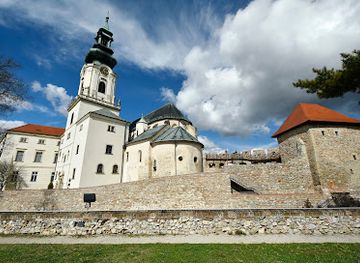
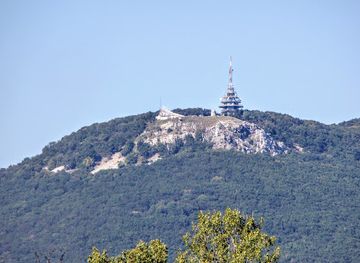
Nitra Region’s attractions range from a historic city and hill walks to river heritage, castles, thermal bathing and agricultural landscapes. Nitra Castle and the cathedral complex provide the essential urban introduction, while Zobor Hill and the nearby Romanesque church at Dražovce add accessible countryside and religious heritage. Around the foothills, the ruins of Gýmeš Castle and the estates of Topoľčianky and Oponice reveal the influence of noble families, parks and historic collections. Levice combines a castle with access to the northern wine-growing and upland districts. In the south, Komárno’s fortress system and the Roman remains at Iža explain the Danube’s military importance, while Štúrovo offers a riverside setting and thermal facilities. Podhájska is one of the region’s best-known bathing destinations, with spa-oriented services built around its mineral-rich thermal water. The broad lowlands also suit cycling, birdwatching and gentle walking, particularly where routes follow rivers, floodplain habitats and vineyard roads. Attractions are distributed rather than concentrated in one resort, so a varied itinerary benefits from using several towns or travelling by car.
-
Castle
Nitra Castle
Discover the enchanting Nitra Castle, a historical gem in Slovakia that offers breathtaking views, rich heritage, and captivating architecture.
-
Outdoor bath
ThermalPark Nitrava
Discover the therapeutic bliss of ThermalPark Nitrava, where relaxation meets adventure in Slovakia's premier outdoor wellness retreat.
-
Arboretum
Arborétum Mlyňany SAV
Explore the lush landscapes and diverse plant collections at Arborétum Mlynany SAV, a botanical gem in Vieska nad Žitavou, Slovakia.
-
Scenic spot
Juliánus Kilátó
Discover the breathtaking views and serene atmosphere at Juliánus Kilátó, a scenic treasure in Nagymaros, Hungary, perfect for nature lovers.

Best landmarks in Nitra Region
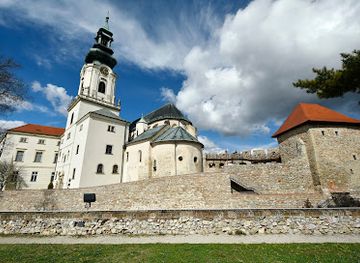
Nitra Castle is the region’s defining architectural landmark, occupying a fortified hill above the city with the Cathedral of St Emeram, ecclesiastical buildings and defensive walls that embody Nitra’s long religious and political importance. On the edge of the city, the small Church of St Michael at Dražovce stands on a hill above the village and is a memorable example of early medieval Romanesque architecture. Gýmeš Castle, set in wooded terrain near Jelenec, is a substantial medieval ruin whose walls and towers are reached by a walking route. Topoľčianky Château represents the later aristocratic landscape of estates and parks, while Levice Castle rises above the town as a reminder of the region’s frontier history. Komárno’s fortress system is among the most important military landmarks in southern Slovakia, with bastions and defensive works shaped by the Danube and centuries of Habsburg-Ottoman rivalry. At Iža, the archaeological remains of Celemantia mark the Roman frontier on the Danube. The river itself becomes a geographical landmark around Štúrovo and Komárno, where broad watercourses, floodplain scenery and cross-border horizons define the southern edge of the region.
-
Castle
Nitra Castle
Explore the historic Nitra Castle, a stunning medieval fortress offering breathtaking views and a deep dive into Slovakia's rich cultural heritage.
-
Botanical garden
Botanical Garden SPU
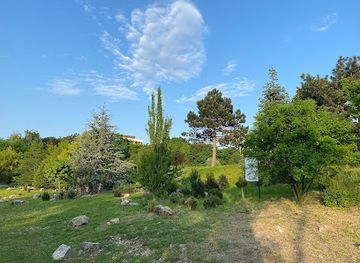
Explore the enchanting Botanical Garden SPU in Nitra-Chrenová, a serene escape filled with diverse plant life and lush landscapes.
-
Synagogue
Synagogue
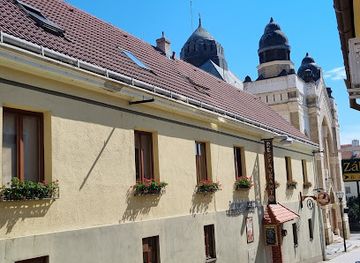
Discover the stunning Synagogue in Nitra, a historical landmark that showcases the rich Jewish heritage and architectural beauty of Slovakia.
-
Museum
Slovak Agricultural Museum
Discover Slovakia's agricultural heritage at the Slovak Agricultural Museum in Nitra-Mikova Ves, where history meets culture in an engaging experience.
Explore Nitra Region on the map
Plan your trip on one map. See where the top cities, national parks and sights are, and book hotels and experiences in a few clicks.
Best hotels in Nitra Region
Best restaurants in Nitra Region
Nitra Region’s food reflects the meeting of Slovak traditions with the Hungarian-influenced cooking of the southern districts. Menus commonly include soups, potato and flour-based dishes, roast meats, freshwater fish, seasonal vegetables and pastries, while paprika, cabbage and sour cream appear in many central European preparations. In Nitra and other larger towns, restaurants range from traditional Slovak kitchens and cafés to contemporary dining, whereas villages and market towns are more likely to centre on pubs, family-run eateries and bakeries. The fertile plains support fruit, vegetables and cereals, and the Nitra wine-growing area contributes both white and red wines from vineyard districts around the city and surrounding foothills. Farmers’ markets and local shops are useful for fruit, preserves, honey, cheese and baked goods. Along the Danube, fish dishes and Hungarian-style specialities are more visible, although menus vary considerably between establishments. Regional tasting rooms and cellar visits are usually seasonal or appointment-based, so visitors should check arrangements rather than assume that every vineyard operates as a drop-in venue.
-
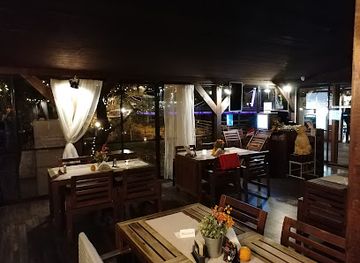
Restaurant
Bearded Brothers
Discover the flavors of America at Bearded Brothers - where gourmet burgers meet cozy bistro vibes in Nitra.
-
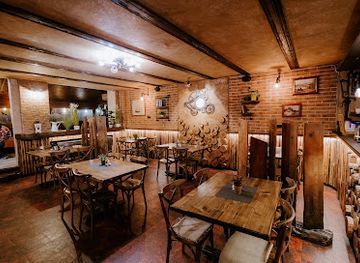
Restaurant
Stará Kotolňa Nitra
Experience authentic Slovak cuisine at Stará Kotolňa Nitra - where tradition meets modern culinary artistry.
-
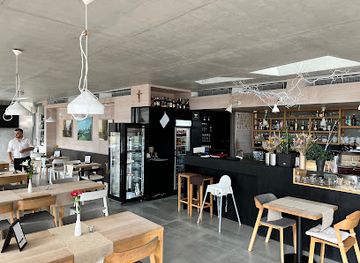
Restaurant
Castellum Cafe
Discover delightful local cuisine at Castellum Cafe in Nitra - where tradition meets modern taste in an inviting atmosphere.
-
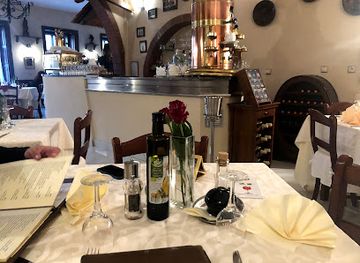
Italian
Boccaccio
Experience authentic Italian cuisine at Boccaccio in Nitra - where every meal feels like a celebration.
Best bars in Nitra Region
Evening life in Nitra Region is concentrated in Nitra, the larger district towns and university areas rather than spread across the countryside. Nitra offers the broadest choice of cafés, wine bars, pubs, live-music settings and later venues, with activity shaped partly by its student population and cultural calendar. Komárno and Nové Zámky also have town-centre bars, restaurants and occasional music venues, while Levice and Štúrovo provide a smaller local scene. In rural districts, evenings are more likely to centre on village pubs, hotel restaurants, seasonal wine cellars or thermal-resort facilities than on nightclubs. Beer, Slovak and regional wines, and non-alcoholic drinks are widely available, and wine culture is particularly relevant around Nitra’s vineyards. Opening arrangements and entertainment programmes change, so checking current local listings is sensible. Nightlife is best treated as one element of a trip focused on historic towns, food, thermal bathing and landscape rather than as the region’s principal attraction.
-
Bar
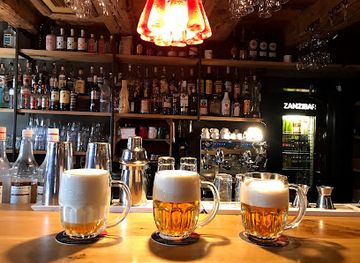
ZanziBar Nitra
Discover ZanziBar Nitra, a lively bar and bistro offering a delightful mix of gourmet food, craft drinks, and a vibrant atmosphere perfect for tourists.
-
Brewpub
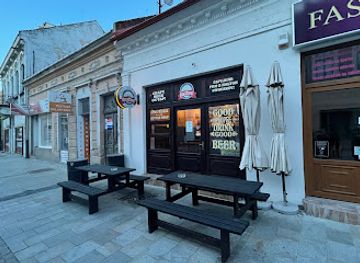
BEER TIME - Craft Beer PUB & BISTRO
Experience the Best of Craft Beer and Culinary Delights at BEER TIME - Your Go-To Brewpub in Nitra.
-
Irish pub
The Irish Times Pub
Discover the warmth of Irish hospitality at The Irish Times Pub in Nitra, where hearty meals and a vibrant atmosphere await.
-
Cocktail bar
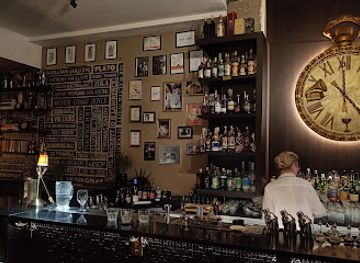
Záhir american bar & coffee house
Discover the vibrant atmosphere of Záhir American Bar & Coffee House in Nitra, where exquisite cocktails and rich espresso await.

Best nightclubs in Nitra Region
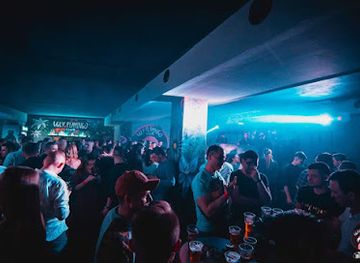
Evening life in Nitra Region is concentrated in Nitra, the larger district towns and university areas rather than spread across the countryside. Nitra offers the broadest choice of cafés, wine bars, pubs, live-music settings and later venues, with activity shaped partly by its student population and cultural calendar. Komárno and Nové Zámky also have town-centre bars, restaurants and occasional music venues, while Levice and Štúrovo provide a smaller local scene. In rural districts, evenings are more likely to centre on village pubs, hotel restaurants, seasonal wine cellars or thermal-resort facilities than on nightclubs. Beer, Slovak and regional wines, and non-alcoholic drinks are widely available, and wine culture is particularly relevant around Nitra’s vineyards. Opening arrangements and entertainment programmes change, so checking current local listings is sensible. Nightlife is best treated as one element of a trip focused on historic towns, food, thermal bathing and landscape rather than as the region’s principal attraction.
-
Bar
Frankie Rock Club
Discover the electrifying nightlife at Frankie Rock Club in Nitra - a haven for music lovers and party enthusiasts with live performances and a vibrant atmosphere.
-
Disco club
LUNA disco & cocktail klub
Discover the heart of Nitra's nightlife at LUNA Disco & Cocktail Klub, where great music and delicious cocktails create unforgettable moments.
-
Bar
Premier Club
Discover the lively nightlife of Nitra at Premier Club, a top bar known for its eclectic ambiance and vibrant events.
-
Bar
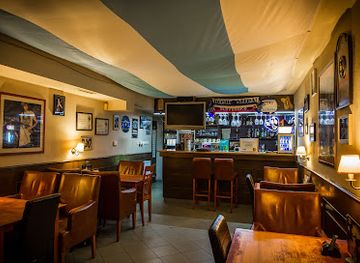
Ugly Flamingo club
Discover the vibrant nightlife at Ugly Flamingo Club in Nitra, where music and cocktails come together for an unforgettable evening.


Best shops in Nitra Region
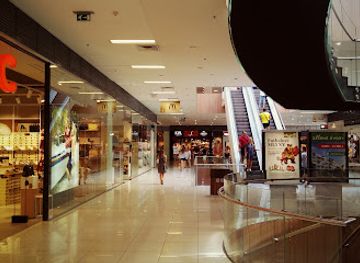
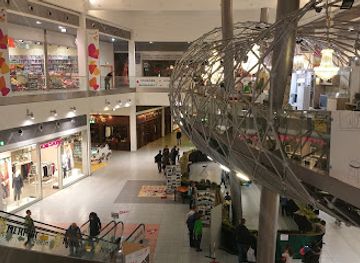
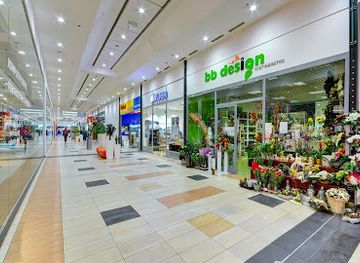
Shopping in Nitra Region is strongest in Nitra and the larger district towns, where traditional high streets, supermarkets, cafés, shopping centres and independent retailers serve local residents. Nitra’s central streets are useful for combining everyday shopping with cafés, cultural visits and the castle area, while Komárno, Levice, Nové Zámky and Štúrovo each offer a more local town-centre experience. Market stalls and farm shops provide seasonal fruit, vegetables, honey, preserves, baked goods and other products from the productive lowlands. Around the vineyards, look for regional wines and grape-based products from established producers, checking whether a shop or cellar sells directly to visitors. Craft and souvenir choices may include ceramics, woodwork, textiles and locally themed food gifts, although selection varies by town. Southern markets and shops may reflect the area’s Slovak-Hungarian cultural character through food labels and traditional specialities. Rural shopping is limited outside market days, so buy essentials in the larger towns and treat village stalls or cellar sales as occasional additions rather than guaranteed services.
-
Shopping mall
Mlyny
Discover Mlyny Shopping Mall in Nitra: A vibrant hub for shopping, dining, and entertainment with something for everyone.
-
Shopping mall
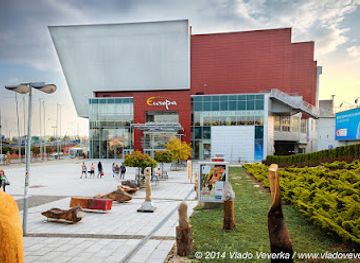
Europa SC
Experience the best shopping, dining, and entertainment at Europa SC in Banská Bystrica, a vibrant hub for all your retail needs.
-
Shopping mall
Laugaricio - shopping center
Explore the ultimate shopping experience at Laugaricio Shopping Center in Trenčín, where fashion, dining, and entertainment converge.
-
Shopping mall
N-CENTRO
Discover N-CENTRO, Nitra's vibrant shopping mall featuring diverse stores, delicious dining, and exciting events for an unforgettable experience.
Get your free copy of our complete guide to Nitra Region, delivered straight to you.
Everything on this page, from attractions and restaurants to essentials and local phrases, in one PDF you can read offline, print or share.
Already have an account? Sign in
Your Nitra Region guide is ready.
We'll send it to · Not you? Sign out

Getting your guide ready…
We are putting together a fresh copy of the Nitra Region guide. This can take up to a minute.
This can take a few moments. If your browser asks, choose Allow so the download can start. You'll find the guide in your Downloads folder.
Nothing happened? Download it again
Sorry, the guide is taking longer than usual. Please try again in a minute, or get it by email instead.
Nitra Region essentials
Currency and Payment
Safety
Emergency Situations
Do's and Don'ts
Local Tips
From Eve
Local phrases worth knowing
You don't need to get them perfect. A few words go a long way, and locals appreciate the effort.
Basics
| English | Local | Say it |
|---|---|---|
| Hello | Ahoj | [ahoy] |
| Goodbye | Zbohom | [zbo-hom] |
| Yes | Áno | [ah-no] |
| No | Nie | [nyeh] |
| Please/You're welcome | Prosím | [pro-seem] |
| Thank you | Ďakujem | [dya-ku-yem] |
| Excuse me/Sorry | Prepáčte | [pre-patch-teh] |
| How are you? | Ako sa máš? | [ah-koh sah mahsh] |
| Fine. And you? | Dobre. A ty? | [do-breh. ah tee] |
| Do you speak English? | Hovoríš po anglicky? | [ho-vor-eesh po ang-lits-kee] |
| I don't understand | Nerozumiem | [ne-ro-zoo-myem] |
Eating & Drinking
| English | Local | Say it |
|---|---|---|
| I'd like to see the menu, please | Chcel by som vidieť jedálny lístok, prosím | [htsel bee som vee-dyeht yeh-dahl-nee leesk-tok, pro-seem] |
| I don't eat meat | Nejem mäso | [nye-yem meh-so] |
| Cheers! | Na zdravie! | [nah zdrah-vee-eh] |
| I would like to pay, please | Chcel by som zaplatiť, prosím | [htsel bee som zah-pla-teet, pro-seem] |
Emergencies
| English | Local | Say it |
|---|---|---|
| Help! | Pomoc! | [po-mots] |
| Go away! | Odíď! | [oh-deech] |
| Call the Police! | Zavolajte políciu! | [zah-vo-lah-yteh poh-lee-tsee-yoo] |
| Call a doctor! | Zavolajte doktora! | [zah-vo-lah-yteh dok-toh-rah] |
| I'm lost | Som stratený | [som strah-teh-nee] |
| I'm ill | Som chorý | [som kho-ree] |
Shopping
| English | Local | Say it |
|---|---|---|
| I'd like to buy... | Chcel by som kúpiť... | [htsel bee som koo-peet] |
| I'm just looking | Len sa pozerám | [len sah po-zey-rahm] |
| How much is it? | Koľko to stojí? | [kol-ko toh stoy-ee] |
| That's too expensive | To je príliš drahé | [to yeh pree-leesh dra-heh] |
| Can you lower the price? | Môžeš znížiť cenu? | [moh-zesh znee-zheet tseh-noo] |
Time & Numbers
| English | Local | Say it |
|---|---|---|
| What time is it? | Koľko je hodín? | [kol-ko yeh ho-deen] |
| It's one o'clock | Je jedna hodina | [yeh yed-nah ho-dee-nah] |
| Half past (10) | Pol (10) | [pol (10)] |
| Morning | Ráno | [rah-no] |
| Afternoon | Popoludnie | [po-po-lud-nee-eh] |
| Evening | Večer | [veh-cher] |
| Yesterday | Včera | [vcheh-rah] |
| Today | Dnes | [dnyes] |
| Tomorrow | Zajtra | [zai-trah] |
| 1 | 1 | [1] |
| 2 | 2 | [2] |
| 3 | 3 | [3] |
| 4 | 4 | [4] |
| 5 | 5 | [5] |
| 6 | 6 | [6] |
| 7 | 7 | [7] |
| 8 | 8 | [8] |
| 9 | 9 | [9] |
| 10 | 10 | [10] |
Transport & Directions
| English | Local | Say it |
|---|---|---|
| Where's a/the...? | Kde je...? | [kdeh yeh] |
| What's the address? | Aká je adresa? | [ah-kah yeh ah-dre-sah] |
| Can you show me (on the map)? | Môžeš mi ukázať (na mape)? | [moh-zesh mee oo-kah-zaht (nah mah-peh)] |
| When's the next (bus)? | Kedy ide ďalší (autobus)? | [ke-dee ee-deh dya-l-shee (ow-toh-boos)] |
| A ticket (to ....) | Lístok (do ....) | [leestok (doh ....)] |
History of Nitra Region
Prehistoric settlement and the Nitra culture
The fertile river plains of present-day Nitra Region attracted farming communities from prehistory onwards. Archaeological finds around Nitra and other settlements record Neolithic, Bronze Age and Iron Age activity, including tools, ceramics, burial sites and evidence of long-distance exchange. The term Nitra culture is used by archaeologists for an early Bronze Age cultural horizon associated particularly with south-western Slovakia. The region’s combination of arable land, waterways and defensible hills helped make it one of the most continuously settled parts of the country, although modern towns often conceal the full extent of earlier occupation.
Roman frontier on the Danube
The Danube formed the northern frontier of the Roman Empire, and the southern part of Nitra Region preserves important evidence of that military landscape. At Iža, near Komárno, the Roman site known as Celemantia includes the remains of a fortified bridgehead and associated settlement linked to the wider frontier system. Its position opposite the Roman province of Pannonia illustrates the river’s strategic importance. The surviving foundations, earthworks and archaeological interpretation provide a clearer understanding of Roman military organisation and contact with communities north of the Danube.
Nitra and the rise of Great Moravia
Nitra became a major centre in the early medieval political landscape of Central Europe. The principality associated with Pribina is traditionally connected with the consecration of a Christian church at Nitra in the ninth century, while the town later formed an important part of Great Moravia under Mojmír and Rastislav. Cyril and Methodius’s mission strengthened Christian and literary culture in the region, although surviving buildings are generally later than this period. Nitra’s castle hill and ecclesiastical importance preserve the memory of a formative chapter in Slovak history.
Medieval towns, estates and churches
After the early medieval period, Nitra Region developed through royal administration, ecclesiastical power, noble estates and expanding market towns. Nitra’s bishopric became one of the most influential institutions in the area, while castles and fortified residences protected routes and local centres. Levice Castle, Gýmeš Castle and the fortifications connected with Komárno reflect changing military and political needs. Romanesque and Gothic churches, later Baroque rebuilding and aristocratic residences across the countryside show how the region’s architecture evolved as landholding families, religious institutions and towns competed for influence.
Ottoman pressure and the fortress of Nové Zámky
In the sixteenth and seventeenth centuries, south-western Slovakia lay close to the Ottoman frontier. Nové Zámky was developed as a major fortress and became a significant military objective during the conflicts between the Habsburg monarchy and the Ottoman Empire. Its capture by Ottoman forces in 1663 and reconquest in 1685 formed part of the wider struggle for control of the Danube and the approaches to central Europe. Much of the original fortress has disappeared beneath later urban development, but the town’s history and surviving traces reflect the strategic importance of the region.
Agriculture, wine and modern transport
From the eighteenth century onwards, Nitra Region’s economy was shaped increasingly by agriculture, vineyard cultivation, estate management and trade between market towns. Noble residences such as Topoľčianky and Oponice expressed the wealth generated by landed estates, while roads and railways connected producers with larger markets. The Danube and its tributaries remained important for movement and settlement, and industrial activity expanded in larger towns during the nineteenth and twentieth centuries. These developments helped create the region’s present mixture of productive plains, vineyard slopes, historic estates and transport-linked urban centres.
Twentieth-century change and a bilingual south
The twentieth century brought the break-up of old empires, the creation of Czechoslovakia, wartime upheaval, socialist industrialisation and the later transition to a market economy. Nitra grew as an administrative, educational and agricultural centre, while towns along the Danube experienced the changing political relationship between Slovak and Hungarian communities. The southern districts remain culturally mixed, with Hungarian widely used alongside Slovak. Contemporary Nitra Region therefore combines medieval and religious heritage with modern universities, manufacturing, food production, cross-border commerce and a continuing rural economy.
Nitra Region in Photos
Browse through our photo collection highlighting the charm and character of the destination.
Neighbouring regions of Nitra Region
The closest regions to Nitra Region, if you have time for more than one.
-

-

-

-

-


Swipe for more regions
Explore more

Explore more of Slovakia
Discover Slovakia: A land of majestic mountains, charming castles, and vibrant culture in the heart of Europe.
Explore Slovakia