

Free Trnava Region Travel Guide & Mobile App
Explore Trnava Region with free travel guides. Discover regional history, expert tips, proposed trips, and audio guides on web or mobile app.


Explore Trnava Region in Slovakia for historic Trnava, Little Carpathian vineyards, Piešťany spas, Danube waterways and distinctive regional food.
Read more about Trnava Region
When is the best time to visit Trnava Region?
Best: June–August · 24–26°C| Month | High (°C) | Rainfall (mm) |
|---|---|---|
| January | 3 | 25 |
| February | 4 | 25 |
| March | 10 | 30 |
| April | 15 | 35 |
| May | 20 | 45 |
| June (best) | 24 | 50 |
| July (best) | 26 | 55 |
| August (best) | 25 | 50 |
| September | 21 | 40 |
| October | 15 | 35 |
| November | 8 | 30 |
| December | 3 | 25 |
Getting to and around Trnava Region
How to get there
Transportation
Top city travel guides in Trnava Region
The cities of Trnava Region, and the easiest places to base yourself.
-
-

-


Swipe for more cities
Best attractions in Trnava Region
Trnava Region offers a varied but manageable collection of cultural, historical and outdoor attractions. Trnava’s churches, fortifications and museums provide the strongest urban heritage experience, while Piešťany combines spa architecture, parks, the Váh riverfront and therapeutic traditions. In the Little Carpathians, Smolenice Castle and Driny Cave make natural companions to forest walks and vineyard visits, although opening arrangements can vary seasonally. The historic town of Skalica adds distinctive western Slovak architecture, wine culture and food traditions. Southern districts are defined less by monumental architecture than by waterways, thermal recreation, village museums and remnants of traditional rural industries. The water mills at Tomášikovo and Dunajský Klátov illustrate how rivers supported grain production, and the Danube and its surrounding channels offer opportunities for cycling, birdwatching and quiet landscape exploration. Galanta and Hlohovec provide further town-based heritage, while the region’s thermal pools, cultural institutions and accessible countryside make it suitable for itineraries that alternate between indoor history and outdoor activity.
-
Convention center
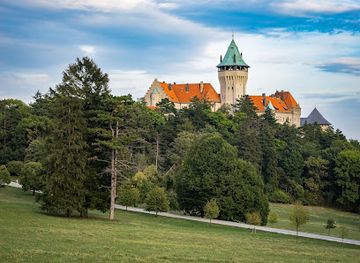
Smolenice castle
Explore Smolenice Castle, a stunning historical landmark in Slovakia, surrounded by lush landscapes and rich in cultural heritage.
-
Historical landmark
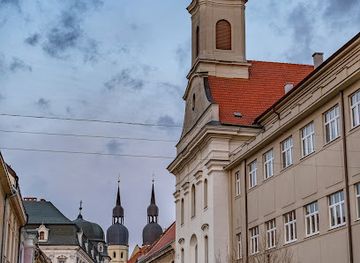
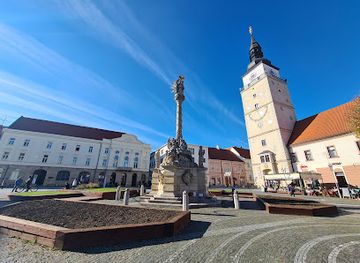
City Tower
Explore Trnava's City Tower, a historical landmark offering stunning views and a glimpse into Slovakia's rich cultural heritage.
-
Tourist attraction
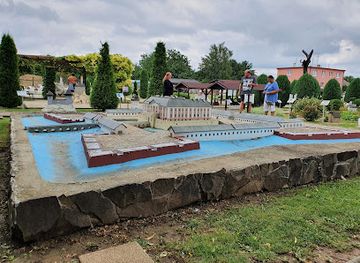
Miniature Park Podolie
Discover the charm of Slovakia's architectural heritage at Miniature Park Podolie, where history comes alive in captivating miniature form.
-
Tourist attraction
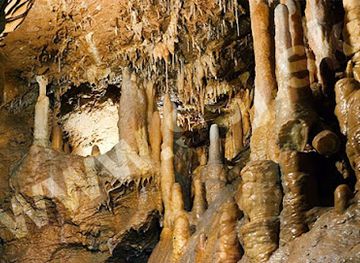
Driny
Discover the natural beauty of Driny Cave, a stunning limestone wonder in Slovakia, perfect for adventure seekers and nature lovers alike.
Best landmarks in Trnava Region
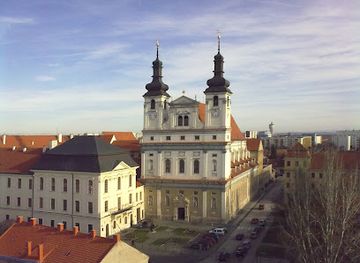
Trnava’s medieval town walls are among the most recognisable remains of the region’s urban past, enclosing a centre dominated by churches associated with the town’s ecclesiastical and university history. The Cathedral of Saint John the Baptist is particularly notable for its Baroque interior, while the Town Tower provides a prominent civic marker. Smolenice Castle, with its romantic historicist silhouette and wooded Little Carpathian setting, is one of the region’s most visually distinctive buildings, even though access to its interiors can be more restricted than access to the grounds or surrounding area. Piešťany’s Colonnade Bridge and spa architecture express the town’s identity as a nineteenth- and twentieth-century health resort. In Skalica, the Church of Saint Michael, town buildings and surviving historic fabric reflect the town’s medieval and early modern importance. The water mills at Tomášikovo and Dunajský Klátov are landmarks of a different kind: practical structures that preserve the region’s former relationship with lowland rivers, canals and agricultural production.
-
Historical landmark
City Tower
Discover Trnava's City Tower – A Historical Landmark Offering Stunning Views and Rich Heritage in Slovakia.
-
Basilica
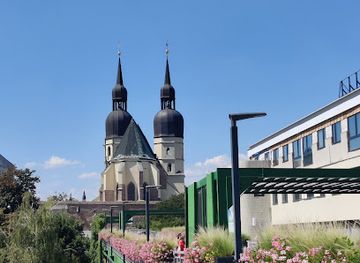
Basilica of St. Nicholas
Discover the architectural splendor and rich history of the Basilica of St. Nicholas in Trnava, a must-see for every traveler in Slovakia.
-
Historical landmark
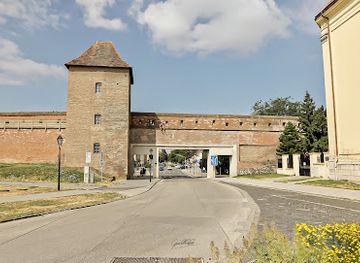
Bernolák’s gate
Discover the beauty and history of Bernolák’s Gate, a stunning landmark in Trnava, Slovakia, showcasing Gothic architecture and rich cultural heritage.
-
Cathedral
Katedrála sv. Jána Krstiteľa
Explore the stunning Katedrála sv. Jána Krstiteľa in Trnava, a remarkable Gothic cathedral blending history, art, and spirituality.
Explore Trnava Region on the map
Plan your trip on one map. See where the top cities, national parks and sights are, and book hotels and experiences in a few clicks.
Best hotels in Trnava Region
Best restaurants in Trnava Region
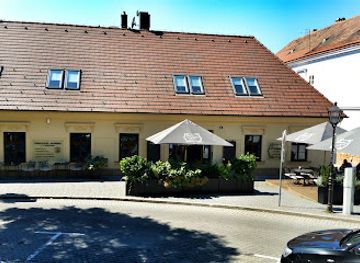
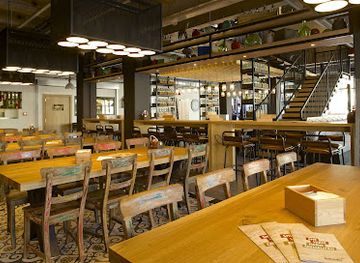
Eating in Trnava Region reflects western Slovak, Danubian and Hungarian influences. Trnava and Piešťany have the broadest choice of restaurants, cafés and bakeries, while smaller towns and villages are more likely to centre their dining around traditional restaurants, pubs and seasonal food businesses. Look for local wines from the Little Carpathians, Skalica’s distinctive wine culture and Skalický trdelník, a spit-baked pastry associated with the town. Menus may include bryndza-based dishes, soups, roast meats, poultry, freshwater fish, potato preparations and poppy-seed or walnut pastries, with southern districts often showing stronger Hungarian culinary influence. Farmers’ markets and food shops are useful for fruit, vegetables, honey, cheeses and baked goods from the surrounding countryside. Piešťany’s spa tradition has also encouraged lighter dining and cafés, while rural wine cellars may offer simple cold plates alongside tastings rather than a full restaurant menu.
-
Cafe
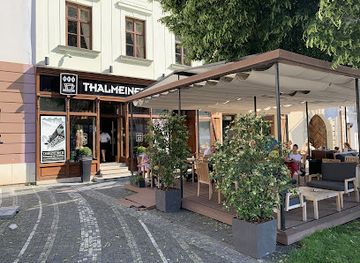
Thalmeiner
Discover Thalmeiner in Trnava: A cozy cafe offering delicious breakfasts and exceptional coffee in a charming setting.
-
Restaurant
Forhaus
Experience exquisite dining at Forhaus in Trnava—where local flavors meet international flair in a cozy atmosphere.
-
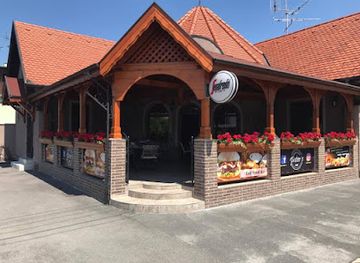
Brewpub
Piváreň a reštaurácia Bokovka
Experience authentic Slovak flavors at Piváreň a reštaurácia Bokovka – where craft beer meets delicious cuisine in Trnava.
-
Restaurant
Wetzlerov Dom
Experience authentic Slovak cuisine at Wetzlerov Dom in Trnava—where tradition meets modernity in every dish.
Best bars in Trnava Region
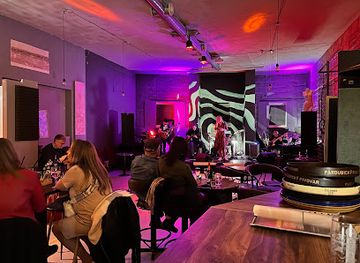
Evening life is concentrated in Trnava, Piešťany and, to a lesser extent, Skalica and the larger district towns. Trnava’s historic centre supports cafés, wine bars, pubs and venues connected with its student population, while Piešťany combines hotel bars, restaurants and relaxed evening walks around the spa area. Skalica’s wine culture is most apparent in cellar districts and seasonal tasting events rather than a large club scene. In villages and smaller towns, the traditional pub remains a more common evening setting than a nightclub, with occasional live music and community events. The region does have later venues, but nightlife is generally modest compared with Bratislava and varies according to the academic calendar, weekends and summer programming. Booking is sensible for popular restaurants and organised tastings, and visitors should check current arrangements rather than assume that a venue operates every night.
-
Bar
Peter's bar
Discover the lively Peter's Bar in Dunajská Streda, where delicious hamburgers and a vibrant atmosphere await every visitor.
-
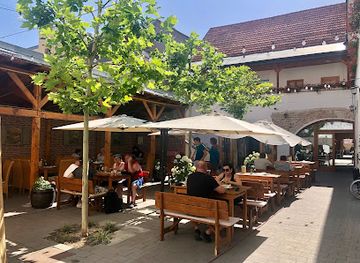
Beer Garden
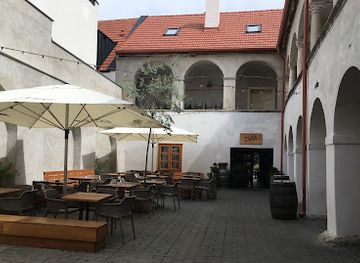
Akademia
Discover the vibrant atmosphere of Akademia, Trnava's premier beer garden, offering craft beers and delightful snacks in a charming setting.
-
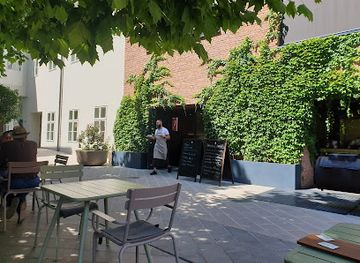
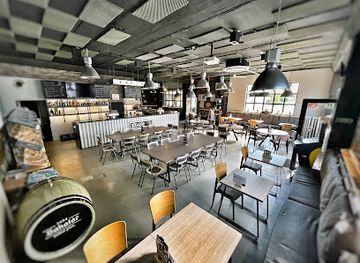
Bar
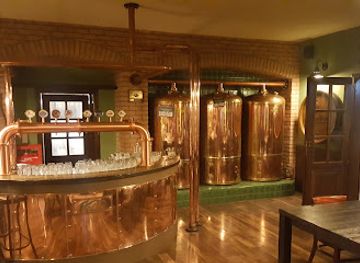
Vodáreň Craft Bistro
Experience the best of Slovak cuisine and craft beer at Vodáreň Craft Bistro in Trnava - a perfect blend of taste and atmosphere.
-
Bar
Čajka
Discover the vibrant flavors and inviting atmosphere at Čajka, a beloved bar and restaurant in Trnava offering local and international cuisine.
Best nightclubs in Trnava Region
Evening life is concentrated in Trnava, Piešťany and, to a lesser extent, Skalica and the larger district towns. Trnava’s historic centre supports cafés, wine bars, pubs and venues connected with its student population, while Piešťany combines hotel bars, restaurants and relaxed evening walks around the spa area. Skalica’s wine culture is most apparent in cellar districts and seasonal tasting events rather than a large club scene. In villages and smaller towns, the traditional pub remains a more common evening setting than a nightclub, with occasional live music and community events. The region does have later venues, but nightlife is generally modest compared with Bratislava and varies according to the academic calendar, weekends and summer programming. Booking is sensible for popular restaurants and organised tastings, and visitors should check current arrangements rather than assume that a venue operates every night.
-
Restaurant
Relax
Discover the perfect blend of dining and nightlife at Relax in Trnava, where culinary excellence meets vibrant entertainment.
-
Bar
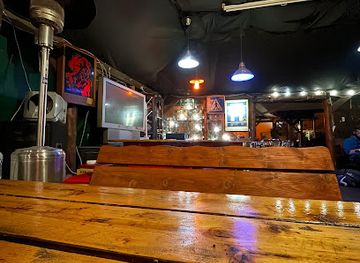
Ten Podnik
Experience the lively charm and diverse drink selection at Ten Podnik, the heart of Trnava's nightlife.
-
Bar
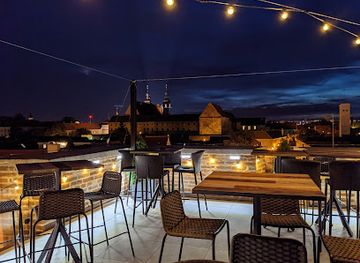
Severná Veža - Bar & Lounge
Experience a stunning bar and lounge in Trnava, boasting great views, delicious drinks, and a cozy atmosphere perfect for relaxation.
-
Bar
10BAR
Experience the lively nightlife at 10BAR in Trnava, featuring creative cocktails and a vibrant atmosphere for an unforgettable evening.
Best shops in Trnava Region
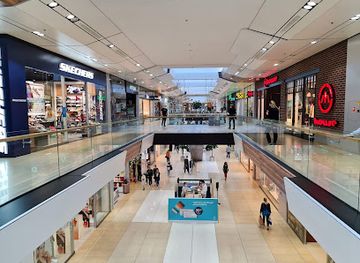
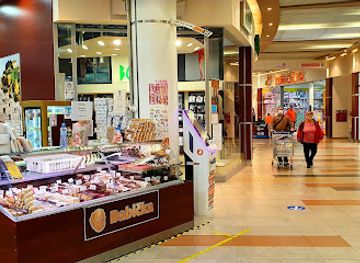
Shopping in Trnava Region is strongest in the historic centres and market towns rather than in large specialist retail districts. Trnava offers the broadest selection of everyday shops, independent cafés, bookshops and small design or craft businesses, while Piešťany has spa-oriented retailers, galleries and shops suited to visitors looking for local gifts. Skalica is a good place to seek regional wine and food products, including the town’s traditional trdelník, although availability and production methods differ between sellers. In the Little Carpathian villages, wine cellars and direct producers may sell bottled wine, honey and other seasonal goods; opening arrangements outside organised events should be checked in advance. Southern markets and farm shops can provide fruit, vegetables, baked goods and preserves from the Danubian lowlands. Useful souvenirs include Slovak ceramics, handmade textiles, wooden products, regional food and wine, with smaller producers often preferring cash.
-
Shopping mall
City Arena Trnava
Discover the ultimate shopping experience at City Arena Trnava, featuring diverse stores, delicious dining, and exciting events for all ages.
-
Shopping mall
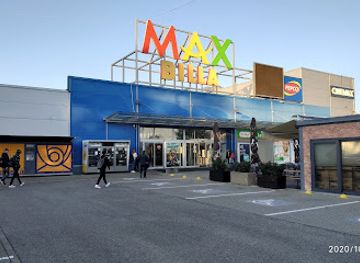
OC MAX Trnava
Experience the vibrant shopping scene at OC MAX Trnava, where retail therapy meets culinary delights in a modern setting.
-
Shopping mall
OC Galéria
Discover the vibrant OC Galéria, Trnava's top shopping mall, featuring diverse shops, dining options, and family-friendly activities.
-
Shopping mall
City Park Trnava
Explore City Park Trnava, a premier shopping mall offering a blend of retail, dining, and entertainment for an unforgettable experience.
Get your free copy of our complete guide to Trnava Region, delivered straight to you.
Everything on this page, from attractions and restaurants to essentials and local phrases, in one PDF you can read offline, print or share.
Already have an account? Sign in
Your Trnava Region guide is ready.
We'll send it to · Not you? Sign out

Getting your guide ready…
We are putting together a fresh copy of the Trnava Region guide. This can take up to a minute.
This can take a few moments. If your browser asks, choose Allow so the download can start. You'll find the guide in your Downloads folder.
Nothing happened? Download it again
Sorry, the guide is taking longer than usual. Please try again in a minute, or get it by email instead.
Trnava Region essentials
Currency and Payment
Safety
Emergency Situations
Do's and Don'ts
Local Tips
From Eve
Local phrases worth knowing
You don't need to get them perfect. A few words go a long way, and locals appreciate the effort.
Basics
| English | Local | Say it |
|---|---|---|
| Hello | Ahoj | [Ahoy] |
| Goodbye | Zbohom | [Zbo-hom] |
| Yes | Áno | [Ah-no] |
| No | Nie | [Nye] |
| Please/You're welcome | Prosím | [Pro-seem] |
| Thank you | Ďakujem | [Dya-koo-yem] |
| Excuse me/Sorry | Prepáčte | [Pre-patch-te] |
| How are you? | Ako sa máš? | [Ah-ko sah mash?] |
| Fine. And you? | Dobre. A ty? | [Doh-breh. Ah tee?] |
| Do you speak English? | Hovoríš po anglicky? | [Ho-vor-ish po ahn-glit-ski?] |
| I don't understand | Nerozumiem | [Neh-roh-zoo-myem] |
Eating & Drinking
| English | Local | Say it |
|---|---|---|
| I'd like to see the menu, please | Chcel by som vidieť menu, prosím | [Htsel bee som veed-yet menoo, pro-seem] |
| I don't eat meat | Nejem mäso | [Nye-yem mye-so] |
| Cheers! | Na zdravie! | [Nah zdrah-vee-eh] |
| I would like to pay, please | Chcel by som zaplatiť, prosím | [Htsel bee som zah-pla-teet, pro-seem] |
Emergencies
| English | Local | Say it |
|---|---|---|
| Help! | Pomoc! | [Poh-mots!] |
| Go away! | Choď preč! | [Kho-dch prech!] |
| Call the Police! | Zavolajte políciu! | [Za-vo-lah-tye poh-lee-tsee-yoo!] |
| Call a doctor! | Zavolajte lekára! | [Za-vo-lah-tye leh-kah-rah!] |
| I'm lost | Som stratený | [Som stra-teh-nee] |
| I'm ill | Som chorý | [Som kho-ree] |
Shopping
| English | Local | Say it |
|---|---|---|
| I'd like to buy... | Chcel by som kúpiť... | [Htsel bee som koo-peet...] |
| I'm just looking | Len sa pozerám | [Len sah poze-rahm] |
| How much is it? | Koľko to stojí? | [Kol-ko toh stoh-yee?] |
| That's too expensive | To je príliš drahé | [To yeh pree-leesh dra-heh] |
| Can you lower the price? | Môžete znížiť cenu? | [Mwo-zhe-teh znee-zheet tseh-noo?] |
Time & Numbers
| English | Local | Say it |
|---|---|---|
| What time is it? | Koľko je hodín? | [Kol-ko yeh ho-deen?] |
| It's one o'clock | Je jedna hodina | [Yeh yed-na ho-dee-na] |
| Half past (10) | Pol (10) | [Pol (10)] |
| Morning | Ráno | [Rah-no] |
| Afternoon | Popoludnie | [Poh-poh-lud-nee-eh] |
| Evening | Večer | [Veh-cher] |
| Yesterday | Včera | [V-cheh-rah] |
| Today | Dnes | [Dnes] |
| Tomorrow | Zajtra | [Zai-tra] |
| 1 | 1 | [1] |
| 2 | 2 | [2] |
| 3 | 3 | [3] |
| 4 | 4 | [4] |
| 5 | 5 | [5] |
| 6 | 6 | [6] |
| 7 | 7 | [7] |
| 8 | 8 | [8] |
| 9 | 9 | [9] |
| 10 | 10 | [10] |
Transport & Directions
| English | Local | Say it |
|---|---|---|
| Where's a/the...? | Kde je...? | [Kde yeh...?] |
| What's the address? | Aká je adresa? | [Ah-kah yeh ah-dre-sah?] |
| Can you show me (on the map)? | Môžete mi ukázať (na mape)? | [Mwo-zhe-teh mee oo-kah-zaht (nah mah-peh)?] |
| When's the next (bus)? | Kedy ide ďalší (autobus)? | [Keh-dee ee-deh dya-l-shee (ow-to-boos)?] |
| A ticket (to ....) | Jedna lístok (do ...) | [Yed-na lee-stok (doh ...)] |
History of Trnava Region
Prehistoric settlement and Roman frontier influence
The fertile plains of western Slovakia attracted settlement from prehistoric times, and archaeological discoveries across the Trnava and Danubian areas record farming communities, fortified sites and long-distance exchange. During the Roman period, the Danube formed the northern frontier of the empire. The principal military centres lay south of the modern region, but Roman trade and political influence reached the communities of the nearby lowlands. Finds of coins, ceramics and imported goods help show that the area was connected to the wider frontier economy rather than isolated from it.
Great Moravia and the medieval Christian landscape
The region formed part of the broader cultural and political world of Great Moravia in the ninth century, when Christian missions and emerging Slavic institutions shaped western Slovakia. After the formation of the medieval Kingdom of Hungary, settlements around Trnava, the Váh valley and the Little Carpathians developed within a network of royal estates, churches and market communities. Medieval churches, settlement patterns and fragments of defensive works still provide evidence of this transition from early Slavic political structures to the Hungarian kingdom.
Trnava as a royal town and ecclesiastical centre
Trnava received important urban privileges in the Middle Ages and became one of the significant royal towns of the Kingdom of Hungary. Its walls, markets and position on routes between western Hungary and Moravia supported commercial growth. In the early modern period, the town gained further importance when the University of Nagyszombat, founded by the Jesuits in 1635, operated there before moving to Buda in the eighteenth century. The university and ecclesiastical institutions left a strong architectural and educational legacy visible in Trnava’s historic centre.
Ottoman-era pressures and early modern rebuilding
The Ottoman advance into central Hungary transformed western Slovakia into a strategically important hinterland during the sixteenth and seventeenth centuries. Towns, noble estates and castles needed to respond to military uncertainty, while refugees and institutions from areas affected by Ottoman rule contributed to the growth of places such as Trnava. The period also brought church rebuilding and Baroque artistic patronage. Many of the region’s churches, manor houses and fortified remains reflect this combination of defence, migration and Catholic renewal.
Wine, agriculture and river industries
For centuries, the Little Carpathian slopes supported vineyards, while the lowlands around the Váh and Danube produced grain, vegetables and livestock. Market towns such as Skalica connected village producers with regional trade. Water mills became important on the lowland rivers and channels, processing grain and linking agricultural production to local communities. Surviving mills at places including Tomášikovo and Dunajský Klátov preserve part of this pre-industrial landscape, although modern drainage, mechanised farming and changing trade patterns have altered the waterways considerably.
Industrialisation, railways and the modern spa economy
The nineteenth and twentieth centuries brought railways, food processing, engineering and expanding urban services to the region. Piešťany developed into an internationally known spa town as its thermal water and therapeutic mud were organised for medical treatment, with hotels, colonnades and parks creating a specialised spa environment. In the later twentieth century, industrial facilities, including the energy complex at Jaslovské Bohunice, became part of the regional economy. Since 1993, Trnava Region has formed one of Slovakia’s self-governing regions, balancing industrial, agricultural, cultural and tourism interests.
Trnava Region in Photos
Browse through our photo collection highlighting the charm and character of the destination.
Neighbouring regions of Trnava Region
The closest regions to Trnava Region, if you have time for more than one.
-

-

-

-

-


Swipe for more regions
Explore more

Explore more of Slovakia
Discover Slovakia: A land of majestic mountains, charming castles, and vibrant culture in the heart of Europe.
Explore Slovakia