

Free Trenčín Region Travel Guide & Mobile App
Explore Trenčín Region with free travel guides. Discover regional history, expert tips, proposed trips, and audio guides on web or mobile app.


Explore Trenčín Region for medieval castles, Váh Valley cycling, White Carpathian landscapes, mountain gorges and Slovak spa traditions.
Read more about Trenčín Region
When is the best time to visit Trenčín Region?
Best: June–August · 23–24°C| Month | High (°C) | Rainfall (mm) |
|---|---|---|
| January | 2 | 40 |
| February | 3 | 35 |
| March | 8 | 45 |
| April | 14 | 50 |
| May | 19 | 60 |
| June (best) | 23 | 70 |
| July (best) | 24 | 80 |
| August (best) | 24 | 70 |
| September | 20 | 60 |
| October | 14 | 50 |
| November | 7 | 45 |
| December | 2 | 40 |
Getting to and around Trenčín Region
How to get there
Transportation
Top city travel guides in Trenčín Region
The cities of Trenčín Region, and the easiest places to base yourself.
-
-

-

-

-


Swipe for more cities
Destinations in Trenčín Region
Resorts, valleys and scenic spots worth a trip of their own.
-
-

-


Swipe for more destinations
Best attractions in Trenčín Region
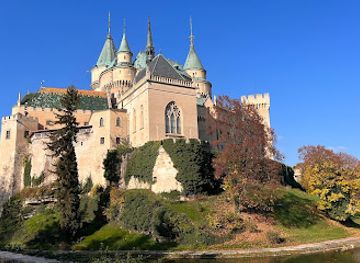
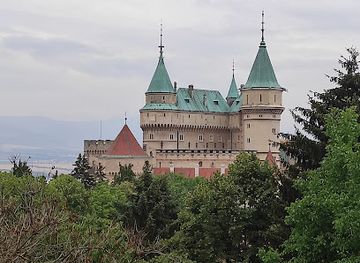
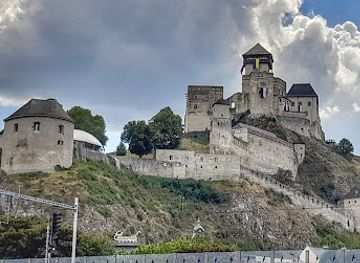
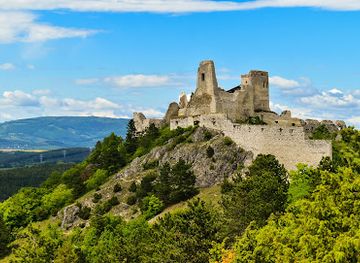
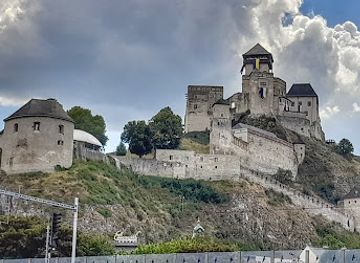
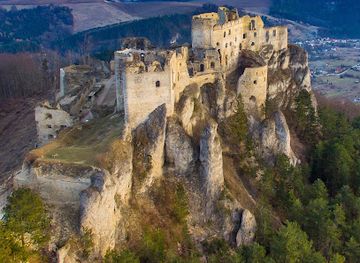
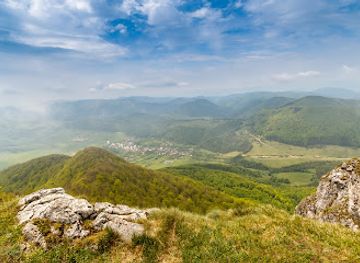
Trenčín Region offers a concentrated mixture of castles, mountain scenery, spa heritage and industrial history. Trenčín Castle anchors the principal urban visit, while Beckov Castle rises above the Váh valley and Čachtice Castle ruins occupy a forested hill south of the regional capital. Bojnice combines a highly theatrical historic castle with one of Slovakia’s best-known zoos and a long-established spa setting. For landscape-focused trips, Manínska tiesňava provides a memorable limestone gorge near Považská Bystrica, while the White Carpathians and Strážov Mountains offer marked walking routes, meadows and wooded ridges. The Skalka religious site introduces a quieter dimension of medieval and devotional history near Trenčín. In the Upper Nitra area, museums and industrial traces recall mining, manufacturing and the planned growth of Partizánske. Cycling along sections of the Váh and exploring the Kopanice countryside around Myjava add slower, more rural ways to understand the region.
-
Castle
Castle of Spirits (Bojnice Castle)
Discover the enchanting Bojnice Castle, a fairytale fortress steeped in history, art, and stunning architecture in the heart of Slovakia.
-
Zoo
Národná zoologická záhrada Bojnice
Visit the enchanting Národná zoologická záhrada Bojnice, Slovakia's oldest zoo, for an unforgettable wildlife adventure amidst stunning landscapes.
-
Castle
Trenčín Castle
Discover Trenčín Castle, a magnificent medieval fortress in Slovakia, rich in history and stunning views, perfect for an unforgettable exploration.
-
Castle
Čachtice Castle
Discover the enchanting ruins of Čachtice Castle, a historical landmark in Slovakia offering breathtaking views and rich heritage.
Best landmarks in Trenčín Region
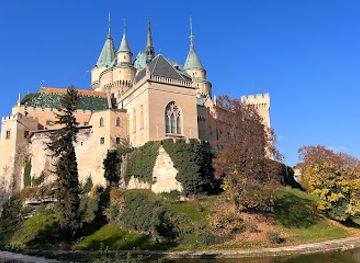
Trenčín Castle is the region’s defining landmark, occupying a prominent limestone outcrop above the Váh and incorporating the Roman inscription commemorating the presence of Roman troops in AD 179. Beckov Castle forms another powerful visual feature, its ruined walls standing on an isolated rock above the valley. Bojnice Castle is notable for its romantic historic architecture and landscaped setting, while Čachtice Castle is remembered through both its medieval strategic role and the later legends surrounding the Báthory name. The narrow limestone walls of Manínska tiesňava provide a natural landmark rather than a built monument, contrasting with the fortified remains of Lednica and Vršatec in the western hills. Skalka near Trenčín carries religious and cultural significance as a medieval hermitage and monastic site. In Partizánske, the planned layout associated with the Baťa industrial enterprise represents a different kind of landmark: an urban record of twentieth-century manufacturing and social planning.
-
Castle
Castle of Spirits (Bojnice Castle)
Discover the enchanting Bojnice Castle, a historical landmark brimming with fairy-tale charm, captivating history, and stunning gardens in Slovakia.
-
Castle
Trenčín Castle
Explore Trenčín Castle, a historical treasure of Slovakia, offering breathtaking views, rich history, and captivating exhibitions in a magnificent fortress setting.
-
Castle
Castle Lietava
Explore the majestic ruins of Castle Lietava, a captivating historical landmark in Slovakia, where history meets stunning natural landscapes.
-
National forest
Chránená krajinná oblasť Strážovské vrchy
Experience the breathtaking beauty of Strážovské Hills National Forest, a serene haven for nature lovers and adventure seekers near Dubnica nad Váhom.
Explore Trenčín Region on the map
Plan your trip on one map. See where the top cities, national parks and sights are, and book hotels and experiences in a few clicks.
Best hotels in Trenčín Region
Best restaurants in Trenčín Region
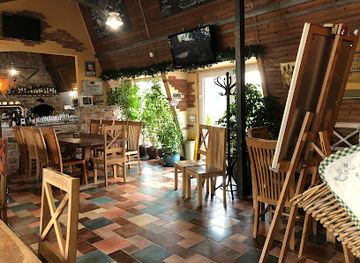
Dining in Trenčín Region is rooted in the everyday cooking of western and northern Slovakia, with menus often built around potatoes, cabbage, soups, dumplings, pork, poultry and bryndza, the sheep’s cheese associated with Slovak cuisine. Look for bryndzové halušky, kapustnica and regional pastries, while mountain and village restaurants may offer simple seasonal dishes rather than elaborate menus. Trenčín, Bojnice, Prievidza and the larger Váh towns provide the broadest choice of cafés, traditional restaurants and contemporary dining rooms. Rural inns remain useful for hearty meals, particularly near walking areas and castle routes. Farmers’ markets and small producers can offer cheeses, honey, preserves and baked goods, while local breweries and Slovak wines from other parts of the country are commonly available. In the Myjava and Kopanice area, food is closely connected with family farms and seasonal customs, though individual specialities vary from village to village.
-
Hamburger
Remys Bistro & Pub in Trencin
Discover the flavors of Slovakia at Remys Bistro & Pub in Trenčín—home to some of the best burgers and steaks in town.
-
Restaurant
Speranza
Discover Speranza in Trenčín – where exquisite cuisine meets vibrant cocktails in a cozy atmosphere.
-
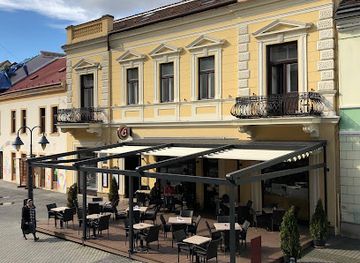
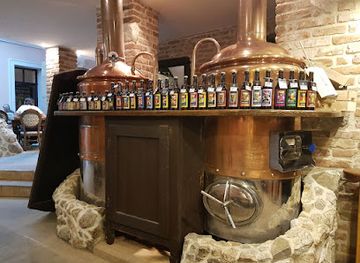
Brewpub
Restaurant and brewery Lanius
Experience the best of Slovak cuisine paired with craft beer at Restaurant and Brewery Lanius in Trenčín.
-
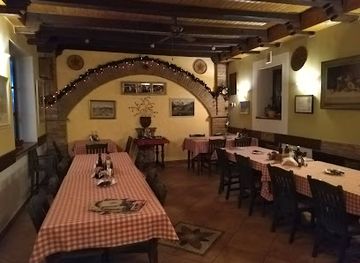
Italian
Penzión Da Giacomo
Experience authentic Italian flavors and warm hospitality at Penzión Da Giacomo in Trenčín – your perfect getaway for delightful dining.
Best bars in Trenčín Region
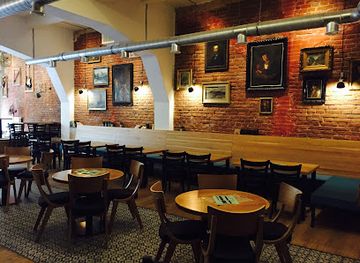
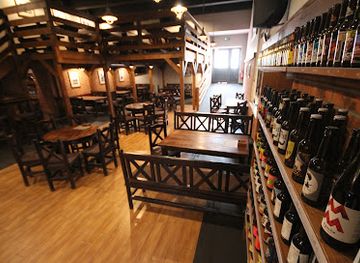
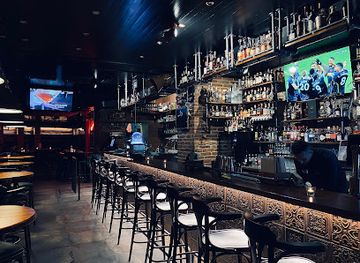
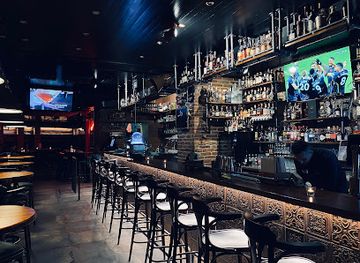
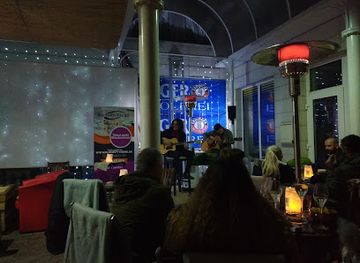
Evening life is most developed in Trenčín, where traditional pubs, cafés, wine bars, live-music venues and occasional cultural events serve a mixed local and student population. Bojnice has a more restrained evening scene centred on restaurants, hotel bars and spa visitors, while Prievidza and the larger industrial towns provide everyday pubs, cafés and some late-night entertainment. Across the rural districts, the pub or village restaurant remains more important than a dedicated nightclub, and closing arrangements vary by season and town. Breweries and craft-beer-focused venues may appear alongside established Slovak lager culture, while festivals and concerts can bring temporary activity to otherwise quiet areas. Visitors should check current listings locally rather than expect a large, permanent club district outside Trenčín.
-
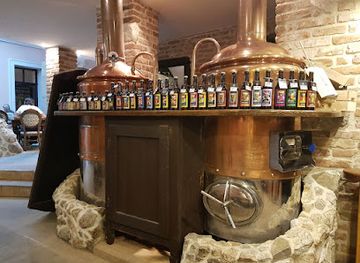
Brewpub
Restaurant and brewery Lanius
Discover the heart of Trenčín with craft beers and local cuisine at Lanius Restaurant and Brewery, where every meal tells a story.
-
Brewpub
Urban Tavern
Experience the best of Slovakian cuisine and craft beers at Urban Tavern, a cozy brewpub in Trenčín that captures the essence of local flavors.
-
Grill
Sokolovňa pub
Discover the best grill pub experience in Trenčín at Sokolovňa Pub, where delicious food and craft beer await every visitor.
-
Bar
Steps Pub & Club
Experience the vibrant nightlife of Trenčín at Steps Pub & Club, where drinks flow and laughter fills the air.
Best nightclubs in Trenčín Region
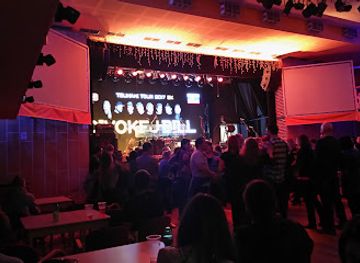
Evening life is most developed in Trenčín, where traditional pubs, cafés, wine bars, live-music venues and occasional cultural events serve a mixed local and student population. Bojnice has a more restrained evening scene centred on restaurants, hotel bars and spa visitors, while Prievidza and the larger industrial towns provide everyday pubs, cafés and some late-night entertainment. Across the rural districts, the pub or village restaurant remains more important than a dedicated nightclub, and closing arrangements vary by season and town. Breweries and craft-beer-focused venues may appear alongside established Slovak lager culture, while festivals and concerts can bring temporary activity to otherwise quiet areas. Visitors should check current listings locally rather than expect a large, permanent club district outside Trenčín.
-
Night club
Ministry of Fun
Discover Banská Bystrica's nightlife at the Ministry of Fun - a lively night club filled with music, dancing, and vibrant energy.
-
Disco club
Piano Club
Discover the electric nightlife of Trenčín at Piano Club, where music and culture blend into unforgettable experiences.
-
Bar
Steps Pub & Club
Steps Pub & Club in Trenčín offers a vibrant nightlife experience with great drinks, music, and an inviting atmosphere for tourists.
-
Jazz
mCafé Gallery
Discover the enchanting blend of live jazz and exquisite dining at mCafé Gallery in Trenčín, where every visit is a cultural delight.

Best shops in Trenčín Region
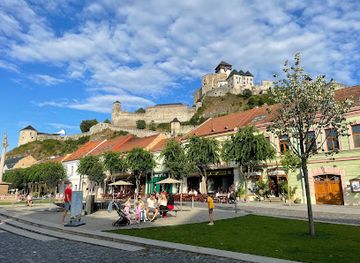
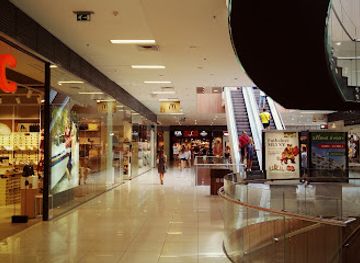
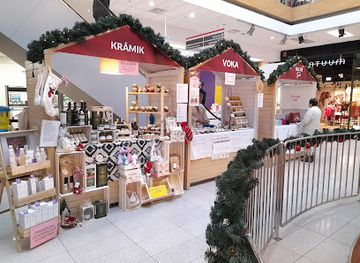
Shopping in Trenčín Region is centred on town high streets, covered retail areas and independent businesses rather than a single regional shopping district. Trenčín has the broadest choice of everyday shops, fashion, books, cafés and galleries, while Bojnice and the castle towns offer smaller collections of artisan goods and visitor-oriented souvenirs. Market days in towns such as Trenčín, Prievidza and other district centres can be useful for seasonal fruit, vegetables, honey, preserves, baked goods and locally made cheeses, although schedules should be checked locally. Craft traditions associated with western Slovakia may appear in ceramics, woodwork, textiles and decorative folk products, particularly at cultural events and seasonal markets. The Myjava and Kopanice area is a good place to look for farm produce and locally made gifts, while castle shops generally favour books, postcards and historical souvenirs. For a more meaningful purchase, choose regional food or a signed craft item rather than mass-produced memorabilia.
-
Shopping mall
Aupark Bratislava
Discover Aupark Bratislava: A shopping paradise filled with local and international brands, dining options, and family-friendly entertainment.
-
Castle
Trenčín Castle
Discover the enchanting Trenčín Castle, a historic fortress with stunning views, rich heritage, and captivating museum exhibits in Slovakia.
-
Shopping mall
Mlyny
Experience the ultimate shopping adventure at Mlyny in Nitra, where style, taste, and fun converge in a vibrant atmosphere.
-
Shopping mall
Europa SC
Discover a vibrant shopping experience at Europa SC in Banská Bystrica, featuring diverse brands, dining options, and entertainment for all ages.

Get your free copy of our complete guide to Trenčín Region, delivered straight to you.
Everything on this page, from attractions and restaurants to essentials and local phrases, in one PDF you can read offline, print or share.
Already have an account? Sign in
Your Trenčín Region guide is ready.
We'll send it to · Not you? Sign out

Getting your guide ready…
We are putting together a fresh copy of the Trenčín Region guide. This can take up to a minute.
This can take a few moments. If your browser asks, choose Allow so the download can start. You'll find the guide in your Downloads folder.
Nothing happened? Download it again
Sorry, the guide is taking longer than usual. Please try again in a minute, or get it by email instead.
Trenčín Region essentials
Currency and Payment
Safety
Emergency Situations
Do's and Don'ts
Local Tips
From Eve
Local phrases worth knowing
You don't need to get them perfect. A few words go a long way, and locals appreciate the effort.
Basics
| English | Local | Say it |
|---|---|---|
| Hello | Ahoj | [Ahoy] |
| Goodbye | Zbohom | [Zbohom] |
| Yes | Áno | [Ah-no] |
| No | Nie | [Nyeh] |
| Please/You're welcome | Prosím | [Pro-seem] |
| Thank you | Ďakujem | [Dya-koo-yem] |
| Excuse me/Sorry | Prepáčte | [Pre-patch-teh] |
| How are you? | Ako sa máš? | [Ah-koh sah mahsh?] |
| Fine. And you? | Dobre. A ty? | [Doh-breh. Ah tee?] |
| Do you speak English? | Hovoríš po anglicky? | [Hoh-vo-reesh poh ahn-glit-ski?] |
| I don't understand | Nerozumiem | [Neh-roh-zoo-myem] |
Eating & Drinking
| English | Local | Say it |
|---|---|---|
| I'd like to see the menu, please | Chcel by som vidieť menu, prosím | [Htsel bee sohm vid-yet menu, pro-seem] |
| I don't eat meat | Nejem mäso | [Nye-yem meh-so] |
| Cheers! | Na zdravie! | [Nah zdrah-vee-eh] |
| I would like to pay, please | Chcel by som zaplatiť, prosím | [Htsel bee sohm zah-plah-teet, pro-seem] |
Emergencies
| English | Local | Say it |
|---|---|---|
| Help! | Pomoc! | [Poh-mots!] |
| Go away! | Odíď! | [O-deech!] |
| Call the Police! | Zavolajte políciu! | [Zah-vo-lah-yteh poh-lee-tsiyoo!] |
| Call a doctor! | Zavolajte lekára! | [Zah-vo-lah-yteh leh-kah-rah!] |
| I'm lost | Som stratený | [Som strah-teh-nee] |
| I'm ill | Som chorý | [Som kho-ree] |
Shopping
| English | Local | Say it |
|---|---|---|
| I'd like to buy... | Chcel by som kúpiť... | [Htsel bee sohm koo-peet] |
| I'm just looking | Iba sa pozerám | [Ee-bah sah poh-zeh-rahm] |
| How much is it? | Koľko to stojí? | [Kol-koh toh stoy-ee?] |
| That's too expensive | To je príliš drahé | [To yeh pree-leesh dra-heh] |
| Can you lower the price? | Môžete znížiť cenu? | [Mwo-zheh-teh zee-nee-zhit tseh-noo?] |
Time & Numbers
| English | Local | Say it |
|---|---|---|
| What time is it? | Koľko je hodín? | [Kol-koh yeh ho-deen?] |
| It's one o'clock | Je jedna hodina | [Yeh yed-nah ho-dee-nah] |
| Half past (10) | Pol (10) | [Pol (10)] |
| Morning | Ráno | [Rah-no] |
| Afternoon | Popoludnie | [Poh-poh-lud-nee-eh] |
| Evening | Večer | [Veh-cher] |
| Yesterday | Včera | [V-cheh-rah] |
| Today | Dnes | [Dnyes] |
| Tomorrow | Zajtra | [Zy-tra] |
| 1 | 1 | [1] |
| 2 | 2 | [2] |
| 3 | 3 | [3] |
| 4 | 4 | [4] |
| 5 | 5 | [5] |
| 6 | 6 | [6] |
| 7 | 7 | [7] |
| 8 | 8 | [8] |
| 9 | 9 | [9] |
| 10 | 10 | [10] |
Transport & Directions
| English | Local | Say it |
|---|---|---|
| Where's a/the...? | Kde je...? | [Kdeh yeh...?] |
| What's the address? | Aká je adresa? | [Ah-kah yeh ah-dreh-sah?] |
| Can you show me (on the map)? | Môžete mi ukázať (na mape)? | [Mwo-zheh-teh mee oo-kah-zat (nah mah-peh)?] |
| When's the next (bus)? | Kedy ide ďalší (autobus)? | [Keh-dee ee-deh dya-lshi (ow-to-boos)?] |
| A ticket (to ....) | Lístok (do ....) | [Leestok (doh ....)] |
History of Trenčín Region
Prehistoric Settlement and the Váh Corridor
The Váh valley and its tributary basins have supported human settlement since prehistoric times. Archaeological evidence from western Slovakia records communities living through the Stone, Bronze and Iron Ages, with hilltop positions and fertile river terraces shaping settlement patterns. The wider region’s mineral resources, woodland and routes across the Carpathian passes contributed to exchange between the Danube lowlands and the northern interior. Although many traces are preserved in museums or archaeological collections rather than as monumental sites, this long history helps explain why later fortresses and towns developed along the same river corridor.
Roman Laugaricio at Trenčín
The Roman inscription carved into the castle rock at Trenčín is one of the region’s most important ancient records. Dated to AD 179, it commemorates the wintering of approximately 855 soldiers of the Second Auxiliary Legion during the Marcomannic Wars. The inscription shows that Roman forces operated north of the Danube in the Váh valley, even though the region lay beyond the permanent imperial frontier. Its survival on the rock above the modern town connects Trenčín directly with the military and diplomatic history of Roman Central Europe.
Great Moravia and the Medieval Váh Valley
During the early medieval period, the Váh basin formed part of the political and cultural world influenced by Great Moravia and later by the emerging Hungarian Kingdom. Christian institutions, fortified settlements and market routes gradually developed across western Slovakia. The monastery site at Skalka near Trenčín preserves an important religious legacy associated with the hermits Saint Andrej-Svorad and Saint Beňadik, while later medieval churches and settlements reveal the consolidation of royal and ecclesiastical power. The river corridor became a route for trade, administration and military movement.
Castles, Estates and Border Defence
From the thirteenth century onwards, castles were built or strengthened across the region to control the Váh route, protect estates and monitor approaches through the Carpathians. Trenčín, Beckov, Čachtice, Lednica and Vršatec each occupied strategically useful heights, although their histories and later conditions differ. Noble families, royal administrators and military commanders shaped the surrounding towns and villages. The Ottoman wars and internal political conflicts in the Kingdom of Hungary reinforced the defensive importance of these strongholds, many of which later declined as military technology and political geography changed.
Crafts, Textiles and Industrialisation
The nineteenth and twentieth centuries brought railway construction, factory employment and accelerated urban growth to the Váh and Upper Nitra valleys. Trenčín developed a notable textile tradition, while engineering, rubber production and other manufacturing activities became important in towns such as Púchov and Považská Bystrica. Partizánske grew rapidly around the Baťa footwear enterprise founded there in the 1930s, with its planned industrial townscape reflecting modern ideas about housing and production. These industries transformed the region from a primarily agricultural landscape into one with a strong manufacturing identity.
War, Resistance and the Twentieth-Century Transformation
The region experienced the political upheavals of the twentieth century, including the creation of Czechoslovakia, the wartime Slovak state and the Slovak National Uprising of 1944. Mountainous parts of the region provided terrain for resistance activity and military movement, while towns and factories were drawn into wartime production and later reconstruction. After 1948, state socialism expanded heavy industry, mining and collective agriculture, leaving a lasting mark on settlements and employment. Since the establishment of independent Slovakia in 1993, the region has combined industrial restructuring with growing interest in heritage, spa tourism and outdoor recreation.
Trenčín Region in Photos
Browse through our photo collection highlighting the charm and character of the destination.
Neighbouring regions of Trenčín Region
The closest regions to Trenčín Region, if you have time for more than one.
-

-

-

-

-


Swipe for more regions
Explore more

Explore more of Slovakia
Discover Slovakia: A land of majestic mountains, charming castles, and vibrant culture in the heart of Europe.
Explore Slovakia