

Free Záhorie Travel Guide & Mobile App
Explore Záhorie with free travel guides. Discover regional history, expert tips, proposed trips, and audio guides on web or mobile app.


Explore Záhorie in western Slovakia for pine forests, Morava wetlands, historic towns, castle ruins, local wine and Skalica’s traditional pastry.
Read more about Záhorie
When is the best time to visit Záhorie?
Best: June–August · 22–24°C| Month | High (°C) | Rainfall (mm) |
|---|---|---|
| January | 3 | 25 |
| February | 4 | 24 |
| March | 8 | 27 |
| April | 14 | 33 |
| May | 19 | 44 |
| June (best) | 22 | 53 |
| July (best) | 24 | 54 |
| August (best) | 24 | 48 |
| September | 19 | 39 |
| October | 13 | 32 |
| November | 7 | 31 |
| December | 3 | 28 |
Getting to and around Záhorie
How to get there
Transportation
Top city travel guides in Záhorie
The cities of Záhorie, and the easiest places to base yourself.
-

-


Swipe for more cities
Best attractions in Záhorie
Záhorie’s attractions are spread across a broad landscape rather than concentrated in one resort town. In Skalica, visitors can explore a historic centre of churches, civic buildings and burgher houses, while Holíč offers its substantial château and regional historical context. The pilgrimage complex at Šaštín-Stráže is among the area’s most important religious destinations. Plavecký Castle, reached by a walk through the Little Carpathian foothills, provides an atmospheric introduction to the medieval frontier. Nature is equally important: the Záhorie Protected Landscape Area encompasses pine forests, sandy terrain, wetlands and riverine habitats suited to walking, cycling and birdwatching. The Morava floodplain has particular ecological value, although some sites have seasonal or conservation-related access limits. Small museums, village churches, historic manor buildings and the industrial heritage of Gbely add local depth. The region suits visitors who enjoy linking several modest sites by road or bicycle, with the scenery and changing character of the countryside forming part of the experience.
-
Tourist attraction
Čumil
Experience the whimsical charm of Čumil, Bratislava's iconic statue that captures the city's rich culture and vibrant atmosphere.
-
Observation deck
Most SNP (UFO Tower)
Discover the breathtaking views of Bratislava from the iconic UFO Tower, a unique observation deck that elevates your travel experience.
-
National forest
Little Carpathians
Explore the natural beauty and rich biodiversity of the Little Carpathians, a hidden gem in Slovakia perfect for outdoor enthusiasts and culture seekers.
-
Castle
Čachtice Castle
Unveil the mysteries of Čachtice Castle, a historic Slovak landmark rich in legends, stunning architecture, and breathtaking views.


Best landmarks in Záhorie
The most recognisable historic landmark in Záhorie is probably Plavecký Castle, whose roofless medieval ruins occupy a wooded limestone height above the village of Plavecké Podhradie. Its position illustrates the defensive importance of the Little Carpathian passes and gives the site a strong visual presence despite its ruined condition. In Skalica, the Church of St Michael, the Church of the Holy Cross and the town’s historic civic buildings form a memorable architectural group within the old centre. Holíč Château is a major eighteenth-century landmark associated with the Habsburg imperial estate and stands apart from the region’s otherwise predominantly low-rise market-town landscape. The Basilica of the Seven Sorrows of the Blessed Virgin Mary at Šaštín-Stráže is both a monumental Baroque religious building and a continuing pilgrimage destination. For a different kind of landmark, the Morava river landscape and its floodplain forests express Záhorie’s geographical identity, while the long pine belts of the protected landscape area reveal the sandy lowland ecology that distinguishes the region from neighbouring parts of Slovakia.
-
Castle
Bratislava Castle
Discover the history and beauty of Bratislava Castle, a spectacular landmark offering stunning views of the city and a glimpse into Slovakia's rich heritage.
-
Castle
Hrad Devín
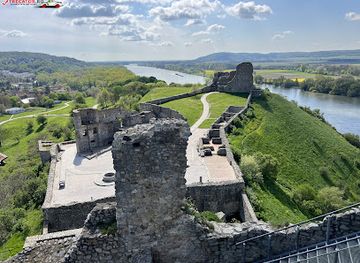
Discover Hrad Devín, a breathtaking fortress in Slovakia where history meets stunning natural beauty at the confluence of the Morava and Danube rivers.
-
Castle
Castle of Spirits (Bojnice Castle)
Explore the enchanting Bojnice Castle, a historical gem in Slovakia, offering fairy-tale architecture, rich history, and stunning natural beauty.
-
Castle
Spiš Castle
Explore the breathtaking Spiš Castle in Slovakia, a UNESCO World Heritage site that blends rich history with stunning landscapes.



Explore Záhorie on the map
Plan your trip on one map. See where the top cities, national parks and sights are, and book hotels and experiences in a few clicks.
Best hotels in Záhorie
Best restaurants in Záhorie
Dining in Záhorie combines western Slovak cooking with clear Moravian and Central European influences. Skalica is associated with Skalický trdelník, a spiral pastry cooked around a cylinder and protected under European geographical designation; it is worth distinguishing the traditional regional product from generic versions sold elsewhere. Local menus may also feature soups, pork, poultry, potato dishes, seasonal vegetables and pastries, while village pubs provide straightforward meals rather than elaborate tasting menus. Skalica and the surrounding wine country are the best places to look for local wines, and small producers may offer tastings by arrangement. Farmers’ markets and seasonal food stalls can bring regional fruit, preserves, baked goods and other produce into the towns. In Malacky, Senica and Skalica, cafés and contemporary restaurants offer more varied dining, whereas rural areas depend on a smaller number of inns and family-run establishments. Opening days and service hours can be limited outside the principal towns, particularly at weekends.
-
Restaurant
Biofarma Príroda Salaš Stupava
Discover authentic Slovakian flavors at Biofarma Príroda Salaš Stupava - a unique farm-to-table dining experience amidst stunning natural beauty.
-
Restaurant
Koliba Kamzík Zelená
Discover authentic Slovak cuisine at Koliba Kamzík Zelená – where tradition meets taste in the heart of Bratislava.
-
Modern European
Lemontree & Sky Bar Restaurant Bratislava
Experience modern European cuisine with breathtaking views at Lemontree & Sky Bar Restaurant in Bratislava.
-
Restaurant
Malacká Plzeňka
Discover Malacká Plzeňka: A culinary haven in Malacky serving delicious traditional dishes with a modern twist.


Best bars in Záhorie
Evening life in Záhorie is generally modest and locally oriented. Traditional pubs, wine cellars and cafés form the main social setting in Skalica, Holíč, Malacky and Senica, with local wine particularly relevant around Skalica. Larger towns may have bars with recorded music, occasional live performances or late-evening food, but the region is not known for a concentrated nightclub district. In villages, nightlife usually centres on pubs, community events and seasonal celebrations rather than dedicated entertainment venues. Some cultural houses and town venues host concerts, theatre or public programmes, though schedules vary and should be checked locally. Visitors seeking a quiet evening can combine dinner with a walk through a historic centre, while those wanting a more extensive club scene will generally need to travel to Bratislava, outside the region. Responsible drinking and pre-arranged transport are important in rural areas, where late public transport is limited.
-
Bar
Hellstork Bar
Experience the vibrant nightlife of Senica at Hellstork Bar, where great drinks and a welcoming atmosphere await every visitor.
-
Pub
The Parrot pub
Experience the warm ambiance and delightful local brews at The Parrot Pub in Malacky, a perfect retreat for tourists seeking genuine Slovak hospitality.
-
Pub
Záhorácka tankovňa
Discover the authentic Slovak pub experience at Záhorácka Tankovňa in Malacky, where local brews and hearty cuisine await.
-
Pub
U Čermáka
Experience the warmth of Slovak hospitality at U Čermáka, a charming pub in Gajary offering local drinks and a welcoming atmosphere.


Best nightclubs in Záhorie
Evening life in Záhorie is generally modest and locally oriented. Traditional pubs, wine cellars and cafés form the main social setting in Skalica, Holíč, Malacky and Senica, with local wine particularly relevant around Skalica. Larger towns may have bars with recorded music, occasional live performances or late-evening food, but the region is not known for a concentrated nightclub district. In villages, nightlife usually centres on pubs, community events and seasonal celebrations rather than dedicated entertainment venues. Some cultural houses and town venues host concerts, theatre or public programmes, though schedules vary and should be checked locally. Visitors seeking a quiet evening can combine dinner with a walk through a historic centre, while those wanting a more extensive club scene will generally need to travel to Bratislava, outside the region. Responsible drinking and pre-arranged transport are important in rural areas, where late public transport is limited.
-
Disco club
The Club Bratislava
Discover the vibrant nightlife at The Club Bratislava, where great music and an electrifying atmosphere await you in the heart of the city.
-
Night club
Channels Club
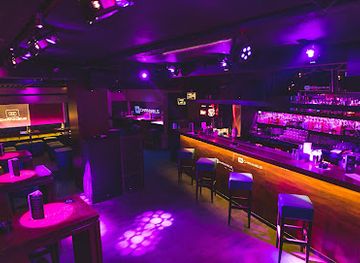
Discover the vibrant nightlife of Old Town at Channels Club, where exceptional cocktails and energetic beats create unforgettable evenings.
-
Night club
Good Life Club Bratislava
Discover the vibrant nightlife of Bratislava at Good Life Club, where energetic music and a lively atmosphere await every night.
-
Adult entertainment club
Royal night club
Discover Bratislava's vibrant nightlife at Royal Night Club, the ultimate destination for adult entertainment and unforgettable experiences.


Best shops in Záhorie
Shopping in Záhorie is primarily local and practical, with the strongest character found in the historic centres and markets of Skalica, Holíč, Malacky and Senica rather than in large retail complexes. Skalica is the natural place to look for Skalický trdelník, local wine and regional food gifts, while small producers and seasonal stalls may offer preserves, honey, baked goods and fruit. Independent shops in the older town centres sell everyday goods alongside modest selections of books, crafts and locally themed souvenirs. Farmers’ markets and village fairs vary by season and location, so current details are best confirmed locally. Visitors interested in regional heritage may find folk-inspired textiles, pottery or decorative items, although these are not produced uniformly across the whole area. Larger supermarkets and shopping facilities are available in the principal towns, but rural villages have limited retail choice. For extensive international brands or designer shopping, Bratislava, outside Záhorie, is the nearest major option.
-
Shopping mall
Aupark Bratislava
Discover the vibrant shopping and entertainment hub of Aupark Bratislava, where modern design meets a diverse shopping experience in the heart of Slovakia.
-
Shopping mall
Eurovea
Experience the best of shopping, dining, and leisure at Eurovea, Bratislava’s premier shopping destination along the scenic Danube River.
-
Shopping mall
AVION Shopping Park Bratislava
Experience the ultimate shopping and entertainment destination in Bratislava at AVION Shopping Park, featuring top brands and delightful dining options.
-
Shopping mall
Bory Mall
Explore Bory Mall in Bratislava: Your one-stop destination for shopping, dining, and entertainment in a vibrant atmosphere.


Get your free copy of our complete guide to Záhorie, delivered straight to you.
Everything on this page, from attractions and restaurants to essentials and local phrases, in one PDF you can read offline, print or share.
Already have an account? Sign in
Your Záhorie guide is ready.
We'll send it to · Not you? Sign out

Getting your guide ready…
We are putting together a fresh copy of the Záhorie guide. This can take up to a minute.
This can take a few moments. If your browser asks, choose Allow so the download can start. You'll find the guide in your Downloads folder.
Nothing happened? Download it again
Sorry, the guide is taking longer than usual. Please try again in a minute, or get it by email instead.
Záhorie essentials
Currency and Payment
Safety
Emergency Situations
Do's and Don'ts
Local Tips
From Eve
Local phrases worth knowing
You don't need to get them perfect. A few words go a long way, and locals appreciate the effort.
Basics
| English | Local | Say it |
|---|---|---|
| Hello | Ahoj | [ahoy] |
| Goodbye | Zbohom | [zbohom] |
| Yes | Áno | [ah-no] |
| No | Nie | [nyeh] |
| Please/You're welcome | Prosím | [pro-seem] |
| Thank you | Ďakujem | [dyah-koo-yem] |
| Excuse me/Sorry | Prepáčte | [pre-pahch-teh] |
| How are you? | Ako sa máš? | [ah-koh sah mahsh] |
| Fine. And you? | Dobre. A ty? | [doh-breh. ah tee] |
| Do you speak English? | Hovoríš po anglicky? | [hoh-voh-reesh poh ahn-glits-kee] |
| I don't understand | Nerozumiem | [neh-roh-zoo-mee-em] |
Eating & Drinking
| English | Local | Say it |
|---|---|---|
| I'd like to see the menu, please | Chcel by som vidieť jedálny lístok, prosím | [khtsel bee som vid-yet yeh-dahl-nee lees-tok, pro-seem] |
| I don't eat meat | Nejem mäso | [nye-em meh-soh] |
| Cheers! | Na zdravie! | [nah zdrah-vee-eh] |
| I would like to pay, please | Chcel by som zaplatiť, prosím | [khtsel bee som zah-plah-tit, pro-seem] |
Emergencies
| English | Local | Say it |
|---|---|---|
| Help! | Pomoc! | [poh-mots] |
| Go away! | Odíď! | [oh-deech] |
| Call the Police! | Zavolajte políciu! | [zah-vo-lah-tye poh-lee-tsiyoo] |
| Call a doctor! | Zavolajte doktora! | [zah-vo-lah-tye dok-toh-rah] |
| I'm lost | Som stratený | [som stra-teh-nee] |
| I'm ill | Som chorý | [som kho-ree] |
Shopping
| English | Local | Say it |
|---|---|---|
| I'd like to buy... | Chcel by som kúpiť... | [khtsel bee som koo-pit] |
| I'm just looking | Iba sa pozerám | [ee-bah sah poh-zeh-rahm] |
| How much is it? | Koľko to stojí? | [kohl-koh toh stoy-ee] |
| That's too expensive | To je príliš drahé | [toh yeh pree-leesh drah-heh] |
| Can you lower the price? | Môžeš znížiť cenu? | [moh-zhes znee-zit tsen-oo] |
Time & Numbers
| English | Local | Say it |
|---|---|---|
| What time is it? | Koľko je hodín? | [kohl-koh yeh ho-deen] |
| It's one o'clock | Je jedna hodina | [ye yed-nah ho-dee-nah] |
| Half past (10) | Pol (10) | [pol (10)] |
| Morning | Ráno | [rah-no] |
| Afternoon | Popoludnie | [poh-poh-lud-nee-eh] |
| Evening | Večer | [veh-cher] |
| Yesterday | Včera | [vcheh-rah] |
| Today | Dnes | [dnyes] |
| Tomorrow | Zajtra | [zai-tra] |
| 1 | 1 | [1] |
| 2 | 2 | [2] |
| 3 | 3 | [3] |
| 4 | 4 | [4] |
| 5 | 5 | [5] |
| 6 | 6 | [6] |
| 7 | 7 | [7] |
| 8 | 8 | [8] |
| 9 | 9 | [9] |
| 10 | 10 | [10] |
Transport & Directions
| English | Local | Say it |
|---|---|---|
| Where's a/the...? | Kde je...? | [kde yeh] |
| What's the address? | Aká je adresa? | [ah-kah yeh ah-dre-sah] |
| Can you show me (on the map)? | Môžeš mi ukázať (na mape)? | [moh-zhes mee oo-kah-zat (nah mah-peh)] |
| When's the next (bus)? | Kedy ide najbližší (autobus)? | [keh-dee ee-deh nigh-blee-zhee (ow-toh-boos)] |
| A ticket (to ....) | Lístok (do ....) | [lees-tok (doh ....)] |
History of Záhorie
Prehistoric Settlement and the Morava Corridor
Záhorie’s position between the Morava River and the Little Carpathians made it a long-standing route for settlement and movement. Archaeological evidence from the lowlands and river margin records communities from prehistoric periods, while the sandy country offered both usable land and distinctive burial and settlement environments. The Morava corridor connected the Danube basin with Moravia and further north, giving the area significance beyond its relatively small towns. Today, traces of earlier occupation are best understood through local museums and archaeological interpretation rather than through a single monumental site.
Great Moravia and Early Medieval Christianity
During the ninth century, the wider Morava and western Slovak borderland formed part of the cultural world of Great Moravia, one of the earliest major Slavic political formations in Central Europe. Christian institutions, fortified settlements and developing trade routes influenced the region, although the best-known archaeological centre at Mikulčice lies across the border in the Czech Republic rather than in Záhorie itself. The region’s later religious and political landscape grew from these early connections, which linked communities on both sides of the present Slovak-Czech frontier.
Medieval Frontier Castles and Market Towns
From the high Middle Ages, Záhorie occupied a strategically important position beside routes leading towards Moravia and the Marchfeld. Fortifications including Plavecký Castle guarded approaches through the Little Carpathians and administered surrounding estates. Towns such as Skalica developed as centres of craft, trade and administration, while Holíč and other settlements were shaped by noble and ecclesiastical landholding. The surviving street plans, churches and burgher houses of Skalica reflect this period of gradual urban development rather than a single episode of construction.
The Habsburg Borderland and Imperial Estates
Under the Habsburg monarchy, Záhorie remained a border region within the Kingdom of Hungary, connected economically and politically to both western Slovakia and Moravia. Noble estates, agriculture, viticulture and regional trade continued to shape daily life. Holíč gained particular importance in the eighteenth century when the Habsburg imperial family developed its château and associated estate there. This association brought courtly investment to a region otherwise dominated by market towns, villages, forests and farming.
Religious Life and the Pilgrimage Tradition at Šaštín
Šaštín became one of the most important Marian pilgrimage centres in the Slovak lands. The Basilica of the Seven Sorrows of the Blessed Virgin Mary grew from an earlier local devotional tradition and was later developed in monumental form, reflecting the importance attached to pilgrimage by the Habsburg-era Catholic establishment. The site remains a major religious landmark in Záhorie. Its significance is both regional and national, illustrating how religious institutions helped connect rural communities with wider Central European cultural networks.
Industrialisation, Railways and Oil at Gbely
The nineteenth and early twentieth centuries brought stronger links to national markets through roads and railways, while traditional agriculture continued alongside new forms of industry. Gbely became particularly associated with petroleum extraction after oil was discovered in the area in the early twentieth century. The development of the oil field made the town an important industrial location in Slovakia and left a distinctive legacy in the region’s economic history. Forestry, engineering and food production also became increasingly connected to wider Czechoslovak industrial networks.
The Twentieth-Century Border and Contemporary Záhorie
The creation of Czechoslovakia after 1918 altered the administrative setting but did not remove Záhorie’s close cultural links with Moravia. After the Second World War and the establishment of the communist state, border controls, collectivised agriculture and restricted military areas affected settlement and movement. Since 1989, the opening of the Slovak-Czech border and Slovakia’s membership of the European Union have made cross-border travel easier. Formerly peripheral landscapes are now valued for recreation, conservation, cycling and heritage tourism, while towns retain their roles as local service centres.
Záhorie in Photos
Browse through our photo collection highlighting the charm and character of the destination.
Neighbouring regions of Záhorie
The closest regions to Záhorie, if you have time for more than one.
-

-

-

-

-


Swipe for more regions
Explore more

Explore more of Slovakia
Discover Slovakia: A land of majestic mountains, charming castles, and vibrant culture in the heart of Europe.
Explore Slovakia