

Free Lower Carniola Travel Guide & Mobile App
Explore Lower Carniola with free travel guides. Discover regional history, expert tips, proposed trips, and audio guides on web or mobile app.


Explore Lower Carniola in Slovenia for Krka River landscapes, Cviček wine, castles, monasteries, forests and historic Novo Mesto.
Read more about Lower Carniola
When is the best time to visit Lower Carniola?
Best: June, August–September · 22–27°C| Month | High (°C) | Rainfall (mm) |
|---|---|---|
| January | 4 | 70 |
| February | 7 | 60 |
| March | 12 | 80 |
| April | 17 | 90 |
| May | 22 | 100 |
| June (best) | 25 | 110 |
| July | 27 | 100 |
| August (best) | 27 | 100 |
| September (best) | 22 | 90 |
| October | 16 | 80 |
| November | 9 | 90 |
| December | 5 | 80 |
Getting to and around Lower Carniola
How to get there
Transportation
Top city travel guides in Lower Carniola
The cities of Lower Carniola, and the easiest places to base yourself.

Swipe for more cities
Best attractions in Lower Carniola
Lower Carniola’s attractions are spread through river valleys, vineyard hills and extensive forest, so the region is best experienced as a sequence of connected day trips rather than a single concentrated circuit. Novo Mesto combines a historic riverside centre with museums known for their archaeological collections, while Otočec offers one of Slovenia’s most recognisable castle settings on an island in the Krka. Žužemberk has a medieval castle above the river, and Kostanjevica na Krki brings together a compact historic settlement, riverside scenery and the former Cistercian monastery at nearby Forma viva. Pleterje introduces a quieter monastic landscape, with access governed by the religious community. Outdoor choices include cycling on valley roads, canoeing and seasonal swimming, walking beside the Krka and exploring the forests of Kočevski Rog. Baza 20 provides an important Second World War memorial experience, while the southern Kolpa valley offers warmer-water recreation and a different cultural atmosphere associated with Bela Krajina. Vineyard routes, rural inns, archaeological sites and village churches complete an attraction landscape defined by variety and spaciousness rather than large theme parks or dense museum districts.
-
Castle
Grad Snežnik
Discover the enchanting Grad Snežnik Castle in Slovenia, a national museum showcasing rich history amidst stunning natural landscapes.
-
Tourist attraction
STC Stari vrh D.O.O.
Explore STC Stari vrh, a premier ski resort in Slovenia's Upper Carniola, offering stunning slopes, cozy accommodations, and enchanting winter experiences.
-
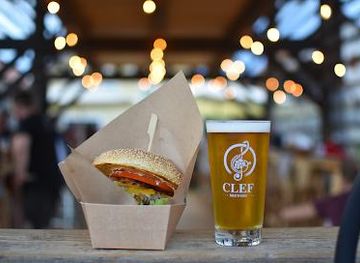
Brewery
Clef Brewery
Experience the art of craft beer at Clef Brewery, Petrovče's hidden gem for beer enthusiasts and casual visitors alike.


Best landmarks in Lower Carniola
The Krka River supplies Lower Carniola with its most coherent sequence of landmarks. Otočec Castle stands on a small river island, its fortified form and wooded setting making it a distinctive symbol of the region. Žužemberk Castle occupies a commanding position above the Krka and illustrates the defensive importance of river routes in the medieval and early modern periods. Novo Mesto’s old town, encircled by the river on a peninsula, is an important urban landmark whose bridges, churches and compact historic fabric reflect its long regional role. Kostanjevica na Krki is notable for its unusual island-like town setting, while the former Cistercian monastery nearby preserves an important monastic legacy and hosts the Forma viva sculpture collection. Pleterje Charterhouse represents a continuing religious tradition in a secluded rural landscape. Further south, Baza 20 in Kočevski Rog is a physical memorial to the wartime Partisan movement, and the forested slopes and clearings of Kočevski Rog themselves form a powerful natural and historical landmark. Vineyard cottages and small hilltop churches add a more dispersed architectural signature.
-
Nature preserve
Postojna Cave
Discover the enchanting Postojna Cave, a UNESCO World Heritage site, where stunning limestone formations and unique ecosystems await your exploration.
-
Castle
Ljubljana Castle
Explore the historical wonders and stunning views of Ljubljana Castle, a must-see attraction in Slovenia's charming capital.
-
Castle
Bled Castle
Experience the enchanting Bled Castle, a historic gem offering breathtaking views, cultural exhibits, and a taste of Slovenia's rich heritage.
-
Castle
Predjama Castle
Discover the breathtaking Predjama Castle, a medieval masterpiece nestled in the cliffs of Slovenia, rich in history and stunning views.


Explore Lower Carniola on the map
Plan your trip on one map. See where the top cities, national parks and sights are, and book hotels and experiences in a few clicks.
Best hotels in Lower Carniola
Best restaurants in Lower Carniola
Dining in Lower Carniola reflects its farming, winegrowing and river-valley setting. Cviček is the region’s signature wine: a light, fresh Dolenjska blend that is usually encountered in wine cellars, rural inns and vineyard communities rather than treated as a formal luxury product. Menus commonly draw on seasonal vegetables, potatoes, pork, poultry, freshwater fish, mushrooms, game where legally and responsibly sourced, and traditional breads and pastries. Novo Mesto provides the broadest choice of cafés, contemporary restaurants and Slovenian cooking, while smaller towns and villages are more likely to offer gostilna-style meals, the informal regional tradition of family-run inns. Around the Krka and Kolpa, riverside dining and summer refreshments complement outdoor activities. Farm shops, organised tastings and occasional local markets are useful for finding honey, preserves, wine and other regional produce. Restaurant opening patterns can be seasonal in rural areas, so advance reservations are sensible for well-known inns and for visits centred on wine tasting.
-
Restaurant
Julija
Experience authentic Slovenian cuisine at Julija in Ljubljana's charming old town—where tradition meets flavor.
-
Restaurant
Gostilna Sokol
Experience authentic Slovenian cuisine at Gostilna Sokol in Ljubljana - where tradition meets modern culinary art.
-
Restaurant
Druga Violina
Discover authentic Slovenian cuisine with vegetarian options at Druga Violina, a cozy restaurant in the heart of Ljubljana.
-
Restaurant
Restaurant Šestica
Experience authentic Slovenian cuisine at Restaurant Šestica in Ljubljana – where tradition meets innovation.


Best bars in Lower Carniola
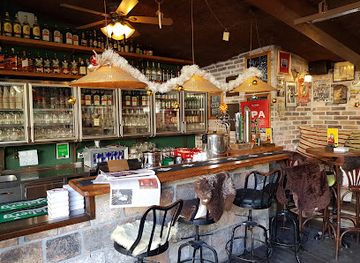
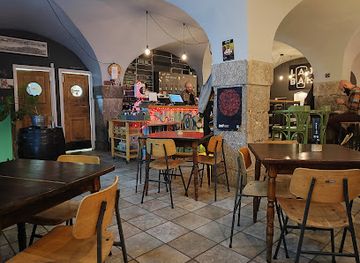
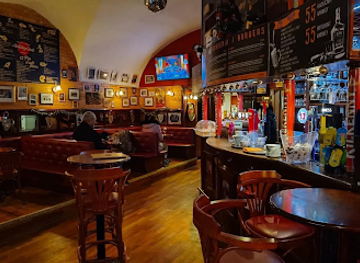
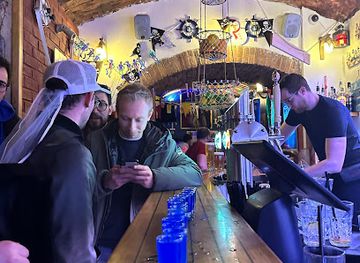
Evening life in Lower Carniola is centred on cafés, traditional inns, wine cellars and a modest selection of bars rather than a large club scene. Novo Mesto has the region’s widest choice of places for an evening drink, informal food, cultural programming and occasional live music, with activity concentrated around the town centre and riverside areas. In smaller towns such as Kostanjevica na Krki, Črnomelj and Metlika, evenings tend to revolve around local cafés, seasonal events and community venues. Rural nightlife is usually found in gostilnas, vineyard cottages and wine-tasting settings, where conversation and food matter as much as the drinks. Summer brings more open-air activity along the river valleys, but schedules vary from year to year. Visitors should check current arrangements locally and avoid driving after tastings; public transport in the countryside is not designed for late-night travel.
-
Bar
Cutty Sark Pub
Discover Cutty Sark Pub, Ljubljana's lively bar offering a diverse beer selection and a vibrant atmosphere perfect for socializing.
-
Beer hall
Pub Lajbah
Discover Pub Lajbah, Ljubljana's premier beer hall offering a fusion of local flavors and craft brews in a vibrant setting.
-
Bar
Holidays' Pub
Experience the vibrant atmosphere of Holidays' Pub, an Irish bar and karaoke hub in the heart of Ljubljana, perfect for beer lovers and night owls.
-
Bar
Captain's Cabin
Discover Captain's Cabin in Ljubljana – a nautical-themed bar featuring creative cocktails and a cozy atmosphere perfect for unwinding after a day of exploration.
Best nightclubs in Lower Carniola
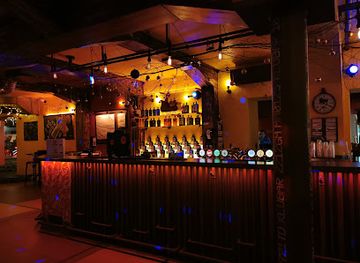
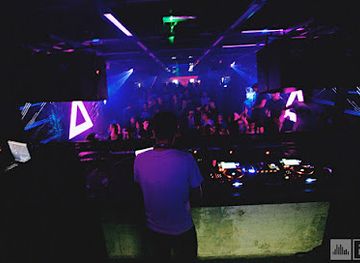
Evening life in Lower Carniola is centred on cafés, traditional inns, wine cellars and a modest selection of bars rather than a large club scene. Novo Mesto has the region’s widest choice of places for an evening drink, informal food, cultural programming and occasional live music, with activity concentrated around the town centre and riverside areas. In smaller towns such as Kostanjevica na Krki, Črnomelj and Metlika, evenings tend to revolve around local cafés, seasonal events and community venues. Rural nightlife is usually found in gostilnas, vineyard cottages and wine-tasting settings, where conversation and food matter as much as the drinks. Summer brings more open-air activity along the river valleys, but schedules vary from year to year. Visitors should check current arrangements locally and avoid driving after tastings; public transport in the countryside is not designed for late-night travel.
-
Grill
KluBar
Experience the vibrant atmosphere of KluBar in Kranj, where delicious grilled dishes meet lively nightlife and local music.
-
Night club
Klub K4
Discover the lively atmosphere of Klub K4, Ljubljana's premier night club, blending exceptional music with a vibrant crowd for an unforgettable nightlife experience.
-
Night club
Cirkus Klub
Discover the energetic nightlife of Ljubljana at Cirkus Klub, where unforgettable nights and vibrant music await every weekend.
-
Night club
Gala Hala / Kapa - Društvo za kulturno in umetniško produkcijo
Experience the vibrant nightlife of Ljubljana at Gala Hala, a cultural hub featuring live music, art, and unforgettable moments.


Best shops in Lower Carniola
Shopping in Lower Carniola is strongest in market towns and through direct purchases from producers rather than in large destination retail centres. Novo Mesto offers the broadest selection of everyday shops, independent businesses, cafés and galleries, while smaller centres such as Črnomelj, Metlika, Trebnje and Kostanjevica na Krki have compact high streets with a more local rhythm. The most characteristic purchases are regional foods and drinks: bottles of Cviček, honey, preserves, seasonal produce and products from individual farms or winegrowers. Vineyard cottages and organised wine routes may sell directly, but opening arrangements vary and appointments are often helpful. Craft and cultural goods connected with Bela Krajina, including textiles and decorative work, are more strongly associated with that neighbouring southern subregion than with all of Lower Carniola. Look for pottery, woodwork, local books and art in galleries and museum shops, while weekly markets provide a practical way to see ordinary regional trade rather than a staged souvenir selection.
-
Shopping mall
BTC City Ljubljana
Discover BTC City Ljubljana: A vibrant shopping mall and cultural hub offering a unique blend of retail, dining, and entertainment experiences.
-
Store
Shopping Center Citypark
Discover an exceptional shopping experience at Shopping Center Citypark in Ljubljana, featuring diverse shops, delightful dining, and family-friendly amenities.
-
Shopping mall
Supernova Ljubljana Rudnik
Discover a shopping haven in Ljubljana at Supernova Ljubljana Rudnik, featuring diverse retail options, dining experiences, and entertainment.
-
Shopping mall
Emporium
Discover Emporium in Ljubljana: A premier shopping destination offering an extensive range of local and international brands, dining options, and a lively atmosphere.


Get your free copy of our complete guide to Lower Carniola, delivered straight to you.
Everything on this page, from attractions and restaurants to essentials and local phrases, in one PDF you can read offline, print or share.
Already have an account? Sign in
Your Lower Carniola guide is ready.
We'll send it to · Not you? Sign out

Getting your guide ready…
We are putting together a fresh copy of the Lower Carniola guide. This can take up to a minute.
This can take a few moments. If your browser asks, choose Allow so the download can start. You'll find the guide in your Downloads folder.
Nothing happened? Download it again
Sorry, the guide is taking longer than usual. Please try again in a minute, or get it by email instead.
Lower Carniola essentials
Currency and Payment
Safety
Emergency Situations
Do's and Don'ts
Local Tips
From Eve
Local phrases worth knowing
You don't need to get them perfect. A few words go a long way, and locals appreciate the effort.
Basics
| English | Local | Say it |
|---|---|---|
| Hello | Živjo | [Zheev-yo] |
| Goodbye | Nasvidenje | [Nah-svee-den-ye] |
| Yes | Da | [Dah] |
| No | Ne | [Neh] |
| Please/You're welcome | Prosim | [Pro-seem] |
| Thank you | Hvala | [Hvah-lah] |
| Excuse me/Sorry | Opravičujem se | [Oh-prah-vee-choo-yem seh] |
| How are you? | Kako si? | [Kah-koh see] |
| Fine. And you? | Dobro. In ti? | [Doh-broh. Een tee?] |
| Do you speak English? | Ali govorite angleško? | [Ah-lee goh-voh-ree-teh ahn-gleh-sko?] |
| I don't understand | Ne razumem | [Neh rah-zoo-meh] |
Eating & Drinking
| English | Local | Say it |
|---|---|---|
| I'd like to see the menu, please | Rad bi videl jedilnik, prosim | [Rahd bee vee-del yeh-dee-leek, pro-seem] |
| I don't eat meat | Ne jem mesa | [Neh yem meh-sah] |
| Cheers! | Na zdravje! | [Nah zdrah-vyeh!] |
| I would like to pay, please | Rad bi plačal, prosim | [Rahd bee plah-chahl, pro-seem] |
Emergencies
| English | Local | Say it |
|---|---|---|
| Help! | Pomagajte! | [Poh-mah-gah-yeh!] |
| Go away! | Odpusti! | [Ohd-poo-stee!] |
| Call the Police! | Pokličite policijo! | [Poh-klee-chee-teh poh-lee-tsee-yoh!] |
| Call a doctor! | Pokličite zdravnika! | [Poh-klee-chee-teh zdrah-vnee-kah!] |
| I'm lost | Izgubil sem se | [Eez-goo-beel sem seh] |
| I'm ill | Sem bolan | [Sem boh-lahn] |
Shopping
| English | Local | Say it |
|---|---|---|
| I'd like to buy... | Rad bi kupil... | [Rahd bee koo-peel...] |
| I'm just looking | Samo gledam | [Sah-mo gled-ahm] |
| How much is it? | Koliko stane? | [Koh-lee-koh stah-neh?] |
| That's too expensive | To je predrago | [To yeh preh-drah-go] |
| Can you lower the price? | Lahko znižaš ceno? | [Lah-koh zee-zhaash tseh-no?] |
Time & Numbers
| English | Local | Say it |
|---|---|---|
| What time is it? | Koliko je ura? | [Koh-lee-koh yeh oo-rah?] |
| It's one o'clock | Je ena ura | [Yeh eh-nah oo-rah] |
| Half past (10) | Pol (10) | [Pol (10)] |
| Morning | Jutro | [Yoo-troh] |
| Afternoon | Popoldne | [Poh-pohld-neh] |
| Evening | Večer | [Veh-cher] |
| Yesterday | Včeraj | [Vcheh-rah-ee] |
| Today | Danes | [Dah-nes] |
| Tomorrow | Jutri | [Yoo-tree] |
| 1 | 1 | [1] |
| 2 | 2 | [2] |
| 3 | 3 | [3] |
| 4 | 4 | [4] |
| 5 | 5 | [5] |
| 6 | 6 | [6] |
| 7 | 7 | [7] |
| 8 | 8 | [8] |
| 9 | 9 | [9] |
| 10 | 10 | [10] |
Transport & Directions
| English | Local | Say it |
|---|---|---|
| Where's a/the...? | Kje je...? | [Kye yeh...?] |
| What's the address? | Kakšna je naslov? | [Kahk-shnah yeh nah-slohv?] |
| Can you show me (on the map)? | Mi lahko pokažete (na zemljevidu)? | [Mee lah-koh poh-kah-zheh-teh (nah zyeh-mlay-vee-doo)?] |
| When's the next (bus)? | Kdaj je naslednji (avtobus)? | [Kdye yeh nah-sledn-yee (ow-toh-boos)?] |
| A ticket (to ....) | Eno vozovnico (do....) | [Eh-no voh-zoh-vnee-tso (doh....)] |
History of Lower Carniola
Iron Age Communities and Situla Art
Lower Carniola was an important area of Iron Age settlement, especially during the Hallstatt period from roughly the eighth to the fourth centuries BC. Communities occupied hilltop sites and maintained connections across the south-eastern Alpine and Adriatic worlds. Archaeological finds from the Novo Mesto area, including finely decorated bronze situla vessels, weapons, jewellery and graves, show a society involved in long-distance exchange and skilled metalworking. The region’s archaeological museums preserve some of Slovenia’s most significant evidence for this period, making prehistoric heritage a central part of Dolenjska’s historical identity rather than a minor prelude to Roman and medieval history.
Roman Roads and the Settlement of Neviodunum
Roman rule brought Lower Carniola into the administrative and commercial networks of the empire. The settlement of Neviodunum, at modern Drnovo near Krško just beyond the region’s eastern core, became an important riverside centre on the Sava and reflects the wider Roman influence felt across Dolenjska. Roads, trade and agricultural production connected the Krka basin with larger provincial centres. Roman remains, coins, inscriptions and everyday objects found around Novo Mesto and the lower Krka area demonstrate the transformation of local communities under imperial administration, even though the present-day landscape remains predominantly rural.
Medieval Castles, Monasteries and Market Towns
During the Middle Ages, Lower Carniola developed through a network of castles, ecclesiastical foundations and market settlements. Fortifications at Žužemberk and other strategic sites guarded routes and river crossings, while monasteries helped organise landholding, farming and religious life. The Cistercian monastery at Kostanjevica, founded in the twelfth century, and the Carthusian community at Pleterje, established in the fifteenth century, are enduring reminders of this period. The rise of Novo Mesto as a planned medieval town strengthened the Krka valley’s role as a regional centre for trade, administration and craft production.
Habsburg Carniola and the Age of the Auerspergs
Lower Carniola formed part of the Habsburg lands for centuries and was administered within the historical Duchy of Carniola. Noble families, particularly the Auerspergs, held extensive estates and influenced political, military and cultural life in the region. Their presence is associated with castles and estate landscapes, including the long history of Žužemberk. The area also experienced the insecurity of Ottoman incursions that affected parts of Carniola in the fifteenth and sixteenth centuries, encouraging the strengthening of castles and defensive settlements. Habsburg administration left a durable imprint on law, landholding, architecture and regional connections.
Winegrowing and Rural Economic Life
The hills of Dolenjska have long supported mixed farming, orcharding and small-scale winegrowing. Over time, vineyard cottages known as zidanice became characteristic features of the landscape, serving as places for storing wine and spending time during vineyard work. The modern identity of Cviček developed from the region’s tradition of blending red and white grape varieties into a light, distinctive wine. Rural cooperatives, wine routes and village festivals helped sustain this agricultural culture through economic change. Although contemporary production is more professionalised, vineyards and farmsteads remain visible symbols of Lower Carniola’s relationship with its hills and seasonal labour.
Industrialisation and the Rise of Novo Mesto
The nineteenth and twentieth centuries brought improved roads, rail connections and new forms of manufacturing to Lower Carniola. Novo Mesto expanded as an administrative, educational and commercial centre, while surrounding towns retained their agricultural functions. Industrial development accelerated after the Second World War, contributing to urban growth and linking the region more closely with Slovenia’s national economy. The contrast between historic town quarters, village vineyards and modern industrial areas reflects this gradual transformation rather than a sudden break with the past. Transport improvements also made the Krka valley more accessible to visitors and commerce.
The Second World War and Partisan Heritage
Lower Carniola and the forests of Kočevski Rog became important areas of activity for the Slovene Partisan movement during the Second World War. The isolated woodland setting offered protection and enabled the establishment of clandestine facilities, including Baza 20, a preserved wartime complex that served as a headquarters and is now a memorial site. The war also brought occupation, repression, civil conflict and deep losses to local communities. This history remains sensitive and should be approached through museums and memorial locations that present the period within the wider experience of occupied Slovenia and the Yugoslav resistance.
Lower Carniola in Photos
Browse through our photo collection highlighting the charm and character of the destination.
Neighbouring regions of Lower Carniola
The closest regions to Lower Carniola, if you have time for more than one.
-

-

-

-

-


Swipe for more regions
Explore more

Explore more of Slovenia
Discover Slovenia's stunning landscapes, rich cultural heritage, and delightful cuisine. A hidden gem in Europe, perfect for outdoor adventures, history, and culinary exploration.
Explore Slovenia