

Free Celje Travel Guide & Mobile App
Plan your Celje trip with Evendo. Get free guides to top attractions, restaurants, hotels, and bars. Web access or download the mobile app.


Celje, Slovenia’s medieval town, pairs the dramatic Old Castle with Roman heritage, museums, riverside walks and authentic Styrian culture and cuisine.
A Roman and Medieval Centre
Celje occupies a strategic position in eastern Slovenia, where the Savinja River meets routes leading towards Ljubljana, Maribor and the wooded hills of Styria. The city is modest in scale, yet its history is unusually concentrated. Roman Celeia once flourished here as an important settlement in the province of Noricum, while medieval Celje became the seat of the Counts of Celje, the most powerful noble family to emerge from what is now Slovenia. Their former stronghold, Celje Castle, crowns a wooded hill above the modern city and remains the defining feature of the skyline.Read more about Celje
Streets, Museums and Riverside Life
The Savinja Valley Setting
When is the best time to visit Celje?
Best: June–August · 23–24°C| Month | High (°C) | Rainfall (mm) |
|---|---|---|
| January | 3 | 57 |
| February | 5 | 48 |
| March | 8 | 50 |
| April | 13 | 68 |
| May | 19 | 79 |
| June (best) | 23 | 84 |
| July (best) | 24 | 81 |
| August (best) | 24 | 78 |
| September | 20 | 75 |
| October | 15 | 83 |
| November | 9 | 71 |
| December | 3 | 62 |
Getting to and around Celje
How to get there
Transportation
Best attractions in Celje
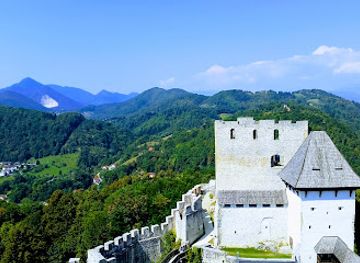
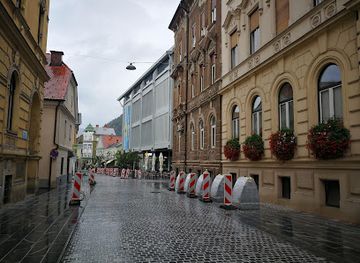
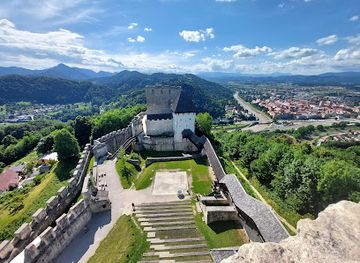
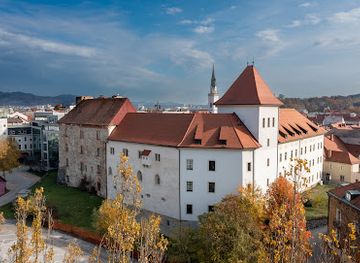
Celje Castle is the city’s principal sightseeing experience, rising above the rooftops with views across the Savinja Valley and exhibition spaces devoted to the Counts of Celje. In the centre, the Regional Museum of Celje brings together Roman archaeology, medieval history and decorative arts, while the Museum of Recent History of Celje explores everyday life and social change in the modern period. The Prince’s Mansion and the Old Count’s Mansion add architectural depth to a walk through the pedestrian streets. Roman Celeia can be encountered through archaeological remains and interpretive displays, offering a glimpse of the ancient town beneath the later city. The Savinja riverfront and nearby parks provide a calmer counterpoint to the historic core, and Šmartinsko Lake, north of the centre, extends the city visit into a landscape of paths, water and wooded hills.
-
Castle
Celje Castle
Discover the enchanting Celje Castle, a historic fortress offering breathtaking views, rich history, and captivating exhibits in the heart of Slovenia.
6 min drive · 1.9 km from city centre
-
Bar
Fontana beer Žalec
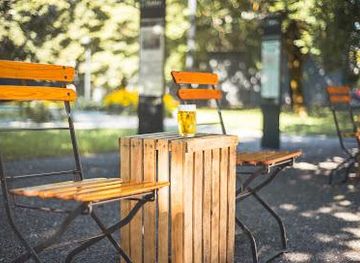
Experience the unique beer fountain at Fontana Beer Žalec, a lively bar in Slovenia where locals and tourists gather to enjoy exceptional brews and good company.
25 min drive · 8.2 km from city centre
-
Tourist attraction
City Park
Explore the lush landscapes and vibrant atmosphere of City Park in Celje, a perfect retreat for relaxation and recreation in the heart of Slovenia.
14 min walk · 1.2 km from city centre
-
Museum
Tehnopark Celje
Explore Slovenia’s cutting-edge technology and innovation at Tehnopark Celje, where creativity meets industry in a vibrant museum setting.
10 min walk · 0.8 km from city centre

Best landmarks in Celje
Celje Castle is the city’s defining monument, a medieval hilltop fortress whose walls and towers recall the political power of the Counts of Celje and frame broad views over the valley. In the historic centre, the Prince’s Mansion is associated with the former princely dynasty and now forms part of the city’s museum landscape, while the Old Count’s Mansion preserves the memory of Celje’s noble past in an urban setting. The Cathedral of St Daniel represents the city’s long religious history, and the Church of St Mary of the Assumption adds another important ecclesiastical presence within the old town. Roman Celeia is a less immediately visible landmark: archaeological remains and museum displays connect modern streets with the ancient settlement that preceded medieval Celje. Together, these places show how Roman, medieval, Habsburg and modern layers coexist within a compact city.
-
Castle
Celje Castle
Discover the rich history and stunning views at Celje Castle, a captivating fortress overlooking the beautiful town of Celje, Slovenia.
6 min drive · 1.9 km from city centre
-
City park
City Park
Explore the stunning landscapes and rich cultural ambiance of City Park in Celje, a serene urban oasis perfect for relaxation and discovery.
14 min walk · 1.2 km from city centre
-
Museum
Regional Museum of Celje
Explore the captivating history and culture of Celje at the Regional Museum, a must-visit destination for tourists in Slovenia.
13 min walk · 1.0 km from city centre
-
Museum
Muzej novejše zgodovine Celje
Explore Celje's rich history at the Muzej novejše zgodovine Celje, a captivating museum showcasing artifacts from the 20th century and beyond.
11 min walk · 0.9 km from city centre

Explore Celje on the map
Plan your Celje trip on one map. See where the top attractions, landmarks, restaurants, bars and hotels are, find what's near where you're staying, and book hotels and experiences in a few clicks.
Best hotels in Celje
Best restaurants in Celje
Celje’s food culture reflects its position in the Savinja Valley and the broader Styrian region, where hearty seasonal cooking meets contemporary Slovenian technique. Menus may feature freshwater fish, soups, dumplings, pork, game and dishes built around locally grown vegetables, with pumpkin-seed oil a distinctive regional ingredient. Štruklji, rolled or filled dumplings found in several Slovenian traditions, and potica, a rolled festive cake, are useful introductions to the country’s wider culinary heritage. Central streets contain cafés, bakeries and restaurants suited to a relaxed daytime meal, while traditional gostilnas, or Slovenian inns, offer more substantial regional cooking. Local wines from eastern Slovenia appear alongside craft beers and fruit-based products, and seasonal markets or food events can provide a more informal way to sample produce from the surrounding countryside.
-
Restaurant
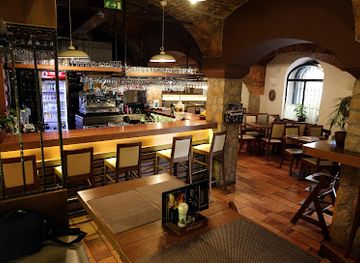
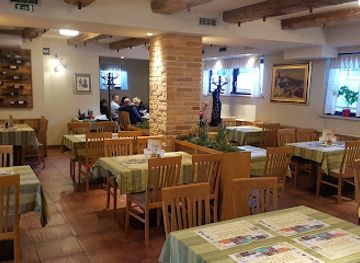
Gostilna in pivnica Stari Pisker
Experience traditional Slovenian cuisine at Gostilna in pivnica Stari Pisker, where unique burgers meet local beers in a welcoming atmosphere.
10 min walk · 0.8 km from city centre
-
Restaurant
Pizzeria Picikato
Discover the flavors of Italy at Pizzeria Picikato - where every slice tells a story of tradition and passion.
8 min drive · 2.8 km from city centre
-
Fast Food
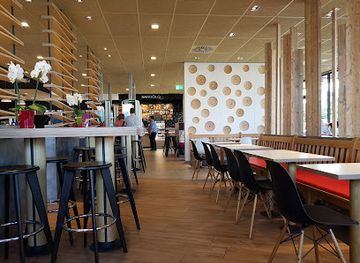
McDonald's Celje Drive
Discover delicious fast food at McDonald's Celje Drive – perfect for tourists seeking quick bites in Slovenia.
5 min drive · 1.7 km from city centre
-
Restaurant
Gostilna Amerika
Experience authentic Slovenian flavors at Gostilna Amerika in Celje – where tradition meets modern culinary artistry.
11 min walk · 0.9 km from city centre

Best bars in Celje
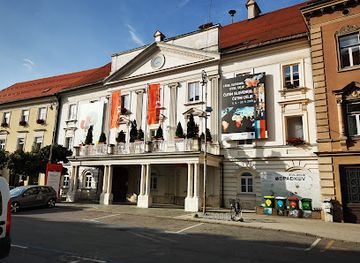
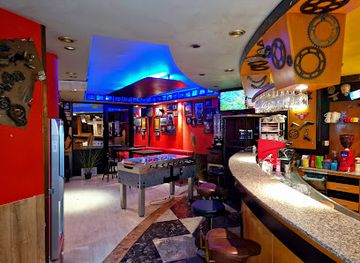
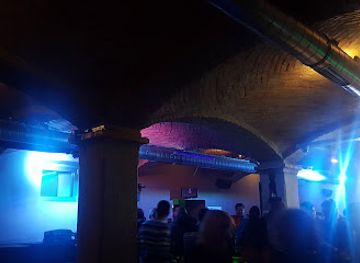
Celje’s evening scene is intimate rather than club-dominated, with cafés and bars around the pedestrian centre providing the main focus after dark. Historic streets and small squares support relaxed drinks, coffee and conversation, while wine bars and contemporary venues give the compact centre a modest modern edge. Cultural evenings are also important: the Slovene People’s Theatre Celje presents drama, musical theatre and other performances, and the city’s museums and public institutions sometimes host exhibitions, concerts and seasonal programmes. Student activity contributes occasional liveliness, but Celje is not a destination built around late-night clubbing. Venues and events vary by season, so the current local programme is more useful than assuming a fixed nightlife district. Quieter riverside areas and the castle hill are better suited to daytime visits than unaccompanied late-night walks.
-
Bar
Pišek bar
Discover the lively Pišek Bar in Celje, where local flavors meet modern vibes, offering an unforgettable night out for tourists and locals alike.
12 min drive · 4.0 km from city centre
-
Pub
Gušt Pub
Discover the vibrant atmosphere of Gušt Pub in Celje, where great drinks and local culture meet in a cozy setting.
10 min walk · 0.8 km from city centre
-
Bar
XXX bar
Discover Celje's vibrant nightlife at XXX Bar, a captivating blend of bar, café, and pub, perfect for unwinding and socializing.
10 min walk · 0.8 km from city centre
-
Bar
Bar Vrtnica
Experience the lively atmosphere at Bar Vrtnica, a local favorite in Celje known for its great drinks and friendly vibe.
10 min walk · 0.8 km from city centre


Best nightclubs in Celje
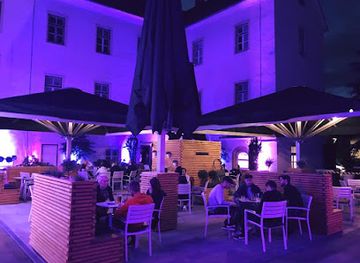
Celje’s evening scene is intimate rather than club-dominated, with cafés and bars around the pedestrian centre providing the main focus after dark. Historic streets and small squares support relaxed drinks, coffee and conversation, while wine bars and contemporary venues give the compact centre a modest modern edge. Cultural evenings are also important: the Slovene People’s Theatre Celje presents drama, musical theatre and other performances, and the city’s museums and public institutions sometimes host exhibitions, concerts and seasonal programmes. Student activity contributes occasional liveliness, but Celje is not a destination built around late-night clubbing. Venues and events vary by season, so the current local programme is more useful than assuming a fixed nightlife district. Quieter riverside areas and the castle hill are better suited to daytime visits than unaccompanied late-night walks.
-
Bar
XXX bar
Experience the lively ambiance of XXX Bar in Celje, where great drinks and a welcoming atmosphere await every visitor.
10 min walk · 0.8 km from city centre
-
Bar
Branibor Pub
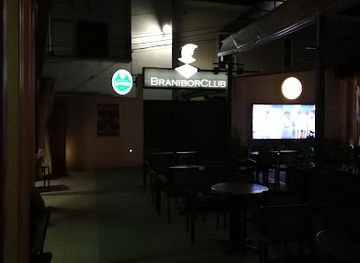
Experience the essence of Slovenian nightlife at Branibor Pub in Celje, where lively ambiance meets local flavors.
6 min walk · 0.5 km from city centre
-
Dance club
Local Club-caffe Celje
Dive into the rhythmic nightlife of Celje at Local Club-caffe, where dance meets vibrant energy and unforgettable moments await.
10 min walk · 0.8 km from city centre
-
Night club
Branibor Club
Experience the vibrant nightlife at Branibor Club in Celje, Slovenia, where great music, delicious drinks, and unforgettable memories await.
7 min walk · 0.5 km from city centre
Best shops in Celje
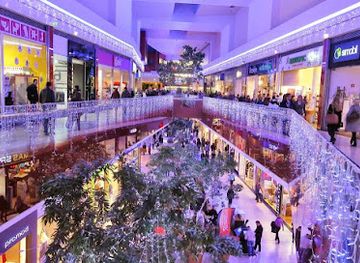
Shopping in Celje is concentrated around the pedestrian streets and squares of the historic centre, where independent cafés, small retailers, fashion shops and service businesses occupy buildings shaped by the older town plan. The city is a practical place to look for Slovenian food products, including honey, preserves, chocolate, pumpkin-seed oil and regional wine, as well as handmade gifts connected with local craft traditions. Bakeries and delicatessens offer more useful edible souvenirs than generic tourist merchandise, while larger commercial areas outside the centre provide everyday shopping and mainstream brands. Market activity varies through the week and season, so visitors should check current local listings for produce stalls and special events. The most distinctive purchases are generally regional rather than specifically manufactured in Celje, reflecting the city’s role as a commercial centre for the Savinja area.
-
Shopping mall
Shopping center Citycenter Celje
Citycenter Celje: A premier shopping destination in Slovenia offering diverse shopping, dining, and entertainment experiences.
12 min walk · 1.0 km from city centre
-
Sportswear store
Decathlon Celje
Explore the diverse range of sports equipment at Decathlon Celje, your go-to destination for all things athletic in Slovenia.
15 min walk · 1.2 km from city centre
-
Shopping mall
Jager
Explore Jager Shopping Mall in Celje for a unique blend of local and international shopping experiences in a modern setting.
10 min walk · 0.8 km from city centre
-
Clothing store
C&A
Explore the latest fashion trends at C&A in Celje, a stylish clothing store for the whole family, featuring sustainable options and unbeatable prices.
10 min walk · 0.8 km from city centre

Get your free copy of our complete guide to Celje, delivered straight to you.
Everything on this page, from attractions and restaurants to essentials and local phrases, in one PDF you can read offline, print or share.
Already have an account? Sign in
Your Celje guide is ready.
We'll send it to · Not you? Sign out

Getting your guide ready…
We are putting together a fresh copy of the Celje guide. This can take up to a minute.
This can take a few moments. If your browser asks, choose Allow so the download can start. You'll find the guide in your Downloads folder.
Nothing happened? Download it again
Sorry, the guide is taking longer than usual. Please try again in a minute, or get it by email instead.
Celje essentials
Currency and Payment
Safety
Emergency Situations
Do's and Don'ts
Local Tips
From Eve
Local phrases worth knowing
You don't need to get them perfect. A few words go a long way, and locals appreciate the effort.
Basics
| English | Local | Say it |
|---|---|---|
| Hello | Zdravo | [Zdrah-voh] |
| Goodbye | Nasvidenje | [Nah-svee-deh-nyeh] |
| Yes | Da | [Dah] |
| No | Ne | [Neh] |
| Please/You're welcome | Prosim | [Proh-seem] |
| Thank you | Hvala | [Hvah-lah] |
| Excuse me/Sorry | Oprostite | [O-proh-stee-teh] |
| How are you? | Kako ste? | [Kah-koh steh?] |
| Fine. And you? | Dobro. In vi? | [Doh-broh. Een vee?] |
| Do you speak English? | Govorite angleško? | [Goh-voh-ree-teh ahn-gleh-shkoh?] |
| I don't understand | Ne razumem | [Neh rah-zoo-mehm] |
Eating & Drinking
| English | Local | Say it |
|---|---|---|
| I'd like to see the menu, please | Rad bi videl jedilnik, prosim | [Raad bee vee-dehl yeh-deel-neek, proh-seem] |
| I don't eat meat | Ne jem mesa | [Neh yehm meh-sah] |
| Cheers! | Na zdravje! | [Nah zdrahv-yeh!] |
| I would like to pay, please | Rad bi plačal, prosim | [Raad bee plah-chahl, proh-seem] |
Emergencies
| English | Local | Say it |
|---|---|---|
| Help! | Pomoč! | [Poh-mohch!] |
| Go away! | Pojdi stran! | [Poy-dee strahn!] |
| Call the Police! | Pokličite policijo! | [Poh-klee-chee-teh poh-lee-tsee-yoh!] |
| Call a doctor! | Pokličite zdravnika! | [Poh-klee-chee-teh zdrahv-nee-kah!] |
| I'm lost | Izgubil sem se | [Eez-goo-beel sehm seh] |
| I'm ill | Bolam | [Boh-lahm] |
Shopping
| English | Local | Say it |
|---|---|---|
| I'd like to buy... | Rad bi kupil... | [Raad bee koo-peel...] |
| I'm just looking | Samo gledam | [Sah-moh gleh-dahm] |
| How much is it? | Koliko stane? | [Koh-lee-koh stah-neh?] |
| That's too expensive | To je predrago | [Toh yeh preh-drah-goh] |
| Can you lower the price? | Lahko znižate ceno? | [Lah-koh znee-zah-teh cheh-noh?] |
Time & Numbers
| English | Local | Say it |
|---|---|---|
| What time is it? | Koliko je ura? | [Koh-lee-koh yeh ooh-rah?] |
| It's one o'clock | Je ena ura | [Yeh eh-nah ooh-rah] |
| Half past (10) | Pol desetih | [Pohl deh-seh-teeh] |
| Morning | Jutro | [Yoo-troh] |
| Afternoon | Popoldne | [Poh-pohl-dneh] |
| Evening | Večer | [Veh-chehr] |
| Yesterday | Včeraj | [Vch-eh-rye] |
| Today | Danes | [Dah-nes] |
| Tomorrow | Jutri | [Yoo-tree] |
| 1 | Ena | [Eh-nah] |
| 2 | Dva | [Dvah] |
| 3 | Tri | [Tree] |
| 4 | Štiri | [Shtee-ree] |
| 5 | Pet | [Peh-t] |
| 6 | Šest | [Shest] |
| 7 | Sedem | [Seh-dehm] |
| 8 | Osem | [Oh-sehm] |
| 9 | Devet | [Deh-veht] |
| 10 | Deset | [Deh-seht] |
Transport & Directions
| English | Local | Say it |
|---|---|---|
| Where's a/the...? | Kje je ...? | [Keh yeh ...?] |
| What's the address? | Kakšen je naslov? | [Kahk-shehn yeh nahs-lohv?] |
| Can you show me (on the map)? | Mi lahko pokažete (na zemljevidu)? | [Mee lah-koh poh-kah-zheh-teh (nah zehm-lyeh-vee-doo)?] |
| When's the next (bus)? | Kdaj je naslednji (avtobus)? | [Kdyai yeh nah-slehd-nyee (ow-toh-boos)?] |
| A ticket (to ....) | Vstopnica (do ...) | [Vstohp-nee-tsah (doh ...)] |
History of Celje
Prehistoric Roots and Roman Celeia
The Celje area was inhabited before Roman rule, with Celtic communities connected to the wider region of Noricum. Rome incorporated the territory during the late first century BC and developed Celeia, known in Latin as Municipium Claudium Celeia, into a prosperous town on important routes through the eastern Alps. Its public buildings, streets and trading connections reflected Roman urban life, and archaeological remains found in and around the modern centre reveal the settlement’s scale. Parts of Roman Celeia are presented in the Regional Museum of Celje and at archaeological sites beneath present-day streets. The decline of Roman administration in the late fourth and fifth centuries brought political and economic change, although the location retained strategic importance for later settlements.
The Medieval Market Settlement
After the transformation of the Roman world, a medieval settlement gradually developed around the Savinja crossing and nearby routes. Celje was documented as a market town in the 12th century and received town rights in 1451, though urban privileges and local administration had developed over a longer period. Its position encouraged trade between the Savinja Valley, Carinthia, Styria and the central Slovenian lands. Churches, defensive structures and a growing network of streets shaped the town’s medieval character. The hill above the settlement, later dominated by the Old Castle, gave Celje control over movement through the valley and helped establish the political importance that the Counts of Celje would later exploit.
The Rise of the Counts of Celje
The Lords of Sanneck rose in influence during the 14th century and became Counts of Celje in 1341. Through marriage alliances, territorial acquisitions and service to the Holy Roman Empire, the family developed into a major Central European dynasty. Barbara of Celje became Holy Roman Empress through her marriage to Emperor Sigismund, while the family’s political reach extended well beyond the Savinja Valley. In 1436, Frederick II and Ulrich II were elevated to imperial princes, provoking conflict with the Habsburgs. Their power was centred on Celje Castle and other estates, and their story remains central to the city’s historical identity.
Dynastic End and Habsburg Rule
The Counts of Celje dynasty ended when Ulrich II was assassinated in Belgrade in 1456. With no male heir, the family’s territories passed to the Habsburgs after a succession struggle, bringing Celje more firmly into the Habsburg political sphere. The castle lost its role as the residence of an independent princely family and gradually deteriorated, while the town continued as a regional administrative and commercial centre. Celje’s churches, town houses and civic buildings preserve traces of the later medieval and early modern periods, although fires, rebuilding and changing urban needs altered much of the historic fabric over time.
Railways and Nineteenth-Century Modernisation
Celje entered a new phase of development in the 19th century, when improved roads, industrial activity and the railway strengthened its regional connections. The railway line linking Vienna and Trieste reached Celje in 1846, encouraging trade, migration and urban expansion. The town also became part of the Slovene national and cultural awakening within the Habsburg lands, alongside German-speaking institutions and communities that had long shaped civic life. New public buildings, schools and businesses appeared beyond the medieval core. This period established the transport and commercial foundations of the modern city while intensifying debates about language, identity and political representation.
Celje in the Twentieth Century
The First World War and the dissolution of Austria-Hungary brought Celje into the Kingdom of Serbs, Croats and Slovenes, later Yugoslavia. The city expanded its industrial, educational and administrative functions during the 20th century, while the Second World War brought German occupation, persecution and resistance. After 1945, socialist Yugoslavia reshaped parts of the urban landscape through housing, industry and public institutions. Since Slovenia’s independence in 1991, Celje has developed as a regional centre in a European state, combining modern services with renewed attention to Roman archaeology, the Counts of Celje, the historic centre and the preservation of its castle.
Travel experiences inspired by this city
-
 9 Day Trip
Solo Summer Escape to Velenje: Lake Days, Castle Views, and Coal Heritage
Discover Velenje on a solo trip: swim in Lake Velenje, explore the Coal Mining Museum and hilltop castle, and hike Šaleška Valley from a budget-friendly central base.
9 Day Trip
Solo Summer Escape to Velenje: Lake Days, Castle Views, and Coal Heritage
Discover Velenje on a solo trip: swim in Lake Velenje, explore the Coal Mining Museum and hilltop castle, and hike Šaleška Valley from a budget-friendly central base.
 15 Aug 2026
By Anjali Müller -
 9 Day Trip
Lakes, Castles, and Green Living: A Friends’ Escape to Velenje
A slow-travel escape with friends to Velenje, Slovenia: lakeside relaxation, castle views, and local flavors, reached by low-impact rail from Berlin.
9 Day Trip
Lakes, Castles, and Green Living: A Friends’ Escape to Velenje
A slow-travel escape with friends to Velenje, Slovenia: lakeside relaxation, castle views, and local flavors, reached by low-impact rail from Berlin.
 20 Jul 2026
By Emily Smith -
 9 Day Trip
Lakes, Castles, and Coal: 9 Days in Velenje with Friends
Join Jennifer and friends on a budget-friendly escape to Velenje, Slovenia—lakeside relaxation, castle views, mining history, and local flavors in a green valley.
9 Day Trip
Lakes, Castles, and Coal: 9 Days in Velenje with Friends
Join Jennifer and friends on a budget-friendly escape to Velenje, Slovenia—lakeside relaxation, castle views, mining history, and local flavors in a green valley.
 20 Jul 2026
By Jennifer Smith -
 9 Day Trip
Family Slow-Travel in Celje: Castles, Lakes, and Local Flavors
Discover Celje, Slovenia with the family: medieval castle views, lakeside walks, local cuisine, and Savinja Valley day trips—based in a comfortable central apartment.
9 Day Trip
Family Slow-Travel in Celje: Castles, Lakes, and Local Flavors
Discover Celje, Slovenia with the family: medieval castle views, lakeside walks, local cuisine, and Savinja Valley day trips—based in a comfortable central apartment.
 20 Jul 2026
By Yoo-Jin Park -
 11 Day Trip
Sweet Summer in Maribor Pohorje: Family Glamping at Chocolate Village
Explore Slovenia’s Maribor Pohorje with family-friendly glamping, alpine hikes, bike park thrills, and riverside relaxation near Maribor’s historic Old Vine.
11 Day Trip
Sweet Summer in Maribor Pohorje: Family Glamping at Chocolate Village
Explore Slovenia’s Maribor Pohorje with family-friendly glamping, alpine hikes, bike park thrills, and riverside relaxation near Maribor’s historic Old Vine.
 18 Jul 2026
By Michael Thompson -
 9 Day Trip
Family Summer Escape to Velenje, Slovenia
Family adventure in Velenje, Slovenia: swim in Velenje Lake, explore mining heritage, hike green hills, and savor local cuisine—based at Hotel Razgorsek.
9 Day Trip
Family Summer Escape to Velenje, Slovenia
Family adventure in Velenje, Slovenia: swim in Velenje Lake, explore mining heritage, hike green hills, and savor local cuisine—based at Hotel Razgorsek.
 15 Jul 2026
By Christian Berger
Swipe for more travel diaries
Celje in Photos
Browse through our photo collection highlighting the charm and character of the destination.
Cities near Celje
The closest cities to Celje, if you have time for more than one stop.
-

-

-

-

-


Swipe for more cities
Explore more

Explore more of Slovenia
Discover Slovenia's stunning landscapes, rich cultural heritage, and delightful cuisine. A hidden gem in Europe, perfect for outdoor adventures, history, and culinary exploration.
Explore Slovenia