

Free Posavje Travel Guide & Mobile App
Explore Posavje with free travel guides. Discover regional history, expert tips, proposed trips, and audio guides on web or mobile app.


Explore Posavje in Slovenia for Sava Valley castles, thermal resorts, vineyard roads, riverside towns and the cultural heritage of Brežice and Sevnica.
Read more about Posavje
When is the best time to visit Posavje?
Best: June, August–September · 23–28°C| Month | High (°C) | Rainfall (mm) |
|---|---|---|
| January | 5 | 60 |
| February | 8 | 50 |
| March | 14 | 60 |
| April | 16 | 70 |
| May | 22 | 80 |
| June (best) | 26 | 90 |
| July | 28 | 100 |
| August (best) | 28 | 90 |
| September (best) | 23 | 80 |
| October | 17 | 70 |
| November | 10 | 70 |
| December | 5 | 60 |
Getting to and around Posavje
How to get there
Transportation
Top city travel guides in Posavje
The cities of Posavje, and the easiest places to base yourself.
-

-


Swipe for more cities
Best attractions in Posavje
Posavje's attractions are spread across a river corridor rather than concentrated in one resort. Brežice provides the strongest introduction, with its Renaissance castle and museum collections, while nearby Čatež ob Savi combines thermal bathing with access to the Sava and Krka lowlands. Krško offers riverside history, museums and views towards the surrounding hills, and the countryside around it is marked by vineyards, villages and energy infrastructure. Sevnica Castle stands above the Sava and anchors a network of walking, cycling and wine-country excursions. Radeče is a useful base for exploring the narrower upper valley, forested hills and the heritage of river-based industry. In the lower Krka valley, Kostanjevica na Krki brings together a historic island town, the former Cistercian monastery now housing the Božidar Jakac Art Museum, and access to the Krakovski gozd. Across the region, visitors can choose between heritage interiors, thermal facilities, marked trails, cycling roads, fishing, seasonal river activities and cellar visits. The appeal lies in the combination of modestly scaled towns, working landscapes and cultural sites that can be linked into several contrasting day itineraries.
-
Tourist attraction
Postojna Cave
Discover the breathtaking formations and rich biodiversity of Postojna Cave, Slovenia's enchanting subterranean wonderland.
-
Tourist attraction
Predjama Castle
Explore the breathtaking Predjama Castle, a medieval marvel nestled in Slovenia's cliffs, blending rich history with stunning natural beauty.
-
Tourist attraction
Soteska Vintgar
Explore the enchanting Soteska Vintgar, a stunning gorge with crystal-clear waters and lush nature trails in Slovenia's breathtaking landscape.
-
Tourist attraction
Ljubljana Zoo
Explore Ljubljana Zoo, a haven for wildlife enthusiasts and families, showcasing diverse species and promoting conservation in a beautiful setting.



Best landmarks in Posavje
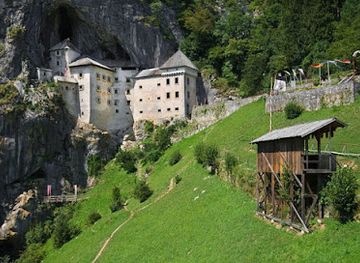
Brežice Castle is Posavje's foremost architectural landmark: its Renaissance exterior encloses a celebrated Baroque Knights' Hall and the Posavski muzej Brežice, which interprets the region's long human history. The town's water tower, an unusual surviving piece of municipal infrastructure, is another recognisable reminder of Brežice's historic urban development. Above Sevnica, Sevnica Castle commands a broad position over the Sava valley and links defensive architecture with gardens, cultural collections and the town below. In Krško, the old town and riverside setting preserve the character of a settlement shaped by trade and administration, while the nearby Krško Nuclear Power Plant represents a markedly modern landmark of national energy importance. Kostanjevica na Krki has a different visual identity: its elongated historic settlement follows a bend of the Krka, and the former Cistercian monastery at the edge of town is now the home of the Božidar Jakac Art Museum. The flat woodland of the Krakovski gozd provides a natural counterpoint to the castles and urban monuments, revealing the lowland ecosystems that remain part of Posavje's geographical character.
-
Castle
Ljubljana Castle
Experience the rich history and breathtaking views from Ljubljana Castle, a must-see tourist attraction in the heart of Slovenia.
-
Castle
Bled Castle
Discover Bled Castle: A historic fortress with breathtaking views, rich culture, and the beauty of Lake Bled.
-
Castle
Predjama Castle
Explore the enchanting Predjama Castle, a unique cliffside fortress in Slovenia rich in history and breathtaking views.
-
Bridge
Dragon Bridge
Explore the majestic Dragon Bridge, a symbol of Ljubljana, where art, history, and architectural beauty intertwine in the heart of Slovenia.


Explore Posavje on the map
Plan your trip on one map. See where the top cities, national parks and sights are, and book hotels and experiences in a few clicks.
Best hotels in Posavje
Best restaurants in Posavje
Dining in Posavje reflects the meeting of Sava Valley agriculture, Dolenjska wine culture and Slovenian home cooking. Menus commonly draw on seasonal vegetables, potatoes, buckwheat, pork, freshwater fish and locally produced dairy, while rural inns and farm tourism establishments offer hearty dishes suited to the region's inland climate. Cviček, the light, fresh wine associated with nearby Dolenjska, is widely encountered, and the vineyards around Bizeljsko contribute their own cellar traditions and wine styles. Brežice, Krško and Sevnica have the broadest choice of cafés, casual restaurants and contemporary Slovenian cooking; outside the towns, dining is more likely to centre on gostilnas, family farms and pre-arranged tastings. Markets and farm shops are good places to look for honey, fruit, preserves, pumpkin-seed products and other regional provisions. Thermal resorts add a more extensive visitor-oriented dining scene, while Kostanjevica na Krki and the smaller villages suit slower lunches built around local produce rather than late-night restaurant culture.
-
Restaurant
Slovenska Hiša - Figovec
Discover the heart of Slovenia's culinary culture at Slovenska Hiša - Figovec, where authentic flavors meet warm hospitality.
-
Italian
Kaval Restaurant
Experience authentic Italian flavors at Kaval Restaurant - where tradition meets modern dining in Ljubljana.
-
Restaurant
Gostilna Košir
Discover the flavors of Slovenia at Gostilna Košir – where tradition meets taste in every delightful dish.
-
Restaurant
Restavracija Most
Discover authentic Slovenian flavors at Restavracija Most in Ljubljana - where tradition meets modern dining in a picturesque riverside setting.


Best bars in Posavje
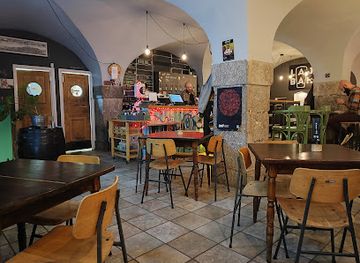
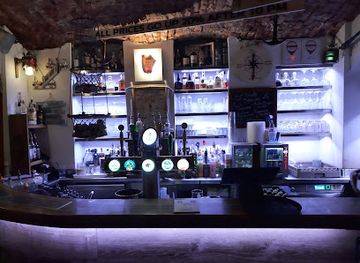
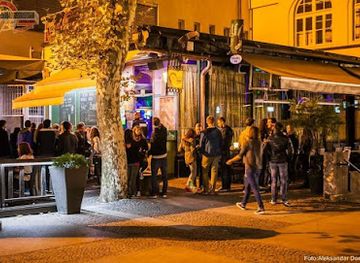
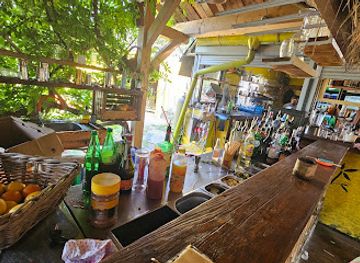
Posavje's evening life is centred on cafés, traditional gostilnas, wine cellars and the social rhythm of its towns rather than a large nightclub circuit. Brežice and Krško offer the widest selection of bars and casual evening venues, while Sevnica has a smaller town-centre scene shaped by cafés, restaurants and occasional cultural programming. In vineyard areas, wine tasting is generally an arranged daytime or early-evening activity rather than an informal walk-in bar experience, so contacting producers ahead is advisable. Thermal tourism around Čatež brings a more seasonal, resort-oriented atmosphere, particularly during holiday periods. Live music, local festivals and events at cultural venues may provide evening entertainment, but schedules change. In rural Posavje, an evening meal, a drink at a village inn or a quiet riverside town is more typical than a late-night club; visitors should plan transport back to their accommodation before drinking.
-
Beer hall
Pub Lajbah
Discover the lively atmosphere and diverse dining options at Pub Lajbah, Ljubljana's premier beer hall and fusion restaurant.
-
Bar
Captain's Cabin
Discover Captain's Cabin in Ljubljana, where creative cocktails and a lively atmosphere await every traveler seeking an unforgettable night out.
-
Bar
Parlament pub
Parlament Pub: A lively bar in Ljubljana offering a unique blend of local charm, extensive drink options, and a vibrant social atmosphere.
-
Bar
Tochka beach bar
Discover relaxation and vibrant beach life at Tochka Beach Bar, a perfect spot for refreshments and stunning views along the shores.
Best nightclubs in Posavje
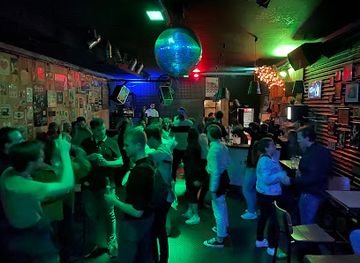
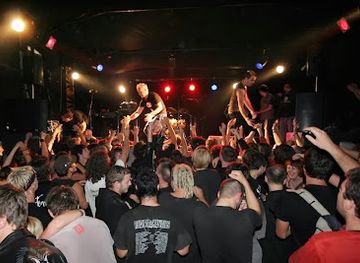
Posavje's evening life is centred on cafés, traditional gostilnas, wine cellars and the social rhythm of its towns rather than a large nightclub circuit. Brežice and Krško offer the widest selection of bars and casual evening venues, while Sevnica has a smaller town-centre scene shaped by cafés, restaurants and occasional cultural programming. In vineyard areas, wine tasting is generally an arranged daytime or early-evening activity rather than an informal walk-in bar experience, so contacting producers ahead is advisable. Thermal tourism around Čatež brings a more seasonal, resort-oriented atmosphere, particularly during holiday periods. Live music, local festivals and events at cultural venues may provide evening entertainment, but schedules change. In rural Posavje, an evening meal, a drink at a village inn or a quiet riverside town is more typical than a late-night club; visitors should plan transport back to their accommodation before drinking.
-
Live music bar
Mladinski center Brežice
Experience the lively ambiance of Mladinski Center Brežice, where live music, great drinks, and local culture unite in a cozy café setting.
-
Night club
Klub K4
Discover the electrifying atmosphere and unforgettable nights at Klub K4, Ljubljana's premier night club for vibrant nightlife and great music.
-
Night club
Bazen Kranj Club
Discover nightlife at Bazen Kranj Club, where music, comedy, and unforgettable entertainment blend in a vibrant atmosphere.
-
Night club
Gala Hala / Kapa - Društvo za kulturno in umetniško produkcijo
Discover the vibrant nightlife and cultural pulse of Ljubljana at Gala Hala, a premier destination for live music and artistic expression.


Best shops in Posavje
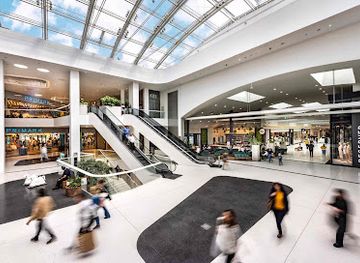
Shopping in Posavje is oriented towards practical town-centre retail, local food and regional craft rather than large-scale luxury shopping. Brežice and Krško have the broadest everyday choice, including supermarkets, high-street services, cafés and independent shops, while Sevnica serves as a smaller market centre for the Sava valley. Visitors looking for regional products should explore farm shops, seasonal stalls and wine producers for bottles from the surrounding vineyard areas, honey, preserves, fruit products, pumpkin-seed items and other Slovenian specialities. Cellars in Bizeljsko and nearby wine country may offer direct sales, but tastings and purchasing arrangements should be confirmed in advance. Kostanjevica na Krki is particularly associated with cultural shopping connected with the Božidar Jakac Art Museum, including art-related publications and locally made pieces when available. Markets and village events vary by season, so the local tourist information office is the best place to confirm dates rather than relying on a fixed weekly market assumption.
-
Shopping mall
BTC City Ljubljana
Discover BTC City Ljubljana, Slovenia's premier shopping mall and cultural hub, where retail, dining, and entertainment come together for an unforgettable experience.
-
Store
Shopping Center Citypark
Explore Citypark, Ljubljana's top shopping center, featuring a diverse mix of stores, restaurants, and family-friendly activities.
-
Shopping mall
Supernova Ljubljana Rudnik
Explore Supernova Ljubljana Rudnik, the ultimate shopping destination featuring diverse shops, dining, and entertainment in the heart of Slovenia.
-
Gift shop
Kompas Shop Rateče
Explore Kompas Shop Rateče for unique Slovenian gifts and souvenirs, showcasing local craftsmanship in a warm and inviting atmosphere.



Get your free copy of our complete guide to Posavje, delivered straight to you.
Everything on this page, from attractions and restaurants to essentials and local phrases, in one PDF you can read offline, print or share.
Already have an account? Sign in
Your Posavje guide is ready.
We'll send it to · Not you? Sign out

Getting your guide ready…
We are putting together a fresh copy of the Posavje guide. This can take up to a minute.
This can take a few moments. If your browser asks, choose Allow so the download can start. You'll find the guide in your Downloads folder.
Nothing happened? Download it again
Sorry, the guide is taking longer than usual. Please try again in a minute, or get it by email instead.
Posavje essentials
Currency and Payment
Safety
Emergency Situations
Do's and Don'ts
Local Tips
From Eve
Local phrases worth knowing
You don't need to get them perfect. A few words go a long way, and locals appreciate the effort.
Basics
| English | Local | Say it |
|---|---|---|
| Hello | Zdravo | [ZDRAH-vo] |
| Goodbye | Nasvidenje | [NAH-svee-DEN-ye] |
| Yes | Da | [DAH] |
| No | Ne | [NEH] |
| Please/You're welcome | Prosim | [PROH-seem] |
| Thank you | Hvala | [HVAH-lah] |
| Excuse me/Sorry | Opravičujem se | [OH-prah-vee-CHOO-yem seh] |
| How are you? | Kako si? | [KAH-koh see] |
| Fine. And you? | Dobro. In ti? | [DOH-broh. EEN tee?] |
| Do you speak English? | Govoriš angleško? | [GOH-vo-reesh AHN-gleh-sko?] |
| I don't understand | Ne razumem | [NEH rah-ZOO-mehm] |
Eating & Drinking
| English | Local | Say it |
|---|---|---|
| I'd like to see the menu, please | Rad bi videl meni, prosim | [RAHD bee VEE-del MEH-nee, PROH-seem] |
| I don't eat meat | Ne jem mesa | [NEH yem MEH-sah] |
| Cheers! | Na zdravje! | [NAH ZDRAH-vye] |
| I would like to pay, please | Rad bi plačal, prosim | [RAHD bee PLAH-chahl, PROH-seem] |
Emergencies
| English | Local | Say it |
|---|---|---|
| Help! | Pomagajte! | [POH-mah-gah-yeh!] |
| Go away! | Pojdi stran! | [POY-dee STRAHN!] |
| Call the Police! | Pokličite policijo! | [POH-klee-chee-teh poh-lee-TSEE-yoh!] |
| Call a doctor! | Pokličite zdravnika! | [POH-klee-chee-teh ZDRAH-vnee-kah!] |
| I'm lost | Izgubil sem se | [EES-goo-beel sem SEH] |
| I'm ill | Bolim | [BOH-leem] |
Shopping
| English | Local | Say it |
|---|---|---|
| I'd like to buy... | Rad bi kupil... | [RAHD bee KOO-peel...] |
| I'm just looking | Samo gledam | [SAH-mo GLEH-dahm] |
| How much is it? | Koliko stane? | [KOH-lee-koh STAH-neh?] |
| That's too expensive | To je predrago | [TOH yeh PREH-drah-go] |
| Can you lower the price? | Lahko znižaš ceno? | [LAH-koh ZNEE-zhahsh TSAY-no?] |
Time & Numbers
| English | Local | Say it |
|---|---|---|
| What time is it? | Koliko je ura? | [KOH-lee-koh yeh OO-rah?] |
| It's one o'clock | Je ena ura | [YEH EH-nah OO-rah] |
| Half past (10) | Pol desetih | [POHL DEH-seh-tih] |
| Morning | Jutro | [YOOT-roh] |
| Afternoon | Popoldne | [POH-pohld-neh] |
| Evening | Večer | [VEH-cher] |
| Yesterday | Včeraj | [VCHER-ai] |
| Today | Danes | [DAH-nes] |
| Tomorrow | Jutri | [YOOT-ree] |
| 1 | 1 | [1] |
| 2 | 2 | [2] |
| 3 | 3 | [3] |
| 4 | 4 | [4] |
| 5 | 5 | [5] |
| 6 | 6 | [6] |
| 7 | 7 | [7] |
| 8 | 8 | [8] |
| 9 | 9 | [9] |
| 10 | 10 | [10] |
Transport & Directions
| English | Local | Say it |
|---|---|---|
| Where's a/the...? | Kje je...? | [KYEH yeh...?] |
| What's the address? | Kakšna je adresa? | [KAKSH-nah yeh AH-dreh-sah?] |
| Can you show me (on the map)? | Mi lahko pokažeš (na zemljevidu)? | [MEE LAH-koh poh-KAH-zhehsh (nah ZYEM-leh-vee-doo)?] |
| When's the next (bus)? | Kdaj je naslednji (avtobus)? | [KDAH yeh nah-SLEH-dnee (AHV-toh-boos)?] |
| A ticket (to ....) | En vozovnica (do ....) | [EN VOH-zohv-nee-tsah (DOH ....)] |
History of Posavje
Prehistoric Settlements and Roman Roads
The lower Sava and Krka valleys have been settled since prehistoric times, benefiting from fertile land, river crossings and routes through southeastern Slovenia. Archaeological evidence from the wider Posavje landscape records communities connected with Iron Age cultures before the area was incorporated into the Roman world. Roman roads and settlements linked the Sava corridor with Emona, the Roman predecessor of Ljubljana, and with centres towards present-day Croatia. The region's later towns developed along some of the same strategic lines, especially where bridges, river crossings and routes through the hills controlled movement and trade.
Medieval Castles, Monasteries and Market Towns
During the Middle Ages, Posavje was shaped by feudal estates, church institutions and fortified settlements overlooking the Sava and Krka. Castles at Brežice, Sevnica and elsewhere guarded routes and administered surrounding farmland, while the Cistercian monastery at Kostanjevica, founded in the thirteenth century, became an important religious and economic institution. Market activity grew in settlements such as Brežice and Krško, whose positions near river crossings gave them regional significance. The surviving castles and town plans reflect this period of layered authority rather than a single centralised political tradition.
The Habsburg Frontier and Ottoman-era Insecurity
For centuries, the Posavje area lay within the Habsburg lands and close to the shifting military frontier of southeastern Europe. Repeated Ottoman incursions during the fifteenth and sixteenth centuries affected nearby communities and encouraged the strengthening of castles, defensive buildings and fortified settlements. Brežice Castle was rebuilt in the Renaissance period, giving it the substantial form visible today. The frontier character also influenced administration, migration and commerce, while religious institutions and local estates remained important landowners. Much of the region's built heritage reflects this combination of defence, governance and farming.
River Trade, Vineyards and Early Industry
The Sava was both a physical obstacle and a transport corridor. River traffic, bridges and roads supported trade in agricultural goods, timber and wine, while hillside vineyards became a lasting feature of the Posavje landscape. Towns developed crafts and small industries serving their rural hinterlands. In the nineteenth century, improved roads and railway connections strengthened links with Ljubljana, Zagreb and other centres, reducing the isolation of the valley. Paper production at Radeče later became especially significant, connecting the town's economic identity with water power, industrial skills and the transport potential of the Sava.
Twentieth-century War and Political Change
The region experienced the upheavals that affected Slovenia during both world wars and the changing political arrangements of the twentieth century. Its position near major communication routes made the Sava corridor strategically important, while local communities faced occupation, resistance, displacement and post-war reconstruction. After 1945, Posavje became part of socialist Yugoslavia and saw expanded public infrastructure, industry and urban development. The period left civic buildings, industrial landscapes and personal memories that sit alongside older castles, churches and market-town streets.
Modern Energy, Tourism and Cultural Renewal
Late twentieth-century Posavje combined established industries with new forms of regional development. The Krško Nuclear Power Plant, commissioned in 1983, became a major part of Slovenia's energy infrastructure and reshaped the modern image of the area, while agriculture and forestry remained important. Thermal tourism expanded around Čatež ob Savi, and castles, museums, wine roads and cycling routes received greater attention after Slovenia's independence. Today, Posavje presents its history through restored heritage sites, cultural institutions and landscapes in which industry, farming, conservation and tourism continue to coexist.
Posavje in Photos
Browse through our photo collection highlighting the charm and character of the destination.
Neighbouring regions of Posavje
The closest regions to Posavje, if you have time for more than one.
-

-

-

-

-


Swipe for more regions
Explore more

Explore more of Slovenia
Discover Slovenia's stunning landscapes, rich cultural heritage, and delightful cuisine. A hidden gem in Europe, perfect for outdoor adventures, history, and culinary exploration.
Explore Slovenia