

Free Zasavje Travel Guide & Mobile App
Explore Zasavje with free travel guides. Discover regional history, expert tips, proposed trips, and audio guides on web or mobile app.


Explore Zasavje in Slovenia for Sava Valley scenery, mining heritage, wooded hills, local food and rewarding walks between historic industrial towns.
Read more about Zasavje
When is the best time to visit Zasavje?
Best: June, August–September · 22–26°C| Month | High (°C) | Rainfall (mm) |
|---|---|---|
| January | 5 | 50 |
| February | 6 | 55 |
| March | 12 | 60 |
| April | 16 | 70 |
| May | 20 | 80 |
| June (best) | 24 | 90 |
| July | 27 | 100 |
| August (best) | 26 | 90 |
| September (best) | 22 | 80 |
| October | 18 | 70 |
| November | 10 | 60 |
| December | 6 | 55 |
Getting to and around Zasavje
How to get there
Transportation
Best attractions in Zasavje
Zasavje’s attractions combine industrial heritage with a landscape of wooded ridges and river valleys. Trbovlje is the principal place to explore the history of coal mining through local museums, workers’ heritage and surviving industrial traces, while unusual cultural projects have repurposed parts of the former industrial environment. Hrastnik adds the history of glassmaking and the story of a town shaped by both factory work and mining. Zagorje ob Savi offers access to former mining settlements, hillside walks and local cultural institutions, and Litija provides a different perspective through its market-town history beside the Sava. Above the built-up valley, trails lead towards Kum and other Zasavje summits, crossing forests, meadows and traditional farm landscapes. The Sava corridor is suited to scenic rail travel and gentle exploratory journeys, while the hills offer more demanding hiking and cycling. Attractions are generally intimate rather than monumental: the interest lies in the relationship between geology, industry, settlement and landscape.
-
Tourist attraction
Postojna Cave
Explore the mesmerizing beauty of Postojna Cave, a natural wonder in Slovenia filled with stunning formations and rich geological history.
-
Tourist attraction
Ljubljana Castle
Experience the history and beauty of Ljubljana Castle, a stunning landmark offering breathtaking views and rich cultural experiences in Slovenia's capital.
-
Tourist attraction
Bled Castle
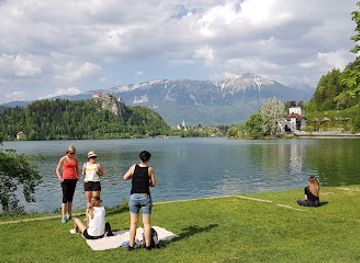
Experience the stunning vistas and rich heritage of Bled Castle, a historical gem perched over the breathtaking Lake Bled.
-
Tourist attraction
Predjama Castle
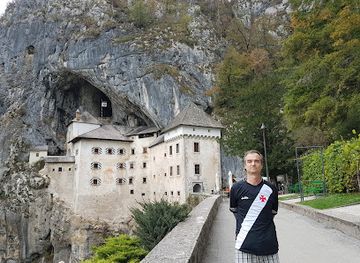
Discover the breathtaking Predjama Castle, a stunning medieval fortress nestled in Slovenia's cliffs, rich in history and architectural marvels.


Best landmarks in Zasavje
The most recognisable landmarks of Zasavje are closely tied to its industrial past and dramatic terrain. Trbovlje’s former mining landscape, including surviving industrial structures and workers’ neighbourhoods, expresses the scale of the coal economy that built the town. Hrastnik’s industrial character reflects its long glassmaking and mining traditions, while the valley settlements themselves form a linear architectural record of railway-led development. In Litija, the Sava and the historic market-town centre provide a more mercantile counterpart to the mining towns upstream. Above them all, Kum is the defining natural landmark of the region: its summit rises prominently over the Sava valleys and offers extensive views when conditions are clear. Hill churches, farmsteads, forest ridges and remnants of older estate and defensive sites add smaller landmarks along walking routes. Together these places show how Zasavje’s identity has been formed by the close presence of mountains, transport corridors, industry and rural land.
-
Tourist attraction
Gamberk Castle
Discover the enchanting Gamberk Castle in Slovenia, a historic fortress offering breathtaking views and a glimpse into the medieval past.
-
Museum
Zasavski muzej Trbovlje
Explore the rich industrial heritage of Slovenia at Zasavski muzej Trbovlje, a fascinating museum showcasing the region's historical significance.
-
Museum
Rudarski muzej Zagorje
Discover the fascinating mining history of Slovenia at Rudarski muzej Zagorje, where stories of miners and their craft come to life.
-
Local history museum
Virtualni muzej rudarstva 4. dritl
Explore Trbovlje's mining heritage at the Virtual Mining Museum, an engaging destination for history lovers and families seeking cultural enrichment.


Explore Zasavje on the map
Plan your trip on one map. See where the top cities, national parks and sights are, and book hotels and experiences in a few clicks.
Best hotels in Zasavje
Best restaurants in Zasavje
Dining in Zasavje is rooted in the hearty cooking associated with central Slovenian households and industrial communities. A regional speciality to look for is funšter, a simple buckwheat-based omelette traditionally linked with miners’ food and particularly associated with Zasavje. Menus in local inns and family restaurants may also feature soups, stews, dumplings, seasonal vegetables, pork, game and other Slovenian comfort food, alongside the country’s familiar pastries and cakes. Trbovlje, Zagorje ob Savi, Hrastnik and Litija have the broadest choice of cafés, bakeries and everyday restaurants, while rural surroundings are better suited to traditional inns and pre-planned meals than spontaneous restaurant-hopping. Food markets and local producers provide opportunities to find honey, preserves, dairy products and baked goods, although availability varies by season. Dining here is generally about regional home cooking and a relaxed meal rather than a concentrated fine-dining scene.
-
Coffee shop
ŠPICA CAFFE | kaval Group
Riverside oasis in Ljubljana where coffee rituals meet scenic tranquility, cocktails flow under green canopies, and urban life pauses amid the Ljubljanica's gentle flow.
-
Restaurant
K5 Restaurant and Cafe
Experience the flavors of Slovenia at K5 Restaurant and Cafe in Trbovlje – where every meal tells a story.
-
Restaurant
Naš hram, Psarn Branko s.p. restavracija in picerija naš hram
Discover the culinary treasures at Naš Hram Restaurant in Kisovec, where local flavors meet Italian inspiration in a cozy atmosphere.
-
Restaurant
Galerija okusov, Kulinarični turizem in storitve, d.o.o.
Discover the exquisite tastes of Slovenia at Galerija okusov, where culinary innovation meets local tradition in every dish.


Best bars in Zasavje
Evening life in Zasavje is modest and town-based, reflecting the region’s industrial settlements and dispersed hills rather than a large tourism economy. Trbovlje has the widest choice of cafés, pubs and cultural venues, while Zagorje ob Savi, Hrastnik and Litija offer local bars, restaurants and occasional live music or community events. Traditional pubs remain important social spaces, but the region’s evening culture also includes cinema, theatre, concerts and programmes hosted by cultural centres. Visitors should not expect a substantial nightclub circuit or late-night entertainment in the smaller towns, and rural areas become quiet after dinner. Breweries, wine and spirits are available within Slovenia’s wider drinking culture, but local evenings are just as often centred on conversation, food and community events as on nightlife. Check current programmes locally, since performances and seasonal events change.
-
Restaurant
K5 Restaurant and Cafe
Discover the delightful tastes of Slovenia at K5 Restaurant and Cafe, a must-visit culinary destination in Trbovlje with local flavors and a welcoming atmosphere.
-
Cafe
Hilman Bar
Experience the cozy atmosphere and delightful beverages at Hilman Bar, the perfect spot for tourists in Zagorje ob Savi.
-
Pub
Bar Maln
Discover the heart of Izlake at Bar Maln, a cozy pub offering local drinks, delicious snacks, and a welcoming atmosphere for all travelers.
-
Bar
Palma Bar
Experience the vibrant nightlife at Palma Bar in Trbovlje, Slovenia—your go-to spot for drinks and local culture.



Best nightclubs in Zasavje
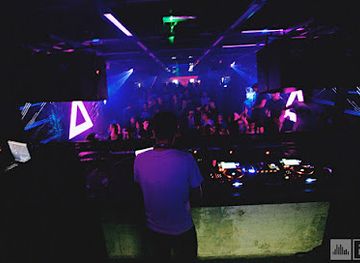
Evening life in Zasavje is modest and town-based, reflecting the region’s industrial settlements and dispersed hills rather than a large tourism economy. Trbovlje has the widest choice of cafés, pubs and cultural venues, while Zagorje ob Savi, Hrastnik and Litija offer local bars, restaurants and occasional live music or community events. Traditional pubs remain important social spaces, but the region’s evening culture also includes cinema, theatre, concerts and programmes hosted by cultural centres. Visitors should not expect a substantial nightclub circuit or late-night entertainment in the smaller towns, and rural areas become quiet after dinner. Breweries, wine and spirits are available within Slovenia’s wider drinking culture, but local evenings are just as often centred on conversation, food and community events as on nightlife. Check current programmes locally, since performances and seasonal events change.
-
Night club
Klub K4
Discover the vibrant nightlife of Ljubljana at Klub K4, the ultimate destination for music lovers and party enthusiasts.
-
Night club
Cirkus Klub
Experience the vibrant nightlife of Ljubljana at Cirkus Klub, where electrifying music and a lively atmosphere await you.
-
Night club
Hard Core Club
Dive into the heart of Ljubljana's nightlife at Hard Core Club, where great music and an electric atmosphere await.
-
Bar
Wallas Jože s.p. Wall - Club - Gostinstvo in gradbeništvo
Discover the vibrant nightlife at Wallas Jože, Trbovlje’s top bar for local drinks, live music, and unforgettable experiences.


Best shops in Zasavje
Shopping in Zasavje is concentrated in the centres of Trbovlje, Zagorje ob Savi, Hrastnik and Litija, where everyday high-street shops, bakeries, small cafés and practical services serve local communities. The region is not a major destination for luxury retail, but it suits visitors looking for food products, Slovenian wine, honey, preserves, crafts and locally made gifts. Market stalls and seasonal community events can provide a more direct connection with regional producers, although market days and product ranges vary. Small galleries, cultural venues and craft outlets may offer artwork or souvenirs linked to the mining and industrial heritage of the Sava valley. Litija has the feel of a traditional market town, while Trbovlje is the most useful place for finding mining-themed cultural material and local information. For dependable choice, combine regional shopping with larger Slovenian towns rather than expecting extensive retail facilities in the hills.
-
Market
Tuš market Trbovlje
Discover local flavors and vibrant community spirit at Tuš Market, Trbovlje's prime destination for fresh produce and Slovenian delicacies.
-
Store
Tuš market Zagorje
Experience the vibrant flavors of Slovenia at Tuš Market in Zagorje, where fresh produce and local specialties await every visitor.
-
Gift shop
Babushka Boutique
Explore Babushka Boutique in Ljubljana for unique gifts, local artisan crafts, and a taste of Slovenian culture.
-
Shopping mall
Tržnica Zagorje
Discover the vibrant shopping experience at Tržnica Zagorje, where local culture meets a diverse range of shops and culinary delights.


Get your free copy of our complete guide to Zasavje, delivered straight to you.
Everything on this page, from attractions and restaurants to essentials and local phrases, in one PDF you can read offline, print or share.
Already have an account? Sign in
Your Zasavje guide is ready.
We'll send it to · Not you? Sign out

Getting your guide ready…
We are putting together a fresh copy of the Zasavje guide. This can take up to a minute.
This can take a few moments. If your browser asks, choose Allow so the download can start. You'll find the guide in your Downloads folder.
Nothing happened? Download it again
Sorry, the guide is taking longer than usual. Please try again in a minute, or get it by email instead.
Zasavje essentials
Currency and Payment
Safety
Emergency Situations
Do's and Don'ts
Local Tips
From Eve
Local phrases worth knowing
You don't need to get them perfect. A few words go a long way, and locals appreciate the effort.
Basics
| English | Local | Say it |
|---|---|---|
| Hello | Zdravo | [zdrah-vo] |
| Goodbye | Nasvidenje | [nahs-vee-den-yeh] |
| Yes | Da | [dah] |
| No | Ne | [neh] |
| Please/You’re welcome | Prosim | [pro-seem] |
| Thank you | Hvala | [hvah-lah] |
| Excuse me/Sorry | Opravičujem se | [oh-prah-vee-choo-yem seh] |
| How are you? | Kako si? | [kah-koh see] |
| Fine. And you? | Dobro. In ti? | [doh-broh. in tee] |
| Do you speak English? | Ali govorite angleško? | [ah-lee goh-voh-ree-teh ahn-gleh-shkoh] |
| I don't understand | Ne razumem | [neh rah-zoo-mehm] |
Eating & Drinking
| English | Local | Say it |
|---|---|---|
| I’d like to see the menu, please | Rad bi videl jedilnik, prosim | [rahd bee vee-del yeh-deel-neek, pro-seem] |
| I don’t eat meat | Ne jem mesa | [neh yem meh-sah] |
| Cheers! | Na zdravje! | [nah zdrah-vyeh] |
| I would like to pay, please | Rad bi plačal, prosim | [rahd bee plah-chahl, pro-seem] |
Emergencies
| English | Local | Say it |
|---|---|---|
| Help! | Pomagajte! | [poh-mah-gah-yeh] |
| Go away! | Pojdi proč! | [poy-dee proch] |
| Call the Police! | Pokličite policijo! | [poh-klee-chee-teh poh-lee-tsee-yoh] |
| Call a doctor! | Pokličite zdravnika! | [poh-klee-chee-teh zdrav-nee-kah] |
| I’m lost | Izgubil sem se | [eez-goo-beel sem seh] |
| I’m ill | Bolim | [bo-leem] |
Shopping
| English | Local | Say it |
|---|---|---|
| I’d like to buy... | Rad bi kupil... | [rahd bee koo-peel] |
| I’m just looking | Samo gledam | [sah-moh gled-ahm] |
| How much is it? | Koliko stane? | [koh-lee-koh stah-neh] |
| That’s too expensive | To je predrago | [toh yeh preh-drah-goh] |
| Can you lower the price? | Lahko znižate ceno? | [lah-koh znee-zhah-teh tseh-noh] |
Time & Numbers
| English | Local | Say it |
|---|---|---|
| What time is it? | Koliko je ura? | [koh-lee-koh yeh oo-rah] |
| It’s one o’clock | Je ena ura | [yeh eh-nah oo-rah] |
| Half past (10) | Pol (10) | [pohl (10)] |
| Morning | Jutro | [yoo-troh] |
| Afternoon | Popoldne | [poh-pohld-neh] |
| Evening | Večer | [veh-cher] |
| Yesterday | Včeraj | [v-cheh-rye] |
| Today | Danes | [dah-nes] |
| Tomorrow | Jutri | [yoo-tree] |
| 1 | 1 | [1] |
| 2 | 2 | [2] |
| 3 | 3 | [3] |
| 4 | 4 | [4] |
| 5 | 5 | [5] |
| 6 | 6 | [6] |
| 7 | 7 | [7] |
| 8 | 8 | [8] |
| 9 | 9 | [9] |
| 10 | 10 | [10] |
Transport & Directions
| English | Local | Say it |
|---|---|---|
| Where's a/the...? | Kje je...? | [kyeh yeh] |
| What’s the address? | Kakšna je naslov? | [kak-shnah yeh nah-slohv] |
| Can you show me (on the map)? | Lahko mi pokažete (na zemljevidu)? | [lah-koh mee poh-kah-zheh-teh (nah zyeh-meh-vee-doo)] |
| When's the next (bus)? | Kdaj je naslednji (avtobus)? | [kdah yeh nah-sledn-yee (ow-toh-boos)] |
| A ticket (to ....) | Eno vozovnico (do....) | [eh-noh voh-zoh-vnee-tsoh (doh....)] |
History of Zasavje
Early settlement and the Sava corridor
The Sava valley has long been a natural route through central Slovenia, linking inland settlements and providing access through otherwise hilly terrain. Archaeological evidence from the wider area records prehistoric activity, while Roman roads and settlements used the river corridor as part of the communications network across the province of Noricum. Medieval communities later developed around river crossings, market functions, churches and estates. The valley’s geography remained decisive: transport, settlement and later industry were concentrated in the narrow lowlands, with scattered farms and villages occupying the slopes above.
Medieval estates and market communities
During the medieval period, the Zasavje area lay within a landscape of ecclesiastical and aristocratic estates linked to the feudal territories of central Slovenia. Castles, manor sites and fortified positions controlled routes and local resources, although many survive today mainly as ruins or archaeological traces. Litija developed as an important market settlement on the Sava, while smaller communities in the interior were shaped by church estates, farming and woodland use. These earlier administrative and economic patterns established the settlement framework that later industrial expansion would transform.
The rise of coal mining
Coal deposits gave Zasavje its modern identity. Mining expanded from the eighteenth century and accelerated during the nineteenth century, particularly around Trbovlje, Zagorje ob Savi and Hrastnik. The mines supplied fuel for railways, industry and urban growth in the Habsburg lands, drawing workers into the valleys and creating specialised mining communities. Shafts, spoil heaps, workers’ neighbourhoods, company facilities and miners’ associations altered both the physical landscape and social structure. Coal did not simply provide employment; it produced a distinct regional culture centred on dangerous work, mutual support and organised labour.
Railway and industrial development
The railway through the Sava valley, opened in the nineteenth century as part of the connection between Vienna and the Adriatic, transformed Zasavje’s economic geography. It made the coalfields more accessible to distant markets and encouraged related industries. Hrastnik became particularly known for glass production, while energy-intensive manufacturing and transport services reinforced the valley’s industrial role. Rail access also connected mining communities with Ljubljana, neighbouring regions and the wider Austro-Hungarian economy. Much of Zasavje’s built environment, including dense valley settlements and industrial infrastructure, reflects this period of rapid change.
Workers, strikes and political change
Mining created a politically conscious industrial population. Labour organisation, disputes over wages and working conditions, and the dangers of underground work made social questions central to life in the Zasavje towns. The region became associated with the broader development of the Slovenian workers’ movement and with strong interwar labour activism. During the Second World War, the occupation of Slovenia disrupted industrial life and brought repression, resistance and loss. After 1945, coal production was integrated into socialist Yugoslavia’s industrial economy, and public investment reshaped housing, welfare and cultural institutions.
The end of the coal era
The later twentieth century brought both the high point and the decline of Zasavje’s coal economy. Mechanical and industrial expansion supported employment and regional services, but changing energy policy, economic restructuring and the gradual exhaustion or unprofitability of mines led to closure and redundancy. The last major underground coal production in the Trbovlje-Hrastnik area ended in the 2010s. Since then, the region has faced the difficult transition from a specialised industrial economy towards services, small enterprise, tourism, culture and environmental renewal, while preserving mining history as a central part of its identity.
Zasavje in Photos
Browse through our photo collection highlighting the charm and character of the destination.
Neighbouring regions of Zasavje
The closest regions to Zasavje, if you have time for more than one.
-

-

-
-

-


Swipe for more regions
Explore more

Explore more of Slovenia
Discover Slovenia's stunning landscapes, rich cultural heritage, and delightful cuisine. A hidden gem in Europe, perfect for outdoor adventures, history, and culinary exploration.
Explore Slovenia