

Free Sava Travel Guide & Mobile App
Explore Sava with free travel guides. Discover regional history, expert tips, proposed trips, and audio guides on web or mobile app.


Discover the tranquil beauty of the Sava River in Slovenia, where nature, history, and culture blend seamlessly to offer a unique and memorable travel experience.
Read more about Sava
When is the best time to visit Sava?
Best: June–August · 25–27°C| Month | High (°C) | Rainfall (mm) |
|---|---|---|
| January | 4 | 60 |
| February | 6 | 50 |
| March | 11 | 60 |
| April | 15 | 70 |
| May | 20 | 80 |
| June (best) | 25 | 80 |
| July (best) | 27 | 70 |
| August (best) | 26 | 70 |
| September | 21 | 60 |
| October | 16 | 60 |
| November | 10 | 70 |
| December | 5 | 70 |
Getting to and around Sava
How to get there
Transportation
Best attractions in Sava
Nestled in the heart of Slovenia, the Sava region offers an enchanting blend of natural beauty and rich history that captivates every visitor. Explore the picturesque banks of the Sava River, perfect for serene boat rides and invigorating hikes, and discover the lush landscapes that stretch as far as the eye can see. Immerse yourself in centuries-old traditions by visiting charming villages where time seems to stand still, and marvel at the stunning medieval castles that dot the region, each with its own fascinating story to tell. Don't miss the opportunity to visit the pristine Triglav National Park, home to diverse flora and fauna, and the awe-inspiring Vintgar Gorge, a natural wonder that promises breathtaking views and unforgettable experiences. Whether you're drawn to the tranquility of nature or the allure of historical landmarks, Sava's attractions offer a perfect getaway for every kind of traveler.
-
Nature preserve
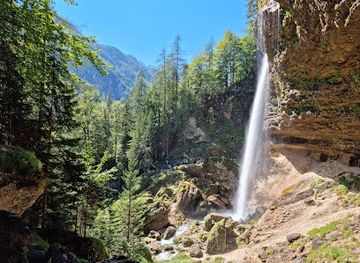
Waterfall Peričnik
Experience the breathtaking beauty of Waterfall Peričnik in Slovenia's Triglav National Park – a must-see natural wonder for all nature lovers and adventure seekers.
-
Tourist attraction
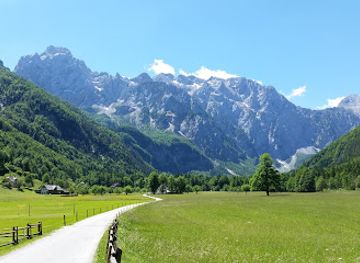
Logar Valley
Explore the breathtaking landscapes and outdoor adventures in Logar Valley, a hidden gem in Slovenia's stunning alpine region.
-
Convention center
Exhibition and Convention Centre
Explore Ljubljana's vibrant Exhibition and Convention Centre, a hub of culture, trade, and innovation that delights every visitor.
-
Park
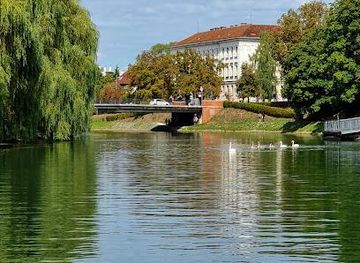
Park Špica
Discover the serene beauty of Park Špica, a picturesque oasis in Ljubljana perfect for relaxation, recreation, and cultural experiences.

Best landmarks in Sava
Sava in Slovenia is a hidden gem waiting to be explored, offering a blend of natural beauty and historical intrigue. Visitors can marvel at the stunning Sava River, which winds through the landscape, providing picturesque views perfect for photography and leisurely walks. The ancient town of Kranj, perched along the riverbanks, boasts medieval architecture, charming cobblestone streets, and the fascinating Khislstein Castle, which houses a museum rich in local history. Outdoor enthusiasts can venture into the lush forests and rolling hills surrounding the area, ideal for hiking and cycling. Don't miss the serene Lake Zbilje, a tranquil spot for boating and picnicking, or the captivating St. Cantianus Church with its remarkable frescoes. Sava is also a gateway to the Julian Alps, making it an excellent base for exploring Slovenia's breathtaking mountain scenery.
-
Tourist attraction
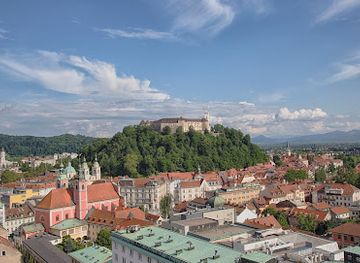
Ljubljana Castle
Explore the historic Ljubljana Castle, a majestic medieval fortress offering stunning views, rich culture, and captivating exhibitions in the heart of Slovenia.
-
Tourist attraction
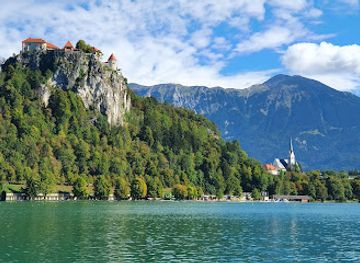
Bled Castle
Discover the enchanting Bled Castle, a medieval marvel offering rich history, stunning views of Lake Bled, and a glimpse into Slovenia's vibrant culture.
-
National park
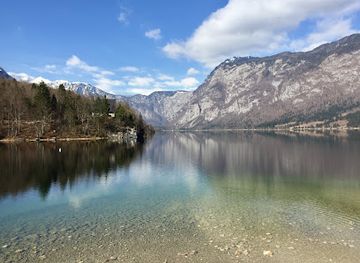
Triglav National Park
Experience the breathtaking beauty of Triglav National Park, Slovenia's only national park, home to majestic mountains, serene lakes, and rich wildlife.
-
Tourist attraction
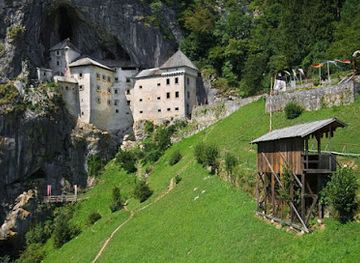
Predjama Castle
Discover the enchanting Predjama Castle, a stunning medieval fortress nestled within a cliff, blending history and breathtaking natural beauty in Slovenia.
Explore Sava on the map
Plan your trip on one map. See where the top cities, national parks and sights are, and book hotels and experiences in a few clicks.
Best hotels in Sava
Best restaurants in Sava
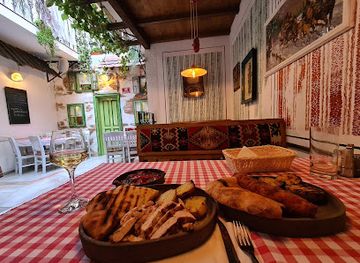
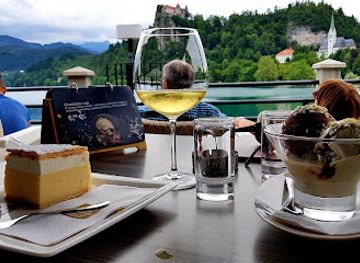
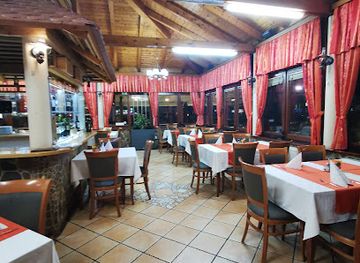
Nestled along the banks of the picturesque Sava River, the dining scene in Sava, Slovenia, is a veritable tapestry of flavors that showcases both traditional Slovenian cuisine and contemporary culinary innovations. Visitors can expect to savor hearty dishes like 'žganci,' a cornmeal-based staple often served with savory sauces, and 'potica,' a sweet rolled pastry filled with nuts and spices. The local restaurants pride themselves on using fresh, locally sourced ingredients, bringing the vibrant tastes of the region directly to your table. For those with a more adventurous palate, the fusion of Mediterranean and Alpine influences offers an array of seafood and game dishes that are sure to tantalize the taste buds. Rustic taverns, riverside cafes, and elegant fine dining establishments provide a variety of ambiances, ensuring that every meal is not just a culinary delight but also a memorable experience.
-
Restaurant
Baščaršija (Maribor Poštna)
Discover authentic Slovenian flavors at Baščaršija in Maribor – where tradition meets culinary artistry.
-
Restaurant
Kavarna Park
Discover culinary excellence at Kavarna Park in Bled - where exquisite flavors meet stunning lake views.
-
Restaurant
Gostilna Amerika
Experience authentic Slovenian cuisine at Gostilna Amerika in Celje—where tradition meets flavor.
-
Restaurant
Ošterija Žogica
Experience authentic Slovenian cuisine at Ošterija Žogica in Solkan – where tradition meets taste in every dish.

Best bars in Sava
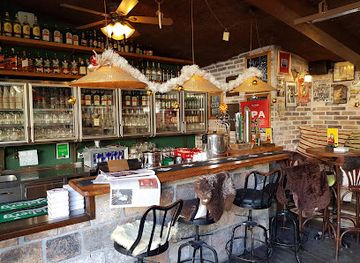
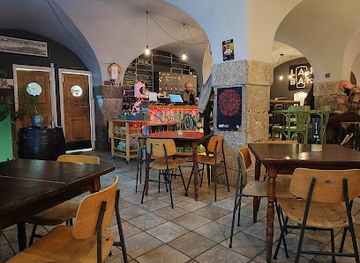
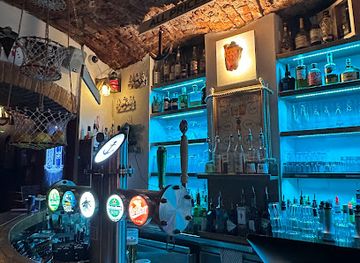
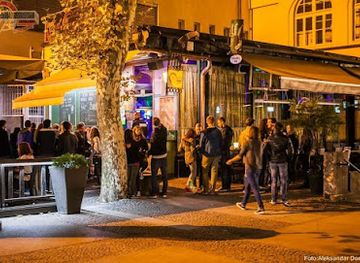
Sava's nightlife scene is an alluring blend of modern sophistication and historic charm, offering visitors a unique experience that caters to a variety of tastes. As twilight descends, the town's vibrant bars and nightclubs come alive, each exuding a distinctive atmosphere. For those seeking a taste of local culture, traditional inns offer lively folk music and delectable Slovenian cuisine, while contemporary lounges serve up innovative cocktails and pulsating beats spun by local DJs. The historic center, with its cobblestone streets and medieval architecture, transforms into a bustling hub of activity, where outdoor terraces provide the perfect setting for socializing under the stars. Whether you're dancing the night away in a trendy club, enjoying a quiet drink in a cozy pub, or mingling with locals at a bustling street festival, Sava's nightlife promises an unforgettable experience.
-
Bar
Cutty Sark Pub
Discover the lively Cutty Sark Pub in Ljubljana, where great drinks, a vibrant atmosphere, and friendly locals await every visitor.
-
Beer hall
Pub Lajbah
Discover the lively ambiance of Pub Lajbah, a fusion restaurant and beer hall along the Ljubljanica River in Ljubljana, perfect for food and beer lovers.
-
Bar
Captain's Cabin
Discover the charm of Captain's Cabin, a cozy bar in Ljubljana offering affordable drinks and a unique nautical atmosphere perfect for relaxation.
-
Bar
Parlament pub
Discover the vibrant atmosphere of Parlament Pub, a local favorite in Ljubljana, offering a wide selection of drinks and a taste of Slovenian culture.
Best nightclubs in Sava
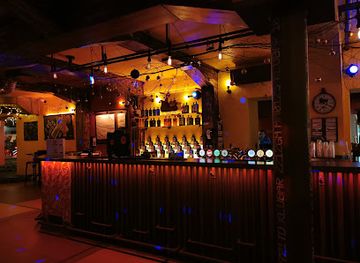
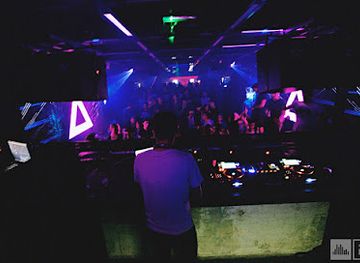
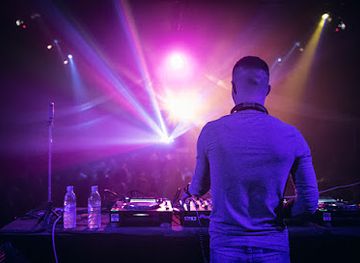
Sava's nightlife scene is an alluring blend of modern sophistication and historic charm, offering visitors a unique experience that caters to a variety of tastes. As twilight descends, the town's vibrant bars and nightclubs come alive, each exuding a distinctive atmosphere. For those seeking a taste of local culture, traditional inns offer lively folk music and delectable Slovenian cuisine, while contemporary lounges serve up innovative cocktails and pulsating beats spun by local DJs. The historic center, with its cobblestone streets and medieval architecture, transforms into a bustling hub of activity, where outdoor terraces provide the perfect setting for socializing under the stars. Whether you're dancing the night away in a trendy club, enjoying a quiet drink in a cozy pub, or mingling with locals at a bustling street festival, Sava's nightlife promises an unforgettable experience.
-
Grill
KluBar
Discover KluBar in Kranj for an exciting blend of grilled delights, live music, and nightlife, making it a must-visit for every traveler.
-
Night club
Klub K4
Experience the heartbeat of Ljubljana's nightlife at Klub K4, a vibrant night club offering electrifying music and an unforgettable atmosphere.
-
Night club
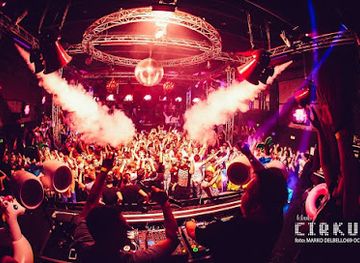
Cirkus Klub
Experience the vibrant nightlife of Ljubljana at Cirkus Klub, where great music and an electrifying atmosphere await you!
-
Night club
Bazen Kranj Club
Discover the vibrant nightlife at Bazen Kranj Club - a hub for music, laughter, and unforgettable experiences in Kranj, Slovenia.
Best shops in Sava
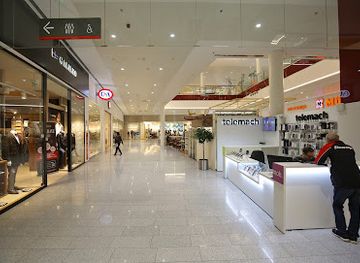
The shopping scene in Sava, Slovenia, is a delightful blend of charming local boutiques, artisanal craft stores, and bustling open-air markets. Visitors can meander through quaint streets lined with shops that offer an array of unique Slovenian products, from hand-crafted ceramics and traditional lacework to locally produced wines and gourmet treats. The vibrant markets are a treasure trove for those looking to immerse themselves in local culture, offering fresh produce, homemade cheeses, and beautifully arranged flower stalls. Additionally, Sava's shopping districts are peppered with modern conveniences, ensuring that visitors can also find international brands and contemporary fashion. The atmosphere is warm and inviting, making every shopping excursion an opportunity to discover the rich heritage and creativity of the Slovenian people.
-
Shopping mall
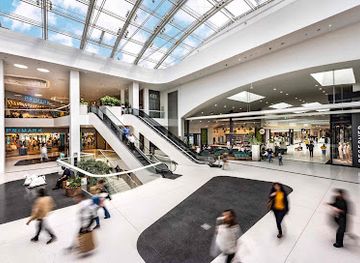
BTC City Ljubljana
Explore the vibrant BTC City Ljubljana, a premier shopping and cultural hub offering a diverse range of shops, dining, and entertainment in Slovenia.
-
Store
Shopping Center Citypark
Discover a diverse shopping experience at Citypark, Ljubljana's premier shopping center featuring stores, cafes, and entertainment options for everyone.
-
Store
Shopping center Europark Maribor
Explore Europark Maribor, Slovenia's premier shopping center with a diverse selection of stores, dining options, and entertainment experiences.
-
Shopping mall
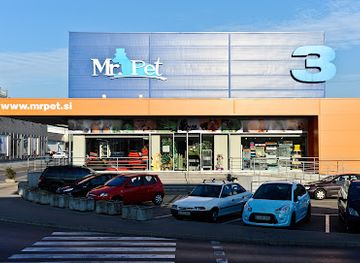
Supernova Ljubljana Rudnik
Experience shopping, dining, and entertainment all in one place at Supernova Ljubljana Rudnik, a premier shopping destination in Slovenia.

Get your free copy of our complete guide to Sava, delivered straight to you.
Everything on this page, from attractions and restaurants to essentials and local phrases, in one PDF you can read offline, print or share.
Already have an account? Sign in
Your Sava guide is ready.
We'll send it to · Not you? Sign out

Getting your guide ready…
We are putting together a fresh copy of the Sava guide. This can take up to a minute.
This can take a few moments. If your browser asks, choose Allow so the download can start. You'll find the guide in your Downloads folder.
Nothing happened? Download it again
Sorry, the guide is taking longer than usual. Please try again in a minute, or get it by email instead.
Sava essentials
Currency and Payment
Safety
Emergency Situations
Do's and Don'ts
Local Tips
From Eve
Local phrases worth knowing
You don't need to get them perfect. A few words go a long way, and locals appreciate the effort.
Basics
| English | Local | Say it |
|---|---|---|
| Hello | Ahoj | [ahoy] |
| Goodbye | Zbogom | [zboh-gom] |
| Yes | Da | [dah] |
| No | Ne | [neh] |
| Please/You're welcome | Molim | [moh-leem] |
| Thank you | Hvala | [hvah-lah] |
| Excuse me/Sorry | Izvinite | [eez-vee-nee-teh] |
| How are you? | Kako si? | [kah-koh see] |
| Fine. And you? | Dobro. A ti? | [doh-broh. ah tee?] |
| Do you speak English? | Govoriš li engleski? | [goh-voh-reesh lee en-gles-kee?] |
| I don't understand | Ne razumem | [neh rah-zoo-mehm] |
Eating & Drinking
| English | Local | Say it |
|---|---|---|
| I'd like to see the menu, please | Hteo bih da vidim meni, molim | [hteh-oh beeh da vee-deem meh-nee, moh-leem] |
| I don't eat meat | Ne jedem meso | [neh ye-dem meh-so] |
| Cheers! | Živeli! | [zhee-veh-lee] |
| I would like to pay, please | Želeo bih da platim, molim | [zheh-leh-oh beeh da plah-teem, moh-leem] |
Emergencies
| English | Local | Say it |
|---|---|---|
| Help! | Pomoć! | [poh-mohch] |
| Go away! | Idi mi! | [ee-dee mee] |
| Call the Police! | Pozovite policiju! | [poh-zoh-vee-teh poh-lee-tsee-yoo] |
| Call a doctor! | Pozovite doktora! | [poh-zoh-vee-teh dok-toh-rah] |
| I'm lost | Izgubio sam se | [eez-goo-bee-oh sahm seh] |
| I'm ill | Bolestan sam | [boh-leh-stahn sahm] |
Shopping
| English | Local | Say it |
|---|---|---|
| I'd like to buy... | Hteo bih da kupim... | [hteh-oh beeh da koo-peem] |
| I'm just looking | Samo gledam | [sah-moh gledaam] |
| How much is it? | Koliko košta? | [koh-lee-koh kosh-tah?] |
| That's too expensive | To je preskupo | [toh yeh preh-skoo-poh] |
| Can you lower the price? | Možeš li spustiti cenu? | [moh-zhehsh lee spoo-stee-tee tseh-noo?] |
Time & Numbers
| English | Local | Say it |
|---|---|---|
| What time is it? | Koliko je sati? | [koh-lee-koh yeh sah-tee?] |
| It's one o'clock | Jedan je sat | [yeh-dahn yeh saht] |
| Half past (10) | Polovina (10) | [poh-loh-vee-nah] |
| Morning | Jutro | [yoo-troh] |
| Afternoon | Popodne | [poh-poh-dneh] |
| Evening | Veče | [veh-cheh] |
| Yesterday | Juče | [yoo-cheh] |
| Today | Danas | [dah-nahs] |
| Tomorrow | Sutra | [soo-trah] |
| 1 | Jedan | [yeh-dahn] |
| 2 | Dva | [dah-vah] |
| 3 | Tri | [tree] |
| 4 | Četiri | [cheh-tee-ree] |
| 5 | Pet | [peht] |
| 6 | Šest | [shest] |
| 7 | Sedam | [seh-dahm] |
| 8 | Osam | [oh-sahm] |
| 9 | Devet | [deh-vet] |
| 10 | Deset | [deh-set] |
Transport & Directions
| English | Local | Say it |
|---|---|---|
| Where's a/the...? | Gde je...? | [gdeh yeh] |
| What's the address? | Koja je adresa? | [koh-yah yeh ah-dreh-sah] |
| Can you show me (on the map)? | Možeš li mi pokazati (na mapi)? | [moh-zhehsh lee mee poh-kah-zah-tee (nah mah-pee)?] |
| When's the next (bus)? | Kada je sledeći (autobus)? | [kah-dah yeh sleh-deh-chee (ow-toh-boos)?] |
| A ticket (to ....) | Jedna karta (do ...) | [yeh-dnah kahr-tah (doh ...)] |
History of Sava
Ancient Beginnings: The Roman Influence
The region of Sava in Slovenia has its roots deeply intertwined with the Roman Empire. Archaeological findings indicate that the area was a significant part of the Roman province of Noricum. Remnants of Roman roads and settlements can still be observed today, providing a glimpse into the region's ancient past. The Romans were instrumental in developing early infrastructure, including roads and bridges, which facilitated trade and communication across the region.
Medieval Fortifications and Castles
During the medieval period, Sava was marked by the construction of numerous fortifications and castles, reflecting the region's strategic importance. Notable among these is the Bogenšperk Castle, a well-preserved Renaissance castle that played a critical role in the defense of the region. These medieval structures not only served military purposes but also became centers of local administration and cultural life.
The Habsburg Era: A Time of Transformation
Under the rule of the Habsburg Monarchy, Sava experienced significant social and economic changes. The region became integrated into the broader Habsburg territories, which brought about advancements in agriculture, trade, and industry. This period also saw the introduction of new architectural styles and the flourishing of arts and crafts, leaving a lasting impact on the cultural landscape of Sava.
Industrial Revolution and Economic Growth
The 19th century Industrial Revolution brought profound changes to Sava. The establishment of industries, particularly in mining and manufacturing, spurred economic growth and urbanization. Railways and other forms of infrastructure were developed, enhancing connectivity and fostering commerce. This era marked a transition from a predominantly agrarian society to a more industrialized and diversified economy.
World War II and the Resistance Movement
During World War II, Sava, like much of Slovenia, was subjected to occupation by Axis forces. The local population actively participated in the resistance movement, contributing to the broader efforts of the Partisans. This period was marked by significant hardship, but also by acts of bravery and solidarity. Monuments and memorials scattered throughout the region serve as poignant reminders of the sacrifices made during this tumultuous time.
Post-War Reconstruction and Modern Development
In the aftermath of World War II, Sava underwent extensive reconstruction and development. The region became part of the Socialist Federal Republic of Yugoslavia, which led to further industrialization and modernization efforts. Public infrastructure, education, and healthcare systems were expanded, contributing to improved living standards. In recent decades, Sava has embraced its rich heritage while also integrating into the broader European context, fostering tourism and cultural exchange.
Sava in Photos
Browse through our photo collection highlighting the charm and character of the destination.
Neighbouring regions of Sava
The closest regions to Sava, if you have time for more than one.
-

-

-

-

-


Swipe for more regions
Explore more

Explore more of Slovenia
Discover Slovenia's stunning landscapes, rich cultural heritage, and delightful cuisine. A hidden gem in Europe, perfect for outdoor adventures, history, and culinary exploration.
Explore Slovenia