

Hout Bay (Cape Town) Travel Guide - Free
Explore Hout Bay in Cape Town with Evendo's free guide. Find the best shops, historic streets, restaurants, and gems on web or mobile.





Hout Bay in Cape Town pairs a working harbour, Atlantic beach, mountain trails, local markets and Chapman’s Peak scenery with a distinctive village atmosphere.
A Bay Shaped by Mountains and Sea
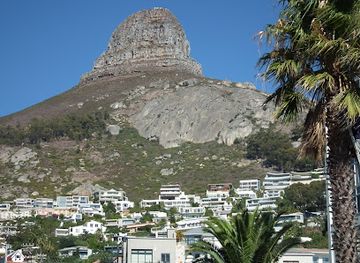
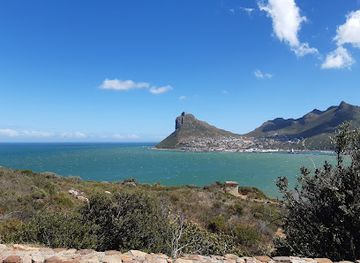
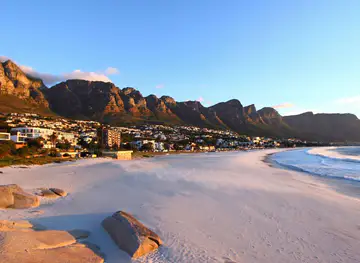
Hout Bay occupies a broad, amphitheatre-like valley on Cape Town’s Atlantic side, enclosed by Table Mountain National Park and opening towards a long beach and working harbour. Its name, derived from the Dutch Houtbaai, or “Wood Bay”, reflects the timber forests that early colonial settlers exploited in the surrounding mountains. Today, the area retains a recognisable village character while remaining firmly connected to the wider city by scenic coastal roads.Read more about Hout Bay
Harbour, Beach and Open Landscapes
A Mixed Local Identity
Best attractions in Hout Bay
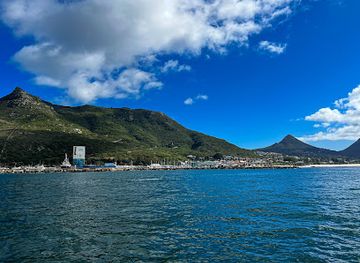
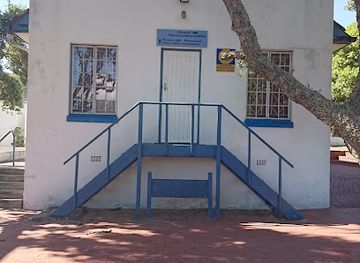
Hout Bay’s attractions are concentrated around its meeting point of ocean, harbour and mountain. Hout Bay Beach provides a broad stretch of sand with views towards the Sentinel, while the working harbour offers boat trips, seafood outlets and a close look at the area’s maritime economy. Bay Harbour Market occupies a former fish factory and combines food, design stalls, crafts and live entertainment in an informal waterfront setting. Hout Bay Museum, on Andrews Road, presents local natural and social history, and the World of Birds Wildlife Sanctuary on Valley Road is one of the neighbourhood’s best-known family attractions. Chapman’s Peak Drive begins at the southern edge of the bay, offering a dramatic coastal route when open. Trails and viewpoints in Table Mountain National Park add opportunities for walking and landscape photography, subject to access, weather and conservation conditions.
-
Tourist attraction
Bay Harbour Market
Discover the local flavors and crafts at Bay Harbour Market, a vibrant hub in Hout Bay, Cape Town. Experience culinary delights and unique artisanal goods.
7 min drive · 2.4 km from neighbourhood centre
-
Scenic spot
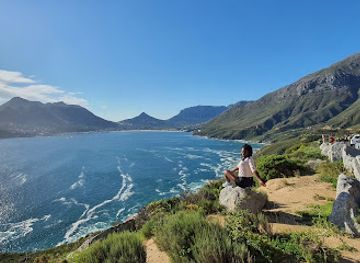
Chapman's Peak Drive
Discover the breathtaking beauty of Chapman's Peak Drive, a scenic route offering stunning ocean views and hiking adventures in Cape Town.
7 min drive · 2.3 km from neighbourhood centre
-
Tourist attraction
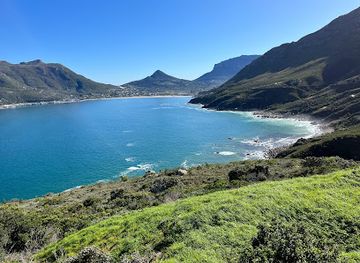
Lookout
Discover the breathtaking views of Chapman's Peak Lookout, where mountains meet the ocean in a stunning display of natural beauty.
14 min drive · 4.5 km from neighbourhood centre
-
Tourist attraction
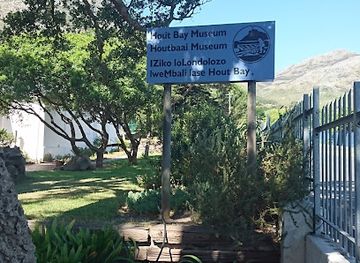
Hout Bay Museum
Explore the history and culture of Hout Bay at the Hout Bay Museum, a captivating destination for all travelers.
17 min walk · 1.4 km from neighbourhood centre
Best landmarks in Hout Bay
Hout Bay Harbour is the neighbourhood’s defining built landmark, combining fishing infrastructure, boats, marine businesses and waterfront views with the memory of the area’s long maritime economy. Hout Bay Beach and the Sentinel create a recognisable natural frame, while the steep mountain walls explain the valley’s historic separation from central Cape Town. Hout Bay Museum is important for preserving local stories of settlement, farming, fishing and natural history. Chapman’s Peak Drive, beginning on the bay’s southern side, is both an engineering landmark and a celebrated route through the mountains, although it lies within a wider road landscape rather than a compact town centre. The former fish-factory buildings now used by Bay Harbour Market also embody the area’s transition from industrial fishing premises to cultural and visitor-oriented spaces without erasing the harbour’s working role.
-
Park
World of Birds Wildlife Sanctuary & Monkey Park
Discover a vibrant sanctuary for birds and wildlife in Hout Bay, Cape Town, featuring thousands of avian species and playful monkeys in a lush setting.
7 min drive · 2.2 km from neighbourhood centre
-
Boat tour agency
Circe Launches
Explore the breathtaking coastline of Cape Town with exhilarating boat tours at Circe Launches, located in the beautiful Hout Bay Harbour.
5 min drive · 1.8 km from neighbourhood centre
-
Museum
Hout Bay Museum
Discover the captivating history of Hout Bay at the Hout Bay Museum, where local heritage and culture come alive through engaging exhibits.
17 min walk · 1.4 km from neighbourhood centre
-
Historical landmark
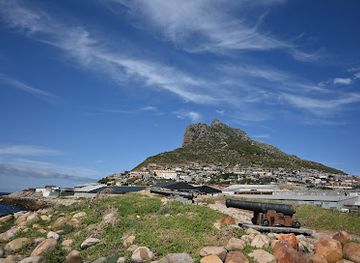
East Fort (upper) | the Cook House
Discover East Fort at the Cook House: A Historical Treasure within the Scenic Table Mountain National Park, Cape Town's Natural Wonder.
9 min drive · 3.0 km from neighbourhood centre
Explore Hout Bay on the map
A handpicked selection of must-see spots in Hout Bay, mapped for you.
Best hotels in Hout Bay
Best restaurants in Hout Bay
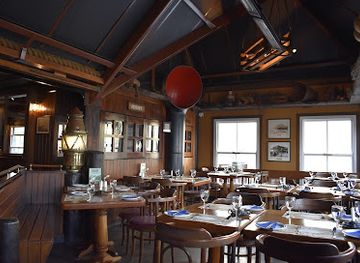
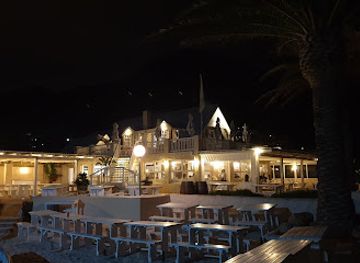
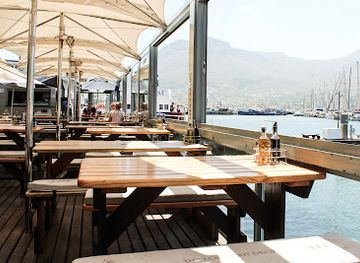
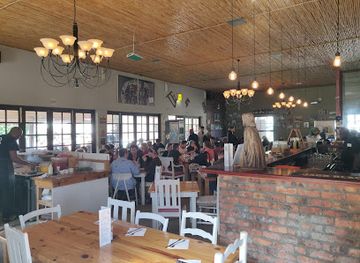
Hout Bay’s dining scene is closely tied to the harbour and its coastal setting, with seafood restaurants, casual fish counters, cafés and market stalls forming the strongest local thread. Mariner’s Wharf is a familiar waterfront stop for fish-focused meals and harbour views, while Fish on the Rocks has long been associated with informal takeaway seafood near the water. Bay Harbour Market broadens the choice with food stands reflecting contemporary Cape Town tastes, and restaurants around the village and beach offer everything from relaxed breakfasts to more polished dinners. Menus and individual businesses change, so the area is better understood as a collection of harbour, beach and market food experiences than as a single culinary district. The combination of fishing activity, Atlantic produce and a socially mixed local population gives eating in Hout Bay a more coastal and informal character than dining in Cape Town’s central restaurant quarters.
-
Restaurant
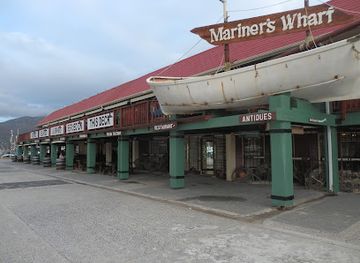
Mariner's Wharf Harbour Front Emporium
Experience fresh seafood delights at Mariner's Wharf Harbour Front Emporium with stunning ocean views in beautiful Hout Bay.
5 min drive · 1.6 km from neighbourhood centre
-
Restaurant
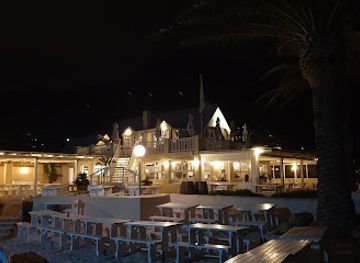
Dunes Beach Restaurant & Bar
Experience coastal dining at Dunes Beach Restaurant & Bar in Cape Town; enjoy breathtaking views and delicious cuisine in a vibrant atmosphere.
5 min drive · 1.7 km from neighbourhood centre
-
Restaurant
The Lookout Hout Bay
Experience unforgettable dining with stunning ocean views at The Lookout Hout Bay - where fresh flavors meet breathtaking scenery.
6 min drive · 1.9 km from neighbourhood centre
-
Italian
Massimo's
Experience authentic Italian cuisine at Massimo's in Hout Bay – where every meal is a celebration of flavor amidst stunning scenery.
9 min drive · 2.9 km from neighbourhood centre
Best bars in Hout Bay
Hout Bay’s evenings are generally relaxed rather than club-focused. The harbour and village contain casual bars, restaurant terraces and places for a drink after a day at the beach or on the mountain, while Bay Harbour Market is known for an evening atmosphere built around food, music and craft stalls when operating after dark. The area does not have the concentrated nightclub circuit found in Cape Town’s city centre, Long Street or the Kloof Street district; nightlife is more likely to involve a meal, live entertainment or a local gathering than late-night clubbing. Visitors should arrange transport in advance if moving between the beach, harbour and upper valley, as Hout Bay is geographically spread out and public transport choices become more limited later in the evening. Residential streets call for quiet behaviour after leaving busy venues.
-
Bar
Dunes Beach Restaurant & Bar
Experience the perfect seaside escape at Dunes Beach Restaurant & Bar, where delicious cuisine meets breathtaking ocean views in Cape Town.
5 min drive · 1.7 km from neighbourhood centre
-
Restaurant
Woodcutters Arms
Discover the flavors of South Africa at Woodcutters Arms in Hout Bay, where local cuisine meets rustic charm for an unforgettable dining experience.
19 min walk · 1.5 km from neighbourhood centre
-
Restaurant
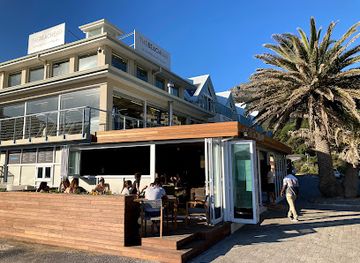
The Beach Bar
Discover the coastal charm of The Beach Bar in Cape Town, where delicious cuisine meets breathtaking ocean views for an unforgettable dining experience.
6 min drive · 1.9 km from neighbourhood centre
-
Pub
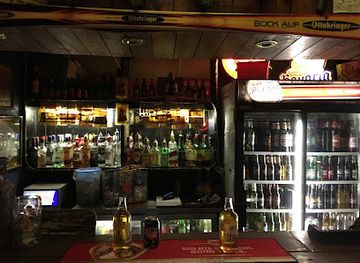
The Workshop Pub
Experience the essence of South African culture at The Workshop Pub in Hout Bay, where good food, drinks, and friendly faces await.
5 min drive · 1.8 km from neighbourhood centre

Best nightclubs in Hout Bay
Hout Bay’s evenings are generally relaxed rather than club-focused. The harbour and village contain casual bars, restaurant terraces and places for a drink after a day at the beach or on the mountain, while Bay Harbour Market is known for an evening atmosphere built around food, music and craft stalls when operating after dark. The area does not have the concentrated nightclub circuit found in Cape Town’s city centre, Long Street or the Kloof Street district; nightlife is more likely to involve a meal, live entertainment or a local gathering than late-night clubbing. Visitors should arrange transport in advance if moving between the beach, harbour and upper valley, as Hout Bay is geographically spread out and public transport choices become more limited later in the evening. Residential streets call for quiet behaviour after leaving busy venues.
-
Pub
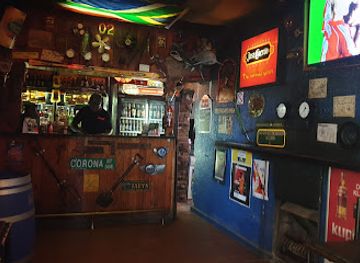
The Workshop Pub
Experience the vibrant atmosphere and delectable offerings at The Workshop Pub in Hout Bay, where local flavors meet warm hospitality.
5 min drive · 1.8 km from neighbourhood centre
-
Bar
Shirley's
Experience the vibrant nightlife and cozy atmosphere at Shirley's, Hout Bay's favorite bar for locals and tourists alike.
12 min walk · 0.9 km from neighbourhood centre
-
Adult entertainment club
EPICURE CLUB
Discover the allure of Epicure Club in Cape Town, where luxury meets adult entertainment in an unforgettable experience.
5 min drive · 1.6 km from neighbourhood centre
-
Bar
Cheroots
Experience the vibrant nightlife of Hout Bay at Cheroots, a bar known for its exceptional atmosphere and diverse drink offerings.
10 min walk · 0.8 km from neighbourhood centre


Best shops in Hout Bay
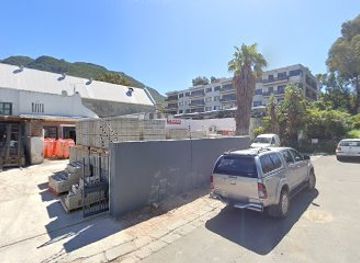
Shopping in Hout Bay is centred on local-scale retail, harbour commerce and weekend markets rather than a major enclosed shopping district. Bay Harbour Market is the most distinctive visitor-oriented option, with stalls selling crafts, clothing, jewellery, design items and locally produced goods alongside food. The harbour area also contains businesses associated with fishing and seafood, while village shops and cafés provide everyday provisions rather than a single specialist retail experience. Around the beach and Valley Road, visitors will find small independent businesses and practical services, but stock and trading arrangements can change. Hout Bay’s shopping identity is therefore strongest when browsing handmade goods, market produce and informal design stalls, with purchases made directly from small traders. Visitors should ask before photographing displays or people and should carry a secure bag for valuables in crowded market spaces.
-
Boutique
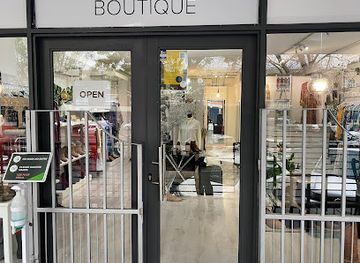
Mila's Boutique
Explore Mila's Boutique in Hout Bay for unique fashion that celebrates South African culture, crafted by local artisans.
5 min drive · 1.8 km from neighbourhood centre
-
Gift shop
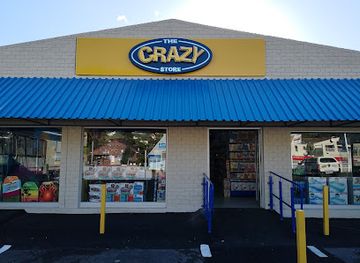
The Crazy Store Hout Bay
Explore The Crazy Store Hout Bay for unique gifts, toys, and home essentials in the heart of Cape Town's picturesque Hout Bay.
11 min walk · 0.9 km from neighbourhood centre
-
Antique store
Ye Olde Artifact Cove & Shipwreck Shoppe
Explore unique marine antiques and curiosities at Ye Olde Artifact Cove & Shipwreck Shoppe in Hout Bay, a treasure trove for history enthusiasts.
5 min drive · 1.6 km from neighbourhood centre
-
Boutique
This Shop Rox!
Explore a treasure trove of unique handcrafted goods at This Shop Rox!, a boutique in Hout Bay, Cape Town, perfect for memorable souvenirs.
5 min drive · 1.8 km from neighbourhood centre

From Eve
Local phrases worth knowing
You don't need to get them perfect. A few words go a long way, and locals appreciate the effort.
Basics
| English | Local | Say it |
|---|---|---|
| Hello | Molo | [moh-loh] |
| Goodbye | Sala kakuhle | [sah-lah kah-koo-leh] |
| Yes | Ewe | [eh-weh] |
| No | Cha | [chah] |
| Please/You're welcome | Nceda | [n-chay-dah] |
| Thank you | Ngiyabonga | [nee-yah-bohn-gah] |
| Excuse me/Sorry | Uxolo | [oo-koh-loh] |
| How are you? | Unjani? | [oon-jah-nee] |
| Fine. And you? | Ngiyaphila. Wena? | [nee-yah-pee-lah. way-nah] |
| Do you speak English? | Ukhuluma isiNgisi? | [oo-koo-loo-mah ee-see-ng-ee-see] |
| I don't understand | Andazi | [ahn-dah-zee] |
Eating & Drinking
| English | Local | Say it |
|---|---|---|
| I'd like to see the menu, please | Ndicela ukubona imenyu, nceda | [n-dee-chay-lah oo-koo-boh-nah ee-men-yoo, n-chay-dah] |
| I don't eat meat | Andiyi kudla inyama | [ahn-dee-yee koo-dlah ee-nyah-mah] |
| Cheers! | Ooyise! | [oh-ee-say] |
| I would like to pay, please | Ndicela ukulipha, nceda | [n-dee-chay-lah oo-koo-lee-pah, n-chay-dah] |
Emergencies
| English | Local | Say it |
|---|---|---|
| Help! | Nceda! | [n-chay-dah] |
| Go away! | Hamba! | [hahm-bah] |
| Call the Police! | Vula amapolisa! | [voo-lah ah-mah-poh-lee-sah] |
| Call a doctor! | Vula umdlali! | [voo-lah oom-dlah-lee] |
| I'm lost | Ndandisele | [n-dahn-dee-seh-leh] |
| I'm ill | Ndine udokotela | [n-dee-neh oo-doh-koh-teh-lah] |
Shopping
| English | Local | Say it |
|---|---|---|
| I'd like to buy... | Ndicela ukuthenga... | [n-dee-chay-lah oo-koo-ten-gah] |
| I'm just looking | Ndizohlala ndihleli | [n-dee-zoh-hlah-lah n-dee-hleh-lee] |
| How much is it? | Yimalini le? | [yee-mah-lee-nee leh] |
| That's too expensive | Le kwiRha kakhulu | [leh kwee-ruh kah-khoo-loo] |
| Can you lower the price? | Uyakwazi ukunceda isilinganiso? | [oo-yah-kwah-zee oo-koon-chay-dah ee-see-lee-ngah-nee-so] |
Time & Numbers
| English | Local | Say it |
|---|---|---|
| What time is it? | Yintoni ixesha? | [yee-ntoh-nee ee-kheh-shah] |
| It's one o'clock | Yilapha i-ndyana | [yee-lah-pah ee-ndyah-nah] |
| Half past (10) | Ilimanzi (10) | [ee-lee-mahn-zee] |
| Morning | Ebusuku | [eh-boo-soo-koo] |
| Afternoon | Emini | [eh-mee-nee] |
| Evening | Ebusika | [eh-boo-see-kah] |
| Yesterday | Izolo | [ee-zoh-loh] |
| Today | Namhlanje | [nahm-hlahn-jeh] |
| Tomorrow | Kusasa | [koo-sah-sah] |
| 1 | Kunye | [koo-nyeh] |
| 2 | Kubili | [koo-bee-lee] |
| 3 | Kuthathu | [koo-tah-too] |
| 4 | Kune | [koo-neh] |
| 5 | Kuhlanu | [koo-hlah-noo] |
| 6 | Isithandathu | [ee-see-tahn-dah-too] |
| 7 | Isixhenxe | [ee-see-khehn-kheh] |
| 8 | Isishiyagalombili | [ee-see-shee-yah-gah-lohm-bee-lee] |
| 9 | Isishiyagalolunye | [ee-see-shee-yah-gah-loh-loo-nyeh] |
| 10 | Kunye nesishiyagalolunye | [koo-nyeh neh-see-shee-yah-gah-loh-loo-nyeh] |
Transport & Directions
| English | Local | Say it |
|---|---|---|
| Where's a/the...? | Kwaphi i... | [kwah-pee ee] |
| What's the address? | Yi kuthiwa phi? | [yee koo-tee-wah pee] |
| Can you show me (on the map)? | Uza kunisiza (entabeni)? | [oo-zah koo-nee-see-zah ehn-tah-beh-nee] |
| When's the next (bus)? | Ixesha elilandelayo (ibhasi)? | [ee-kheh-shah eh-lee-lahn-deh-lah-yoh ee-bhah-see] |
| A ticket (to ....) | Itikiti (kwi ....) | [ee-tee-kee-tee kwee] |
History of Hout Bay
The Timber Bay of the Cape Colony
Hout Bay’s name comes from the Dutch Houtbaai, meaning Wood Bay, a reference to the forests that once covered parts of the surrounding slopes. From the early days of Dutch settlement at the Cape, the valley was valued as a source of timber and as a route into the mountains. The sheltered bay also provided a useful anchorage, while the valley’s fertile land supported small-scale farming. These early uses established the combination of maritime, agricultural and woodland associations that still shapes Hout Bay’s historical identity.
Farms, Roads and a Growing Village
During the nineteenth century, Hout Bay developed beyond a timber-gathering outpost into a rural settlement with farms, dairies and fishing activity. Better roads linked the valley with Cape Town and the southern peninsula, although the mountains continued to give the area a degree of physical separation. Churches, schools, homes and small businesses gradually formed a village centre, while the beach and harbour remained working landscapes rather than purely recreational spaces. The surviving rural scale of parts of Hout Bay reflects this prolonged period of relative distance from the city.
Fishing and Harbour Development
Fishing became increasingly important to Hout Bay’s economy during the twentieth century, bringing boats, processing businesses and a more concentrated working waterfront. The harbour helped formalise the bay’s maritime role and attracted families whose livelihoods were connected to fishing and related trades. As Cape Town expanded, Hout Bay also became a residential destination, but its harbour continued to function as an active centre of work. The contrast between fishing infrastructure, leisure businesses and nearby homes remains one of the area’s defining visual features.
A Diverse Contemporary Valley
Late twentieth-century growth brought substantial residential change and a more complex social geography. Imizamo Yethu developed on the eastern side of the valley, while established suburbs, guesthouses, restaurants and visitor attractions expanded elsewhere in Hout Bay. The area’s contemporary identity therefore reflects both tourism and everyday community life, with questions of housing, access to land and inequality forming part of its broader urban story. Hout Bay Museum, local community institutions and the working harbour preserve different strands of this history, even as the neighbourhood remains connected to Cape Town’s changing coastal economy.
Hout Bay in Photos
Browse through our photo collection highlighting the charm and character of the destination.
Neighbourhoods near Hout Bay
The closest neighbourhoods to Hout Bay, if you have time for more than one stop.
-
-

-

-


Swipe for more neighbourhoods

