

Free Pine Ridge Travel Guide & Mobile App
Explore Pine Ridge with free travel guides. Discover regional history, expert tips, proposed trips, and audio guides on web or mobile app.


Pine Ridge in South Dakota offers Lakota history, prairie landscapes, living culture and powerful places of remembrance near the Badlands.
Read more about Pine Ridge
Getting to and around Pine Ridge
How to get there
Transportation
Best attractions in Pine Ridge
Pine Ridge's attractions are primarily cultural, historical and landscape-based rather than commercial. The Wounded Knee area is a place of profound historical significance and should be approached with quiet respect, while the nearby sites associated with the 1973 occupation help explain the modern history of Indigenous activism. At Pine Ridge, the Red Cloud Indian School Heritage Centre presents important Lakota and Native American art, linking historic traditions with living artistic practice. Oglala Lakota College and local community institutions offer further insight when programmes or visits are available. Across the reservation, wide prairie views, buttes, ravines and the Pine Ridge escarpment create opportunities for scenic driving, photography and patient observation, although access is often through public roads rather than formal visitor facilities. Badlands National Park lies outside Pine Ridge but is a natural companion to a regional itinerary, with marked trails, sharply eroded formations and established park services. Visitors should distinguish between public attractions and culturally sensitive or privately held places, and should not assume that every historically important location is open for independent exploration.
-
Memorial park
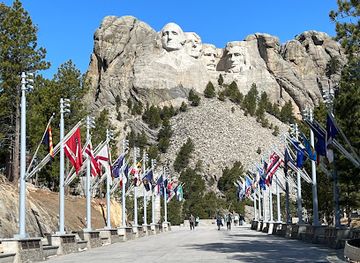
Mount Rushmore National Memorial
Explore the grandeur of Mount Rushmore National Memorial, where history and artistry converge in the heart of South Dakota's stunning Black Hills.
-
National park
Badlands National Park
Explore the breathtaking landscapes and rich biodiversity of Badlands National Park, a true natural wonder in South Dakota.
-
Park
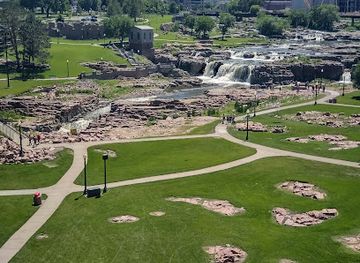
Falls Park
Explore the breathtaking landscapes and stunning waterfalls at Falls Park, a natural gem in Sioux Falls, South Dakota, perfect for every nature lover.
-
State park
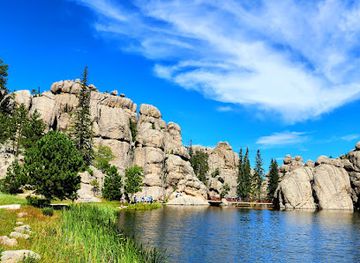
Custer State Park
Discover the breathtaking beauty and diverse wildlife of Custer State Park, a premier destination for outdoor adventure in South Dakota.

Best landmarks in Pine Ridge
The most important landmark in Pine Ridge is the Wounded Knee site, a place associated with the 1890 massacre and with the 1973 occupation; its significance is historical, spiritual and political, and visitors should behave with the restraint expected at a place of mourning. The Pine Ridge escarpment provides the region's defining geographical landmark, rising above the open prairie in a succession of ridges, buttes and eroded slopes. At Pine Ridge, the historic mission and school complex associated with Red Cloud Indian School reflects the intertwined histories of Catholic mission work, reservation education and Lakota artistic practice. Community churches, cemeteries and settlement landscapes are also important markers of local history, although some are active or private places rather than public monuments. The surrounding prairie itself is a significant cultural landscape: broad horizons, creek valleys and exposed formations help explain the movement, settlement and conflicts that shaped the region. The sharply sculpted formations of Badlands National Park are nearby and visually related, but the park is outside Pine Ridge and should not be confused with the reservation's own landmarks.
-
National forest
Black Hills National Forest
Explore the breathtaking landscapes and rich history of Black Hills National Forest, a premier destination for outdoor adventures in South Dakota.
-
Cultural landmark
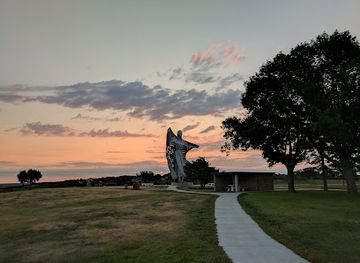
Dignity of Earth and Sky
Discover the Dignity of Earth and Sky, a stunning 50-foot sculpture honoring Lakota culture in Chamberlain, South Dakota, amidst breathtaking views.
-
Monument
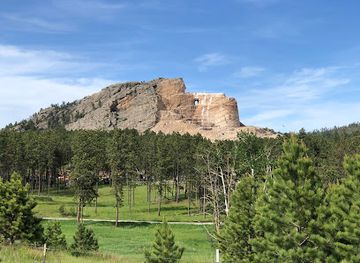
Crazy Horse Memorial
Explore the Crazy Horse Memorial, a magnificent tribute to Native American heritage, featuring breathtaking views and enriching cultural experiences.
-
Museum
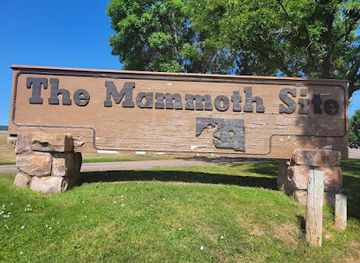
The Mammoth Site
Discover the enchanting world of prehistoric life at The Mammoth Site in Hot Springs, SD – a fascinating museum and archaeological site for all ages.
Explore Pine Ridge on the map
Plan your trip on one map. See where the top cities, national parks and sights are, and book hotels and experiences in a few clicks.
Best hotels in Pine Ridge
Best restaurants in Pine Ridge
Dining in Pine Ridge is shaped by a small number of cafés, diners, convenience stores, community events and home-based or informal food traditions rather than a concentrated restaurant scene. Travellers should plan meals and carry provisions, especially when driving between communities. At local gatherings, visitors may encounter dishes associated with Lakota and wider Plains foodways, including fry bread and foods prepared for communal occasions, but availability varies and no single menu represents the region's entire culinary identity. Regional staples from the wider Great Plains, such as beef, beans, potatoes and baked goods, are also common. Farmers' markets, school events, powwows and community fundraisers can provide opportunities to buy homemade food or local produce when operating. Ask before photographing food or people at community occasions, and remember that a cultural gathering is not simply a tourist dining experience. Larger selections of groceries and restaurants are generally found outside the reservation in nearby service towns and in Rapid City.
-
Steak
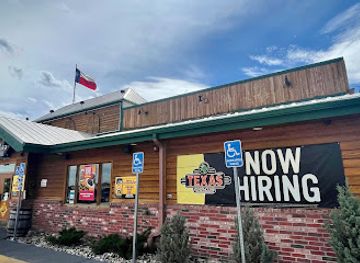
Texas Roadhouse
Savor mouthwatering steaks at Texas Roadhouse in Rapid City—where hearty meals meet an inviting atmosphere.
-
American
Colonial House Restaurant & Bar
Experience the best of American cuisine at Colonial House Restaurant & Bar in Rapid City - where local flavors meet warm hospitality.
-
Breakfast
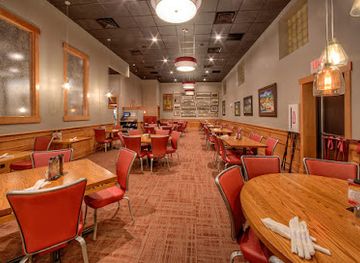
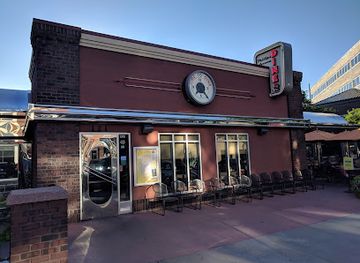
Phillips Avenue Diner
Experience classic American breakfast at Phillips Avenue Diner in Sioux Falls - where every meal feels like home!
-
American
Tally's Silver Spoon
Experience the best of American cuisine at Tally's Silver Spoon in Rapid City—where comfort meets culinary creativity.
Best bars in Pine Ridge
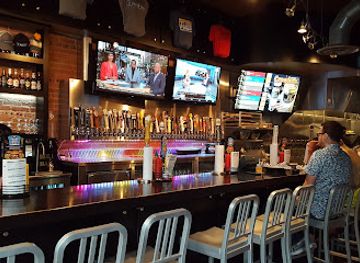
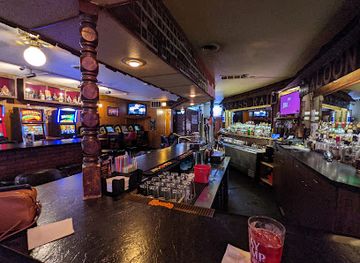
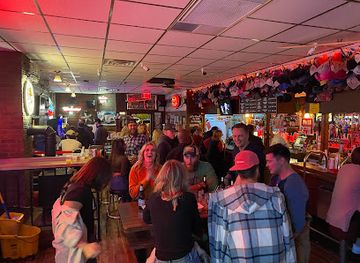
Pine Ridge does not have a major nightclub or late-night entertainment scene. Evening life is more likely to centre on family visits, community gatherings, cultural events, school activities and a limited number of informal dining or social venues than on a defined nightlife district. Alcohol regulations and availability can differ from those in neighbouring parts of South Dakota, so visitors should not assume that a bar-oriented itinerary is appropriate or convenient. Powwows, concerts, horse-related events and other community occasions may provide more meaningful evening experiences, but dates and public access vary. Outside the reservation, larger towns and Rapid City offer broader choices of restaurants, bars and live entertainment, though they require a substantial drive. Plan return journeys in daylight where possible, as rural roads have limited lighting, services and mobile coverage.
-
Bar
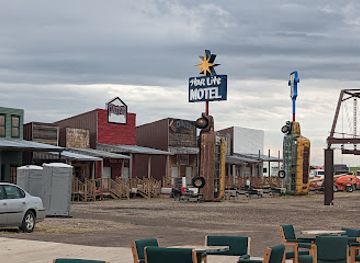
Full Throttle Saloon
Explore Full Throttle Saloon in Vale, SD, where exhilarating live music and motorcycle culture collide in a vibrant, welcoming atmosphere.
-
Bar
JL Beers
Discover the heart of Sioux Falls dining at JL Beers, where gourmet burgers and local brews create an unforgettable culinary experience.
-
Grill
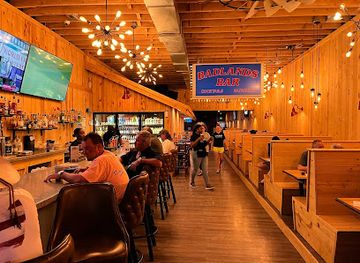
Badlands Saloon & Grille
Experience the best of American comfort food at Badlands Saloon & Grille in Wall, South Dakota, where delicious meals meet a cozy atmosphere.
-
Bar
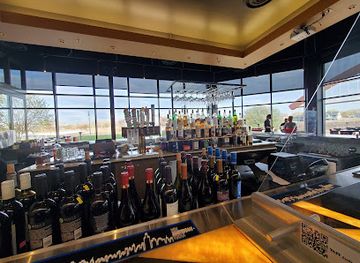
CRAVE American Kitchen & Sushi Bar (Hilton Garden Inn - Sioux City)
Indulge in a unique blend of New American cuisine and sushi at CRAVE American Kitchen & Sushi Bar in Sioux City, where culinary creativity meets a vibrant atmosphere.
Best nightclubs in Pine Ridge
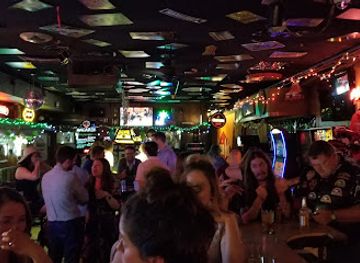
Pine Ridge does not have a major nightclub or late-night entertainment scene. Evening life is more likely to centre on family visits, community gatherings, cultural events, school activities and a limited number of informal dining or social venues than on a defined nightlife district. Alcohol regulations and availability can differ from those in neighbouring parts of South Dakota, so visitors should not assume that a bar-oriented itinerary is appropriate or convenient. Powwows, concerts, horse-related events and other community occasions may provide more meaningful evening experiences, but dates and public access vary. Outside the reservation, larger towns and Rapid City offer broader choices of restaurants, bars and live entertainment, though they require a substantial drive. Plan return journeys in daylight where possible, as rural roads have limited lighting, services and mobile coverage.
-
Bar
Top Hat Bar & Lounge
Discover the vibrant atmosphere of Top Hat Bar & Lounge in Sioux Falls, where great drinks and friendly locals meet.
-
Bar
Brass Rail Lounge
Brass Rail Lounge: A lively bar in Rapid City perfect for craft cocktails, local brews, and a fun night out amid a friendly atmosphere.
-
Bar
Oasis Lounge
Experience the vibrant nightlife of Rapid City at Oasis Lounge, where friendly bartenders and craft cocktails await.
-
Night club
Club David
Discover the electric energy of Club David, Sioux Falls' top night club, where music, dance, and vibrant nightlife come together for an unforgettable experience.

Best shops in Pine Ridge
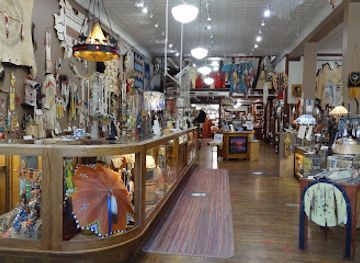
Shopping in Pine Ridge is limited and practical, with small stores and community-based sales more important than conventional retail districts. The region's most meaningful purchases are often Native American artworks, beadwork, quillwork, jewellery, clothing, prints and books, but buyers should ask about provenance and purchase directly from artists or reputable community institutions where possible. The Red Cloud Indian School Heritage Centre is associated with one of the region's strongest traditions of presenting and supporting Lakota art, subject to its current arrangements. Community events, powwows and fundraisers may offer handmade items and food products, although they are not permanent markets and should be treated as community occasions rather than retail spectacles. Carry cash because smaller sellers may not accept cards. For extensive groceries, outdoor equipment or general shopping, visitors normally rely on service towns outside the reservation or Rapid City, which is a separate urban destination rather than part of Pine Ridge.
-
Gift shop
Prairie Edge Trading Co & Galleries
Explore Prairie Edge Trading Co & Galleries: A unique blend of art, culture, and handcrafted treasures in Rapid City, South Dakota.
-
Coffee shop
Higher Ground Coffee Shop
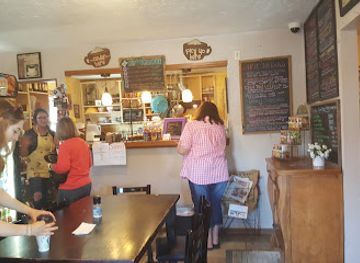
Experience the rich flavors and welcoming atmosphere of Higher Ground Coffee Shop in Pine Ridge, a perfect spot for coffee lovers and travelers.
-
Cannabis store
Warpath Cannabis
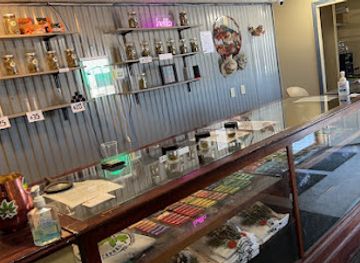
Discover the finest cannabis products at Warpath Cannabis in Pine Ridge, SD – where quality meets community.
-
Bead store
Singing Horse Trading Post
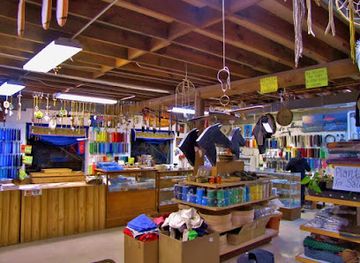
Discover the rich culture and artistry of South Dakota at Singing Horse Trading Post, a premier bead store and horseback riding destination.
Get your free copy of our complete guide to Pine Ridge, delivered straight to you.
Everything on this page, from attractions and restaurants to essentials and local phrases, in one PDF you can read offline, print or share.
Already have an account? Sign in
Your Pine Ridge guide is ready.
We'll send it to · Not you? Sign out

Getting your guide ready…
We are putting together a fresh copy of the Pine Ridge guide. This can take up to a minute.
This can take a few moments. If your browser asks, choose Allow so the download can start. You'll find the guide in your Downloads folder.
Nothing happened? Download it again
Sorry, the guide is taking longer than usual. Please try again in a minute, or get it by email instead.
Pine Ridge essentials
Currency and Payment
Safety
Emergency Situations
Do's and Don'ts
Local Tips
From Eve
Local phrases worth knowing
You don't need to get them perfect. A few words go a long way, and locals appreciate the effort.
Basics
| English | Local | Say it |
|---|---|---|
| Hello | Hé | [Heh] |
| Goodbye | Toksa | [Toke-sah] |
| Yes | Aye | [Eye] |
| No | Na | [Nah] |
| Please/You're welcome | Pilamaya | [Pee-lah-mah-yah] |
| Thank you | WíiyA | [Wee-yah] |
| Excuse me/Sorry | Mítakuyepi | [Mee-tah-koo-yeh-pee] |
| How are you? | Tókéya waŋ | [Toh-kay-yah wahng] |
| Fine. And you? | WíyakA. Tókéya waŋ? | [Wee-yah-kah. Toh-kay-yah wahng?] |
| Do you speak English? | Tȟaŋíŋyaŋ waŋ wíiyA? | [Thah-ning-yahng wahng wee-yah?] |
| I don't understand | Niníŋ kta wíiyA | [Nin-eeng ktah wee-yah] |
Eating & Drinking
| English | Local | Say it |
|---|---|---|
| I'd like to see the menu, please | Pilamaya, wíyakA, tȟawíŋ he? | [Pee-lah-mah-yah, wee-yah-kah, tah-ween he?] |
| I don't eat meat | Niníŋ kta wíyakA hwo? | [Nin-eeng ktah wee-yah-kah hwo?] |
| Cheers! | Kíŋ he! | [King he!] |
| I would like to pay, please | Pilamaya, wíyakA, to wíyakA | [Pee-lah-mah-yah, wee-yah-kah, toh wee-yah-kah] |
Emergencies
| English | Local | Say it |
|---|---|---|
| Help! | Hé! WíiyA! | [Heh! Wee-yah!] |
| Go away! | Iháŋ wíiyA! | [Ee-hahng wee-yah!] |
| Call the Police! | WíiyA, WíyakA wíiyA! | [Wee-yah, Wee-yah-kah wee-yah!] |
| Call a doctor! | WíiyA, WíyakA wíiyA kta! | [Wee-yah, Wee-yah-kah wee-yah ktah!] |
| I'm lost | Niníŋ kta waŋ wíiyA. | [Nin-eeng ktah wahng wee-yah.] |
| I'm ill | Niníŋ kta wíyakA wíiyA. | [Nin-eeng ktah wee-yah-kah wee-yah.] |
Shopping
| English | Local | Say it |
|---|---|---|
| I'd like to buy... | Niníŋ kta wíyakA ... | [Nin-eeng ktah wee-yah-kah ...] |
| I'm just looking | Niníŋ kta wíyakA, ni tȟaŋíŋyaŋ. | [Nin-eeng ktah wee-yah-kah, nee tah-ning-yahng.] |
| How much is it? | Tȟaŋi wíikta? | [Thah-nee wee-eek-tah?] |
| That's too expensive | Tȟaŋí waŋ wíiyA tȟaŋi. | [Thah-nee wahng wee-yah tah-nee.] |
| Can you lower the price? | Tȟaŋíŋyaŋ, wíyakA tȟaŋi? | [Thah-ning-yahng, wee-yah-kah tah-nee?] |
Time & Numbers
| English | Local | Say it |
|---|---|---|
| What time is it? | Tȟaŋi wíiŋ yuhá? | [Thah-nee wee-eeng yoo-hah?] |
| It's one o'clock | Wííŋ yuhá, táku wíiyA. | [Wee-eeng yoo-hah, tah-koo wee-yah.] |
| Half past (10) | Tȟaŋí wííŋ yuhá. | [Thah-nee wee-eeng yoo-hah.] |
| Morning | WíiyA | [Wee-yah] |
| Afternoon | WíiyA wíiyA | [Wee-yah wee-yah] |
| Evening | WíiyA wíiyA | [Wee-yah wee-yah] |
| Yesterday | Wííŋ yuhá | [Wee-eeng yoo-hah] |
| Today | Tȟaŋí yuhá | [Thah-nee yoo-hah] |
| Tomorrow | Tȟaŋí yuhá | [Thah-nee yoo-hah] |
| 1 | Né | [Nay] |
| 2 | Néw | [Nay-oo] |
| 3 | NéyA | [Nay-yah] |
| 4 | Néz | [Nay-zh] |
| 5 | Néš | [Nay-sh] |
| 6 | Néwá | [Nay-wah] |
| 7 | Néyá | [Nay-yah] |
| 8 | Néš wíyA | [Nay-sh wee-yah] |
| 9 | Néz wíyA | [Nay-zh wee-yah] |
| 10 | Néw wíyA | [Nay-oo wee-yah] |
Transport & Directions
| English | Local | Say it |
|---|---|---|
| Where's a/the...? | Tȟaŋíŋyaŋ ... | [Thah-ning-yahng ...] |
| What's the address? | Tȟaŋíŋyaŋ tȟaŋí? | [Thah-ning-yahng tah-nee?] |
| Can you show me (on the map)? | Tȟaŋíŋyaŋ, nín wíyakA? | [Thah-ning-yahng, nin wee-yah-kah?] |
| When's the next (bus)? | Tȟaŋíŋyaŋ, wíyakA tȟo? | [Thah-ning-yahng, wee-yah-kah toh?] |
| A ticket (to ....) | Tȟaŋíŋyaŋ, wíyakA (to ...) | [Thah-ning-yahng, wee-yah-kah (to ...)] |
History of Pine Ridge
Lakota Homeland and the Plains World
The Pine Ridge area forms part of the historic homeland of the Lakota, whose societies developed around kinship, governance, seasonal movement, trade and close knowledge of the Great Plains. Horses, acquired and integrated into Plains life during the eighteenth century, transformed travel, hunting and warfare. The region's buttes, grasslands and watercourses were not merely scenery but part of a lived cultural landscape. Lakota place names, stories and relationships to the land remain central to Pine Ridge identity today.
The Fort Laramie Treaty of 1868
The Fort Laramie Treaty of 1868 established the Great Sioux Reservation, a large area intended for Lakota and Dakota peoples after years of conflict with the United States. The treaty recognised Indigenous rights to the territory and to hunting beyond its boundaries. Subsequent pressure for land, mineral access and settlement undermined those provisions. Pine Ridge later became one of the reservations created from the reduced territory, linking its modern geography to a major turning point in United States and Lakota history.
The Black Hills Seizure and Reservation Formation
The discovery of gold in the Black Hills during the 1870s brought intensified military and settler pressure, despite the hills' protection under the 1868 treaty. The United States subsequently took control of the Black Hills and reduced the Great Sioux Reservation through legislation and coercion. Pine Ridge was established as a separate reservation in 1889. The unresolved legal and moral dispute over the Black Hills continues to shape Lakota political identity and regional historical memory.
Missions, Boarding Schools and Cultural Change
Christian missions and schools became important institutions on the reservation from the late nineteenth century. The Jesuit mission founded what became Holy Rosary Mission at Pine Ridge, while other schools sought to reshape Lakota language, religion, family life and education according to federal and Christian models. These institutions caused deep cultural disruption, yet schools also became places where artwork, language and community relationships endured. The Red Cloud Indian School and its Heritage Centre now connect education with contemporary Lakota cultural and artistic work.
The Wounded Knee Massacre of 1890
On 29 December 1890, United States troops surrounded a Miniconjou Lakota camp near Wounded Knee Creek in what is now Pine Ridge. A confrontation during disarmament escalated into a massacre in which many Lakota men, women and children were killed; the exact number remains contested. The event marked a brutal culmination of the Ghost Dance suppression and the wider military conquest of the Plains. Wounded Knee remains a place of mourning, political significance and continuing community memory.
The American Indian Movement Occupation of 1973
In 1973, activists from the American Indian Movement and local Oglala Lakota supporters occupied Wounded Knee for 71 days, protesting treaty violations, federal policy and the leadership of the reservation government. The standoff drew international attention to Indigenous rights and highlighted long-standing grievances over land, policing and political accountability. Although the occupation ended without resolving those issues, it helped propel Native activism into international public view and remains a defining chapter in Pine Ridge's modern history.
Cultural Renewal and Contemporary Pine Ridge
Since the late twentieth century, Pine Ridge has seen sustained efforts to strengthen Lakota language, arts, education, ceremony and community institutions. Oglala Lakota College, cultural programmes, artists and schools play important roles in this work. Contemporary Pine Ridge is not defined solely by colonial violence or socioeconomic hardship: it is also a living centre of Lakota governance, creativity and cultural renewal. Visitors encounter a community negotiating present-day challenges while maintaining strong connections to history, family and place.
Pine Ridge in Photos
Browse through our photo collection highlighting the charm and character of the destination.
Neighbouring regions of Pine Ridge
The closest regions to Pine Ridge, if you have time for more than one.
-

-

-

-

-


Swipe for more regions
Explore more

Explore more of South Dakota
Discover South Dakota: From the iconic Mount Rushmore and Crazy Horse Memorial to the stunning Badlands and charming small towns, it's a land of history and natural beauty.
Explore South Dakota