

Black Hills, South Dakota Travel Guide
Discover the Black Hills in South Dakota: A land of majestic mountains, rich history, and thrilling outdoor adventures. Explore iconic monuments, scenic parks, and historic towns.
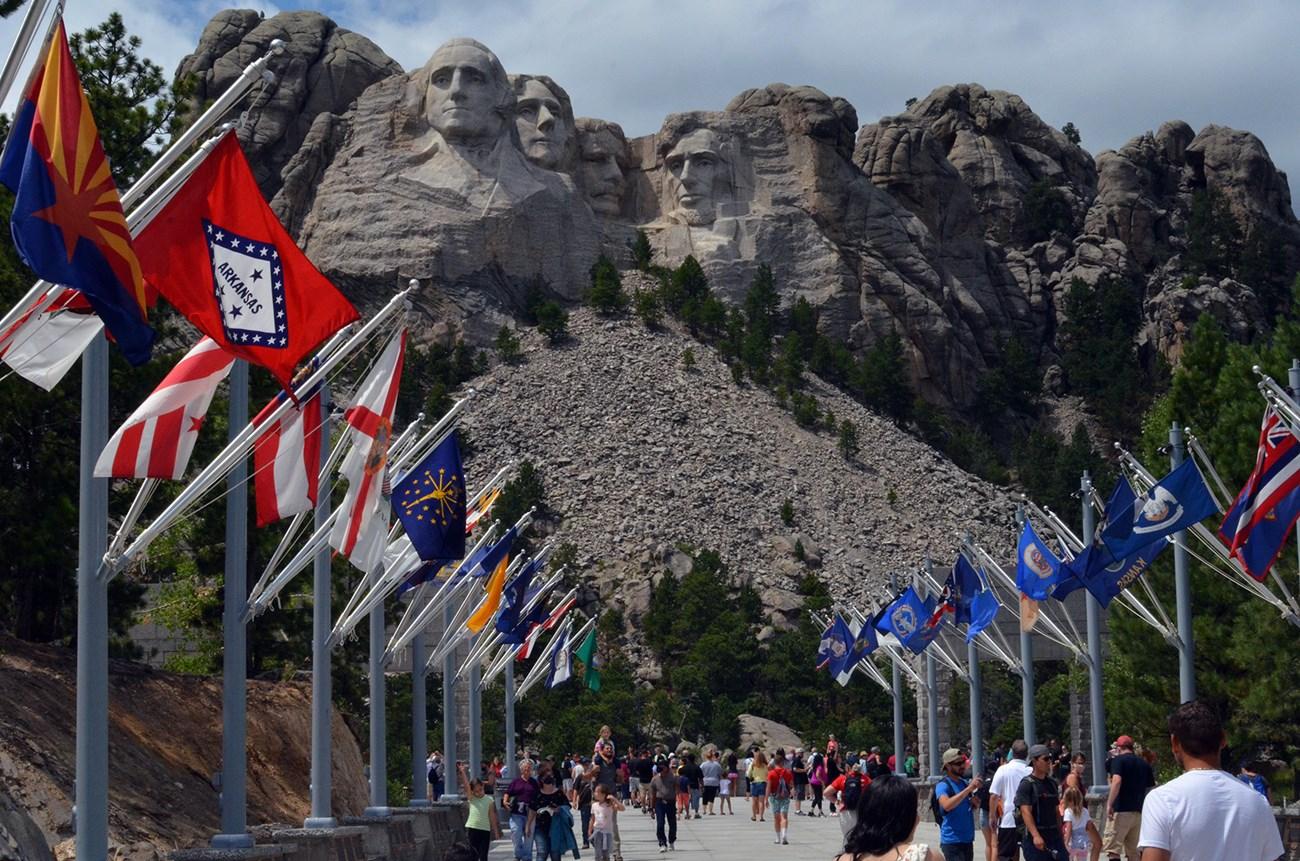
Nestled in the southwestern corner of South Dakota, the Black Hills region is a breathtaking expanse of pine-covered mountains, deep canyons, and rich history. This area encompasses a variety of natural wonders, including the iconic Mount Rushmore National Memorial, the awe-inspiring Crazy Horse Memorial, and the expansive Custer State Park. The Black Hills offer an enchanting mix of outdoor adventures, historical landmarks, and cultural experiences that captivate visitors from around the world. One of the main attractions is Mount Rushmore, where the faces of four American presidents are carved into granite, symbolizing the nation's ideals and history. Nearby, the Crazy Horse Memorial stands as a tribute to the Native American leader and culture, an ongoing project that promises to be the world's largest mountain carving. Visitors can learn about the region's indigenous heritage and the legacy of Crazy Horse at the accompanying museum. Custer State Park is a haven for wildlife enthusiasts, offering sightings of bison, elk, and bighorn sheep in their natural habitats. The park's scenic drives, such as the Needles Highway and Iron Mountain Road, provide stunning vistas and unique rock formations. For those seeking adventure, the Black Hills boast numerous hiking trails, rock climbing spots, and opportunities for camping under the stars. In addition to its natural beauty, the Black Hills are steeped in history. The town of Deadwood, a National Historic Landmark, brings the Wild West to life with its preserved 19th-century buildings, reenactments, and museums. The area also played a significant role in the Gold Rush era, and visitors can explore old mines and learn about the gold prospecting history that shaped the region. Whether you're exploring the depths of Wind Cave National Park, marveling at the scenic beauty of Spearfish Canyon, or enjoying the arts and culture in Rapid City, the Black Hills offer a diverse and unforgettable experience. This destination is perfect for those who love nature, history, and adventure.

Know before you go
Hi, I'm Eve. Here are a few practical things to know before exploring Black Hills.
- Visit Mount Rushmore early in the morning or late in the afternoon to avoid crowds and enjoy the best lighting for photos.
- Wear comfortable hiking shoes and bring plenty of water when exploring Custer State Park and its trails.
- Check the schedule for the nightly lighting ceremony at Mount Rushmore; it's a unique and moving experience.
- Take time to visit the Crazy Horse Memorial's museum to gain a deeper understanding of Native American culture and history.
- Drive through Spearfish Canyon during the fall to witness the stunning autumn foliage.
- Book a guided tour of Wind Cave National Park to explore one of the world's longest and most complex cave systems.
- Plan your visit to Deadwood around one of their many events, like the annual Days of '76 celebration.
Top City Travel Guides in Black Hills
The cities of Black Hills, and the easiest places to base yourself.


Destinations in Black Hills
Resorts, valleys and scenic spots worth a trip of their own.


Explore Black Hills: Things to Do, Places to Eat, Hotels & More
Handpicked recommendations for top attractions, local dining, accommodations, and more

Top Attractions & Sightseeing in Black Hills
Top-rated picks
Best Attractions

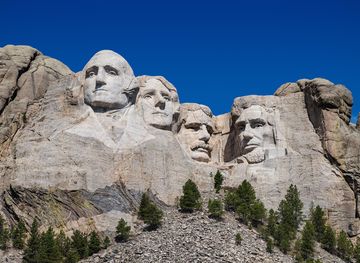
Mount Rushmore National Memorial
Explore the iconic Mount Rushmore National Memorial, a breathtaking tribute to America's history, nestled in the stunning Black Hills of South Dakota.

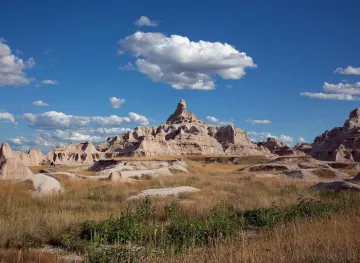
Badlands National Park
Experience the breathtaking landscapes and rich wildlife of Badlands National Park, a gem in South Dakota's natural beauty.

Custer State Park
Explore Custer State Park: South Dakota's gem of rugged beauty, abundant wildlife, and adventure-filled activities awaits every nature lover.

Bear Country USA
Explore North America's wildlife at Bear Country USA, a premier wildlife park in Rapid City, South Dakota, perfect for families and animal lovers.

Best landmarks in Black Hills
Top-rated picks
Best Landmarks

Custer State Park
Explore Custer State Park: A Natural Paradise of Granite Peaks, Wildlife, and Outdoor Adventures in South Dakota.

Bear Country USA
Experience the thrill of Bear Country USA, a premier wildlife park in Rapid City, South Dakota, showcasing North American wildlife in a stunning natural setting.

Black Hills National Forest
Explore the natural wonders of Black Hills National Forest, where outdoor adventures meet rich history in the heart of South Dakota.

Reptile Gardens
Explore the enchanting Reptile Gardens in Rapid City, SD — a unique blend of exotic reptiles and beautiful botanical gardens.

Best restaurants in Black Hills
Top-rated picks
Best Restaurants

Sickies Garage Burgers & Brews
Experience gourmet burgers and craft brews at Sickies Garage Burgers & Brews in Rapid City – where every bite is an adventure!

Silverado Franklin Historic Hotel & Gaming Complex, Legends Steakhouse & Silverado Grand Buffet
Discover the rich history and modern luxury at Silverado Franklin Historic Hotel & Gaming Complex in Deadwood.

Colonial House Restaurant & Bar
Experience delicious American cuisine and delightful bakery treats at Colonial House Restaurant & Bar in Rapid City.

Alpine Inn
Discover delightful dining and cozy lodging at Alpine Inn in Hill City – where local flavors meet warm hospitality.

Best bars in Black Hills
Top-rated picks
Best Bars

Saloon No. 10
Discover the vibrant atmosphere of Saloon No. 10, Deadwood's iconic bar and steakhouse, where history meets unforgettable flavors and entertainment.

Alpine Inn
Discover Alpine Inn in Hill City, SD - a cozy restaurant and inn offering delightful cuisine and a warm atmosphere in the heart of the Black Hills.

Full Throttle Saloon
Discover the pulse of motorcycle culture at Full Throttle Saloon, a lively bar and entertainment haven in South Dakota, offering live music, camping, and camaraderie.

Buglin' Bull Restaurant and Sports Bar
Discover Buglin' Bull Restaurant and Sports Bar, your go-to spot for American cuisine, lively sports, and family-friendly fun in Custer, South Dakota.

Best nightclubs in Black Hills
Top-rated picks
Best Nightclubs

Full Throttle Saloon
Discover the ultimate biker bar experience at Full Throttle Saloon, where live music, great food, and a vibrant camping culture collide.

Stadium Sports Grill
Stadium Sports Grill: Where Sports Enthusiasts and Food Lovers Unite in Spearfish, SD for an Unforgettable Experience.

Lucky's 13 Pub
Experience the heart of American cuisine at Lucky's 13 Pub in Spearfish, South Dakota, where good food meets live entertainment.

Juniper at Vertex Sky Bar
Discover culinary excellence and breathtaking views at Juniper at Vertex Sky Bar in Rapid City, SD, a perfect blend of atmosphere and flavor.

Best shops in Black Hills
Top-rated picks
Best Shops

Full Throttle Saloon
Discover the ultimate biker's paradise at Full Throttle Saloon, where live music, delicious food, and camaraderie come together in South Dakota.

Sturgis Buffalo Chip
Experience the thrill of motorcycle culture and live music at Sturgis Buffalo Chip, the heart of the Sturgis Motorcycle Rally in South Dakota.

Pappy Hoel Campground & Resort
Experience the great outdoors at Pappy Hoel Campground & Resort, where adventure meets comfort in the heart of South Dakota.

Prairie Edge Trading Co & Galleries
Discover unique gifts and explore Native American art at Prairie Edge Trading Co & Galleries, a cultural hub in Rapid City, South Dakota.

Explore Black Hills on the Map
A handpicked selection of must-see spots in Black Hills, mapped for you.
Black Hills Essentials
-
The Black Hills in South Dakota are accessible by air, car, and bus. The nearest major airport is Rapid City Regional Airport (RAP), located about 35 miles from the heart of the Black Hills. You can rent a car at the airport or take a shuttle service to your destination. If driving, Interstate 90 is the main highway that runs through the northern part of the Black Hills. Several bus services also operate routes to Rapid City from various major cities.
-
Transportation options within the Black Hills include rental cars, taxis, and shuttle services. Rental cars are recommended for the best flexibility in exploring the area. There are also several guided tour companies that offer bus or van tours to major attractions like Mount Rushmore, Crazy Horse Memorial, and Custer State Park. Rapid City and other larger towns have local taxi services, and ride-sharing apps like Uber and Lyft are available in some areas.
-
The official currency in the United States is the US Dollar (USD). Credit and debit cards are widely accepted throughout the Black Hills, including in hotels, restaurants, and shops. It is advisable to carry some cash for smaller establishments or rural areas where card payments may not be accepted. ATMs are readily available in Rapid City and other major towns.
-
The Black Hills are generally a safe destination for tourists. However, standard travel precautions should be taken. Avoid walking alone at night in unfamiliar areas and keep your belongings secure in crowded places. While crime rates are relatively low, certain areas in Rapid City have higher crime rates, so it is advisable to stay in well-lit and populated areas. Always lock your vehicle and keep valuables out of sight.
-
In case of emergency, dial 911 for immediate assistance. Rapid City has several hospitals and urgent care clinics, and smaller towns have medical facilities as well. It's recommended to have travel insurance that covers medical emergencies. For minor health issues, pharmacies are available in most towns where you can purchase over-the-counter medications.
-
Fashion: Do dress comfortably and appropriately for outdoor activities. Layered clothing is recommended as weather can change rapidly. Avoid wearing overly revealing clothing. Religion: Do respect local customs and traditions, especially when visiting Native American sacred sites. Public Transport: Do be courteous to drivers and other passengers. Don't expect extensive public transport options, as they are limited. Greetings: Do greet people with a friendly 'hello' or 'hi'. A handshake is customary in formal settings. Eating & Drinking: Do try local specialties like bison burgers and fry bread. Don't forget to tip your server, as tipping is customary in the U.S.
-
To experience the Black Hills like a local, take the scenic drives through the area, such as the Needles Highway and Iron Mountain Road. Visit local events and festivals, like the Sturgis Motorcycle Rally or the Custer State Park Buffalo Roundup. Engage with locals at small-town diners and coffee shops, where you can hear fascinating stories about the region's history and culture. Don't miss out on the many hiking trails and outdoor activities available throughout the Black Hills.
When is the best time to visit Black Hills?
Useful Local Phrases for Black Hills
You don't need to speak the language perfectly. Even learning a few simple words can make conversations warmer—and locals usually appreciate the effort.
— Eve

Here are the phrases I use most often in Black Hills. Try a few—you'll be surprised how far they go! 😊
❤️
-
- HelloHowdy
[haʊ.di] - GoodbyeSee ya later
[si jə ˈleɪ.tər] - YesYep
[jɛp] - NoNope
[noʊp] - Please/You're welcomeSure thing
[ʃʊr θɪŋ] - Thank youThanks a lot
[θæŋks ə lɑt] - Excuse me/SorryPardon me
[ˈpɑr.dən mi] - How are you?How ya doin'?
[haʊ jə ˈdu.ɪn] - Fine. And you?I’m good, how 'bout you?
[aɪm gʊd, haʊ baʊt ju] - Do you speak English?Do ya speak English?
[du jə spiːk ˈɪŋɡlɪʃ] - I don't understandI don’t get it
[aɪ doʊnt ɡɛt ɪt]
- HelloHowdy
-
- I'd like to see the menu, pleaseCan I see the menu?
[kæn aɪ si ðə ˈmɛn.ju] - I don't eat meatI’m a vegetarian
[aɪm ə ˌvɛdʒ.ɪˈtɛr.i.ən] - Cheers!Cheers!
[ʧɪrz] - I would like to pay, pleaseCan I get the check?
[kæn aɪ ɡɛt ðə ʧɛk]
- I'd like to see the menu, pleaseCan I see the menu?
-
- Help!Help!
[hɛlp] - Go away!Get lost!
[ɡɛt lɔst] - Call the Police!Call the cops!
[kɔl ðə kɑps] - Call a doctor!Get a doc!
[ɡɛt ə dɑk] - I'm lostI’m turned around
[aɪm tɜrnd əˈraʊnd] - I'm illI don’t feel good
[aɪ doʊnt fiːl ɡʊd]
- Help!Help!
-
- I'd like to buy...I wanna buy...
[aɪ ˈwɑnə baɪ] - I'm just lookingJust browsing
[dʒʌst ˈbraʊ.zɪŋ] - How much is it?What’s the price?
[wʌts ðə praɪs] - That's too expensiveThat’s a bit high
[ðæts ə bɪt haɪ] - Can you lower the price?Can you knock it down?
[kæn jə nɑk ɪt daʊn]
- I'd like to buy...I wanna buy...
-
- What time is it?What’s the time?
[wʌts ðə taɪm] - It's one o'clockIt’s one
[ɪts wʌn] - Half past (10)Half past ten
[hæf pæst tɛn] - MorningMorning
[ˈmɔrnɪŋ] - AfternoonAfternoon
[ˌæf.tərˈnun] - EveningEvening
[ˈiv.nɪŋ] - YesterdayYesterday
[ˈjɛs.tər.deɪ] - TodayToday
[təˈdeɪ] - TomorrowTomorrow
[təˈmɔr.oʊ] - 1One
[wʌn] - 2Two
[tu] - 3Three
[θri] - 4Four
[fɔr] - 5Five
[faɪv] - 6Six
[sɪks] - 7Seven
[ˈsɛv.ən] - 8Eight
[eɪt] - 9Nine
[naɪn] - 10Ten
[tɛn]
- What time is it?What’s the time?
-
- Where's a/the...?Where’s the...?
[wɛrz ðə] - What's the address?What’s the address?
[wʌts ði əˈdrɛs] - Can you show me (on the map)?Can you point it out?
[kæn jə pɔɪnt ɪt aʊt] - When's the next (bus)?When’s the next bus?
[wɛnəz ðə nɛkst bʌs] - A ticket (to....)One ticket to...
[wʌn ˈtɪk.ɪt tu]
- Where's a/the...?Where’s the...?
History of Black Hills
-
The Black Hills, known as Paha Sapa to the Lakota Sioux, have long been considered sacred by indigenous tribes. The Lakota Sioux believe that the Black Hills were the center of the world and a place of significant spiritual importance. This land was used for ceremonies, hunting, and as a gathering place for tribes. The Fort Laramie Treaty of 1868 initially recognized the Black Hills as part of the Great Sioux Reservation, guaranteeing the land to the Lakota Sioux.
-
In 1874, Lieutenant Colonel George Armstrong Custer led an expedition into the Black Hills and reported the discovery of gold, triggering the Black Hills Gold Rush. Thousands of prospectors flooded the area in search of fortune, leading to conflicts with the Lakota Sioux. Despite treaties, the U.S. government seized the land to accommodate the influx of miners, exacerbating tensions and leading to further disputes and battles.
-
The conflict over the Black Hills escalated into the Great Sioux War of 1876-77. One of the most famous battles of this war was the Battle of Little Bighorn, where Lakota Sioux, Northern Cheyenne, and Arapaho warriors, led by Chiefs Sitting Bull and Crazy Horse, defeated Custer's 7th Cavalry. The battle underscored the significant resistance by Native Americans to U.S. encroachments on their lands.
-
Mount Rushmore, located in the Black Hills, is one of the most iconic landmarks in the United States. Sculpted by Gutzon Borglum and later completed by his son, Lincoln Borglum, the monument features the 60-foot faces of Presidents George Washington, Thomas Jefferson, Theodore Roosevelt, and Abraham Lincoln. The project, which began in 1927 and was completed in 1941, aimed to promote tourism in the region and symbolize the birth, growth, development, and preservation of the nation.
-
The Crazy Horse Memorial, located near Mount Rushmore, is another significant monument in the Black Hills. Initiated by Lakota elder Henry Standing Bear and sculptor Korczak Ziolkowski, the memorial honors the legendary Lakota warrior Crazy Horse. Begun in 1948, the unfinished sculpture aims to depict Crazy Horse riding a horse and pointing to his lands. The project is an ongoing effort and symbolizes the spirit and heritage of Native American cultures.
-
Established in 1876 in Lead, South Dakota, the Homestake Gold Mine was one of the richest and longest-operating gold mines in the world. It produced over 40 million ounces of gold before closing in 2002. The mine played a crucial role in the economic development of the Black Hills region. Today, the site houses the Sanford Underground Research Facility, where scientists conduct groundbreaking research in particle physics and other fields.
-
The Sturgis Motorcycle Rally, held annually in Sturgis, South Dakota, is one of the largest motorcycle rallies in the world. Founded in 1938 by the Jackpine Gypsies motorcycle club, the rally draws hundreds of thousands of motorcycle enthusiasts to the Black Hills each August. The event features races, concerts, and various activities, contributing significantly to the local economy and culture.
Neighbouring Regions of Black Hills
The closest regions to Black Hills, if you have time for more than one.



Your all‑in‑one travel companion app
Explore expert travel guides, compare and book tours, experiences, hotels, and more—all from the palm of your hand. Download now for seamless trip planning wherever your wanderlust takes you.


Explore More of South Dakota

Looking beyond Black Hills? Discover South Dakota for broader travel guides, local hot-spots, and regional highlights.
Explore South DakotaBlack Hills in Photos
Browse through our photo collection highlighting the charm and character of the destination.




Black Hills: Nature's Majestic Playground in South Dakota
Nestled in the southwestern corner of South Dakota, the Black Hills region is a breathtaking expanse of pine-covered mountains, deep canyons, and rich history. This area encompasses a variety of natural wonders, including the iconic Mount Rushmore National Memorial, the awe-inspiring Crazy Horse Memorial, and the expansive Custer State Park. The Black Hills offer an enchanting mix of outdoor adventures, historical landmarks, and cultural experiences that captivate visitors from around the world. One of the main attractions is Mount Rushmore, where the faces of four American presidents are carved into granite, symbolizing the nation's ideals and history. Nearby, the Crazy Horse Memorial stands as a tribute to the Native American leader and culture, an ongoing project that promises to be the world's largest mountain carving. Visitors can learn about the region's indigenous heritage and the legacy of Crazy Horse at the accompanying museum. Custer State Park is a haven for wildlife enthusiasts, offering sightings of bison, elk, and bighorn sheep in their natural habitats. The park's scenic drives, such as the Needles Highway and Iron Mountain Road, provide stunning vistas and unique rock formations. For those seeking adventure, the Black Hills boast numerous hiking trails, rock climbing spots, and opportunities for camping under the stars. In addition to its natural beauty, the Black Hills are steeped in history. The town of Deadwood, a National Historic Landmark, brings the Wild West to life with its preserved 19th-century buildings, reenactments, and museums. The area also played a significant role in the Gold Rush era, and visitors can explore old mines and learn about the gold prospecting history that shaped the region. Whether you're exploring the depths of Wind Cave National Park, marveling at the scenic beauty of Spearfish Canyon, or enjoying the arts and culture in Rapid City, the Black Hills offer a diverse and unforgettable experience. This destination is perfect for those who love nature, history, and adventure.