

Free Yeongnam Region Travel Guide & Mobile App
Explore Yeongnam Region with free travel guides. Discover regional history, expert tips, proposed trips, and audio guides on web or mobile app.


Discover the dynamic blend of history, culture, and modern attractions in South Korea's Yeongnam Region, featuring vibrant cities, serene temples, and stunning landscapes.
Read more about Yeongnam Region
When is the best time to visit Yeongnam Region?
Best: April–May, October · 19–23°C| Month | High (°C) | Rainfall (mm) |
|---|---|---|
| January | 6 | 25 |
| February | 8 | 30 |
| March | 14 | 45 |
| April (best) | 19 | 65 |
| May (best) | 23 | 85 |
| June | 27 | 125 |
| July | 31 | 210 |
| August | 31 | 190 |
| September | 27 | 150 |
| October (best) | 21 | 70 |
| November | 15 | 45 |
| December | 8 | 30 |
Getting to and around Yeongnam Region
How to get there
Transportation
Top city travel guides in Yeongnam Region
The cities of Yeongnam Region, and the easiest places to base yourself.
-
 Busan
Discover Busan's blend of stunning beaches, vibrant markets, and rich cultural heritage, making it a perfect destination for both relaxation and exploration.
Busan
Discover Busan's blend of stunning beaches, vibrant markets, and rich cultural heritage, making it a perfect destination for both relaxation and exploration.
-
 Gyeongju
Discover Gyeongju, a city where ancient Silla heritage meets modern charm. Explore temples, royal tombs, and scenic beauty in South Korea's historical gem.
Gyeongju
Discover Gyeongju, a city where ancient Silla heritage meets modern charm. Explore temples, royal tombs, and scenic beauty in South Korea's historical gem.
-
 Daegu
Discover Daegu, South Korea's vibrant city of ancient temples, bustling markets, serene parks, and exciting festivals, offering a blend of tradition and modernity.
Daegu
Discover Daegu, South Korea's vibrant city of ancient temples, bustling markets, serene parks, and exciting festivals, offering a blend of tradition and modernity.
-
 Ulsan
Explore Ulsan, South Korea's industrial titan and a treasure trove of natural beauty, cultural heritage, and delicious cuisine.
Ulsan
Explore Ulsan, South Korea's industrial titan and a treasure trove of natural beauty, cultural heritage, and delicious cuisine.
-
 Andong
Discover Andong: A Journey Through Korean Tradition, History, and Culinary Delights in South Korea's Cultural Heart.
Andong
Discover Andong: A Journey Through Korean Tradition, History, and Culinary Delights in South Korea's Cultural Heart.
-
 Daejeon
Discover Daejeon, South Korea’s dynamic blend of cutting-edge science, stunning natural landscapes, and rich cultural heritage.
Daejeon
Discover Daejeon, South Korea’s dynamic blend of cutting-edge science, stunning natural landscapes, and rich cultural heritage.
Swipe for more cities
Destinations in Yeongnam Region
Resorts, valleys and scenic spots worth a trip of their own.
-
 Busan Beaches
Discover the breathtaking beaches of Busan, where golden sands, crystal-clear waters, and vibrant nightlife await. Perfect for relaxation, adventure, and culinary delights.
Busan Beaches
Discover the breathtaking beaches of Busan, where golden sands, crystal-clear waters, and vibrant nightlife await. Perfect for relaxation, adventure, and culinary delights.
-
 Andong Hahoe Village
Discover the enchanting Andong Hahoe Village, where history, culture, and tradition come alive in the heart of South Korea's breathtaking countryside.
Andong Hahoe Village
Discover the enchanting Andong Hahoe Village, where history, culture, and tradition come alive in the heart of South Korea's breathtaking countryside.
-
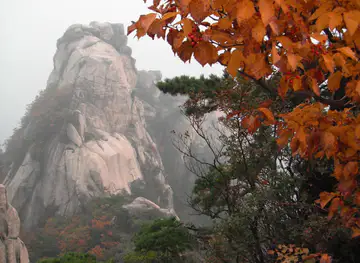 Naejangsan National Park
Explore Naejangsan National Park, South Korea's hidden gem, renowned for its stunning autumn foliage, serene temples, and panoramic mountain views.
Naejangsan National Park
Explore Naejangsan National Park, South Korea's hidden gem, renowned for its stunning autumn foliage, serene temples, and panoramic mountain views.
-
 Yeosu Ocean Park
Discover the serene beauty and marine wonders of Yeosu Ocean Park, South Korea's premier destination for coastal exploration and oceanic adventures.
Yeosu Ocean Park
Discover the serene beauty and marine wonders of Yeosu Ocean Park, South Korea's premier destination for coastal exploration and oceanic adventures.
-
 Jirisan National Park
Experience the timeless beauty and rich cultural heritage of Jirisan National Park, South Korea's oldest and largest national park.
Jirisan National Park
Experience the timeless beauty and rich cultural heritage of Jirisan National Park, South Korea's oldest and largest national park.
-
 Muju Ski Resort
Discover the enchanting Muju Ski Resort in South Korea, where pristine slopes, night skiing, and breathtaking landscapes create the perfect winter escape.
Muju Ski Resort
Discover the enchanting Muju Ski Resort in South Korea, where pristine slopes, night skiing, and breathtaking landscapes create the perfect winter escape.
Swipe for more destinations
Best attractions in Yeongnam Region
The Yeongnam Region in South Korea is a vibrant tapestry of history, culture, and natural beauty, offering a plethora of attractions that cater to all interests. History enthusiasts can delve into ancient wonders like the UNESCO World Heritage sites of Gyeongju, known as the 'museum without walls,' with its stunning Bulguksa Temple and the majestic Seokguram Grotto. Nature lovers can revel in the serene beauty of the Jirisan and Gayasan National Parks, perfect for hiking and capturing breathtaking landscapes. Urban explorers will find the bustling city of Daegu with its vibrant night markets, modern shopping districts, and the intriguing Daegu Yangnyeongsi Museum of Oriental Medicine. The coastal city of Busan offers a mix of stunning beaches, such as Haeundae and Gwangalli, and cultural landmarks like the Haedong Yonggungsa Temple perched dramatically on the cliffs. Foodies will be thrilled by the region's culinary delights, from the spicy flavors of Andong Jjimdak to the fresh seafood of Busan's Jagalchi Market, making Yeongnam a destination that promises an unforgettable experience for every traveler.
-
Theme park
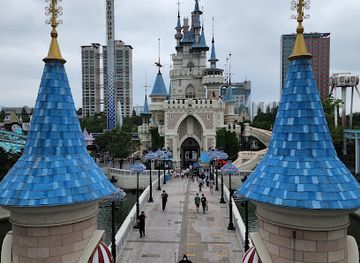
Lotte World
Discover the magic of Lotte World, Seoul's top theme park, featuring thrilling rides, enchanting shows, and endless family-friendly fun.
-
Tourist attraction
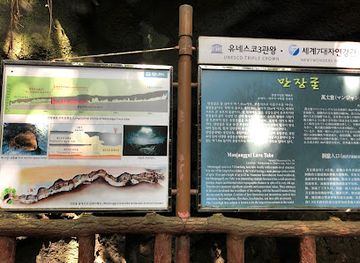
Manjanggul Lava Tube
Discover the wonder of Manjanggul Lava Tube, a UNESCO World Heritage site on Jeju Island, showcasing stunning volcanic formations and rich biodiversity.
-
City park
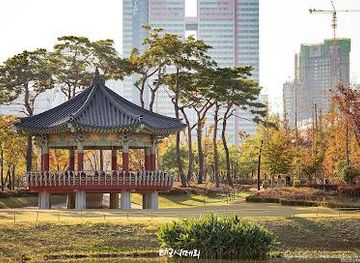
Busan Citizens Park
Discover the tranquil beauty and cultural richness of Busan Citizens Park, an urban oasis in the heart of Busan, South Korea.
-
Tourist attraction
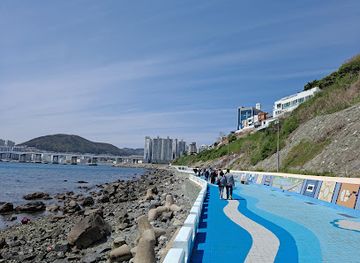
Huinnyeoul Culture Village
Experience the vibrant art and stunning views of Huinnyeoul Culture Village, a hidden gem in Busan that beautifully blends culture and nature.
Best landmarks in Yeongnam Region
The Yeongnam Region of South Korea offers an unparalleled blend of historical grandeur and natural beauty, making it a treasure trove for any traveler. Visitors can marvel at the ancient temples of Bulguksa and Seokguram Grotto in Gyeongju, which stand as testaments to the region's rich Buddhist heritage. The serene Haeinsa Temple in Hapcheon, home to the Tripitaka Koreana, invites contemplation amidst stunning mountain landscapes. For a dive into Korea's storied past, the Gyeongju National Museum and the royal tombs of the Silla Dynasty provide compelling insights. The bustling city of Busan adds a modern touch with its vibrant beaches like Haeundae and the bustling Jagalchi Fish Market, while also offering the tranquil beauty of Beomeosa Temple nestled in the mountains. Nature enthusiasts will be captivated by the scenic splendor of Tongyeong's coastal vistas and the hiking trails of Jirisan National Park. Whether you are exploring ancient relics, savoring local cuisine, or soaking in natural hot springs, Yeongnam promises a rich tapestry of experiences that cater to every interest.
-
Tourist attraction
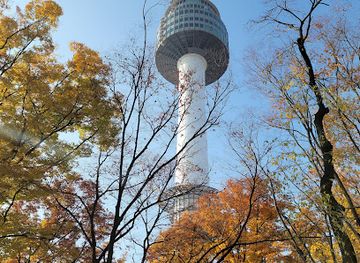
N Seoul Tower
Experience breathtaking panoramic views and cultural richness at N Seoul Tower, a must-visit landmark in the heart of Seoul, South Korea.
-
Cultural landmark
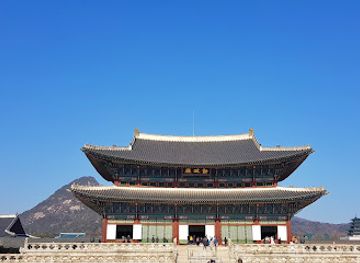
Gyeongbokgung Palace
Experience the grandeur of Gyeongbokgung Palace, a cultural treasure in Seoul, showcasing Korea's royal history and stunning architecture.
-
Theme park
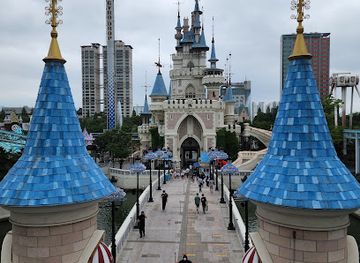
Lotte World
Experience the thrill and magic of Lotte World, Korea's enchanting theme park, where adventure meets cultural charm in the heart of Seoul.
-
Tourist attraction
Gamcheon Culture Village
Explore the colorful streets and artistic wonders of Gamcheon Culture Village, a must-see cultural gem in Busan, South Korea.

Explore Yeongnam Region on the map
Plan your trip on one map. See where the top cities, national parks and sights are, and book hotels and experiences in a few clicks.
Best hotels in Yeongnam Region
Best restaurants in Yeongnam Region
The Yeongnam Region of South Korea is a culinary treasure trove where tradition meets innovation, offering visitors a tantalizing array of flavors and experiences. In the bustling cities of Daegu and Busan, you'll find vibrant street food markets brimming with mouth-watering delicacies like hotteok (sweet pancakes), tteokbokki (spicy rice cakes), and freshly caught seafood. For those seeking a more refined dining experience, the region boasts numerous traditional Hanok-style restaurants serving exquisite dishes such as Andong jjimdak (braised chicken) and Gyeongsang-style bibimbap, bursting with fresh, locally sourced ingredients. Don't miss the unique opportunity to dine at a Hanjeongsik (Korean full-course meal) restaurant, where you'll be treated to a symphony of small, meticulously prepared dishes that showcase the depth and diversity of Korean cuisine. Whether you're a food enthusiast eager to explore local markets or a gourmet seeking high-end dining, the Yeongnam Region promises an unforgettable gastronomic journey.
-
Hotel
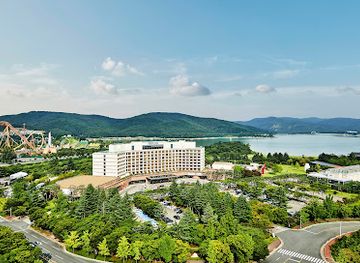
Hilton Gyeongju
Discover unparalleled luxury and cultural richness at Hilton Gyeongju, your gateway to South Korea's historic treasures.
-
Brunch
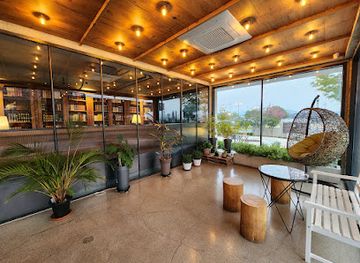
Venzamas
Experience the best of Gyeongju's brunch scene at Venzamas – where innovative cuisine meets local flavors.
-
Heritage preservation
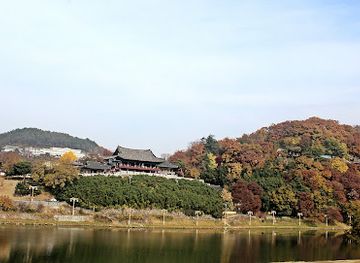
Yeongnamnu
Explore Yeongnamnu: A Heritage Site in Miryang-si Celebrating Korea's Architectural Elegance and Cultural Richness.
-
Korean
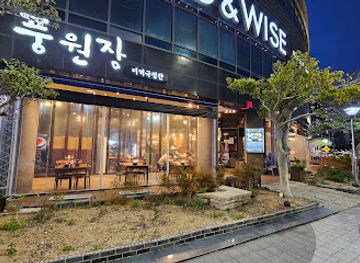
Poongwonjang Marine City
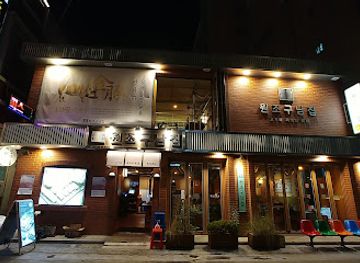
Savor authentic Korean cuisine at Poongwonjang Marine City in Busan's vibrant Haeundae district with stunning seaside views.
Best bars in Yeongnam Region
The nightlife scene in Yeongnam Region is a vibrant blend of traditional charm and modern excitement that promises an unforgettable experience. Start your evening in the bustling city of Busan with its neon-lit streets and trendy bars along Haeundae Beach, where you can sip cocktails while enjoying a mesmerizing ocean view. Head to Daegu for its eclectic mix of nightclubs, live music venues, and bustling street food markets, perfect for dancing the night away or indulging in local delicacies. For a more laid-back evening, explore the historic city of Gyeongju, where you can enjoy a serene night at a traditional Korean teahouse or a quaint pub nestled among ancient temples and royal tombs. Each city in Yeongnam offers a unique nocturnal adventure, blending the rich cultural heritage with the contemporary buzz of South Korea’s nightlife.
-
Hotel
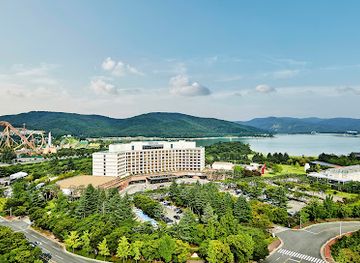
Hilton Gyeongju
Experience the perfect blend of luxury and cultural exploration at Hilton Gyeongju, your gateway to Korea's historic treasures.
-
Lounge
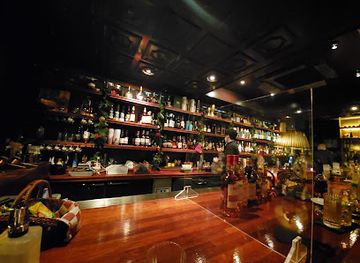
Le Chamber
Experience the epitome of luxury at Le Chamber, Gangnam’s premier lounge known for its innovative cocktails and chic ambiance.
-
Cocktail bar
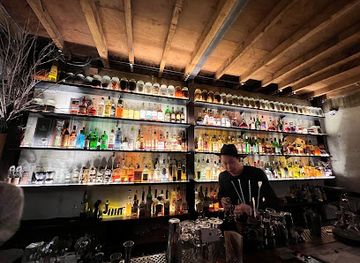
Alice Cheongdam
Discover the sophisticated nightlife at Alice Cheongdam, a premier cocktail bar in Seoul's vibrant Gangnam District, offering unique drinks and an elegant atmosphere.
-
Bar
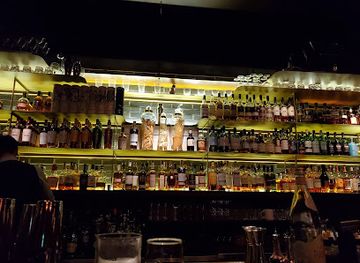
Bar분 (Bar Boon)
Experience the vibrant nightlife and unique Korean-inspired cocktails at Bar분, a local favorite in Gyeongju-si.
Best nightclubs in Yeongnam Region
The nightlife scene in Yeongnam Region is a vibrant blend of traditional charm and modern excitement that promises an unforgettable experience. Start your evening in the bustling city of Busan with its neon-lit streets and trendy bars along Haeundae Beach, where you can sip cocktails while enjoying a mesmerizing ocean view. Head to Daegu for its eclectic mix of nightclubs, live music venues, and bustling street food markets, perfect for dancing the night away or indulging in local delicacies. For a more laid-back evening, explore the historic city of Gyeongju, where you can enjoy a serene night at a traditional Korean teahouse or a quaint pub nestled among ancient temples and royal tombs. Each city in Yeongnam offers a unique nocturnal adventure, blending the rich cultural heritage with the contemporary buzz of South Korea’s nightlife.
-
Theme park
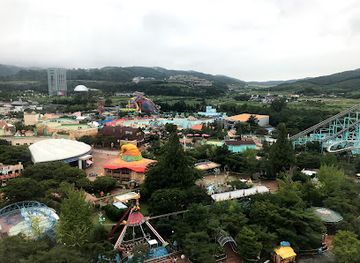
Gyeongju World
Experience the thrill and culture at Gyeongju World, a premier theme park blending excitement with Korea's rich heritage.
-
 Resort hotel
Hanwha Resort Gyeongju
Discover the perfect blend of relaxation and cultural heritage at Hanwha Resort Gyeongju, your gateway to Korea's historical treasures.
-
Country club
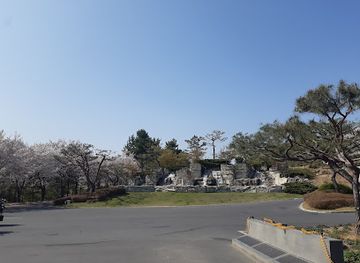
Gyeongju Country Club
Experience exceptional golfing at Gyeongju Country Club, where stunning landscapes meet world-class amenities in the heart of Korea's cultural gem.
-
Bar
Thursday Party Haeundae
Discover the vibrant nightlife of Busan at Thursday Party Haeundae, a lively bar perfect for socializing and enjoying great drinks.
Best shops in Yeongnam Region
The Yeongnam Region in South Korea offers a captivating shopping experience, blending the charm of traditional markets with the allure of modern retail. In bustling cities like Busan and Daegu, visitors can explore vibrant shopping districts such as Gukje Market and Seomun Market, where narrow alleys overflow with stalls selling everything from fresh seafood and local delicacies to handmade crafts and souvenirs. For those seeking high-end fashion and cutting-edge technology, upscale malls like Shinsegae Centum City, one of the largest shopping complexes in the world, provide an opulent shopping environment. Additionally, the region's numerous underground shopping centers, like those in Nampo-dong and Dongseong-ro, offer a unique subterranean retail adventure packed with trendy boutiques, cosmetics, and quirky local brands. Whether you're hunting for unique antiques, indulging in luxury goods, or simply soaking in the lively atmosphere, the Yeongnam Region promises a diverse and exhilarating shopping journey.
-
Sportswear store
Lululemon
Explore Lululemon in Busan for stylish and functional sportswear that complements your active lifestyle, perfect for fitness enthusiasts of all ages.
-
Department store
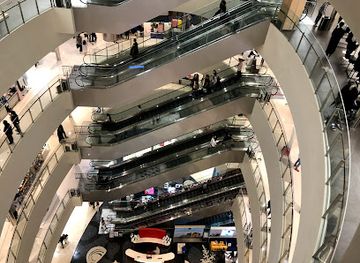
LOTTE Department Store Gwangbok
Discover luxury and local culture at LOTTE Department Store Gwangbok, a premier shopping destination in Busan with diverse dining and shopping options.
-
Theme park
Gyeongju World
Experience the thrill of adventure and the charm of culture at Gyeongju World, a unique theme park in South Korea's historic city.
-
Department store
LOTTE Department Store Busan Main
Discover the ultimate shopping experience at LOTTE Department Store Busan Main, where luxury meets local charm in the heart of Busan.

Get your free copy of our complete guide to Yeongnam Region, delivered straight to you.
Everything on this page, from attractions and restaurants to essentials and local phrases, in one PDF you can read offline, print or share.
Already have an account? Sign in
Your Yeongnam Region guide is ready.
We'll send it to · Not you? Sign out

Getting your guide ready…
We are putting together a fresh copy of the Yeongnam Region guide. This can take up to a minute.
This can take a few moments. If your browser asks, choose Allow so the download can start. You'll find the guide in your Downloads folder.
Nothing happened? Download it again
Sorry, the guide is taking longer than usual. Please try again in a minute, or get it by email instead.
Yeongnam Region essentials
Currency and Payment
Safety
Emergency Situations
Do's and Don'ts
Local Tips
From Eve
Local phrases worth knowing
You don't need to get them perfect. A few words go a long way, and locals appreciate the effort.
Basics
| English | Local | Say it |
|---|---|---|
| Hello | 안녕하세요 | [annyeonghaseyo] |
| Goodbye | 안녕히 계세요 | [annyeonghi gyeseyo] |
| Yes | 네 | [ne] |
| No | 아니요 | [aniyo] |
| Please/You're welcome | 제발/천만에요 | [jebal/chunmaneyo] |
| Thank you | 감사합니다 | [gamsahamnida] |
| Excuse me/Sorry | 죄송합니다 | [joesonghamnida] |
| How are you? | 잘 지내세요? | [jal jinaeseyo?] |
| Fine. And you? | 잘 지내요. 당신은요? | [jal jinaeyo. dangsineunyo?] |
| Do you speak English? | 영어 할 수 있어요? | [yeongeo hal su isseoyo?] |
| I don't understand | 이해하지 못해요 | [ihaehaji mothaeyo] |
Eating & Drinking
| English | Local | Say it |
|---|---|---|
| I'd like to see the menu, please | 메뉴 좀 보여주세요 | [menyu jom boyeojuseyo] |
| I don't eat meat | 고기를 먹지 않아요 | [gogireul meokji anayo] |
| Cheers! | 건배! | [geonbae!] |
| I would like to pay, please | 계산해주세요 | [gyesanjeujuseyo] |
Emergencies
| English | Local | Say it |
|---|---|---|
| Help! | 도와주세요! | [dowajuseyo!] |
| Go away! | 꺼져! | [kkeojyeo!] |
| Call the Police! | 경찰을 불러주세요! | [gyeongchareul bulleojuseyo!] |
| Call a doctor! | 의사를 불러주세요! | [uisareul bulleojuseyo!] |
| I'm lost | 길을 잃었어요 | [gireul ilheosseoyo] |
| I'm ill | 아파요 | [apayo] |
Shopping
| English | Local | Say it |
|---|---|---|
| I'd like to buy... | 구매하고 싶어요... | [gumaehago sipeoyo...] |
| I'm just looking | 그냥 둘러보고 있어요 | [geunyang dulreobogo isseoyo] |
| How much is it? | 이거 얼마예요? | [igeo eolmayeyo?] |
| That's too expensive | 너무 비쌉니다 | [neomu bissamnida] |
| Can you lower the price? | 가격을 좀 깎아줄 수 있어요? | [gagyeogeul jom ggakkajul su isseoyo?] |
Time & Numbers
| English | Local | Say it |
|---|---|---|
| What time is it? | 지금 몇 시예요? | [jigeum myeot siyeyo?] |
| It's one o'clock | 지금 한 시예요 | [jigeum han siyeyo] |
| Half past (10) | 열 시 반 | [yeol si ban] |
| Morning | 아침 | [achim] |
| Afternoon | 오후 | [ohu] |
| Evening | 저녁 | [jeonyeok] |
| Yesterday | 어제 | [eoje] |
| Today | 오늘 | [oneul] |
| Tomorrow | 내일 | [naeil] |
| 1 | 일 | [il] |
| 2 | 이 | [i] |
| 3 | 삼 | [sam] |
| 4 | 사 | [sa] |
| 5 | 오 | [o] |
| 6 | 육 | [yuk] |
| 7 | 칠 | [chil] |
| 8 | 팔 | [pal] |
| 9 | 구 | [gu] |
| 10 | 십 | [sip] |
Transport & Directions
| English | Local | Say it |
|---|---|---|
| Where's a/the...? | 어디에...있어요? | [eodie...isseoyo?] |
| What's the address? | 주소가 뭐예요? | [jusoga mwoyeyo?] |
| Can you show me (on the map)? | 지도에서 보여줄 수 있어요? | [jidoui boyeojul su isseoyo?] |
| When's the next (bus)? | 다음 (버스)는 언제예요? | [daum (beoseu)neun eonjeyeyo?] |
| A ticket (to ....) | 표 하나 (....) 주세요 | [pyo hana (...) juseyo] |
History of Yeongnam Region
The Ancient Silla Kingdom
The Yeongnam Region is historically significant as the heart of the ancient Silla Kingdom, which unified the Korean Peninsula in 668 AD. The capital of Silla, Gyeongju, is often referred to as 'the museum without walls' due to its rich collection of archaeological sites, including royal tombs, Buddhist temples, and stone pagodas.
Bulguksa Temple
Bulguksa Temple, a UNESCO World Heritage Site, is a prominent cultural landmark in the Yeongnam Region. Constructed in 774 AD during the Silla Dynasty, this temple complex is renowned for its intricate architecture and serene beauty. It houses the famous Dabotap and Seokgatap pagodas, along with numerous other national treasures.
Seokguram Grotto
Another UNESCO World Heritage Site, the Seokguram Grotto is an artificial cave temple located on Tohamsan Mountain. Completed in 774 AD, it features a majestic Buddha statue surrounded by intricate carvings of bodhisattvas, gods, and guardians. This site exemplifies the peak of Silla art and architecture.
The Battle of Hwangsanbeol
In 660 AD, the Battle of Hwangsanbeol took place in the Yeongnam Region. It was a crucial conflict between the forces of Silla and the Baekje Kingdom. General Kim Yu-shin led the Silla army to victory, which significantly contributed to the eventual unification of the Korean Peninsula under Silla rule.
Goryeong Daegaya
The Goryeong Daegaya is another historical gem in the Yeongnam Region. Daegaya was one of the Gaya confederacies that thrived from the 1st to the 6th century AD. The area is known for its ancient tombs and the Goryeong Daegaya Museum, which showcases relics from this lesser-known but historically rich kingdom.
Andong Hahoe Folk Village
The Andong Hahoe Folk Village, a UNESCO World Heritage Site, offers a glimpse into the traditional Korean way of life. Established in the 16th century, this village is famous for its well-preserved traditional houses, Confucian academies, and folk traditions. The annual Andong Mask Dance Festival is a highlight that attracts visitors from all over the world.
Confucian Culture in Andong
Andong is often considered the spiritual capital of Confucianism in Korea. Home to several historic Confucian academies like Dosan Seowon and Byeongsan Seowon, the city has been a center of Confucian scholarship and education since the Joseon Dynasty. These academies are now UNESCO World Heritage Sites.
The Imjin War and Jinju Fortress
During the Imjin War (1592-1598), Jinju Fortress played a crucial role in defending against Japanese invasions. The fortress, located in Jinju, was the site of fierce battles, including the famous Siege of Jinju in 1592. Today, the fortress stands as a monument to Korean resilience and features the Jinju National Museum, which houses artifacts from this tumultuous period.
Changnyeong Upo Wetlands
The Upo Wetlands in Changnyeong are among the largest inland wetlands in Korea, with a history dating back over 140 million years. These wetlands are home to diverse flora and fauna and have been a vital resource for local communities for centuries. They are now a protected area and a popular destination for eco-tourists.
Yeongnam Region in Photos
Browse through our photo collection highlighting the charm and character of the destination.
Neighbouring regions of Yeongnam Region
The closest regions to Yeongnam Region, if you have time for more than one.
-
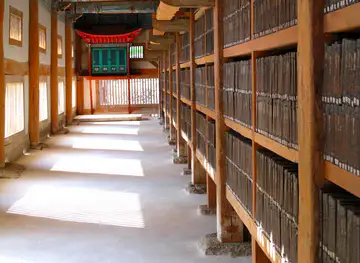 South Gyeongsang Province
Explore South Gyeongsang Province: A blend of coastal beauty, ancient history, and vibrant culture in South Korea's southeastern region.
South Gyeongsang Province
Explore South Gyeongsang Province: A blend of coastal beauty, ancient history, and vibrant culture in South Korea's southeastern region.
-
 North Gyeongsang Province
Explore North Gyeongsang Province: A blend of ancient history, cultural heritage, and breathtaking natural beauty in South Korea.
North Gyeongsang Province
Explore North Gyeongsang Province: A blend of ancient history, cultural heritage, and breathtaking natural beauty in South Korea.
-
 Hoseo Region
Discover the Hoseo Region: A Blend of History, Culture, and Natural Beauty in the Heart of South Korea
Hoseo Region
Discover the Hoseo Region: A Blend of History, Culture, and Natural Beauty in the Heart of South Korea
-
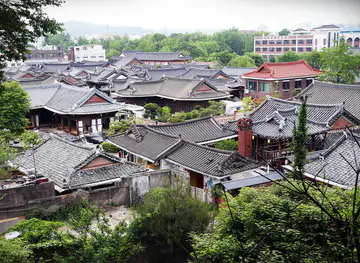 North Jeolla Province
Discover North Jeolla Province: A blend of traditional charm, culinary delights, and breathtaking natural beauty in South Korea.
North Jeolla Province
Discover North Jeolla Province: A blend of traditional charm, culinary delights, and breathtaking natural beauty in South Korea.
-
 North Chungcheong Province
: Discover South Korea's natural beauty and cultural heritage with its stunning landscapes, ancient temples, and charming traditional villages.
North Chungcheong Province
North Chungcheong Province: Discover South Korea's natural beauty and cultural heritage with its stunning landscapes, ancient temples, and charming traditional villages.
Swipe for more regions

