

Free North Chungcheong Province Travel Guide & Mobile App
Explore North Chungcheong Province with free travel guides. Discover regional history, expert tips, proposed trips, and audio guides on web or mobile app.


Explore North Chungcheong’s mountain temples, limestone valleys, lake landscapes, historic Cheongju and distinctive inland Korean food.
Read more about North Chungcheong Province
When is the best time to visit North Chungcheong Province?
Best: May, September–October · 19–26°C| Month | High (°C) | Rainfall (mm) |
|---|---|---|
| January | 2 | 23 |
| February | 5 | 26 |
| March | 10 | 46 |
| April | 17 | 71 |
| May (best) | 23 | 99 |
| June | 27 | 161 |
| July | 30 | 311 |
| August | 30 | 278 |
| September (best) | 26 | 138 |
| October (best) | 19 | 61 |
| November | 11 | 44 |
| December | 4 | 28 |
Getting to and around North Chungcheong Province
How to get there
Transportation
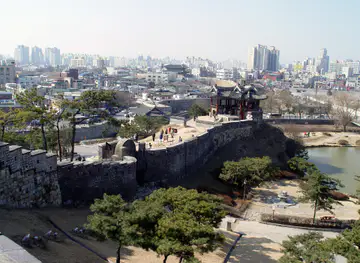
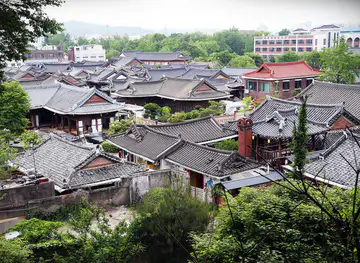
Top city travel guides in North Chungcheong Province
The cities of North Chungcheong Province, and the easiest places to base yourself.
-
-

-


Swipe for more cities
Destinations in North Chungcheong Province
Resorts, valleys and scenic spots worth a trip of their own.
-

-


Swipe for more destinations
Best attractions in North Chungcheong Province
North Chungcheong’s attractions combine mountain landscapes, Buddhist heritage, geological scenery and accessible urban culture. Cheongju offers the Cheongju Early Printing Museum, the Heungdeoksa Temple site, the National Museum of Modern and Contemporary Art’s Cheongju branch and the wooded paths of Sangdang Sanseong. Around Boeun, Songnisan National Park leads to Beopjusa, one of Korea’s great mountain temple complexes, as well as forest walking routes and seasonal foliage. Danyang is known for limestone landscapes, including Dodamsambong, Gosu Cave and river viewpoints, while Jecheon provides access to Cheongpung Lake, Uirimji Reservoir and lakeside cultural sites. Chungju’s attractions include Tangeumdae, river scenery, Suanbo hot-spring facilities and excursions on the reservoir. Sobaeksan and Woraksan national parks offer more demanding hiking, with conditions varying by season. Rural markets, traditional buildings, agricultural landscapes and local food experiences add a quieter dimension, while museums and cultural venues in the larger towns provide useful context when weather limits outdoor plans.
-
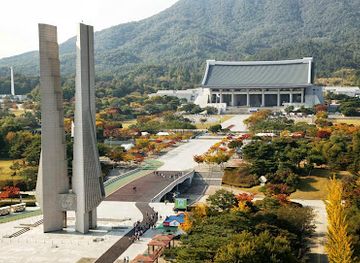
Independence Hall of Korea
Discover the profound history of Korea at the Independence Hall, where freedom and culture intertwine in a captivating setting.
-
Cheongpung Cable Car
Experience breathtaking views and adventure at Cheongpung Cable Car, a top tourist attraction in Jecheon-si, South Korea.
-
Tourist attraction
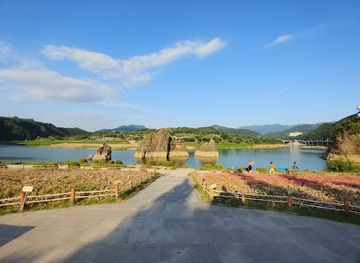
Dodamsambong Peaks
Experience the breathtaking beauty of Dodamsambong Peaks, a must-visit natural wonder in South Korea that captivates with its stunning rock formations and serene landscapes.
-
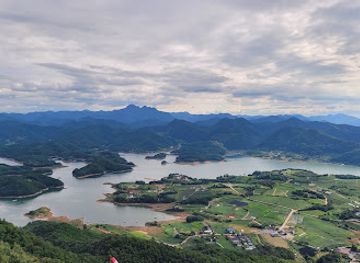
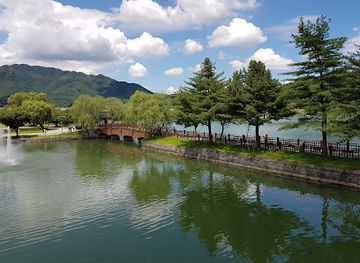
Uirimji Reservoir
Experience the serene beauty and historical significance of Uirimji Reservoir in Jecheon-si, a must-visit destination for nature and history lovers alike.
Best landmarks in North Chungcheong Province
Beopjusa, in Songnisan National Park near Boeun, is North Chungcheong’s most important religious landmark. Its temple halls, stone structures and tall wooden pagoda-like Palsangjeon express the architectural development of Korean Buddhism, while the surrounding mountain setting remains integral to its meaning. Cheongju’s Sangdang Sanseong is a substantial mountain fortress whose walls follow the ridges above the city, offering both historical perspective and a clear view of the surrounding plain. The former Heungdeoksa Temple site in Cheongju is significant because it is linked to the printing of Jikji in 1377. In Danyang, the three rocky pinnacles of Dodamsambong rise from the Namhan River and have long been celebrated in Korean landscape culture. Jecheon’s Uirimji Reservoir, one of the country’s old agricultural irrigation sites, represents the relationship between water management and settlement. Tangeumdae in Chungju is a wooded river promontory associated with music, history and the meeting of waterways, while the limestone cliffs and valleys around Danyang form a natural landmark system rather than a single monument.
-
Tourist attraction
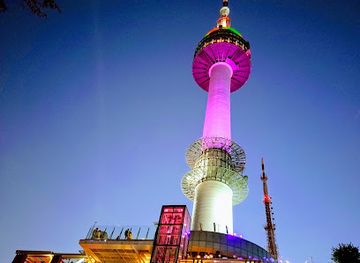
N Seoul Tower
Experience breathtaking views and romantic vibes at N Seoul Tower, the must-visit landmark for every traveler in the heart of Seoul.
-
Cultural landmark
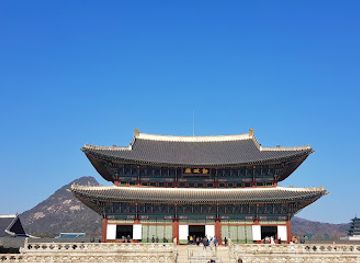
Gyeongbokgung Palace
Explore Gyeongbokgung Palace, the iconic heart of Seoul's royal heritage, where history, culture, and stunning architecture converge.
-
Nami Island
-
Landmark
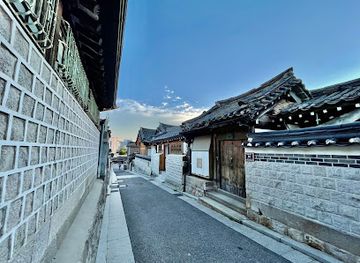
Bukchon Hanok Village
Discover Bukchon Hanok Village, a cultural landmark in Seoul that beautifully preserves traditional Korean architecture and heritage.
Explore North Chungcheong Province on the map
Plan your trip on one map. See where the top cities, national parks and sights are, and book hotels and experiences in a few clicks.
Best hotels in North Chungcheong Province
Best restaurants in North Chungcheong Province
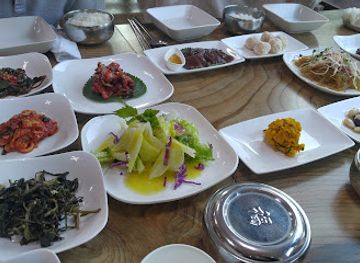
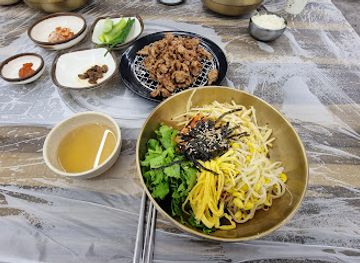
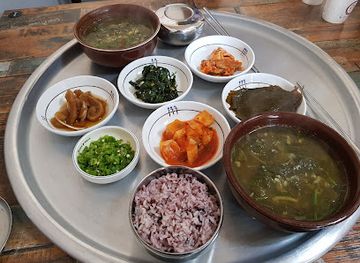
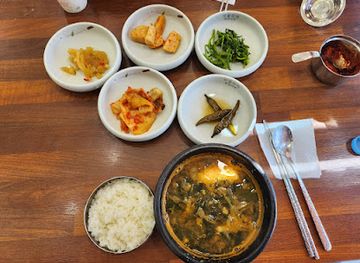
Dining in North Chungcheong reflects central Korea’s inland geography and the produce of its valleys and farms. Cheongju and the larger towns have a broad range of Korean restaurants, from soup and noodle establishments to barbecue, market food and contemporary interpretations of regional ingredients. Danyang is associated with garlic, which appears in local dishes and side dishes, while Jecheon has a long-standing medicinal-herb tradition reflected in herb-based meals and health-oriented cuisine. Freshwater fish and river-valley ingredients feature in some restaurants around Danyang and Chungju, though preparation varies by establishment. Boeun’s jujubes and Yeongdong’s grapes and wine are notable regional products. Traditional markets are useful for snacks and seasonal produce, and rural inns or family-run restaurants may specialise in dishes that are not widely available elsewhere. As throughout Korea, banchan, or small accompanying side dishes, generally form part of a meal rather than a separate course.
-
Korean
Dalaejeong
Discover the authentic flavors of Korea at Dalaejeong in Goesan-gun, where tradition meets culinary excellence.
-
Restaurant
Mujuhyang
Discover authentic Korean flavors at Mujuhyang in Muju-gun – where culinary tradition meets modern dining.
-
Korean
Mas-Sigdang
Discover authentic Korean cuisine at Mas-Sigdang in Goesan-gun - a culinary journey through traditional flavors.
-
Hangover soup restaurant
Seoul Restaurant (olgaengyi Haejangguk)
Discover the heartwarming taste of Korea at Seoul Restaurant, famous for its delicious hangover soup and authentic dishes.
Best bars in North Chungcheong Province
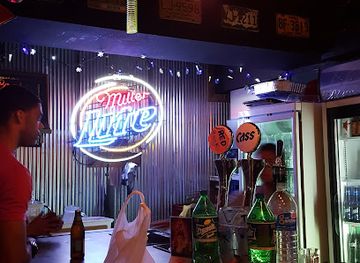
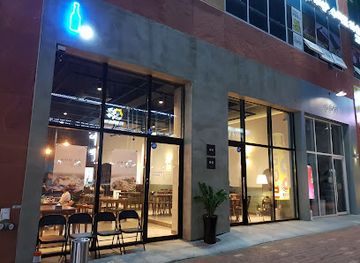
North Chungcheong’s evening life is concentrated in Cheongju, Chungju and Jecheon rather than spread across the rural districts. Cheongju has the widest choice of Korean barbecue restaurants, beer halls, cafés, karaoke rooms and late-opening venues, with younger crowds concentrated around university and commercial areas. Chungju and Jecheon offer smaller clusters of restaurants, traditional drinking houses, cafés and karaoke venues, while Danyang’s evening activity is shaped by its tourism economy and riverfront setting. In mountain towns such as Boeun and Suanbo, the atmosphere is generally quieter, with local restaurants, pension accommodation and traditional pubs taking the place of major clubs. Yeongdong’s wine identity provides a regionally distinctive alternative to standard nightlife. Opening arrangements vary, and rural visitors should not assume that venues remain open late after the last buses have departed.
-
IDK Bar
Experience the vibrant nightlife at IDK Bar in Pyeongtaek, where great drinks and a lively atmosphere await.
-
Yeobaeg
Discover Yeobaeg, a cozy bar in Eumseong-gun, offering a variety of drinks and a warm atmosphere for relaxation and socializing.
-
Bar
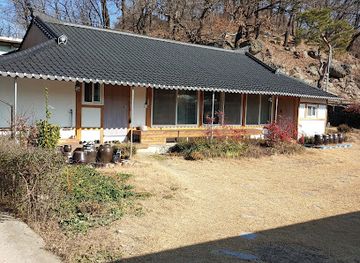
풍정사계 화양양조장
Discover the rich flavors of traditional Korean brewing at 풍정사계 화양양조장 in Cheongju-si, where craft meets culture in every sip.
-
Bar
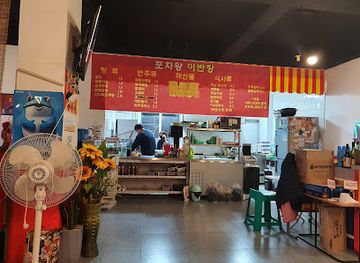
포차왕이반장
Discover the vibrant atmosphere and authentic Korean nightlife at 포차왕이반장, a must-visit bar in Goesan-gun, Chungcheongbuk-do.
Best nightclubs in North Chungcheong Province
North Chungcheong’s evening life is concentrated in Cheongju, Chungju and Jecheon rather than spread across the rural districts. Cheongju has the widest choice of Korean barbecue restaurants, beer halls, cafés, karaoke rooms and late-opening venues, with younger crowds concentrated around university and commercial areas. Chungju and Jecheon offer smaller clusters of restaurants, traditional drinking houses, cafés and karaoke venues, while Danyang’s evening activity is shaped by its tourism economy and riverfront setting. In mountain towns such as Boeun and Suanbo, the atmosphere is generally quieter, with local restaurants, pension accommodation and traditional pubs taking the place of major clubs. Yeongdong’s wine identity provides a regionally distinctive alternative to standard nightlife. Opening arrangements vary, and rural visitors should not assume that venues remain open late after the last buses have departed.
-
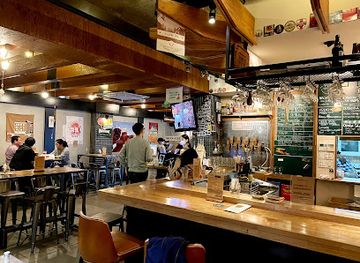
The Ranch Pub
Experience the vibrant atmosphere and delicious offerings at The Ranch Pub in Daejeon, the perfect spot for craft beer lovers and food enthusiasts.
-
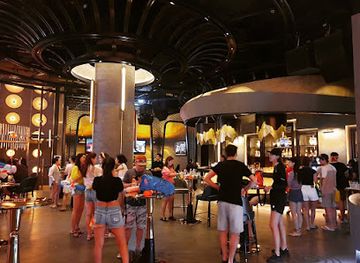
Night club
club chroma
Dive into the electrifying atmosphere of Club Chroma, Incheon's ultimate destination for nightlife, music, and unforgettable experiences.
-
Rock music club
Bald Eagles Club
Discover the electrifying atmosphere of Bald Eagles Club, Pyeongtaek's premier venue for live rock music and unforgettable nightlife experiences.
-
Restaurant
Discover the vibrant nightlife of Jeonju with delicious Korean food and lively entertainment at this popular night club.

Best shops in North Chungcheong Province
Shopping in North Chungcheong is strongest in traditional markets, town-centre streets and food-producing districts rather than in luxury retail. Cheongju provides the broadest choice of department stores, chain retailers, independent boutiques, bookshops and cafés, while its traditional markets are useful for snacks, household goods and everyday Korean produce. Chungju, Jecheon, Danyang and Boeun each have local market areas where visitors can find seasonal fruit, dried foods, sauces and prepared dishes. Danyang garlic, Jecheon herbal products, Boeun jujubes and Yeongdong grapes or wine make more distinctive regional purchases than generic souvenirs, subject to transport and customs rules. Craft and cultural shops around major temples and heritage sites sell Buddhist-themed goods, tea and locally made items, but visitors should distinguish licensed products from protected cultural objects. Smaller rural markets may operate on particular dates or mornings, so current local information is useful before making a special journey.
-
Outlet mall
Yeoju Premium Outlets
Discover unbeatable deals and luxury brands at Yeoju Premium Outlets, your ultimate shopping destination in Gyeonggi-do, South Korea.
-
Beauty supply store
chanel beauty Cheonan-Asan
Explore the elegance of Chanel Beauty in Cheonan-Asan, where luxury meets a wide selection of cosmetics and fragrances for every beauty lover.
-
Bakery
enhypen niki
Discover the sweet flavors of Enhypen Niki Bakery in Muju, where freshly baked pastries and artisanal breads await every visitor.
-
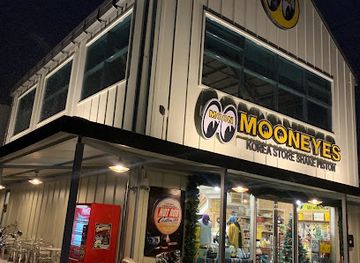
Shopping mall
MOONEYES KOREA STORE
Explore the vibrant automotive culture at MOONEYES KOREA STORE, a unique shopping destination in Cheongju-si, South Korea.



Get your free copy of our complete guide to North Chungcheong Province, delivered straight to you.
Everything on this page, from attractions and restaurants to essentials and local phrases, in one PDF you can read offline, print or share.
Already have an account? Sign in
Your North Chungcheong Province guide is ready.
We'll send it to · Not you? Sign out

Getting your guide ready…
We are putting together a fresh copy of the North Chungcheong Province guide. This can take up to a minute.
This can take a few moments. If your browser asks, choose Allow so the download can start. You'll find the guide in your Downloads folder.
Nothing happened? Download it again
Sorry, the guide is taking longer than usual. Please try again in a minute, or get it by email instead.
North Chungcheong Province essentials
Currency and Payment
Safety
Emergency Situations
Do's and Don'ts
Local Tips
From Eve
Local phrases worth knowing
You don't need to get them perfect. A few words go a long way, and locals appreciate the effort.
Basics
| English | Local | Say it |
|---|---|---|
| Hello | 안녕하세요 | [annyeonghaseyo] |
| Goodbye | 안녕히 가세요 | [annyeonghi gaseyo] |
| Yes | 네 | [ne] |
| No | 아니요 | [aniyo] |
| Please/You're welcome | 제발/천만에요 | [jebal/cheonmaneyo] |
| Thank you | 감사합니다 | [gamsahamnida] |
| Excuse me/Sorry | 죄송합니다 | [joesonghamnida] |
| How are you? | 어떻게 지내세요? | [eotteoke jinaeseyo?] |
| Fine. And you? | 좋아요. 당신은요? | [joayo. dangsineunyo?] |
| Do you speak English? | 영어 할 수 있어요? | [yeongeo hal su isseoyo?] |
| I don't understand | 이해하지 못해요 | [ihaehaji mothaeyo] |
Eating & Drinking
| English | Local | Say it |
|---|---|---|
| I'd like to see the menu, please | 메뉴 좀 보여주세요 | [menyu jom boyeojuseyo] |
| I don't eat meat | 저는 고기를 먹지 않아요 | [jeoneun gogireul meokji anayo] |
| Cheers! | 건배! | [geonbae!] |
| I would like to pay, please | 계산서 주세요 | [gyesanseo juseyo] |
Emergencies
| English | Local | Say it |
|---|---|---|
| Help! | 도와주세요! | [dowajuseyo!] |
| Go away! | 꺼져! | [kkeojyeo!] |
| Call the Police! | 경찰을 불러주세요! | [gyeongchareul bulleojuseyo!] |
| Call a doctor! | 의사를 불러주세요! | [uisareul bulleojuseyo!] |
| I'm lost | 길을 잃었어요 | [gireul ilheosseoyo] |
| I'm ill | 아프요 | [apeoyo] |
Shopping
| English | Local | Say it |
|---|---|---|
| I'd like to buy... | …을 사고 싶어요 | […eul sago sipeoyo] |
| I'm just looking | 그냥 보고 있어요 | [geunyang bogo isseoyo] |
| How much is it? | 이거 얼마예요? | [igeo eolmaeyo?] |
| That's too expensive | 너무 비싸요 | [neomu bissayo] |
| Can you lower the price? | 가격을 깎아줄 수 있어요? | [gagyeogeul ggakkajul su isseoyo?] |
Time & Numbers
| English | Local | Say it |
|---|---|---|
| What time is it? | 지금 몇 시예요? | [jigeum myeot siyeyo?] |
| It's one o'clock | 지금 1시예요 | [jigeum ilsi-yeyo] |
| Half past (10) | 10시 반이에요 | [sip-si ban-ieyo] |
| Morning | 아침 | [achim] |
| Afternoon | 오후 | [ohu] |
| Evening | 저녁 | [jeonyeok] |
| Yesterday | 어제 | [eoje] |
| Today | 오늘 | [oneul] |
| Tomorrow | 내일 | [naeil] |
| 1 | 하나 | [hana] |
| 2 | 둘 | [dul] |
| 3 | 셋 | [set] |
| 4 | 넷 | [net] |
| 5 | 다섯 | [daseot] |
| 6 | 여섯 | [yeoseot] |
| 7 | 일곱 | [ilgop] |
| 8 | 여덟 | [yeodeol] |
| 9 | 아홉 | [ahop] |
| 10 | 열 | [yeol] |
Transport & Directions
| English | Local | Say it |
|---|---|---|
| Where's a/the...? | ...은 어디에요? | [...eun eodieyo?] |
| What's the address? | 주소가 뭐예요? | [jusoga mwoyeyo?] |
| Can you show me (on the map)? | 지도에서 보여줄 수 있어요? | [jidoui da boyeojul su isseoyo?] |
| When's the next (bus)? | 다음 (버스) 언제예요? | [da-eum (beoseu) eonjeyeyo?] |
| A ticket (to ....) | …행 티켓 하나 주세요 | [...haeng tiket hana juseyo] |
History of North Chungcheong Province
Early Settlements and Three Kingdoms Frontiers
The inland valleys and river crossings of present-day North Chungcheong supported settlement long before the modern province existed. During Korea’s Three Kingdoms period, the area was contested by Goguryeo, Baekje and Silla because routes through the province connected the central basin with the east and south. Mountain fortifications, burial remains and archaeological finds reflect this strategic position. Chungju in particular became an important centre in the central interior, while the Namhan River corridor around Danyang linked communities across the mountainous north-east.
Silla and Unified Buddhist Culture
After Silla consolidated control over much of the peninsula in the seventh century, Buddhist institutions and transport routes expanded across central Korea. Temples were established in mountain settings that remain culturally important today. Beopjusa in Songnisan is traditionally dated to the sixth century and developed into a major centre of Korean Buddhism, with surviving halls, pagodas and sculpture recording centuries of religious patronage. Other mountain monasteries and hermitages in the province preserve the close relationship between Buddhist practice, forest landscapes and remote valleys.
Goryeo and Joseon Transport Corridors
Under the Goryeo and Joseon dynasties, North Chungcheong’s central position continued to shape its history. Rivers, passes and roads connected the capital region with the south-east and central provinces, making settlements such as Chungju and Cheongju important administrative and commercial points. Local magistracies, markets and military facilities developed along these routes. Mountain fortifications, including Sangdang Sanseong near Cheongju, illustrate the continuing importance of defending approaches through the interior, while Confucian academies and historic houses reflect the social order of the Joseon period.
Jikji and the History of Korean Printing
Cheongju is internationally associated with Jikji, a Buddhist text printed in 1377 using movable metal type at Heungdeoksa Temple. The surviving volume is held outside Korea, but the site of the former temple and the Cheongju Early Printing Museum explain the technical and religious context of its production. Jikji is recognised by UNESCO’s Memory of the World programme and is an important part of Korea’s long history of publishing, scholarship and Buddhist learning. The discovery and interpretation of the site helped establish Cheongju as a centre for printing heritage.
Late Joseon Reform and Donghak
The nineteenth century brought social strain, foreign pressure and calls for reform across Korea. North Chungcheong was connected with the Donghak movement, a religious and social movement founded in 1860 that drew support among rural communities and criticised corruption and inequality. The movement contributed to the wider political crisis that culminated in the Donghak Peasant Revolution of 1894. Although the principal events unfolded across several provinces, central Chungcheong formed part of the movement’s geographical and intellectual setting, and the period remains important to modern interpretations of rural Korean history.
War, Reconstruction and Industrial Development
The Korean War affected the province through military movement, displacement and disruption to communities, as it did much of central Korea. During the decades of reconstruction and rapid economic growth that followed, Cheongju expanded as an administrative and industrial centre. New roads, railways and manufacturing transformed the central plain, while improved water management created large reservoirs including Chungju Lake. The province’s economy diversified from agriculture into manufacturing, biotechnology, food production and logistics, while many mountain districts retained strong agricultural and forestry identities.
Modern Cultural and Natural Heritage
In recent decades North Chungcheong has increasingly presented its historic temples, traditional settlements, printing legacy and national parks as connected cultural assets. Beopjusa’s inclusion within the UNESCO-listed Sansa reflects the wider recognition of Korean mountain monasteries as living religious institutions rather than simply monuments. Cheongju’s museums, Danyang’s geological landscapes and Yeongdong’s food and wine culture add contemporary layers to the province’s heritage. This combination of conservation, rural tourism and urban cultural development defines much of the region’s present character.
North Chungcheong Province in Photos
Browse through our photo collection highlighting the charm and character of the destination.
Neighbouring regions of North Chungcheong Province
The closest regions to North Chungcheong Province, if you have time for more than one.
-

-

-

-
-


Swipe for more regions

