

Free Gyeonggi Province Travel Guide & Mobile App
Explore Gyeonggi Province with free travel guides. Discover regional history, expert tips, proposed trips, and audio guides on web or mobile app.


Explore Gyeonggi Province for Suwon’s fortress, wooded mountains, ceramic towns, riverside escapes and accessible DMZ heritage beyond Seoul.
Read more about Gyeonggi Province
When is the best time to visit Gyeonggi Province?
Best: May–June, October · 19–28°C| Month | High (°C) | Rainfall (mm) |
|---|---|---|
| January | 3 | 25 |
| February | 5 | 25 |
| March | 11 | 35 |
| April | 18 | 55 |
| May (best) | 23 | 65 |
| June (best) | 28 | 95 |
| July | 30 | 310 |
| August | 29 | 260 |
| September | 25 | 160 |
| October (best) | 19 | 55 |
| November | 12 | 55 |
| December | 4 | 25 |
Getting to and around Gyeonggi Province
How to get there
Transportation
Top city travel guides in Gyeonggi Province
The cities of Gyeonggi Province, and the easiest places to base yourself.
-

-

-
-

-


Swipe for more cities
Best attractions in Gyeonggi Province
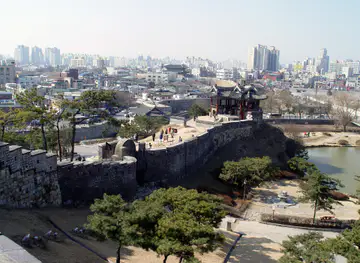
Gyeonggi’s attractions range from major heritage sites to family entertainment, wooded hills and politically charged northern landscapes. Suwon Hwaseong provides the clearest introduction to the province’s Joseon history, with an extensive circuit of walls, gates and historic urban views. Namhansanseong, built across mountain ridges east of Seoul, combines fortress history with forest walking and broad views towards the capital region. In northern Gyeonggi, Imjingak and designated DMZ observatories interpret the Korean War, division and the restricted border landscape; access and photography rules vary. Yongin offers the Korean Folk Village, which presents traditional architecture and performances, as well as large-scale leisure attractions, while Icheon is associated with ceramics, studios and craft culture. The province’s rivers and hills support cycling, walking and seasonal outings around places such as Namyangju and Gapyeong, although rural sites are dispersed. Royal tombs, museums, arboretums, traditional markets and agricultural experiences add quieter alternatives to the headline attractions. The result is a broad visitor landscape in which urban heritage, family recreation, craft traditions, outdoor activity and modern Korean history sit within a densely settled but geographically varied province.
-
Cultural landmark
Gyeongbokgung Palace
Explore Gyeongbokgung Palace, a stunning cultural landmark in Seoul, showcasing Korea's rich history, architecture, and beautiful gardens.
-
 Theme park
Lotte World
Experience the thrill of Lotte World, Seoul’s premier theme park with exhilarating rides, captivating shows, and unforgettable family fun.
-
Traditional market
Gwangjang Market
Experience the flavors of Korea at Gwangjang Market, where tradition meets taste in the heart of Seoul's vibrant culinary scene.


Best landmarks in Gyeonggi Province
Suwon Hwaseong is Gyeonggi’s most recognisable built landmark, its pale stone and brick walls tracing a substantial route through the provincial capital. Paldalmun, one of the fortress’s principal gates, remains integrated into the modern city, while Hwaseomun and the elevated western sections reveal how military architecture was adapted to difficult terrain. Namhansanseong forms a different kind of landmark: a fortress spread across wooded mountain ridges, where walls, gates and temples reflect the defensive importance of the capital’s eastern approaches. In northern Gyeonggi, the Imjin River and bridges around Paju carry historical meaning because of their association with the Korean War and the continuing division of the peninsula. The royal tombs scattered through the province are quieter but significant landmarks of Joseon authority, laid out according to geomantic principles in wooded settings. Icheon’s pottery kilns and studios represent a living craft landscape rather than a single monumental structure, while the broad Han River basin and forested eastern hills provide the geographical landmarks that frame the province’s towns. Together these places convey Gyeonggi as a region of defence, monarchy, craft and metropolitan change.
-
Amusement park
Everland
Explore Everland, South Korea's premier amusement park, where thrilling rides and beautiful gardens create unforgettable experiences for all ages.
-
Tourist attraction
N Seoul Tower
Experience breathtaking views and rich culture at N Seoul Tower, a must-visit landmark in the heart of Seoul offering unforgettable memories.
-
Cultural landmark
Gyeongbokgung Palace
Explore the grandeur of Gyeongbokgung Palace, a cultural landmark in Seoul that showcases Korea's rich history and breathtaking architecture.
-
Cultural landmark
Deoksugung Palace
Discover the captivating history and architectural beauty of Deoksugung Palace in the heart of Seoul, a must-visit cultural landmark.


Explore Gyeonggi Province on the map
Plan your trip on one map. See where the top cities, national parks and sights are, and book hotels and experiences in a few clicks.
Best hotels in Gyeonggi Province
Best restaurants in Gyeonggi Province
Gyeonggi’s dining identity reflects both the food culture of the Seoul region and the province’s own agricultural, riverine and craft traditions. Suwon galbi, associated with the provincial capital, is the best-known local speciality: marinated beef ribs are grilled and usually accompanied by a wide selection of banchan. Around the countryside, restaurants and markets make use of rice, seasonal vegetables, beans, fruit and locally raised meat, while river-valley districts offer freshwater fish and noodle dishes whose recipes vary by town. Icheon is particularly noted for rice and is a good place to encounter meals built around carefully prepared steamed grains and numerous side dishes. Urban Gyeonggi has an extensive choice of Korean barbecue, noodles, dumplings, bakeries and contemporary cafés, especially around Suwon and the larger satellite cities. Paju and other northern towns combine local restaurants with cafés and food spaces, while traditional markets remain useful for snacks and produce. Tipping is not a normal expectation, and menus may be designed for sharing, so visitors should check portion sizes and cooking arrangements before ordering.
-
Italian
Eunice's Garden Restaurant
Experience exquisite Italian dining amidst the serene beauty of Eunice's Botanical Garden in Ansan-si.
-
Buffet
Seoul Shilla Hotel The Parkview
Indulge in an exquisite buffet experience at Seoul Shilla Hotel's The Parkview, featuring global flavors and exceptional service.
-
Korean
Mokmyeoksanbang
Experience authentic Korean flavors at Mokmyeoksanbang in Seoul's Jung District - a true culinary delight for all food lovers.
-
Korean
Jungsik Seoul
Discover the art of modern Korean cuisine at Jungsik Seoul, where tradition meets innovation in every dish.


Best bars in Gyeonggi Province
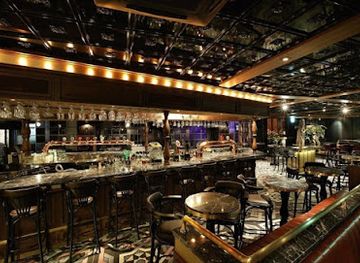
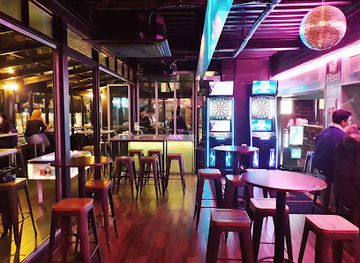
Nightlife in Gyeonggi is varied but generally follows the province’s settlement pattern rather than forming one continuous scene. Suwon, Seongnam, Goyang, Anyang and other large cities have clusters of Korean restaurants, cafés, karaoke rooms, pubs and late-evening venues around their main stations and commercial streets. University districts and new-town centres tend to offer the greatest concentration of casual bars and contemporary cafés, while smaller towns rely more on neighbourhood restaurants, traditional taverns and local drinking establishments. Paju and Yongin have evening options linked to cultural, shopping and leisure areas, but they do not resemble central Seoul’s dense club districts. In rural and mountain parts of Gyeonggi, evening life is usually centred on restaurants, pension accommodation, cafés and occasional live music rather than nightclubs. Breweries, makgeolli houses and craft-oriented bars provide ways to explore Korean drinking culture without treating alcohol as essential, and opening arrangements can vary considerably outside the main urban centres.
-
Bar
Prost Pub & Grill, Seoul
Discover the lively charm of Prost Pub & Grill in Yongsan, Seoul, where great food meets an unforgettable nightlife experience.
-
Bar
Casa Corona Seoul Rooftop Bar & Lounge
Discover the enchanting rooftop vibes at Casa Corona Seoul with stunning views, exquisite cocktails, and a lively atmosphere perfect for nightlife enthusiasts.
-
Cocktail bar
Southside Parlor
Experience the vibrant cocktail culture of Seoul at Southside Parlor, where delicious drinks and lively entertainment await in the heart of Yongsan District.
-
Pub
Corner Pub
Discover the lively Corner Pub in Seoul, where local culture meets a vibrant nightlife experience, perfect for socializing and enjoying unique drinks.


Best nightclubs in Gyeonggi Province
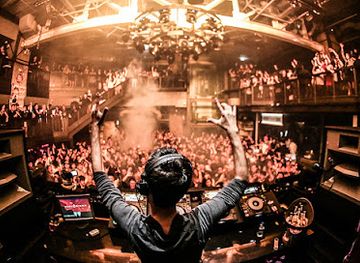
Nightlife in Gyeonggi is varied but generally follows the province’s settlement pattern rather than forming one continuous scene. Suwon, Seongnam, Goyang, Anyang and other large cities have clusters of Korean restaurants, cafés, karaoke rooms, pubs and late-evening venues around their main stations and commercial streets. University districts and new-town centres tend to offer the greatest concentration of casual bars and contemporary cafés, while smaller towns rely more on neighbourhood restaurants, traditional taverns and local drinking establishments. Paju and Yongin have evening options linked to cultural, shopping and leisure areas, but they do not resemble central Seoul’s dense club districts. In rural and mountain parts of Gyeonggi, evening life is usually centred on restaurants, pension accommodation, cafés and occasional live music rather than nightclubs. Breweries, makgeolli houses and craft-oriented bars provide ways to explore Korean drinking culture without treating alcohol as essential, and opening arrangements can vary considerably outside the main urban centres.
-
Social club
Seoul Club
Discover the dynamic atmosphere of Seoul Club, a premier social destination in the heart of Seoul with vibrant entertainment and global connections.
-
Night club
Hongdae Club Aura
Dive into Seoul's nightlife at Hongdae Club Aura, where vibrant music and an electric atmosphere create unforgettable experiences.
-
Night club
Octagon Club
Discover the pulse of Seoul's nightlife at Octagon Club, where electrifying beats and a luxurious ambiance come together for an unforgettable experience.
-
Dance hall
Club Bonita
Discover the rhythm of Latin dance at Club Bonita, Seoul's premier salsa bar, where every night is a celebration of culture and movement.



Best shops in Gyeonggi Province
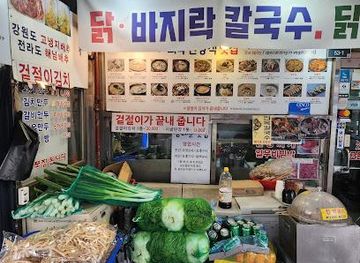
Shopping in Gyeonggi ranges from large urban retail centres to market towns, craft studios and food-producing districts. Suwon’s traditional markets are useful for Korean snacks, kitchen goods, clothing and everyday produce, while the streets around major stations contain department stores, beauty retailers, cafés and contemporary fashion shops. Paju is associated with publishing, books and creative retail spaces, offering a more cultural alternative to standard metropolitan shopping. Icheon is the province’s principal destination for ceramics, with workshops and specialist outlets selling tableware, decorative pieces and tea-related objects; visitors should ask about safe packing and international shipping for larger purchases. Local markets across the province sell rice products, sauces, dried foods, fruit and seasonal agricultural goods, although selection and market days vary. In smaller towns, independent bakeries, farm shops, galleries and traditional craft stores can be more rewarding than generic chain retail. Regional food products make practical souvenirs, while buyers of antiques, ceramics or artwork should request receipts and confirm any export or customs requirements before travelling.
-
Market
Namdaemun Market
Experience the lively atmosphere of Namdaemun Market, Seoul's oldest and largest traditional market, filled with shopping, street food, and local culture.
-
Shopping mall
Starfield Coex Mall
Discover the ultimate shopping and entertainment experience at Starfield Coex Mall in Gangnam, Seoul, where modernity meets tradition.
-
Furniture store
IKEA Gwangmyeong
Discover stylish furniture and authentic Swedish cuisine at IKEA Gwangmyeong, the ultimate destination for home decor enthusiasts.
-
Shopping mall
Starfield Hanam
Discover a world of shopping, dining, and entertainment at Starfield Hanam, the ultimate shopping mall experience in Gyeonggi-do.
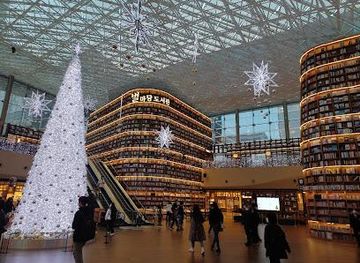


Get your free copy of our complete guide to Gyeonggi Province, delivered straight to you.
Everything on this page, from attractions and restaurants to essentials and local phrases, in one PDF you can read offline, print or share.
Already have an account? Sign in
Your Gyeonggi Province guide is ready.
We'll send it to · Not you? Sign out

Getting your guide ready…
We are putting together a fresh copy of the Gyeonggi Province guide. This can take up to a minute.
This can take a few moments. If your browser asks, choose Allow so the download can start. You'll find the guide in your Downloads folder.
Nothing happened? Download it again
Sorry, the guide is taking longer than usual. Please try again in a minute, or get it by email instead.
Gyeonggi Province essentials
Currency and Payment
Safety
Emergency Situations
Do's and Don'ts
Local Tips
From Eve
Local phrases worth knowing
You don't need to get them perfect. A few words go a long way, and locals appreciate the effort.
Basics
| English | Local | Say it |
|---|---|---|
| Hello | 안녕하세요 | [annyeonghaseyo] |
| Goodbye | 안녕히 가세요 | [annyeonghi gaseyo] |
| Yes | 네 | [ne] |
| No | 아니요 | [aniyo] |
| Please/You're welcome | 제발 / 천만에요 | [jebal / cheonmaneyo] |
| Thank you | 감사합니다 | [gamsahamnida] |
| Excuse me/Sorry | 죄송합니다 | [joesonghamnida] |
| How are you? | 잘 지내세요? | [jal jinaeseyo?] |
| Fine. And you? | 좋아요. 당신은요? | [joayo. dangsineunyo?] |
| Do you speak English? | 영어 할 수 있어요? | [yeongeo hal su isseoyo?] |
| I don't understand | 이해하지 못해요 | [ihaehaji mothaeyo] |
Eating & Drinking
| English | Local | Say it |
|---|---|---|
| I'd like to see the menu, please | 메뉴 좀 보여주세요 | [menyu jom boyeojuseyo] |
| I don't eat meat | 저는 고기를 안 먹어요 | [jeoneun gogireul an meogeoyo] |
| Cheers! | 건배! | [geonbae!] |
| I would like to pay, please | 계산해 주세요 | [gyesanhae juseyo] |
Emergencies
| English | Local | Say it |
|---|---|---|
| Help! | 도와주세요! | [dowajuseyo!] |
| Go away! | 가세요! | [gaseyo!] |
| Call the Police! | 경찰을 불러주세요! | [gyeongchareul bulleojuseyo!] |
| Call a doctor! | 의사를 불러주세요! | [uisareul bulleojuseyo!] |
| I'm lost | 길을 잃었어요 | [gireul ilheosseoyo] |
| I'm ill | 아파요 | [apayo] |
Shopping
| English | Local | Say it |
|---|---|---|
| I'd like to buy... | 이거 사고 싶어요... | [igeo sago sipeoyo...] |
| I'm just looking | 그냥 보고 있어요 | [geunyang bogo isseoyo] |
| How much is it? | 얼마예요? | [eolmayeyo?] |
| That's too expensive | 너무 비싸요 | [neomu bissayo] |
| Can you lower the price? | 가격을 깎아줄 수 있어요? | [gagyeogeul kkaeggajul su isseoyo?] |
Time & Numbers
| English | Local | Say it |
|---|---|---|
| What time is it? | 지금 몇 시예요? | [jigeum myeot siyeyo?] |
| It's one o'clock | 한 시예요 | [han siyeyo] |
| Half past (10) | 열 시 삼십 분 | [yeol si samsip bun] |
| Morning | 아침 | [achim] |
| Afternoon | 오후 | [ohu] |
| Evening | 저녁 | [jeonyeok] |
| Yesterday | 어제 | [eoje] |
| Today | 오늘 | [oneul] |
| Tomorrow | 내일 | [naeil] |
| 1 | 일 | [il] |
| 2 | 이 | [i] |
| 3 | 삼 | [sam] |
| 4 | 사 | [sa] |
| 5 | 오 | [o] |
| 6 | 육 | [yuk] |
| 7 | 칠 | [chil] |
| 8 | 팔 | [pal] |
| 9 | 구 | [gu] |
| 10 | 십 | [sip] |
Transport & Directions
| English | Local | Say it |
|---|---|---|
| Where's a/the...? | 어디에 ... 있어요? | [eodie ... isseoyo?] |
| What's the address? | 주소가 뭐예요? | [jusoga mwoyeyo?] |
| Can you show me (on the map)? | 지도로 보여줄 수 있어요? | [jidoro boyeojul su isseoyo?] |
| When's the next (bus)? | 다음 (버스)는 언제예요? | [daeum (beoseu)neun eonjeyeyo?] |
| A ticket (to ....) | 티켓 (으로 ...) | [tiket (euro ...)] |
History of Gyeonggi Province
Early Kingdoms and the Han River Frontier
The territory of present-day Gyeonggi occupied a strategically important position around the Han River and its tributaries. During Korea’s Three Kingdoms period, Goguryeo, Baekje and Silla competed for control of the river basin, transport corridors and fertile plains. Fortifications and settlement traces across the province reflect this long contest. The river routes connected inland communities with the west coast, while the surrounding hills provided defensible positions. Although modern Gyeonggi is dominated by metropolitan development, archaeological remains and ancient fortress sites preserve evidence of the region’s role in the formation of early Korean states.
Goryeo’s Capital at Gaegyeong
During the Goryeo dynasty, the capital was established at Gaegyeong, now Kaesong in present-day North Korea, just north of modern Gyeonggi Province. The surrounding region became an important political and economic zone, linking the capital with the Han River basin, western ports and southern routes. Goryeo culture is particularly associated with refined celadon ceramics, Buddhist institutions and cosmopolitan trade. The province’s northern geography cannot be understood without this historic relationship: today’s border landscape divides areas that once formed part of a closely connected capital region.
Joseon Royal and Confucian Landscapes
The Joseon dynasty transformed Gyeonggi into the principal hinterland of its capital, Hanyang, now Seoul. Roads, post stations, agricultural estates, academies and royal burial grounds developed around the capital, while mountains and rivers shaped defence and administration. Several Joseon royal tomb complexes remain within the province, and places such as Confucian academies and historic villages retain elements of the period’s social order. The landscape’s proximity to the court also encouraged elite residences, religious foundations and scholarly activity, leaving Gyeonggi with an unusually dense concentration of heritage connected to the dynasty.
Suwon Hwaseong and King Jeongjo
King Jeongjo founded and expanded Suwon Hwaseong in the late eighteenth century, moving his father’s tomb to nearby Hwasan and developing Suwon as an administrative and military centre. Built between 1794 and 1796, the fortress combined imposing walls with gates, towers, artillery positions and practical civic planning. Its construction used advanced engineering methods and documentary techniques associated with Silhak, or practical learning. Hwaseong became a major symbol of Joseon statecraft and survives as the historic framework of modern Suwon, where roads, homes and markets coexist with the fortifications.
War, Division and the Demilitarised Zone
The Korean War brought profound destruction to Gyeonggi, particularly around the Imjin River, Paju, Yeoncheon and other northern areas. The 1953 armistice created the Demilitarised Zone, dividing the peninsula close to the province’s northern edge and leaving a heavily controlled landscape of observation posts, minefields and restricted farmland. The border remains a central part of northern Gyeonggi’s modern identity, but it is also a place of ecological significance because limited human access has allowed habitats to persist. Public observatories and memorial sites present the history within carefully regulated zones.
Industrialisation and Metropolitan Expansion
From the 1960s onwards, rapid industrialisation and migration transformed Gyeonggi from a largely agricultural hinterland into South Korea’s principal metropolitan and manufacturing belt. New towns, factories, research campuses, expressways and rail connections expanded around Seoul and older cities such as Suwon, Seongnam, Anyang and Goyang. Electronics, automobiles, logistics, publishing and technology became important parts of the regional economy, while farming and craft traditions survived in less urbanised districts. This transformation explains the province’s distinctive mixture of dense modern cities, planned suburbs, industrial estates, historic settlements and remaining rural landscapes.
Gyeonggi Province in Photos
Browse through our photo collection highlighting the charm and character of the destination.
Neighbouring regions of Gyeonggi Province
The closest regions to Gyeonggi Province, if you have time for more than one.
-

-

-
-

-


Swipe for more regions
Explore more

Explore more of South Korea
Discover South Korea: A land where ancient traditions meet futuristic innovations, offering diverse experiences from bustling cities to serene natural landscapes.
Explore South Korea