

Free Yeongdong Region Travel Guide & Mobile App
Explore Yeongdong Region with free travel guides. Discover regional history, expert tips, proposed trips, and audio guides on web or mobile app.


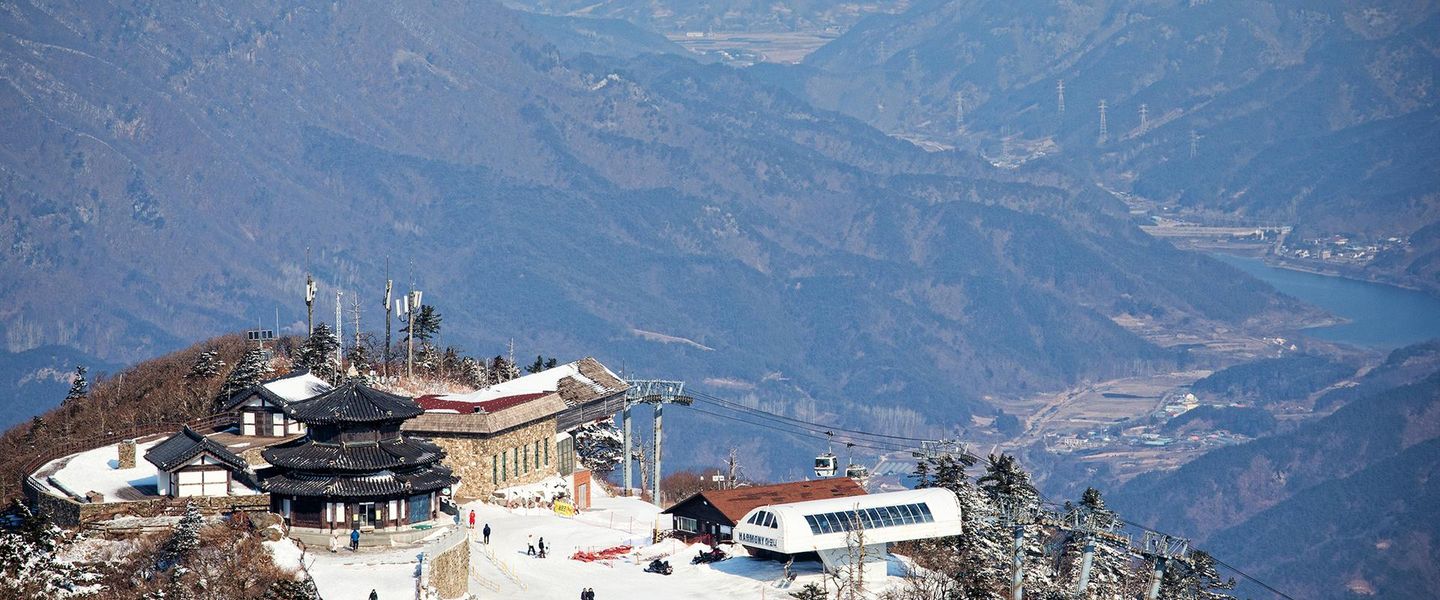


Explore Yeongdong Region in South Korea for vineyard landscapes, local wine, mountain walks, traditional music and quiet Geumgang scenery.
Read more about Yeongdong Region
When is the best time to visit Yeongdong Region?
Best: May–June, October · 19–26°C| Month | High (°C) | Rainfall (mm) |
|---|---|---|
| January | 5 | 30 |
| February | 7 | 35 |
| March | 12 | 55 |
| April | 18 | 70 |
| May (best) | 23 | 95 |
| June (best) | 26 | 105 |
| July | 30 | 220 |
| August | 29 | 170 |
| September | 25 | 130 |
| October (best) | 19 | 60 |
| November | 12 | 60 |
| December | 6 | 30 |
Getting to and around Yeongdong Region
How to get there
Transportation
Destinations in Yeongdong Region
Resorts, valleys and scenic spots worth a trip of their own.
-

-

-


Swipe for more destinations
Best attractions in Yeongdong Region
Yeongdong’s attractions combine rural production, traditional culture and mountain landscapes rather than forming a dense urban sightseeing circuit. The Yeongdong Wine Tunnel is the county’s best-known visitor facility, interpreting local grape cultivation and wine-making in a former railway tunnel, while surrounding vineyards and seasonal farm products show the agricultural setting behind the industry. In and around Yeongdong-eup, Nangye-related cultural facilities and performances explore Park Yeon’s contribution to Korean traditional music. The county’s outdoor appeal lies in Minjujisan, forested ridges, Mulhan Valley and riverside scenery along the upper Geumgang, with walking routes varying from gentle valley outings to more demanding mountain hikes. Historic Yeongguksa Temple offers a quieter encounter with Korean Buddhist heritage in a wooded setting. The No Gun Ri Peace Memorial provides serious historical interpretation of the Korean War and should be approached as a memorial site. Rural markets, local food businesses and small cultural venues complete the experience, although opening arrangements and transport can be limited outside the principal town.
-
Tourist attraction
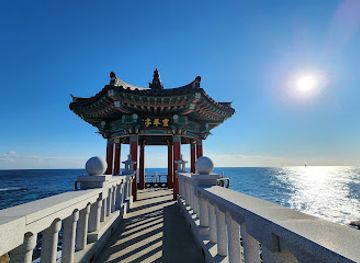
Yeonggeumjeong Pavilion
Experience the breathtaking beauty and cultural richness of Yeonggeumjeong Pavilion, a must-visit tourist attraction in Sokcho-si, Gangwon-do.
-
Tourist attraction
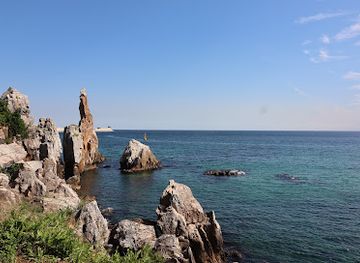
Chuam Chotdaebawi Rock
Discover the stunning Chuam Chotdaebawi Rock in Donghae-si, a natural landmark offering picturesque views and a serene escape into nature.
-
Beach
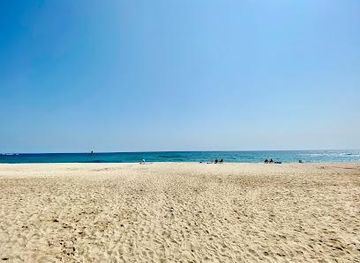
Gyeongpo Beach
Explore the stunning Gyeongpo Beach in Gangwon-do, where golden sands meet crystal-clear waters, perfect for relaxation and adventure.
-
Theme park
E-World
Experience the thrill of E-World, Daegu's top theme park with exciting rides, beautiful gardens, and family-friendly entertainment.
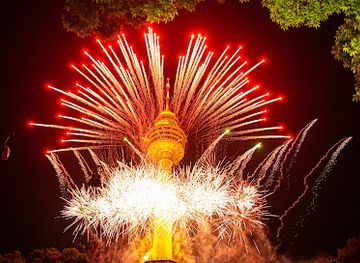
Best landmarks in Yeongdong Region
The Yeongdong Wine Tunnel is both a practical visitor attraction and a recognisable symbol of the county’s modern agricultural identity, linking wine production with the former railway infrastructure that helped connect the region to wider markets. In the mountains, Yeongguksa Temple is valued for its wooded setting and long Buddhist association, with temple buildings and surrounding land forming a composed historic landscape rather than an isolated monument. The upper Geumgang and its rocky river scenery provide Yeongdong’s most important natural landmarks, especially around the county’s valleys and viewpoints. Minjujisan gives the region a strong mountain profile, its ridges marking the meeting area of inland landscapes in several neighbouring provinces. The No Gun Ri Peace Memorial and its preserved railway underpass are landmarks of modern Korean memory, representing the civilian tragedy of the Korean War. Nangye-related cultural sites and memorials are less monumental in scale, but they anchor Yeongdong’s distinctive association with Park Yeon and the history of Korean court music.
-
Tourist attraction
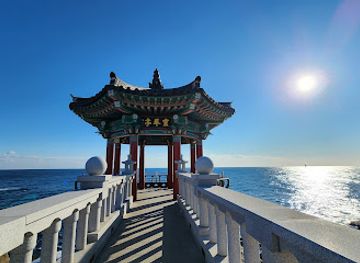
Yeonggeumjeong Pavilion
Explore the beauty of Yeonggeumjeong Pavilion, a serene coastal gem in Sokcho offering breathtaking views of the East Sea and vibrant natural surroundings.
-
Buddhist temple
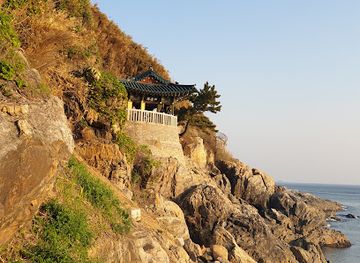
Naksansa Temple
Experience tranquility and spiritual depth at Naksansa Temple, a stunning Buddhist sanctuary on South Korea's breathtaking East Coast.
-
Tourist attraction
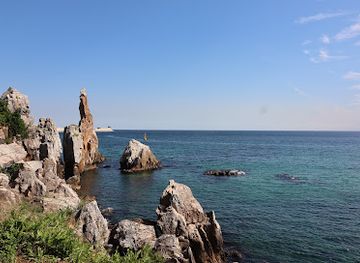
Chuam Chotdaebawi Rock
Discover the stunning natural beauty and unique rock formations at Chuam Chotdaebawi Rock in Donghae-si, a perfect destination for nature lovers.
-
Tourist attraction
Ganhyeon Tourist Area (Sogeumsan Grand Valley)
Discover the breathtaking landscapes and serene beauty of Ganhyeon Tourist Area, a hidden gem in Gangwon-do, perfect for nature lovers and adventurers alike.

Explore Yeongdong Region on the map
Plan your trip on one map. See where the top cities, national parks and sights are, and book hotels and experiences in a few clicks.
Best hotels in Yeongdong Region
Best restaurants in Yeongdong Region
Dining in Yeongdong reflects the county’s agricultural landscape and inland river valleys. Local restaurants tend to favour Korean home-style meals, rice and noodle dishes, seasonal vegetables, grilled meats and shared stews rather than a narrowly defined regional cuisine. Fresh grapes and processed grape products are prominent in season, while Yeongdong wine is a natural accompaniment to a meal or a tasting visit. In riverside and mountain areas, menus may include freshwater fish or dishes based on locally available produce, though individual offerings vary by restaurant and season. Yeongdong-eup has the broadest choice of everyday restaurants, cafés and traditional Korean dining rooms, while rural areas are more likely to have small family-run establishments with limited English information. Food markets and agricultural outlets are useful for fruit, preserves and other local products. Visitors should expect communal seating and shared side dishes, and should check payment options before dining in smaller villages.
-
 Hotel
HotelRAMADA Hotel & Suites Gangwon PyeongChang
Discover unparalleled comfort at RAMADA Hotel & Suites in PyeongChang – your gateway to breathtaking landscapes and thrilling winter sports.
-
Korean beef restaurant
Pyeongchang Hanwoo Village Daegwallyeong Branch
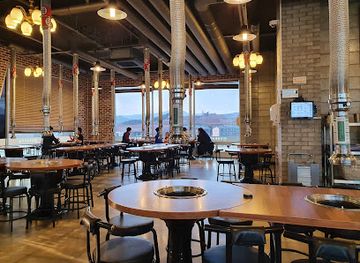
Experience authentic Korean cuisine at Pyeongchang Hanwoo Village with exquisite Hanwoo beef surrounded by stunning landscapes.
-
Korean
남경식당
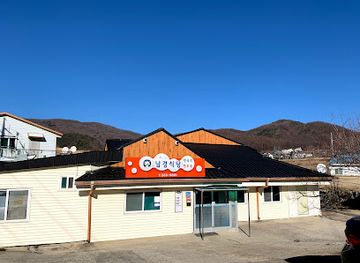
Savor authentic Korean flavors at 남경식당 in Pyeongchang-gun – where every meal is a delightful culinary journey.
-
Fast Food
Lotteria
Discover delicious fast food at Lotteria in Yeongdong - perfect for a quick bite during your travels.
Best bars in Yeongdong Region
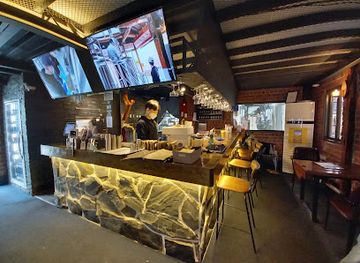
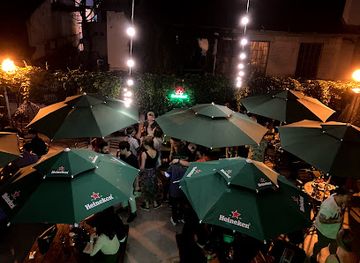
Yeongdong has a modest evening scene shaped by its small-town and rural character. In Yeongdong-eup, visitors will find Korean pubs, casual restaurants, cafés and establishments serving soju, beer and local wine, with activity generally concentrated around the town centre and railway station rather than a large dedicated nightlife district. Traditional Korean drinking places often serve substantial dishes alongside drinks, while wine-related venues may offer tastings during organised programmes or seasonal events. Evening options become sparse in mountain and vineyard areas, where accommodation, a quiet meal or an early night is more realistic than late entertainment. Festival periods can bring performances and temporary food stalls, but schedules change. Visitors should not assume that rural venues remain open late, and should arrange transport before drinking because taxis and public transport are less dependable away from Yeongdong-eup.
-
Resort hotel
Lakai Sandpine Resort
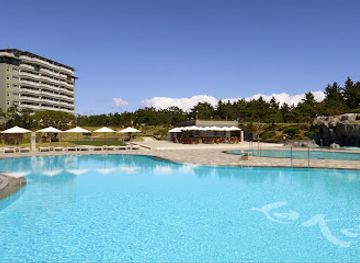
Discover the elegance of Lakai Sandpine Resort, where luxury meets nature on the stunning beaches of Gangwon-do.
-
Hotel
RAMADA Hotel & Suites Gangwon PyeongChang
Experience luxury and adventure at Ramada Hotel & Suites, the perfect base for exploring PyeongChang's stunning landscapes and ski resorts.
-
Brewpub
Daedo Brewery
Discover Daedo Brewery, where craft beer meets local flavors in the heart of Daegu, South Korea. A must-visit for beer lovers!
-
Pub
헬로외국포차(helloforeignpub)
Experience the best of Daegu's nightlife at 헬로외국포차, where locals and tourists enjoy drinks, snacks, and a lively atmosphere.
Best nightclubs in Yeongdong Region
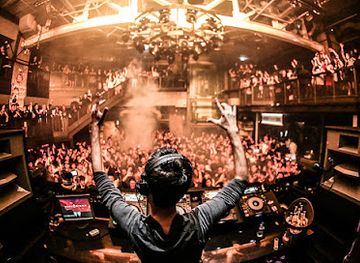
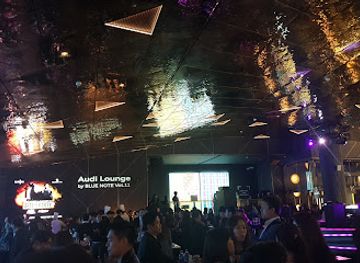
Yeongdong has a modest evening scene shaped by its small-town and rural character. In Yeongdong-eup, visitors will find Korean pubs, casual restaurants, cafés and establishments serving soju, beer and local wine, with activity generally concentrated around the town centre and railway station rather than a large dedicated nightlife district. Traditional Korean drinking places often serve substantial dishes alongside drinks, while wine-related venues may offer tastings during organised programmes or seasonal events. Evening options become sparse in mountain and vineyard areas, where accommodation, a quiet meal or an early night is more realistic than late entertainment. Festival periods can bring performances and temporary food stalls, but schedules change. Visitors should not assume that rural venues remain open late, and should arrange transport before drinking because taxis and public transport are less dependable away from Yeongdong-eup.
-
Night club
Octagon Club
Octagon Club in Gangnam: Where Seoul's vibrant nightlife comes alive with thrilling beats, stylish ambiance, and unforgettable experiences.
-
Night club
club chroma
Dive into the electrifying nightlife of Incheon at Club Chroma, where music and vibrant energy collide for an unforgettable experience.
-
Bar
International Cultural Village (A-Town)
Experience the vibrant nightlife of A-Town at the International Cultural Village, a lively bar showcasing local culture and unique beverages.
-
Night club
Ibija
Experience the vibrant nightlife at Ibija, Daejeon's premier night club, where music, dancing, and drinks create unforgettable memories.

Best shops in Yeongdong Region
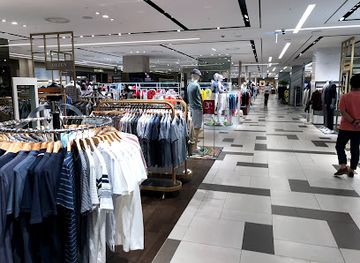
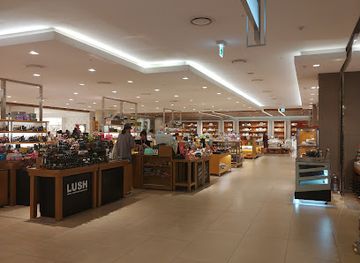
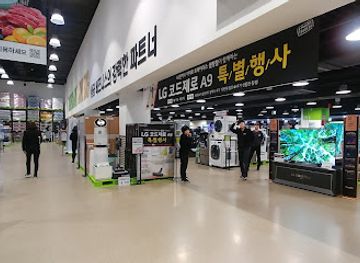
Shopping in Yeongdong is centred on local produce and practical town commerce rather than large-scale retail. Yeongdong-eup has the widest selection of supermarkets, everyday shops, cafés and small independent businesses, while traditional market activity and periodic market days offer seasonal fruit, vegetables and household goods. Grapes are the signature purchase, particularly during the harvest season, and visitors can also look for Yeongdong wine, grape juice, preserves and other products made from local produce. Wine-related gifts are best purchased from established wineries or visitor facilities, where packaging and transport advice are available. Nangye and traditional-music themes appear in cultural souvenirs, though the range is more limited than in major Korean cities. Rural agricultural outlets may sell fresher or more direct-from-farm products, but payment and opening arrangements vary. Those seeking fashion, luxury goods or extensive department-store shopping should plan to shop in a larger nearby city rather than expect Yeongdong to function as a major retail destination.
-
Jewelry store
Shinsegae Department Store Daegu
Discover the luxury of shopping at Shinsegae Department Store Daegu, where high-end fashion meets exquisite gifts in a stunning setting.
-
Outlet mall
Yeoju Premium Outlets
Discover unbeatable deals and a stylish shopping experience at Yeoju Premium Outlets, where global brands meet local charm.
-
Department store
The Hyundai Daegu
Explore The Hyundai Daegu for an exceptional shopping experience filled with fashion, food, and fun in the heart of South Korea.
-
Warehouse store
E-Mart Traders Wolpyeong
Explore E-Mart Traders Wolpyeong in Daejeon for an unparalleled shopping experience featuring local goods and bulk buying options.

Get your free copy of our complete guide to Yeongdong Region, delivered straight to you.
Everything on this page, from attractions and restaurants to essentials and local phrases, in one PDF you can read offline, print or share.
Already have an account? Sign in
Your Yeongdong Region guide is ready.
We'll send it to · Not you? Sign out

Getting your guide ready…
We are putting together a fresh copy of the Yeongdong Region guide. This can take up to a minute.
This can take a few moments. If your browser asks, choose Allow so the download can start. You'll find the guide in your Downloads folder.
Nothing happened? Download it again
Sorry, the guide is taking longer than usual. Please try again in a minute, or get it by email instead.
Yeongdong Region essentials
Currency and Payment
Safety
Emergency Situations
Do's and Don'ts
Local Tips
From Eve
Local phrases worth knowing
You don't need to get them perfect. A few words go a long way, and locals appreciate the effort.
Basics
| English | Local | Say it |
|---|---|---|
| Hello | 안녕하세요 | [annyeonghaseyo] |
| Goodbye | 안녕히 가세요 | [annyeonghi gaseyo] |
| Yes | 네 | [ne] |
| No | 아니요 | [aniyo] |
| Please/You're welcome | 제발/천만에요 | [jebal/chunmaneyo] |
| Thank you | 감사합니다 | [gamsahamnida] |
| Excuse me/Sorry | 죄송합니다 | [joesonghamnida] |
| How are you? | 잘 지내세요? | [jal jinaeseyo?] |
| Fine. And you? | 잘 지내요. 당신은요? | [jal jinaeyo. dangshineunyo?] |
| Do you speak English? | 영어 할 수 있어요? | [yeongeo hal su isseoyo?] |
| I don't understand | 이해하지 못해요 | [ihaehaji mothaeyo] |
Eating & Drinking
| English | Local | Say it |
|---|---|---|
| I'd like to see the menu, please | 메뉴 좀 보여 주세요 | [menyu jom boyeo juseyo] |
| I don't eat meat | 저는 고기를 안 먹어요 | [jeoneun gogi-reul an meogeoyo] |
| Cheers! | 건배! | [geonbae!] |
| I would like to pay, please | 계산서 주세요 | [gyesanseo juseyo] |
Emergencies
| English | Local | Say it |
|---|---|---|
| Help! | 도와주세요! | [dowajuseyo!] |
| Go away! | 꺼져요! | [kkeojyeoyo!] |
| Call the Police! | 경찰 불러 주세요! | [gyeongchal bulleo juseyo!] |
| Call a doctor! | 의사 불러 주세요! | [uisa bulleo juseyo!] |
| I'm lost | 길을 잃어버렸어요 | [gireul ilh-eobeoryeosseoyo] |
| I'm ill | 아파요 | [apayo] |
Shopping
| English | Local | Say it |
|---|---|---|
| I'd like to buy... | .... 사고 싶어요 | [.... sago sipeoyo] |
| I'm just looking | 그냥 보고 있어요 | [geunyang bogo isseoyo] |
| How much is it? | 이거 얼마예요? | [igeo eolmayeyo?] |
| That's too expensive | 너무 비싸요 | [neomu bissayo] |
| Can you lower the price? | 가격 좀 깎아 주세요 | [gagyeok jom kkakka juseyo] |
Time & Numbers
| English | Local | Say it |
|---|---|---|
| What time is it? | 지금 몇 시예요? | [jigeum myeot siyeyo?] |
| It's one o'clock | 지금 한 시예요 | [jigeum han siyeyo] |
| Half past (10) | 10시 반이에요 | [10si ban-ieyo] |
| Morning | 아침 | [achim] |
| Afternoon | 오후 | [ohu] |
| Evening | 저녁 | [jeonyeok] |
| Yesterday | 어제 | [eoje] |
| Today | 오늘 | [oneul] |
| Tomorrow | 내일 | [naeil] |
| 1 | 일 | [il] |
| 2 | 이 | [i] |
| 3 | 삼 | [sam] |
| 4 | 사 | [sa] |
| 5 | 오 | [o] |
| 6 | 육 | [yuk] |
| 7 | 칠 | [chil] |
| 8 | 팔 | [pal] |
| 9 | 구 | [gu] |
| 10 | 십 | [sip] |
Transport & Directions
| English | Local | Say it |
|---|---|---|
| Where's a/the...? | .... 어디예요? | [.... eodiyeyo?] |
| What's the address? | 주소가 뭐예요? | [jusoga mwoyeyo?] |
| Can you show me (on the map)? | 지도에서 보여줄 수 있어요? | [jidoe-seo boyeo-jul su isseoyo?] |
| When's the next (bus)? | 다음 (버스)는 언제예요? | [daeum (beoseu)-neun eonje-yeyo?] |
| A ticket (to ....) | ....행 티켓 하나 주세요 | [....haeng ticket hana juseyo] |
History of Yeongdong Region
Early Settlement and Inland River Landscapes
The valleys and river terraces of present-day Yeongdong provided routes for settlement and agriculture long before the modern county existed. Archaeological remains in the wider inland Chungcheong area testify to successive prehistoric communities, while the Geumgang basin connected communities through movement, farming and exchange. Yeongdong’s position between central Korea and the southeastern interior later gave it continuing strategic importance. Although few early remains form a single visitor circuit, the county’s geography explains the enduring pattern of villages and cultivated land between wooded mountains.
Yeongdong in the Three Kingdoms and Unified Silla Periods
During the Three Kingdoms period, the central Korean interior was contested by Baekje, Silla and Goguryeo, and the area around modern Yeongdong lay within changing spheres of influence. Silla’s eventual expansion brought the region into a more unified political framework, while roads and Buddhist institutions helped connect inland settlements. Temples associated with the surrounding mountains, including Yeongguksa, preserve part of the religious legacy that developed during Korea’s medieval Buddhist centuries, even though many buildings have been rebuilt or repaired over time.
Yeongguksa and Medieval Buddhist Heritage
Yeongguksa is traditionally associated with the Silla period and stands in a mountain setting that reflects the close relationship between Korean Buddhism and forested landscapes. Like many Korean temples, its visible architecture represents layers of restoration rather than an untouched medieval complex. Its significance lies in the continuity of worship, woodland setting and regional cultural memory. Visitors should approach it as both a religious place and a historic landscape, observing quiet behaviour and respecting areas used for active practice.
Park Yeon and the Joseon Musical Tradition
Yeongdong is associated with Park Yeon, a major fifteenth-century musician and scholar who served during the reign of King Sejong. Park Yeon contributed to the refinement and organisation of court music, and his name remains central to the county’s cultural identity. Modern facilities and events connected with Nangye, Park Yeon’s pen name, interpret Korean traditional music through performances, exhibitions and education. This legacy gives Yeongdong a cultural significance that extends beyond its agricultural character.
Agriculture, Market Towns and Transport
For centuries, Yeongdong’s economy depended on farming in valley settlements and exchange through market towns. Rice, fruit and other field crops adapted to the inland climate, while roads and the railway strengthened links with larger centres. The arrival of modern transport did not turn Yeongdong into a major industrial city; instead, it helped agricultural products and residents connect with regional markets. The railway corridor and road network remain important to understanding the county’s role between central and southeastern Korea.
The Korean War and the No Gun Ri Legacy
Yeongdong County was affected by the fighting and displacement of the Korean War. The No Gun Ri incident, involving the deaths of Korean civilians near a railway underpass in July 1950, occurred in Hwanggan-myeon and remains one of the war’s most painful and debated local memories. The No Gun Ri Peace Memorial and surrounding interpretation centre present the episode within the broader history of civilian suffering and wartime responsibility. Visitors should approach the site thoughtfully; it is a place of remembrance rather than a conventional attraction.
The Rise of Yeongdong Wine
Grape cultivation expanded as a notable part of Yeongdong’s modern agricultural economy, supported by the county’s inland climate and farming expertise. From the late twentieth century onwards, local producers developed wine-making alongside fresh-grape production, creating a regional identity unusual in South Korea. Wine festivals, tasting venues and the Yeongdong Wine Tunnel now interpret this agricultural transformation. The industry remains rooted in small-scale regional production rather than the long-established wine traditions of Europe.
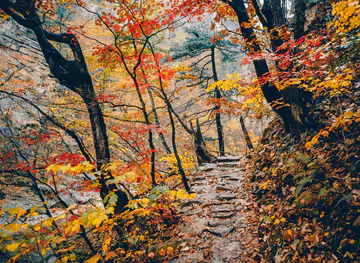
Yeongdong Region in Photos
Browse through our photo collection highlighting the charm and character of the destination.
Neighbouring regions of Yeongdong Region
The closest regions to Yeongdong Region, if you have time for more than one.
-

-

-
-

-


Swipe for more regions
Explore more

Explore more of South Korea
Discover South Korea: A land where ancient traditions meet futuristic innovations, offering diverse experiences from bustling cities to serene natural landscapes.
Explore South Korea