

Free Gwandong Region Travel Guide & Mobile App
Explore Gwandong Region with free travel guides. Discover regional history, expert tips, proposed trips, and audio guides on web or mobile app.


Explore Gwandong in South Korea for East Sea beaches, Seoraksan mountains, historic Gangneung, seafood, temples and scenic coastal journeys.
Read more about Gwandong Region
When is the best time to visit Gwandong Region?
Best: May–June, September · 22–27°C| Month | High (°C) | Rainfall (mm) |
|---|---|---|
| January | 5 | 20 |
| February | 6 | 30 |
| March | 12 | 40 |
| April | 17 | 50 |
| May (best) | 22 | 60 |
| June (best) | 27 | 70 |
| July | 31 | 90 |
| August | 30 | 80 |
| September (best) | 26 | 70 |
| October | 21 | 60 |
| November | 13 | 50 |
| December | 7 | 40 |
Getting to and around Gwandong Region
How to get there
Transportation
Top city travel guides in Gwandong Region
The cities of Gwandong Region, and the easiest places to base yourself.
-

-

-
-


Swipe for more cities
Destinations in Gwandong Region
Resorts, valleys and scenic spots worth a trip of their own.
-

-

-

-


Swipe for more destinations
Best attractions in Gwandong Region
Gwandong’s attractions range from East Sea beaches and fishing harbours to some of South Korea’s most important mountain landscapes. Seoraksan National Park, approached from the Sokcho and Yangyang side, offers granite peaks, forest trails, waterfalls and temple sites, with routes suitable for different levels of hiking. Gangneung combines the Gyeongpo lake and shore area with historic houses, museums, pavilions and a well-established café culture. South of the city, Donghae and Samcheok provide coastal walks, cliffs, caves and maritime scenery, including the extensive limestone caverns around Samcheok. Inland districts such as Jeongseon and Taebaek offer highland valleys, market culture, former mining heritage and access to quieter mountain landscapes. Buddhist temples, traditional villages, art spaces and seasonal festivals add cultural depth, while surfing beaches around Yangyang and winter recreation in the wider Gangwon mountains broaden the outdoor offering. The region is most rewarding when attractions are grouped geographically rather than pursued as a checklist, since the Taebaek range creates substantial differences between coastal and inland journeys.
-
Tourist attraction
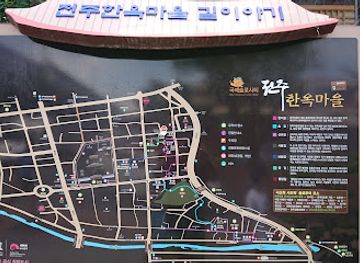
Jeonju Hanok Village
Discover the enchanting Jeonju Hanok Village, where traditional Korean architecture meets vibrant culture and delicious cuisine.
-
Arboretum
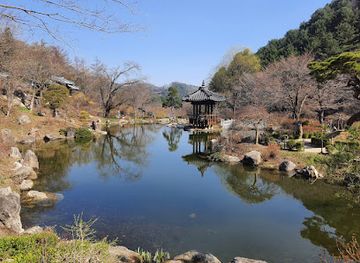
Garden of Morning Calm
Explore the breathtaking beauty of the Garden of Morning Calm, a serene arboretum in Gyeonggi-do, perfect for nature lovers and tranquility seekers.
-
Tourist attraction
Korean Folk Village
Explore the wonders of Korean heritage at Korean Folk Village, where tradition meets entertainment in a picturesque setting.
-
Cultural landmark
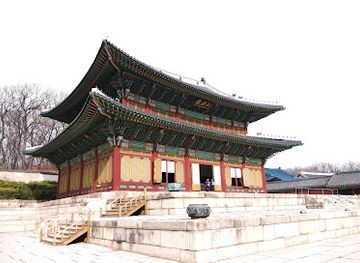
Changdeokgung
Explore the beauty and history of Changdeokgung Palace, a UNESCO World Heritage site in the heart of Seoul, known for its stunning gardens and traditional architecture.

Best landmarks in Gwandong Region
Gangneung’s Ojukheon is one of Korea’s most significant surviving traditional residential complexes, associated with the scholar Yulgok Yi I and his mother, the artist and calligrapher Shin Saimdang. Nearby Seongyojang presents the scale and layout of an influential Joseon-era family residence, while Gyeongpodae is a celebrated pavilion overlooking the lake and the wider Gyeongpo landscape. On the coast near Yangyang, Naksansa occupies a striking position above the East Sea and is known for its Buddhist buildings, sea views and devotional history. Seoraksan’s granite peaks and ridgelines form Gwandong’s most recognisable natural landmark, with Ulsanbawi especially prominent from the Sokcho side. South of Donghae, the Mukho coast and surrounding cliffs show how port infrastructure and steep shorelines define the region, while Samcheok’s limestone cave systems reveal a less visible but equally distinctive geological heritage. In the uplands, Taebaek’s former mining landscape and high passes provide reminders that Gwandong’s identity is shaped not only by scenery and temples but also by industrial history.
-
Tourist attraction
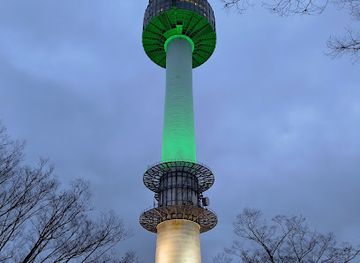
N Seoul Tower
Discover breathtaking views and rich experiences at N Seoul Tower, the iconic landmark that defines the skyline of Seoul.
-
Cultural landmark
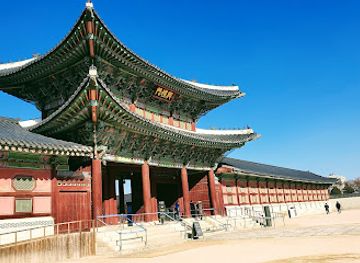
Gyeongbokgung Palace
Explore Gyeongbokgung Palace, Seoul’s largest royal palace, and immerse yourself in the rich history and stunning architecture of Korea's Joseon Dynasty.
-
Theme park
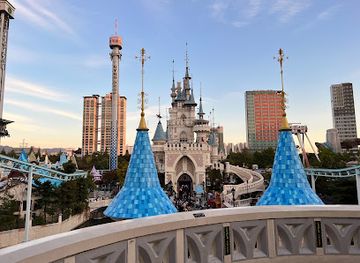
Lotte World
Experience the magic of Lotte World, a premier theme park in Seoul, where adventure, culture, and entertainment come together in a spectacular setting.
-
Buddhist temple
Haedong Yonggungsa Temple
Discover the tranquil beauty of Haedong Yonggungsa Temple, a stunning coastal Buddhist sanctuary offering peace, culture, and breathtaking views in Busan.

Explore Gwandong Region on the map
Plan your trip on one map. See where the top cities, national parks and sights are, and book hotels and experiences in a few clicks.
Best hotels in Gwandong Region
Best restaurants in Gwandong Region
Gwandong’s food culture is divided between the East Sea and the mountain interior. Sokcho, Gangneung, Donghae and Samcheok are strong places to encounter fresh fish, squid, pollock, crab, seaweed and other seafood, served in markets, harbour restaurants and modest local dining rooms. Gangneung is particularly associated with coffee, and its cafés range from polished contemporary spaces to smaller businesses near the shore and old city districts. Inland cooking relies more heavily on buckwheat, potatoes, maize, wild greens and preserved ingredients; buckwheat noodles, pancakes and potato-based dishes are common regional expressions rather than a single formal cuisine. Jeongseon’s market food is a useful introduction to upland flavours, while traditional Korean meals, barbecue restaurants, noodle shops and bakeries are widely available across the towns. Visitors should expect side dishes to accompany the main meal and should look for seasonal seafood, since availability varies with catches and weather.
-
Korean
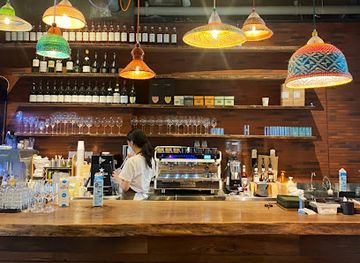
Jungsik Seoul
Experience innovative Korean cuisine at Jungsik Seoul – where tradition meets modern artistry in every exquisite dish.
-
South African
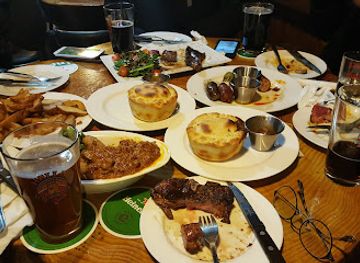
Braai Republic
Experience authentic South African flavors at Braai Republic in Yongsan District - a culinary journey you won't forget!
-
Mexican
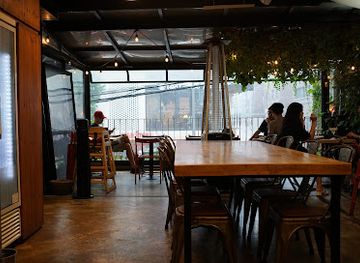
Gusto Taco
Experience the vibrant flavors of Mexico at Gusto Taco in Seoul - where every bite is a fiesta!
-
Western
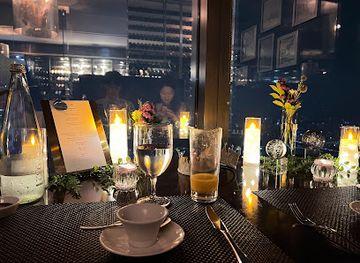
Walking on the Cloud
Experience unparalleled dining with breathtaking views at Walking on the Cloud in Seoul's iconic 63 Building.
Best bars in Gwandong Region
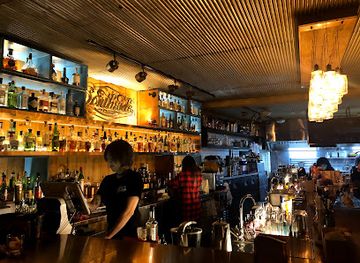
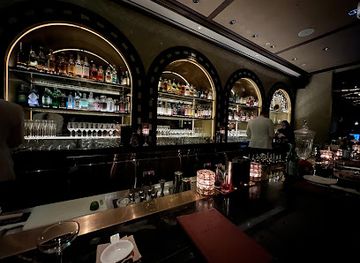
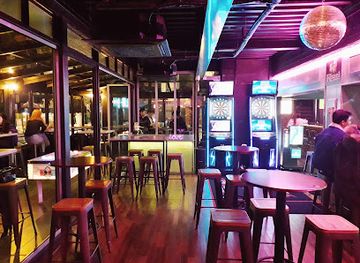
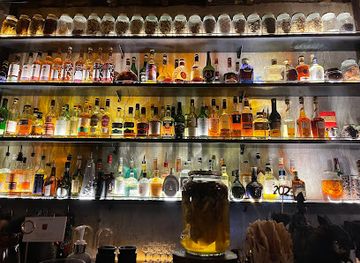
Evening life in Gwandong is concentrated in Gangneung, Sokcho and the larger coastal towns rather than spread evenly through the mountains. Gangneung offers cafés that remain open into the evening, casual bars, restaurants and a modest selection of live-music and cocktail-oriented venues, with the greatest concentration around central streets and university areas. Sokcho combines seafood restaurants, local drinking houses and late cafés with a more seasonal atmosphere near the coast. Yangyang’s beach communities have a younger summer profile, including surf-oriented bars and casual gathering places, although activity changes considerably outside peak periods. Donghae and Samcheok are more centred on restaurants, neighbourhood pubs and harbour districts than on large clubs. In Taebaek, Jeongseon and rural areas, evening entertainment usually means a traditional pub, market meal or quiet café, and visitors should not expect a major nightlife scene after the last local buses.
-
Cocktail bar
Southside Parlor
Experience the vibrant nightlife of Seoul at Southside Parlor, a cocktail bar with creative drinks and delicious American cuisine in Yongsan District.
-
Bar
찰스 H Charles H.
Discover the perfect blend of elegance and modernity at Charles H. in Seoul, a sophisticated bar and dining experience.
-
Pub
Corner Pub
Experience the vibrant nightlife of Seoul at Corner Pub, where friendly vibes and a diverse drink menu await in Mapo-gu.
-
Bar
Bar분 (Bar Boon)
Discover the vibrant atmosphere of Bar분, where unique cocktails and local flavors combine to create an unforgettable night out in Gyeongju.
Best nightclubs in Gwandong Region
Evening life in Gwandong is concentrated in Gangneung, Sokcho and the larger coastal towns rather than spread evenly through the mountains. Gangneung offers cafés that remain open into the evening, casual bars, restaurants and a modest selection of live-music and cocktail-oriented venues, with the greatest concentration around central streets and university areas. Sokcho combines seafood restaurants, local drinking houses and late cafés with a more seasonal atmosphere near the coast. Yangyang’s beach communities have a younger summer profile, including surf-oriented bars and casual gathering places, although activity changes considerably outside peak periods. Donghae and Samcheok are more centred on restaurants, neighbourhood pubs and harbour districts than on large clubs. In Taebaek, Jeongseon and rural areas, evening entertainment usually means a traditional pub, market meal or quiet café, and visitors should not expect a major nightlife scene after the last local buses.
-
Night club
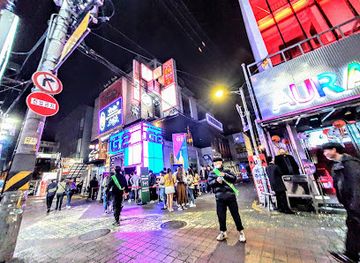
Hongdae Club Aura
Discover the vibrant nightlife at Hongdae Club Aura, a premier night club in Seoul's energetic Hongdae district, where music and fun come alive.
-
Night club
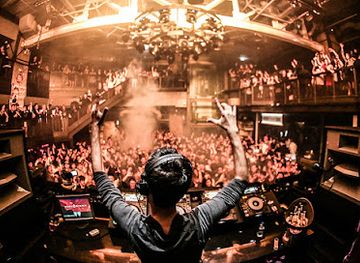
Octagon Club
Discover the ultimate nightlife experience at Octagon Club, Seoul's premier destination for electrifying music and unforgettable moments.
-
Night club
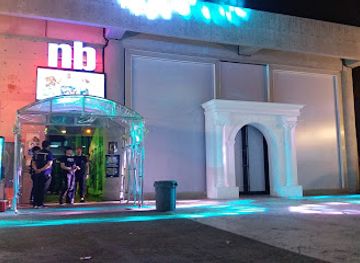
NB2
Discover the vibrant nightlife at NB2, a top night club in Seoul, featuring dynamic DJs, creative cocktails, and an energetic atmosphere.
-
Night club
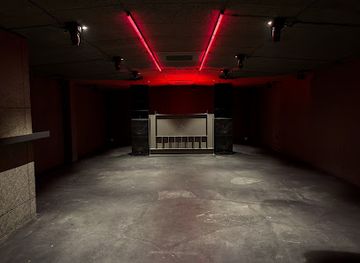
Club Volnost Seoul
Unleash your energy at Club Volnost, an electrifying night club in Itaewon, Seoul, where live music and vibrant nightlife await.
Best shops in Gwandong Region
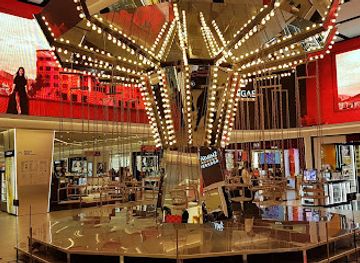
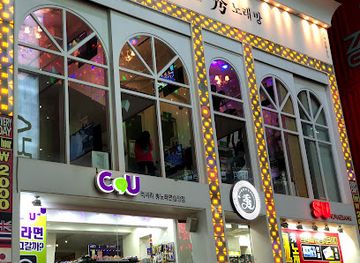
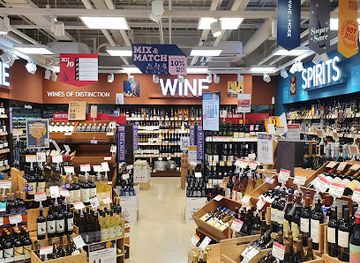
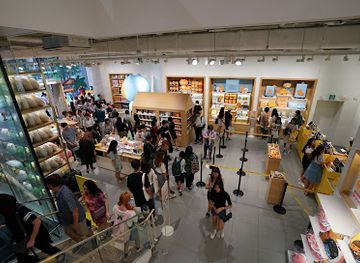
Shopping in Gwandong is strongest in traditional markets, food streets and independent districts rather than in large luxury retail zones. Gangneung Central Market is a practical place to browse prepared foods, seafood, snacks and everyday goods, while Sokcho Tourist and traditional market areas are known for regional specialities, dried seafood and market cooking. Coastal towns offer seaweed, squid, pollock and other preserved products, but visitors should check packaging and customs rules before taking food abroad. Gangneung’s café districts include coffee beans, brewing equipment and locally designed gifts, and galleries and craft shops provide alternatives to standard souvenirs. Markets in Jeongseon and other mountain towns reflect upland produce, buckwheat, potatoes, herbs and handmade foods. In historic areas, look for ceramics, textiles, stationery and contemporary crafts, while ordinary high streets and shopping arcades in Gangneung and Sokcho are useful for clothing, toiletries and practical travel supplies.
-
Department store
Shinsegae Department Store Main Store
Discover luxury, variety, and culinary delights at Shinsegae Department Store, Seoul's premier shopping destination.
-
Tourist attraction
Hongdae Shopping Street
Explore the artistic heart of Seoul at Hongdae Shopping Street, a vibrant area filled with unique shops, lively cafes, and captivating street performances.
-
Outlet mall
Yeoju Premium Outlets
Discover unbeatable deals at Yeoju Premium Outlets, where style meets savings in a vibrant shopping environment.
-
General store
Kakao Friends Hongdae Flagship Store
Discover the vibrant Kakao Friends Flagship Store in Hongdae, a must-visit destination for fans and tourists seeking unique souvenirs and delightful experiences.
Get your free copy of our complete guide to Gwandong Region, delivered straight to you.
Everything on this page, from attractions and restaurants to essentials and local phrases, in one PDF you can read offline, print or share.
Already have an account? Sign in
Your Gwandong Region guide is ready.
We'll send it to · Not you? Sign out

Getting your guide ready…
We are putting together a fresh copy of the Gwandong Region guide. This can take up to a minute.
This can take a few moments. If your browser asks, choose Allow so the download can start. You'll find the guide in your Downloads folder.
Nothing happened? Download it again
Sorry, the guide is taking longer than usual. Please try again in a minute, or get it by email instead.
Gwandong Region essentials
Currency and Payment
Safety
Emergency Situations
Do's and Don'ts
Local Tips
From Eve
Local phrases worth knowing
You don't need to get them perfect. A few words go a long way, and locals appreciate the effort.
Basics
| English | Local | Say it |
|---|---|---|
| Hello | 안녕하세요 | [annyeonghaseyo] |
| Goodbye | 안녕히 가세요 | [annyeonghi gaseyo] |
| Yes | 네 | [ne] |
| No | 아니요 | [aniyo] |
| Please/You're welcome | 제발/천만에요 | [jebal/cheonmaneyo] |
| Thank you | 감사합니다 | [gamsahamnida] |
| Excuse me/Sorry | 죄송합니다 | [joesonghamnida] |
| How are you? | 어떻게 지내세요? | [eotteoke jinaeseyo?] |
| Fine. And you? | 잘 지내요. 당신은요? | [jal jinaeyo. dangsineunyo?] |
| Do you speak English? | 영어 할 수 있어요? | [yeongeo hal su isseoyo?] |
| I don't understand | 이해하지 못해요 | [ihaehaji motaeyo] |
Eating & Drinking
| English | Local | Say it |
|---|---|---|
| I'd like to see the menu, please | 메뉴 좀 보여주세요 | [menyu jom boyeojuseyo] |
| I don't eat meat | 저는 고기를 안 먹어요 | [jeoneun gogireul an meogeoyo] |
| Cheers! | 건배! | [geonbae!] |
| I would like to pay, please | 계산해 주세요 | [gyesanhae juseyo] |
Emergencies
| English | Local | Say it |
|---|---|---|
| Help! | 도와주세요! | [dowajuseyo!] |
| Go away! | 꺼져! | [kkeojyeo!] |
| Call the Police! | 경찰을 불러주세요! | [gyeongchareul bulleojuseyo!] |
| Call a doctor! | 의사를 불러주세요! | [uisareul bulleojuseyo!] |
| I'm lost | 길을 잃었어요 | [gireul ilheosseoyo] |
| I'm ill | 아파요 | [apayo] |
Shopping
| English | Local | Say it |
|---|---|---|
| I'd like to buy... | 저는 ... 사려고 해요 | [jeoneun ... saryeogo haeyo] |
| I'm just looking | 그냥 보고 있어요 | [geunyang bogo isseoyo] |
| How much is it? | 이거 얼마예요? | [igeo eolmaeyo?] |
| That's too expensive | 너무 비싸요 | [neomu bissayo] |
| Can you lower the price? | 가격을 좀 내려줄 수 있어요? | [gagyeogeul jom naeryeojul su isseoyo?] |
Time & Numbers
| English | Local | Say it |
|---|---|---|
| What time is it? | 지금 몇 시예요? | [jigeum myeot siyeyo?] |
| It's one o'clock | 지금 한 시예요 | [jigeum han siyeyo] |
| Half past (10) | 열 시 반이에요 | [yeol si ban-ieyo] |
| Morning | 오전 | [ojeon] |
| Afternoon | 오후 | [ohu] |
| Evening | 저녁 | [jeonyeok] |
| Yesterday | 어제 | [eoje] |
| Today | 오늘 | [oneul] |
| Tomorrow | 내일 | [naeil] |
| 1 | 일 | [il] |
| 2 | 이 | [i] |
| 3 | 삼 | [sam] |
| 4 | 사 | [sa] |
| 5 | 오 | [o] |
| 6 | 육 | [yuk] |
| 7 | 칠 | [chil] |
| 8 | 팔 | [pal] |
| 9 | 구 | [gu] |
| 10 | 십 | [sip] |
Transport & Directions
| English | Local | Say it |
|---|---|---|
| Where's a/the...? | 어디에 ... 있어요? | [eodie ... isseoyo?] |
| What's the address? | 주소가 뭐예요? | [jusoga mwoyeyo?] |
| Can you show me (on the map)? | 지도에서 보여줄 수 있어요? | [jidoeseo boyeojul su isseoyo?] |
| When's the next (bus)? | 다음 (버스) 언제예요? | [daeum (beoseu) eonje-yeyo?] |
| A ticket (to ....) | 표 하나 (....) 주세요 | [pyo hana (....) juseyo] |
History of Gwandong Region
Early Kingdoms and Mountain-Sea Settlements
The eastern Gangwon landscape was occupied by communities connected to the ancient kingdoms and polities of the Korean Peninsula, including settlements associated with Silla and Goguryeo influence. The coast supported fishing, salt production and maritime exchange, while valleys and passes through the Taebaek Mountains linked the East Sea with inland areas. Archaeological remains, early Buddhist foundations and historic settlement patterns show that the region was never isolated, although its mountains gave it a distinctive local identity. The combination of seaborne contact and difficult overland routes continued to shape Gwandong’s culture for centuries.
Buddhism and the Mountain Temples
Buddhism became a major force in eastern Korea during the Three Kingdoms and subsequent Silla periods, leaving a legacy in the mountain temples and sacred landscapes of Gwandong. Seoraksan and the surrounding ranges became associated with meditation, pilgrimage and prominent monasteries, while Naksansa overlooking the East Sea developed into one of the region’s best-known Buddhist sites. Temples were rebuilt and altered repeatedly because of fire, warfare and natural deterioration, but their settings remain significant. Gwandong’s combination of forested mountains, coastal outlooks and religious architecture continues to define its historic landscape.
Goryeo and Joseon Routes Across the Taebaek Range
During the Goryeo and Joseon dynasties, the eastern coast and mountain passes formed part of the administrative and transport network of the Korean state. Gangneung developed as a centre of local government, scholarship and aristocratic culture, while ports and market settlements served coastal trade. The Taebaek passes were difficult but important routes between the capital region and the East Sea. Confucian learning, family estates and pavilion culture flourished among locally influential lineages. Historic houses such as Ojukheon and Seongyojang preserve aspects of the social world created during this period.
Gwandong Landscape Culture and the Gwandong Byeolgok
The scenery of eastern Gangwon became a major subject of Korean literary and artistic culture. The Gwandong Byeolgok, a celebrated travel poem by the sixteenth-century scholar-official Jeong Cheol, describes a journey through the region’s mountains, temples, pavilions and coast. Its influence helped establish Gwandong as a cultural landscape rather than simply a collection of towns. Poets, painters and scholars travelled through places such as Geumgangsan, Seoraksan and the coastal districts, praising distinctive rock formations, waterfalls and sea views. Although some locations named in the tradition lie beyond contemporary South Korea, the cultural idea of Gwandong remains rooted in the eastern mountain-and-sea corridor.
Ports, Fishing and Coastal Commerce
For much of the modern period, the East Sea shaped the economy of Gwandong through fishing, coastal trade and maritime transport. Gangneung, Mukho in Donghae, Sokcho and Samcheok developed around harbours, fish markets and processing industries, while smaller coastal communities relied on seasonal catches and seaweed gathering. Squid, pollock and other seafood became strongly associated with local markets and cuisine. Roads and railways later altered the balance between ports, towns and inland settlements, but working harbours, auction areas and seafood markets still provide visible evidence of the region’s maritime history.
Mining, Industrialisation and the Mountain Towns
Coal and other mineral resources transformed parts of the Taebaek range during South Korea’s industrialisation. Taebaek and neighbouring upland districts grew as mining centres, attracting workers and supporting the energy needs of the rapidly developing national economy. The later decline of coal mining brought population loss and economic restructuring, but museums, former industrial landscapes and local festivals preserve memories of the mining era. In the southern and inland parts of Gwandong, this history contrasts with the coastal tourism economy and demonstrates how the region’s modern identity has been shaped by both heavy industry and scenic landscapes.
The Contemporary Tourism Region
Improved roads, rail connections and national investment in winter sports and tourism brought eastern Gangwon closer to the rest of South Korea. The 2018 Winter Olympics, centred in the wider Gangwon area including Pyeongchang, increased international awareness of the province’s mountains, although individual Olympic venues are not all within the traditional Gwandong area. Gangneung gained a stronger national profile through rail access, cultural events and its café scene, while Sokcho and Yangyang developed as gateways to Seoraksan and the coast. Today, heritage conservation, outdoor recreation, surfing, food tourism and urban regeneration coexist with older fishing and mountain industries.
Gwandong Region in Photos
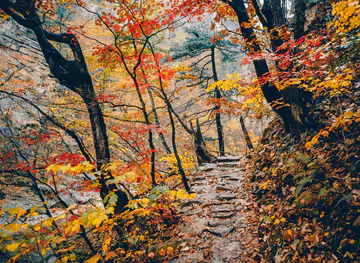
Browse through our photo collection highlighting the charm and character of the destination.
Neighbouring regions of Gwandong Region
The closest regions to Gwandong Region, if you have time for more than one.
-

-
-

-

-


Swipe for more regions
Explore more

Explore more of South Korea
Discover South Korea: A land where ancient traditions meet futuristic innovations, offering diverse experiences from bustling cities to serene natural landscapes.
Explore South Korea