

Free Yeongseo Region Travel Guide & Mobile App
Explore Yeongseo Region with free travel guides. Discover regional history, expert tips, proposed trips, and audio guides on web or mobile app.


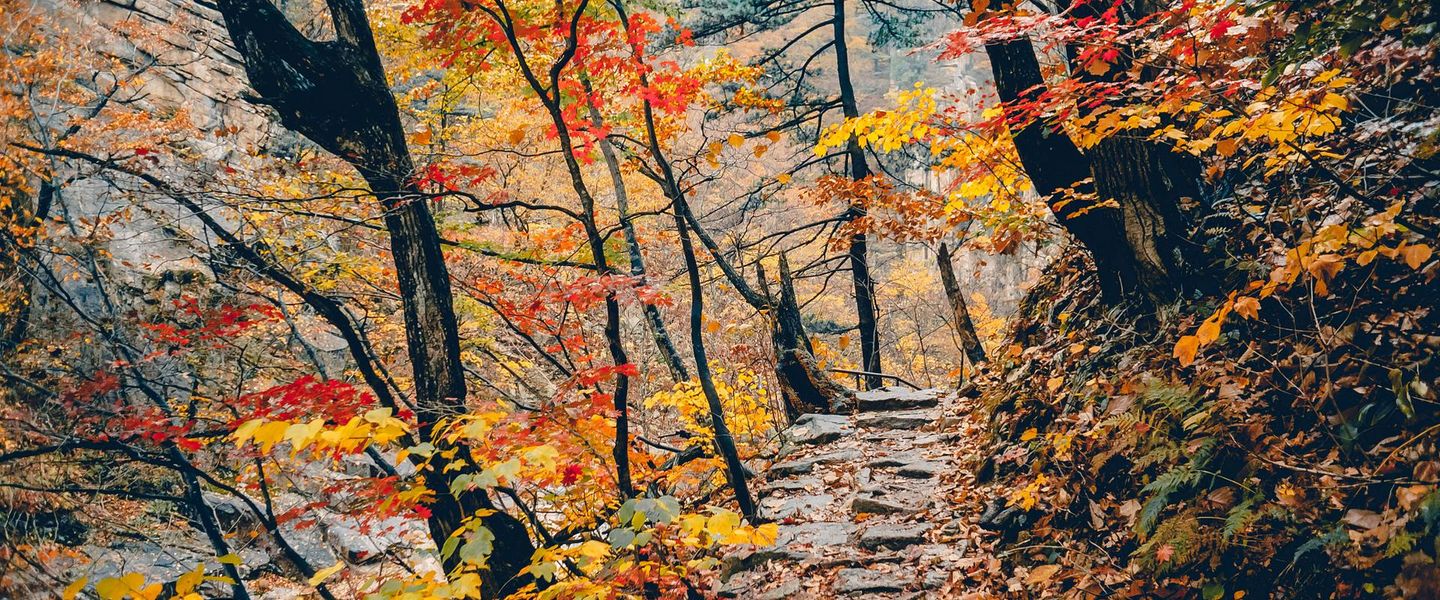


Explore Yeongseo in inland Gangwon for forested mountains, Buddhist temples, river towns, winter sports, Korean food and rural heritage.
Read more about Yeongseo Region
When is the best time to visit Yeongseo Region?
Best: May–June, September · 22–28°C| Month | High (°C) | Rainfall (mm) |
|---|---|---|
| January | 2 | 25 |
| February | 4 | 30 |
| March | 11 | 45 |
| April | 17 | 60 |
| May (best) | 22 | 75 |
| June (best) | 28 | 90 |
| July | 30 | 110 |
| August | 30 | 105 |
| September (best) | 26 | 85 |
| October | 20 | 60 |
| November | 12 | 50 |
| December | 3 | 35 |
Getting to and around Yeongseo Region
How to get there
Transportation
Top city travel guides in Yeongseo Region
The cities of Yeongseo Region, and the easiest places to base yourself.
-

-

-
-


Swipe for more cities
Destinations in Yeongseo Region
Resorts, valleys and scenic spots worth a trip of their own.
-

-

-


Swipe for more destinations
Best attractions in Yeongseo Region
Yeongseo’s attractions are spread across a landscape of lakes, river valleys, forests and high mountain basins. Chuncheon offers urban lakeside scenery, cultural venues and access to the Bukhangang waterways, while Wonju combines museums, galleries and historic Buddhist sites with a growing contemporary cultural scene. In the east, Odaesan National Park is valued for its forest trails, mountain ecology and temple landscapes, especially around Woljeongsa and the fir-lined approach to the complex. Pyeongchang provides skiing, snow activities and summer hiking, with the former Olympic landscape adding a modern layer to the highlands. Jeongseon is known for mountain rail experiences, traditional markets and Arirang-related cultural heritage. Hongcheon and Hoengseong offer rural scenery, farms, rivers and food traditions, while Hwacheon and Yanggu present quieter northern valleys shaped by reservoirs, agriculture and the security geography of the border. Activities range from walking and cycling beside rivers to rafting, fishing, winter sports and temple visits, although access is often seasonal and dispersed.
-
Tourist attraction
Nami Island
Explore the enchanting Nami Island, a serene nature preserve in South Korea, renowned for its stunning landscapes, vibrant seasons, and cultural experiences.
-
Tourist attraction
OEDO Botania
Discover the enchanting OEDO Botania, a serene botanical garden in South Korea, featuring exotic plants and breathtaking coastal views.
-
Tourist attraction
Soyanggang Skywalk
Discover breathtaking views and serene landscapes at the Soyanggang Skywalk in Chuncheon, a stunning glass bridge over the picturesque Soyang River.
-
Petite France
Explore the enchanting Petite France, a unique French cultural village in Gapyeong-gun, where vibrant architecture meets serene landscapes.



Best landmarks in Yeongseo Region
Woljeongsa in Odaesan is one of Yeongseo’s defining landmarks, combining a long Buddhist history with a forested approach and a notable stone pagoda within its temple precinct. The area’s mountain roads and wooded valleys are landmarks in their own right, particularly where the built environment gives way to protected forest. Chuncheon’s Soyanggang and its reservoir landscape express the region’s relationship with major inland waterways, while the bridges, lake edges and surrounding hills form recognisable city views. In Wonju, historic Buddhist sites such as Guryongsa provide a direct link between the city’s modern expansion and the older religious landscape of Chiaksan. Pyeongchang’s high plateaux and Olympic venues represent a more recent form of regional symbolism, shaped by winter sport and international competition. Jeongseon’s steep valleys, traditional market setting and rail infrastructure reflect the practical history of mountain transport and trade, while northern towns such as Hwacheon and Yanggu contain memorials and military landscapes that make the continuing division of Korea physically visible.
-
Tourist attraction
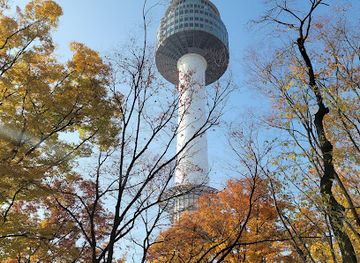
N Seoul Tower
Experience the breathtaking views and cultural richness of Seoul at N Seoul Tower, an iconic landmark offering unforgettable vistas and experiences.
-
Theme park
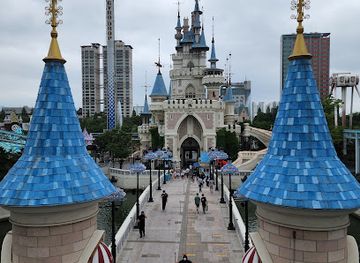
Lotte World
Explore Lotte World, a thrilling theme park in Seoul offering rides, entertainment, and unforgettable experiences for all ages.
-
Nature preserve
Nami Island
Discover the serene beauty of Nami Island, a nature preserve in South Korea, renowned for its picturesque landscapes and tranquil ambiance.
-
Cultural landmark
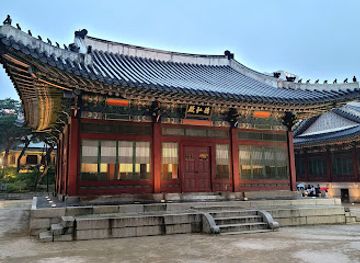
Deoksugung Palace
Explore the rich history and stunning architecture of Deoksugung Palace, a treasured cultural landmark in the heart of Seoul.

Explore Yeongseo Region on the map
Plan your trip on one map. See where the top cities, national parks and sights are, and book hotels and experiences in a few clicks.
Best hotels in Yeongseo Region
Best restaurants in Yeongseo Region
Yeongseo’s food reflects cold winters, mountain farming and the produce of river valleys. Buckwheat is central to the upland table, appearing in noodles, savoury pancakes and rustic regional dishes, particularly around Jeongseon and Pyeongchang. Chuncheon’s dakgalbi, spicy stir-fried chicken cooked with vegetables and rice cakes, is the region’s most widely known urban speciality. Hoengseong is associated with Korean beef, while potatoes, maize, freshwater fish, mushrooms and seasonal vegetables appear in markets and countryside restaurants. Traditional makgeolli is produced and consumed across rural Gangwon, with local variations available in some towns. Dining ranges from market stalls and modest noodle houses to barbecue restaurants, cafés, mountain eateries and contemporary establishments in Chuncheon and Wonju. In remote areas, menus may be limited and closing times early, so local markets and family-run restaurants often provide a more dependable expression of regional cooking than formal dining venues.
-
Restaurant
Restaurant
Experience authentic Korean cuisine at Vinekr Restaurant in Muju - where local flavors meet warm hospitality.

Best bars in Yeongseo Region
Yeongseo’s evening life is concentrated in Chuncheon and Wonju rather than spread evenly across the mountains. Chuncheon has the largest selection of Korean restaurants, casual drinking venues, cafés and karaoke businesses, with students and younger residents contributing to a later atmosphere in central commercial areas. Wonju offers a broader urban mix of bars, cafés, restaurants and entertainment venues, while smaller towns generally centre their evenings on traditional Korean restaurants, neighbourhood pubs and makgeolli establishments. Around ski resorts, nightlife can become busier during the winter season, but it remains tied to resort accommodation and dining rather than a large independent club scene. Jeongseon and other rural districts are better suited to quiet meals, local drinks and early evenings. Visitors should not assume that mountain villages have late transport, and it is wise to arrange a return journey before settling into a remote restaurant or bar.
-
 Resort hotel
Welli Hilli Park
Discover the thrill of skiing and the fun of water slides at Welli Hilli Park, a premier resort hotel in Gangwon-do, South Korea.
-
Bar
Bar
Experience the vibrant bar scene in Jeonju, where traditional Korean culture meets modern nightlife in an unforgettable setting.
-
Bar
J BAR
Experience the lively essence of Cheongju's nightlife at J BAR, a vibrant bar offering local drinks and a welcoming atmosphere.
-
Bar
PUB'S
Discover the vibrant nightlife at PUB'S in Gwangju, where friends meet, drinks flow, and unforgettable memories are made.
Best nightclubs in Yeongseo Region
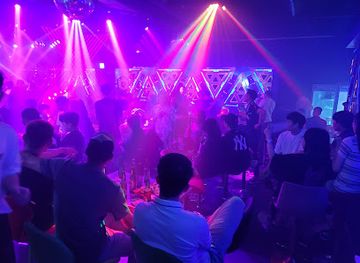
Yeongseo’s evening life is concentrated in Chuncheon and Wonju rather than spread evenly across the mountains. Chuncheon has the largest selection of Korean restaurants, casual drinking venues, cafés and karaoke businesses, with students and younger residents contributing to a later atmosphere in central commercial areas. Wonju offers a broader urban mix of bars, cafés, restaurants and entertainment venues, while smaller towns generally centre their evenings on traditional Korean restaurants, neighbourhood pubs and makgeolli establishments. Around ski resorts, nightlife can become busier during the winter season, but it remains tied to resort accommodation and dining rather than a large independent club scene. Jeongseon and other rural districts are better suited to quiet meals, local drinks and early evenings. Visitors should not assume that mountain villages have late transport, and it is wise to arrange a return journey before settling into a remote restaurant or bar.
-
Night club
club chroma
Experience the electrifying nightlife at Club Chroma, Incheon’s premier night club with world-class DJs and an unforgettable atmosphere.
-
Night club
Husna
Dive into Muju's nightlife at Husna, a dynamic nightclub offering a blend of electrifying music and vibrant atmosphere for an unforgettable evening.
-
Night club
corea del sur
Experience the vibrant nightlife of Gimcheon, South Korea, where exciting nightclubs and cultural experiences await every visitor.
-
Karaoke bar
스카이클럽
Discover the vibrant Korean nightlife at 스카이클럽, a premier karaoke bar in Changwon-si, perfect for singing, fun, and unforgettable memories.

Best shops in Yeongseo Region
Shopping in Yeongseo is strongest in traditional markets, town-centre streets and food-producing communities rather than large luxury districts. Chuncheon and Wonju have the widest choice of department-store-style retail, local brands, cafés, books and everyday goods, while smaller towns offer compact markets where seasonal vegetables, potatoes, buckwheat products, dried foods and mountain herbs are sold. Jeongseon’s market culture is particularly associated with upland produce and regional food, and Pyeongchang provides opportunities to buy agricultural goods, preserved ingredients and souvenirs connected with the mountain landscape. Visitors can also look for local makgeolli, buckwheat noodles, sauces, honey and packaged snacks suitable for travel. Craft shops and galleries appear in larger cultural centres, but retail opening arrangements vary in rural areas. Traditional markets are often liveliest on designated market days, so checking locally is advisable before making a special journey.
-
Ski resort
Vivaldi Park
Experience the thrill of skiing in the stunning landscapes of Vivaldi Park, Gangwon-do, a premier resort for adventure and relaxation.
-
Department store
Shinsegae Department Store Main Store
Discover luxury shopping, gourmet food, and cultural experiences at Shinsegae Department Store Main Store in the heart of Seoul.
-
Outlet mall
Paju Premium Outlets
Paju Premium Outlets: Your ultimate shopping destination in Korea for premium brands at discounted prices.
-
Outlet mall
Yeoju Premium Outlets
Discover incredible savings at Yeoju Premium Outlets, where top brands meet unbeatable prices in a beautiful outdoor shopping environment.


Get your free copy of our complete guide to Yeongseo Region, delivered straight to you.
Everything on this page, from attractions and restaurants to essentials and local phrases, in one PDF you can read offline, print or share.
Already have an account? Sign in
Your Yeongseo Region guide is ready.
We'll send it to · Not you? Sign out

Getting your guide ready…
We are putting together a fresh copy of the Yeongseo Region guide. This can take up to a minute.
This can take a few moments. If your browser asks, choose Allow so the download can start. You'll find the guide in your Downloads folder.
Nothing happened? Download it again
Sorry, the guide is taking longer than usual. Please try again in a minute, or get it by email instead.
Yeongseo Region essentials
Currency and Payment
Safety
Emergency Situations
Do's and Don'ts
Local Tips
From Eve
Local phrases worth knowing
You don't need to get them perfect. A few words go a long way, and locals appreciate the effort.
Basics
| English | Local | Say it |
|---|---|---|
| Hello | 안녕하세요 | [annyeonghaseyo] |
| Goodbye | 안녕히 가세요 | [annyeonghi gaseyo] |
| Yes | 네 | [ne] |
| No | 아니요 | [aniyo] |
| Please/You're welcome | 제발/천만에요 | [jebal/chunmaneyo] |
| Thank you | 감사합니다 | [gamsahamnida] |
| Excuse me/Sorry | 죄송합니다 | [joesonghamnida] |
| How are you? | 잘 지내세요? | [jal jinaeseyo?] |
| Fine. And you? | 잘 지내요. 당신은요? | [jal jinaeyo. dangsineunyo?] |
| Do you speak English? | 영어 할 수 있어요? | [yeongeo hal su isseoyo?] |
| I don't understand | 이해하지 못해요 | [ihaehaji mothaeyo] |
Eating & Drinking
| English | Local | Say it |
|---|---|---|
| I'd like to see the menu, please | 메뉴 좀 보여주세요 | [menyu jom boyeojuseyo] |
| I don't eat meat | 저는 고기를 안 먹어요 | [jeoneun gogireul an meogeoyo] |
| Cheers! | 건배! | [geonbae!] |
| I would like to pay, please | 계산해 주세요 | [gyesanhae juseyo] |
Emergencies
| English | Local | Say it |
|---|---|---|
| Help! | 도와주세요! | [dowajuseyo!] |
| Go away! | 꺼져요! | [kkeojyeoyo!] |
| Call the Police! | 경찰을 불러주세요! | [gyeongchareul bulleojuseyo!] |
| Call a doctor! | 의사를 불러주세요! | [uisareul bulleojuseyo!] |
| I'm lost | 길을 잃었어요 | [gireul ilheosseoyo] |
| I'm ill | 아파요 | [apayo] |
Shopping
| English | Local | Say it |
|---|---|---|
| I'd like to buy... | 사고 싶어요... | [sago sipeoyo...] |
| I'm just looking | 그냥 보고 있어요 | [geunyang bogo isseoyo] |
| How much is it? | 얼마예요? | [eolmayeyo?] |
| That's too expensive | 너무 비싸요 | [neomu bissayo] |
| Can you lower the price? | 가격을 깎아줄 수 있어요? | [gagyeogeul kkakkajul su isseoyo?] |
Time & Numbers
| English | Local | Say it |
|---|---|---|
| What time is it? | 몇 시예요? | [myeot siyeyo?] |
| It's one o'clock | 한 시예요 | [han siyeyo] |
| Half past (10) | 열 시 반이에요 | [yeol si ban-ieyo] |
| Morning | 아침 | [achim] |
| Afternoon | 오후 | [ohu] |
| Evening | 저녁 | [jeonyeok] |
| Yesterday | 어제 | [eoje] |
| Today | 오늘 | [oneul] |
| Tomorrow | 내일 | [naeil] |
| 1 | 일 | [il] |
| 2 | 이 | [i] |
| 3 | 삼 | [sam] |
| 4 | 사 | [sa] |
| 5 | 오 | [o] |
| 6 | 육 | [yuk] |
| 7 | 칠 | [chil] |
| 8 | 팔 | [pal] |
| 9 | 구 | [gu] |
| 10 | 십 | [sip] |
Transport & Directions
| English | Local | Say it |
|---|---|---|
| Where's a/the...? | 어디에...있어요? | [eodie...isseoyo?] |
| What's the address? | 주소가 뭐예요? | [jusoga mwoyeyo?] |
| Can you show me (on the map)? | 지도로 보여줄 수 있어요? | [jidoro boyeojul su isseoyo?] |
| When's the next (bus)? | 다음 (버스)는 언제예요? | [da-eum (beoseu)neun eonjaeyeyo?] |
| A ticket (to ....) | 티켓 하나 (....) 주세요 | [ticket hana (....) juseyo] |
History of Yeongseo Region
Early kingdoms and mountain corridors
The valleys of present-day Yeongseo were occupied long before the modern province existed, with archaeological evidence of prehistoric settlement and farming in river basins. During Korea’s Three Kingdoms period, the area lay near contested frontiers between Goguryeo, Baekje and Silla. River routes and mountain passes connected the interior with central Korea, making places around Chuncheon and Wonju strategically important. Political control changed over time, but the enduring pattern was one of settlement concentrated on cultivable valley floors while forests and high ridges remained comparatively sparsely populated.
Wonju and the Goryeo and Joseon state
Wonju became one of the most important administrative centres in the region. Under Goryeo it was known as Wonju, and during Joseon it served as the provincial seat of Gangwon, giving it a role in taxation, justice and communication across the mountainous province. Government roads linked Wonju with the capital and with the east coast, while official networks relied on relay stations and river crossings. The legacy of this period is visible in surviving historic buildings, local place names and the concentration of cultural institutions around the old administrative centre.
Buddhism and mountain temple culture
Buddhist communities have long shaped Yeongseo’s highland landscapes. Odaesan became an important centre of Korean Buddhism, and Woljeongsa developed as a major temple associated with the Jogye tradition. Forest monasteries functioned not only as religious sites but also as custodians of texts, art and mountain knowledge. Many buildings were reconstructed after war and fire, yet the temple precincts, stone monuments, woodland paths and ritual traditions preserve the connection between Buddhism and the region’s remote uplands.
Agriculture, markets and mountain economies
For centuries, Yeongseo’s economy depended on valley farming, forestry, livestock and exchange between isolated mountain communities. Buckwheat, potatoes, maize and hardy vegetables suited the climate and terrain, while periodic markets connected producers with larger towns. Towns such as Jeongseon became centres for trade in upland produce, and local food traditions developed around grains, preserved ingredients and simple cooking methods. Modern roads and cold-chain distribution have transformed commerce, but agricultural markets and regional specialities remain an important part of the area’s identity.
The Korean War and divided borderland
Yeongseo was deeply affected by the Korean War because its valleys and roads formed approaches towards the central and eastern fronts. Chuncheon and surrounding areas experienced intense fighting in 1950, followed by repeated displacement and destruction. The northern parts of Gangwon remain close to the Demilitarised Zone, and places such as Hwacheon and Yanggu retain military landscapes, memorials and restricted-access areas connected with the division of the peninsula. Visitors should follow access rules carefully because some roads, hills and waterways remain subject to security controls.
Roads, railways and the modern province
Improved highways, express buses and railways brought Yeongseo into much closer contact with Seoul and other Korean cities during the second half of the twentieth century. Chuncheon became an accessible lakeside city, while Wonju grew as a regional industrial, educational and medical centre. The opening and upgrading of high-speed rail links further changed travel to the eastern Gangwon mountains. These connections encouraged weekend tourism, second homes and outdoor recreation, although many rural communities still face population ageing and the gradual decline of older industries.
Winter sports and the 2018 Olympics
Pyeongchang’s high-altitude terrain made it a natural focus for Korean winter sports, and the area hosted the 2018 Winter Olympics and Paralympic Winter Games. The event brought new transport links, venues and international attention to the inland mountains. Olympic facilities and ski infrastructure remain part of the contemporary landscape, but Pyeongchang is more than a sporting destination: its farming communities, Buddhist heritage, mountain trails and seasonal food culture add historical and social depth to the highland setting.
Yeongseo Region in Photos
Browse through our photo collection highlighting the charm and character of the destination.
Neighbouring regions of Yeongseo Region
The closest regions to Yeongseo Region, if you have time for more than one.
-

-

-
-

-


Swipe for more regions
Explore more

Explore more of South Korea
Discover South Korea: A land where ancient traditions meet futuristic innovations, offering diverse experiences from bustling cities to serene natural landscapes.
Explore South Korea