

Free Aragon Travel Guide & Mobile App
Explore Aragon with free travel guides. Discover regional history, expert tips, proposed trips, and audio guides on web or mobile app.


Explore Aragon for Pyrenean trekking, Zaragoza’s layered heritage, Mudejar architecture, historic villages and distinctive mountain cuisine.
Read more about Aragon
When is the best time to visit Aragon?
Best: May–June, September · 22–27°C| Month | High (°C) | Rainfall (mm) |
|---|---|---|
| January | 9 | 30 |
| February | 11 | 30 |
| March | 14 | 35 |
| April | 18 | 40 |
| May (best) | 22 | 40 |
| June (best) | 27 | 30 |
| July | 31 | 20 |
| August | 30 | 30 |
| September (best) | 26 | 40 |
| October | 21 | 40 |
| November | 13 | 40 |
| December | 9 | 30 |
Getting to and around Aragon
How to get there
Transportation
Top city travel guides in Aragon
The cities of Aragon, and the easiest places to base yourself.
-

-

-

-

-

-


Swipe for more cities
Destinations in Aragon
Resorts, valleys and scenic spots worth a trip of their own.
-

-

-

-


Swipe for more destinations
Best attractions in Aragon
Aragon’s attractions range from high-mountain landscapes to archaeological remains and carefully preserved historic towns. In Huesca province, Ordesa y Monte Perdido National Park provides marked routes through glacial valleys, beech woods, waterfalls and limestone scenery, while the wider Pyrenees offer climbing, canyoning, rafting, cycling and winter sports. The Pre-Pyrenees add cave systems, reservoirs, cliff landscapes and Romanesque churches. Zaragoza combines Roman museums, the Aljafería Palace, major religious art and riverside public spaces. Across the Ebro valley, monasteries, castles and Mudejar churches create a varied cultural route through agricultural country. Teruel province is particularly rewarding for architecture and slower rural travel: the city’s Mudejar heritage, Albarracín’s historic streets, the Maestrazgo’s gorges and villages, and the pale rock formations around the southern sierras each offer a different setting. Family-oriented attractions, local museums and craft workshops tend to be concentrated in larger towns, while protected landscapes and historic villages provide the strongest experiences beyond the main urban centres.
-
Basilica
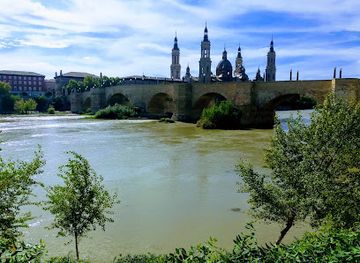
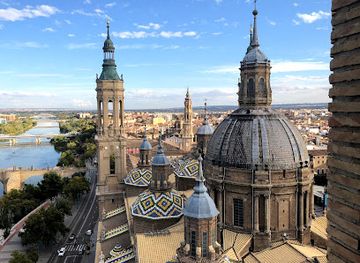
Cathedral-Basilica of Our Lady of the Pillar
Discover the grandeur of the Cathedral-Basilica of Our Lady of the Pillar, an iconic Baroque masterpiece and cultural gem in Zaragoza, Spain.
-
Park
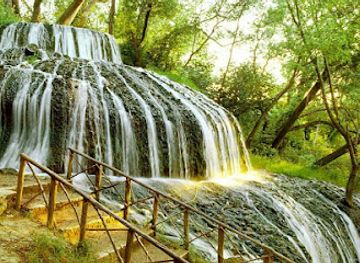
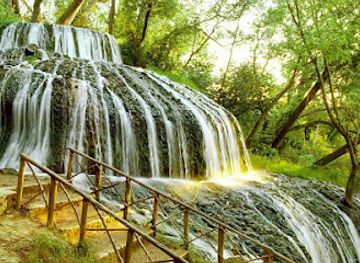
Monasterio de Piedra
Explore the enchanting Monasterio de Piedra, a stunning park and historic monastery in Zaragoza, Spain, where nature and tranquility meet.
-
Castle
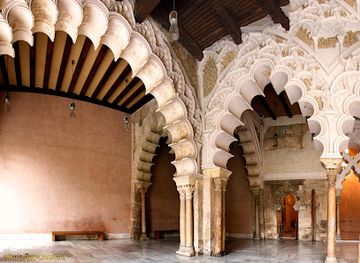
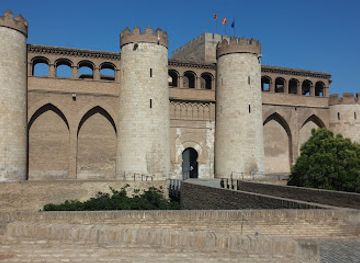
Aljafería Palace
Experience the enchanting Aljafería Palace, a captivating blend of Moorish and Gothic architecture steeped in history and culture in Zaragoza, Spain.
-
City park
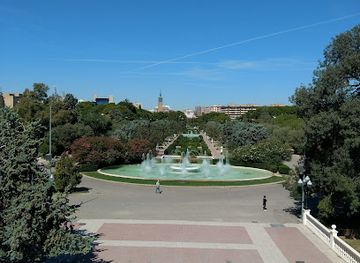
Parque Grande José Antonio Labordeta
Discover the natural beauty and cultural richness of Zaragoza at Parque Grande José Antonio Labordeta, a serene city park perfect for relaxation and exploration.
Best landmarks in Aragon
The Basilica del Pilar is Zaragoza’s most recognisable landmark, rising beside the Ebro with a long history as a major pilgrimage and civic symbol; its scale and domes dominate views across the river. Nearby, the Aljafería Palace preserves one of Spain’s finest surviving Islamic palace complexes and later royal and institutional additions. In Teruel, the towers and churches of San Martín, El Salvador and San Pedro demonstrate the region’s distinctive Mudejar use of brick, ceramic decoration and geometric design. The cathedral of Teruel is also part of this important architectural heritage. Albarracín’s defensive walls, reddish stone buildings and elevated setting form one of southern Aragon’s most memorable historic landscapes, while nearby villages and the Maestrazgo retain castles, parish churches and medieval street plans. In Huesca province, the Romanesque monastery of San Juan de la Peña occupies a dramatic mountain setting beneath an overhanging rock shelter and represents the religious and political importance of early medieval Aragon. The Pyrenean peaks and valleys of Ordesa provide natural landmarks on a far larger scale, with Monte Perdido and the Ordesa valley defining the region’s northern mountain identity.
-
Basilica
Cathedral-Basilica of Our Lady of the Pillar
Explore the stunning Cathedral-Basilica of Our Lady of the Pillar in Zaragoza, a masterpiece of Baroque architecture and a significant religious site.
-
Park
Monasterio de Piedra
Explore the enchanting Monasterio de Piedra, a natural and historical wonder in Zaragoza, Spain, featuring stunning waterfalls and serene landscapes.
-
Castle
Aljafería Palace
Discover the stunning Aljafería Palace in Zaragoza, a UNESCO World Heritage site showcasing Moorish architecture and rich Spanish history.
-
Plaza
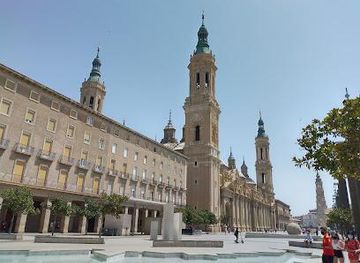
Plaza of Our Lady of the Pillar
Discover the cultural heart of Zaragoza at the Plaza of Our Lady of the Pillar, where history, art, and vibrant local life converge.
Explore Aragon on the map
Plan your trip on one map. See where the top cities, national parks and sights are, and book hotels and experiences in a few clicks.
Best hotels in Aragon
Best restaurants in Aragon
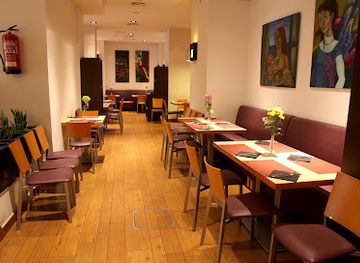
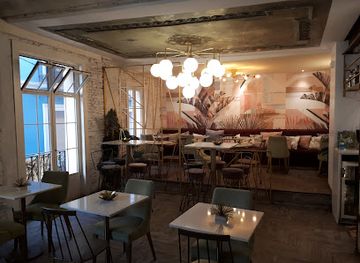
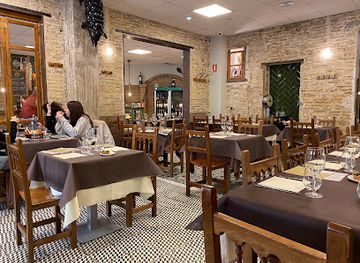
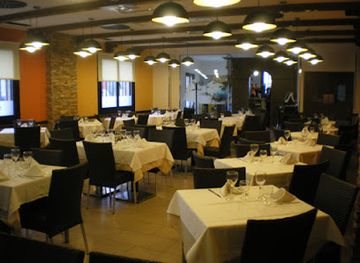
Aragonese cooking is shaped by mountain pastoralism, the fertile Ebro valley and the dry interior. Menus commonly feature lamb, rabbit, game, trout, mushrooms and vegetables, with peppers, onions, artichokes and other irrigated produce prominent in the lowlands. Ternasco de Aragón, a protected regional lamb product, is widely associated with Aragonese cuisine, while Jamón de Teruel comes from the province’s highland curing tradition. Zaragoza has the region’s broadest choice of traditional restaurants, tapas bars, contemporary dining rooms and international food, whereas rural areas are more likely to centre on family-run restaurants, inns and village cafés. Huesca’s Somontano district is the principal wine area, and local wines are often paired with grilled meats, cheeses and seasonal dishes. Look for migas, hearty stews, local pastries and regional cheeses, while markets and specialist food shops are useful places to find preserves, cured products and produce from the Ebro basin.
-
Vegetarian
Baobab Restaurant
Explore the flavors of fresh vegetarian and vegan cuisine at Baobab Restaurant in Zaragoza, where every dish is crafted with passion.
-
Tapas Bar
Meli Del Tubo
Experience authentic Spanish cuisine at Meli Del Tubo – Zaragoza's top-rated tapas bar in the heart of Old Town.
-
Spanish
Restaurante Wenceslao
Experience authentic Spanish and Mediterranean flavors at Restaurante Wenceslao in Zaragoza, where every dish tells a story.
-
Grill
Mesón de Aragón
Experience authentic Castilian cuisine at Mesón de Aragón - where tradition meets flavor in Zaragoza.
Best bars in Aragon
Evening life in Aragon varies sharply between Zaragoza and the smaller provincial towns. Zaragoza has the region’s most extensive choice of bars, cocktail venues, live music rooms and late-night clubs, with busy areas around the historic centre and central streets. Tapas bars and traditional cafés are important parts of the city’s social rhythm, while cultural venues and seasonal festivals add variety beyond nightlife based on alcohol. Huesca and Teruel offer a more compact selection of bars, restaurants and music venues, often concentrated near their historic centres and student communities. In mountain towns and rural districts, evenings usually revolve around local bars, restaurants, hotel lounges and occasional live performances rather than a large club scene. Some ski resorts and holiday areas become livelier in winter, but availability changes by season. Visitors should check current arrangements locally, particularly in small villages where businesses may close earlier or operate reduced hours outside peak periods.
-
Grill
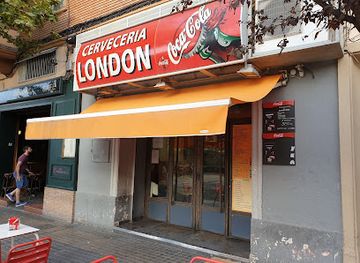
Bar London
Experience the vibrant atmosphere and delicious grilled delights at Bar London in Zaragoza, where great food meets friendly service.
-
Bar
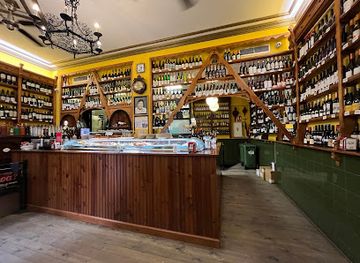
Bodegas Almau
Experience the authentic flavors of Zaragoza at Bodegas Almau, where traditional tapas and local wines create an unforgettable culinary journey.
-
Irish pub
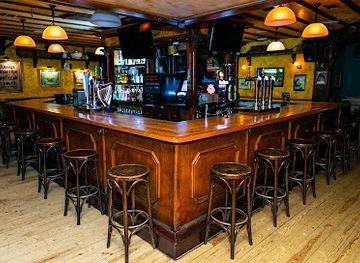
Bull McCabe's Irish Bar
Discover the lively spirit of Ireland at Bull McCabe's Irish Bar in Zaragoza, offering a cozy ambiance, hearty meals, and a wide selection of beverages.
-
Cocktail bar
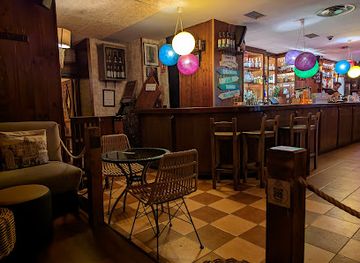
Umalas Bar
Experience the vibrant atmosphere and innovative cocktails at Umalas Bar, a must-visit cocktail bar in Zaragoza's historic Old Town.
Best nightclubs in Aragon
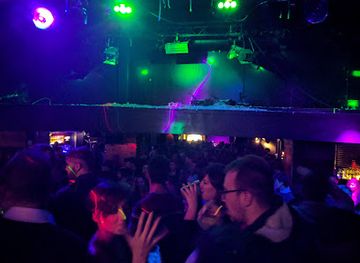
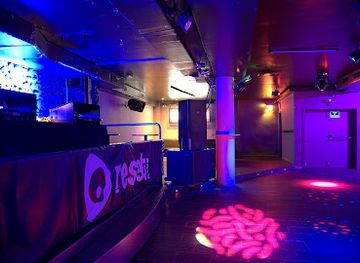
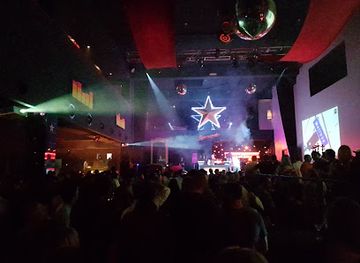
Evening life in Aragon varies sharply between Zaragoza and the smaller provincial towns. Zaragoza has the region’s most extensive choice of bars, cocktail venues, live music rooms and late-night clubs, with busy areas around the historic centre and central streets. Tapas bars and traditional cafés are important parts of the city’s social rhythm, while cultural venues and seasonal festivals add variety beyond nightlife based on alcohol. Huesca and Teruel offer a more compact selection of bars, restaurants and music venues, often concentrated near their historic centres and student communities. In mountain towns and rural districts, evenings usually revolve around local bars, restaurants, hotel lounges and occasional live performances rather than a large club scene. Some ski resorts and holiday areas become livelier in winter, but availability changes by season. Visitors should check current arrangements locally, particularly in small villages where businesses may close earlier or operate reduced hours outside peak periods.
-
Disco club
HÏDE CLUB
Experience the vibrant nightlife of Zaragoza at HÏDE CLUB, where music and dance unite in a stylish disco atmosphere.
-
Disco club
Reset Club
Dive into the heart of Zaragoza's nightlife at Reset Club, where unforgettable parties and vibrant rhythms await every weekend.
-
Night club
Club Taboo - Zaragoza
Discover Zaragoza's nightlife at Club Taboo, the city's top destination for music, dancing, and cocktails in an energetic atmosphere.
-
Night club
Supernova club
Unleash your energy at Supernova Club, Zaragoza's vibrant nightlife hub featuring top DJs, thrilling dance floors, and unforgettable late-night fun.

Best shops in Aragon
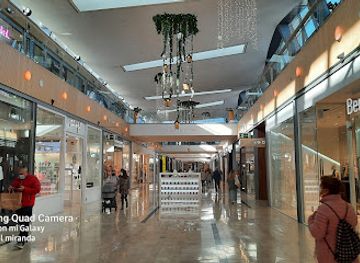
Zaragoza offers Aragon’s broadest shopping choice, combining conventional high streets and department stores with independent food shops, bookshops, craft retailers and boutiques in the central districts. Its markets and specialist delicatessens are useful for regional products such as Jamón de Teruel, cheeses, olive oil, preserves, sweets and wines from Somontano. Huesca and Teruel have more compact historic-centre shopping, where independent businesses sit alongside everyday national chains. In smaller market towns, weekly markets and seasonal fairs are often better places to encounter local produce than formal shopping centres. Albarracín and other heritage towns sell ceramics, textiles, woodwork, food products and souvenirs inspired by local landscapes, though the range is modest outside peak visiting periods. Look for Mudejar-influenced ceramics and craftwork, regional wines and cured meats, while buying directly from recognised producers where possible. Rural opening patterns can be limited, especially outside the main tourist season, so do not expect every village shop or market to operate daily.
-
Shopping mall
Puerto Venecia
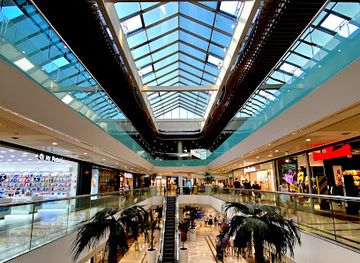
Discover Puerto Venecia, Zaragoza's premier shopping mall, where retail, dining, and entertainment come together in a vibrant, family-friendly atmosphere.
-
Shopping mall
Centro Comercial Gran Casa
Discover a shopping haven at Centro Comercial Gran Casa in Zaragoza, featuring a wide range of stores, dining options, and entertainment for the whole family.
-
Clothing store
Primark
Explore fashion-forward finds at Primark in Zaragoza, where style meets affordability in a vibrant shopping atmosphere.
-
Outlet mall
La Torre Outlet Zaragoza
Experience exceptional savings and a delightful shopping atmosphere at La Torre Outlet Zaragoza, the ultimate destination for bargain hunters in Spain.


Get your free copy of our complete guide to Aragon, delivered straight to you.
Everything on this page, from attractions and restaurants to essentials and local phrases, in one PDF you can read offline, print or share.
Already have an account? Sign in
Your Aragon guide is ready.
We'll send it to · Not you? Sign out

Getting your guide ready…
We are putting together a fresh copy of the Aragon guide. This can take up to a minute.
This can take a few moments. If your browser asks, choose Allow so the download can start. You'll find the guide in your Downloads folder.
Nothing happened? Download it again
Sorry, the guide is taking longer than usual. Please try again in a minute, or get it by email instead.
Aragon essentials
Currency and Payment
Safety
Emergency Situations
Do's and Don'ts
Local Tips
From Eve
Local phrases worth knowing
You don't need to get them perfect. A few words go a long way, and locals appreciate the effort.
Basics
| English | Local | Say it |
|---|---|---|
| Hello | Hola | [Ola] |
| Goodbye | Adiós | [A-dee-os] |
| Yes | Sí | [See] |
| No | No | [No] |
| Please/You're welcome | Por favor | [Por fa-vor] |
| Thank you | Gracias | [Gra-thias] |
| Excuse me/Sorry | Perdón | [Per-don] |
| How are you? | ¿Cómo estás? | [Ko-mo es-tas] |
| Fine. And you? | Bien. ¿Y tú? | [Byen. Ee too] |
| Do you speak English? | ¿Hablas inglés? | [A-blas in-glés] |
| I don't understand | No entiendo | [No en-ti-en-do] |
Eating & Drinking
| English | Local | Say it |
|---|---|---|
| I'd like to see the menu, please | Me gustaría ver el menú, por favor | [Me gus-ta-ría ver el me-nú, por fa-vor] |
| I don't eat meat | No como carne | [No ko-mo car-ne] |
| Cheers! | ¡Salud! | [Sa-lud] |
| I would like to pay, please | Me gustaría pagar, por favor | [Me gus-ta-ría pa-gar, por fa-vor] |
Emergencies
| English | Local | Say it |
|---|---|---|
| Help! | ¡Ayuda! | [A-yu-da] |
| Go away! | ¡Vete! | [Ve-te] |
| Call the Police! | ¡Llama a la policía! | [Ya-ma a la po-li-cía] |
| Call a doctor! | ¡Llama a un médico! | [Ya-ma a un mé-di-co] |
| I'm lost | Estoy perdido | [Es-toy per-di-do] |
| I'm ill | Estoy enfermo | [Es-toy en-fer-mo] |
Shopping
| English | Local | Say it |
|---|---|---|
| I'd like to buy... | Me gustaría comprar... | [Me gus-ta-ría com-prar] |
| I'm just looking | Solo estoy mirando | [So-lo es-toy mi-ran-do] |
| How much is it? | ¿Cuánto cuesta? | [Kwan-to kwes-ta] |
| That's too expensive | Eso es muy caro | [E-so es muy ka-ro] |
| Can you lower the price? | ¿Puedes bajar el precio? | [Pwe-des ba-har el pre-cio] |
Time & Numbers
| English | Local | Say it |
|---|---|---|
| What time is it? | ¿Qué hora es? | [Ke o-ra es] |
| It's one o'clock | Es la una | [Es la u-na] |
| Half past (10) | Diez y media | [Dyez ee me-dia] |
| Morning | Mañana | [Ma-nyana] |
| Afternoon | Tarde | [Tar-de] |
| Evening | Noche | [No-che] |
| Yesterday | Ayer | [A-yer] |
| Today | Hoy | [Oy] |
| Tomorrow | Mañana | [Ma-nyana] |
| 1 | Uno | [Oo-no] |
| 2 | Dos | [Dos] |
| 3 | Tres | [Tres] |
| 4 | Cuatro | [Kua-tro] |
| 5 | Cinco | [Sin-co] |
| 6 | Seis | [Seis] |
| 7 | Siete | [Sye-te] |
| 8 | Ocho | [O-cho] |
| 9 | Nueve | [Nwe-ve] |
| 10 | Diez | [Dyez] |
Transport & Directions
| English | Local | Say it |
|---|---|---|
| Where's a/the...? | ¿Dónde está un/una...? | [Don-de es-ta un/una] |
| What's the address? | ¿Cuál es la dirección? | [Kwal es la di-rec-ción] |
| Can you show me (on the map)? | ¿Puedes mostrarme (en el mapa)? | [Pwe-des mos-trar-me (en el ma-pa)] |
| When's the next (bus)? | ¿Cuándo es el próximo (autobús)? | [Kwan-do es el pro-xi-mo (au-to-bus)] |
| A ticket (to ....) | Un billete (a ....) | [Un bi-ye-te (a ....)] |
History of Aragon
Prehistoric and Iberian Aragon
Aragon contains evidence of settlement from prehistoric times, including rock art, burial sites and fortified hill settlements. Before Roman conquest, the region was inhabited by several Iberian peoples whose communities occupied fertile river valleys and defensible uplands. Their legacy survives in archaeological sites, artefacts and place names, although later Roman, Islamic and Christian societies transformed the landscape. The province of Teruel is particularly noted for prehistoric rock-art traditions in its mountain districts, while the Ebro corridor became an important route for communication and settlement.
Roman Cities and Roads
Rome incorporated much of Aragon during its expansion across the Iberian Peninsula. Caesaraugusta, founded in the late first century BC on the site of present-day Zaragoza, became a major Roman city on the Ebro, with a forum, theatre, baths and river port. Roman roads connected the valley with the Pyrenees and the interior, supporting agriculture, trade and the movement of armies. Remains in Zaragoza and other parts of the region demonstrate how Roman urban planning and farming systems influenced the later development of the Ebro basin.
Islamic Saraqusta and the Taifas
Muslim forces conquered Zaragoza in the early eighth century, and the city became known as Saraqusta. Under successive Islamic rulers it developed as a political, commercial and intellectual centre, while irrigation systems helped sustain agriculture in the Ebro valley. The Aljafería Palace, built in the eleventh century during the taifa period, is the most important surviving monument of this era. Its architecture records the sophistication of Islamic court culture before the Christian conquest of Zaragoza in 1118.
The Medieval Crown of Aragon
Christian expansion southwards created the medieval Kingdom of Aragon, whose rulers established or strengthened towns, castles, monasteries and frontier settlements. The union of the crowns of Aragon and Catalonia in the twelfth century helped create the wider Crown of Aragon, a Mediterranean power with interests extending well beyond the region. Jaca, Huesca, Zaragoza, Teruel and numerous walled settlements preserve traces of this period. Jewish and Muslim communities also contributed to urban life, agriculture, scholarship and craft production before later persecution and forced conversion reshaped society.
Mudejar Architecture and Cultural Exchange
After Christian rule was established, Muslim craftsmen continued to work in the region, adapting Islamic decorative techniques to Christian buildings. The resulting Mudejar style uses brick, glazed ceramic tiles, geometric patterns and elaborate tower decoration. Teruel and several towns in Zaragoza province contain outstanding examples, including churches and bell towers recognised within the UNESCO-listed Mudejar Architecture of Aragon. This heritage is evidence of sustained cultural interaction in medieval Aragon rather than a single artistic period isolated from the region’s wider Islamic and Christian histories.
War of Succession and Bourbon Rule
The War of the Spanish Succession at the beginning of the eighteenth century had lasting constitutional consequences for Aragon. After the Bourbon victory, the Nueva Planta decrees curtailed the separate institutions and privileges that had characterised the historic Crown of Aragon. Zaragoza and other Aragonese towns were subsequently integrated more closely into the centralised Spanish monarchy. The period also brought administrative change, military redevelopment and shifts in the political relationship between the region and the Spanish state.
Modernisation, Civil War and Rural Change
In the nineteenth and twentieth centuries, railways, irrigation, mining, manufacturing and expanding cities altered Aragon’s economy. Zaragoza became an important industrial and logistical centre, while coal mining shaped parts of Teruel province. The Spanish Civil War left significant traces, including battle sites and damaged settlements in the region. From the later twentieth century, rural depopulation affected many mountain and interior districts, even as Zaragoza expanded and tourism grew around the Pyrenees, heritage towns, protected landscapes and winter sports.
Aragon in Photos
Browse through our photo collection highlighting the charm and character of the destination.
Neighbouring regions of Aragon
The closest regions to Aragon, if you have time for more than one.
-

-

-

-

-


Swipe for more regions
Explore more

Explore more of Spain
Discover Spain: A vibrant tapestry of culture, history, and breathtaking landscapes, where every city offers a unique adventure and unforgettable experiences.
Explore Spain