

Free Catalonia Travel Guide & Mobile App
Explore Catalonia with free travel guides. Discover regional history, expert tips, proposed trips, and audio guides on web or mobile app.


Explore Catalonia’s Modernist cities, Roman and medieval heritage, Pyrenean valleys, Mediterranean beaches, vineyards and distinctive regional cuisine.
Read more about Catalonia
When is the best time to visit Catalonia?
Best: May, September–October · 23–29°C| Month | High (°C) | Rainfall (mm) |
|---|---|---|
| January | 12 | 30 |
| February | 13 | 35 |
| March | 17 | 40 |
| April | 20 | 45 |
| May (best) | 25 | 50 |
| June | 30 | 40 |
| July | 34 | 30 |
| August | 33 | 35 |
| September (best) | 29 | 40 |
| October (best) | 23 | 45 |
| November | 16 | 40 |
| December | 13 | 35 |
Getting to and around Catalonia
How to get there
Transportation
Top city travel guides in Catalonia
The cities of Catalonia, and the easiest places to base yourself.
-

-

-

-

-

-


Swipe for more cities
Destinations in Catalonia
Resorts, valleys and scenic spots worth a trip of their own.
-

-

-

-

-

-


Swipe for more destinations
Best attractions in Catalonia
Catalonia’s attractions range from major urban architecture to protected landscapes and archaeological sites. Barcelona offers Modernisme buildings, museums, markets and the hilltop setting of Montjuïc, while nearby Montserrat combines a Benedictine monastery with distinctive conglomerate peaks and walking routes. Tarragona presents the remains of Roman Tarraco, and Girona’s historic centre, including its medieval streets and former Jewish quarter, provides a different urban experience. In the north, the Dalí Theatre-Museum in Figueres, the coastal landscapes around Cadaqués and the Greek and Roman remains at Empúries form a notable cultural circuit. The Pyrenees offer hiking, climbing, skiing and mountain villages, while La Garrotxa is known for volcanic scenery and beech forests. Along the coast, beaches, coves, sailing and sea-kayaking complement the fishing towns and resort settlements. Inland, visitors can explore monasteries such as Poblet, vineyard districts in Penedès and Priorat, and the changing wetlands of the Ebro Delta, where cycling and birdwatching are central activities.
-
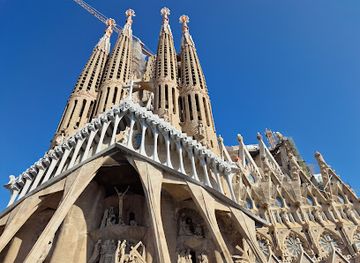
Basilica
Basílica de la Sagrada Família
Explore the breathtaking Basílica de la Sagrada Família, a UNESCO World Heritage Site, and marvel at Gaudí's architectural genius in Barcelona.
-
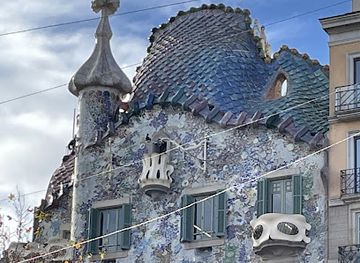
Historical landmark
Casa Batlló
Discover the enchanting Casa Batlló in Barcelona, a UNESCO World Heritage site showcasing Antoni Gaudí's architectural brilliance.
-
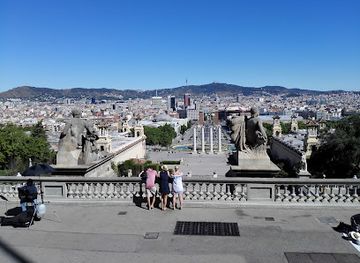
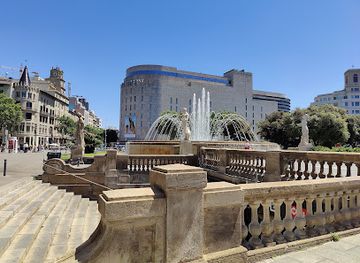
Plaza
Plaça de Catalunya
Experience the vibrant heart of Barcelona at Plaça de Catalunya, where history meets modernity in a stunning urban plaza.
-
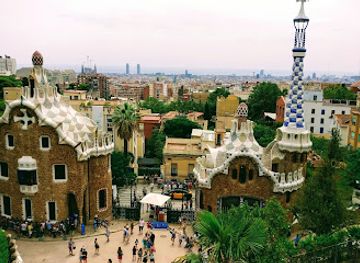
Park
Park Güell
Explore Park Güell, Barcelona's iconic park by Antoni Gaudí, where whimsical architecture and stunning views await every visitor.
Best landmarks in Catalonia
Barcelona’s Sagrada Família and the Modernista complex of Hospital de Sant Pau are among Catalonia’s most recognisable architectural landmarks, while Casa Batlló and Casa Milà illustrate the distinctive urban work of Antoni Gaudí. On the coast, the rugged Cap de Creus peninsula and the fishing village of Cadaqués form a powerful natural and cultural landscape connected with Salvador Dalí. Tarragona’s Roman amphitheatre, circus remains and ancient walls mark the importance of Tarraco, and Girona’s cathedral, defensive walls and Onyar riverfront define its historic profile. Inland, the monastery of Santa Maria de Poblet is a major Cistercian complex and royal burial site, while Montserrat’s serrated rock formations and monastery create one of the region’s most recognisable mountain settings. The Romanesque churches of the Vall de Boí, with their exceptional medieval wall paintings, represent the artistic and religious heritage of the Catalan Pyrenees. In the south, the broad waterways, lagoons and rice fields of the Ebro Delta provide a landmark landscape rather than a single monument.
-
Plaza
Plaça de Catalunya
Experience the vibrant heart of Barcelona at Plaça de Catalunya, a bustling plaza that connects iconic streets and attractions in the city.
-
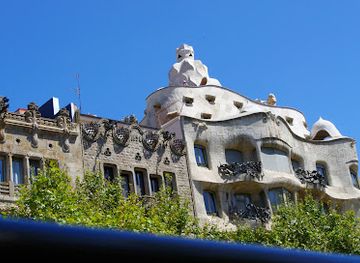
Historical landmark
La Pedrera - Casa Milà
Discover La Pedrera - Casa Milà, Barcelona's architectural gem, showcasing Antoni Gaudí's innovative design and breathtaking city views.
-
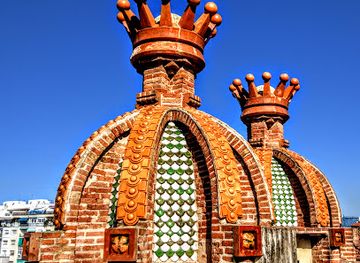
Monument
Arc de Triomf
Discover the architectural beauty and cultural significance of the Arc de Triomf, an iconic gateway in the heart of Barcelona, drawing visitors with its rich history.
-
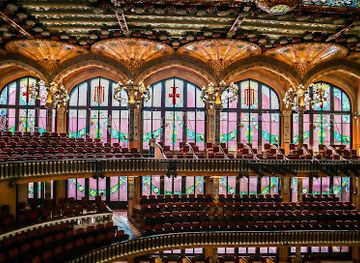
Concert hall
Palau de la Música Catalana
Explore the architectural wonder of Palau de la Música Catalana, a UNESCO World Heritage site in Barcelona, blending history, music, and artistic marvel.
Explore Catalonia on the map
Plan your trip on one map. See where the top cities, national parks and sights are, and book hotels and experiences in a few clicks.
Best hotels in Catalonia
Best restaurants in Catalonia
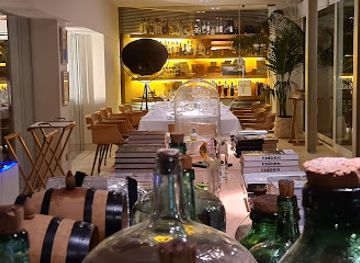
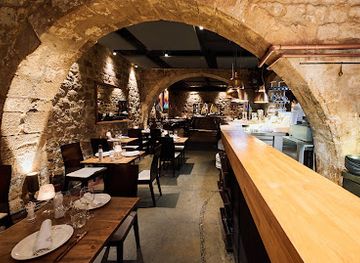
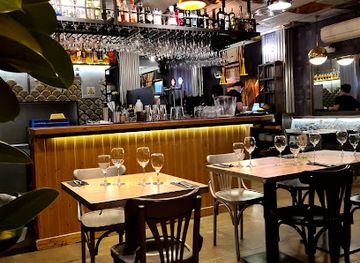
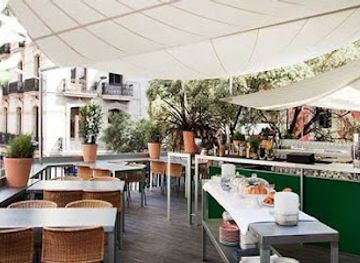
Catalan cooking reflects the region’s mountains, agricultural plains and Mediterranean coast. Menus may combine seafood with rice, beans or noodles, while inland dishes make use of pork, poultry, mushrooms, pulses and seasonal vegetables. Familiar specialities include suquet de peix, a fish stew associated with coastal cooking, escalivada of roasted vegetables, and crema catalana, although recipes vary between households and districts. Barcelona has the region’s broadest choice of contemporary, international and traditional restaurants, but smaller towns are often the better setting for local produce, bakeries, cafés and family-run establishments. Rural inns and village restaurants provide access to mountain cheeses, cured meats and mushroom dishes, while coastal towns focus on fish, shellfish and rice. Markets and food shops are useful for exploring products such as olive oil, cheeses, charcuterie and tinned seafood. Catalonia’s wine regions include Penedès, Priorat, Montsant and Empordà, with Cava particularly associated with the Penedès.
-
Fine Dining
El Celler de Can Roca
Experience gastronomic excellence at El Celler de Can Roca, where innovative Catalan cuisine meets exceptional service in Girona.
-
Mediterranean
Arcano Restaurant
Experience authentic Mediterranean cuisine at Arcano Restaurant in Barcelona's historic Ciutat Vella district.
-
Spanish
Viana Barcelona
Discover the culinary delights at Viana Barcelona, where traditional Spanish flavors meet modern dining in a cozy atmosphere.
-
Fine Dining
Disfrutar
Experience innovative Catalonian cuisine at Disfrutar, where every dish is a masterpiece crafted from fresh Mediterranean ingredients.
Best bars in Catalonia
Evening life varies sharply across Catalonia. Barcelona has the region’s largest concentration of cocktail bars, live music venues, theatres and nightclubs, with activity spread across central neighbourhoods and the waterfront rather than confined to one single district. Girona, Tarragona, Lleida and university towns offer smaller scenes centred on cafés, wine bars, traditional bodegas, restaurants and music venues. Coastal resorts become busier in summer, particularly around parts of the Costa Brava and Costa Daurada, but their nightlife is seasonal and varied in scale. In rural and mountain areas, evenings generally revolve around village bars, restaurants, historic inns and occasional local performances rather than large clubs. Breweries, wine bars and producers’ tasting rooms provide alternatives to late-night venues, while visitors should check local transport options before staying outside major towns.
-
American
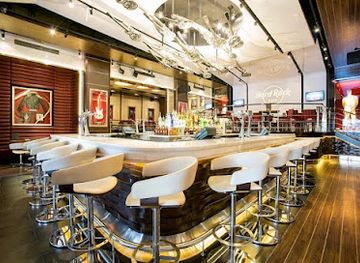
Hard Rock Cafè
Dive into the heart of American cuisine and rock music at Hard Rock Café Barcelona, a vibrant hotspot in the city's cultural district.
-
Bar
El Bosc de Les Fades
Discover the enchanting El Bosc de Les Fades in Barcelona—a whimsical bar and café offering a unique escape filled with magic and delicious bites.
-
Bar
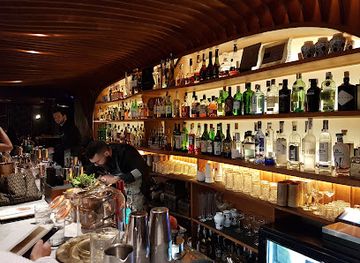
Paradiso
Experience the vibrant cocktail culture of Barcelona at Paradiso, an innovative bar with a unique ambiance and delicious offerings.
-
Cocktail bar
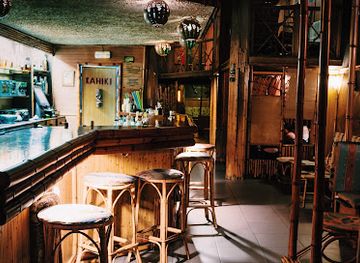
Kahiki, bar, pub, cocteleria, de moda en barcelona
Discover Kahiki, Barcelona's vibrant cocktail bar, where innovative drinks meet a stylish atmosphere for an unforgettable night out.

Best nightclubs in Catalonia
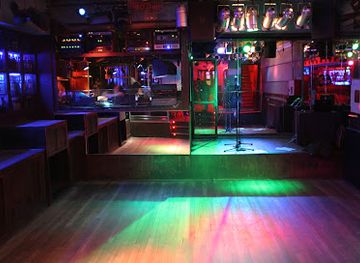
Evening life varies sharply across Catalonia. Barcelona has the region’s largest concentration of cocktail bars, live music venues, theatres and nightclubs, with activity spread across central neighbourhoods and the waterfront rather than confined to one single district. Girona, Tarragona, Lleida and university towns offer smaller scenes centred on cafés, wine bars, traditional bodegas, restaurants and music venues. Coastal resorts become busier in summer, particularly around parts of the Costa Brava and Costa Daurada, but their nightlife is seasonal and varied in scale. In rural and mountain areas, evenings generally revolve around village bars, restaurants, historic inns and occasional local performances rather than large clubs. Breweries, wine bars and producers’ tasting rooms provide alternatives to late-night venues, while visitors should check local transport options before staying outside major towns.
-
Disco club
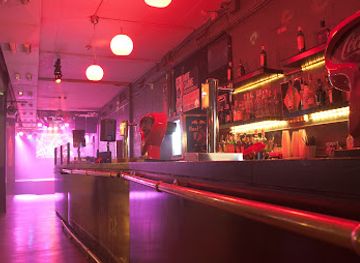
Razzmatazz
Experience the vibrant nightlife of Barcelona at Razzmatazz, a premier disco club and concert hall offering diverse music and electrifying atmosphere.
-
Disco club
Pacha Barcelona
Dive into the vibrant nightlife of Barcelona at Pacha, where electric DJ sets meet exquisite dining for an unforgettable party experience.
-
Disco club
Moog
Discover Moog, Barcelona's iconic disco club, where electrifying beats and a vibrant atmosphere create unforgettable nightlife experiences.
-
Disco club
Disco City Hall
Dive into the electrifying nightlife of Disco City Hall, Barcelona's premier disco club, where rhythm and energy meet in a vibrant celebration.


Best shops in Catalonia
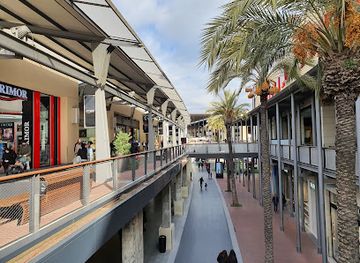
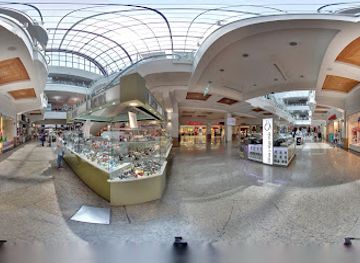
Shopping in Catalonia ranges from Barcelona’s major commercial avenues and independent design stores to the market squares and high streets of smaller provincial towns. The capital is particularly strong for fashion, books, contemporary crafts, food shops and Modernista-inspired design, while Girona, Tarragona, Vic, Reus and other historic centres offer more localised selections of boutiques, galleries, antiques and specialist retailers. Farmers’ and food markets are useful places to look for cheeses, cured meats, olive oil, honey, preserves, wine and regional sweets, although market schedules vary by town and season. In the Penedès, Priorat, Montsant and Empordà areas, winery shops provide locally produced bottles; ceramics, woven goods and small-scale craftwork can be found in rural and coastal communities. Look for products with clear regional provenance rather than generic souvenirs, and remember that larger shops may close for part of the afternoon or observe local and national holidays.
-
Shopping mall
Westfield La Maquinista
Discover shopping, dining, and family entertainment at Westfield La Maquinista, Barcelona's premier shopping destination, where fun meets fashion.
-
Shopping mall
Diagonal Mar
Experience the ultimate shopping and dining at Diagonal Mar, Barcelona's vibrant shopping mall with diverse options for all ages.
-
Shopping mall
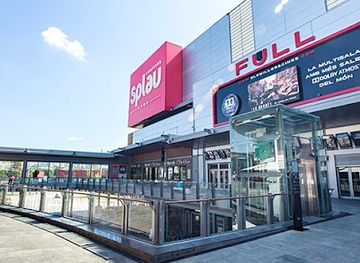
Centro Comercial Splau
Experience the ultimate shopping adventure at Centro Comercial Splau, Barcelona's premier destination for retail therapy and family fun.
-
Shopping mall
L'illa Mall Diagonal
Discover L'illa Mall Diagonal, Barcelona's premier shopping destination with luxury brands, local boutiques, and diverse dining options.
Get your free copy of our complete guide to Catalonia, delivered straight to you.
Everything on this page, from attractions and restaurants to essentials and local phrases, in one PDF you can read offline, print or share.
Already have an account? Sign in
Your Catalonia guide is ready.
We'll send it to · Not you? Sign out

Getting your guide ready…
We are putting together a fresh copy of the Catalonia guide. This can take up to a minute.
This can take a few moments. If your browser asks, choose Allow so the download can start. You'll find the guide in your Downloads folder.
Nothing happened? Download it again
Sorry, the guide is taking longer than usual. Please try again in a minute, or get it by email instead.
Catalonia essentials
Currency and Payment
Safety
Emergency Situations
Do's and Don'ts
Local Tips
From Eve
Local phrases worth knowing
You don't need to get them perfect. A few words go a long way, and locals appreciate the effort.
Basics
| English | Local | Say it |
|---|---|---|
| Hello | Hola | [ˈola] |
| Goodbye | Adéu | [əˈðeu] |
| Yes | Sí | [si] |
| No | No | [no] |
| Please/You're welcome | Si us plau | [si uz ˈplaw] |
| Thank you | Gràcies | [ˈɡrasiəs] |
| Excuse me/Sorry | Perdó | [pərˈðo] |
| How are you? | Com estàs? | [kɔm əsˈtas] |
| Fine. And you? | Bé. I tu? | [be. i tu] |
| Do you speak English? | Parles anglès? | [ˈpaɾles əŋˈɡlɛs] |
| I don't understand | No ho entenc | [no u ɛnˈteŋk] |
Eating & Drinking
| English | Local | Say it |
|---|---|---|
| I'd like to see the menu, please | M'agradaria veure el menú, si us plau | [məɡɾəðəˈɾia ˈβeʊɾə ɫ mɛˈnu si uz ˈplaw] |
| I don't eat meat | No menjo carn | [no ˈmenʒu kaɾn] |
| Cheers! | Salut! | [səˈlut] |
| I would like to pay, please | M'agradaria pagar, si us plau | [məɡɾəðəˈɾia pəˈɡaɾ si uz ˈplaw] |
Emergencies
| English | Local | Say it |
|---|---|---|
| Help! | Ajuda! | [əˈʒudə] |
| Go away! | Vés a fora! | [βes ə ˈfɔɾə] |
| Call the Police! | Truca a la policia! | [ˈtɾukə ə ɫə pəliˈsiə] |
| Call a doctor! | Truca a un metge! | [ˈtɾukə ə un ˈmɛʤə] |
| I'm lost | Estic perdut | [əsˈtik pərˈdut] |
| I'm ill | Estic malalt | [əsˈtik məˈlalt] |
Shopping
| English | Local | Say it |
|---|---|---|
| I'd like to buy... | M'agradaria comprar... | [məɡɾəðəˈɾia kumˈpɾar] |
| I'm just looking | Només estic mirant | [nuˈmes əsˈtik miˈɾant] |
| How much is it? | Quant costa? | [kwant ˈkɔstə] |
| That's too expensive | Això és massa car | [əiˈʃɔ ɛs ˈmasə kaɾ] |
| Can you lower the price? | Pots rebaixar el preu? | [pɔts reβaiˈʃaɾ ɛl ˈpɾeʊ] |
Time & Numbers
| English | Local | Say it |
|---|---|---|
| What time is it? | Quina hora és? | [ˈkinə ˈɔɾə ɛs] |
| It's one o'clock | És l'una | [ɛs ˈlunə] |
| Half past (10) | Dos quarts de (10) | [ˈðoz ˈkwarts ðə 10] |
| Morning | Matí | [məˈti] |
| Afternoon | Tarda | [ˈtaɾðə] |
| Evening | Vespre | [ˈβɛspɾə] |
| Yesterday | Ahir | [əˈiɾ] |
| Today | Avui | [əˈβui] |
| Tomorrow | Demà | [dəˈma] |
| 1 | 1 | [1] |
| 2 | 2 | [2] |
| 3 | 3 | [3] |
| 4 | 4 | [4] |
| 5 | 5 | [5] |
| 6 | 6 | [6] |
| 7 | 7 | [7] |
| 8 | 8 | [8] |
| 9 | 9 | [9] |
| 10 | 10 | [10] |
Transport & Directions
| English | Local | Say it |
|---|---|---|
| Where's a/the...? | On hi ha un/a...? | [on i a un/a] |
| What's the address? | Quina és l'adreça? | [ˈkinə ɛs ɫəˈðɾesə] |
| Can you show me (on the map)? | Em pots ensenyar (al mapa)? | [əm pɔts ənsəˈɲaɾ (al ˈmapə)] |
| When's the next (bus)? | Quan és el següent (autobús)? | [kwan ɛs ɛl səˈɡweŋt (awtoˈβus)] |
| A ticket (to ....) | Un bitllet (cap a....) | [un biˈʎɛt (kap ə....)] |
History of Catalonia
Iberian and Greek Foundations before Rome
Before Roman rule, the territory of present-day Catalonia was inhabited by Iberian communities with fortified settlements, agricultural economies and regional trading networks. Greek merchants established Emporion, at modern Empúries near L’Escala, from the sixth century BC, creating an important Mediterranean trading centre alongside the nearby Iberian settlement of Ullastret. These sites show that the north-eastern Iberian Peninsula was connected to wider Mediterranean commerce well before Roman political control. Archaeological remains include walls, streets, sanctuaries, houses, pottery and evidence of contacts between local communities and overseas traders.
Roman Tarraco and the Road Network
Rome incorporated the region during the Second Punic War and developed Tarraco, modern Tarragona, into the capital of the extensive Hispania Tarraconensis province. Its forum, amphitheatre, circus, provincial temple area and surviving walls demonstrate the city’s administrative and ceremonial importance. Roman roads, bridges, villas, aqueducts and agricultural estates connected the coast with inland settlements and helped establish patterns of urbanisation and cultivation that influenced later landscapes. The Roman legacy remains especially visible in Tarragona and in archaeological sites such as Empúries, where earlier Greek and Roman layers coexist.
Medieval Counties and the Crown of Aragon
After the fragmentation of Carolingian authority, counts based in places such as Barcelona, Girona and Osona consolidated control over much of the territory. The counts of Barcelona became increasingly independent, and the dynastic union of Barcelona and Aragon in the twelfth century created the Crown of Aragon. Medieval Catalonia developed powerful towns, monasteries, commercial institutions and maritime links, while Romanesque churches and monasteries spread through the Pyrenees and interior. Barcelona grew as a political and trading centre, and Catalan merchants and sailors became active across the western Mediterranean.
Maritime Expansion and Medieval Urban Culture
From the thirteenth to the fifteenth centuries, the Crown of Aragon expanded its influence through trade, diplomacy and military campaigns in the Mediterranean. Catalan-speaking merchants operated in ports including Majorca, Sicily, Sardinia and parts of Greece, while Barcelona’s port and merchant institutions supported long-distance commerce. Girona’s Jewish quarter, medieval civic buildings and religious foundations reveal the complexity of urban society, although Jewish communities later suffered persecution and expulsion. The period also left a substantial architectural legacy in Gothic churches, civic halls, shipyards and fortified towns.
War, Dynastic Change and Centralisation
The fifteenth-century union of the crowns of Aragon and Castile joined the political fortunes of Catalonia to those of the emerging Spanish monarchy, while retaining distinct institutions for a time. The Reapers’ War of 1640–52 reflected tensions involving taxation, military demands and political authority during the wider European conflict known as the Thirty Years’ War. The War of the Spanish Succession ended in 1714 with the fall of Barcelona and brought the suppression of important Catalan institutions under the Bourbon monarchy. These events remain significant in Catalonia’s historical memory.
Industrialisation and the Modernista Transformation
During the nineteenth century, Catalonia became one of Spain’s leading industrial regions, particularly through cotton textiles, engineering, commerce and the growth of Barcelona. Industrial wealth helped finance urban expansion, cultural institutions and ambitious architecture. The Catalan cultural renaissance known as the Renaixença encouraged renewed public use of the Catalan language and interest in medieval history and literature. Around the turn of the twentieth century, Modernisme produced works by architects including Antoni Gaudí, Lluís Domènech i Montaner and Josep Puig i Cadafalch, reshaping Barcelona and leaving notable buildings elsewhere in the region.
Dictatorship, Democracy and Contemporary Catalonia
The Spanish Civil War brought severe disruption, and the Franco dictatorship restricted public use of Catalan and curtailed regional political freedoms. Catalan cultural activity continued through private, religious and civic networks, while post-war industrial growth attracted migration from other parts of Spain and transformed metropolitan Barcelona. Following Spain’s democratic transition, Catalonia regained an autonomous government and renewed official recognition for Catalan alongside Spanish. Contemporary Catalonia combines a highly international economy and strong cultural institutions with continuing political debate about autonomy, identity and its relationship with the Spanish state.
Catalonia in Photos
Browse through our photo collection highlighting the charm and character of the destination.
Neighbouring regions of Catalonia
The closest regions to Catalonia, if you have time for more than one.
-

-

-

-

-


Swipe for more regions
Explore more

Explore more of Spain
Discover Spain: A vibrant tapestry of culture, history, and breathtaking landscapes, where every city offers a unique adventure and unforgettable experiences.
Explore Spain