

Free Valencian Community Travel Guide & Mobile App
Explore Valencian Community with free travel guides. Discover regional history, expert tips, proposed trips, and audio guides on web or mobile app.


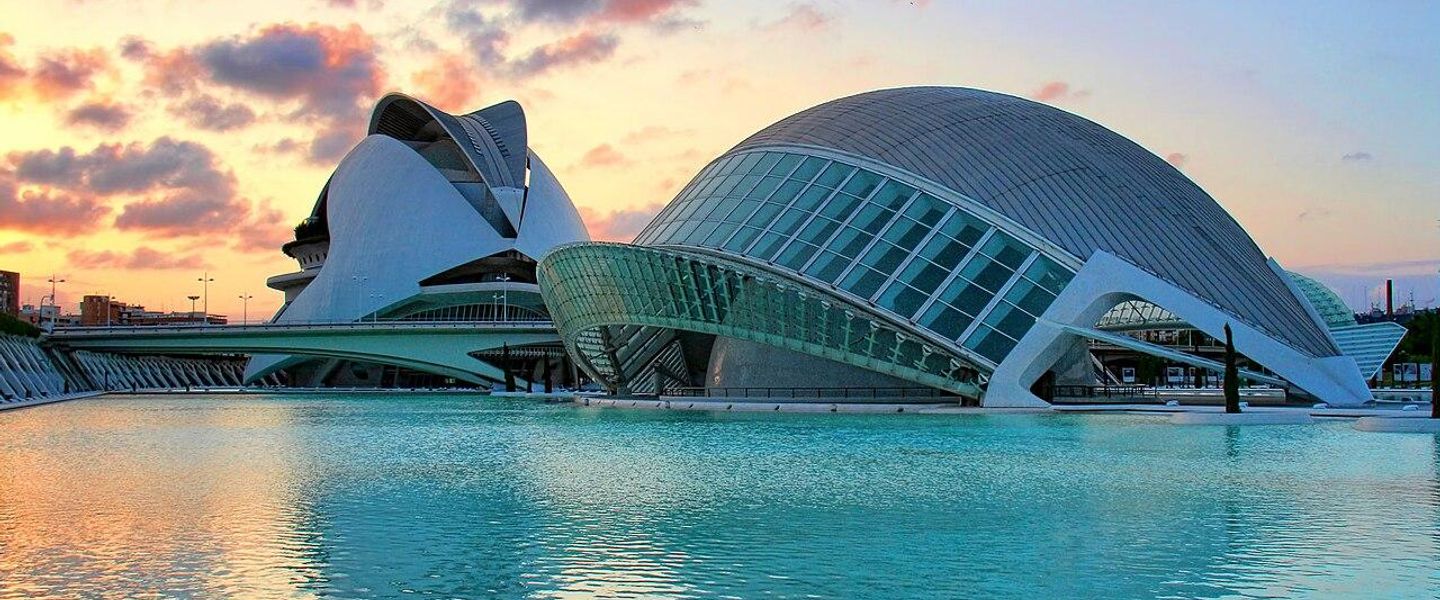


Explore the Valencian Community for Mediterranean beaches, historic cities, rice-country landscapes, mountain villages and distinctive regional cuisine.
Read more about Valencian Community
When is the best time to visit Valencian Community?
Best: April–May, October · 22–26°C| Month | High (°C) | Rainfall (mm) |
|---|---|---|
| January | 15 | 26 |
| February | 16 | 24 |
| March | 19 | 28 |
| April (best) | 22 | 31 |
| May (best) | 26 | 30 |
| June | 30 | 18 |
| July | 33 | 9 |
| August | 33 | 12 |
| September | 30 | 26 |
| October (best) | 25 | 51 |
| November | 18 | 36 |
| December | 15 | 31 |
Getting to and around Valencian Community
How to get there
Transportation
Top city travel guides in Valencian Community
The cities of Valencian Community, and the easiest places to base yourself.
-

-

-

-

-


Swipe for more cities
Destinations in Valencian Community
Resorts, valleys and scenic spots worth a trip of their own.

Swipe for more destinations
Best attractions in Valencian Community
The Valencian Community offers a broad mix of urban culture, archaeological heritage, wetlands, mountains and Mediterranean coast. Valencia combines the medieval Lonja de la Seda and cathedral quarter with the Turia Gardens, major museums and the City of Arts and Sciences. Nearby l’Albufera provides boat excursions, birdwatching and walks through a rice-growing landscape. In Castellón province, the walled old town of Peñíscola, the mountain setting of Morella and the coastal Serra d’Irta give the north a more rugged character, while the Maestrat contains historic villages and rural scenery. Alicante province ranges from the archaeological and historic sites of Elche and Villena to the mountain landscapes around Guadalest, the coastal coves of the Marina Alta and the extensive beaches of the Costa Blanca. Outdoor options include hiking, cycling, birdwatching, kayaking and water sports, although conditions and access vary seasonally. Museums, ceramics workshops, gardens, festivals and food markets add cultural depth beyond the principal monuments.
-
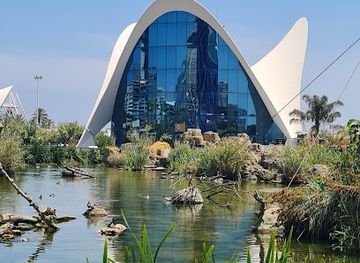
Science museum
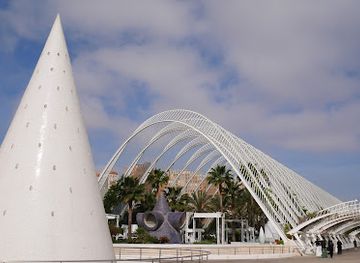
Ciudad de las Artes y las Ciencias
Explore the captivating Ciudad de las Artes y las Ciencias in Valencia, where science, art, and stunning architecture converge in a spectacular cultural experience.
-
Aquarium
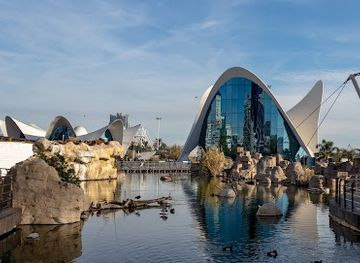
Oceanogràfic
Discover the wonders of the ocean at Oceanogràfic Valencia, Europe’s largest aquarium, with immersive exhibits and diverse marine life.
-
Tourist attraction
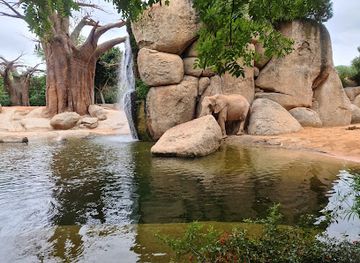
Bioparc Valencia
Explore Bioparc Valencia, where wildlife conservation meets immersive experiences in a stunning natural setting. Perfect for family outings and educational adventures.
-
Tourist attraction
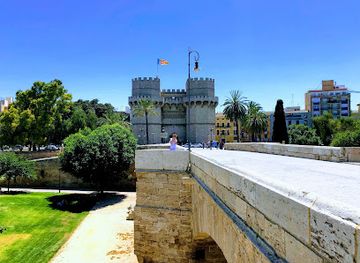
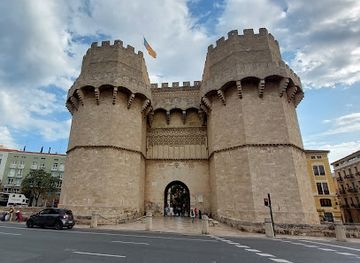
Serranos Towers
Explore Valencia's Serranos Towers, a stunning Gothic monument blending history, culture, and breathtaking city views.

Best landmarks in Valencian Community
The Valencian Community’s most recognisable landmarks reflect its layered history and varied terrain. Valencia’s Lonja de la Seda is a celebrated late-medieval Gothic merchant exchange, while the cathedral and Micalet tower mark the historic centre’s religious and civic landscape. The City of Arts and Sciences represents a very different, contemporary image of the regional capital. South of the city, the Albufera lagoon and its surrounding rice fields form a major natural landmark shaped by centuries of cultivation. Sagunto’s Roman theatre, castle and hilltop archaeological remains testify to the importance of the ancient settlement. In northern Castellón, Peñíscola Castle crowns a fortified peninsula above the sea, while Morella’s walls and castle dominate a dramatic inland ridge. Alicante province includes the palm landscape and historic heritage of Elche, the castle of Villena and the mountain-ringed setting of Guadalest. Across the region, medieval castles, watchtowers, tiled civic buildings and coastal headlands provide a visual record of changing political, commercial and environmental conditions.
-
Aquarium
Oceanogràfic
Discover Oceanogràfic in Valencia, the largest aquarium in Europe, where marine life comes to life through immersive exhibits and breathtaking underwater experiences.
-
Historical place
Serranos Towers
Discover the majestic Serranos Towers in Valencia, a historic landmark that offers breathtaking views and a glimpse into the city's medieval past.
-
Park
Jardín del Turia
Discover the breathtaking Jardín del Turia, an urban park in Valencia that beautifully blends nature, culture, and recreation in a serene environment.
-
Historical landmark
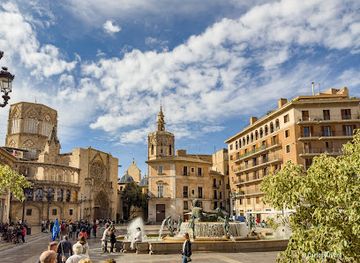
Plaça de la Mare de Déu
Explore the historical beauty and vibrant culture of Plaça de la Mare de Déu in Valencia, a must-visit landmark rich in heritage and local flavor.
Explore Valencian Community on the map
Plan your trip on one map. See where the top cities, national parks and sights are, and book hotels and experiences in a few clicks.
Best hotels in Valencian Community
Best restaurants in Valencian Community
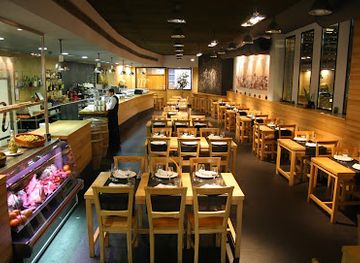
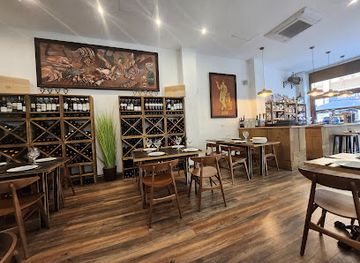
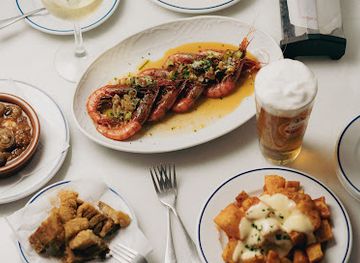
Valencian cooking is strongly shaped by rice, irrigation, orchards, fishing communities and Mediterranean agriculture. Around Valencia and l’Albufera, restaurants serve rice dishes prepared in many styles, including paella, arroz a banda and other regional preparations; visitors should expect significant differences between recipes and presentation rather than a single standard version. Seafood is prominent along the coast, while vegetables, citrus fruit, artichokes and locally grown rice support a substantial seasonal repertoire. Alicante contributes products such as turrón from Jijona and distinctive rice traditions, and inland districts offer wines, cured products, pastries and rustic cooking. Castellón is known for its citrus-growing plains and a cuisine that combines seafood with produce from the interior. Dining ranges from market cafés and neighbourhood restaurants to traditional bars, rural inns and contemporary kitchens. Horchata with fartons is closely associated with the Valencia area, while local bakeries and ice-cream shops provide further regional specialities.
-
Italian
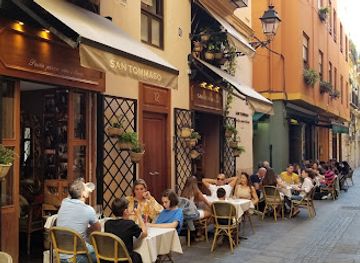
San Tommaso
Experience authentic Italian cuisine at San Tommaso in Valencia—famous for its wood-fired pizzas and welcoming atmosphere.
-
Mediterranean
Puerta del Mar
Experience authentic Mediterranean flavors at Puerta del Mar - a culinary gem in the heart of Valencia.
-
Argentinian
Asador El Porteño
Experience authentic Argentinian cuisine at Asador El Porteño in Valencia - where every meal is a celebration of flavor and culture.
-
Mediterranean
Gran Mercat
Discover the essence of Mediterranean cuisine at Gran Mercat in Valencia – where every dish tells a story of tradition and flavor.
Best bars in Valencian Community
Evening life varies sharply across the Valencian Community. Valencia has the broadest choice, with traditional bars, modern cocktail venues, live music, cultural spaces and clubs concentrated around central neighbourhoods and areas such as Ruzafa, El Carmen and the seafront, though individual venues and opening arrangements change. Alicante combines late dining, bars and clubs around the centre and waterfront, while Benidorm in Alicante province has a much larger, resort-oriented nightlife scene with live entertainment and late venues. Castellón de la Plana offers a more local urban evening culture, and coastal resorts become busier in summer. In smaller towns and inland districts, evenings usually centre on cafés, tapas bars, traditional pubs, restaurants and festival events rather than a substantial club scene. Breweries, wine bars and music venues provide alternatives to nightlife based around alcohol.
-
Cocktail bar
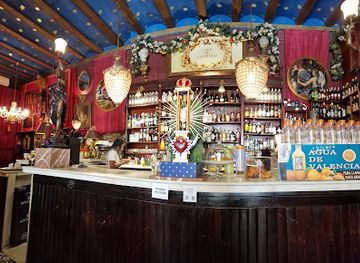
Cafe de las Horas
Discover Cafe de las Horas in Valencia, where vibrant cocktails and rich espresso blend seamlessly in a unique and artistic atmosphere.
-
Irish pub
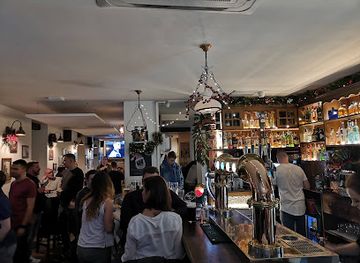
St. Patrick's
Discover the lively St. Patrick's Irish Pub in Valencia, where authentic Irish cuisine meets a vibrant social atmosphere.
-
Pub
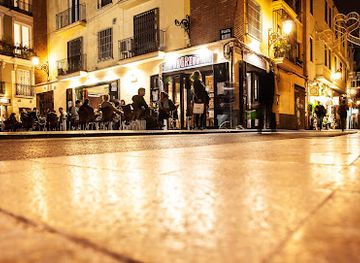
Café Negrito
Discover the charm of Café Negrito in Valencia, where café culture meets pub vibes in a cozy atmosphere with local flavors.
-
Cocktail bar
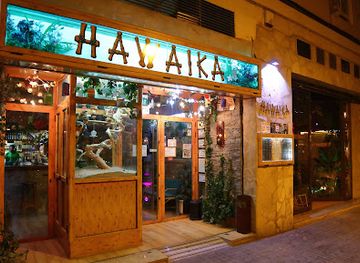
HAWAIKA
Discover Hawaika, a lively cocktail bar in Valencia offering unique drinks and a vibrant atmosphere for unforgettable nights.
Best nightclubs in Valencian Community
Evening life varies sharply across the Valencian Community. Valencia has the broadest choice, with traditional bars, modern cocktail venues, live music, cultural spaces and clubs concentrated around central neighbourhoods and areas such as Ruzafa, El Carmen and the seafront, though individual venues and opening arrangements change. Alicante combines late dining, bars and clubs around the centre and waterfront, while Benidorm in Alicante province has a much larger, resort-oriented nightlife scene with live entertainment and late venues. Castellón de la Plana offers a more local urban evening culture, and coastal resorts become busier in summer. In smaller towns and inland districts, evenings usually centre on cafés, tapas bars, traditional pubs, restaurants and festival events rather than a substantial club scene. Breweries, wine bars and music venues provide alternatives to nightlife based around alcohol.
-
Disco club
Fox Congo
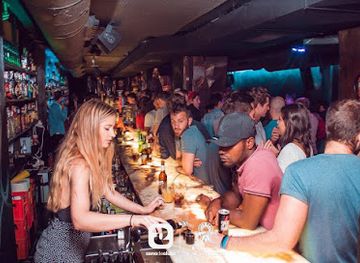
Explore Valencia's vibrant nightlife at Fox Congo, a premier disco club featuring electrifying music and an unforgettable atmosphere.
-
Disco club
Akuarela Platja
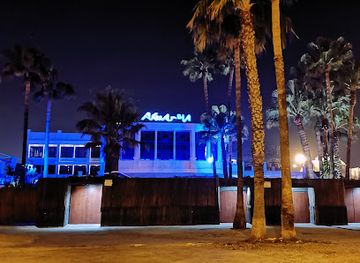
Experience the lively nightlife at Akuarela Platja in Valencia, where beach vibes and electrifying music create an unforgettable party atmosphere.
-
Disco club
Mya Club
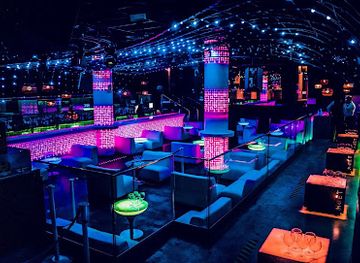
Experience the vibrant nightlife of Valencia at Mya Club, where music and energy create unforgettable evenings.
-
Night club
Piccadilly Downtown Club
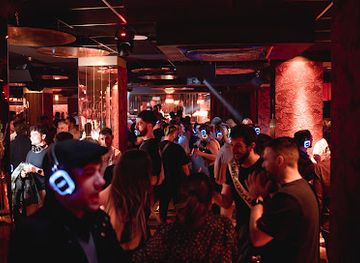
Discover the electric nightlife of Valencia at Piccadilly Downtown Club, where unforgettable moments and vibrant music collide in a dazzling atmosphere.
Best shops in Valencian Community
Shopping in the Valencian Community ranges from major city markets to small-town produce stalls and specialist workshops. Valencia’s Central Market is the best-known food market, with fruit, vegetables, seafood, cured products and other ingredients reflecting the region’s agricultural hinterland; the surrounding historic centre also has independent food shops, ceramics, design goods and bookshops. Alicante and Castellón provide conventional high-street retail alongside municipal markets and small specialist businesses. In rural districts, market towns are useful for seasonal fruit, olive oil, wine, honey, preserves and traditional baked goods. Ceramics are an important regional purchase, particularly in parts of Castellón with long-standing pottery and tile industries, while handmade textiles, baskets and decorative crafts appear in selected inland towns. Jijona’s turrón and locally produced citrus products travel well, although visitors should check packaging requirements for air travel. Coastal resorts tend to emphasise beachwear, souvenirs and larger retail chains rather than distinctly regional goods.
-
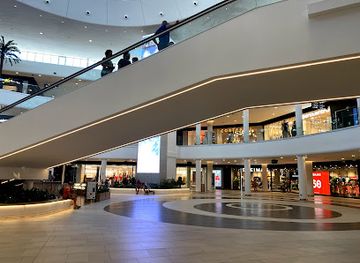
Shopping mall
Centre Comercial El Saler
Explore the bustling Centre Comercial El Saler for shopping, dining, and entertainment in the heart of Valencia.
-
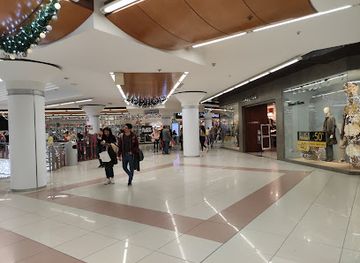
Shopping mall
Nuevo Centro
Explore Nuevo Centro, Valencia's bustling shopping hub offering diverse retail, dining, and entertainment options for an unforgettable experience.
-
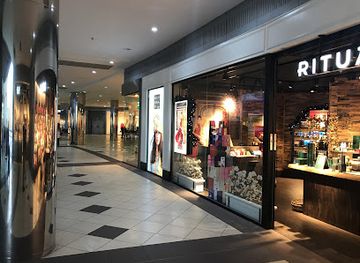
Shopping mall
Aqua Multispace
Discover Aqua Multispace in Valencia: A vibrant shopping mall offering diverse shopping, dining, and entertainment experiences for every visitor.
-
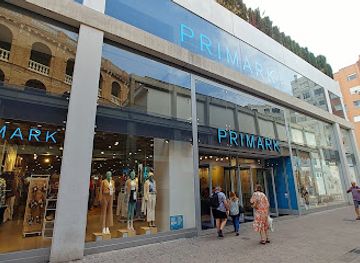
Clothing store
Primark
Explore affordable fashion at Primark in Valencia, where style meets budget-friendly prices for a delightful shopping experience.
Get your free copy of our complete guide to Valencian Community, delivered straight to you.
Everything on this page, from attractions and restaurants to essentials and local phrases, in one PDF you can read offline, print or share.
Already have an account? Sign in
Your Valencian Community guide is ready.
We'll send it to · Not you? Sign out

Getting your guide ready…
We are putting together a fresh copy of the Valencian Community guide. This can take up to a minute.
This can take a few moments. If your browser asks, choose Allow so the download can start. You'll find the guide in your Downloads folder.
Nothing happened? Download it again
Sorry, the guide is taking longer than usual. Please try again in a minute, or get it by email instead.
Valencian Community essentials
Currency and Payment
Safety
Emergency Situations
Do's and Don'ts
Local Tips
From Eve
Local phrases worth knowing
You don't need to get them perfect. A few words go a long way, and locals appreciate the effort.
Basics
| English | Local | Say it |
|---|---|---|
| Hello | Hola | [ˈola] |
| Goodbye | Adéu | [aˈðeu] |
| Yes | Sí | [si] |
| No | No | [no] |
| Please/You're welcome | Si us plau | [si uz ˈplaw] |
| Thank you | Gràcies | [ˈɡɾasies] |
| Excuse me/Sorry | Perdona | [peɾˈðona] |
| How are you? | Com estàs? | [kom esˈtas] |
| Fine. And you? | Bé. I tu? | [be. i tu] |
| Do you speak English? | Parles anglès? | [ˈpaɾles aŋˈɡles] |
| I don't understand | No entenc | [no ɛnˈteŋk] |
Eating & Drinking
| English | Local | Say it |
|---|---|---|
| I'd like to see the menu, please | M'agradaria veure el menú, si us plau | [məɡɾaðəˈɾia ˈβeʊɾe el məˈnu si uz ˈplaw] |
| I don't eat meat | No menjo carn | [no ˈmenʒu kaɾn] |
| Cheers! | Salut! | [saˈlut] |
| I would like to pay, please | M'agradaria pagar, si us plau | [məɡɾaðəˈɾia paˈɡaɾ si uz ˈplaw] |
Emergencies
| English | Local | Say it |
|---|---|---|
| Help! | Ajuda! | [aˈʒuðə] |
| Go away! | Vés fora! | [βes ˈfoɾa] |
| Call the Police! | Truqueu a la Policia! | [truˈkew a la po.liˈsi.a] |
| Call a doctor! | Truqueu un metge! | [truˈkew un ˈmetʒe] |
| I'm lost | Estic perdut | [esˈtik peɾˈðut] |
| I'm ill | Estic malalt | [esˈtik maˈlalt] |
Shopping
| English | Local | Say it |
|---|---|---|
| I'd like to buy... | M'agradaria comprar... | [məɡɾaðəˈɾia komˈpɾaɾ] |
| I'm just looking | Només estic mirant | [noˈmes esˈtik miˈɾant] |
| How much is it? | Quant costa? | [kwant ˈkosta] |
| That's too expensive | És massa car | [es ˈmasa kaɾ] |
| Can you lower the price? | Pots abaixar el preu? | [pots əβəˈʃaɾ el ˈpɾeʊ] |
Time & Numbers
| English | Local | Say it |
|---|---|---|
| What time is it? | Quina hora és? | [ˈkina ˈoɾə es] |
| It's one o'clock | És l'una | [es lˈuna] |
| Half past (10) | Dos quarts (10) | [dos ˈkwaɾts] |
| Morning | Matí | [maˈti] |
| Afternoon | Vesprada | [vesˈpɾaðə] |
| Evening | Sopar | [soˈpaɾ] |
| Yesterday | Ahir | [aˈiɾ] |
| Today | Avui | [aˈβui] |
| Tomorrow | Demà | [deˈma] |
| 1 | 1 | [1] |
| 2 | 2 | [2] |
| 3 | 3 | [3] |
| 4 | 4 | [4] |
| 5 | 5 | [5] |
| 6 | 6 | [6] |
| 7 | 7 | [7] |
| 8 | 8 | [8] |
| 9 | 9 | [9] |
| 10 | 10 | [10] |
Transport & Directions
| English | Local | Say it |
|---|---|---|
| Where's a/the...? | On hi ha un/a...? | [on i a un/a] |
| What's the address? | Quina és l'adreça? | [ˈkina es l'aˈðɾesa] |
| Can you show me (on the map)? | Em pots ensenyar (al mapa)? | [em pots en.seˈɲaɾ al ˈmapa] |
| When's the next (bus)? | Quan és el pròxim (autobús)? | [kwan es el ˈpɾoɡsim (au̯toˈβus)] |
| A ticket (to ....) | Un bitllet (a....) | [un biˈʎet a...] |
History of Valencian Community
Iberian and Roman Foundations
The Valencian Community preserves evidence of prehistoric settlement and important Iberian communities, including the hilltop settlement of La Bastida de les Alcusses near Moixent. Greek and Phoenician trade influenced the wider coast, while Rome established roads, agricultural estates and urban centres. Saguntum, now Sagunto, became a significant Roman city after its earlier Iberian and Mediterranean history. Roman infrastructure helped connect the coastal plain with inland districts, and traces of this period remain visible in archaeological sites, roads, inscriptions and the enduring importance of towns positioned along the coast and river valleys.
Islamic Rule and Agricultural Transformation
From the eighth century, much of present-day Valencia and Alicante came under Muslim rule, forming part of al-Andalus and later a succession of taifa territories. Irrigation systems were expanded and refined, supporting orchards, market gardens and rice-growing environments that still shape the region’s countryside. Towns such as Valencia, Dénia and Xàtiva flourished as administrative, commercial and cultural centres. Arabic influence remains visible in place names, agricultural vocabulary, fortress architecture and the pattern of irrigated landscapes, although the surviving historic fabric reflects many later periods as well.
The Christian Conquest and the Kingdom of Valencia
James I of Aragon conquered Valencia in the thirteenth century, taking the city in 1238 and consolidating Christian rule over subsequent decades. The territory became the Kingdom of Valencia within the Crown of Aragon, with its own laws, institutions and political identity. New settlers, religious foundations and fortified towns altered the population and landscape, while Muslim communities continued to contribute to agriculture and craftsmanship under changing conditions. Medieval walls, churches, monasteries and castles in places such as Morella, Xàtiva and Valencia reflect this long transition.
Silk, Trade and the Early Modern City
Valencia became an important centre of Mediterranean commerce and silk production during the late medieval and early modern periods. The Lonja de la Seda, completed in the fifteenth century, expresses the wealth and organisation of the city’s merchant economy and is one of the region’s defining Gothic buildings. Textile work, agriculture and port trade supported urban growth, while conflicts and dynastic changes periodically disrupted prosperity. The expulsion of the Moriscos in 1609 also had serious demographic and economic consequences in many Valencian rural communities, particularly where agriculture depended on their labour.
Industrialisation and Agricultural Commerce
During the nineteenth and early twentieth centuries, railways, improved ports, irrigation and commercial agriculture reshaped the region. Valencia’s orchards and rice fields connected increasingly to national and international markets, while Castellón developed a major ceramics industry centred on towns including Onda, Alcora and Vila-real. Alicante expanded as a port and industrial centre, with connections to wine, footwear, food processing and other trades. Urban boulevards, civic buildings, railway stations and industrial districts from this period reveal the transition from a predominantly agrarian economy to a more commercial and industrial society.
War, Autonomy and Contemporary Transformation
The Valencian territory experienced political upheaval during the Spanish Civil War, including the temporary relocation of the Republican government to Valencia in 1936–37. After the Franco dictatorship, Spain’s democratic constitution enabled the creation of the Valencian Community as an autonomous community in 1982. Since then, coastal tourism, construction, manufacturing, agriculture and services have transformed the economy and settlement pattern. The region has also strengthened the public presence of Valencian, a variety of Catalan recognised alongside Spanish, and renewed attention to local heritage, landscape protection and cultural institutions.
Valencian Community in Photos
Browse through our photo collection highlighting the charm and character of the destination.
Neighbouring regions of Valencian Community
The closest regions to Valencian Community, if you have time for more than one.
-

-

-

-
-


Swipe for more regions
Explore more

Explore more of Spain
Discover Spain: A vibrant tapestry of culture, history, and breathtaking landscapes, where every city offers a unique adventure and unforgettable experiences.
Explore Spain