

Free Navarre Travel Guide & Mobile App
Explore Navarre with free travel guides. Discover regional history, expert tips, proposed trips, and audio guides on web or mobile app.


Explore Navarre in Spain for Pyrenean valleys, medieval towns, Pamplona’s food culture, Camino heritage and the Bardenas Reales.
Read more about Navarre
When is the best time to visit Navarre?
Best: May–June, September · 23–27°C| Month | High (°C) | Rainfall (mm) |
|---|---|---|
| January | 12 | 50 |
| February | 13 | 46 |
| March | 16 | 41 |
| April | 19 | 46 |
| May (best) | 23 | 51 |
| June (best) | 27 | 41 |
| July | 30 | 26 |
| August | 30 | 28 |
| September (best) | 25 | 36 |
| October | 20 | 46 |
| November | 14 | 51 |
| December | 11 | 56 |
Getting to and around Navarre
How to get there
Transportation
Top city travel guides in Navarre
The cities of Navarre, and the easiest places to base yourself.
-

-


Swipe for more cities
Best attractions in Navarre
Navarre’s attractions range from pilgrimage heritage and royal architecture to forests, mountain routes and semi-desert scenery. Pamplona’s old quarter, walls and museums provide an accessible introduction, while the Camino de Santiago links Roncesvalles, Pamplona, Puente la Reina and Estella-Lizarra through historic churches, bridges and hospitable towns. Olite’s former royal palace is a major architectural draw, and the monasteries of Leyre and Fitero reveal different chapters of Navarre’s religious history. The north is suited to walking, cycling and rural exploration in areas such as Baztan, Aralar and Urbasa-Andía, where beech woodland, limestone formations and open pasture create varied routes. In the south, the Bardenas Reales offers striking geology and birdwatching, while Tudela and the Ribera combine food, river landscapes and heritage. Seasonal activities, including walking and wildlife observation, are more rewarding when planned around weather and daylight rather than treated as fixed year-round experiences.
-
Castle
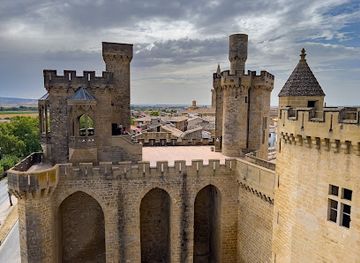
Royal Palace of Olite
Explore the Royal Palace of Olite, a stunning medieval castle in Navarre, Spain, rich in history and architectural beauty.
-
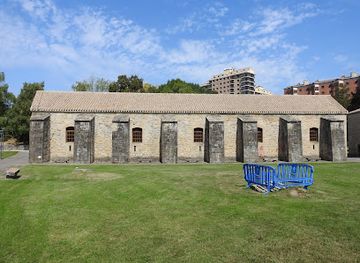
Fortress
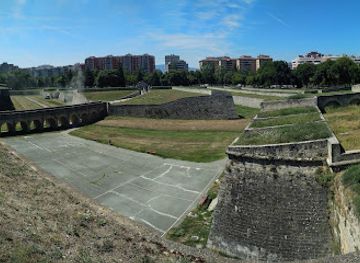
Ciudadela de Pamplona
Discover the historical allure and natural beauty of Ciudadela de Pamplona, a remarkable fortress and park in the heart of Navarra.
-
Tourist attraction
Rocher de la Vierge
Experience the stunning Rocher de la Vierge in Biarritz, a breathtaking coastal landmark with panoramic views and rich cultural history.
-
Aquarium
Biarritz Aquarium
Explore the wonders of the ocean at Biarritz Aquarium, a premier tourist attraction showcasing the beauty and diversity of marine life.


Best landmarks in Navarre
Pamplona’s medieval walls and citadel are among Navarre’s most recognisable civic and defensive landmarks, illustrating the capital’s former strategic importance. The Gothic structure of the Church of Santa María la Real in Olite and the nearby Royal Palace of Olite form the region’s most distinctive royal ensemble, with towers and crenellations rising above the historic town. In the mountains, the Collegiate Church of Roncesvalles is closely associated with the Camino de Santiago, while the Monastery of Leyre stands above the Aragón valley and preserves an important religious tradition. Estella-Lizarra’s churches and stone streets reflect its medieval commercial role, and the Monastery of Fitero represents the Cistercian legacy of southern Navarre. The Bardenas Reales is a natural landmark rather than a single monument: its eroded clay formations, most notably around the Castildetierra area, create a landscape unlike the greener north.
-
Castle
Royal Palace of Olite
Explore the Royal Palace of Olite, a stunning medieval castle in Navarre, rich in history and architectural beauty, perfect for every tourist's itinerary.
-
Castle
Castillo de Javier
Discover the enchanting Castillo de Javier in Navarre, Spain - a stunning blend of history, architecture, and breathtaking views.
-
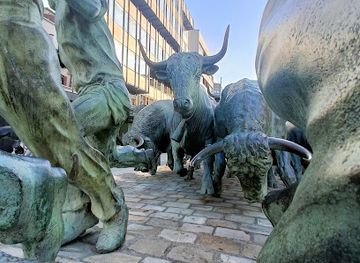
Monument
Encierro/Entzierroa Monument
Explore the Encierro Monument in Pamplona, a vibrant tribute to the thrilling Running of the Bulls tradition that captivates visitors from around the world.
-
Nature preserve
Foz de Lumbier - Ilunberriko Arroila
Explore the stunning landscapes and rich biodiversity of Foz de Lumbier, a must-visit nature preserve in Navarre, Spain.
Explore Navarre on the map
Plan your trip on one map. See where the top cities, national parks and sights are, and book hotels and experiences in a few clicks.
Best hotels in Navarre
Best restaurants in Navarre
Navarre’s cuisine reflects a meeting of Atlantic mountains, Mediterranean agriculture and the fertile Ebro valley. Pamplona is known for pintxos, small portions served in bars, as well as restaurants presenting modern interpretations of regional produce. The Ribera is particularly associated with vegetables such as Tudela artichokes, piquillo peppers, asparagus and cardoons, though availability follows the seasons. Local specialities also include lamb, pork products, game in mountain areas and cheeses from Navarra, including varieties made in the Pyrenean and northern districts. Menus may feature pochas, a tender fresh bean, and hearty dishes suited to cooler weather. Navarra’s wine regions produce reds, rosés and whites, while cider traditions are more closely associated with the north. Farmers’ markets, food shops, traditional inns and contemporary dining rooms all offer different ways to explore the region’s produce.
-
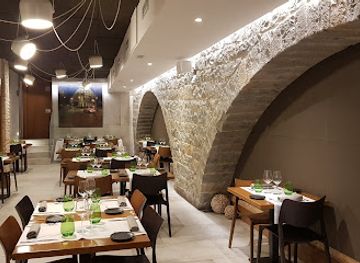
Restaurant
Iruñazarra
Discover the authentic taste of Navarra at Iruñazarra - where traditional flavors meet modern dining in Pamplona.
-
Fine Dining
Restaurant Baserriberri
Discover the essence of Spanish cuisine at Restaurant Baserriberri in Pamplona - where tradition meets modern culinary artistry.
-
Restaurant
El Mercao
Discover El Mercao in Pamplona - where Mediterranean flair meets Spanish tradition in every delicious dish.
-
 Hotel
HotelVenta de Ulzama/Ultzamako Benta
Discover Venta de Ulzama: A perfect blend of Basque hospitality and exquisite dining amidst Navarre's breathtaking landscapes.

Best bars in Navarre
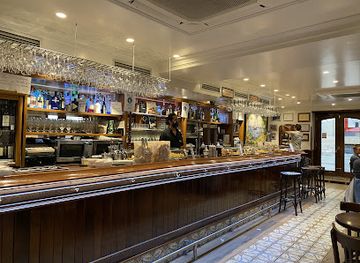
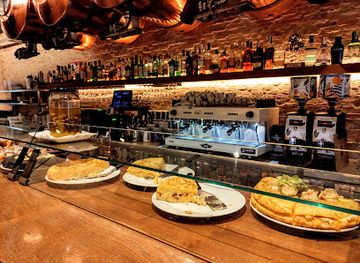
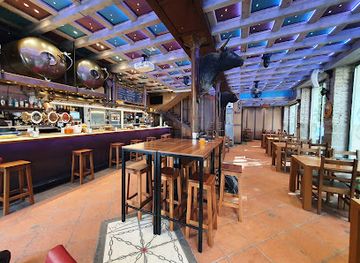
Evening life in Navarre is concentrated in Pamplona, where the historic centre has a dense selection of pintxo bars, traditional cafés, pubs and later-opening venues. The city’s university population contributes to a younger night-time scene, while theatres and cultural programmes provide alternatives to bar-hopping. In Estella-Lizarra, Tudela, Tafalla and other larger towns, nightlife is more local in scale, usually centred on plazas, wine bars, cafés and late meals rather than large clubs. Rural valleys tend towards village bars, restaurants and occasional live music, with early closing and seasonal variation. During San Fermín, Pamplona’s streets become exceptionally busy and the atmosphere changes substantially, so visitors should book accommodation well ahead and follow local safety guidance. Breweries, wine-focused bars and food-led venues offer quieter ways to experience the region after dark.
-
Tapas Bar
Bar Gaucho
Experience the authentic flavors of Spain at Bar Gaucho in Pamplona, where every dish tells a story of culinary tradition and local culture.
-
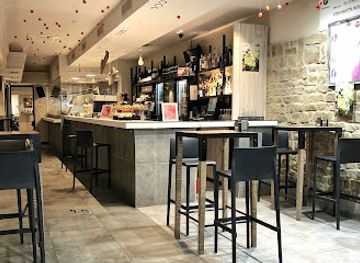
Bar
Iruñazarra
Discover Iruñazarra in Pamplona, a lively bar and restaurant offering exquisite tapas and grilled dishes that celebrate local Navarra flavors.
-
Grill
Txirrintxa
Discover the authentic taste of Navarre at Txirrintxa, the premier grill restaurant in Pamplona, offering delightful dishes and vibrant atmosphere.
-
Coffee shop
Mesón de La NABARRERIA
Experience the vibrant culinary scene of Pamplona at Mesón de La NABARRERIA, the perfect blend of coffee, tapas, and live music.
Best nightclubs in Navarre
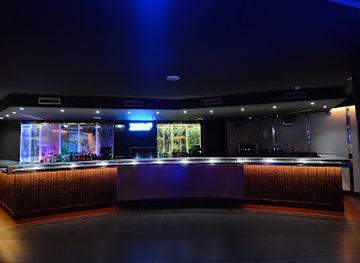
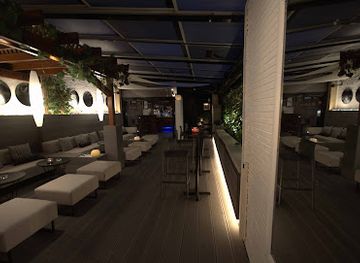
Evening life in Navarre is concentrated in Pamplona, where the historic centre has a dense selection of pintxo bars, traditional cafés, pubs and later-opening venues. The city’s university population contributes to a younger night-time scene, while theatres and cultural programmes provide alternatives to bar-hopping. In Estella-Lizarra, Tudela, Tafalla and other larger towns, nightlife is more local in scale, usually centred on plazas, wine bars, cafés and late meals rather than large clubs. Rural valleys tend towards village bars, restaurants and occasional live music, with early closing and seasonal variation. During San Fermín, Pamplona’s streets become exceptionally busy and the atmosphere changes substantially, so visitors should book accommodation well ahead and follow local safety guidance. Breweries, wine-focused bars and food-led venues offer quieter ways to experience the region after dark.
-
Disco club
Discoteca Ozone
Discover the vibrant nightlife of Pamplona at Discoteca Ozone, where dancing, music, and fun create unforgettable memories.
-
Night club
Kabiya
Experience vibrant nightlife at Kabiya, Pamplona's premier cocktail bar and night club, where unforgettable moments await you.
-
Disco club
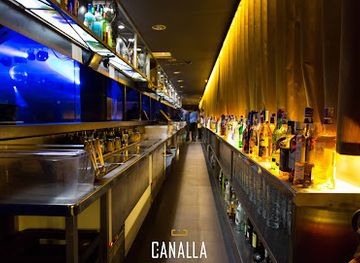
Canalla
Discover the electrifying nightlife of Canalla, a premier disco club in Pamplona, perfect for dancing and live music enthusiasts.
-
Disco club
Discoteca Caney
Discover the vibrant nightlife at Discoteca Caney in Pamplona, where music, dance, and unforgettable experiences await every night.

Best shops in Navarre
Shopping in Navarre is strongest in its market towns and historic urban centres rather than in large resort-style retail districts. Pamplona combines mainstream shops with independent food stores, bookshops, craft businesses and specialist outlets around the old quarter, while Tudela is a useful place to seek Ribera produce and regional gastronomic products. Estella-Lizarra, Olite and other historic towns have small galleries, artisan workshops, antiques businesses and shops selling ceramics, leather goods or locally made foods, though opening arrangements can vary. Farmers’ and producers’ markets are good places to look for seasonal vegetables, Navarra wine, cheese, preserves, peppers and sweets. In the Pyrenean and northern districts, practical rural products and food traditions are more prominent than luxury retail. Choose packaged regional produce when travelling onward, and check transport or customs requirements for perishable goods.
-
Shopping mall
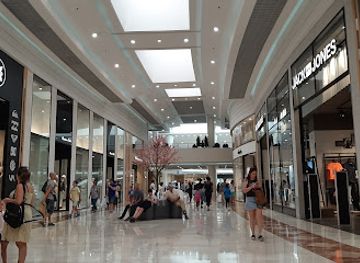
La Morea Shopping Center
Explore La Morea Shopping Center in Navarra for a diverse shopping experience, delightful dining options, and entertainment for the whole family.
-
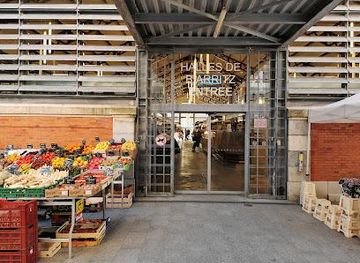
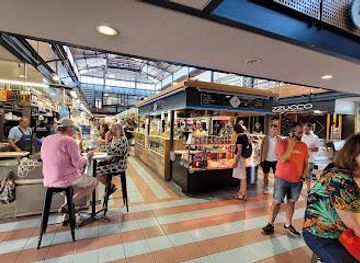
Fresh food market
Halles de Biarritz
Experience the essence of Basque culture at Halles de Biarritz, a lively fresh food market filled with local flavors and vibrant stalls.
-
Market
Carreau des Halles
Discover the flavors and vibrant atmosphere of Bayonne at the famous Carreau des Halles Market, a must-visit for every food lover.
-
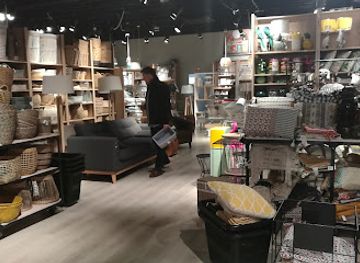
Gift shop
Maisons du Monde
Discover stylish home furnishings and unique gifts at Maisons du Monde in Cordovilla, Navarra - a must-visit for decor enthusiasts.
Get your free copy of our complete guide to Navarre, delivered straight to you.
Everything on this page, from attractions and restaurants to essentials and local phrases, in one PDF you can read offline, print or share.
Already have an account? Sign in
Your Navarre guide is ready.
We'll send it to · Not you? Sign out

Getting your guide ready…
We are putting together a fresh copy of the Navarre guide. This can take up to a minute.
This can take a few moments. If your browser asks, choose Allow so the download can start. You'll find the guide in your Downloads folder.
Nothing happened? Download it again
Sorry, the guide is taking longer than usual. Please try again in a minute, or get it by email instead.
Navarre essentials
Currency and Payment
Safety
Emergency Situations
Do's and Don'ts
Local Tips
From Eve
Local phrases worth knowing
You don't need to get them perfect. A few words go a long way, and locals appreciate the effort.
Basics
| English | Local | Say it |
|---|---|---|
| Hello | Kaixo | [kai-so] |
| Goodbye | Agur | [ah-goor] |
| Yes | Bai | [bye] |
| No | Ez | [ez] |
| Please/You're welcome | Mesedez | [meh-seh-dez] |
| Thank you | Eskerrik asko | [es-keh-rik as-ko] |
| Excuse me/Sorry | Barkatu | [bar-kah-too] |
| How are you? | Zer moduz? | [zer moh-dooz] |
| Fine. And you? | Ondo. Eta zu? | [on-do. eh-tah zoo] |
| Do you speak English? | Ingelesez hitz egiten duzu? | [in-gel-e-sez heet-s eh-gi-ten doo-zoo] |
| I don't understand | Ez dut ulertzen | [ez doot oo-lehr-tsen] |
Eating & Drinking
| English | Local | Say it |
|---|---|---|
| I'd like to see the menu, please | Menua ikusi nahi nuke, mesedez | [meh-nu-ah ee-khoo-see nah-ee noo-keh, meh-seh-dez] |
| I don't eat meat | Haragia jan nahi ez | [hah-rah-gee-ah hahn nah-ee ez] |
| Cheers! | Osasuna! | [oh-sah-soo-nah] |
| I would like to pay, please | Ordaindu nahi nuke, mesedez | [or-dain-doo nah-ee noo-keh, meh-seh-dez] |
Emergencies
| English | Local | Say it |
|---|---|---|
| Help! | Laguntza! | [lah-goon-tzah] |
| Go away! | Joan zaitez! | [ho-an sigh-tez] |
| Call the Police! | Polizia deitu! | [poh-lee-zee-ah day-too] |
| Call a doctor! | Sendagile deitu! | [sen-dah-gee-leh day-too] |
| I'm lost | Galdu naiz | [gal-doo nah-ez] |
| I'm ill | Gaixorik nago | [guy-xo-reek nah-go] |
Shopping
| English | Local | Say it |
|---|---|---|
| I'd like to buy... | Erosi nahi nuke... | [eh-roh-see nah-ee noo-keh] |
| I'm just looking | Batez ere, begiratzen ari naiz | [bah-tez eh-reh, beh-gee-raht-sen ah-ree nah-ez] |
| How much is it? | Zenbat balio du? | [zen-baht bah-lee-oh doo] |
| That's too expensive | Hori gehiegi da | [ho-ree geh-hee-eh-gee dah] |
| Can you lower the price? | Prezioa jaitsi dezakezu? | [preh-zee-oh-ah hi-tsee deh-zah-keh-zoo] |
Time & Numbers
| English | Local | Say it |
|---|---|---|
| What time is it? | Zenbat ordu dira? | [zen-baht or-doo dee-rah] |
| It's one o'clock | Ordu bat da | [or-doo baht dah] |
| Half past (10) | Hamabostak (10) | [hah-mah-boh-stahk (10)] |
| Morning | Goizean | [goh-ee-zeh-an] |
| Afternoon | Arratsaldean | [ah-raht-sahl-deh-an] |
| Evening | Iluntzean | [ee-loon-tzeh-an] |
| Yesterday | Atzo | [at-so] |
| Today | Gaur | [gour] |
| Tomorrow | Bihar | [bee-har] |
| 1 | Bat | [baht] |
| 2 | Bi | [bee] |
| 3 | Hiru | [hee-roo] |
| 4 | Lau | [lah-oo] |
| 5 | Bost | [bohst] |
| 6 | Sei | [say] |
| 7 | Zazpi | [zahz-pee] |
| 8 | Zortzi | [zort-see] |
| 9 | Bederatzi | [beh-deh-raht-see] |
| 10 | Hamar | [hah-mar] |
Transport & Directions
| English | Local | Say it |
|---|---|---|
| Where's a/the...? | Non dago...? | [nohn dah-go] |
| What's the address? | Zer da helbidea? | [zer dah hel-bee-deh-ah] |
| Can you show me (on the map)? | Mapa batean erakutsi iezadakezu? | [mah-pah bah-teh-an eh-rah-koot-see yah-sah-dah-keh-zoo] |
| When's the next (bus)? | Noiz iritsiko da hurrengoa (autobusa)? | [noyz ee-reet-see-koh dah oo-ren-go-ah (ow-toh-boo-sah)] |
| A ticket (to ....) | Txartela (....)rako | [char-teh-lah (....)rah-koh] |
History of Navarre
Prehistoric Settlements and Roman Navarra
Archaeological evidence shows long-standing settlement across the territory, including prehistoric communities in the Pyrenean foothills and the southern plains. In antiquity, the area was inhabited by peoples including the Vascones, whose name is associated with the wider historical development of the region. Rome established roads, settlements and agricultural connections, with Pompaelo, on the site of modern Pamplona, becoming an important centre. Roman influence was particularly significant in the Ebro valley, where irrigation, trade and urban organisation helped connect the region with other parts of Hispania.
The Formation of the Kingdom of Pamplona
During the early Middle Ages, political power in the western Pyrenees coalesced around Pamplona and developed into the Kingdom of Pamplona, later known as the Kingdom of Navarre. Its rulers negotiated a changing frontier between Christian kingdoms and Muslim-ruled territories to the south. The kingdom’s position between the Pyrenees, the Ebro basin and neighbouring powers shaped its diplomacy and fortified landscapes. Pamplona and other settlements became centres of authority, while monasteries preserved religious, cultural and administrative influence.
The Camino de Santiago and Medieval Towns
From the eleventh century onwards, pilgrimage to Santiago de Compostela transformed Navarre. The route through Roncesvalles, Pamplona, Puente la Reina and Estella-Lizarra encouraged the development of bridges, hospices, churches, markets and planned settlements. Frankish and other immigrant communities participated in the commercial life of several towns, while monasteries such as Leyre retained major religious importance. The pilgrimage roads helped connect Navarre with France and the wider Christian world, leaving a legacy that remains central to the region’s cultural geography.
The Royal Court and the Navarrese Dynasties
Medieval Navarre was ruled by several dynasties whose alliances linked the kingdom to France, the Iberian Peninsula and other European courts. Olite became an important royal residence, and its palace reflects the wealth and international connections of the court under Charles III in the late fourteenth and early fifteenth centuries. Fortifications, churches and noble estates expanded during periods of political competition. The surviving architecture in Olite, Estella-Lizarra, Sangüesa and other towns provides a direct record of this era.
The Conquest of Southern Navarre, 1512–1521
In 1512, forces supporting Ferdinand of Aragon invaded the southern part of the Kingdom of Navarre during a period of wider European rivalry. The territory was progressively incorporated into the Spanish monarchy, although resistance continued and an attempt to recover Pamplona in 1521 ended unsuccessfully. The northern lands beyond the Pyrenees remained under Navarrese rule and later became associated with the French crown. This division left a complex political legacy and helps explain the separate historical identities attached to Navarre on either side of the mountains.
Foral Institutions and Modern Autonomy
Navarre retained distinctive fueros, or historic laws and privileges, after its incorporation into Spain. These arrangements were altered during nineteenth-century state-building and the Carlist conflicts, but the region preserved an unusual degree of fiscal and administrative distinction. The present-day Comunidad Foral de Navarra reflects that tradition within democratic Spain. During the twentieth century, agriculture, industry and urban growth changed the region substantially, while Pamplona expanded as its administrative, educational and economic centre.
Navarre in Photos
Browse through our photo collection highlighting the charm and character of the destination.
Neighbouring regions of Navarre
The closest regions to Navarre, if you have time for more than one.
-

-

-

-

-


Swipe for more regions

