

Free Basque Country Travel Guide & Mobile App
Explore Basque Country with free travel guides. Discover regional history, expert tips, proposed trips, and audio guides on web or mobile app.


Explore Spain’s Basque Country for Atlantic coastlines, mountain landscapes, historic cities, distinctive Euskara culture and celebrated regional cuisine.
When is the best time to visit Basque Country?
Best: June–August · 23–25°C| Month | High (°C) | Rainfall (mm) |
|---|---|---|
| January | 12 | 120 |
| February | 12 | 102 |
| March | 15 | 92 |
| April | 16 | 97 |
| May | 20 | 87 |
| June (best) | 23 | 64 |
| July (best) | 25 | 49 |
| August (best) | 25 | 51 |
| September | 23 | 77 |
| October | 19 | 128 |
| November | 14 | 149 |
| December | 12 | 138 |
Getting to and around Basque Country
How to get there
Transportation
Top city travel guides in Basque Country
The cities of Basque Country, and the easiest places to base yourself.
-

-

-


Swipe for more cities
Best attractions in Basque Country
Basque Country’s attractions range from major urban museums to wind-shaped coastlines and highland walking country. Bilbao combines the Guggenheim Museum Bilbao with the Casco Viejo, the riverside industrial heritage of the Nervión and cultural institutions such as the Museum of Fine Arts. San Sebastián offers La Concha Bay, Monte Igueldo and the historic Parte Vieja, while Vitoria-Gasteiz rewards visitors with a medieval quarter, museums and an extensive green belt. Along the coast, Getaria, Zarautz, Lekeitio, Hondarribia and Bermeo provide different perspectives on maritime life, beaches and fishing traditions. The Urdaibai Biosphere Reserve contains wetlands, woodland, estuary landscapes and the historic town of Gernika-Lumo. Zumaia and the neighbouring coast are known for their flysch geology, best explored with care and attention to tides. Inland attractions include the mountain landscapes of Gorbeia, Aizkorri-Aratz and Aralar, the cave art of Ekain near Zestoa, and the vineyard settlements and wineries of Rioja Alavesa. The region’s appeal lies in the contrast between concentrated city culture, working coastal communities, protected natural areas and the agricultural landscapes south of the mountain ranges.
-
Modern art museum
Guggenheim Museum Bilbao
Explore the Guggenheim Museum Bilbao, where modern art meets breathtaking architecture in a cultural landmark of Spain.
-
Bridge
Vizcaya Bridge
Discover the breathtaking Vizcaya Bridge, an engineering marvel connecting Getxo and Portugalete, blending history with stunning views in the Basque Country.
-
Bridge
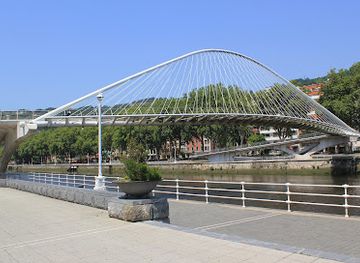
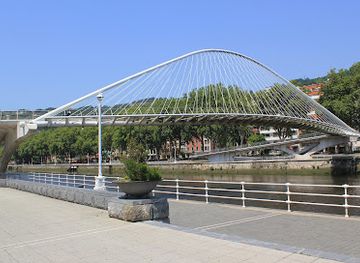
Zubizuri
Experience the architectural beauty of Zubizuri Bridge in Bilbao, where modern design meets stunning river views.
-
Convention center
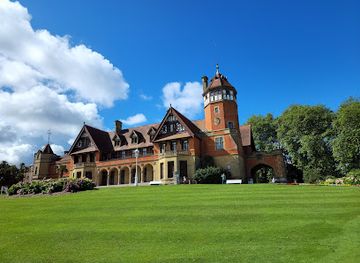
Miramar Jauregia
Discover the breathtaking beauty of Miramar Jauregia, a stunning convention center and park offering panoramic views and cultural experiences in Donostia-San Sebastian.



Best landmarks in Basque Country
The Guggenheim Museum Bilbao is the region’s best-known contemporary landmark, its titanium-clad form marking the transformation of the Nervión waterfront. Bilbao’s historic centre retains a different character in its narrow streets, arcades and churches, while the Vizcaya Bridge at Portugalete, a nineteenth-century transporter bridge across the Nervión, represents the area’s industrial and engineering heritage. In Vitoria-Gasteiz, the medieval hill and the Cathedral of Santa María form the architectural core of the capital. San Sebastián is defined geographically by La Concha Bay, with Monte Igueldo and Monte Urgull framing the city and the island of Santa Clara offshore. The hilltop walls and old quarter of Hondarribia preserve the strategic importance of the eastern coast. Gernika-Lumo’s Casa de Juntas and the surviving Gernika Oak carry powerful political and cultural symbolism, although the present tree is part of a succession of replacements. Further south, Laguardia’s walls and compact medieval plan overlook the vineyards of Rioja Alavesa, while the Zumaia coast provides a natural landmark where geological strata are exposed between the sea and the surrounding hills.
-
Historical landmark
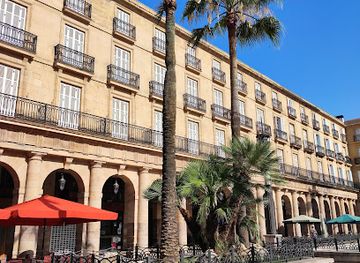
Plaza Nueva
Explore Plaza Nueva in Bilbao, a historic square filled with vibrant bars, exquisite dining, and lively cultural experiences in the heart of the city.
-
Observation deck
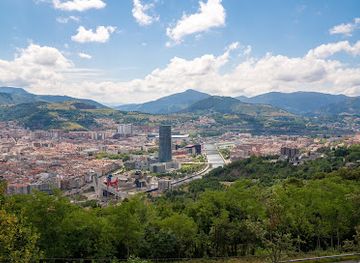
Artxanda viewpoint
Discover the stunning Artxanda viewpoint in Bilbao, where breathtaking cityscapes and lush landscapes come together for an unforgettable experience.
-
Bridge
Zubizuri
Experience the stunning Zubizuri Bridge in Bilbao, a symbol of modern architecture with breathtaking views and vibrant surroundings.
-
Convention center
Miramar Jauregia
Discover the enchanting Miramar Jauregia, a historic palace and park in Donostia-San Sebastián, offering breathtaking views and serene landscapes.
Explore Basque Country on the map
Plan your trip on one map. See where the top cities, national parks and sights are, and book hotels and experiences in a few clicks.
Best hotels in Basque Country
Best restaurants in Basque Country
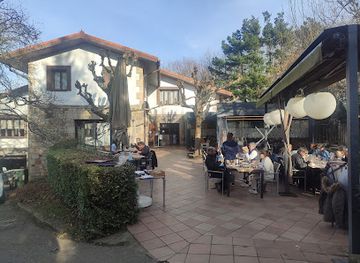
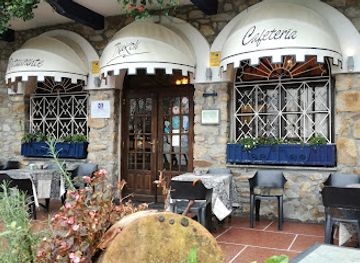
Basque dining is strongly regional but also part of Spain’s wider culinary culture. In Bilbao, San Sebastián, Vitoria-Gasteiz and smaller towns, pintxos bars offer small portions built around bread, seafood, vegetables, cured products or carefully prepared hot dishes; practices for ordering and payment differ between establishments. The coast is associated with fish and shellfish, while inland menus may feature beans, mushrooms, seasonal vegetables and grilled meats. Gipuzkoa’s cider-house tradition centres on communal meals and cider served from the barrel during the appropriate season, and txakoli, a dry and often lightly sparkling white wine, is produced in coastal areas. Álava’s Rioja Alavesa is known for wine-growing villages and cellar visits, alongside local produce from the surrounding plateau. Basque cheesemaking, preserves, pastries and market food add further variety. Dining ranges from informal cafés and traditional inns to highly ambitious contemporary restaurants, but advance reservations are sensible for sought-after addresses and weekend meals.
-
Grill
Restaurante Asador Txakoli Simón - Especialidad chuletón
Discover exquisite Basque cuisine at Restaurante Asador Txakoli Simón – home of the best chuletón in Bilbao.
-
Basque
Txakoli jatetxea
Experience authentic Basque cuisine at Txakoli Jatetxea in Bilbao - where traditional flavors meet modern dining.
-
Fine Dining
Arzak
Experience exquisite Basque cuisine at Arzak in San Sebastián – where tradition meets innovation in fine dining.
-
Grill
Casa Julián
Experience authentic Basque cuisine at Casa Julián in Tolosa - renowned for its exceptional grilled dishes and inviting atmosphere.
Best bars in Basque Country
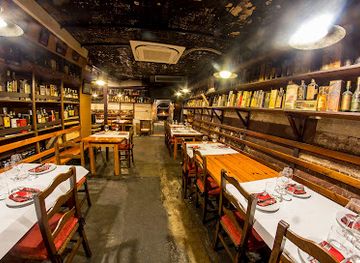
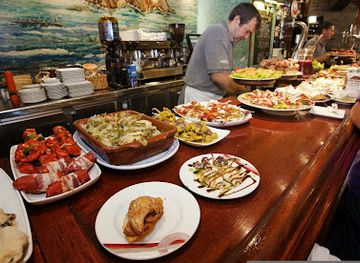
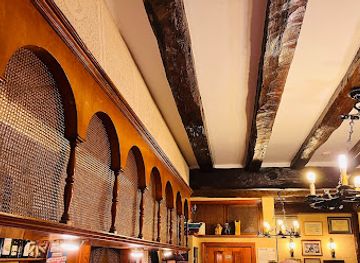
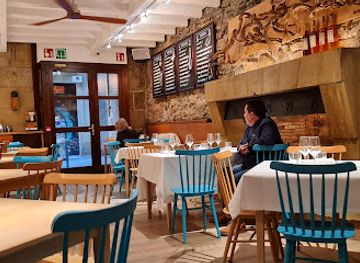
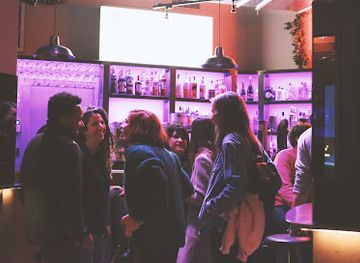
Evening life varies considerably between the region’s cities, coast and countryside. Bilbao has the broadest mix of traditional taverns, pintxos bars, breweries, cocktail venues, live music and late-night clubs, particularly around the Casco Viejo and central districts, although individual venues and opening arrangements change. San Sebastián’s Parte Vieja and nearby streets are known for food-led evenings, with bars and restaurants joined by music venues and a modest late-night scene. Vitoria-Gasteiz has a strong bar culture and a more compact urban nightlife, while university life contributes to activity at certain times of year. In coastal towns, summer brings busier terraces and seafront evenings, but nightlife remains generally smaller than in Bilbao. Rural areas centre on cider houses, village bars, restaurants and seasonal festivals rather than nightclubs. Alcohol is not essential to the region’s evening culture: food, conversation, music and public squares remain equally important parts of a night out.
-
Bar
Bar Sport
Discover Bar Sport, an iconic tapas bar in Donostia-San Sebastián, offering a delightful array of local flavors and a vibrant atmosphere for food lovers.
-
Tapas Bar
Txepetxa Taberna
Experience the essence of Basque cuisine at Txepetxa Taberna, the home of unique anchovy pintxos in Donostia-San Sebastián.
-
Tapas Bar
MendaurBerria
Discover the vibrant flavors of Basque cuisine at MendaurBerria, a top-rated tapas bar in Donostia-San Sebastián, where every bite tells a story.
-
Grill
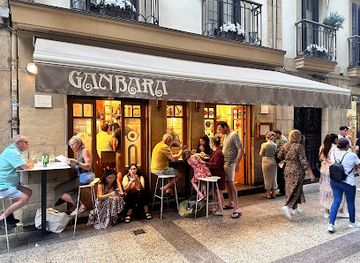
Ganbara
Experience authentic Basque cuisine at Ganbara, a top-rated grill restaurant in San Sebastián, known for its fresh ingredients and traditional flavors.
Best nightclubs in Basque Country
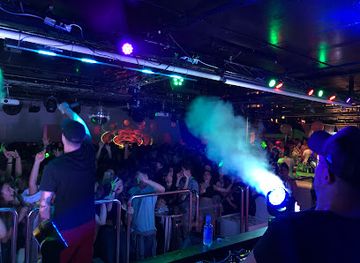
Evening life varies considerably between the region’s cities, coast and countryside. Bilbao has the broadest mix of traditional taverns, pintxos bars, breweries, cocktail venues, live music and late-night clubs, particularly around the Casco Viejo and central districts, although individual venues and opening arrangements change. San Sebastián’s Parte Vieja and nearby streets are known for food-led evenings, with bars and restaurants joined by music venues and a modest late-night scene. Vitoria-Gasteiz has a strong bar culture and a more compact urban nightlife, while university life contributes to activity at certain times of year. In coastal towns, summer brings busier terraces and seafront evenings, but nightlife remains generally smaller than in Bilbao. Rural areas centre on cider houses, village bars, restaurants and seasonal festivals rather than nightclubs. Alcohol is not essential to the region’s evening culture: food, conversation, music and public squares remain equally important parts of a night out.
-
Piano bar
¡BE! Club
Discover the enchanting vibes of ¡BE! Club, a premier piano bar in San Sebastián offering unforgettable live music and a vibrant nightlife experience.
-
Disco club
Bataplán Disco
Discover the vibrant nightlife of San Sebastián at Bataplán Disco, where thrilling music and scenic views create an unforgettable party experience.
-
Disco club
Budha Bilbao
Discover the heartbeat of Bilbao’s nightlife at Budha Bilbao, where great music and lively crowds create unforgettable evenings.
-
Disco club
The Caledonian
Discover the vibrant nightlife of San Sebastián at The Caledonian, where music and dancing unite in a lively disco atmosphere.


Best shops in Basque Country
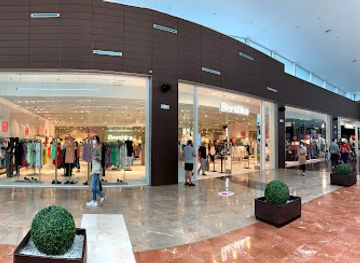
Shopping in Basque Country is strongest in the historic centres and covered markets of Bilbao, San Sebastián and Vitoria-Gasteiz, where independent food shops, bakeries, bookshops, fashion retailers and specialist delicatessens sit alongside larger national chains. Bilbao’s Casco Viejo is particularly useful for combining everyday shopping with traditional food stores, while San Sebastián’s central streets and market areas offer produce, seafood and gourmet goods. Smaller coastal towns and market villages provide ceramics, local food products, cider, txakoli and regional cheeses rather than extensive retail choice. In Álava, wine from Rioja Alavesa is a practical souvenir, although bottles should be packed carefully for travel and purchased from reputable producers or shops. Craft traditions, contemporary design and Basque-language publishing can also be found in larger urban centres. Weekly markets vary by town and day, so visitors should check current local arrangements instead of assuming a market operates daily. Rural shopping is often focused on farm products and service businesses rather than dedicated tourist retail.
-
Shopping mall
Boulevard Merkataritza Gunea
Discover the ultimate shopping experience at Boulevard Merkataritza Gunea in Vitoria-Gasteiz, where style meets convenience and culture thrives.
-
Shopping mall
Ballonti merkataritza-zentroa
Experience the best of shopping and dining at Ballonti Shopping Mall in Portugalete, Biscay - a vibrant hub of culture and commerce.
-
Shopping mall
Garbera Merkataritza Gunea
Explore Garbera Shopping Mall in Donostia-San Sebastian - a vibrant hub for shopping, entertainment, and local cuisine!
-
Shopping mall
Zubiarte merkataritza-zentroa
Discover the heart of Bilbao's shopping scene at Zubiarte Shopping Mall, where retail, dining, and entertainment come together for an unforgettable experience.

Get your free copy of our complete guide to Basque Country, delivered straight to you.
Everything on this page, from attractions and restaurants to essentials and local phrases, in one PDF you can read offline, print or share.
Already have an account? Sign in
Your Basque Country guide is ready.
We'll send it to · Not you? Sign out

Getting your guide ready…
We are putting together a fresh copy of the Basque Country guide. This can take up to a minute.
This can take a few moments. If your browser asks, choose Allow so the download can start. You'll find the guide in your Downloads folder.
Nothing happened? Download it again
Sorry, the guide is taking longer than usual. Please try again in a minute, or get it by email instead.
Basque Country essentials
Currency and Payment
Safety
Emergency Situations
Do's and Don'ts
Local Tips
From Eve
Local phrases worth knowing
You don't need to get them perfect. A few words go a long way, and locals appreciate the effort.
Basics
| English | Local | Say it |
|---|---|---|
| Hello | Kaixo | [kai-sho] |
| Goodbye | Agur | [ah-goor] |
| Yes | Bai | [bye] |
| No | Ez | [ez] |
| Please/You're welcome | Mesedez | [meh-seh-dez] |
| Thank you | Eskerrik asko | [es-keh-rik as-ko] |
| Excuse me/Sorry | Barkatu | [bar-kah-too] |
| How are you? | Zer moduz? | [zer moh-dooz] |
| Fine. And you? | Ondo. Eta zu? | [on-do. eh-tah zoo] |
| Do you speak English? | Ingelesa ulertzen duzu? | [in-ge-leh-sa oo-lert-zen doo-zoo] |
| I don't understand | Ez dut ulertzen | [ez doot oo-lert-zen] |
Eating & Drinking
| English | Local | Say it |
|---|---|---|
| I'd like to see the menu, please | Nahi nuke menua ikusi, mesedez | [nah-ee noo-keh meh-noo-ah ee-koo-see, meh-seh-dez] |
| I don't eat meat | Haragia jaten ez dut | [ha-ra-gee-ah ha-ten ez doot] |
| Cheers! | Osasuna! | [o-sah-soo-nah] |
| I would like to pay, please | Ordaindu nahi nuke, mesedez | [or-dain-doo nah-ee noo-keh, meh-seh-dez] |
Emergencies
| English | Local | Say it |
|---|---|---|
| Help! | Lagundu! | [lah-goon-doo] |
| Go away! | Joan zaitez! | [ho-ahn sigh-tez] |
| Call the Police! | Deitu Poliziari! | [day-too poh-lee-zee-ah-ree] |
| Call a doctor! | Deitu medikuari! | [day-too meh-dee-koo-ah-ree] |
| I'm lost | Galdu naiz | [gal-doo nah-ez] |
| I'm ill | Gaixo naiz | [guy-show nah-ez] |
Shopping
| English | Local | Say it |
|---|---|---|
| I'd like to buy... | Erosi nahi nuke... | [eh-ro-see nah-ee noo-keh] |
| I'm just looking | Batez ere, begira nabil | [bah-tez eh-reh, beh-gee-rah nah-beel] |
| How much is it? | Zenbat balio du? | [zen-bat bah-lee-oh doo] |
| That's too expensive | Gehiegi da | [geh-ee-eh-gee dah] |
| Can you lower the price? | Prezioa jaitsi dezakezu? | [preh-zee-oh-ah hi-ch-tee deh-zah-keh-zoo] |
Time & Numbers
| English | Local | Say it |
|---|---|---|
| What time is it? | Zenbat ordu da? | [zen-bat or-doo dah] |
| It's one o'clock | Ordu bat da | [or-doo baht dah] |
| Half past (10) | Hamabostak | [ham-ah-bostak] |
| Morning | Goizean | [goy-zee-an] |
| Afternoon | Arratsaldean | [ah-rah-tsahl-dean] |
| Evening | Arratsalde | [ah-rah-tsahl-deh] |
| Yesterday | Atzo | [aht-so] |
| Today | Gaur | [gour] |
| Tomorrow | Bihar | [bee-har] |
| 1 | Bat | [baht] |
| 2 | Bi | [bee] |
| 3 | Hiru | [hee-roo] |
| 4 | Lau | [lah-oo] |
| 5 | Bost | [bost] |
| 6 | Sei | [say] |
| 7 | Zazpi | [zaz-pee] |
| 8 | Zortzi | [zort-see] |
| 9 | Bederatzi | [beh-deh-rat-see] |
| 10 | Hamar | [ha-mar] |
Transport & Directions
| English | Local | Say it |
|---|---|---|
| Where's a/the...? | Non dago...? | [non dah-go] |
| What's the address? | Zer da helbidea? | [zer dah hel-bee-deh-ah] |
| Can you show me (on the map)? | Mapan erakutsi dezakezu? | [mah-pahn eh-rah-koot-see deh-zah-keh-zoo] |
| When's the next (bus)? | Noiz da hurrengoa (autobusa)? | [noyz dah hoo-ren-go-ah (ow-to-boo-sah)] |
| A ticket (to ....) | Sarrera (....)rako | [sah-rreh-ah (...-rah-koh)] |
History of Basque Country
Prehistoric Communities and Cave Art
The Basque Country contains important evidence of prehistoric settlement, particularly in the limestone landscapes of Gipuzkoa and Biscay. Caves such as Ekain near Zestoa preserve Palaeolithic art, including renowned depictions of animals, while other archaeological sites record changing patterns of hunting, farming and burial. These remains demonstrate that the region’s mountains and coastal hinterlands have supported human communities for many thousands of years. Visitors should distinguish the surviving archaeological evidence from later Basque cultural identity, although the antiquity of settlement is an important part of the region’s historical landscape.
Roman Roads, Ports and Early Medieval Territories
Rome incorporated parts of the southern and coastal Basque lands into its wider imperial system, developing roads, settlements and links to maritime trade. Roman remains are visible at sites including the archaeological complex of Iruña-Veleia in Álava, although the interpretation of some discoveries there remains contested. After Roman authority receded, local territories evolved through shifting relationships among communities, noble families and emerging Christian institutions. Inland routes across Álava and the coastal approaches later became significant links between the Iberian Peninsula and western Europe.
Medieval Towns and the Rise of the Foral System
During the Middle Ages, fortified towns and trading settlements expanded across the region. Vitoria-Gasteiz was founded as a strategic hill town, while coastal ports such as Hondarribia, Getaria and Bermeo developed through fishing, commerce and maritime connections. The provinces of Álava, Biscay and Gipuzkoa maintained their own fueros, or customary legal privileges, within changing political arrangements. These institutions did not create a modern nation-state, but they shaped local government, taxation and relations with the Castilian Crown, leaving a lasting imprint on regional political history.
Maritime Trade, Whaling and Overseas Connections
From the late Middle Ages into the early modern period, Basque mariners participated in fishing, whaling, shipbuilding and long-distance commerce. Ports on the Biscay and Gipuzkoan coasts supplied sailors and vessels for Atlantic voyages, including expeditions connected with Newfoundland fisheries. Maritime activity brought wealth to port towns and influenced local architecture, religious foundations and family fortunes. It also tied the region to imperial and commercial systems far beyond Spain, while leaving a complex legacy involving overseas expansion, labour and colonial trade.
Carlism, Liberalism and the nineteenth century
The nineteenth century brought intense political conflict as the Carlist movement defended traditional monarchy and provincial privileges against liberal centralisation. The Basque provinces became important theatres in the Carlist Wars, and the eventual transformation of the fueros altered the relationship between the region and the Spanish state. At the same time, industrialisation accelerated around Bilbao, particularly through iron mining, shipbuilding, steel and port development. Gipuzkoa also developed manufacturing industries, while Álava retained a more agricultural economy with important commercial links to the interior.
Industrialisation and Urban Transformation
The Bilbao estuary became one of Spain’s major industrial zones from the late nineteenth century, attracting capital, workers and migration from other parts of Spain. New housing, railways, bridges, factories and port facilities reshaped the urban landscape, while industrial towns expanded along the Nervión valley. Gipuzkoa developed a dense network of smaller manufacturing centres, including paper, metalworking and machine-tool industries. The prosperity and social tensions of this period remain visible in industrial architecture, workers’ neighbourhoods, museums and the transformed waterfronts of Bilbao and other towns.
War, Dictatorship and the Recovery of Autonomy
The Spanish Civil War deeply affected the Basque provinces, including the bombing of Gernika in 1937, an event that became an enduring symbol of civilian suffering and international anti-war culture. Under Franco’s dictatorship, public use of Euskara was restricted and regional political institutions were abolished. Spain’s democratic transition restored a measure of self-government through the 1979 Statute of Autonomy, establishing the Basque Autonomous Community with institutions based in Vitoria-Gasteiz. The region’s modern identity has consequently been shaped by cultural revival, political autonomy, industrial change and the long shadow of violence.
Basque Country in Photos
Browse through our photo collection highlighting the charm and character of the destination.
Neighbouring regions of Basque Country
The closest regions to Basque Country, if you have time for more than one.
-

-

-

-
-


Swipe for more regions
Explore more

Explore more of Spain
Discover Spain: A vibrant tapestry of culture, history, and breathtaking landscapes, where every city offers a unique adventure and unforgettable experiences.
Explore Spain