

Free La Rioja Travel Guide & Mobile App
Explore La Rioja with free travel guides. Discover regional history, expert tips, proposed trips, and audio guides on web or mobile app.


Explore La Rioja for vineyard landscapes, historic monasteries, Camino towns, mountain scenery and Logroño’s celebrated food culture.
Read more about La Rioja
When is the best time to visit La Rioja?
Best: June, August–September · 26–30°C| Month | High (°C) | Rainfall (mm) |
|---|---|---|
| January | 11 | 32 |
| February | 13 | 27 |
| March | 15 | 31 |
| April | 17 | 41 |
| May | 21 | 40 |
| June (best) | 26 | 24 |
| July | 31 | 17 |
| August (best) | 30 | 20 |
| September (best) | 26 | 28 |
| October | 20 | 42 |
| November | 14 | 35 |
| December | 11 | 34 |
Getting to and around La Rioja
How to get there
Transportation
Best attractions in La Rioja
La Rioja’s attractions range from wine estates and historic cellars in the Ebro valley to monasteries, pilgrimage towns and mountain landscapes. Wine visitors can explore the bodegas around Haro, Briones, Fuenmayor and other vineyard communities, while the Museo Vivanco de la Cultura del Vino in Briones places local production within a broader cultural and historical context. The monasteries of Suso and Yuso at San Millán de la Cogolla provide a major heritage visit, and the Camino de Santiago adds churches, bridges and medieval streets across western La Rioja. Logroño offers museums, markets, galleries and a compact historic centre, while Calahorra combines Roman heritage with the agricultural traditions of the lower Ebro. In the south, Sierra Cebollera Natural Park and the Cameros provide walking, forests and upland scenery. The valleys of the Cidacos and Alhama are notable for dinosaur footprints and geological landscapes, and Ezcaray gives access to mountain activities and the Valdezcaray ski area. Together, these experiences create a region where cultural tourism, food, walking, wildlife and landscape interpretation are closely connected.
-
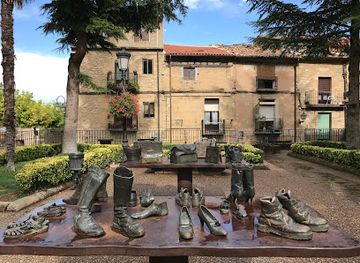
Local history museum
Museum of La Rioja
Discover the history and cultural richness of La Rioja at the Museum of La Rioja, a must-see for every tourist exploring this beautiful region.
-
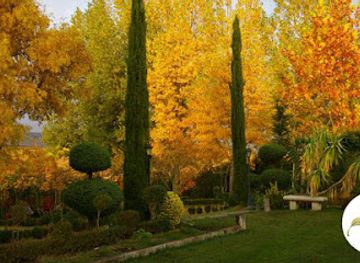
Botanical garden
Jardín Botánico De La Rioja
Explore the lush landscapes and vibrant flora of Jardín Botánico De La Rioja, a serene escape for nature lovers and travelers in La Rioja, Spain.
-
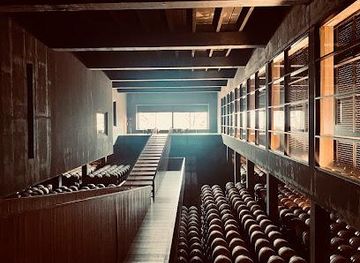
Winery
Bodegas Campo Viejo
Discover the art of winemaking at Bodegas Campo Viejo, a premier winery in La Rioja, where exquisite wines and stunning views await.
-
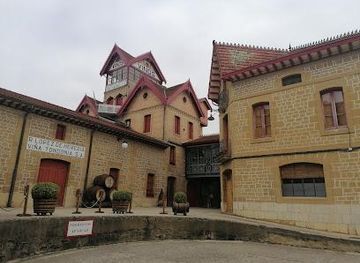
Winery
R. López de Heredia - Viña Tondonia
Discover the rich heritage and exquisite wines of R. López de Heredia - Viña Tondonia, a historic winery in La Rioja's heart, offering enchanting tours and tastings.
Best landmarks in La Rioja
The monasteries of Suso and Yuso at San Millán de la Cogolla are La Rioja’s most important cultural landmarks, combining early medieval religious history, manuscript traditions and an imposing monastic setting. Santa María la Real in Nájera preserves the memory of the medieval kingdom centred on the town and contains royal and noble tombs. In Santo Domingo de la Calzada, the cathedral, pilgrimage traditions and historic streets express the importance of the Camino de Santiago, while the route’s stone bridges and churches remain visible in western villages. Logroño’s Puente de Piedra and old-quarter churches mark the Ebro crossing that helped shape the capital’s growth. The hilltop remains and archaeological heritage of Contrebia Leucade, near Aguilar del Río Alhama, represent the region’s pre-Roman and Roman-era past. The vineyards themselves form a defining cultural landscape around Haro, Briones and the Ebro foothills, where rows of vines, stone villages and cellar buildings give La Rioja much of its visual identity. In the south, the forested valleys and ridges of Sierra Cebollera provide a natural counterpoint to the cultivated river plain.
-
Local history museum
Museum of La Rioja
Explore the captivating history and culture of La Rioja at the Museum of La Rioja, where art and heritage come alive in the heart of Logroño.
-
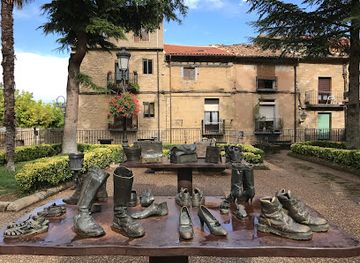
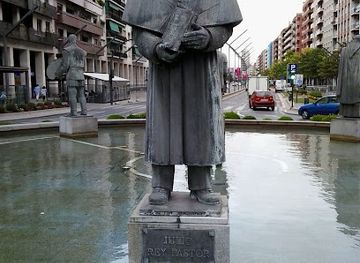
Monument
Fuente de los Riojanos Ilustres
Discover the Fuente de los Riojanos Ilustres in Logroño, a stunning monument celebrating the rich cultural heritage of La Rioja and its illustrious figures.
-
Place of worship
Cofradía de San Felices de Bilibio
Explore the spiritual heritage of La Rioja at the enchanting Cofradía de San Felices de Bilibio in Haro, where history and culture intertwine beautifully.

Explore La Rioja on the map
Plan your trip on one map. See where the top cities, national parks and sights are, and book hotels and experiences in a few clicks.
Best hotels in La Rioja
Best restaurants in La Rioja
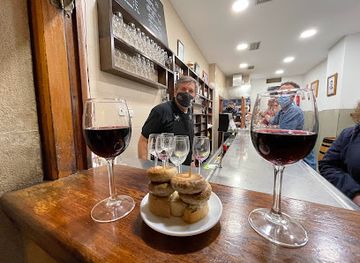
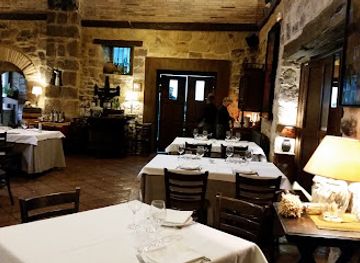
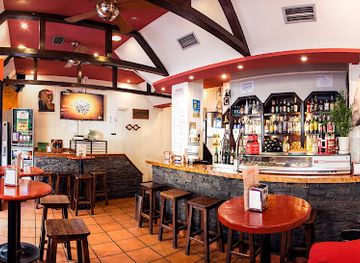
La Rioja’s cuisine draws on the fertile Ebro valley, mountain agriculture and the produce of its vineyards. In Logroño, the streets around Calle Laurel and Calle San Juan are known for small plates and informal bar-to-bar eating, with local specialities such as patatas a la riojana, stuffed peppers, mushrooms and seasonal vegetables appearing alongside broader Spanish dishes. Lamb, pork, trout, cured meats and regional cheeses are common on traditional menus, while the vegetable-growing areas around Calahorra contribute peppers, artichokes and other produce. Rioja wines, including red, white and rosé styles, are central to the dining experience, but the region also has a tradition of simple village cooking, rural inns and contemporary wine-paired restaurants. Outdoor markets and food shops are useful for discovering local oils, preserves, cheeses, cured products and seasonal fruit. Meal times generally follow Spanish patterns, and smaller villages may offer a limited choice outside lunch and dinner periods, so advance planning is sensible when travelling through the countryside.
-
Tapas Bar
Bar Soriano
Discover authentic Spanish tapas at Bar Soriano in Logroño - home of the best Champis in Spain!
-
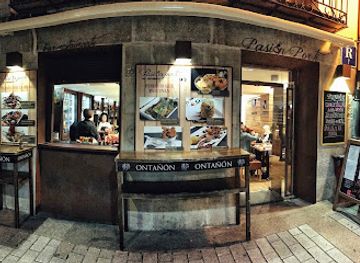
Restaurant
Pasión Por Ti
Experience authentic Spanish tapas at Pasión Por Ti in Logroño - a must-visit culinary destination for food enthusiasts.
-
Restaurant
La Vieja Bodega
Experience authentic Mediterranean and Spanish cuisine at La Vieja Bodega in Casalarreina, where tradition meets modern flavors.
-
Tapas Bar
Gandarío
Discover Gandarío: A delightful tapas bar in Chamberí where authentic Spanish flavors meet a warm atmosphere.
Best bars in La Rioja
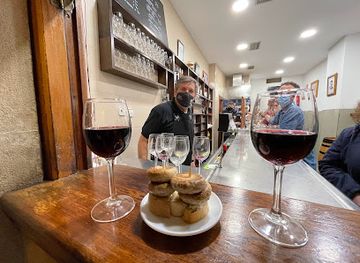
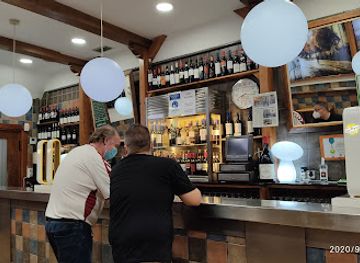
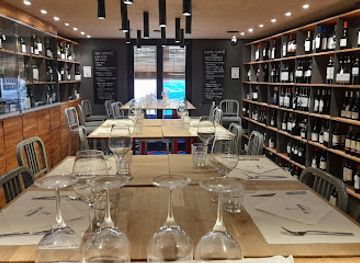
Evening life in La Rioja is led by food-focused bars, wine houses and traditional taverns rather than a large nightclub scene. Logroño is the main centre, with locals and visitors moving between compact streets of pintxos-style bars, classic cafés, wine bars and more contemporary cocktail venues. Haro and other wine towns offer a quieter evening built around cellar visits, tasting rooms and restaurants, with activity varying according to the season and local calendar. In smaller settlements, historic inns and village bars remain important social spaces, while Ezcaray and other mountain towns attract visitors after a day outdoors. Live music and cultural programming appear in the larger towns, but schedules change, so current listings should be checked locally. Rural nightlife is generally early and relaxed, and enjoying the regional food and wine culture does not require spending the night in busy entertainment venues.
-
Tapas Bar
Bar Soriano
Experience the authentic flavors of Spain at Bar Soriano, Logroño's top tapas bar, where every dish tells a story.
-
Restaurant
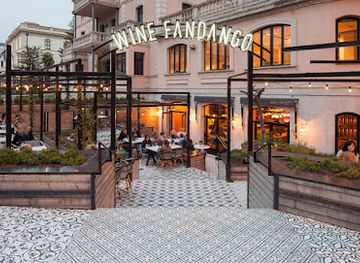
Wine Fandango
Discover the flavors of La Rioja at Wine Fandango, where exquisite cuisine meets a vibrant atmosphere in the heart of Logroño.
-
Tapas Bar
Bar Ángel
Discover the authentic flavors of Spain at Bar Ángel, a lively tapas bar in Logroño's culinary heart, renowned for its delicious tapas and local wines.
-
Restaurant
Restaurante La Tavina
Experience the taste of La Rioja at Restaurante La Tavina, where traditional Spanish cuisine meets exceptional local wines in a warm, inviting atmosphere.
Best nightclubs in La Rioja
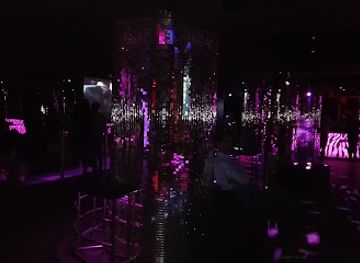
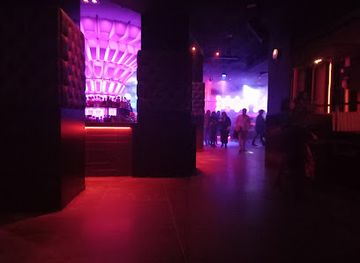
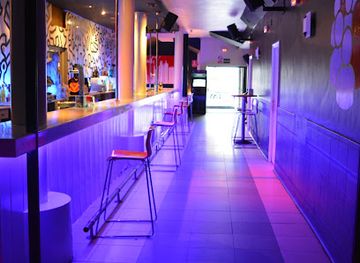
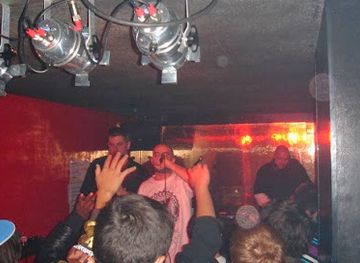
Evening life in La Rioja is led by food-focused bars, wine houses and traditional taverns rather than a large nightclub scene. Logroño is the main centre, with locals and visitors moving between compact streets of pintxos-style bars, classic cafés, wine bars and more contemporary cocktail venues. Haro and other wine towns offer a quieter evening built around cellar visits, tasting rooms and restaurants, with activity varying according to the season and local calendar. In smaller settlements, historic inns and village bars remain important social spaces, while Ezcaray and other mountain towns attract visitors after a day outdoors. Live music and cultural programming appear in the larger towns, but schedules change, so current listings should be checked locally. Rural nightlife is generally early and relaxed, and enjoying the regional food and wine culture does not require spending the night in busy entertainment venues.
-
Disco club
Sala Suite
Dive into the electrifying nightlife of Logroño at Sala Suite, the ultimate disco club known for its vibrant atmosphere and unforgettable dance experiences.
-
Disco club
Concept nightclub Logroño
Discover the vibrant nightlife of Logroño at Concept Nightclub, where dancing, music, and fun come together for an unforgettable experience.
-
Disco club
Botanic Club
Discover the vibrant nightlife at Botanic Club in Haro, where exhilarating music and a lively atmosphere create unforgettable nights.
-
Night club
Maldeamores
Dive into the vibrant nightlife of Logroño at Maldeamores, an energetic night club perfect for dancing and socializing.
Best shops in La Rioja
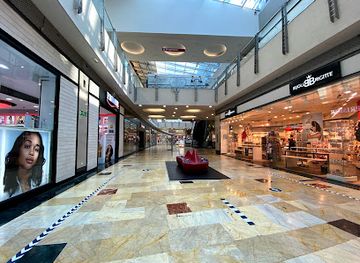
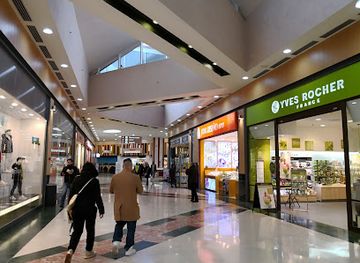
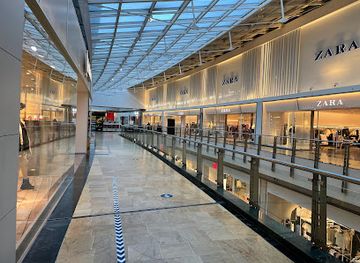
Shopping in La Rioja is centred on Logroño’s pedestrian streets, traditional food shops, independent boutiques and market culture, with the city offering the broadest selection of everyday goods, fashion, books and regional produce. Small towns such as Haro, Calahorra, Arnedo, Nájera and Santo Domingo de la Calzada have more specialised local high streets, while village shops are useful for wine, cheese, cured meats, preserves and seasonal agricultural products. Winery shops provide the most obvious regional purchase, from well-known Rioja bottles to smaller-producer selections, and many can arrange packaging or delivery for international travellers. Food markets and delicatessens are good places to find peppers, oil, cheeses, sweets and other products suited to take home, subject to customs rules. Arnedo is associated with footwear manufacture and has factory and outlet shopping, while craft and gourmet shops in heritage towns often stock ceramics, textiles, religious souvenirs and locally made gifts. Compare prices and transport restrictions before buying wine or other liquids in quantity.
-
Shopping mall
Berceo Mall
Discover the ultimate shopping experience at Berceo Mall in Logroño, featuring diverse shops, dining, and entertainment for every visitor.
-
Shopping mall
Centro Comercial Parque Rioja
Explore the Centro Comercial Parque Rioja, Logroño's premier shopping mall with a diverse range of stores, dining, and family-friendly entertainment options.
-
Clothing store
Primark
Shop stylish and affordable fashion at Primark in Logroño, a must-visit clothing store in the heart of Centro Comercial Berceo.
-
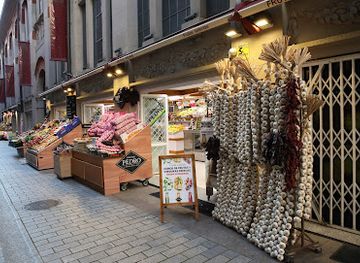
Fresh food market
Mercado San Blas / Plaza de Abastos
Discover the flavors of La Rioja at Mercado San Blas, a bustling market filled with fresh produce, local delicacies, and vibrant culinary culture.
Get your free copy of our complete guide to La Rioja, delivered straight to you.
Everything on this page, from attractions and restaurants to essentials and local phrases, in one PDF you can read offline, print or share.
Already have an account? Sign in
Your La Rioja guide is ready.
We'll send it to · Not you? Sign out

Getting your guide ready…
We are putting together a fresh copy of the La Rioja guide. This can take up to a minute.
This can take a few moments. If your browser asks, choose Allow so the download can start. You'll find the guide in your Downloads folder.
Nothing happened? Download it again
Sorry, the guide is taking longer than usual. Please try again in a minute, or get it by email instead.
La Rioja essentials
Currency and Payment
Safety
Emergency Situations
Do's and Don'ts
Local Tips
From Eve
Local phrases worth knowing
You don't need to get them perfect. A few words go a long way, and locals appreciate the effort.
Basics
| English | Local | Say it |
|---|---|---|
| Hello | Hola | [OH-lah] |
| Goodbye | Adiós | [ah-DYOS] |
| Yes | Sí | [SEE] |
| No | No | [NO] |
| Please/You're welcome | Por favor/De nada | [por fah-VOR/deh NAH-dah] |
| Thank you | Gracias | [GRAH-syahs] |
| Excuse me/Sorry | Perdón | [per-DON] |
| How are you? | ¿Cómo estás? | [KOH-moh es-TAS] |
| Fine. And you? | Bien. ¿Y tú? | [BYEN. ee TOO] |
| Do you speak English? | ¿Hablas inglés? | [AH-blas een-GLES] |
| I don't understand | No entiendo | [NO en-TYEN-doh] |
Eating & Drinking
| English | Local | Say it |
|---|---|---|
| I'd like to see the menu, please | Me gustaría ver el menú, por favor | [meh goos-tah-REE-ah ver el meh-NOO, por fah-VOR] |
| I don't eat meat | No como carne | [NO KOH-moh KAR-neh] |
| Cheers! | ¡Salud! | [sah-LOOD] |
| I would like to pay, please | Me gustaría pagar, por favor | [meh goos-tah-REE-ah pah-GAR, por fah-VOR] |
Emergencies
| English | Local | Say it |
|---|---|---|
| Help! | ¡Ayuda! | [ah-YOO-dah] |
| Go away! | ¡Vete! | [VEH-teh] |
| Call the Police! | ¡Llama a la policía! | [YAH-mah ah lah poh-lee-SEE-ah] |
| Call a doctor! | ¡Llama a un doctor! | [YAH-mah ah oon dok-TOR] |
| I'm lost | Estoy perdido | [es-TOY per-DI-do] |
| I'm ill | Estoy enfermo | [es-TOY en-FER-mo] |
Shopping
| English | Local | Say it |
|---|---|---|
| I'd like to buy... | Me gustaría comprar... | [meh goos-tah-REE-ah kom-PRAHR] |
| I'm just looking | Solo estoy mirando | [SO-lo es-TOY mee-RAN-do] |
| How much is it? | ¿Cuánto cuesta? | [KWAN-toh KWES-tah] |
| That's too expensive | Eso es muy caro | [EH-so es MOO-ee KAH-roh] |
| Can you lower the price? | ¿Puedes bajar el precio? | [PWEH-des bah-HAR el PREH-syo] |
Time & Numbers
| English | Local | Say it |
|---|---|---|
| What time is it? | ¿Qué hora es? | [KEH OH-rah es] |
| It's one o'clock | Es la una | [es lah OO-nah] |
| Half past (10) | Y media (10) | [ee MEH-dyah] |
| Morning | Mañana | [mah-NYAH-nah] |
| Afternoon | Tarde | [TAR-deh] |
| Evening | Noche | [NOH-cheh] |
| Yesterday | Ayer | [ah-YER] |
| Today | Hoy | [OY] |
| Tomorrow | Mañana | [mah-NYAH-nah] |
| 1 | Uno | [OO-no] |
| 2 | Dos | [DOS] |
| 3 | Tres | [TRES] |
| 4 | Cuatro | [KWA-tro] |
| 5 | Cinco | [SEEN-koh] |
| 6 | Seis | [SAYS] |
| 7 | Siete | [SYEH-teh] |
| 8 | Ocho | [OH-choh] |
| 9 | Nueve | [NWEH-beh] |
| 10 | Diez | [DYEZ] |
Transport & Directions
| English | Local | Say it |
|---|---|---|
| Where's a/the...? | ¿Dónde está...? | [DON-deh es-TAH] |
| What's the address? | ¿Cuál es la dirección? | [KWAL es lah dee-rek-SYON] |
| Can you show me (on the map)? | ¿Puedes mostrarme (en el mapa)? | [PWEH-des mos-TRAR-meh (en el MAH-pah)] |
| When's the next (bus)? | ¿Cuándo es el próximo (autobús)? | [KWAN-doh es el PROK-see-mo (ow-toh-BUS)] |
| A ticket (to ....) | Un billete (a ...) | [OON bee-YEH-teh (ah ...)] |
History of La Rioja
Celtiberian and Roman Rioja
Before Roman rule, the territory was inhabited by Celtiberian communities, whose settlements occupied strategic hills and river corridors. Roman expansion brought roads, agriculture, administration and new urban centres, most notably Calagurris, modern Calahorra, which became an important city in Hispania Tarraconensis. Roman influence remains visible through archaeological remains and the region’s enduring pattern of settlement along the Ebro and its tributaries. Agriculture, especially cereal growing and viticulture, developed within wider imperial markets, although the landscape and communities continued to change substantially after Rome’s political authority weakened.
The Early Medieval Monasteries
From the tenth century onwards, monasteries became major religious, cultural and economic institutions in the upper Rioja area. San Millán de la Cogolla is especially important: the monasteries of Suso and Yuso preserve traditions of early medieval manuscript production and are associated with some of the earliest written evidence for Romance languages and Basque. Other foundations, including Santa María la Real at Nájera, linked monastic life with royal patronage and regional power. Their libraries, churches, estates and artistic traditions helped shape La Rioja’s place in the cultural history of northern Spain.
Nájera and the Medieval Kingdoms
Nájera was a significant political centre during the medieval period, serving as a royal seat of the Kingdom of Pamplona-Nájera before power shifted towards Pamplona and later Navarre. The town’s monastery of Santa María la Real contains royal and noble memorials that reflect this history. La Rioja occupied a frontier zone influenced by Navarre, Castile and other medieval powers, so castles, fortified settlements and changing jurisdictions became part of the regional landscape. The period also established many of the towns and routes that remain important to visitors today.
The Camino de Santiago
The Camino de Santiago gave western La Rioja a lasting religious, economic and cultural role. Pilgrims travelling towards Santiago passed through towns including Logroño, Navarrete, Nájera, Azofra, Cirueña and Santo Domingo de la Calzada. Hospices, churches, bridges and confraternities developed to serve them, while trade and settlement grew along the route. Santo Domingo became particularly associated with the care of pilgrims, and the route continues to influence the identity and visitor economy of the region. The Camino’s legacy is visible in historic streets, church architecture and contemporary walking infrastructure.
The Growth of Rioja Wine
Modern Rioja viticulture took shape during the nineteenth century, when improvements in winemaking and commerce coincided with the spread of phylloxera through French vineyards. Producers and investors brought new techniques, cellar designs and commercial connections to the Ebro valley, helping establish the reputation of Rioja wines. Haro became a major centre, especially around the Barrio de la Estación, while vineyards expanded across the region’s suitable slopes and terraces. The wine economy later developed formal regulatory structures and distinct subregional identities, making viticulture a defining part of La Rioja’s landscape and culture.
Industrialisation and Regional Change
Although agriculture remained central, La Rioja also developed manufacturing and trading industries during the nineteenth and twentieth centuries. Calahorra became associated with food processing and vegetable production, while Arnedo developed a strong footwear industry that remains an important part of its economic identity. Improved roads and rail connections strengthened links between the Ebro valley, neighbouring provinces and national markets. In the later twentieth century, rural depopulation affected many mountain villages, even as wine tourism, food production, heritage conservation and outdoor recreation created new reasons to visit and work in the region.
La Rioja in Photos
Browse through our photo collection highlighting the charm and character of the destination.
Neighbouring regions of La Rioja
The closest regions to La Rioja, if you have time for more than one.
-

-

-

-

-


Swipe for more regions
Explore more

Explore more of Spain
Discover Spain: A vibrant tapestry of culture, history, and breathtaking landscapes, where every city offers a unique adventure and unforgettable experiences.
Explore Spain