

Free Cantabria Travel Guide & Mobile App
Explore Cantabria with free travel guides. Discover regional history, expert tips, proposed trips, and audio guides on web or mobile app.


Discover Cantabria in northern Spain for Atlantic beaches, prehistoric caves, mountain landscapes, historic towns and distinctive regional food.
Read more about Cantabria
When is the best time to visit Cantabria?
Best: June–August · 22–24°C| Month | High (°C) | Rainfall (mm) |
|---|---|---|
| January | 13 | 100 |
| February | 14 | 90 |
| March | 15 | 80 |
| April | 16 | 90 |
| May | 19 | 80 |
| June (best) | 22 | 60 |
| July (best) | 24 | 50 |
| August (best) | 24 | 60 |
| September | 22 | 70 |
| October | 18 | 100 |
| November | 15 | 110 |
| December | 13 | 120 |
Getting to and around Cantabria
How to get there
Transportation
Top city travel guides in Cantabria
The cities of Cantabria, and the easiest places to base yourself.

Swipe for more cities
Destinations in Cantabria
Resorts, valleys and scenic spots worth a trip of their own.

Swipe for more destinations
Best attractions in Cantabria
Cantabria’s attractions range from internationally important prehistoric heritage to beaches, caves, wetlands and mountain scenery. The Altamira museum near Santillana del Mar explains the region’s Upper Palaeolithic art through a detailed replica and archaeological displays, while the caves of El Soplao offer a different kind of subterranean experience, known for mineral formations rather than painted chambers. Santander contributes museums, galleries, gardens and waterfront culture, with the Museo Marítimo del Cantábrico providing context on the region’s seafaring environment. Along the coast, beaches near Santander, Comillas, Suances, Laredo and Noja support swimming, walking and coastal photography, subject to tides and weather. Historic towns such as Santillana del Mar, Comillas, Castro-Urdiales and San Vicente de la Barquera add churches, harbour views and distinctive architecture. Inland, the Pas and Saja valleys provide walking routes through pasture and woodland, while the Fuente Dé area offers access to high mountain landscapes in the Cantabrian sector of the Picos de Europa. Nature reserves and estuaries are particularly rewarding for visitors interested in birds, geology and quieter landscapes.
-
 Wildlife and safari park
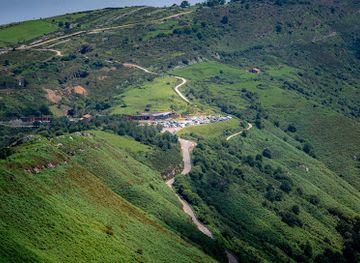
Parque de la Naturaleza de Cabárceno
Discover the beauty of wildlife at Parque de la Naturaleza de Cabárceno, a premier safari park in Cantabria showcasing diverse animal species in natural habitats.
-
Historical landmark
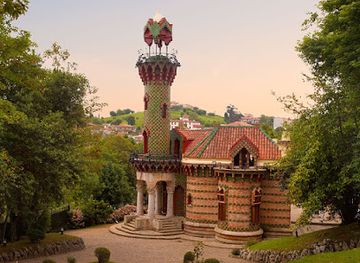
El Capricho de Gaudí
Discover the enchanting El Capricho de Gaudí in Comillas, a historical landmark showcasing Antoni Gaudí's architectural genius in a breathtaking setting.
-
Historical landmark
Palacio de la Magdalena
Explore the majestic Palacio de la Magdalena, a historical landmark in Santander, blending stunning architecture with breathtaking coastal views.
-
Historical landmark
Cueva El Soplao
Cueva El Soplao: A breathtaking underground realm in Cantabria, rich in geological wonders and captivating history.
Best landmarks in Cantabria
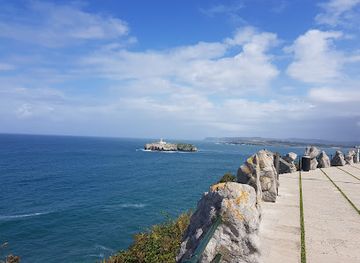
Santander’s bay, framed by the Magdalena Peninsula and the city’s waterfront, is Cantabria’s most recognisable urban landscape. The Palacio de la Magdalena, built in the early twentieth century as a royal summer residence, stands above the peninsula and reflects the city’s development as a seaside resort. In Santillana del Mar, the collegiate church of Santa Juliana and the surrounding medieval streets form one of the region’s most significant historic ensembles. Comillas is distinguished by El Capricho, an early work by Antoni Gaudí, as well as the monumental former Pontifical University and other buildings commissioned during the town’s nineteenth-century heyday. Castro-Urdiales has a dramatic harbour setting dominated by the Gothic church of Santa María de la Asunción and the medieval castle complex beside it. Further west, the church and old quarter of San Vicente de la Barquera overlook estuary landscapes, while inland Fuente Dé is a geographical landmark where steep limestone walls mark the transition from Cantabrian valleys to the high Picos de Europa. These places express Cantabria’s layered maritime, architectural and mountain identity.
-
Wildlife and safari park
Parque de la Naturaleza de Cabárceno
Visit Parque de la Naturaleza de Cabárceno, a unique wildlife park in Cantabria filled with diverse animal species and breathtaking natural landscapes.
-
Historical landmark
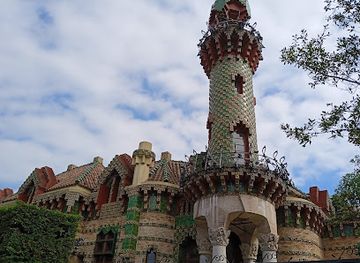
El Capricho de Gaudí
Explore El Capricho de Gaudí, a stunning modernist masterpiece in Comillas, showcasing the genius of Antoni Gaudí and the beauty of Spanish architecture.
-
Historical landmark
Palacio de la Magdalena
Explore the stunning Palacio de la Magdalena, a historical landmark in Santander, offering rich heritage, breathtaking views, and cultural experiences.
-
Historical landmark
Cueva El Soplao
Explore the captivating underground world of Cueva El Soplao, a historical landmark in Cantabria, Spain, renowned for its stunning geological formations.
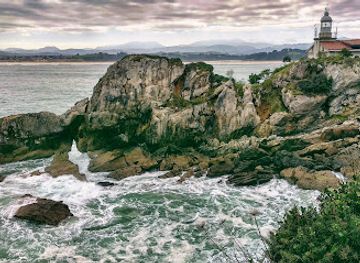
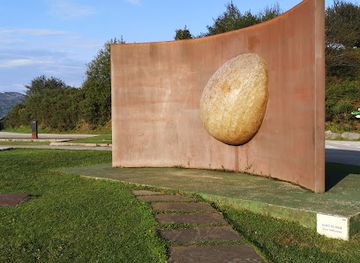
Explore Cantabria on the map
Plan your trip on one map. See where the top cities, national parks and sights are, and book hotels and experiences in a few clicks.
Best hotels in Cantabria
Best restaurants in Cantabria
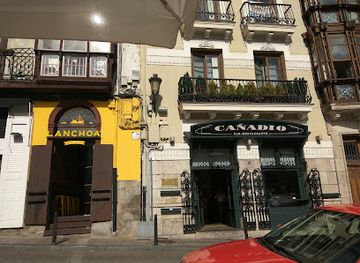
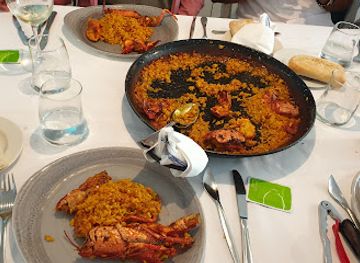
Cantabrian cooking draws on both the Bay of Biscay and the region’s dairy and pastoral country. Santander and the coastal towns offer fish, shellfish and anchovies, with Santoña especially associated with carefully prepared anchovies sold in restaurants and specialist shops. Inland menus commonly feature beef, mountain stews, beans and seasonal vegetables, while rural eateries and traditional inns offer dishes shaped by valley agriculture. Sobaos pasiegos, a rich buttery sponge cake from the Pas valleys, and quesada pasiega are the best-known regional sweets, often found in bakeries as well as restaurants. Cheese from northern Spain is widely available, including products made in Cantabria’s mountain districts. Dining ranges from straightforward seaside cafés and traditional casas de comidas to contemporary restaurants in Santander and other larger towns. Local cider and wines from neighbouring parts of northern Spain may appear alongside regional produce, while food markets and delicatessens are useful for assembling picnics for coastal or mountain excursions.
-
Tapas Bar
Casa Lita
Discover the vibrant flavors of Spain at Casa Lita, Santander's premier tapas bar offering authentic dishes in a lively setting.
-
Restaurant
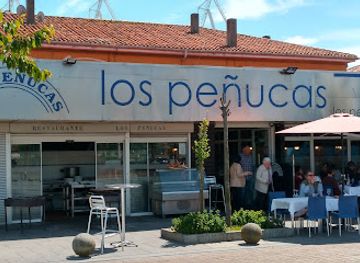
Restaurante Los Peñucas
Experience authentic Cantabrian seafood at Restaurante Los Peñucas in Santander - where fresh flavors meet warm hospitality.
-
Restaurant
Cañadío
Experience authentic Cantabrian cuisine at Cañadío - where tradition meets taste in Santander's vibrant culinary scene.
-
Restaurant
Restaurante La Dársena de Suances
Experience exquisite Mediterranean seafood at Restaurante La Dársena de Suances – a culinary treasure along Spain's stunning coastline.
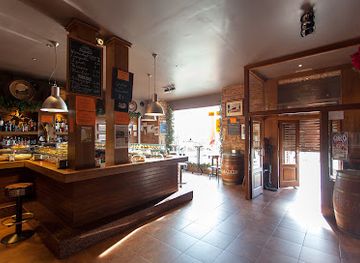
Best bars in Cantabria
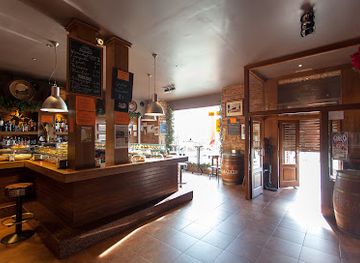
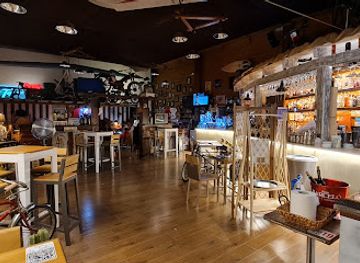
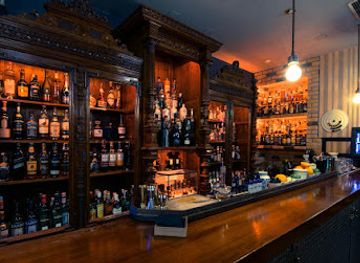
Evening life in Cantabria is centred on Santander and the larger coastal towns rather than on a region-wide club circuit. Santander has the broadest choice, from traditional bars and cafés to cocktail venues, live music and late-night establishments concentrated around the central quarters and waterfront areas. In summer, resorts such as Laredo, Suances and Noja become busier after dark, with terraces, casual bars and seasonal entertainment, while their winter rhythm is considerably quieter. Smaller towns generally rely on local bars, restaurants and occasional live music rather than purpose-built nightclubs. Traditional taverns remain useful places to sample a drink and small plates, but nightlife is not confined to alcohol: evening walks, cinema, theatre and the illuminated waterfront are also part of the urban scene. Opening patterns vary by town and season, so check locally rather than assuming that a coastal resort will have a full programme outside the main holiday months.
-
Tapas Bar
Casa Lita
Experience the vibrant flavors of Spain at Casa Lita, Santander's beloved tapas bar, where every bite tells a story of culinary passion.
-
Cocktail bar
COCTELERÍA LA SOLÍA
Experience the Best Cocktails in Santander at Coctelería La Solía - A Must-Visit Cocktail Bar for All Tourists!
-
Pub
Little Bobby
Discover the lively atmosphere and creative cocktails at Little Bobby, Santander's premier pub and cocktail bar for an unforgettable night out.
-
Cocktail bar
Grog
Discover Grog, Santander's vibrant cocktail bar, offering innovative drinks and a lively atmosphere perfect for nightlife enthusiasts.

Best nightclubs in Cantabria
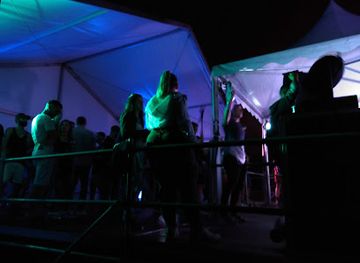
Evening life in Cantabria is centred on Santander and the larger coastal towns rather than on a region-wide club circuit. Santander has the broadest choice, from traditional bars and cafés to cocktail venues, live music and late-night establishments concentrated around the central quarters and waterfront areas. In summer, resorts such as Laredo, Suances and Noja become busier after dark, with terraces, casual bars and seasonal entertainment, while their winter rhythm is considerably quieter. Smaller towns generally rely on local bars, restaurants and occasional live music rather than purpose-built nightclubs. Traditional taverns remain useful places to sample a drink and small plates, but nightlife is not confined to alcohol: evening walks, cinema, theatre and the illuminated waterfront are also part of the urban scene. Opening patterns vary by town and season, so check locally rather than assuming that a coastal resort will have a full programme outside the main holiday months.
-
Disco club
Discoteca ZUL
Discover the electrifying nightlife of Cantabria at Discoteca ZUL, where music, dance, and fun come alive in a vibrant disco atmosphere.
-
Disco club
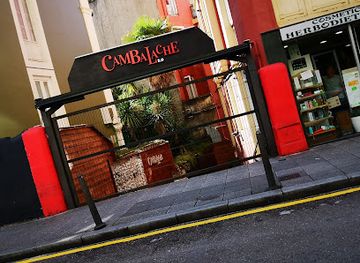
Discoteca Cambalache
Dive into the heart of Santander's nightlife at Discoteca Cambalache, where unforgettable music and dance await you.
-
Disco club
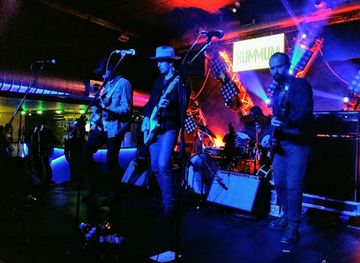
Sala Sümmum
Discover the vibrant nightlife of Santander at Sala Sümmum, a premier disco club and concert hall offering unforgettable music experiences.
-
Disco club
Discoteca Amarras
Discover the pulsating energy of Discoteca Amarras, Santander's go-to disco club for an unforgettable nightlife experience.
Best shops in Cantabria
Shopping in Cantabria is strongest in Santander, where central streets combine national retailers with independent fashion shops, bookshops, delicatessens and food specialists. The city’s markets and food shops are useful for regional products such as Santoña anchovies, cheeses, preserves, sobaos and quesada pasiega. Smaller historic and coastal towns offer a more local scale, with craft shops, galleries, ceramics, nautical goods and seasonal stalls rather than large retail complexes. Santillana del Mar and Comillas are oriented towards visitors, so compare products and look for clearly labelled regional food or locally made crafts. Market days vary between towns and should be checked locally, while farmers’ markets and village fairs are particularly worthwhile for cheese, honey, pastries and other produce. In mountain districts, shopping is limited but specialist shops and cooperative outlets can provide dairy products, preserves and traditional foods connected with the valleys. Practical souvenirs include regional cookery products, high-quality textiles, books on cave art and local landscapes, and crafts made by Cantabrian artisans.
-
Amusement center
Laberinto De Villapresente
Discover the magic of Laberinto De Villapresente, an amusement center and botanical garden in Cantabria that offers fun and beauty for the whole family.
-
Shopping mall
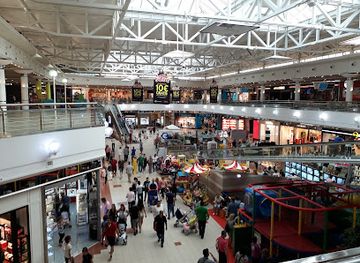
Valle Real
Explore Valle Real in Cantabria for an exceptional shopping experience with diverse stores and delicious dining options.
-
Nature preserve
Parque natural de Oyambre
Explore the stunning coastal landscapes and rich biodiversity of Parque Natural de Oyambre, a nature preserve in Cantabria, Spain.
-
Market
Mercado del Este
Discover the vibrant Mercado del Este in Santander, a bustling market filled with local flavors, crafts, and a lively atmosphere perfect for tourists.
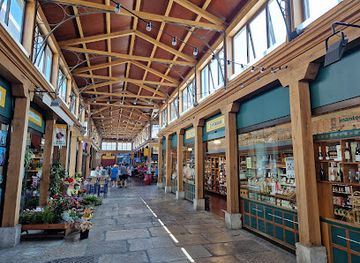
Get your free copy of our complete guide to Cantabria, delivered straight to you.
Everything on this page, from attractions and restaurants to essentials and local phrases, in one PDF you can read offline, print or share.
Already have an account? Sign in
Your Cantabria guide is ready.
We'll send it to · Not you? Sign out

Getting your guide ready…
We are putting together a fresh copy of the Cantabria guide. This can take up to a minute.
This can take a few moments. If your browser asks, choose Allow so the download can start. You'll find the guide in your Downloads folder.
Nothing happened? Download it again
Sorry, the guide is taking longer than usual. Please try again in a minute, or get it by email instead.
Cantabria essentials
Currency and Payment
Safety
Emergency Situations
Do's and Don'ts
Local Tips
From Eve
Local phrases worth knowing
You don't need to get them perfect. A few words go a long way, and locals appreciate the effort.
Basics
| English | Local | Say it |
|---|---|---|
| Hello | Hola | [OH-lah] |
| Goodbye | Adiós | [ah-DYOS] |
| Yes | Sí | [SEE] |
| No | No | [NO] |
| Please/You're welcome | Por favor | [por fah-BOR] |
| Thank you | Gracias | [GRAH-thyahs] |
| Excuse me/Sorry | Perdón | [pehr-DON] |
| How are you? | ¿Cómo estás? | [KOH-moh ehs-TAS] |
| Fine. And you? | Bien. ¿Y tú? | [BYEN. ee TOO] |
| Do you speak English? | ¿Hablas inglés? | [AH-blahs een-GLES] |
| I don't understand | No entiendo | [NO en-TYEN-doh] |
Eating & Drinking
| English | Local | Say it |
|---|---|---|
| I'd like to see the menu, please | Me gustaría ver el menú, por favor | [meh goos-tah-REE-ah BEHR el meh-NOO, por fah-BOR] |
| I don't eat meat | No como carne | [NO KOH-moh KAR-neh] |
| Cheers! | ¡Salud! | [sah-LOOD] |
| I would like to pay, please | Me gustaría pagar, por favor | [meh goos-tah-REE-ah pah-GAR, por fah-BOR] |
Emergencies
| English | Local | Say it |
|---|---|---|
| Help! | ¡Ayuda! | [ah-YOO-dah] |
| Go away! | ¡Vete! | [VEH-teh] |
| Call the Police! | ¡Llama a la policía! | [YAH-mah ah lah poh-lee-SEE-ah] |
| Call a doctor! | ¡Llama a un médico! | [YAH-mah ah oon MEH-dee-koh] |
| I'm lost | Estoy perdido | [es-TOY pehr-DEE-doh] |
| I'm ill | Estoy enfermo | [es-TOY en-FER-moh] |
Shopping
| English | Local | Say it |
|---|---|---|
| I'd like to buy... | Me gustaría comprar... | [meh goos-tah-REE-ah kom-PRAHR] |
| I'm just looking | Solo estoy mirando | [SO-lo es-TOY mee-RAN-do] |
| How much is it? | ¿Cuánto cuesta? | [KWAN-toh KWEH-stah] |
| That's too expensive | Es demasiado caro | [es deh-mah-SYAH-doh KAH-roh] |
| Can you lower the price? | ¿Puedes bajar el precio? | [PWEH-des bah-HAR el PREH-syo] |
Time & Numbers
| English | Local | Say it |
|---|---|---|
| What time is it? | ¿Qué hora es? | [keh OH-rah es] |
| It's one o'clock | Es la una | [es lah OO-nah] |
| Half past (10) | Y diez y media | [ee DYESS ee MEH-dyah] |
| Morning | Mañana | [mah-NYAH-nah] |
| Afternoon | Tarde | [TAR-deh] |
| Evening | Noche | [NOH-cheh] |
| Yesterday | Ayer | [ah-YER] |
| Today | Hoy | [OY] |
| Tomorrow | Mañana | [mah-NYAH-nah] |
| 1 | Uno | [OO-noh] |
| 2 | Dos | [DOS] |
| 3 | Tres | [TRES] |
| 4 | Cuatro | [KWAH-troh] |
| 5 | Cinco | [SEEN-koh] |
| 6 | Seis | [SAYS] |
| 7 | Siete | [SYEH-teh] |
| 8 | Ocho | [OH-choh] |
| 9 | Nueve | [NWEH-beh] |
| 10 | Diez | [DYESS] |
Transport & Directions
| English | Local | Say it |
|---|---|---|
| Where's a/the...? | ¿Dónde hay un/una...? | [DON-deh ai oon/OO-nah] |
| What's the address? | ¿Cuál es la dirección? | [KWAL es lah dee-rek-SYON] |
| Can you show me (on the map)? | ¿Puedes mostrarme (en el mapa)? | [PWEH-des mohs-TRAR-meh (en el MAH-pah)] |
| When's the next (bus)? | ¿Cuándo es el próximo (autobús)? | [KWAN-doh es el PROK-see-mo (ow-toh-BOOS)] |
| A ticket (to ....) | Un billete (a ....) | [oon bee-YEH-teh (ah ....)] |
History of Cantabria
Prehistoric Cantabria and the Altamira tradition
Cantabria has one of Europe’s most important concentrations of prehistoric cave sites. The decorated chambers at Altamira, near Santillana del Mar, contain sophisticated paintings and engravings of animals created during the Upper Palaeolithic, while caves including El Castillo and Las Monedas preserve further evidence of early human activity. These sites demonstrate that the region’s limestone landscape was not merely a place of shelter but also a setting for symbolic expression. The caves are protected archaeological environments, and modern visitors generally encounter their significance through museums, controlled visits and carefully managed replicas.
Roman conquest and the Cantabrian Wars
Rome’s expansion into northern Iberia culminated in the Cantabrian Wars, fought in the late first century BC against Cantabrian and Asturian communities. The conflict was important because it marked one of the final major stages in the Roman conquest of the Iberian Peninsula. Roman authority introduced new military, administrative and economic structures, although northern upland society retained distinctive local characteristics. Roads, settlements and later archaeological evidence reveal the region’s incorporation into the Roman world, while the memory of resistance became a lasting element in interpretations of Cantabrian identity.
Early medieval monasteries and mountain communities
After Roman rule weakened, Cantabria formed part of a politically fragmented northern frontier where Christian communities, local powers and emerging Asturian and Leonese influence interacted. Monasteries and small religious foundations helped organise settlement, landholding and agricultural production in the valleys. The medieval church of Santa María de Piasca, the collegiate church at Santillana del Mar and other Romanesque buildings preserve aspects of this period, when religious institutions were major cultural and economic centres. Mountain passes and valleys also linked Cantabria with neighbouring regions, despite difficult terrain.
Medieval ports, towns and maritime trade
From the Middle Ages, coastal settlements such as Santander, Laredo, Castro-Urdiales and San Vicente de la Barquera developed through fishing, shipping and commerce. Several became associated with the network of northern Iberian ports sometimes known collectively as the Marismas de Castilla. Their harbours handled local products and wider trade, while their churches, defensive structures and urban plans reflected the growing importance of maritime communities. Pilgrimage routes to Santiago also passed through the coast, bringing travellers and strengthening links between Cantabria, the rest of northern Spain and western Europe.
The rise of Santander and Atlantic commerce
Santander grew in importance during the early modern period as a port connected with Atlantic trade, fishing and the movement of goods from inland Spain. Its harbour supported commercial links with other Spanish ports and with northern Europe, while shipbuilding and maritime occupations shaped the surrounding communities. Trade in agricultural products, wool and other goods helped strengthen the city’s regional role. Fires, epidemics and changing commercial patterns repeatedly affected the port, but Santander’s position on a sheltered bay allowed it to remain Cantabria’s principal urban and economic centre.
Industrialisation, mining and railways
During the nineteenth and early twentieth centuries, Cantabria experienced industrial and transport change. Ironworking, mining, food processing, shipbuilding and other industries expanded around Santander and in several inland districts, while railway connections improved the movement of materials and people. The port became increasingly tied to industrial commerce, and new wealth supported ambitious architecture and institutions. In the west, the modernist and historicist buildings of Comillas reflect the influence of wealthy patrons and overseas fortunes. Industrial decline in later decades altered employment patterns, but mining and manufacturing remain important to the region’s modern history.
Tourism, heritage protection and the contemporary region
From the nineteenth century onwards, Santander and other coastal towns attracted visitors for sea bathing, scenery and a milder northern climate, encouraging the development of promenades, hotels and cultural institutions. After the mid-twentieth century, domestic tourism expanded across the beaches and historic towns, while improved roads made the mountain valleys more accessible. At the same time, archaeological sites, caves, wetlands and traditional landscapes received stronger protection. Contemporary Cantabria balances tourism with agriculture, services, maritime activity and heritage conservation, presenting prehistoric, architectural and natural assets as interconnected parts of its identity.
Cantabria in Photos
Browse through our photo collection highlighting the charm and character of the destination.
Neighbouring regions of Cantabria
The closest regions to Cantabria, if you have time for more than one.
-

-

-

-
-


Swipe for more regions
Explore more

Explore more of Spain
Discover Spain: A vibrant tapestry of culture, history, and breathtaking landscapes, where every city offers a unique adventure and unforgettable experiences.
Explore Spain