

Free Asturias Travel Guide & Mobile App
Explore Asturias with free travel guides. Discover regional history, expert tips, proposed trips, and audio guides on web or mobile app.


Asturias in northern Spain combines Atlantic beaches, green mountains, pre-Romanesque heritage, cider houses and substantial walking country.
Read more about Asturias
When is the best time to visit Asturias?
Best: July–September · 24–26°C| Month | High (°C) | Rainfall (mm) |
|---|---|---|
| January | 14 | 100 |
| February | 14 | 90 |
| March | 16 | 100 |
| April | 17 | 90 |
| May | 20 | 80 |
| June | 24 | 70 |
| July (best) | 26 | 60 |
| August (best) | 26 | 60 |
| September (best) | 24 | 70 |
| October | 20 | 90 |
| November | 16 | 100 |
| December | 14 | 110 |
Getting to and around Asturias
How to get there
Transportation
Top city travel guides in Asturias
The cities of Asturias, and the easiest places to base yourself.

Swipe for more cities
Destinations in Asturias
Resorts, valleys and scenic spots worth a trip of their own.

Swipe for more destinations
Best attractions in Asturias
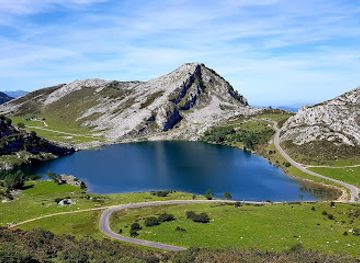
Asturias offers an unusually broad range of attractions within a compact but geographically demanding region. Oviedo’s cathedral, old streets and pre-Romanesque churches provide a strong introduction to medieval Asturias, while Gijón combines Roman remains, maritime history, museums and the seafront. Avilés adds a well-preserved historic centre and the Centro Niemeyer, whose modern architecture contrasts with the city’s industrial background. Along the coast, the appeal lies in the variety of harbours, beaches, cliffs, estuaries and fishing towns, with Ribadesella, Llanes, Cudillero and Luarca each presenting a different setting. Inland, the Lakes of Covadonga and the Asturian landscapes of Picos de Europa lead into high-level walking country, while Somiedo and Redes offer forests, valleys and traditional mountain settlements. Former railway routes, mining museums and industrial collections explain the region’s working past, and cave sites such as Tito Bustillo connect the present landscape with prehistoric art. Visitors should plan by area: the coast, central cities and mountain parks each reward more time than a hurried circuit allows.
-
Sanctuary
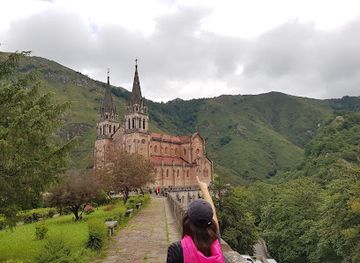
Sanctuary of Covadonga
Explore the Sanctuary of Covadonga, a breathtaking spiritual destination in Asturias, blending stunning architecture with the beauty of nature.
-
National park
Picos de Europa National Park
Explore the breathtaking Picos de Europa National Park, a stunning natural wonder in Spain with diverse wildlife and endless outdoor adventures.
-
Science museum
Jurassic Museum of Asturias
Explore the fascinating world of dinosaurs at the Jurassic Museum of Asturias, a top science museum and tourist attraction in Spain's stunning Asturias region.
-
Stadium
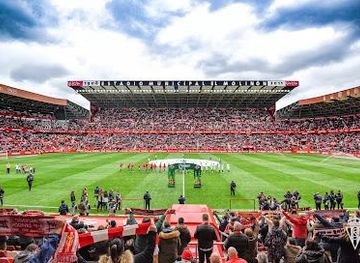
El Molinón - Enrique Castro Quini Stadium
Discover the spirit of Gijón at El Molinón, a historic stadium where thrilling soccer matches and vibrant local culture come together.

Best landmarks in Asturias
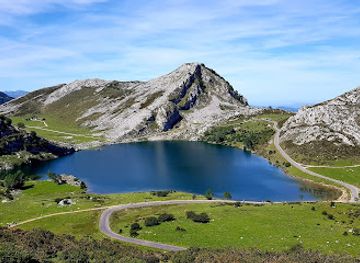
Asturias’s most recognisable landmarks express its medieval, maritime, industrial and natural identities. The pre-Romanesque churches of Santa María del Naranco and San Miguel de Lillo, on the slopes above Oviedo, are remarkable survivals of the early Asturian kingdom, while San Julián de los Prados represents the monumental ambition of the same period. Oviedo Cathedral and its historic surroundings remain linked to the region’s religious and pilgrimage history. On the coast, the old quarters and harbours of towns such as Cudillero, Luarca and Llanes provide distinctive architectural landmarks, shaped by fishing and Atlantic trade. The Centro Niemeyer in Avilés is a major contemporary presence beside the industrial city’s historic centre. Inland, the Lakes of Covadonga form a celebrated natural landmark below the limestone mountains of Picos de Europa, and the Naranjo de Bulnes, or Picu Urriellu, is an emblematic peak for mountaineers. Mining headframes and industrial structures in the Nalón and Caudal valleys preserve another defining layer of the Asturian landscape.
-
Sanctuary
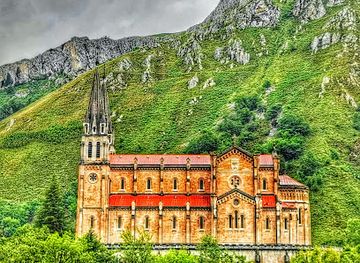
Sanctuary of Covadonga
Discover the Sanctuary of Covadonga, a stunning spiritual site in Asturias, blending breathtaking landscapes with rich historical significance.
-
National park
Picos de Europa National Park
Explore the breathtaking Picos de Europa National Park, a natural wonder in Asturias, Spain, featuring majestic mountains, rich biodiversity, and endless outdoor adventures.
-
Scenic spot
Mirador del Fitu
Discover the stunning vistas of Mirador del Fitu in Asturias, where breathtaking views and nature’s beauty await every traveler.
-
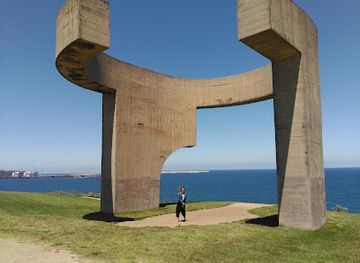
Sculpture
Elogio del horizonte
Discover Elogio del Horizonte, a breathtaking sculpture in Gijón that merges art with stunning coastal views, perfect for all travelers.
Explore Asturias on the map
Plan your trip on one map. See where the top cities, national parks and sights are, and book hotels and experiences in a few clicks.
Best hotels in Asturias
Best restaurants in Asturias
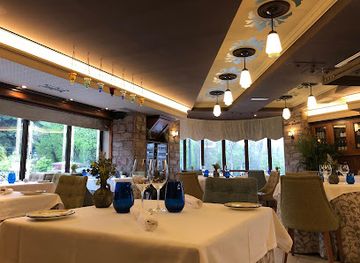
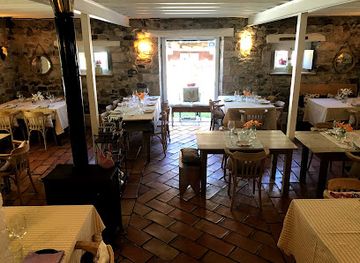
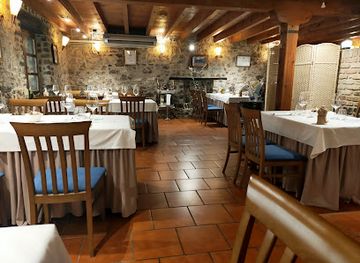
Asturian food is hearty, locally rooted and closely connected to the region’s farms, fishing ports and mountain pastures. Fabada asturiana, a slow-cooked bean and pork stew, is the best-known dish, while cachopo consists of breaded meat layered with filling and is often served as a substantial shared portion. The coast supports a strong seafood tradition, with fish, shellfish and occasional seasonal specialities appearing in harbour restaurants and town dining rooms. Mountain cheeses are particularly important: Cabrales is the most internationally recognised, but Asturias has several other distinctive varieties. Sidrerías specialise in natural cider, poured from a height into a small glass and usually consumed in modest measures. Rural casas de comidas, traditional inns, bakeries and contemporary restaurants all contribute to the dining scene, while markets and food shops are useful for Asturias’s apples, cheeses, cured products and confectionery. Menus and opening times can be more limited in small villages outside the main season.
-
Asturian
Restaurante Casa Generosa
Experience authentic Asturian cuisine at Restaurante Casa Generosa – where tradition meets flavor in the heart of Pedroveya.
-
Spanish
Restaurante La Corte de Pelayo
Discover authentic Spanish cuisine at Restaurante La Corte de Pelayo in Oviedo—an exquisite dining experience celebrating local flavors.
-
Restaurant
El Molín de Mingo
Discover authentic Asturian cuisine at El Molín de Mingo, where local flavors meet breathtaking natural beauty.
-
Asturian
Restaurante Casa Chema
Discover authentic Asturian cuisine with exceptional vegan and vegetarian options at Restaurante Casa Chema in Asturias.
Best bars in Asturias
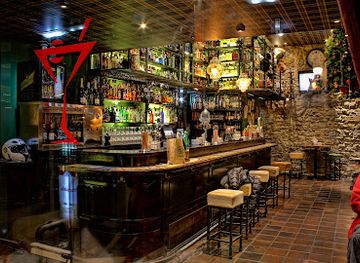
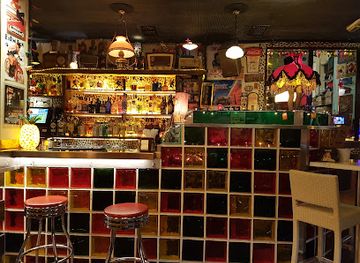
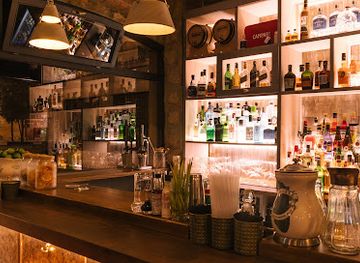
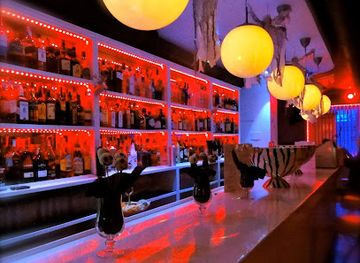
Asturias’s evening culture is varied but rarely dependent on a large-scale club scene. In Oviedo, traditional cider houses, wine bars, cafés and restaurants cluster around the old centre, while Gijón has the broadest late-evening choice, including sidrerías, cocktail bars, live music venues and seafront establishments. Avilés combines bars and restaurants around its historic streets with cultural programming at venues such as the Centro Niemeyer. Smaller coastal towns tend to concentrate their nightlife around cider houses, local bars and restaurants, with activity increasing during summer and traditional festivals. Inland communities generally favour sociable bars, village celebrations and early-evening gatherings rather than dedicated nightclubs. A useful local rhythm is to begin with a drink or small bite, eat later and move between establishments on foot. Check current arrangements locally, especially outside the central cities, as opening patterns can be seasonal.
-
Pub
Varsovia
Experience the eclectic charm and vibrant nightlife at Varsovia, a premier pub in Gijón that combines great flavors with a lively atmosphere.
-
Bar
Savoy
Discover the vibrant atmosphere and delicious tapas at Savoy, Gijón's favorite bar for locals and tourists alike.
-
Cocktail bar
Mala Saña
Discover Mala Saña, Oviedo's premier cocktail bar, where expertly crafted drinks meet a vibrant atmosphere for unforgettable nights out.
-
Bar
Bar Campa
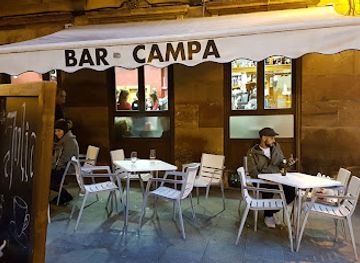
Experience the warmth of Asturian hospitality at Bar Campa, a cozy bar in Oviedo offering local drinks and a vibrant atmosphere.
Best nightclubs in Asturias
Asturias’s evening culture is varied but rarely dependent on a large-scale club scene. In Oviedo, traditional cider houses, wine bars, cafés and restaurants cluster around the old centre, while Gijón has the broadest late-evening choice, including sidrerías, cocktail bars, live music venues and seafront establishments. Avilés combines bars and restaurants around its historic streets with cultural programming at venues such as the Centro Niemeyer. Smaller coastal towns tend to concentrate their nightlife around cider houses, local bars and restaurants, with activity increasing during summer and traditional festivals. Inland communities generally favour sociable bars, village celebrations and early-evening gatherings rather than dedicated nightclubs. A useful local rhythm is to begin with a drink or small bite, eat later and move between establishments on foot. Check current arrangements locally, especially outside the central cities, as opening patterns can be seasonal.
-
Night club
O's Club - The Club of Oricios -
Discover Gijón's nightlife at O's Club - a vibrant mix of clubbing, piano bar charm, and lively pub atmosphere for an unforgettable night.
-
Cocktail bar
The Black Bar
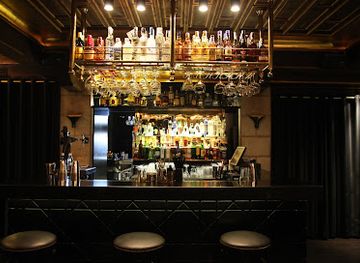
Discover the vibrant nightlife at The Black Bar in Oviedo, where expertly crafted cocktails and a lively atmosphere create unforgettable moments.
-
Night club
Lanna Club
Discover the vibrant nightlife at Lanna Club in Gijón, Asturias - a must-visit destination for dance and music enthusiasts.
-
Disco club
Nunca Jamás
Experience the vibrant nightlife of Oviedo at Nunca Jamás, a disco club where music and dance come alive until dawn.


Best shops in Asturias
Shopping in Asturias is strongest in the central cities and established market towns, with a useful emphasis on food, crafts and regional products rather than large luxury retail districts. Oviedo offers traditional streets, food shops, bookshops and independent boutiques around the old centre, while Gijón combines high-street retail with smaller design, craft and speciality-food businesses. Avilés is suited to browsing independent shops in and around its historic core. Village markets and weekly town markets vary by location and season, but are good places to look for Asturias’s cheeses, cider, preserves, baked goods and cured products. Specialist food shops often carry Cabrales and other Asturian cheeses, although travellers should consider packaging and customs rules before taking perishables abroad. Ceramics, textiles, locally made decorative goods and contemporary work from regional artists can make more meaningful souvenirs than generic tourist merchandise. In rural districts, opening hours may be limited, so plan food shopping before heading into the mountains.
-
Shopping mall
Parque Principado
Experience the best shopping and dining at Parque Principado in Asturias, where retail therapy meets local culture in a vibrant setting.
-
Shopping mall
Salesas Shopping Mall
Explore the dynamic Salesas Shopping Mall in Oviedo for a unique shopping experience featuring diverse retailers and delightful dining options.
-
Shopping mall
Los Prados Shopping Mall
Discover shopping, dining, and entertainment at Los Prados Shopping Mall in Oviedo, Asturias - a perfect destination for all visitors.
-
Gift shop
Tiendas MarvelouS
Discover the magical charm of Tiendas MarvelouS in Gijón, where unique gifts, stylish clothing, and fun toys await every visitor.
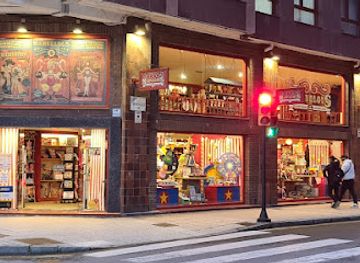
Get your free copy of our complete guide to Asturias, delivered straight to you.
Everything on this page, from attractions and restaurants to essentials and local phrases, in one PDF you can read offline, print or share.
Already have an account? Sign in
Your Asturias guide is ready.
We'll send it to · Not you? Sign out

Getting your guide ready…
We are putting together a fresh copy of the Asturias guide. This can take up to a minute.
This can take a few moments. If your browser asks, choose Allow so the download can start. You'll find the guide in your Downloads folder.
Nothing happened? Download it again
Sorry, the guide is taking longer than usual. Please try again in a minute, or get it by email instead.
Asturias essentials
Currency and Payment
Safety
Emergency Situations
Do's and Don'ts
Local Tips
From Eve
Local phrases worth knowing
You don't need to get them perfect. A few words go a long way, and locals appreciate the effort.
Basics
| English | Local | Say it |
|---|---|---|
| Hello | Hola | [Ola] |
| Goodbye | Adiós | [Adiós] |
| Yes | Sí | [Si] |
| No | No | [No] |
| Please/You're welcome | Por favor | [Por favor] |
| Thank you | Gracias | [Grathias] |
| Excuse me/Sorry | Perdón | [Perdón] |
| How are you? | ¿Cómo estás? | [¿Cómo estas?] |
| Fine. And you? | Bien. ¿Y tú? | [Bien. ¿Y tu?] |
| Do you speak English? | ¿Hablas inglés? | [¿Ables ingles?] |
| I don't understand | No entiendo | [No entiendo] |
Eating & Drinking
| English | Local | Say it |
|---|---|---|
| I'd like to see the menu, please | Me gustaría ver el menú, por favor | [Me gustaria ver el menu, por favor] |
| I don't eat meat | No como carne | [No como carne] |
| Cheers! | ¡Salud! | [¡Salud!] |
| I would like to pay, please | Me gustaría pagar, por favor | [Me gustaria pagar, por favor] |
Emergencies
| English | Local | Say it |
|---|---|---|
| Help! | ¡Ayuda! | [¡Ayuda!] |
| Go away! | ¡Vete! | [¡Vete!] |
| Call the Police! | ¡Llama a la policía! | [¡Llama a la policia!] |
| Call a doctor! | ¡Llama a un médico! | [¡Llama a un medico!] |
| I'm lost | Estoy perdido | [Estoy perdido] |
| I'm ill | Estoy enfermo | [Estoy enfermo] |
Shopping
| English | Local | Say it |
|---|---|---|
| I'd like to buy... | Me gustaría comprar... | [Me gustaria comprar...] |
| I'm just looking | Solo estoy mirando | [Solo estoy mirando] |
| How much is it? | ¿Cuánto cuesta? | [¿Cuanto cuesta?] |
| That's too expensive | Eso es demasiado caro | [Eso es demasiado caro] |
| Can you lower the price? | ¿Puedes bajar el precio? | [¿Puedes bajar el precio?] |
Time & Numbers
| English | Local | Say it |
|---|---|---|
| What time is it? | ¿Qué hora es? | [¿Que hora es?] |
| It's one o'clock | Es la una | [Es la una] |
| Half past (10) | Y media (10) | [Y media (10)] |
| Morning | Mañana | [Mañana] |
| Afternoon | Tarde | [Tarde] |
| Evening | Noche | [Noche] |
| Yesterday | Ayer | [Ayer] |
| Today | Hoy | [Hoy] |
| Tomorrow | Mañana | [Mañana] |
| 1 | Uno | [Uno] |
| 2 | Dos | [Dos] |
| 3 | Tres | [Tres] |
| 4 | Cuatro | [Cuatro] |
| 5 | Cinco | [Cinco] |
| 6 | Seis | [Seis] |
| 7 | Siete | [Siete] |
| 8 | Ocho | [Ocho] |
| 9 | Nueve | [Nueve] |
| 10 | Diez | [Diez] |
Transport & Directions
| English | Local | Say it |
|---|---|---|
| Where's a/the...? | ¿Dónde está un/una...? | [¿Donde esta un/una...?] |
| What's the address? | ¿Cuál es la dirección? | [¿Cual es la direccion?] |
| Can you show me (on the map)? | ¿Puedes mostrarme (en el mapa)? | [¿Puedes mostrarme (en el mapa)?] |
| When's the next (bus)? | ¿Cuándo sale el siguiente (autobús)? | [¿Cuando sale el siguiente (autobus)?] |
| A ticket (to ....) | Un billete (a ....) | [Un billete (a ....)] |
History of Asturias
Palaeolithic Cave Art
Asturias contains important evidence of prehistoric settlement, particularly in caves along the coast and in the limestone zones of the interior. Caves such as Tito Bustillo near Ribadesella preserve Palaeolithic art and demonstrate the symbolic and practical importance of the region’s sheltered landscapes to hunter-gatherer communities. Some caves have restricted access or conservation controls, while visitor centres provide broader interpretation. Their significance lies not only in the images themselves but also in what they reveal about early human activity across the northern Iberian Atlantic zone.
Roman Asturias and the Gold Frontier
Roman power reached the Asturian territory during the Cantabrian Wars at the end of the first century BC. Rome reorganised the region through roads, military installations and economic exploitation, most notably gold mining in parts of western Asturias. The landscape of Las Médulas lies in neighbouring León, but Asturian valleys also preserve archaeological traces associated with Roman administration and mining. Roman influence did not erase local communities; instead, it introduced new political structures, technologies and connections to the wider imperial economy.
The Kingdom of Asturias, Eighth to Tenth Centuries
After the Muslim conquest of much of the Iberian Peninsula in the early eighth century, Asturias became the centre of a Christian kingdom traditionally associated with Pelayo and the victory at Covadonga. Its rulers established their court at sites including Cangas de Onís and later Oviedo. The kingdom’s surviving churches, especially Santa María del Naranco, San Miguel de Lillo and San Julián de los Prados, preserve the distinctive Asturian pre-Romanesque style. These monuments are among the region’s most important cultural legacies and reflect the political ambition of the early medieval court.
Medieval Oviedo and the Pilgrimage Route
Oviedo developed as a religious and political centre during the Middle Ages, with its cathedral and treasury attracting pilgrims travelling to the shrine of Saint James. The route from Oviedo towards Santiago became known as the Primitive Way, one of the historic routes of the Camino de Santiago. Monastic institutions, churches and bridges supported movement through the region, while coastal and inland settlements served local trade. The pilgrimage tradition remains visible in the cathedral complex, waymarked paths and the continuing presence of walkers passing through Asturian towns and villages.
Maritime Trade and Coastal Towns
Asturias’s ports supported fishing, coastal trade and wider Atlantic commerce over many centuries. Gijón grew as the region’s principal urban port, while Avilés, Ribadesella, Llanes, Luarca and other harbours developed distinct maritime roles. Fishing, shipbuilding, salt-related trade and the movement of agricultural goods linked the coast with inland valleys. Fortifications and historic harbour districts reflect periods when the Atlantic was both an economic opportunity and a source of insecurity. These maritime traditions continue in the form of working ports, seafood culture and coastal architecture.
Coal Mining and Industrialisation
Coal extraction expanded dramatically in the Nalón and Caudal valleys from the nineteenth century, helping to drive industrialisation in Asturias. Mines, railways, ironworks and associated settlements reshaped the interior, while Gijón and Avilés grew as industrial and commercial centres. Mining created strong working-class communities and left a significant social and political legacy. The Museo de la Minería y de la Industria de Asturias near El Entrego and the Museo de la Siderurgia de Asturias in Langreo help explain this transformation. Although most coal mining has ended, its infrastructure remains central to the region’s historical identity.
The Civil War and Modern Asturias
Asturias experienced intense political conflict during the Spanish Civil War, including fighting in the mining valleys and along strategic approaches. The region’s industrial workforce and strong labour movement also shaped the political history of twentieth-century Spain. In the decades after the war, heavy industry and mining continued to dominate employment and urban development before restructuring brought major economic and social change. Contemporary Asturias combines this industrial memory with tourism, services, food production, environmental conservation and cultural institutions, while former industrial sites and mining museums preserve the story of communities that powered modernisation.
Asturias in Photos
Browse through our photo collection highlighting the charm and character of the destination.
Neighbouring regions of Asturias
The closest regions to Asturias, if you have time for more than one.
-

-

-
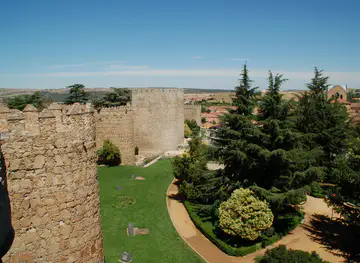
-

-


Swipe for more regions
Explore more

Explore more of Spain
Discover Spain: A vibrant tapestry of culture, history, and breathtaking landscapes, where every city offers a unique adventure and unforgettable experiences.
Explore Spain