

Free Castile and León Travel Guide & Mobile App
Explore Castile and León with free travel guides. Discover regional history, expert tips, proposed trips, and audio guides on web or mobile app.


Explore Castile and León for UNESCO-listed cities, Romanesque heritage, mountain landscapes, pilgrimage routes and celebrated inland Spanish cuisine.
Read more about Castile and León
When is the best time to visit Castile and León?
Best: June–July, September · 24–28°C| Month | High (°C) | Rainfall (mm) |
|---|---|---|
| January | 7 | 40 |
| February | 9 | 35 |
| March | 13 | 40 |
| April | 16 | 45 |
| May | 20 | 50 |
| June (best) | 24 | 25 |
| July (best) | 28 | 20 |
| August | 28 | 25 |
| September (best) | 24 | 35 |
| October | 18 | 45 |
| November | 12 | 45 |
| December | 8 | 40 |
Getting to and around Castile and León
How to get there
Transportation
Top city travel guides in Castile and León
The cities of Castile and León, and the easiest places to base yourself.
-

-

-

-

-
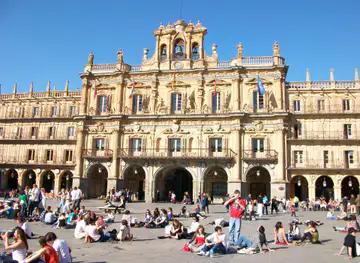
-


Swipe for more cities
Destinations in Castile and León
Resorts, valleys and scenic spots worth a trip of their own.
-

-


Swipe for more destinations
Best attractions in Castile and León
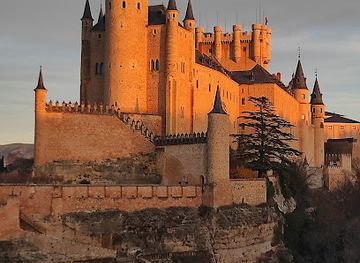
Castile and León’s attractions range from major historic cities to open landscapes where archaeology, agriculture and nature remain closely connected. Segovia combines a Roman aqueduct with a medieval Alcázar and cathedral, while Ávila’s walls and Salamanca’s university quarter present different expressions of Castilian urban history. Burgos Cathedral, León Cathedral and the Romanesque churches of Zamora and northern Palencia reveal the artistic importance of the medieval kingdoms. Rural heritage includes the gold mines of Las Médulas, the monasteries of Santo Domingo de Silos and San Pedro de Cardeña, and pilgrimage settlements along the Camino de Santiago. Wine tourism is well established in Ribera del Duero, Rueda, Toro, Cigales, Bierzo and other districts, with vineyard visits and cellar tastings varying by estate. For outdoor travellers, Arribes del Duero offers deep river gorges, the Sierra de Francia has wooded hills and stone villages, and the high country around Ávila and León supports walking, climbing and winter activities. Birdwatching, cycling, canoeing and farm-based stays add quieter ways to experience the immense rural spaces.
-
Castle
Alcázar de Segovia
Discover the enchanting Alcázar de Segovia, a historic castle and museum that offers a glimpse into Spain's royal past and breathtaking landscapes.
-
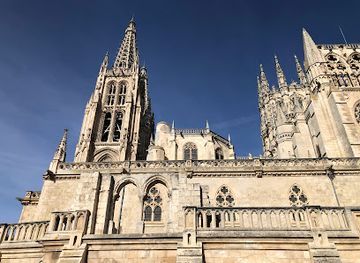
Catholic cathedral
Burgos Cathedral
Explore the breathtaking Burgos Cathedral, a UNESCO World Heritage site, and immerse yourself in Spain's Gothic architectural splendor and rich history.
-
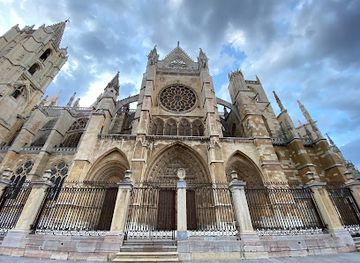
Catholic cathedral
Catedral de León
Discover the stunning beauty and historical significance of León's iconic Gothic cathedral, a must-visit for every traveler exploring Spain.
-
 Catholic cathedral
Catedral de Segovia
Explore the breathtaking Gothic architecture and rich history of the Cathedral of Segovia, a must-see tourist attraction in Spain.
Best landmarks in Castile and León
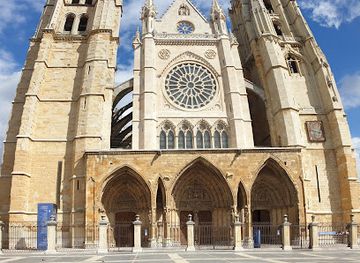
The Roman aqueduct of Segovia is one of Castile and León’s most recognisable structures, an immense surviving statement of Roman engineering incorporated into the modern city. Ávila’s long medieval walls define its skyline and encircle a historic centre closely associated with Teresa of Ávila. Salamanca’s Plaza Mayor and university buildings display the warm, carved sandstone of the city’s golden age, while Burgos Cathedral is a landmark of Gothic architecture and pilgrimage history. León Cathedral is distinguished by its extensive medieval stained glass, and Zamora preserves an important group of Romanesque churches crowned by its domed cathedral. In western León, Las Médulas presents a radically different kind of monument: red-gold hills shaped by Roman hydraulic mining. The castle at Coca, built in distinctive brickwork, and the fortified hill town of Ciudad Rodrigo add military and frontier architecture. Natural landmarks include the deep gorges of Arribes del Duero and the high mountain landscapes bordering the northern and southern edges of the community.
-
Catholic cathedral
Catedral de León
Explore the stunning Catedral de León, a Gothic masterpiece adorned with magnificent stained glass, a must-visit for every traveler in Spain.
-
Museum
Palace of Gaudí Astorga
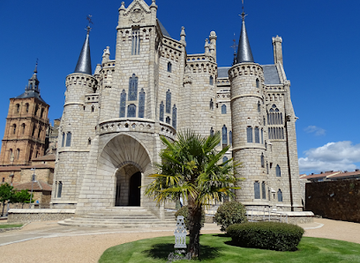
Explore the Palace of Gaudí, a stunning architectural gem in Astorga, showcasing the brilliance of Antoni Gaudí's modernist design.
-
Museum
Casa Botines
Discover Casa Botines, Antoni Gaudí's stunning architectural gem in León, showcasing rich Spanish art and history in a captivating museum setting.
-
Historical landmark
Plaza del Grano
Explore Plaza del Grano, a vibrant historical landmark in León, Spain, where rich culture and stunning architecture meet lively local life.
Explore Castile and León on the map
Plan your trip on one map. See where the top cities, national parks and sights are, and book hotels and experiences in a few clicks.
Best hotels in Castile and León
Best restaurants in Castile and León
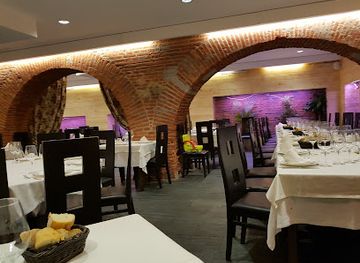
Regional cooking is built around the produce of the plateau, mountain pastures and river valleys. Roast suckling pig is strongly associated with Segovia, while roast lamb is served widely across the community; these are substantial meals often enjoyed at midday. Beans from areas such as La Bañeza and El Barco de Ávila appear in stews, and local tables feature sheep’s cheeses, cured meats, blood sausage, mushrooms, game and substantial country breads. León is known for cecina and hearty dishes such as cocido maragato, while Salamanca has its own charcuterie and pork traditions. Valladolid and other cities provide contemporary interpretations alongside traditional mesones, tapas bars, cafés and family-run restaurants. Wine is central to dining, with Ribera del Duero, Rueda, Toro, Bierzo, Cigales and Arlanza offering distinct styles. In rural districts, market produce and seasonal cooking are often more representative than elaborate menus, so asking for local specialities can reveal the character of each province.
-
Grill
Ezequiel Calle Ancha
Discover Ezequiel Calle Ancha in León: A top destination for authentic Spanish grill cuisine with locally sourced ingredients and inviting ambiance.
-
Restaurant
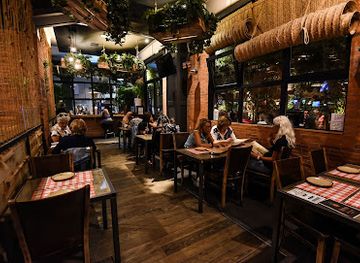
El Patio
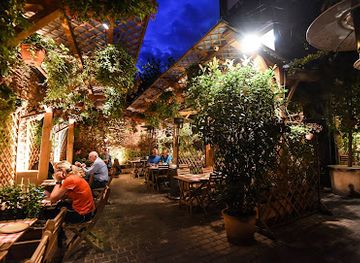
Discover authentic Spanish flavors at El Patio in León – a perfect spot for tapas lovers seeking great food and vibrant ambiance.
-
Tapas Bar
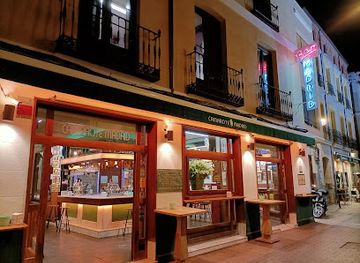
Camarote Madrid
Discover authentic Spanish flavors at Camarote Madrid - León's top tapas bar offering delightful dishes in a vibrant atmosphere.
-
Restaurant
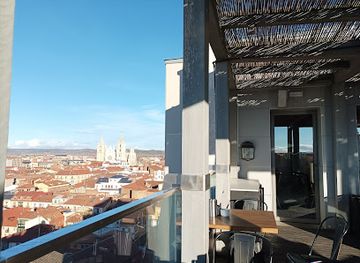
niMÚ Azotea
Discover niMÚ Azotea: A gastronomic delight in León offering stunning views and authentic Spanish cuisine.

Best bars in Castile and León
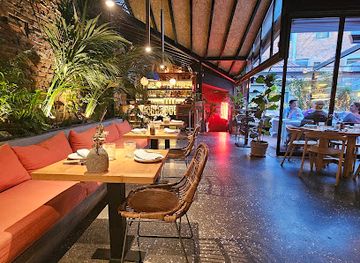
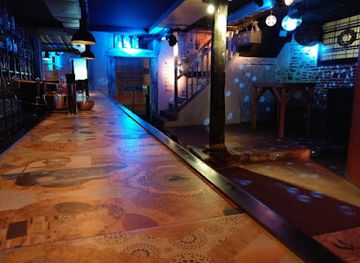
Evening life in Castile and León is concentrated in the university cities and provincial capitals rather than spread evenly across the countryside. Salamanca has a large student presence, with cafés, tapas bars, late-opening venues and live music around its historic centre, while Valladolid and León offer broader choices of cocktail bars, music venues, theatres and clubs. Burgos, Segovia and Zamora have active evening scenes built around aperitif bars, restaurants and traditional drinking houses, though the atmosphere varies by neighbourhood and season. In smaller towns, the social life of the evening is more likely to centre on a local bar, historic inn or plaza than on a dedicated nightclub. Wine bars and cellar visits are particularly relevant in the major wine districts, and craft beer has a growing presence in urban venues. Visitors should remember that nightlife generally begins late by northern European standards and that rural transport may be limited after dark.
-
Restaurant
El Patio
Explore the flavorful world of Spanish cuisine at El Patio, a vibrant restaurant in León known for its delicious tapas and welcoming atmosphere.
-
Tapas Bar
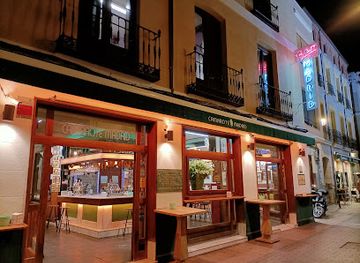
Camarote Madrid
Experience the vibrant flavors of Spain at Camarote Madrid, León's premier tapas bar for an authentic culinary adventure.
-
Restaurant
niMÚ Azotea
Discover niMÚ Azotea, where exquisite flavors meet stunning views in the heart of León, Spain - a must-visit gastronomic delight.
-
Restaurant
Clandestino Gastrobar
Discover the vibrant flavors of León at Clandestino Gastrobar, where innovative tapas and a lively atmosphere await every visitor.
Best nightclubs in Castile and León
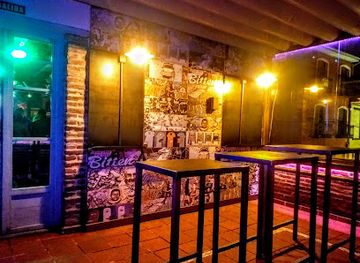
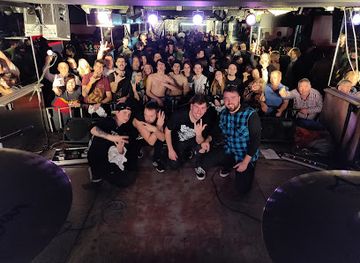
Evening life in Castile and León is concentrated in the university cities and provincial capitals rather than spread evenly across the countryside. Salamanca has a large student presence, with cafés, tapas bars, late-opening venues and live music around its historic centre, while Valladolid and León offer broader choices of cocktail bars, music venues, theatres and clubs. Burgos, Segovia and Zamora have active evening scenes built around aperitif bars, restaurants and traditional drinking houses, though the atmosphere varies by neighbourhood and season. In smaller towns, the social life of the evening is more likely to centre on a local bar, historic inn or plaza than on a dedicated nightclub. Wine bars and cellar visits are particularly relevant in the major wine districts, and craft beer has a growing presence in urban venues. Visitors should remember that nightlife generally begins late by northern European standards and that rural transport may be limited after dark.
-
Pub
Club Carta Blanca León
Discover the heart of León's nightlife at Club Carta Blanca, a vibrant pub offering a lively atmosphere, great drinks, and unforgettable experiences.
-
Disco club
Sala Studio 54
Discover León's nightlife at Sala Studio 54, where vibrant music and dance await in the heart of the city.
-
Disco club
Nox León
Discover the vibrant nightlife of León at Nox León, a premier disco club and lounge where music and fun come alive.
-
Pub
Caño Malasaña Club
Discover the vibrant nightlife at Caño Malasaña Club, a popular pub in León offering great drinks and lively entertainment.
Best shops in Castile and León
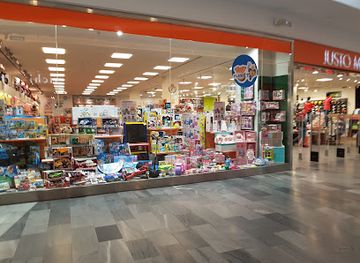
Shopping is most rewarding when approached through the region’s market towns, food traditions and craft workshops rather than through luxury retail. Salamanca, Valladolid, León and Burgos have established central shopping streets combining national retailers with independent bookshops, food shops, delicatessens and specialist stores. Historic centres such as Segovia, Ávila and Zamora are useful for regional wines, cured meats, cheeses, sweets and locally produced food gifts, although reputable packaging and transport arrangements matter when buying perishable goods. Municipal markets and weekly markets in smaller towns can provide seasonal fruit, vegetables, pulses and household produce, but opening days vary. Wine is a natural purchase in districts such as Ribera del Duero, Rueda, Toro and Bierzo, with cellar shops offering bottles from local producers. Look also for traditional textiles, leather goods, ceramics, handmade objects and religious or artistic publications in heritage cities. Rural areas may have limited retail hours, so plan food and supplies before travelling into remote villages or natural parks.
-
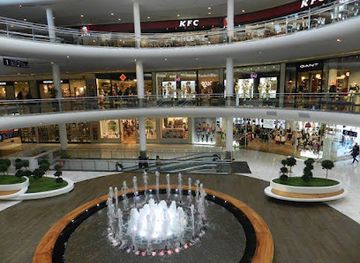
Shopping mall
RÍO Shopping
Experience the best of shopping, dining, and entertainment at RÍO Shopping in Valladolid - a vibrant hub for tourists and locals alike.
-
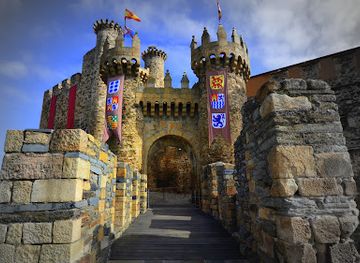
Castle
Ponferrada Castle
Discover the enchanting history and architecture of Ponferrada Castle, a stunning medieval fortress in León, Spain, rich in culture and heritage.
-
Shopping mall
Vallsur
Explore Vallsur, Valladolid's premier shopping mall, offering diverse shopping, dining, and entertainment options for an unforgettable experience.
-
Sporting goods store
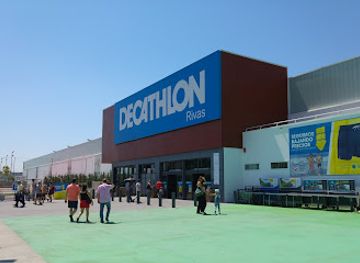
Decathlon Rivas
Discover Decathlon Rivas, the ultimate destination for all your sporting goods needs in Rivas-Vaciamadrid, Madrid.
Get your free copy of our complete guide to Castile and León, delivered straight to you.
Everything on this page, from attractions and restaurants to essentials and local phrases, in one PDF you can read offline, print or share.
Already have an account? Sign in
Your Castile and León guide is ready.
We'll send it to · Not you? Sign out

Getting your guide ready…
We are putting together a fresh copy of the Castile and León guide. This can take up to a minute.
This can take a few moments. If your browser asks, choose Allow so the download can start. You'll find the guide in your Downloads folder.
Nothing happened? Download it again
Sorry, the guide is taking longer than usual. Please try again in a minute, or get it by email instead.
Castile and León essentials
Currency and Payment
Safety
Emergency Situations
Do's and Don'ts
Local Tips
From Eve
Local phrases worth knowing
You don't need to get them perfect. A few words go a long way, and locals appreciate the effort.
Basics
| English | Local | Say it |
|---|---|---|
| Hello | Hola | [OH-lah] |
| Goodbye | Adiós | [ah-DYOS] |
| Yes | Sí | [SEE] |
| No | No | [NO] |
| Please/You're welcome | Por favor/De nada | [por fah-VOR/deh NAH-dah] |
| Thank you | Gracias | [GRAH-syahs] |
| Excuse me/Sorry | Perdón | [pehr-DON] |
| How are you? | ¿Cómo estás? | [KOH-moh ehs-TAHS] |
| Fine. And you? | Bien. ¿Y tú? | [BYEN. ee TOO] |
| Do you speak English? | ¿Hablas inglés? | [AH-blahs een-GLES] |
| I don't understand | No entiendo | [NO en-TYEN-doh] |
Eating & Drinking
| English | Local | Say it |
|---|---|---|
| I'd like to see the menu, please | Me gustaría ver el menú, por favor | [meh goos-tah-REE-ah BEHR el meh-NOO, por fah-VOR] |
| I don't eat meat | No como carne | [NO KOH-mo KAR-neh] |
| Cheers! | ¡Salud! | [sah-LOOD] |
| I would like to pay, please | Quisiera pagar, por favor | [kee-SYE-rah pah-GAR, por fah-VOR] |
Emergencies
| English | Local | Say it |
|---|---|---|
| Help! | ¡Ayuda! | [ah-YOO-dah] |
| Go away! | ¡Vete! | [BEH-teh] |
| Call the Police! | ¡Llama a la policía! | [YAH-mah ah lah poh-lee-SEE-ah] |
| Call a doctor! | ¡Llama a un doctor! | [YAH-mah ah oon dok-TOR] |
| I'm lost | Estoy perdido | [es-TOY pehr-DEE-doh] |
| I'm ill | Estoy enfermo/a | [es-TOY en-FER-mo/a] |
Shopping
| English | Local | Say it |
|---|---|---|
| I'd like to buy... | Quisiera comprar... | [kee-SYE-rah kom-PRAR] |
| I'm just looking | Solo estoy mirando | [SO-lo es-TOY mee-RAN-doh] |
| How much is it? | ¿Cuánto cuesta? | [KWAN-toh KWEH-stah] |
| That's too expensive | Eso es demasiado caro | [EH-so es deh-ma-SEE-ah-doh KAH-ro] |
| Can you lower the price? | ¿Puedes bajar el precio? | [PWEH-des bah-HAR el PREH-syo] |
Time & Numbers
| English | Local | Say it |
|---|---|---|
| What time is it? | ¿Qué hora es? | [KEH OH-rah es] |
| It's one o'clock | Es la una | [es lah OO-nah] |
| Half past (10) | Diez y media | [DYEZ ee MEH-dyah] |
| Morning | Mañana | [mah-NYAH-nah] |
| Afternoon | Tarde | [TAR-deh] |
| Evening | Noche | [NO-cheh] |
| Yesterday | Ayer | [ah-YER] |
| Today | Hoy | [OY] |
| Tomorrow | Mañana | [mah-NYAH-nah] |
| 1 | Uno | [OO-no] |
| 2 | Dos | [DOS] |
| 3 | Tres | [TRES] |
| 4 | Cuatro | [KWAH-tro] |
| 5 | Cinco | [SEEN-koh] |
| 6 | Seis | [SAYS] |
| 7 | Siete | [SYEH-teh] |
| 8 | Ocho | [OH-cho] |
| 9 | Nueve | [NWEH-beh] |
| 10 | Diez | [DYEZ] |
Transport & Directions
| English | Local | Say it |
|---|---|---|
| Where's a/the...? | ¿Dónde está un/una...? | [DON-deh eh-STA oon/OO-nah] |
| What's the address? | ¿Cuál es la dirección? | [KWAL es lah dee-rek-SYON] |
| Can you show me (on the map)? | ¿Puedes mostrarme (en el mapa)? | [PWEH-des mos-TRAR-me (en el MAH-pah)] |
| When's the next (bus)? | ¿Cuándo sale el próximo (autobús)? | [KWAN-doh SAH-leh el PROK-si-mo (ow-toh-BOOS)] |
| A ticket (to ....) | Un billete (a ....) | [oon bee-YEH-teh (ah ....)] |
History of Castile and León
Pre-Roman Peoples and Romanisation
Before Roman rule, the territory was inhabited by diverse peoples including the Vacceans, Celtiberians, Vettones and Astures. Their hill settlements, fortifications and sculptural traditions survive in archaeological sites and museums across the community. Rome gradually incorporated the region from the second century BC onwards, establishing roads, towns, agricultural systems and military networks. Roman influence is especially visible at León, founded as a legionary base, at the bridge and theatre of Salamanca, and in the gold-mining landscape of Las Médulas in León province. These developments connected the interior to wider imperial markets and left a durable framework for later settlement.
Visigothic Rule and the Early Medieval Frontier
After the western Roman Empire weakened, Visigothic power became important in much of the Iberian Peninsula, although surviving evidence is uneven across the region. From the eighth century, Muslim-ruled al-Andalus and Christian polities to the north formed a changing frontier across the central and northern plateau. León, Burgos and the Duero basin became associated with military settlement, repopulation and shifting political authority. Castles, fortified towns and religious foundations later developed in landscapes that had served as borderlands. The medieval geography of Castile and León cannot be reduced to a single conflict: it was also shaped by farming, trade, migration and interaction between Christian, Muslim and Jewish communities.
The Rise of León and Castile
The kingdoms of León and Castile emerged as major Christian powers during the Middle Ages, with their territories repeatedly divided, joined and reorganised through dynastic politics. León’s royal tradition and Castile’s expanding aristocratic and military power both influenced the region’s institutions. The Cortes held at León in 1188 are often cited as an early example of representative political assembly in Europe, though medieval forms of representation differed substantially from modern democracy. Burgos became a centre of royal administration and trade, while towns along routes towards Santiago de Compostela gained churches, markets and hospices.
Pilgrimage, Monasticism and Romanesque Art
The Camino de Santiago transformed northern Castile and León from the medieval period onwards. Routes across Burgos, Palencia and León brought pilgrims, merchants, craftsmen and ideas from across Europe. Monasteries and collegiate churches accumulated land, influence and artistic patronage, while Romanesque architecture flourished in rural and urban centres. Sites such as the monastery of Santo Domingo de Silos, the churches of Zamora and the Romanesque buildings of Palencia province preserve aspects of this artistic culture. The pilgrimage network also encouraged bridges, hospitals and market towns, many of whose street plans still shape contemporary travel.
The Catholic Monarchs and the Expansion of Spain
The marriage of Isabella of Castile and Ferdinand of Aragon and the political consolidation associated with their reign altered the history of both the region and Spain. Isabella was proclaimed queen at Segovia in 1474, and Valladolid, Burgos and other Castilian cities played important roles in royal administration. The late fifteenth century also brought the conquest of Granada, the expulsion of Jews in 1492 and the beginning of Spain’s Atlantic expansion, developments with profound and often painful consequences. Historic palaces, churches, archives and urban buildings across Castile and León reflect the wealth and authority of this period.
Universities, Printing and Habsburg Power
Salamanca’s university, founded in the thirteenth century, became one of Europe’s influential centres of law, theology and intellectual debate. Its scholars contributed to discussions about empire, natural law and the relationship between peoples during the age of overseas expansion. Valladolid also gained prominence as a royal residence and administrative centre, and Christopher Columbus died there in 1506. During the sixteenth century, cities across the region benefited from royal patronage and commercial activity, although later economic changes and the movement of political power towards Madrid reduced their relative prominence.
The Comuneros Revolt and the Long Rural Transformation
The Comuneros Revolt of 1520–21 began in Castile in opposition to aspects of Charles I’s rule, taxation and the influence of foreign advisers. Its leaders were defeated at the Battle of Villalar, in present-day Valladolid province, and the revolt became a lasting symbol in Castilian political memory. Later centuries brought alternating prosperity and decline, with agriculture, sheep husbandry, grain trading and local industries shaping the plateau. The nineteenth and twentieth centuries saw railway development, industrial change, depopulation in many rural districts and the growth of provincial capitals, while historic preservation and pilgrimage tourism became increasingly important in the modern economy.
Castile and León in Photos
Browse through our photo collection highlighting the charm and character of the destination.
Neighbouring regions of Castile and León
The closest regions to Castile and León, if you have time for more than one.
-
-

-

-

-


Swipe for more regions
Explore more

Explore more of Spain
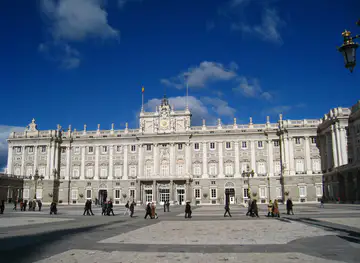
Discover Spain: A vibrant tapestry of culture, history, and breathtaking landscapes, where every city offers a unique adventure and unforgettable experiences.
Explore Spain