

Free Colombo District Travel Guide & Mobile App
Explore Colombo District with free travel guides. Discover regional history, expert tips, proposed trips, and audio guides on web or mobile app.


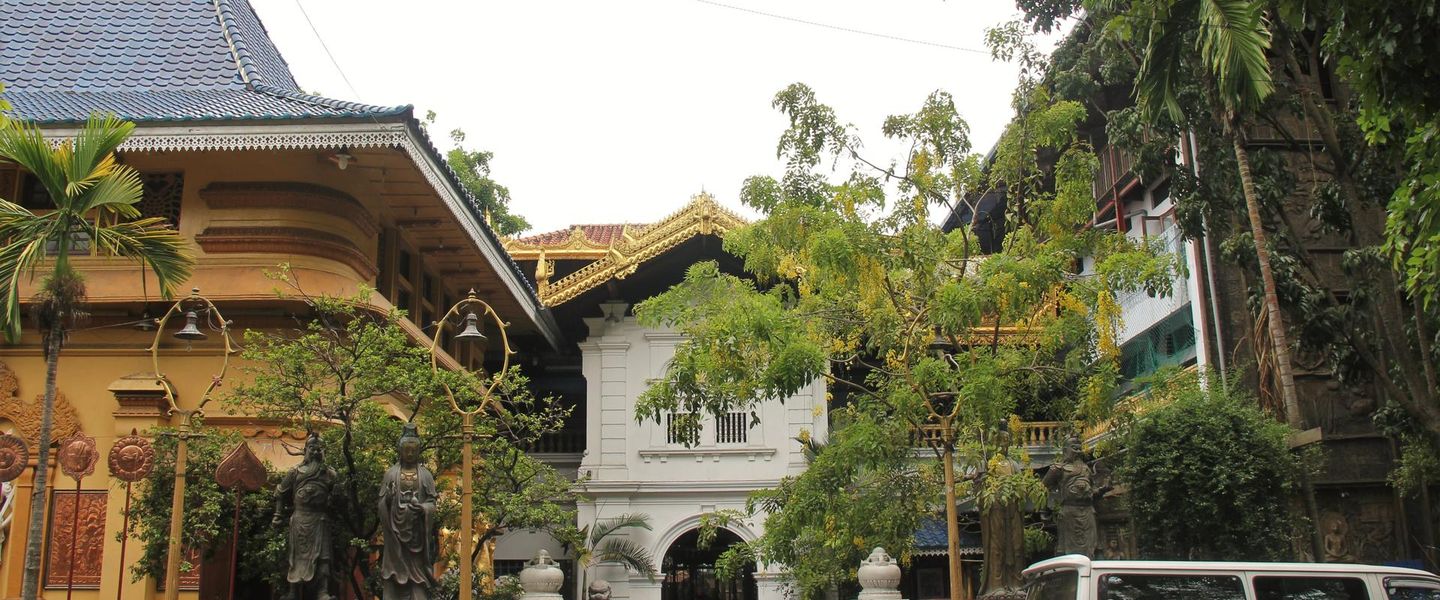


Colombo District combines Sri Lanka’s historic capital, coastal neighbourhoods, Buddhist temples, wetlands, markets and contemporary urban culture.
Read more about Colombo District
When is the best time to visit Colombo District?
Best: January–February, August · 30–31°C| Month | High (°C) | Rainfall (mm) |
|---|---|---|
| January (best) | 30 | 96 |
| February (best) | 31 | 93 |
| March | 32 | 147 |
| April | 32 | 254 |
| May | 31 | 372 |
| June | 30 | 222 |
| July | 30 | 172 |
| August (best) | 30 | 143 |
| September | 30 | 236 |
| October | 29 | 368 |
| November | 29 | 296 |
| December | 30 | 159 |
Getting to and around Colombo District
How to get there
Transportation
Top city travel guides in Colombo District
The cities of Colombo District, and the easiest places to base yourself.

Swipe for more cities
Best attractions in Colombo District
Colombo District’s attractions range from national museums and colonial-era commercial quarters to temples, parks, wetlands and beaches. In central Colombo, the Colombo National Museum provides essential context for Sri Lankan art, archaeology and political history, while Gangaramaya Temple and Seema Malaka introduce important Buddhist institutions within a highly urban setting. Fort, the Old Parliament area, the Dutch Hospital precinct and Pettah offer contrasting views of the city’s maritime, mercantile and religious life. South of the centre, Dehiwala Zoological Garden remains a long-established family attraction, while Bellanwila and Attidiya bring religious and natural interests together in suburban surroundings. Sri Jayawardenepura Kotte has lakes, marshes and civic spaces that reward slower exploration, particularly for visitors interested in urban birdlife and the relationship between capital development and wetlands. The coast around Mount Lavinia provides open seafront views and dining, although beach conditions vary. Colombo is less about a single monumental sight than about moving between distinct neighbourhoods, institutions and landscapes.
-
Conference center
BMICH (Bandaranaike Memorial International Conference Hall)
Explore the architectural brilliance of BMICH in Colombo, a hub for international conferences and cultural events showcasing Sri Lanka's heritage.
-
Tourist attraction
Diyatha Uyana
Discover Diyatha Uyana, a serene park and water park in Sri Jayawardenepura Kotte, perfect for relaxation, recreation, and local cultural experiences.
-
 Buddhist temple
Kelaniya Raja Maha Viharaya
Explore the sacred Kelaniya Raja Maha Viharaya, a historic Buddhist temple in Peliyagoda, rich in culture and spirituality.
-
City park
Galle Face Green
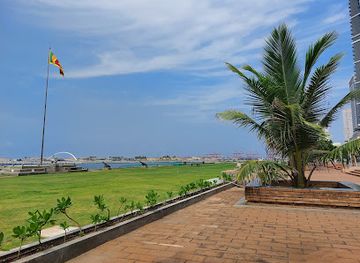
Discover the beauty of Galle Face Green, a serene city park in Colombo, where lush lawns meet the stunning coastline and vibrant local culture.


Best landmarks in Colombo District
The Colombo Fort area is the district’s most recognisable historic urban landmark zone, bringing together remnants of the former fortified port, colonial commercial buildings, the Old Parliament and the Dutch Hospital precinct. The Colombo National Museum is an important neo-classical civic building as well as the country’s leading museum of national heritage. In Cinnamon Gardens, Independence Memorial Hall stands as a major symbol of the end of British rule, with a ceremonial design influenced by Sri Lankan architectural traditions. Gangaramaya Temple is notable for its busy devotional role and eclectic architectural and collection history, while Seema Malaka gives Beira Lake a distinctive religious landmark. Sri Jayawardenepura Kotte’s parliamentary complex and surrounding waterways represent the modern legislative capital, even though access to government buildings is controlled. Along the southern coast, Mount Lavinia’s shoreline is one of the district’s best-known natural and recreational markers. Bellanwila Rajamaha Viharaya is another significant religious landmark, associated with a long-established Buddhist tradition in the suburban landscape.
-
Fortress
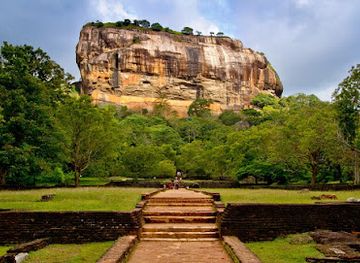
Sigiriya
Discover the breathtaking Sigiriya Fortress, an ancient marvel of architecture and history set amidst stunning natural beauty in Sri Lanka.
-
Fortress
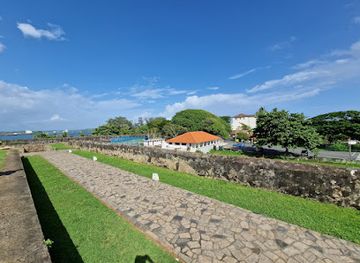
Galle Dutch Fort
Discover the rich history and stunning coastal views of Galle Dutch Fort, a UNESCO World Heritage Site in Sri Lanka.
-
City park
Galle Face Green
Discover Galle Face Green: Colombo’s beautiful city park, perfect for relaxation, local food, and stunning ocean views.
-
State park
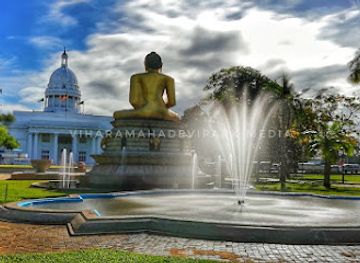
Viharamahadevi Park
Experience the lush greenery and historical charm of Viharamahadevi Park, Colombo's premier state park for relaxation and recreation.

Explore Colombo District on the map
Plan your trip on one map. See where the top cities, national parks and sights are, and book hotels and experiences in a few clicks.
Best hotels in Colombo District
Best restaurants in Colombo District
Colombo District offers Sri Lanka’s widest concentration of regional cooking alongside international and contemporary dining. Rice and curry, hoppers, string hoppers, kottu and short eats are widely available, while seafood features prominently in coastal restaurants and informal eateries. The city’s Tamil, Muslim, Sinhalese and Burgher communities have contributed to a broad food culture that includes different spice profiles, breads, savoury snacks and festive dishes. Pettah and surrounding commercial streets are useful for exploring inexpensive local food, whereas Cinnamon Gardens, Colombo 03 and the fort area contain cafés, hotel restaurants and more polished dining rooms. Mount Lavinia is associated with seafront meals and seafood, but quality and conditions vary between venues. Fresh fruit, tea, coconut-based dishes and Sri Lankan sweets are easy to find, and established bakeries remain part of everyday urban food culture. Menus and spice levels can differ considerably, so asking for guidance is sensible when ordering unfamiliar dishes.
-
Seafood
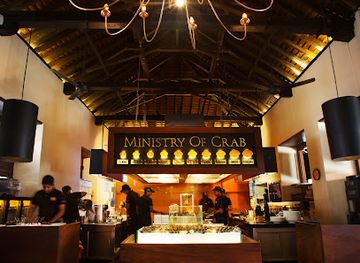
Ministry of Crab
Discover the best crab dishes at Ministry of Crab in Colombo - where seafood lovers unite for an unforgettable dining experience.
-
Sri Lankan
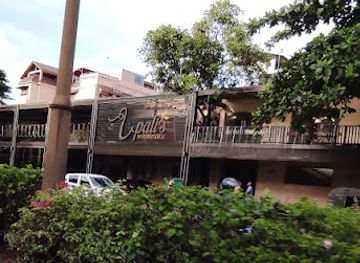
Upali's by Nawaloka
Experience authentic Sri Lankan flavors at Upali's by Nawaloka in Colombo - a must-visit culinary destination for every traveler.
-
Buffet
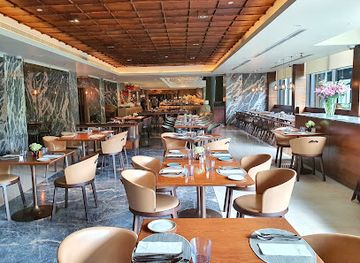
Graze Kitchen
Experience an exquisite buffet at Graze Kitchen in Colombo featuring international cuisines and live cooking stations for an unforgettable dining adventure.
-
Restaurant
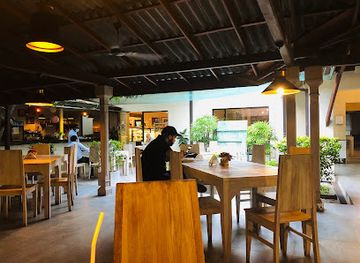
Café on the 5th
Discover authentic Sri Lankan flavors at Café on the 5th in Colombo – where culinary tradition meets modern dining.
Best bars in Colombo District
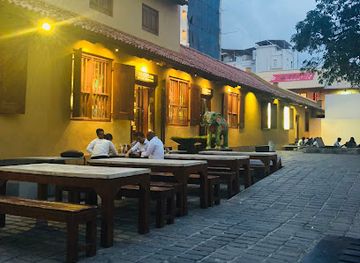
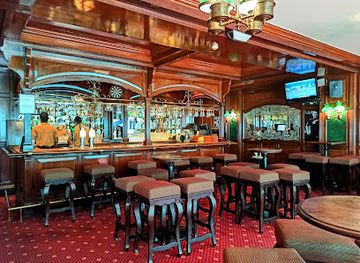
Colombo has the district’s most varied evening scene, with hotel bars, cocktail lounges, wine bars, live-music venues and restaurants concentrated around Fort, Colombo 03, Colombo 07 and adjoining commercial neighbourhoods. The Dutch Hospital precinct is a prominent evening setting, while other venues are scattered through hotels and converted colonial or contemporary buildings rather than forming one continuous nightlife district. Dehiwala and Mount Lavinia offer more relaxed seafront restaurants, pubs and bars, with activity often shaped by weekends and the tourist season. Traditional low-key drinking places and neighbourhood cafés are also part of the city’s evening life, though they may be less accessible to first-time visitors. Sri Lankan beer, arrack-based drinks and tea are widely encountered, but visitors should check venue policies and transport arrangements before staying late. Outside the main urban centres, nightlife generally centres on dining, hotel facilities and quiet social gatherings rather than clubs.
-
Pub
Taphouse by RnR
Discover the vibrant atmosphere and culinary delights at Taphouse by RnR in Colombo's historic Dutch Hospital precinct.
-
Pub
Cheers Pub
Discover the vibrant atmosphere and delectable cuisine at Cheers Pub, a top spot for food and drinks in Colombo.
-
Sports bar
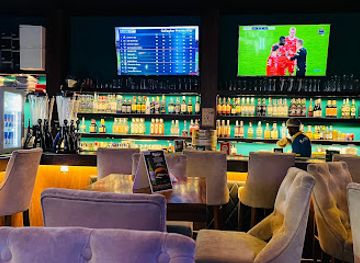
Playtrix Sports Bar and Cafe
Experience the ultimate sports bar and cafe in Colombo, where delicious food meets electrifying live sports for an unforgettable night out.
-
Bar
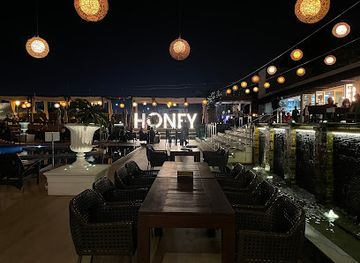
Honey Beach Club
Discover the luxurious Honey Beach Club at The Kingsbury - a premier bar and restaurant experience in the heart of Colombo, perfect for relaxation and indulgence.
Best nightclubs in Colombo District
Colombo has the district’s most varied evening scene, with hotel bars, cocktail lounges, wine bars, live-music venues and restaurants concentrated around Fort, Colombo 03, Colombo 07 and adjoining commercial neighbourhoods. The Dutch Hospital precinct is a prominent evening setting, while other venues are scattered through hotels and converted colonial or contemporary buildings rather than forming one continuous nightlife district. Dehiwala and Mount Lavinia offer more relaxed seafront restaurants, pubs and bars, with activity often shaped by weekends and the tourist season. Traditional low-key drinking places and neighbourhood cafés are also part of the city’s evening life, though they may be less accessible to first-time visitors. Sri Lankan beer, arrack-based drinks and tea are widely encountered, but visitors should check venue policies and transport arrangements before staying late. Outside the main urban centres, nightlife generally centres on dining, hotel facilities and quiet social gatherings rather than clubs.
-
Night club
Capri Club
Discover the pulse of Colombo's nightlife at Capri Club, where great music and vibrant vibes create unforgettable evenings.
-
Disco club
The Love Bar at Flamingo House
Discover the vibrant nightlife at The Love Bar in Colombo, where dancing, cocktails, and unforgettable memories await every visitor.
-
Disco club
Rhythm and Blues
Discover the pulse of Colombo's nightlife at Rhythm and Blues, the ultimate disco club for dancing and vibrant entertainment.
-
Night club
Cleopatra Nightclub
Discover the vibrant nightlife at Cleopatra Nightclub in Colombo, where music, dancing, and unforgettable memories await.


Best shops in Colombo District
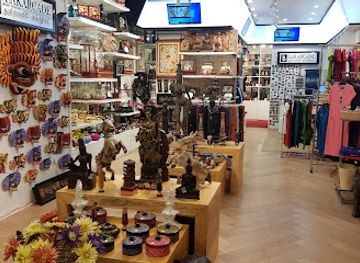
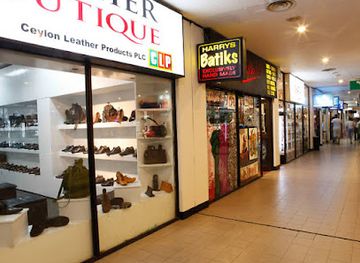
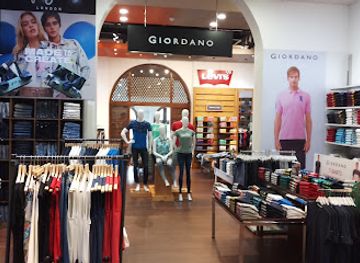
Shopping in Colombo District ranges from the crowded wholesale and retail streets of Pettah to air-conditioned malls, department stores, design shops and specialist boutiques in central and southern neighbourhoods. Pettah is the most distinctive market environment, with streets organised around different types of goods and a strong emphasis on trade rather than leisurely browsing. Fort and Colombo 07 offer more curated shopping, including books, clothing, homeware, contemporary crafts and galleries, while established shopping centres provide familiar international and Sri Lankan brands. Visitors looking for regional purchases can consider Ceylon tea, spices, batik, handloom textiles, jewellery, carved objects and packaged sweets, checking materials and prices carefully. Markets and small shops may favour cash, whereas larger retailers usually accept cards. Mount Lavinia and suburban high streets have a more local, everyday character, with food shops, pharmacies, clothing stores and bakeries rather than a concentrated souvenir scene.
-
Shopping mall
One Galle Face Mall
Discover One Galle Face Mall, Colombo's largest shopping center, blending luxury shopping, diverse dining, and lively entertainment in a stunning setting.
-
Shopping mall
Liberty Plaza
Experience the best of shopping and dining at Liberty Plaza, Colombo's vibrant shopping mall with local and international flair.
-
Clothing store
House of Fashions
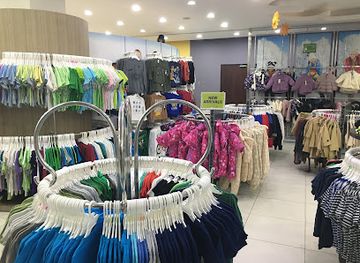
Explore the vibrant fashion scene at House of Fashions, Colombo's largest clothing store offering trendy styles and a diverse selection for every style and budget.
-
Shopping mall
Arcade Independence Square
Explore Arcade Independence Square, where shopping, dining, and culture converge in a historic setting in the heart of Colombo.
Get your free copy of our complete guide to Colombo District, delivered straight to you.
Everything on this page, from attractions and restaurants to essentials and local phrases, in one PDF you can read offline, print or share.
Already have an account? Sign in
Your Colombo District guide is ready.
We'll send it to · Not you? Sign out

Getting your guide ready…
We are putting together a fresh copy of the Colombo District guide. This can take up to a minute.
This can take a few moments. If your browser asks, choose Allow so the download can start. You'll find the guide in your Downloads folder.
Nothing happened? Download it again
Sorry, the guide is taking longer than usual. Please try again in a minute, or get it by email instead.
Colombo District essentials
Currency and Payment
Safety
Emergency Situations
Do's and Don'ts
Local Tips
From Eve
Local phrases worth knowing
You don't need to get them perfect. A few words go a long way, and locals appreciate the effort.
Basics
| English | Local | Say it |
|---|---|---|
| Hello | ආයුබෝවන් | [Āyubōvan] |
| Goodbye | පුළුල් වේවා | [Puḷul wēvā] |
| Yes | ඔව් | [Ov] |
| No | නැහැ | [Næhæ] |
| Please/You’re welcome | කරුණාකර | [Karunākara] |
| Thank you | ස්තුතියි | [Sthūthiyi] |
| Excuse me/Sorry | කණගාටුයි | [Kaṇagāṭuyi] |
| How are you? | ඔබට කෙසේද? | [Obaṭa kesēda?] |
| Fine. And you? | හොඳයි. ඔබට? | [Hoṇḍayi. Obaṭa?] |
| Do you speak English? | ඔබට ඉංග්රීසි කතා කළ හැකිද? | [Obaṭa iṅgrīsi kathā kaḷa hækida?] |
| I don't understand | මට තේරෙන්නේ නැහැ | [Maṭa thērennē næhæ] |
Eating & Drinking
| English | Local | Say it |
|---|---|---|
| I’d like to see the menu, please | මට මෙනුව බලන්න ඕනෑ | [Maṭa menuva balanna ōnē] |
| I don't eat meat | මට මාංසය කෑමක් නැහැ | [Maṭa māṁsaya kæmak næhæ] |
| Cheers! | අවුරුදු කාලයක්! | [Avurudu kālayak!] |
| I would like to pay, please | මට ගෙවන්න ඕනෑ | [Maṭa gewanna ōnē] |
Emergencies
| English | Local | Say it |
|---|---|---|
| Help! | ආධාර කරන්න! | [Ādhāra karanna!] |
| Go away! | ඉවතට යන්න! | [Ivatata yanna!] |
| Call the Police! | පොලීසිය මැදිහත් කරන්න! | [Polīsiya mædihath karanna!] |
| Call a doctor! | ඩොක්ටරය කතා කරන්න! | [Ḍokṭaraya kathā karanna!] |
| I’m lost | මට අහිමි වුනා | [Maṭa ahimivunā] |
| I’m ill | මට රෝගයක් ඇත | [Maṭa rōgayak æta] |
Shopping
| English | Local | Say it |
|---|---|---|
| I’d like to buy... | මට මිලදී ගන්න ඕනෑ... | [Maṭa milādī ganna ōnē...] |
| I’m just looking | මම බලනවා | [Mama balanavā] |
| How much is it? | මෙය කොපමණද? | [Meya kopamaṇada?] |
| That’s too expensive | ඒක බොහොම වියදම් | [Ēka bohoma viyadam] |
| Can you lower the price? | මිල පහළ කළ හැකිද? | [Mila pahala kaḷa hækida?] |
Time & Numbers
| English | Local | Say it |
|---|---|---|
| What time is it? | මො ෙවෙලාව කීයද? | [Mē velāwa kīyada?] |
| It’s one o’clock | එය එකට වසන්තය | [Eya ekata wasanṭhaya] |
| Half past (10) | අර්ධ ගණනක් (10) | [Ardha gaṇanak (10)] |
| Morning | ආපසු කාලය | [Āpasu kālaya] |
| Afternoon | දහවල් | [Dahaval] |
| Evening | සඳ කාලය | [Sanda kālaya] |
| Yesterday | ඊයේ | [Īyē] |
| Today | අද | [Ada] |
| Tomorrow | හෙට | [Hæṭa] |
| 1 | 1 | [1] |
| 2 | 2 | [2] |
| 3 | 3 | [3] |
| 4 | 4 | [4] |
| 5 | 5 | [5] |
| 6 | 6 | [6] |
| 7 | 7 | [7] |
| 8 | 8 | [8] |
| 9 | 9 | [9] |
| 10 | 10 | [10] |
Transport & Directions
| English | Local | Say it |
|---|---|---|
| Where's a/the...? | එකක් කොහෙද? | [Ekak kohēda?] |
| What’s the address? | ලිපිනය කුමක්ද? | [Lipinaya kumakda?] |
| Can you show me (on the map)? | මට (මැප් එකේ) පෙන්වන්න පුළුවන්ද? | [Maṭa (mɛp ekē) penvanna puḷuvanda?] |
| When's the next (bus)? | ඉදිරි (බස් එක) කවදද? | [Idiri (bas eka) kavadada?] |
| A ticket (to ....) | කඩයක් (....ට) | [Kaḍayak (....ṭa)] |
History of Colombo District
Early settlements and the Kelani River region
The Colombo area developed around waterways, coastal access and the lower Kelani River basin, which supported movement, fishing, cultivation and trade long before the modern metropolis appeared. Archaeological evidence from the wider western lowlands points to long human occupation, while the district’s position on maritime routes connected it to the broader Indian Ocean world. The modern city has obscured much of this earlier landscape, but the relationship between settlement, lagoon, river and coast remains central to understanding Colombo’s geography.
Kotte Kingdom and the medieval western lowlands
During the medieval period, the Kingdom of Kotte became a major political power in the western part of Sri Lanka. Its royal centre lay around the marshes and waterways of present-day Sri Jayawardenepura Kotte, where the landscape provided both resources and natural protection. Kotte was associated with literary production, court culture and control of important trade routes. Although little of the medieval capital survives as a complete historic ensemble, the name and location remain embedded in the modern legislative capital and in the district’s political identity.
Portuguese arrival and the fortified port
Portuguese forces reached Colombo in the early sixteenth century and established a fortified presence around the harbour and coastal settlement. Their influence extended through commerce, military rivalry and missionary activity, bringing Colombo into a more direct period of European imperial competition. The fortifications themselves have largely disappeared or been absorbed into later urban development, but the port’s strategic importance, Christian heritage and coastal trading role were significantly reinforced during this era.
Dutch Colombo and commercial transformation
The Dutch East India Company took control of Colombo from the Portuguese in the seventeenth century and developed the port as an administrative and commercial centre. Dutch rule left a durable architectural and institutional legacy, including the area now associated with the Dutch Hospital and parts of the old Fort district. Canals and waterways were expanded to support transport and plantation commerce. Dutch influence also shaped legal and religious history, although later British redevelopment altered much of the city’s appearance.
British rule, railways and the colonial capital
The British captured Colombo in 1796 and gradually made it the administrative and commercial capital of their Ceylon colony. The harbour expanded, railways and roads connected the city with the island’s plantation districts, and new civic, military and mercantile buildings transformed the urban landscape. Colombo Fort became a centre of government, shipping and finance, while neighbourhoods such as Cinnamon Gardens developed a different, more spacious character. The period also intensified migration and established the city’s role as the island’s principal port and transport hub.
Independence and the creation of a legislative capital
Ceylon gained independence from Britain in 1948, and Colombo remained the country’s executive, commercial and cultural centre. In 1982, the parliamentary capital was formally moved to Sri Jayawardenepura Kotte, within the Colombo District, while executive and administrative functions continued to be distributed across the wider metropolitan area. Independence Memorial Hall and its surrounding grounds remain among the most visible symbols of the transition from colonial rule to national sovereignty.
Conflict, reconstruction and metropolitan growth
The civil war affected Colombo through security restrictions, displacement, political violence and disruption, even though the district remained Sri Lanka’s principal economic centre. Since the end of the war in 2009, the capital region has experienced major redevelopment, including new offices, hotels, apartment buildings, roads and public spaces. This growth has brought investment and improved amenities but has also intensified pressure on wetlands, traffic systems, housing and historic areas. Contemporary Colombo is therefore a city where colonial infrastructure, post-independence institutions and rapid urban change exist side by side.
Colombo District in Photos
Browse through our photo collection highlighting the charm and character of the destination.
Neighbouring regions of Colombo District
The closest regions to Colombo District, if you have time for more than one.
-

-

-

-

-


Swipe for more regions
Explore more

Explore more of Sri Lanka
Discover Sri Lanka: Rich culture, stunning landscapes, and warm hospitality await you in this tropical paradise. Explore ancient cities, wildlife, tea plantations, and pristine beaches.
Explore Sri Lanka