

Free Sabaragamuwa Province Travel Guide & Mobile App
Explore Sabaragamuwa Province with free travel guides. Discover regional history, expert tips, proposed trips, and audio guides on web or mobile app.


Explore Sabaragamuwa Province for Ratnapura gems, Sinharaja rainforest, Kitulgala adventure, waterfalls and sacred mountain landscapes in Sri Lanka.
Read more about Sabaragamuwa Province
When is the best time to visit Sabaragamuwa Province?
Best: January–March · 30–31°C| Month | High (°C) | Rainfall (mm) |
|---|---|---|
| January (best) | 30 | 75 |
| February (best) | 31 | 60 |
| March (best) | 31 | 100 |
| April | 32 | 150 |
| May | 32 | 200 |
| June | 32 | 250 |
| July | 32 | 200 |
| August | 31 | 150 |
| September | 31 | 200 |
| October | 31 | 250 |
| November | 30 | 200 |
| December | 30 | 150 |
Getting to and around Sabaragamuwa Province
How to get there
Transportation
Top city travel guides in Sabaragamuwa Province
The cities of Sabaragamuwa Province, and the easiest places to base yourself.
-

-

-
-

-

-


Swipe for more cities
Destinations in Sabaragamuwa Province
Resorts, valleys and scenic spots worth a trip of their own.
-

-
-

-

-

-


Swipe for more destinations
Best attractions in Sabaragamuwa Province
Sabaragamuwa’s attractions centre on the meeting of rainforest, river valleys, religious landscapes and working rural communities. Ratnapura offers gem museums, dealer areas and opportunities to understand how sapphires and other stones are recovered from alluvial ground, while the Maha Saman Devalaya provides a more devotional perspective on the province’s history. The forest reserve at Sinharaja, extending through the Ratnapura District, is the region’s foremost natural experience, with guided walks through exceptionally wet lowland rainforest and opportunities to look for endemic birds, amphibians and plants. Around Kitulgala, rafting and other river-based activities take place on the Kelani River, complemented by forest walks and the prehistoric Belilena cave. Waterfalls such as Bopath Ella add accessible scenic stops near Ratnapura, although conditions vary after rain. The province also provides approaches to the Peak Wilderness and Sri Pada pilgrimage landscape, where walking, worship and mountain scenery are closely connected. Kegalle District contributes family-oriented and conservation-focused visits at Pinnawala, as well as temples, plantations and village landscapes along the western foothills. Because attractions are spread across two large districts, a route based on one town will not cover the province comprehensively.
-
Tourist attraction
Kithul Kanda Mountain Resort
Discover the enchanting beauty of Kithul Kanda Mountain Resort, a perfect blend of adventure and relaxation in the heart of Sri Lanka's lush landscapes.
-
Tourist attraction
Maduwanwela Walawwa
Explore Maduwanwela Walawwa, a stunning historical landmark in Sri Lanka, immersing yourself in the rich cultural heritage of the island.
-
Tourist attraction
Algama Ella
Experience the serene beauty of Algama Ella, a hidden gem in Sri Lanka, known for its stunning waterfalls and vibrant nature.
-
Tourist attraction
Minee Ella
Explore the natural beauty and serene waterfalls of Minee Ella, a hidden paradise in Ratnapura, Sri Lanka, ideal for adventure and relaxation.


Best landmarks in Sabaragamuwa Province
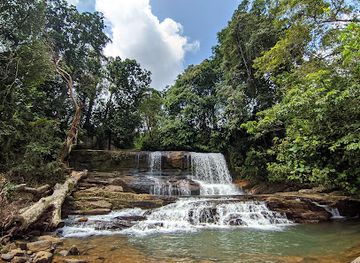
Ratnapura’s Maha Saman Devalaya is one of the province’s most important religious landmarks, associated with Saman and with the sacred mountain of Sri Pada. Its shrine buildings, rituals and setting beside the Kalu River express the region’s long connection between Buddhist devotion, local deities and pilgrimage. The gem-bearing landscapes around Ratnapura are less monumental but equally characteristic: mining pits, river gravels and dealer streets form a distinctive working heritage rooted in geology. Bopath Ella, where water drops through a cleft in the forested landscape near Kuruwita, is a recognisable natural landmark and a popular local excursion. In Kegalle District, the Kelani River and steep wooded slopes around Kitulgala define a landscape of national importance for recreation and conservation, while Belilena gives the area archaeological significance through its prehistoric cave deposits. The wider Peak Wilderness landscape, rising towards Sri Pada, is the province’s most powerful geographical symbol: forested slopes, pilgrim paths and the summit shrine connect Sabaragamuwa with one of Sri Lanka’s most enduring sacred places. Visitors should distinguish the province’s routes and landscapes from the summit approaches located in neighbouring administrative areas.
-
Fortress
Sigiriya
Explore Sigiriya, Sri Lanka's iconic ancient fortress, renowned for its stunning frescoes, breathtaking views, and rich historical significance.
-
National park
Horton Plains National Park
Explore the natural wonders of Horton Plains National Park, a UNESCO World Heritage site rich in biodiversity and stunning landscapes.
-
Tourist attraction
Riverston
Discover Riverston, a breathtaking hiking area in Sri Lanka that offers stunning vistas, lush landscapes, and unforgettable outdoor adventures.
-
National park
Yala National Park
Explore the breathtaking wildlife and diverse ecosystems of Yala National Park, one of Sri Lanka's premier national parks and wildlife sanctuaries.

Explore Sabaragamuwa Province on the map
Plan your trip on one map. See where the top cities, national parks and sights are, and book hotels and experiences in a few clicks.
Best hotels in Sabaragamuwa Province
Best restaurants in Sabaragamuwa Province
Sabaragamuwa’s food reflects the produce and climate of Sri Lanka’s wet zone rather than a narrowly separate provincial cuisine. Rice and curry, coconut-based sambols, hoppers, string hoppers and roti are widely available in Ratnapura, Kegalle, Kitulgala and smaller market settlements, with seasonal vegetables, jackfruit, banana, manioc and freshwater fish appearing in local cooking. Roadside cafés and family-run rice-and-curry restaurants often provide the most direct introduction to everyday meals, while hotels and forest lodges adapt familiar Sri Lankan dishes for visitors. Ratnapura’s market setting makes it a useful place to see fruit, spices and small food stalls serving workers and traders. Kitulgala’s restaurants and guesthouses cater to rafting visitors but remain rooted in local rice, curry and tea-drinking habits. In plantation areas, simple bakeries and tea shops are useful stops between journeys. Hygiene standards vary, so choose busy establishments where food is freshly prepared, drink treated water and take care with very spicy dishes if unaccustomed to them. Tipping is appreciated for good service but is not a distinctive Sabaragamuwa custom.
-
Restaurant
Silver Ray Grand (pvt) Ltd
Discover authentic Sri Lankan cuisine at Silver Ray Grand – a must-visit restaurant along the Colombo - Batticaloa Highway.
-
Restaurant
Awanhala
Experience authentic Sri Lankan flavors at Awanhala in Ambepussa - where every dish tells a story.
-
Restaurant
Wijaya Holiday Resort
Discover exquisite dining at Wijaya Holiday Resort in Ratnapura - where local flavors meet stunning natural beauty.
-
Restaurant
Ranmuthu Hotel & Restaurant
Experience authentic Sri Lankan flavors at Ranmuthu Hotel & Restaurant in Avissawella – where every dish tells a story.


Best bars in Sabaragamuwa Province
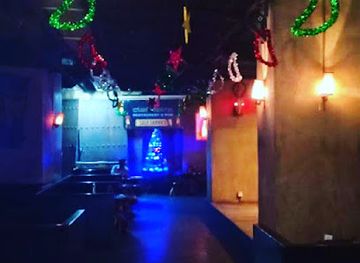
Sabaragamuwa is not a major clubbing destination, and evenings are shaped more by family restaurants, hotel dining rooms, tea shops and traditional pubs than by large nightlife districts. Ratnapura and Kegalle have the widest choice of licensed bars and casual evening venues, while Kitulgala’s accommodation providers often offer a relaxed social setting for rafting and hiking visitors. In smaller towns and rural areas, nightlife usually winds down early, with conversation, televised sport and local dining more common than late dancing. Alcohol is not central to religious or pilgrimage travel, and visitors should avoid drinking before temple visits, mountain walks or river activities. Hotels and established restaurants may serve Sri Lankan beer, spirits and occasional cocktails, but availability should not be assumed in forest-edge villages or near sacred sites. During the Sri Pada season, the atmosphere around pilgrimage routes is devotional and busy rather than entertainment-focused.
-
Family-friendly
The Traveler's House
Experience the essence of Sri Lankan cuisine at The Traveler's House, a family-friendly restaurant along the Colombo - Batticaloa Highway in Ratnapura.
-
Bar
Machan Ratnapura (මචං)
Discover the vibrant social scene at Machan Ratnapura, a lively bar in Kuruwita offering local drinks and a welcoming atmosphere.
-
Restaurant
Highlanders Family Restaurant
Experience authentic Sri Lankan flavors in a family-friendly environment at Highlanders Family Restaurant, Kuruwita.
-
Restaurant
Pradeep Hot Pack
Discover the authentic tastes of Sri Lanka at Pradeep Hot Pack, a restaurant in Ratnapura known for its delicious local dishes and warm hospitality.


Best nightclubs in Sabaragamuwa Province
Sabaragamuwa is not a major clubbing destination, and evenings are shaped more by family restaurants, hotel dining rooms, tea shops and traditional pubs than by large nightlife districts. Ratnapura and Kegalle have the widest choice of licensed bars and casual evening venues, while Kitulgala’s accommodation providers often offer a relaxed social setting for rafting and hiking visitors. In smaller towns and rural areas, nightlife usually winds down early, with conversation, televised sport and local dining more common than late dancing. Alcohol is not central to religious or pilgrimage travel, and visitors should avoid drinking before temple visits, mountain walks or river activities. Hotels and established restaurants may serve Sri Lankan beer, spirits and occasional cocktails, but availability should not be assumed in forest-edge villages or near sacred sites. During the Sri Pada season, the atmosphere around pilgrimage routes is devotional and busy rather than entertainment-focused.
-
Asian Fusion
Slightly Chilled Lounge Bar and Restaurant
Experience the best of Asian fusion cuisine and craft cocktails at Slightly Chilled Lounge Bar and Restaurant in Kandy, a must-visit for food lovers.
-
Night club
Cleopatra Nightclub
Experience the electrifying nightlife at Cleopatra Nightclub in Colombo, where music and dance come alive in an unforgettable atmosphere.
-
Villa
The kandyan lounge
Experience the charm of Sri Lanka at The Kandyan Lounge, where luxury meets local hospitality in Kiribathkumbura's picturesque setting.
-
Disco club
Base Night Club
Discover the pulse of Pannipitiya's nightlife at Base Night Club, where unforgettable moments and electrifying music await.

Best shops in Sabaragamuwa Province
Shopping in Sabaragamuwa is closely tied to local production rather than large-scale retail. Ratnapura is Sri Lanka’s principal gem centre, with dealers, cutters and jewellers offering stones such as blue sapphire, ruby, spinel and garnet. Buyers should use established businesses, request an invoice and laboratory or certification documents where appropriate, and avoid rushed purchases from informal sellers. The town’s markets also sell spices, fruit, tea and practical household goods. Kegalle and smaller market towns have ordinary high streets, bakeries, clothing shops and weekly trading activity serving local communities rather than international shoppers. Around Kitulgala and forest-edge settlements, souvenirs tend to include tea, local food products and small handicrafts rather than a specialised craft tradition. Visitors may find woven items, carved goods or religious objects, but quality and provenance vary. Do not buy products made from protected wildlife, plants or archaeological material. For a more meaningful purchase, choose packaged regional produce or a documented gemstone instead of an untraceable item presented as a rare bargain.
-
Clothing store
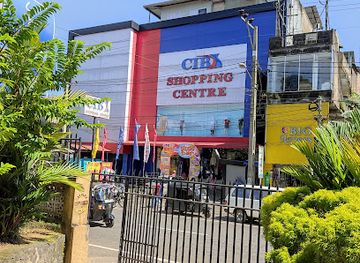
CIB Shopping Center - Ratnapura
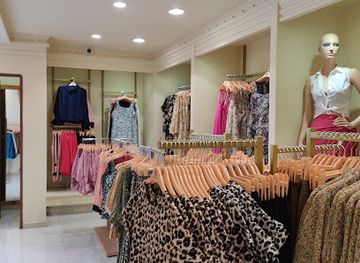
Explore CIB Shopping Center in Ratnapura for a vibrant shopping experience filled with local fashion, great deals, and a lively atmosphere.
-
Clothing store
Upul's International
Shop unique clothing designs at Upul's International, Ratnapura - a treasure trove for fashion lovers seeking local flair.
-
Furniture store
Damro Showroom - Ratnapura
Discover exquisite furniture at Damro Showroom in Ratnapura, where style meets quality in every piece.
-
Computer store
Nunet Computers (Pvt) Ltd
Explore Nunet Computers in Ratnapura for all your tech needs – from laptops to accessories, enjoy top-notch service and a diverse range of products.


Get your free copy of our complete guide to Sabaragamuwa Province, delivered straight to you.
Everything on this page, from attractions and restaurants to essentials and local phrases, in one PDF you can read offline, print or share.
Already have an account? Sign in
Your Sabaragamuwa Province guide is ready.
We'll send it to · Not you? Sign out

Getting your guide ready…
We are putting together a fresh copy of the Sabaragamuwa Province guide. This can take up to a minute.
This can take a few moments. If your browser asks, choose Allow so the download can start. You'll find the guide in your Downloads folder.
Nothing happened? Download it again
Sorry, the guide is taking longer than usual. Please try again in a minute, or get it by email instead.
Sabaragamuwa Province essentials
Currency and Payment
Safety
Emergency Situations
Do's and Don'ts
Local Tips
From Eve
Local phrases worth knowing
You don't need to get them perfect. A few words go a long way, and locals appreciate the effort.
Basics
| English | Local | Say it |
|---|---|---|
| Hello | ආයුබෝවන් | [Āyubōvan] |
| Goodbye | ගොඩක් යන්න | [Godak yan̆na] |
| Yes | ඔව් | [Ov] |
| No | නැහැ | [Næhæ] |
| Please/You're welcome | කරුණාකර/එය සාදරයෙන් පිළිගනිමු | [Karunākara/Eya sādarayen piliganimu] |
| Thank you | ස්තුතියි | [Stutiyi] |
| Excuse me/Sorry | කණගාටුයි | [Kaṇagāṭuyi] |
| How are you? | ඔබට කෙසේද? | [Obaṭa kesēda?] |
| Fine. And you? | හරි. ඔයාට කෙසේද? | [Hari. Oyāṭa kesēda?] |
| Do you speak English? | ඔබට ඉංග්රීසි කතා කරන්න පුළුවන්ද? | [Obaṭa iṅgrīsi kathā karanna puḷuvanda?] |
| I don't understand | මට තේරුම් ගන්න බැහැ | [Maṭa thērum ganna bæhæ] |
Eating & Drinking
| English | Local | Say it |
|---|---|---|
| I'd like to see the menu, please | කරුණාකර මෙනුව බලන්න | [Karunākara menuval balanna] |
| I don't eat meat | මම මස් කන්නෙය | [Mama mas kannēya] |
| Cheers! | ආයුබෝවන්! | [Āyubōvan!] |
| I would like to pay, please | කරුණාකර ගෙවන්න | [Karunākara gewanna] |
Emergencies
| English | Local | Say it |
|---|---|---|
| Help! | ආධාරයක්! | [Ādhārayak!] |
| Go away! | ඉවසන්න! | [Iwasanna!] |
| Call the Police! | පොලීසියට කතා කරන්න! | [Polīsiyata kathā karanna!] |
| Call a doctor! | ඩොක්ටරයෙක් කැදවන්න! | [Ḍokṭarayek kædavanna!] |
| I'm lost | මම අතුරුදන්වෙලා | [Mama athurudhanvēlā] |
| I'm ill | මම රෝගීයි | [Mama rōgīyi] |
Shopping
| English | Local | Say it |
|---|---|---|
| I'd like to buy... | මට මිලදී ගන්න ඕනෙ... | [Maṭa milādī ganna ōne...] |
| I'm just looking | මම පරීක්ෂා කරනවා | [Mama parīkṣā karanavā] |
| How much is it? | ඒක කීයටද? | [Ēka kīyatada?] |
| That's too expensive | එය අතිශය මිලදී | [Eya athishaya milādī] |
| Can you lower the price? | ඔබට මිල පහළ කරන්න පුළුවන්ද? | [Obaṭa mila pahala karanna puḷuvanda?] |
Time & Numbers
| English | Local | Say it |
|---|---|---|
| What time is it? | මේ වෙලාව කීයටද? | [Mē velāva kīyatada?] |
| It's one o'clock | එය එක වේලාව | [Eya eka vēlāva] |
| Half past (10) | අඩක් (10) | [Aḍak (10)] |
| Morning | උදෑසන | [Udǽsana] |
| Afternoon | දවල් | [Daval] |
| Evening | සන්ද्याकාලය | [Sandhyākāla] |
| Yesterday | ඊයේ | [Īyē] |
| Today | අද | [Ada] |
| Tomorrow | හෙට | [Heṭa] |
| 1 | 1 | [1] |
| 2 | 2 | [2] |
| 3 | 3 | [3] |
| 4 | 4 | [4] |
| 5 | 5 | [5] |
| 6 | 6 | [6] |
| 7 | 7 | [7] |
| 8 | 8 | [8] |
| 9 | 9 | [9] |
| 10 | 10 | [10] |
Transport & Directions
| English | Local | Say it |
|---|---|---|
| Where's a/the...? | කොහේද...? | [Kohēda...?] |
| What's the address? | ලිපිනය කුමක්ද? | [Lipinaya kumakda?] |
| Can you show me (on the map)? | ඔබට (පත්රයේ) මට පෙන්වන්න පුළුවන්ද? | [Obaṭa (patrayē) maṭa penvanna puḷuvanda?] |
| When's the next (bus)? | ඊළඟ (බස්) කවදද? | [īḷaṅga (bas) kawadada?] |
| A ticket (to ....) | ටිකට් (හෝ ...) | [ṭikaṭ (hō ...)] |
History of Sabaragamuwa Province
Balangoda prehistoric settlement
Caves and rock shelters in and around the Sabaragamuwa highlands preserve important evidence of Sri Lanka’s prehistoric inhabitants. The archaeological tradition often associated with Balangoda includes hunter-gatherer communities who used caves such as Belilena near Kitulgala and other shelters in the wet zone. Excavated remains have helped researchers understand early human adaptation to forest environments, including the use of plant foods, animals and river resources. These sites place the province within the much longer history of human settlement on the island, although many cave locations are archaeologically sensitive and are not ordinary tourist attractions.
Ancient river valleys and Buddhist traditions
The river valleys of present-day Ratnapura supported movement, cultivation and settlement long before the modern province was created. Buddhist traditions became deeply established across the wet zone, while shrines connected with local deities developed alongside temple networks. Ratnapura’s Maha Saman Devalaya is dedicated to Saman, a deity strongly associated with the sacred mountain of Sri Pada and the surrounding region. The continuing coexistence of Buddhist temples, devales and other places of worship reflects layers of religious history rather than a single period of development.
The Sri Pada pilgrimage tradition
Sri Pada, or Adam’s Peak, became one of Sri Lanka’s most important pilgrimage mountains, revered by Buddhists for the footprint shrine at its summit and recognised in different ways by Hindu, Muslim and Christian traditions. Sabaragamuwa contains the Peak Wilderness landscape and historic approaches from the Ratnapura side, while other routes lead from neighbouring areas. The mountain’s religious importance influenced paths, resting places, shrines and local economies across the surrounding districts. Pilgrimage remains a major seasonal feature of the province, linking contemporary travel with centuries of devotion.
The growth of gem mining in Ratnapura
Ratnapura’s gem industry developed around alluvial deposits carried through river and stream gravels. Miners traditionally excavated pits and tunnels to reach gem-bearing layers, and the region became internationally associated with sapphires, including the blue stones for which Sri Lanka is particularly famous. Gem mining has shaped local employment, commerce and the town’s identity, while also raising questions about land use, water management and working conditions. Today, gem markets, dealers, cutting workshops and mining areas remain visible expressions of a trade that connects Sabaragamuwa to jewellery markets far beyond Sri Lanka.
Colonial-era roads, plantations and administration
Portuguese, Dutch and British expansion affected the wider lowlands and central interior, although Sabaragamuwa retained a strong connection with the Kandyan highlands and their political traditions. Under British rule, roads and administrative networks were expanded, and commercial agriculture increasingly shaped the province. Rubber became particularly important in the wet western foothills, while tea developed at higher elevations and around the margins of the central mountains. These changes altered land ownership, labour patterns and transport, leaving a landscape of plantations, estate roads and market towns alongside older village agriculture.
Modern conservation and outdoor tourism
During the twentieth century, concern about forest loss and habitat fragmentation strengthened protection for areas such as Sinharaja and the Peak Wilderness. Sinharaja was later recognised internationally for its exceptional biodiversity, while the region’s rivers and forested valleys attracted visitors interested in walking, rafting and wildlife. Kitulgala’s adventure economy grew around the Kelani River, and Ratnapura developed a more visible role as a base for gem-related tourism and access to the southern approaches of the central highlands. Conservation and tourism now exist alongside agriculture, mining and longstanding settlement.
Sabaragamuwa Province in Photos
Browse through our photo collection highlighting the charm and character of the destination.
Neighbouring regions of Sabaragamuwa Province
The closest regions to Sabaragamuwa Province, if you have time for more than one.
-

-

-

-

-


Swipe for more regions
Explore more

Explore more of Sri Lanka
Discover Sri Lanka: Rich culture, stunning landscapes, and warm hospitality await you in this tropical paradise. Explore ancient cities, wildlife, tea plantations, and pristine beaches.
Explore Sri Lanka