

Western Province, Sri Lanka Travel Guide
Explore the Western Province of Sri Lanka: A region where vibrant city life meets serene coastal beauty, offering a rich tapestry of culture, history, and natural wonders.
The Western Province of Sri Lanka is a captivating region that offers a blend of cultural heritage, bustling city life, and serene coastal beauty. As the most urbanized province in the country, it houses the vibrant capital city, Colombo, which is a melting pot of history, modernity, and multicultural influences. Here, you can explore ancient temples, colonial-era buildings, and contemporary skyscrapers, all within a short distance of each other. Beyond the urban landscape, the Western Province boasts stunning natural attractions. The Negombo Lagoon, with its tranquil waters and rich biodiversity, is perfect for bird watching and boat rides. The coastal town of Negombo, known for its sandy beaches and Dutch Fort, offers a relaxed atmosphere and fresh seafood delicacies. Further inland, the lush green landscapes of the Kelani Valley provide opportunities for hiking, rafting, and exploring tea plantations. The Western Province is also a culinary paradise. From street food stalls to fine dining restaurants, you can savor a variety of flavors that reflect Sri Lanka's diverse cultural influences. Be sure to try local specialties such as hoppers, kottu roti, and fresh tropical fruits. Whether you're a history buff, nature enthusiast, or food lover, the Western Province of Sri Lanka promises an unforgettable adventure.

Know before you go
Hi, I'm Eve. Here are a few practical things to know before exploring Western Province.
- Visit the Pettah Market in Colombo for an authentic local shopping experience and to find unique souvenirs.
- Plan a boat ride in Negombo Lagoon early in the morning to catch the best bird-watching opportunities.
- Try to visit the Kelani River for white-water rafting adventures, especially during the rainy season for the best rapids.
- Sample the local street food but ensure you eat from places that cook food fresh to avoid any health issues.
- Hire a local guide when exploring historical sites to gain deeper insights into the rich history and culture.
Top City Travel Guides in Western Province
The cities of Western Province, and the easiest places to base yourself.

Destinations in Western Province
Resorts, valleys and scenic spots worth a trip of their own.


Explore Western Province: Things to Do, Places to Eat, Hotels & More
Handpicked recommendations for top attractions, local dining, accommodations, and more

Top Attractions & Sightseeing in Western Province
Top-rated picks
Best Attractions

Seethawaka Wet Zone Botanical Gardens
Explore the vibrant flora of Seethawaka Wet Zone Botanical Gardens, a serene escape showcasing the natural beauty of Sri Lanka's wet zone.

LeisureWorld Water Park
Experience the ultimate aquatic adventure at LeisureWorld Water Park, a premier amusement park in Hanwalla, Sri Lanka, perfect for families and thrill-seekers.

Alakeshwara Palace or Tombstone
Explore the historical charm of Alakeshwara Palace, a captivating archaeological site in Sri Jayawardenepura Kotte, rich in culture and heritage.

Labugama falls
Experience the natural beauty and tranquility of Labugama Falls in Sri Lanka, a hidden gem perfect for nature lovers and adventure seekers.

Best landmarks in Western Province
Top-rated picks
Best Landmarks

Sigiriya
Explore the ancient marvel of Sigiriya, a UNESCO World Heritage Site and iconic fortress showcasing Sri Lanka's rich history and stunning landscapes.

Galle Dutch Fort
Discover the historic Galle Dutch Fort, a UNESCO World Heritage site with stunning coastal views, colonial architecture, and vibrant local culture.

Galle Face Green
Experience the vibrant atmosphere and stunning sunsets at Galle Face Green, Colombo's beloved urban park by the Indian Ocean.

Viharamahadevi Park
Discover the tranquility of Viharamahadevi Park, Colombo's lush green oasis, perfect for relaxation, recreation, and connecting with nature.

Best restaurants in Western Province
Top-rated picks
Best Restaurants

Ministry of Crab
Discover exquisite seafood dining at Ministry of Crab in Colombo's historic Old Dutch Hospital Complex.

Graze Kitchen
Experience Colombo's finest buffet at Graze Kitchen – where diverse cuisines meet luxury dining.

The Station Restaurant & Bar
Experience exquisite seafood dining at The Station Restaurant & Bar in Colombo - where fresh flavors meet vibrant atmosphere.

The Lagoon.
Experience the best of Sri Lankan seafood at The Lagoon in Colombo - where freshness meets elegance.

Best bars in Western Province
Top-rated picks
Best Bars

Taphouse by RnR
Discover the lively Taphouse by RnR in Colombo, a historic pub and restaurant offering a vibrant atmosphere, delicious food, and refreshing drinks.

Cheers Pub
Experience the vibrant nightlife of Colombo at Cheers Pub, where delicious food meets an extensive drink menu in a lively atmosphere.

Rodeo Pub & Restaurant
Experience the best of Negombo at Rodeo Pub & Restaurant, where delicious food meets vibrant entertainment in a lively atmosphere.

Machan Kaduwela - මචං කඩුවෙල
Discover the lively ambiance and delicious offerings at Machan Kaduwela, a must-visit pub for tourists seeking a taste of local nightlife.

Best nightclubs in Western Province
Top-rated picks
Best Nightclubs

Capri Club
Capri Club: A Nightlife Gem in Colombo Offering Exquisite Dining and Vibrant Clubbing Experience for Tourists.

The Love Bar at Flamingo House
Experience the pulse of Colombo's nightlife at The Love Bar at Flamingo House, where vibrant music and exquisite cocktails await.

Rhythm and Blues
Discover the vibrant nightlife of Colombo at Rhythm and Blues, where music and dance come alive in a stylish disco club atmosphere.

Cleopatra Nightclub
Discover the electrifying nightlife at Cleopatra Nightclub, Colombo's hottest destination for music, dancing, and unforgettable experiences.

Best shops in Western Province
Top-rated picks
Best Shops

One Galle Face Mall
Explore the vibrant One Galle Face Mall in Colombo: a perfect blend of shopping, dining, and coastal views for an unforgettable experience.

Majestic City Bambalapitiya
Discover Majestic City in Colombo, a vibrant shopping mall offering a mix of retail, dining, and entertainment experiences for every traveler.

House of Fashions
Discover unique Sri Lankan fashion at House of Fashions, a vibrant shopping hub in the heart of Colombo offering diverse clothing and accessories.

Arcade Independence Square
Discover the vibrant shopping and dining experience at Arcade Independence Square, the heart of Colombo's retail scene.

Explore Western Province on the Map
A handpicked selection of must-see spots in Western Province, mapped for you.
Western Province Essentials
-
Western Province in Sri Lanka is easily accessible via Bandaranaike International Airport (CMB), located in Katunayake, around 32 kilometers north of Colombo. From the airport, you can take a taxi, which is the most convenient option, or use public transportation such as buses or the train service to reach various parts of the province. Colombo, the capital city, is a major hub with extensive bus and train connections to other cities and towns within the Western Province.
-
Western Province has a well-developed transportation network. Public buses, operated by both the Sri Lanka Transport Board (SLTB) and private operators, are plentiful and cover most areas. Trains are also a popular and scenic way to travel, especially along the coastal routes. Taxis and ride-hailing services like Uber and PickMe are available in urban areas for more convenience. Tuk-tuks are common for short distances, but always agree on the fare before starting your journey. For those who prefer self-driving, rental cars are available, but be aware that traffic can be intense, especially in Colombo.
-
The official currency in Sri Lanka is the Sri Lankan Rupee (LKR). Credit and debit cards are widely accepted in hotels, restaurants, and larger shops, but it is advisable to carry cash for smaller establishments and markets. ATMs are plentiful in urban areas, but if you are traveling to more remote locations, ensure you have enough cash. Currency exchange services are available at the airport, banks, and authorized money changers.
-
Western Province is generally safe for tourists, but like any destination, it is important to stay vigilant. Avoid walking alone at night, especially in less crowded areas. Petty crimes such as pickpocketing can occur in crowded places, so keep your belongings secure. Colombo's Pettah area and some parts of the Galle Face Green can be hotspots for scams targeting tourists. Always use registered taxis or ride-hailing services and avoid accepting unsolicited offers of help from strangers.
-
In case of emergency, dial 119 for police assistance or 110 for an ambulance. Major hospitals in the Western Province include the National Hospital of Sri Lanka in Colombo and the Colombo South Teaching Hospital in Kalubowila. It is advisable to have travel insurance that covers medical emergencies. For minor health issues, pharmacies are widely available. Keep a copy of your passport and important documents separate from the originals and know the contact details of your country's embassy or consulate.
-
Fashion: Do dress modestly, especially when visiting religious sites. Avoid wearing revealing clothing. Religion: Do respect local customs and traditions. Always remove your shoes and cover your head when entering temples. Public Transport: Do be respectful and give up your seat to elderly passengers. Don't eat or drink on public transport. Greetings: Do greet people with a smile and a slight bow. A handshake is also acceptable. Eating & Drinking: Do try local delicacies and accept food offerings graciously. Don't refuse hospitality, as it is considered impolite.
-
To experience Western Province like a local, visit the bustling markets such as Pettah Market in Colombo for a vibrant shopping experience. Engage with locals, who are generally friendly and willing to share insights about their culture. Don’t miss exploring the colonial architecture in Colombo's Fort area or relaxing at Mount Lavinia Beach. For a unique experience, take a train ride along the coast to enjoy breathtaking views. Try local street food, but ensure it's from a clean and busy stall to avoid any health issues.
When is the best time to visit Western Province?
Useful Local Phrases for Western Province
You don't need to speak the language perfectly. Even learning a few simple words can make conversations warmer—and locals usually appreciate the effort.
— Eve

Here are the phrases I use most often in Western Province. Try a few—you'll be surprised how far they go! 😊
❤️
-
- Helloආයුබෝවන්
[Ayubowan] - Goodbyeබොහෝම ස්තූතියි
[Bohoma sthuthiyi] - Yesඔව්
[Ow] - Noනැහැ
[Næhæ] - Please/You're welcomeකරුණාකර/ස්තූතියි
[Karunakara/Sthuthiyi] - Thank youස්තූතියි
[Sthuthiyi] - Excuse me/Sorryකණගාටුයි
[Kanagatuayi] - How are you?ඔබට කෙසේද?
[Obata keseda?] - Fine. And you?හොඳයි. ඔබට කෙසේද?
[Hondai. Obata keseda?] - Do you speak English?ඔබට ඉංග්රීසි කීවද?
[Obata ingreesi kiwada?] - I don't understandමට තේරෙන්නේ නැහැ
[Mata therenne næhæ]
- Helloආයුබෝවන්
-
- I'd like to see the menu, pleaseකරුණාකර මෙනුව බලන්න
[Karunakara menuwa balanna] - I don't eat meatමම මස් කන්නේ නැහැ
[Mama mas kannē næhæ] - Cheers!ජය වේවා!
[Jaya vewa!] - I would like to pay, pleaseකරුණාකර ගෙවන්න
[Karunakara gewanna]
- I'd like to see the menu, pleaseකරුණාකර මෙනුව බලන්න
-
- Help!ආධාරය!
[Ādhāra!] - Go away!පැන්න!
[Pænna!] - Call the Police!පොලිසිය අමතන්න!
[Polisiya amathanna!] - Call a doctor!ඩොක්ටරය අමතන්න!
[Doktaraya amathanna!] - I'm lostමට අහිමි වෙලා
[Mata ahimi wela] - I'm illමට රෝගීයි
[Mata rogīyi]
- Help!ආධාරය!
-
- I'd like to buy...මට මිලදී ගන්න ඕනෑ...
[Mata miladi ganna onæ...] - I'm just lookingමම බලනවා
[Mama balanava] - How much is it?මෙය කීයද?
[Meya kiyæda?] - That's too expensiveඑය ඉතා මිලකට වැඩි
[Eya ithā milakata vædi] - Can you lower the price?මිල අඩු කරගන්න පුළුවන්ද?
[Mila aḍu karaganna puluwanda?]
- I'd like to buy...මට මිලදී ගන්න ඕනෑ...
-
- What time is it?දවස කුමක්ද?
[Dawasa kumakda?] - It's one o'clockඑය එකටයි
[Eya ekataiy] - Half past (10)මැදින් (10)
[Mædin (10)] - Morningඋදෑසන
[Udæsaṇa] - Afternoonමධ්යහ්න
[Madhyahna] - Eveningසවස
[Savasā] - Yesterdayඊයේ
[Iye] - Todayඅද
[Ada] - Tomorrowහෙට
[Hæṭa] - 11
[1] - 22
[2] - 33
[3] - 44
[4] - 55
[5] - 66
[6] - 77
[7] - 88
[8] - 99
[9] - 1010
[10]
- What time is it?දවස කුමක්ද?
-
- Where's a/the...?ආයුබෝවන් ... කොයිතැනද?
[Ayubowan ... koyi thænæda?] - What's the address?ලිපිනය කුමක්ද?
[Lipinaya kumakda?] - Can you show me (on the map)?මට පෙන්වන්න (මාපයෙහි)?
[Mata penwanna (mapayehī)?] - When's the next (bus)?පහළට (බස්) කවදද?
[Pahalata (bas) kawadæda?] - A ticket (to ....)එකක් (ට ...) ටිකට්පතක්
[Ekak (ṭa ...) tiketpathak]
- Where's a/the...?ආයුබෝවන් ... කොයිතැනද?
History of Western Province
-
The ancient Kelaniya kingdom, located in the Western Province, is believed to have been established around the 6th century BCE. Kelaniya is historically significant as it is one of the places visited by the Buddha during his third visit to Sri Lanka. The Kelaniya Raja Maha Vihara, a revered Buddhist temple, stands as a testament to this sacred visit and is a major cultural landmark in the region.
-
The Portuguese arrived in Colombo in 1505, marking the beginning of European colonial influence in the Western Province. They established a fort in Colombo, which became the center of their trade and military activities. The remnants of Portuguese architecture, such as the Colombo Fort and St. Anthony's Church, still reflect the era's historical and cultural impact.
-
In 1656, the Dutch East India Company took control of Colombo from the Portuguese. The Dutch expanded and fortified the existing structures, building extensive fortifications and canal systems. The Colombo Dutch Hospital, one of the oldest buildings in the area, is a prominent example of Dutch colonial architecture and now serves as a shopping and dining precinct.
-
In 1796, the British took control of Colombo and the Western Province, integrating it into the British Empire. The British era saw significant urban development and modernization, including the construction of roads, railways, and educational institutions. The iconic Galle Face Green and the Old Parliament Building are enduring symbols of British influence in the region.
-
Sri Lanka gained independence from British rule in 1948, leading to significant political and social changes in the Western Province. Colombo, as the commercial capital, experienced rapid growth and modernization. The region has continued to evolve, blending its rich historical heritage with contemporary urban development.
-
The Western Province is a melting pot of cultures and traditions, hosting numerous festivals and events throughout the year. The Vesak Festival, celebrating the birth, enlightenment, and death of the Buddha, is a major event marked by beautiful lanterns and decorations. The Colombo Festival, showcasing art, music, and cultural performances, highlights the province's vibrant cultural scene.
-
The Western Province, particularly Colombo, is the economic powerhouse of Sri Lanka. The region is home to the Colombo Stock Exchange, major financial institutions, and the Port of Colombo, one of the busiest ports in South Asia. The economic activities in the Western Province play a crucial role in shaping the country's economic landscape.
Neighbouring Regions of Western Province
The closest regions to Western Province, if you have time for more than one.


Your all‑in‑one travel companion app
Explore expert travel guides, compare and book tours, experiences, hotels, and more—all from the palm of your hand. Download now for seamless trip planning wherever your wanderlust takes you.


Explore More of Sri Lanka

Looking beyond Western Province? Discover Sri Lanka for broader travel guides, local hot-spots, and regional highlights.
Explore Sri LankaWestern Province in Photos
Browse through our photo collection highlighting the charm and character of the destination.


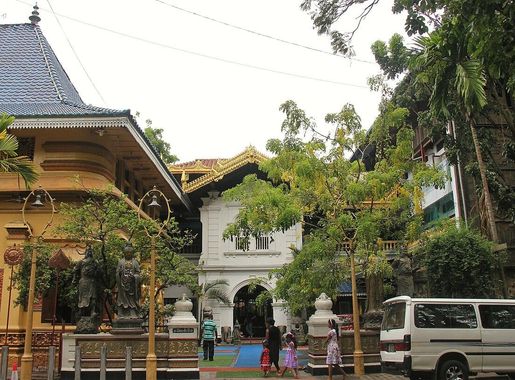


The Enchanting Western Province of Sri Lanka
The Western Province of Sri Lanka is a captivating region that offers a blend of cultural heritage, bustling city life, and serene coastal beauty. As the most urbanized province in the country, it houses the vibrant capital city, Colombo, which is a melting pot of history, modernity, and multicultural influences. Here, you can explore ancient temples, colonial-era buildings, and contemporary skyscrapers, all within a short distance of each other. Beyond the urban landscape, the Western Province boasts stunning natural attractions. The Negombo Lagoon, with its tranquil waters and rich biodiversity, is perfect for bird watching and boat rides. The coastal town of Negombo, known for its sandy beaches and Dutch Fort, offers a relaxed atmosphere and fresh seafood delicacies. Further inland, the lush green landscapes of the Kelani Valley provide opportunities for hiking, rafting, and exploring tea plantations. The Western Province is also a culinary paradise. From street food stalls to fine dining restaurants, you can savor a variety of flavors that reflect Sri Lanka's diverse cultural influences. Be sure to try local specialties such as hoppers, kottu roti, and fresh tropical fruits. Whether you're a history buff, nature enthusiast, or food lover, the Western Province of Sri Lanka promises an unforgettable adventure.