

Free Gampaha District Travel Guide & Mobile App
Explore Gampaha District with free travel guides. Discover regional history, expert tips, proposed trips, and audio guides on web or mobile app.


Explore Gampaha District for Negombo’s lagoons, Kelaniya’s temples, coastal heritage, wetlands, gardens and Sri Lankan village landscapes.
Read more about Gampaha District
When is the best time to visit Gampaha District?
Best: January–March · 31–32°C| Month | High (°C) | Rainfall (mm) |
|---|---|---|
| January (best) | 31 | 75 |
| February (best) | 31 | 65 |
| March (best) | 32 | 100 |
| April | 33 | 150 |
| May | 31 | 200 |
| June | 30 | 175 |
| July | 30 | 150 |
| August | 30 | 150 |
| September | 30 | 175 |
| October | 29 | 200 |
| November | 29 | 225 |
| December | 29 | 150 |
Getting to and around Gampaha District
How to get there
Transportation
Top city travel guides in Gampaha District
The cities of Gampaha District, and the easiest places to base yourself.
-

-


Swipe for more cities
Best attractions in Gampaha District
Gampaha District offers a varied mix of coastal, wetland, religious and botanical attractions. Negombo’s lagoon and canal network support boat excursions, birdwatching and an introduction to the district’s fishing economy, while the Muthurajawela wetland area south of Negombo provides lowland marsh habitat close to the urban corridor. Inland, Henarathgoda Botanical Garden near Gampaha combines mature trees and horticultural collections with the history of rubber cultivation. Buddhist sites provide a different kind of attraction, from the major Kelaniya Raja Maha Vihara to the wooded cave-temple setting of Pilikuththuwa and the religious heritage of Attanagalla. Horagolla National Park offers a small-scale forest experience rather than the open wildlife landscapes associated with Sri Lanka’s larger national parks. Rural roads through coconut-growing and paddy-producing areas are suitable for cycling or guided village excursions, while Negombo’s churches, fish markets and colonial remnants give the coast a distinct historical character. The district works best as a collection of shorter excursions, since traffic, waterways and dispersed settlements make leisurely exploration more rewarding than a checklist itinerary.
-
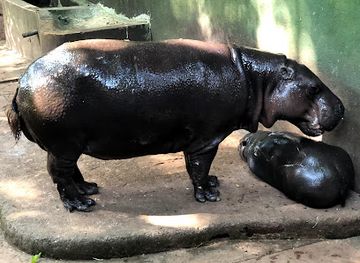
Zoo
Dehiwala Zoological Gardens
Discover the vibrant wildlife and lush landscapes at Dehiwala Zoological Gardens, a must-visit attraction in Sri Lanka for nature and animal lovers.
-
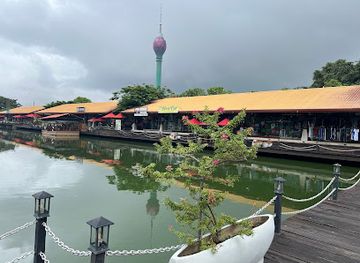
Floating market
Floating Market - Pettah
Discover the vibrant colors and rich culture of Sri Lanka at the Pettah Floating Market in Colombo, where shopping is an experience on water.
-
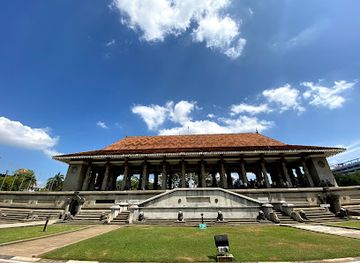
Historical landmark
Independence Square
Explore Independence Square, a historic landmark in Colombo, showcasing Sri Lanka's rich heritage through stunning architecture and serene gardens.
-
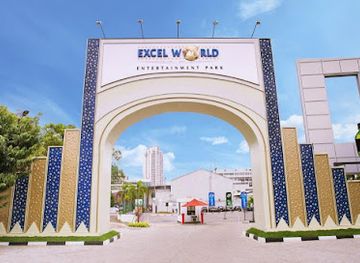
Amusement center
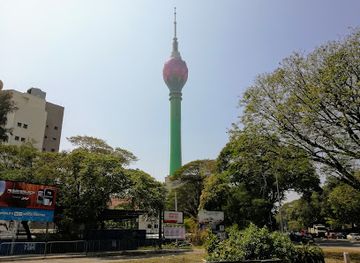
Excel World Entertainment Park
Experience exhilarating fun at Excel World Entertainment Park, Colombo's premier amusement destination featuring bowling, laser tag, and gaming excitement.
Best landmarks in Gampaha District
The Kelaniya Raja Maha Vihara is the district’s most important religious landmark, recognised for its long Buddhist association, painted interiors and annual procession tradition. In Negombo, the remnants of the Dutch Fort stand near the lagoon and reveal the strategic importance of the coastal settlement, although little of the original fortification remains. The Dutch Canal is a broader historical landmark than a single monument: its waterway traces the colonial effort to connect coastal settlements and move goods through the lowlands. Negombo’s large Catholic churches, including St Mary’s Church, reflect the enduring presence of Christianity in a city shaped by maritime trade and missionary history. Inland, the rock shelters and temple buildings of Pilikuththuwa illustrate the relationship between forested terrain and Buddhist monastic life. Henarathgoda Botanical Garden is significant as both a landscaped site and a marker of colonial botanical experimentation, especially the early history of rubber in Sri Lanka. The district’s lagoons, marshes and the Kelani River are natural landmarks whose value lies in the interaction between water, settlement, fishing and transport.
-
National park
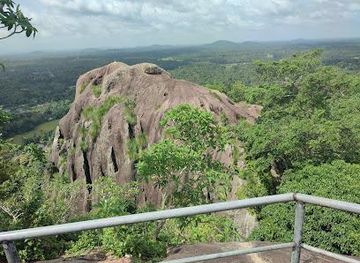
Horagolla National Park
Experience the lush beauty and tranquility of Horagolla National Park, a must-visit destination for nature lovers and adventure seekers in Sri Lanka.
-
Buddhist temple
Maligathanna Raja Maha Viharaya
Explore Maligathanna Raja Maha Viharaya, a serene Buddhist temple in Gampaha, where spirituality meets stunning architecture and rich cultural heritage.
-
Historical landmark
Gamini Hall Junction
Explore the vibrant historical atmosphere of Gamini Hall Junction, a cultural hub in Colombo, Sri Lanka, rich in local charm and heritage.
-
Historical landmark
Dalupotha Junction
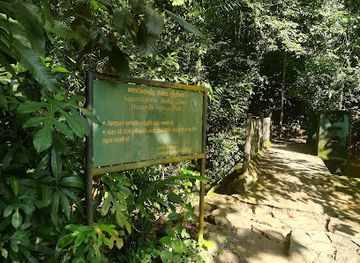
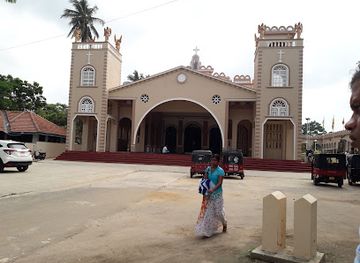
Explore Dalupotha Junction, a historical landmark in Negombo, Sri Lanka, where culture and history come alive amidst serene landscapes.
Explore Gampaha District on the map
Plan your trip on one map. See where the top cities, national parks and sights are, and book hotels and experiences in a few clicks.
Best hotels in Gampaha District
Best restaurants in Gampaha District
Dining in Gampaha District reflects its western coastal setting and the influence of Sri Lanka’s wider rice-and-curry tradition. Negombo is particularly associated with lagoon and sea produce, including prawns, crab, cuttlefish and a range of freshly prepared fish, although quality and availability vary with the catch and season. Small cafés, family restaurants and hotel dining rooms offer rice and curry, hoppers, string hoppers, kottu and sambols alongside seafood dishes. Coconut, chilli, souring agents and aromatic spices are central to local cooking, while short eats and sweet snacks suit travellers moving through the airport corridor. In inland towns, roadside eateries and market stalls provide a more everyday setting than the coastal hotel strip. Fresh fruit, king coconut and regional produce are widely available, and visitors should choose busy establishments with good food turnover. Fish markets are primarily working markets rather than restaurant venues, so observe trading activity respectfully and arrange cooked seafood separately.
-
Family-friendly
Nihal Family Restaurant - Pasyala
Discover delightful family dining at Nihal Family Restaurant in Pasyala – where authentic flavors meet warm hospitality.
-
Restaurant
Letona Cafe
Experience a vibrant blend of Sri Lankan, Chinese, Indian, and Western cuisines at Letona Cafe in Yakkala - a culinary gem not to be missed.
-
Restaurant
Open Kitchen
Experience the flavors of Sri Lanka at Open Kitchen, where culinary creativity meets local tradition in Gampaha.
-
Fast Food
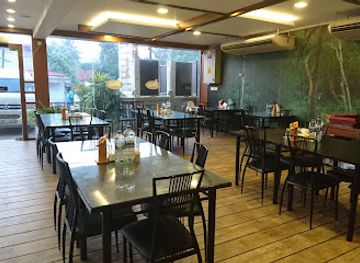
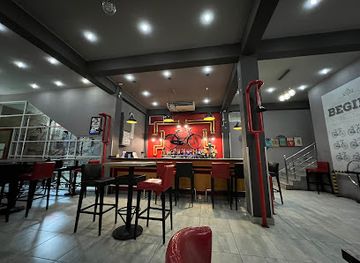
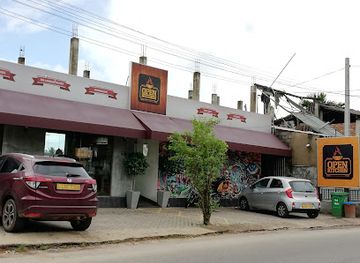
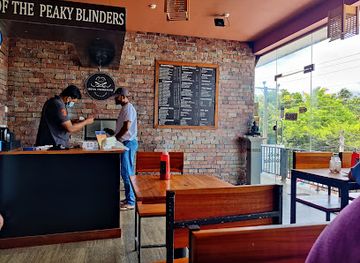
Urban Smokehouse GAMPAHA
Experience a culinary journey at Urban Smokehouse Gampaha - where Sri Lankan flavors meet fast food innovation.
Best bars in Gampaha District
Evening life is concentrated in Negombo and the airport corridor rather than spread evenly across the district. Negombo has the broadest selection of hotel bars, casual drinking venues, cafés and restaurants, with some places offering live music or a relaxed seafront atmosphere. Smaller inland towns generally centre their evening life on local restaurants, cafés and neighbourhood establishments rather than dedicated clubs. Traditional Sri Lankan hospitality is also visible in simple eateries serving tea, short eats and soft drinks, which can be a more representative evening experience than late-night entertainment. Nightclubs and music-led venues may change over time, so current local information is more reliable than relying on old listings. Exercise care with alcohol near busy roads and waterways, and remember that religious holidays and local events can affect opening arrangements and the character of nightlife.
-
Restaurant
Sky Lounge
Discover exquisite dining at Sky Lounge in Gampaha, where stunning views and a diverse menu come together for an unforgettable experience.
-
Family-friendly
Kottu Lounge
Discover the flavors of Sri Lanka at Kottu Lounge, a family-friendly restaurant in Gampaha specializing in authentic Kottu dishes and more.
-
Bar
The Castle
Experience the vibrant atmosphere and unique flavors at The Castle, a must-visit bar in Ja-Ela for every traveler.
-
Pub
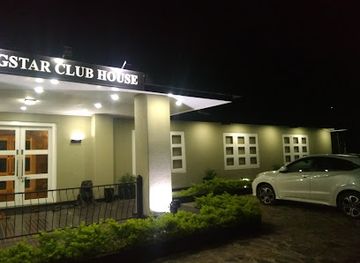
Kingstar Club House
Discover the lively ambiance and local flavors at Kingstar Club House in Minuwangoda, where good times and great drinks await.


Best nightclubs in Gampaha District
Evening life is concentrated in Negombo and the airport corridor rather than spread evenly across the district. Negombo has the broadest selection of hotel bars, casual drinking venues, cafés and restaurants, with some places offering live music or a relaxed seafront atmosphere. Smaller inland towns generally centre their evening life on local restaurants, cafés and neighbourhood establishments rather than dedicated clubs. Traditional Sri Lankan hospitality is also visible in simple eateries serving tea, short eats and soft drinks, which can be a more representative evening experience than late-night entertainment. Nightclubs and music-led venues may change over time, so current local information is more reliable than relying on old listings. Exercise care with alcohol near busy roads and waterways, and remember that religious holidays and local events can affect opening arrangements and the character of nightlife.
-
Disco club
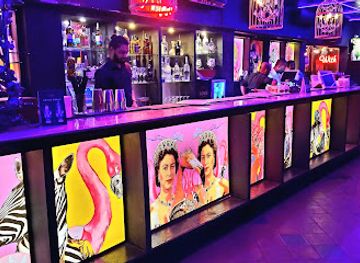
The Love Bar at Flamingo House
Discover the vibrant nightlife of Colombo at The Love Bar, where music, cocktails, and unforgettable moments come together.
-
Disco club
City of London lounge
Discover the ultimate nightlife experience at City of London Lounge, where disco beats and karaoke fun come alive in Ruhunupura.
-
Night club
Cleopatra Nightclub
Discover the electrifying nightlife at Cleopatra Nightclub in Colombo, where vibrant energy and unforgettable experiences await every visitor.
-
Pub
Cockpit Night Club
Experience the vibrant nightlife at Cockpit Night Club, Seeduwa's premier pub for music, drinks, and an electrifying atmosphere.
Best shops in Gampaha District
Shopping in Gampaha District is practical and locally focused, with the widest range of formal retail found in Negombo, Gampaha and the busy Colombo–Katunayake corridor. Negombo is useful for Sri Lankan food products, spices, tea, coconut-based goods, beachwear and small crafts, while ordinary markets provide a more authentic selection of fruit, vegetables, fish and household produce. Inland market towns are better for observing everyday commerce than for browsing luxury goods, and prices and product quality should be compared before buying. Look for regional snacks, treacle-based sweets, dried fish and spice mixtures, keeping in mind that food products may be restricted by airlines or customs. Craft and souvenir shops in tourist areas sell masks, textiles, carved items and jewellery, but visitors should check materials and avoid wildlife products or objects presented as antiquities without clear provenance. Contemporary shopping is concentrated around urban and airport-linked commercial areas rather than a single traditional shopping quarter.
-
Computer store
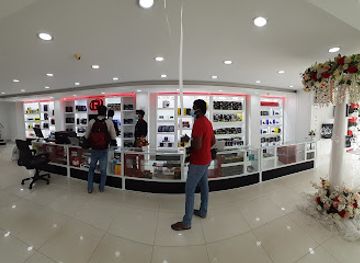
REDTECH Computers
Explore cutting-edge technology and exceptional service at REDTECH Computers in Gampaha, your destination for all things tech.
-
Shopping mall
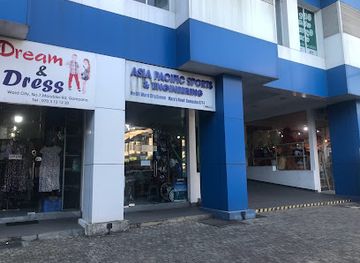
Ward City Shopping Complex
Experience the energy of shopping and dining at Ward City Shopping Complex, Gampaha's premier shopping destination for tourists and locals alike.
-
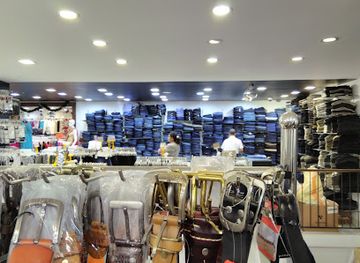
Clothing store
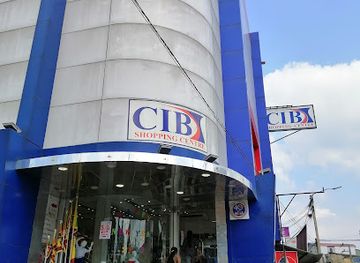
CIB Shopping Centre - Gampaha
Discover fashion and culture at CIB Shopping Centre in Gampaha, where style meets affordability in a vibrant shopping experience.
-
Clothing store
Super Style
Explore the best of Sri Lankan fashion at Super Style, the ultimate shopping destination in Gampaha for trendy apparel and unique accessories.
Get your free copy of our complete guide to Gampaha District, delivered straight to you.
Everything on this page, from attractions and restaurants to essentials and local phrases, in one PDF you can read offline, print or share.
Already have an account? Sign in
Your Gampaha District guide is ready.
We'll send it to · Not you? Sign out

Getting your guide ready…
We are putting together a fresh copy of the Gampaha District guide. This can take up to a minute.
This can take a few moments. If your browser asks, choose Allow so the download can start. You'll find the guide in your Downloads folder.
Nothing happened? Download it again
Sorry, the guide is taking longer than usual. Please try again in a minute, or get it by email instead.
Gampaha District essentials
Currency and Payment
Safety
Emergency Situations
Do's and Don'ts
Local Tips
From Eve
Local phrases worth knowing
You don't need to get them perfect. A few words go a long way, and locals appreciate the effort.
Basics
| English | Local | Say it |
|---|---|---|
| Hello | ආයුබෝවන් | [Āyubōvan] |
| Goodbye | ආයුබෝවන් | [Āyubōvan] |
| Yes | ඔව් | [Ov] |
| No | නැහැ | [Næhæ] |
| Please/You're welcome | කරුණාකර | [Karunākara] |
| Thank you | ස්තුතියි | [Stutiyi] |
| Excuse me/Sorry | කණගාටුයි | [Kaṇagāṭuyi] |
| How are you? | ඔබට කෙසේද? | [Obaṭa keseida?] |
| Fine. And you? | හරි. ඔබට? | [Hari. Obaṭa?] |
| Do you speak English? | ඔබට ඉංග්රීසි කතා කරන්න පුළුවන්ද? | [Obaṭa iṅgrīsi kathā karanna puḷuvanda?] |
| I don't understand | මට තේරෙන්නේ නැහැ | [Maṭa therenne næhæ] |
Eating & Drinking
| English | Local | Say it |
|---|---|---|
| I'd like to see the menu, please | මොට මෙනු එක බලන්න ඕනෑ | [Moṭa menu eka balanna ōnæ] |
| I don't eat meat | මම මස් නොකනවා | [Mama mas nokanavā] |
| Cheers! | ආයුබෝවන්! | [Āyubōvan!] |
| I would like to pay, please | මට ගෙවන්න ඕනෑ | [Maṭa gewanna ōnæ] |
Emergencies
| English | Local | Say it |
|---|---|---|
| Help! | ආධාර කරන්න! | [Ādhāra karanna!] |
| Go away! | ආපහු යන්න! | [Āpahu yanna!] |
| Call the Police! | පොලිස් අමතා! | [Polis amatā!] |
| Call a doctor! | ඩොක්ටර් අමතා! | [Ḍokṭar amatā!] |
| I'm lost | මම අහිමිවීම් | [Mama ahimivīm] |
| I'm ill | මට අසනීපයි | [Maṭa asanīpayi] |
Shopping
| English | Local | Say it |
|---|---|---|
| I'd like to buy... | මට මිළදී ගැනීමට ඕනෑ... | [Maṭa miḷadī gænīmaṭa ōnæ...] |
| I'm just looking | මම බලනවා | [Mama balanavā] |
| How much is it? | ඒක කොච්චරද? | [Ēka kochchara da?] |
| That's too expensive | ඒක අතිශය වියදම් | [Ēka atishaya viyadum] |
| Can you lower the price? | ඔබට මිල අඩු කරන්න පුළුවන්ද? | [Obaṭa mila aḍu karanna puḷuvanda?] |
Time & Numbers
| English | Local | Say it |
|---|---|---|
| What time is it? | මේ කාලය කීයේද? | [Mē kālaya kīyeda?] |
| It's one o'clock | එය එක් පමණක් | [Eya ek pamaṇak] |
| Half past (10) | අර්ධය (10) | [Ardhaya (10)] |
| Morning | පැහැදිලි මස | [Pæhædili masa] |
| Afternoon | මධ්ය මස | [Madhya masa] |
| Evening | සංධ්යා | [Saṁdhyā] |
| Yesterday | ඊයේ | [Īyē] |
| Today | අද | [Ada] |
| Tomorrow | හෙට | [Hæṭa] |
| 1 | 1 | [1] |
| 2 | 2 | [2] |
| 3 | 3 | [3] |
| 4 | 4 | [4] |
| 5 | 5 | [5] |
| 6 | 6 | [6] |
| 7 | 7 | [7] |
| 8 | 8 | [8] |
| 9 | 9 | [9] |
| 10 | 10 | [10] |
Transport & Directions
| English | Local | Say it |
|---|---|---|
| Where's a/the...? | කොහේද ...? | [Koheda ...?] |
| What's the address? | ලිපිනය කුමක්ද? | [Lipinaya kumakda?] |
| Can you show me (on the map)? | ඔබට මට පෙන්වන්න පුළුවන්ද? | [Obaṭa maṭa pænwanṇa puḷuvanda?] |
| When's the next (bus)? | පසුගිය (බස්) කවදද? | [Pasugiya (bas) kawadada?] |
| A ticket (to ....) | එක විශේෂය (....) සඳහා | [Eka viśēṣaya (....) sandaha] |
History of Gampaha District
Ancient Kelaniya and Early Buddhist Tradition
Kelaniya, on the Kelani River, is one of the most historically important religious centres in the district. The Kelaniya Raja Maha Vihara is associated with ancient Sri Lankan chronicles and with a Buddhist tradition that links the Buddha to a visit to the area, although such accounts belong to the island’s religious and literary heritage rather than modern historical evidence. Kelaniya also developed as a settlement connected to river traffic and the wider political history of the western lowlands. Its temple, sculptures and annual religious procession preserve the continuing importance of the site in Sri Lankan Buddhist culture.
Medieval Temples and Regional Kingdoms
During the medieval period, the western lowlands formed part of changing political networks centred on kingdoms such as Kotte and later Sitawaka. Temples and monastic sites in present-day Gampaha District preserve evidence of this long religious and cultural continuity. Attanagalla has particular significance in Sri Lankan Buddhist tradition, while cave temples including Pilikuththuwa demonstrate how natural rock shelters were adapted for monastic use. The area’s forests, wetlands and river routes also supported communication between inland settlements and the coast.
Portuguese Expansion and the Coastal Trade
Portuguese power reached the western coast in the sixteenth century, when maritime trade, fortified settlements and control of cinnamon became central to European rivalry in Sri Lanka. Negombo was important because of its harbour, lagoon and access to the cinnamon-producing hinterland. Catholic missionary activity also expanded during this period, leaving a lasting religious presence in and around Negombo. Portuguese influence was later challenged by the Dutch, but coastal churches, settlement patterns and aspects of the district’s commercial history retain connections with this first phase of European rule.
Dutch Rule and the Canal Network
The Dutch East India Company took control of Negombo and other western coastal territories in the seventeenth century. Administration of the cinnamon trade and movement of goods encouraged the development of canals linking lagoons, rivers and settlements. The Dutch Canal through the Negombo area formed part of this transport system, allowing produce and supplies to move along the coast and inland waterways. Few colonial structures survive in complete form, but the canal landscape, fort remains and historic churches help explain how the district was integrated into Dutch commercial geography.
British Administration and Henarathgoda Botanic Garden
Under British rule, the western lowlands became increasingly connected to Colombo through roads, railways and plantation commerce. In 1876, the government established the Henarathgoda Botanical Garden near Gampaha, where rubber was experimentally cultivated after plants were introduced to Sri Lanka from Kew. The garden became associated with the development of the island’s rubber industry, which later transformed parts of the wet lowlands and central highlands. Its surviving collections and mature landscape provide a direct link to the scientific and agricultural changes of the colonial period.
Railways, Ports and Modern Mobility
Railway and road development during the nineteenth and twentieth centuries strengthened the district’s role as a corridor between Colombo and northern or north-western Sri Lanka. Negombo’s fishing and trading economy continued alongside growing passenger movement, while towns such as Gampaha, Ja-Ela and Wattala became increasingly integrated into the capital’s commercial orbit. The construction and expansion of Bandaranaike International Airport at Katunayake later gave the district an international gateway role. These transport changes helped shift Gampaha from a largely rural hinterland towards one of Sri Lanka’s most densely settled districts.
Post-independence Urban Growth and Industry
Since Sri Lanka’s independence in 1948, Gampaha District has experienced substantial population growth, suburban development and industrial expansion. The Katunayake Free Trade Zone, established in the late twentieth century, became an important centre of export-oriented manufacturing and employment. New housing, commerce and transport infrastructure have spread along the Colombo–Katunayake corridor, placing pressure on wetlands, farmland and waterways. At the same time, Negombo’s tourism sector, traditional fishing communities and religious institutions have remained important elements of the district’s contemporary identity.
Gampaha District in Photos
Browse through our photo collection highlighting the charm and character of the destination.
Neighbouring regions of Gampaha District
The closest regions to Gampaha District, if you have time for more than one.
-

-

-

-

-


Swipe for more regions
Explore more

Explore more of Sri Lanka
Discover Sri Lanka: Rich culture, stunning landscapes, and warm hospitality await you in this tropical paradise. Explore ancient cities, wildlife, tea plantations, and pristine beaches.
Explore Sri Lanka