

Free Kalutara District Travel Guide & Mobile App
Explore Kalutara District with free travel guides. Discover regional history, expert tips, proposed trips, and audio guides on web or mobile app.


Explore Kalutara District for Sri Lankan beaches, Buddhist heritage, river journeys, gardens, seafood and lush plantation landscapes near Colombo.
Read more about Kalutara District
When is the best time to visit Kalutara District?
Best: December–February · 31°C| Month | High (°C) | Rainfall (mm) |
|---|---|---|
| January (best) | 31 | 100 |
| February (best) | 31 | 75 |
| March | 31 | 125 |
| April | 32 | 175 |
| May | 32 | 225 |
| June | 31 | 200 |
| July | 31 | 200 |
| August | 31 | 200 |
| September | 31 | 200 |
| October | 31 | 225 |
| November | 31 | 200 |
| December (best) | 31 | 125 |
Getting to and around Kalutara District
How to get there
Transportation
Top city travel guides in Kalutara District
The cities of Kalutara District, and the easiest places to base yourself.

Swipe for more cities
Destinations in Kalutara District
Resorts, valleys and scenic spots worth a trip of their own.

Swipe for more destinations
Best attractions in Kalutara District
Kalutara District’s attractions range from wide beaches and river scenery to active temples, historic houses and plantation landscapes. The coastal belt around Kalutara, Beruwala, Aluthgama and Bentota offers swimming where conditions are suitable, boating and other water-based activities, although local sea and weather advice should guide decisions. The Bentota River provides a different setting from the open coast, with mangrove-fringed waterways and excursions that reveal the district’s wetland environment. Kalutara Bodhiya and Kande Vihara are important Buddhist destinations, combining religious significance with distinctive architecture and monumental sculpture. Richmond Castle presents a more intimate historical experience, while Brief Garden near Bentota explores the relationship between art, landscape and Sri Lanka’s twentieth-century cultural history. Inland roads lead through coconut and rubber country towards market towns and rural villages, where the attraction lies in scenery and everyday life rather than a dense collection of formal sights. Visitors can also explore fishing communities, food markets, small local shrines and garden estates, creating an itinerary that balances resort recreation with the district’s agricultural and cultural character.
-
Buddhist temple
Kalutara Bodhiya
Explore the tranquil beauty and spiritual significance of Kalutara Bodhiya, a captivating Buddhist temple in Sri Lanka's serene coastal town.
-
Buddhist temple
Kande Vihara Temple
Explore the serene beauty and spiritual significance of Kande Vihara Temple in Beruwala, a must-visit for tourists in Sri Lanka.
-
Historical landmark
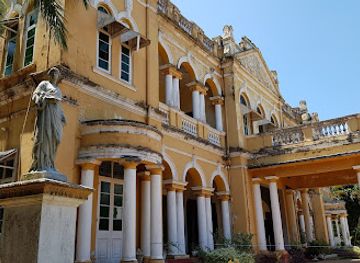
Richmond Castle
Explore Richmond Castle in Kalutara – a historical landmark showcasing Sri Lanka's rich architectural heritage and serene gardens.
-
Tourist information center
Induruwa Sea Turtle Conservation Center
Explore the Induruwa Sea Turtle Conservation Center, where education and conservation unite to protect Sri Lanka's endangered sea turtles.

Best landmarks in Kalutara District
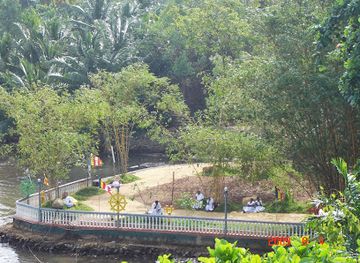
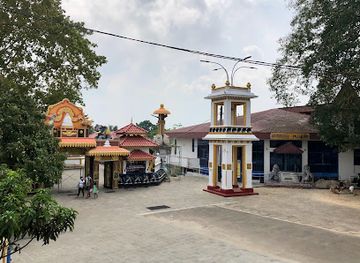
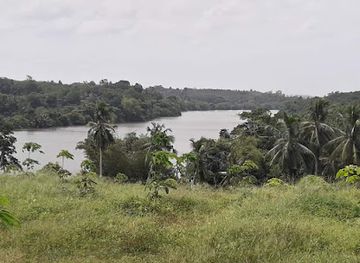
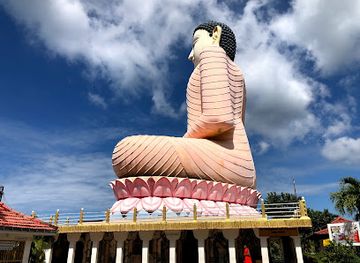
The Kalutara Bodhiya is one of the district’s most recognisable landmarks, standing beside the Kalu Ganga and the principal coastal road as both a place of devotion and a powerful visual marker for Kalutara. Kande Vihara near Aluthgama is distinguished by its hilltop Buddhist complex and large seated Buddha image, which can be seen from parts of the surrounding area. Richmond Castle near Kalutara is a notable early twentieth-century residence whose architectural details and landscaped setting record the aspirations of Sri Lanka’s colonial-era elite. Beruwala’s historic mosque tradition and seafaring setting reflect the town’s long Muslim and maritime connections, while the coast itself remains a defining geographical landmark, shifting from river mouth and fishing harbour to open beach. Around Bentota, the meeting of the Bentota River, wetlands and sea creates a landscape landmark rather than a single monument, explaining the area’s enduring importance for travel, settlement and water-based recreation.
-
Buddhist temple
Kalutara Bodhiya
Discover serenity and spirituality at Kalutara Bodhiya, Sri Lanka's iconic Buddhist temple with stunning architecture and rich cultural heritage.
-
Buddhist temple
Kande Vihara Temple
Explore the serene beauty and rich heritage of Kande Vihara Temple, a must-visit Buddhist sanctuary in Beruwala, Sri Lanka.
-
Resort hotel
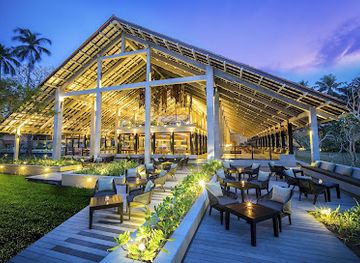
Anantara Kalutara Resort
Experience luxury and tranquility at Anantara Kalutara Resort, where stunning ocean views and exquisite amenities await in beautiful Sri Lanka.
-
Historical landmark
Richmond Castle
Explore Richmond Castle, a historical landmark in Kalutara showcasing stunning architecture and rich cultural heritage of Sri Lanka.

Explore Kalutara District on the map
Plan your trip on one map. See where the top cities, national parks and sights are, and book hotels and experiences in a few clicks.
Best hotels in Kalutara District
Best restaurants in Kalutara District
Dining in Kalutara District is shaped by the coast, coconut-growing areas and Sri Lanka’s broader western culinary traditions. Seafood is prominent in Beruwala, Kalutara and the Bentota area, with fish, prawns and crab appearing in both informal eateries and hotel menus. Rice and curry, hoppers, string hoppers, kottu, dhal, sambols and coconut-rich vegetable dishes form the everyday culinary foundation, while short eats are useful for travellers seeking a quick meal in a market town. Kalu dodol, a dark coconut-and-jaggery sweet associated with Sri Lankan cuisine, is sold in the wider western region and makes a practical local gift when bought from a reputable shop. Resort restaurants often provide international menus, but family-run cafés and town restaurants offer a better introduction to regional spice combinations and portion styles. Fresh fruit, king coconut and tea are widely available, and visitors should expect seafood availability and prices to vary with season, catch and location.
-
Restaurant
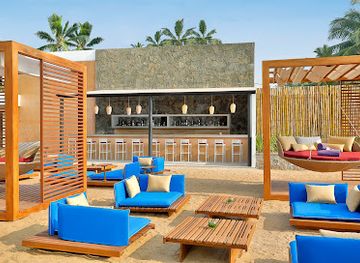
Avani Kalutara Resort
Discover luxury at Avani Kalutara Resort with stunning ocean views, exquisite dining options, and endless adventure on Sri Lanka's beautiful coast.
-
Restaurant
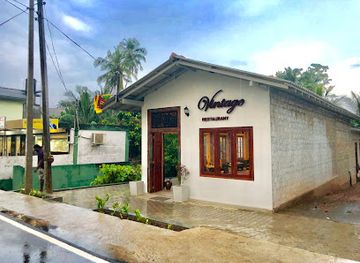
Vintage Restaurant
Discover the flavors of Sri Lanka at Vintage Restaurant in Bentota - where tradition meets taste in an inviting atmosphere.
-
Restaurant
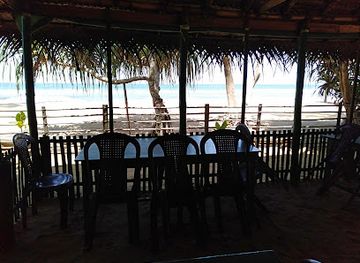
Green Lobster Waskaduwa Seafood Restaurant
Discover the ultimate seafood dining experience at Green Lobster Waskaduwa—where fresh catches meet breathtaking ocean views.
-
Seafood
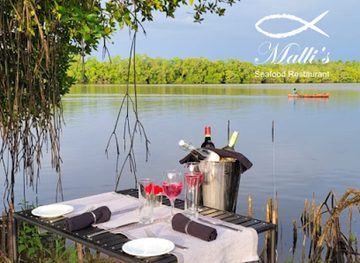
Malli's Seafood Restaurant
Experience exquisite seafood dining at Malli's Seafood Restaurant in Bentota - where fresh flavors meet fine dining.
Best bars in Kalutara District
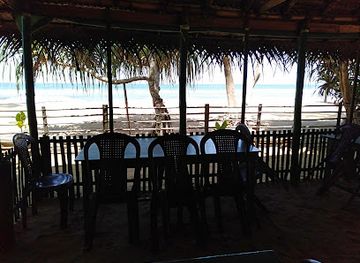
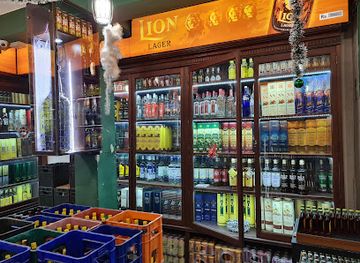
Evening life is concentrated along the resort coast, especially around Bentota, Beruwala, Aluthgama and Kalutara, but the district is not primarily a late-night club destination. Hotel bars, beach restaurants and selected music venues provide the most consistent evening options for international visitors, while town centres are more likely to close early. Traditional cafés and restaurants offer a quieter alternative, and some larger hotels arrange seasonal music or cultural performances without this being a permanent feature. In inland areas, social life generally centres on family restaurants, local shops and community occasions rather than dedicated nightlife venues. Alcohol is available in licensed establishments, but visitors should respect religious settings and local customs, avoid drinking in public places, and arrange transport in advance when staying outside the main coastal corridor.
-
Restaurant
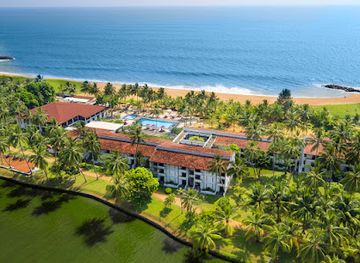
Avani Kalutara Resort
Experience luxury and tranquility at Avani Kalutara Resort, where stunning beaches meet exceptional hospitality in beautiful Sri Lanka.
-
Pub
Machan Rella Moratuwa
Discover the vibrant nightlife and exceptional local flavors at Machan Rella Moratuwa, a must-visit pub for tourists seeking an authentic experience.
-
Restaurant
Green Lobster Waskaduwa Seafood Restaurant
Experience the finest seafood dining in Waskaduwa at Green Lobster, where fresh flavors meet stunning coastal views.
-
Bar
S.T. Alvares & Sons
Discover the vibrant ambiance and rich beverage selection at S.T. Alvares & Sons, your go-to bar in Kalutara for an unforgettable experience.
Best nightclubs in Kalutara District
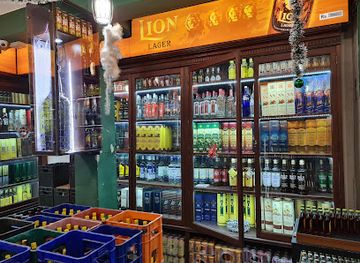
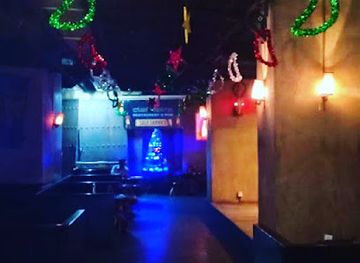
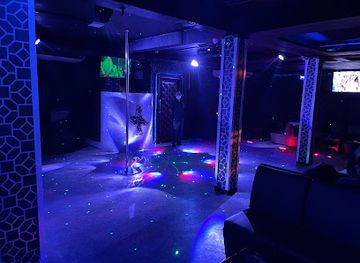
Evening life is concentrated along the resort coast, especially around Bentota, Beruwala, Aluthgama and Kalutara, but the district is not primarily a late-night club destination. Hotel bars, beach restaurants and selected music venues provide the most consistent evening options for international visitors, while town centres are more likely to close early. Traditional cafés and restaurants offer a quieter alternative, and some larger hotels arrange seasonal music or cultural performances without this being a permanent feature. In inland areas, social life generally centres on family restaurants, local shops and community occasions rather than dedicated nightlife venues. Alcohol is available in licensed establishments, but visitors should respect religious settings and local customs, avoid drinking in public places, and arrange transport in advance when staying outside the main coastal corridor.
-
 Resort hotel
Club Waskaduwa Beach Resort & Spa
Discover luxury and relaxation at Club Waskaduwa Beach Resort & Spa, a premier destination on Sri Lanka's stunning southern coast.
-
Bar
S.T. Alvares & Sons
Experience the vibrant ambiance and local flavors at S.T. Alvares & Sons, a must-visit bar in Kalutara, perfect for relaxation and socializing.
-
Night club
Cleopatra Nightclub
Dive into the vibrant nightlife of Colombo at Cleopatra Nightclub, where electrifying beats meet unforgettable experiences.
-
Disco club
Base Night Club
Dance the night away at Base Night Club, Pannipitiya's premier destination for unforgettable nightlife and vibrant music.
Best shops in Kalutara District
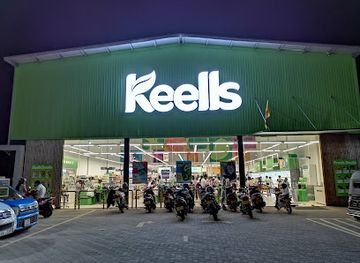
Shopping in Kalutara District is strongest in its market towns rather than in dedicated luxury retail areas. Kalutara, Beruwala, Aluthgama and Bentota offer supermarkets, clothing shops, pharmacies, household goods, small boutiques and produce markets, with the resort centres also carrying beachwear, handicrafts and practical travel items. Beruwala and the wider coastal corridor are associated with jewellery and gem trading, but buyers should use established dealers, request proper documentation and avoid high-pressure purchases. Local food products make reliable souvenirs: cinnamon, tea, coconut-based sweets, spices and packaged snacks are widely available, although quality and provenance vary. Independent shops and craft outlets around the tourist belt may sell masks, woven goods, batik and decorative objects, while inland markets provide a more everyday selection of fruit, vegetables, coconut products and household wares. Market visits are best undertaken in the morning, when produce displays and trading activity are at their fullest.
-
Supermarket
Keells - Kalutara
Experience local flavors and modern convenience at Keells Supermarket, Kalutara's premier shopping destination for tourists and locals.
-
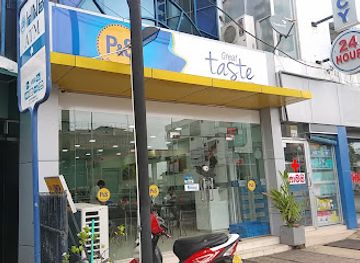
Pastries
Perera & Sons - Kalutara South
Experience the sweet side of Sri Lanka at Perera & Sons - Kalutara South, your go-to pastry shop for delectable treats and local flavors.
-
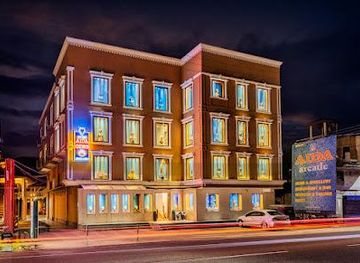
Jeweler
Aida Gems & Jewellery
Discover the elegance of Sri Lankan craftsmanship at Aida Gems & Jewellery in Bentota, where exquisite jewelry meets rich heritage.
-
Furniture store
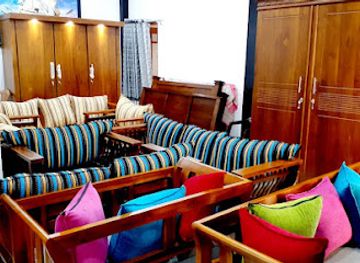
Luxury Furniture Kalutara
Explore Luxury Furniture Kalutara for exquisite craftsmanship and stylish furnishings that embody elegance and sophistication in every piece.
Get your free copy of our complete guide to Kalutara District, delivered straight to you.
Everything on this page, from attractions and restaurants to essentials and local phrases, in one PDF you can read offline, print or share.
Already have an account? Sign in
Your Kalutara District guide is ready.
We'll send it to · Not you? Sign out

Getting your guide ready…
We are putting together a fresh copy of the Kalutara District guide. This can take up to a minute.
This can take a few moments. If your browser asks, choose Allow so the download can start. You'll find the guide in your Downloads folder.
Nothing happened? Download it again
Sorry, the guide is taking longer than usual. Please try again in a minute, or get it by email instead.
Kalutara District essentials
Currency and Payment
Safety
Emergency Situations
Do's and Don'ts
Local Tips
From Eve
Local phrases worth knowing
You don't need to get them perfect. A few words go a long way, and locals appreciate the effort.
Basics
| English | Local | Say it |
|---|---|---|
| Hello | ආයුබෝවන් | [Āyubōvan] |
| Goodbye | සමුගන්නවා | [Samugannavā] |
| Yes | ඔව් | [Ov] |
| No | නැහැ | [Næhæ] |
| Please/You're welcome | කරුණාකර/ආයුබෝවන් | [Karunākara/Āyubōvan] |
| Thank you | ස්තූතියි | [Stūthiyi] |
| Excuse me/Sorry | කණගාටුයි | [Kaṇagāṭuyi] |
| How are you? | ඔබ කොහෙද? | [Oba koheda?] |
| Fine. And you? | හොඳයි. ඔබට? | [Hoṇḍayi. Obaṭa?] |
| Do you speak English? | ඔබට ඉංග්රීසි කතා කරන්න ද? | [Obaṭa iṅgrīsi kathā karanna da?] |
| I don't understand | මට තේරෙන්නේ නැහැ | [Maṭa thērennē næhæ] |
Eating & Drinking
| English | Local | Say it |
|---|---|---|
| I'd like to see the menu, please | මට මෙනුව බලන්න ඕනෑ | [Maṭa menuwa balanna ōnā] |
| I don't eat meat | මම මස් අහරක් නොකනවා | [Mama mas aharak nokanavā] |
| Cheers! | සතුටින්! | [Satuṭin!] |
| I would like to pay, please | මට ගෙවන්න ඕනෑ | [Maṭa gewanna ōnā] |
Emergencies
| English | Local | Say it |
|---|---|---|
| Help! | උදව් කරන්න! | [Udav karanna!] |
| Go away! | ගිහින් යන්න! | [Gihin yanna!] |
| Call the Police! | පොලිසිය කැඳවන්න! | [Polisiya kæḍavanna!] |
| Call a doctor! | ඩොක්ටර් කැඳවන්න! | [Ḍokṭar kæḍavanna!] |
| I'm lost | මම නැවතේ ඇදගෙන යනවා | [Mama nævathe ædagena yanavā] |
| I'm ill | මට රෝගීයි | [Maṭa rōgīyi] |
Shopping
| English | Local | Say it |
|---|---|---|
| I'd like to buy... | මට මිලදී ගන්න ඕනෑ... | [Maṭa milādī ganna ōnā...] |
| I'm just looking | මම පමණක් බලනවා | [Mama pamaṇak balanavā] |
| How much is it? | එය කොපමණද? | [Eya kopamaṇada?] |
| That's too expensive | එය බොහොම අධිකයි | [Eya bohoma adhikayi] |
| Can you lower the price? | මිල අඩුකරන්න පුළුවන්ද? | [Mila aḍukaranna puḷuvanda?] |
Time & Numbers
| English | Local | Say it |
|---|---|---|
| What time is it? | දැන් කීයද? | [Dæn kiyāda?] |
| It's one o'clock | එය එකයි | [Eya ekayi] |
| Half past (10) | අඩු කාලය (10) | [Aḍu kālaya (10)] |
| Morning | උදෑසන | [Udæsaṇa] |
| Afternoon | මධ්යවෙල | [Madhyavela] |
| Evening | සවස | [Sawasā] |
| Yesterday | ඊයේ | [Īyē] |
| Today | අද | [Ada] |
| Tomorrow | හෙට | [Hæṭa] |
| 1 | එක | [Eka] |
| 2 | දෙක | [Deka] |
| 3 | තෙක | [Theka] |
| 4 | හතර | [Hathara] |
| 5 | පහ | [Paha] |
| 6 | හය | [Haya] |
| 7 | හත | [Hatha] |
| 8 | අට | [Aṭa] |
| 9 | නවය | [Nawaya] |
| 10 | දහ | [Daha] |
Transport & Directions
| English | Local | Say it |
|---|---|---|
| Where's a/the...? | කොහෙද ...? | [Koheda ...?] |
| What's the address? | ලිපිනය කුමක්ද? | [Lipinaya kumakda?] |
| Can you show me (on the map)? | මට පෙන්වන්න පුළුවන්ද? | [Maṭa pævannā puḷuvanda?] |
| When's the next (bus)? | අනික් (බස්) කවදද? | [Anik (bas) kawadada?] |
| A ticket (to ....) | ඇතුළුව (....) ටිකට්පත් | [Æthuḷuva (....) ṭikaṭpat] |
History of Kalutara District
Early Buddhist and Maritime Connections
The lower Kalu Ganga and the coastal plain have long connected inland settlements with the sea. Buddhist religious activity became an enduring part of the region’s cultural landscape, while coastal communities participated in maritime exchange across the Indian Ocean. Beruwala in particular developed as a seafaring settlement with a long-established Muslim presence, traditionally associated with Arab trading connections. Although much of the visible built environment is later, the district’s combination of Buddhist institutions, port activity and multi-community coastal life reflects older patterns of movement and exchange.
European Colonial Control and the Coastal Ports
The Portuguese established influence along Sri Lanka’s western coast in the sixteenth century, followed by Dutch control and then British rule. Coastal centres such as Kalutara and Beruwala were valued for their access to inland routes and maritime trade. Colonial powers reshaped administration, landholding and commerce, while Christian institutions, forts and defensive works appeared in parts of the coastal belt. Kalutara’s position at the Kalu Ganga made it strategically useful, as the river provided access towards the interior as well as a natural geographic boundary.
Cinnamon, Coconut and Plantation Commerce
The colonial economy placed increasing emphasis on export crops and organised plantation production. Cinnamon was important in the wider western and south-western lowlands, while coconut and later rubber became central to rural livelihoods and commercial estates in Kalutara District. Roads, river transport and the railway helped connect market towns and coastal ports with plantations inland. This agricultural history remains visible in the district’s coconut gardens, rubber-growing areas, processing activities and settlement patterns, particularly away from the heavily developed beach corridor.
Railways and the Growth of Coastal Towns
The railway along Sri Lanka’s western and southern coastal plain transformed movement between Colombo and the towns of Kalutara, Beruwala, Aluthgama and beyond. It supported the circulation of workers, agricultural produce and merchandise while strengthening the importance of coastal market centres. Road improvements later accelerated suburban development north of Kalutara and tourism growth farther south. The result is a district where busy transport corridors run alongside older religious sites, fishing settlements, plantation roads and waterways.
Richmond Castle and Early Twentieth-Century Social Change
Richmond Castle, built near Kalutara in the early twentieth century for Mudaliyar Don Arthur de Silva, reflects the ambitions and connections of Sri Lanka’s colonial-era elite. Its architecture combines European references with local materials and craftsmanship, while its landscaped grounds and surviving interiors offer insight into changing social aspirations under British rule. The building is significant not simply as a grand residence but as evidence of the wealth, education and cultural negotiation of a period when local elites operated within colonial institutions while developing their own public identities.
Post-Independence Religious and Cultural Life
After Sri Lanka gained independence in 1948, Buddhist institutions, local schools, markets and elected administrative structures continued to shape daily life across Kalutara District. Sites such as the Kalutara Bodhiya and Kande Vihara remain active religious centres rather than static monuments. The district’s coastal communities also retain strong Muslim and Christian traditions, especially around historic trading settlements. Its cultural character is therefore formed by continuing religious practice and community life as much as by colonial remains or tourism.
Tourism, the 2004 Tsunami and Coastal Recovery
From the late twentieth century, the beaches and waterways around Bentota, Beruwala and Aluthgama became important to Sri Lanka’s international tourism economy. Hotels, water-sports businesses and transport links expanded, bringing employment and new development to the coast. The Indian Ocean tsunami of December 2004 caused severe loss and disruption along Sri Lanka’s shoreline, including parts of Kalutara District. Subsequent rebuilding altered sections of the coastal landscape, while fishing, religious life and tourism continued to coexist as central elements of the district’s modern identity.
Kalutara District in Photos
Browse through our photo collection highlighting the charm and character of the destination.
Neighbouring regions of Kalutara District
The closest regions to Kalutara District, if you have time for more than one.
-

-

-

-

-


Swipe for more regions
Explore more

Explore more of Sri Lanka
Discover Sri Lanka: Rich culture, stunning landscapes, and warm hospitality await you in this tropical paradise. Explore ancient cities, wildlife, tea plantations, and pristine beaches.
Explore Sri Lanka