

Galle District, Sri Lanka Travel Guide
Explore Galle District: where colonial history meets pristine beaches and lush rainforests, creating a unique blend of adventure, relaxation, and cultural richness.
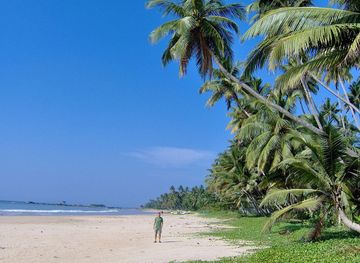
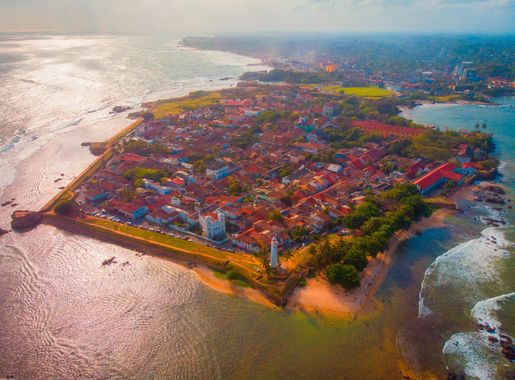
Galle District, nestled along the southwestern coast of Sri Lanka, is a captivating blend of colonial charm, natural beauty, and rich cultural heritage. The district is home to the historic Galle Fort, a UNESCO World Heritage site that boasts cobblestone streets, Dutch-era buildings, and stunning ocean views. Exploring this fort is like stepping back in time, with boutique shops, cozy cafes, and art galleries adding to its unique allure. Beyond the fort, Galle District offers pristine beaches that cater to both relaxation and adventure. Unawatuna Beach is famous for its golden sands and vibrant coral reefs, making it ideal for sunbathing, snorkeling, and diving. For those seeking a quieter escape, Jungle Beach provides a secluded spot surrounded by lush greenery. Nature enthusiasts will find the Hiyare Rainforest and Kanneliya Forest Reserve to be perfect destinations for hiking and bird-watching. These reserves are home to diverse flora and fauna, offering a tranquil retreat from the bustling coastal areas. Additionally, the district's rich culinary scene, featuring fresh seafood and traditional Sri Lankan dishes, will delight food lovers. The warmth and hospitality of the local people, coupled with the district's mix of history, nature, and culture, make Galle a must-visit destination for any traveler to Sri Lanka.

Know before you go
Hi, I'm Eve. Here are a few practical things to know before exploring Galle District.
- Visit Galle Fort early in the morning or late in the evening to avoid crowds and enjoy cooler temperatures.
- Pack reef-friendly sunscreen and a hat for beach outings to protect yourself and the environment.
- Hire a local guide for a more in-depth understanding of the history and culture of Galle Fort.
- Try local seafood dishes at seaside restaurants for a true taste of the region.
- Bring sturdy footwear if you plan to hike in the rainforests and reserves.
Top City Travel Guides in Galle District
The cities of Galle District, and the easiest places to base yourself.


Explore Galle District: Things to Do, Places to Eat, Hotels & More
Handpicked recommendations for top attractions, local dining, accommodations, and more

Top Attractions & Sightseeing in Galle District
Top-rated picks
Best Attractions

Galle Dutch Fort
Explore the captivating Galle Dutch Fort, a UNESCO World Heritage Site filled with history, stunning architecture, and breathtaking coastal views in Sri Lanka.

Galle Lighthouse
Explore Galle Lighthouse, a historic beacon in Sri Lanka offering stunning views and rich maritime history in a UNESCO World Heritage site.

Japanese Peace Pagoda - Rumassala
Explore the tranquil beauty of the Japanese Peace Pagoda in Unawatuna, a stunning Buddhist temple with breathtaking views and serene surroundings.

Jungle Beach
Experience the serene charm of Jungle Beach, a hidden paradise on Sri Lanka's southern coast, where lush jungles meet pristine shores.

Best landmarks in Galle District
Top-rated picks
Best Landmarks

Galle Dutch Fort
Discover Galle Dutch Fort, a UNESCO World Heritage Site, where history meets stunning coastal views and vibrant local culture in Sri Lanka.

Galle Lighthouse
Explore Galle Lighthouse, a historical landmark in Sri Lanka offering stunning ocean views and rich maritime history near Galle Fort.

Galle Fort Clock Tower
Discover the historical splendor of Galle Fort Clock Tower, an iconic symbol of Sri Lanka's colonial heritage and breathtaking coastal views.

Martin Wickramasinghe Folk Museum
Explore the captivating cultural heritage of Sri Lanka at Martin Wickramasinghe Folk Museum in Koggala, a must-see for every traveler.

Best restaurants in Galle District
Top-rated picks
Best Restaurants

Pedlar's Inn Cafe and Restaurant
Discover authentic Sri Lankan seafood delights at Pedlar's Inn Cafe in Galle - a dining experience rich in local flavors and vibrant atmosphere.

A Minute by Tuk Tuk Restaurant
Experience the rich flavors of Sri Lanka at A Minute by Tuk Tuk Restaurant in Galle's historic Dutch Hospital complex.

MARU - Galle Fort
Discover MARU - Galle Fort: A unique blend of Sri Lankan flavors and Hawaiian poke bowls in a historic setting.

Galle Fort Restaurant
Experience exquisite Chinese flavors intertwined with local Sri Lankan influences at Galle Fort Restaurant.

Best bars in Galle District
Top-rated picks
Best Bars

The Bungalow Galle Fort - Restaurant & Bar.
Experience the vibrant flavors of Sri Lanka at The Bungalow Galle Fort, where culinary excellence meets historic charm in the heart of Galle.

Sugar Bistro at the Heritage
Experience the flavors of Sri Lanka at Sugar Bistro at the Heritage in Galle, where local cuisine meets a cozy ambiance.

TAP HOUSE BY TRIO
Discover the charm of Galle's Fort at Tap House by Trio, where history meets modern dining in a vibrant bar atmosphere.

Sydney Hotel - Galle
Experience the vibrant atmosphere and delightful drinks at Sydney Hotel, a top bar in Galle, perfect for tourists seeking relaxation and local culture.

Best nightclubs in Galle District
Top-rated picks
Best Nightclubs

Funky De Bar
Discover the vibrant nightlife at Funky De Bar, a lively bar in Hikkaduwa offering a diverse drink menu and a warm, welcoming atmosphere.

TAP HOUSE BY TRIO
Discover the essence of Galle's nightlife at TAP HOUSE BY TRIO, where historic charm meets modern bar culture in a vibrant setting.

Surf Control Rooftop Lounge
Experience breathtaking ocean views and delectable grilled cuisine at Surf Control Rooftop Lounge in Hikkaduwa, a seafood lover's paradise.

Ropewalk
Discover the vibrant atmosphere of Ropewalk, a premier bar in Galle offering a unique blend of local flavors and cultural charm.

Best shops in Galle District
Top-rated picks
Best Shops

Manjari
Explore Manjari in Galle for an unforgettable shopping experience filled with local crafts, delicious treats, and unique souvenirs.

The Dutch Hospital Shopping Precinct
Experience the blend of history and shopping at The Dutch Hospital Shopping Precinct in Galle, Sri Lanka, a must-visit for every traveler.

Old Dutch Hospital
Discover the historic Old Dutch Hospital in Galle, a lively shopping mall blending rich heritage with modern amenities, perfect for every traveler.

Dolosmahe - දොලොස්මහේ
Explore the vibrant fashion scene at Dolosmahe in Galle, where local craftsmanship meets contemporary style.

Explore Galle District on the Map
A handpicked selection of must-see spots in Galle District, mapped for you.
Galle District Essentials
-
Galle District is located in the Southern Province of Sri Lanka. The nearest international airport is Bandaranaike International Airport (CMB) in Colombo, approximately 150 kilometers away. From Colombo, you can take a taxi, a private car, or use public transportation such as buses or trains to reach Galle. The train journey from Colombo to Galle is particularly scenic, offering stunning coastal views and typically takes around 2 to 3 hours.
-
Galle District is well-connected by a network of roads and public transportation. Tuk-tuks are a popular and convenient mode of transport for short distances within the district. For longer distances, buses and trains are available. Renting a scooter or a bicycle can be a fun and flexible way to explore the area at your own pace. Taxis and ride-hailing services like PickMe are also available for more comfortable transportation.
-
The official currency of Sri Lanka is the Sri Lankan Rupee (LKR). Credit and debit cards are widely accepted in hotels, restaurants, and shops in Galle District, but it is advisable to carry some cash for smaller establishments and local markets. ATMs are readily available in Galle and other major towns within the district. Currency exchange services are also available at banks and authorized money changers.
-
Galle District is generally considered safe for tourists. However, it is always wise to take standard precautions such as avoiding poorly-lit areas at night, not leaving your belongings unattended, and being cautious of your surroundings. Petty crimes like pickpocketing can occur in crowded areas, so be vigilant. Some areas of Galle, like the bus station and busy markets, have a higher incidence of petty theft targeting tourists.
-
In case of an emergency, you can dial 119 for police assistance or 110 for medical emergencies. Major hospitals and medical facilities are available in Galle, including the Karapitiya Teaching Hospital. Pharmacies are also available for minor health issues. It is recommended to have travel insurance that covers medical emergencies. For consular assistance, contact your respective embassy or consulate in Colombo.
-
Fashion: Do dress modestly, especially when visiting religious sites. Avoid wearing revealing clothing. Religion: Do show respect for local customs and traditions. Always remove your shoes and cover your head when entering temples. Public Transport: Do be courteous and offer your seat to elderly passengers. Don’t eat or drink on public transport. Greetings: Do greet people with a friendly 'Ayubowan' (a traditional Sri Lankan greeting) or a handshake. Eating & Drinking: Do try local dishes and accept food offerings graciously. Don’t refuse hospitality, as it is considered impolite.
-
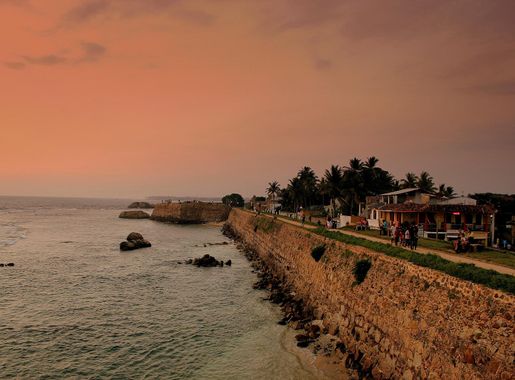
To experience Galle District like a local, visit the local markets such as the Galle Market to buy fresh produce and local crafts. Engage with the locals, who are known for their hospitality and willingness to share stories about the area’s history and culture. Don’t miss the opportunity to explore the Galle Fort, a UNESCO World Heritage Site, and enjoy a sunset walk along the fort walls. For a unique experience, visit the Handunugoda Tea Estate for a tea tour and tasting.
When is the best time to visit Galle District?
Useful Local Phrases for Galle District
You don't need to speak the language perfectly. Even learning a few simple words can make conversations warmer—and locals usually appreciate the effort.
— Eve

Here are the phrases I use most often in Galle District. Try a few—you'll be surprised how far they go! 😊
❤️
-
- Helloආයුබෝවන්
[āyubōvan] - Goodbyeආයුබෝවන්
[āyubōvan] - Yesඔව්
[ov] - Noනැහැ
[næhæ] - Please/You’re welcomeකරුණාකර/ආයුබෝවන්
[karuṇākara/āyubōvan] - Thank youස්තුතියි
[stutiyi] - Excuse me/Sorryකණගාටුයි
[kaṇagāṭuyi] - How are you?ඔබට කෙසේද?
[obata kesēda?] - Fine. And you?හොඳයි. ඔබට?
[hoṇḍayi. obata?] - Do you speak English?ඔබට ඉංග්රීසි කතා කළ හැකිද?
[obata iṅgrīsi kathā kaḷa hækida?] - I don't understandමට තේරෙන්නේ නැහැ
[maṭa thērennē næhæ]
- Helloආයුබෝවන්
-
- I’d like to see the menu, pleaseකරුණාකර මෙනුව බලන්න
[karuṇākara menuwa balanna] - I don't eat meatමම මස් කෑමක් නොකෙරේ
[mama mas kæmak nokerē] - Cheers!ආයුබෝවන්!
[āyubōvan!] - I would like to pay, pleaseකරුණාකර ගෙවන්න
[karuṇākara gewanna]
- I’d like to see the menu, pleaseකරුණාකර මෙනුව බලන්න
-
- Help!ආධාරයක්!
[ādhārayak!] - Go away!පොඩින්න!
[poḍinna!] - Call the Police!පොලීසිය කැදවන!
[polīsiya kædavana!] - Call a doctor!වෛද්යවරයෙක් කැදවන්න!
[vaidya warayek kædawanna!] - I’m lostමම නැවතීම් ගියා
[mama nævatīm giya] - I’m illමට ආසාදිතයි
[maṭa āsāditayi]
- Help!ආධාරයක්!
-
- I’d like to buy...මට මිලදී ගන්න අවශ්යයි...
[maṭa milādī ganna avaśyai...] - I’m just lookingමම බලනවා
[mama balanavā] - How much is it?මෙය කොච්චරද?
[meya kochchara da?] - That’s too expensiveමෙය බොහෝ මිලදීයි
[meya bohō milādīyi] - Can you lower the price?ඔබ මිල අඩු කළ හැකිද?
[oba mila aḍu kaḷa hækida?]
- I’d like to buy...මට මිලදී ගන්න අවශ්යයි...
-
- What time is it?මේක කීයේද?
[mēka kīyēda?] - It’s one o'clockමෙය එකයි
[meya ekayi] - Half past (10)අර්ධය (10)
[arḍhaya (10)] - Morningඋදේ
[udē] - Afternoonවැදෑව
[vædæwa] - Eveningසවස
[sawasa] - Yesterdayඊයේ
[īyē] - Todayඅද
[ada] - Tomorrowහෙට
[hæṭa] - 11
[1] - 22
[2] - 33
[3] - 44
[4] - 55
[5] - 66
[6] - 77
[7] - 88
[8] - 99
[9] - 1010
[10]
- What time is it?මේක කීයේද?
-
- Where's a/the...?කොයි ද?
[koyi da?] - What's the address?ලිපිනය කුමක්ද?
[lipinaya kumakda?] - Can you show me (on the map)?ඔබට මට පෙන්වන්න පුළුවන්ද?
[obata maṭa penwanna puḷuvanda?] - When's the next (bus)?ඊළඟ (බස්) කවදද?
[īḷaṅga (bas) kawadada?] - A ticket (to ....)පත්රයක් (....ට)
[patrayak (....ṭa)]
- Where's a/the...?කොයි ද?
History of Galle District
-
The Galle District, located in the Southern Province of Sri Lanka, has a rich history that dates back to ancient times. Archaeological evidence suggests that the area was inhabited by early settlers as far back as the 6th century B.C. The region's strategic location made it an important hub for trade and commerce long before the arrival of European settlers.
-
In 1505, the Portuguese arrived in Galle and quickly recognized its strategic importance. They established a small fortification to protect their interests and control the lucrative spice trade. The Portuguese influence is evident in the architectural remnants and the blend of European and local cultures that began to take shape during this period.
-
The Dutch East India Company took control of Galle from the Portuguese in 1640 after a fierce battle. The Dutch expanded and fortified the existing structures, creating what is now known as the Galle Fort. This UNESCO World Heritage Site is a prime example of 17th-century Dutch colonial architecture and urban planning, with its grid-patterned streets, bastions, and historic buildings.
-
In 1796, the British ousted the Dutch and took control of Galle. The British made several modifications to the fort and surrounding areas, including the construction of new administrative buildings, schools, and hospitals. The blend of British, Dutch, and Portuguese architectural styles can still be seen today, offering a unique glimpse into the colonial past of the district.
-
Galle Harbour has been a significant maritime hub for centuries, serving as a key port for the spice trade between the East and the West. The harbour's strategic location made it an important stopover point for ships traveling along the ancient Silk Road. The Maritime Archaeology Museum in Galle Fort showcases the district's rich maritime history, including shipwrecks, artifacts, and maritime trade routes.
-
Galle District is a melting pot of cultures, influenced by its colonial past and diverse population. The annual Galle Literary Festival attracts writers, poets, and artists from around the world, celebrating the district's literary and cultural heritage. Traditional Sri Lankan festivals, such as Vesak and Poson, are also celebrated with great fervor, reflecting the area's deep-rooted cultural traditions.
-
Today, Galle District is a vibrant blend of the old and the new. The well-preserved Galle Fort, pristine beaches, and lush countryside attract tourists from all over the world. The district's historical landmarks, combined with modern amenities, make it a must-visit destination for anyone interested in history, culture, and natural beauty.
Neighbouring Regions of Galle District
The closest regions to Galle District, if you have time for more than one.


Your all‑in‑one travel companion app
Explore expert travel guides, compare and book tours, experiences, hotels, and more—all from the palm of your hand. Download now for seamless trip planning wherever your wanderlust takes you.


Explore More of Sri Lanka

Looking beyond Galle District? Discover Sri Lanka for broader travel guides, local hot-spots, and regional highlights.
Explore Sri LankaGalle District in Photos
Browse through our photo collection highlighting the charm and character of the destination.




Enchanting Galle District: Sri Lanka's Coastal Gem
Galle District, nestled along the southwestern coast of Sri Lanka, is a captivating blend of colonial charm, natural beauty, and rich cultural heritage. The district is home to the historic Galle Fort, a UNESCO World Heritage site that boasts cobblestone streets, Dutch-era buildings, and stunning ocean views. Exploring this fort is like stepping back in time, with boutique shops, cozy cafes, and art galleries adding to its unique allure. Beyond the fort, Galle District offers pristine beaches that cater to both relaxation and adventure. Unawatuna Beach is famous for its golden sands and vibrant coral reefs, making it ideal for sunbathing, snorkeling, and diving. For those seeking a quieter escape, Jungle Beach provides a secluded spot surrounded by lush greenery. Nature enthusiasts will find the Hiyare Rainforest and Kanneliya Forest Reserve to be perfect destinations for hiking and bird-watching. These reserves are home to diverse flora and fauna, offering a tranquil retreat from the bustling coastal areas. Additionally, the district's rich culinary scene, featuring fresh seafood and traditional Sri Lankan dishes, will delight food lovers. The warmth and hospitality of the local people, coupled with the district's mix of history, nature, and culture, make Galle a must-visit destination for any traveler to Sri Lanka.