

Free Wet Zone Travel Guide & Mobile App
Explore Wet Zone with free travel guides. Discover regional history, expert tips, proposed trips, and audio guides on web or mobile app.


Explore Sri Lanka’s Wet Zone for Colombo culture, Galle’s historic fort, rainforest walks, tropical coasts and cool central tea country.
When is the best time to visit Wet Zone?
Best: December–February · 29°C| Month | High (°C) | Rainfall (mm) |
|---|---|---|
| January (best) | 29 | 200 |
| February (best) | 29 | 150 |
| March | 30 | 200 |
| April | 31 | 250 |
| May | 31 | 300 |
| June | 31 | 250 |
| July | 30 | 200 |
| August | 30 | 200 |
| September | 30 | 200 |
| October | 30 | 250 |
| November | 29 | 250 |
| December (best) | 29 | 200 |
Getting to and around Wet Zone
How to get there
Transportation
Top city travel guides in Wet Zone
The cities of Wet Zone, and the easiest places to base yourself.
-

-

-

-
-

-


Swipe for more cities
Destinations in Wet Zone
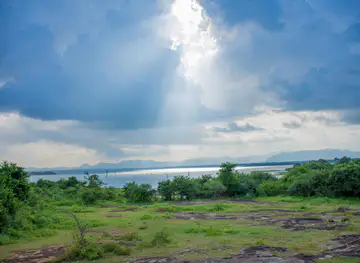
Resorts, valleys and scenic spots worth a trip of their own.
-

-
-

-

-

-


Swipe for more destinations
Best attractions in Wet Zone
The Wet Zone offers an unusually broad range of attractions because its climatic belt includes urban coast, historic ports, rainforest and highland scenery. Colombo provides museums, galleries, religious buildings, markets and civic architecture, while Negombo adds a lagoon, fishing heritage and a long-established Catholic cultural presence. Along the western and southern coast, visitors find beaches, river excursions, turtle-related conservation activities, water sports and quieter coastal settlements, with Bentota and nearby waterways forming a major leisure area. Galle Fort is the region’s principal historic attraction, combining ramparts, churches, merchant buildings and contemporary cultural venues. Inland, Kandy’s temples, gardens and lake setting lead towards tea-growing districts, botanical collections and cool mountain landscapes around Nuwara Eliya. Sinharaja Forest Reserve is the defining natural attraction, offering guided rainforest walks and opportunities to see endemic birds and plants. Wetlands, rivers and smaller forests support birdwatching and low-impact nature excursions, while the central hills provide walking, scenic drives and visits to tea estates and factories. Conditions and access vary seasonally, especially after heavy rain.
-
Mountain peak
Sri Pada / Adam's Peak
Explore the breathtaking beauty and spiritual significance of Sri Pada, a must-visit mountain peak in Sri Lanka offering stunning views and rich cultural experiences.
-
Tourist attraction
Lipton's Seat
Discover stunning views and rich tea heritage at Lipton's Seat, a must-visit attraction in Sri Lanka's breathtaking tea country.
-
Tourist attraction
Bopath Falls
Experience the serene beauty of Bopath Falls, a breathtaking waterfall in Kuruwita surrounded by lush nature and vibrant wildlife.
-
Tourist attraction
Chariot Path
Discover the breathtaking beauty of Chariot Path in Ramboda, Sri Lanka - a perfect blend of nature, adventure, and tranquility.


Best landmarks in Wet Zone
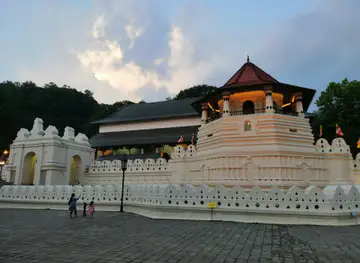
Galle Fort is the Wet Zone’s foremost built landmark: its thick seventeenth-century walls, bastions and street plan preserve the strategic shape of a Dutch maritime stronghold, while later British and local adaptations reveal the port’s continuing importance. In Colombo, the Gangaramaya Temple complex, the Old Parliament area and the city’s surviving colonial commercial buildings represent different chapters of the capital’s religious, political and mercantile development. Kandy’s Temple of the Sacred Tooth Relic is one of Sri Lanka’s most significant Buddhist sites, and the lake and surrounding hills give the city a distinctive visual setting. The Kelani Raja Maha Vihara near Colombo is an important Buddhist temple with a long religious tradition, while the Seema Malaka shrine sits on the waters of Beira Lake. In the central highlands, Nuwara Eliya’s colonial-era public buildings, garden landscapes and tea estates reflect the transformation of upland terrain under British plantation development. Sinharaja’s dense rainforest is a natural landmark of international importance, representing one of the most substantial surviving areas of Sri Lanka’s lowland wet forest.
-
Buddhist temple
Sri Dalada Maligawa
Explore the sacred Sri Dalada Maligawa, a UNESCO World Heritage site, home to the revered relic of the Buddha's tooth in the picturesque city of Kandy.
-
Tourist attraction
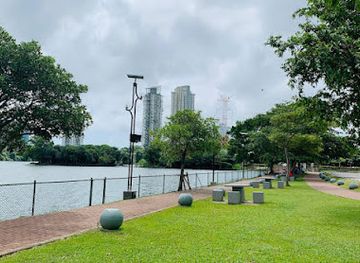
Diyatha Uyana
Discover Diyatha Uyana, a serene park and water park in Sri Jayawardenepura Kotte, perfect for relaxation, family fun, and scenic nature walks.
-
Botanical garden
Royal Botanic Gardens, Peradeniya
Experience the lush beauty and rich biodiversity of the Royal Botanic Gardens, Peradeniya, an enchanting escape into nature in Sri Lanka.
-
Fortress
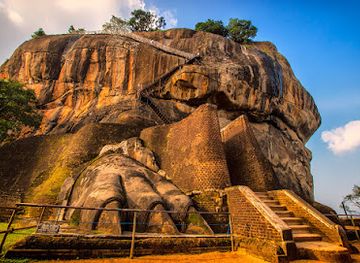
Sigiriya
Explore the ancient marvel of Sigiriya, a UNESCO World Heritage Site featuring breathtaking views, stunning frescoes, and a rich historical tapestry.

Explore Wet Zone on the map
Plan your trip on one map. See where the top cities, national parks and sights are, and book hotels and experiences in a few clicks.
Best hotels in Wet Zone
Best restaurants in Wet Zone
Dining in the Wet Zone ranges from Colombo’s international and contemporary restaurants to informal rice-and-curry houses, coastal seafood cafés, tea shops and family-run eateries. Sri Lankan staples include rice with several curries, hoppers, string hoppers, pittu, sambols and short eats; recipes vary between communities and districts rather than belonging exclusively to one part of the region. The western and southern coasts are strong places to look for fish, prawns and other seafood, while inland markets feature vegetables, fruit, coconut and spices from the humid lowlands. Kandy and the hill country add tea culture, bakery traditions and foods associated with plantation communities. Galle combines established local cooking with cafés and restaurants in and around the Fort, while Colombo has the widest choice of regional Sri Lankan dishes alongside South Asian and international cuisines. Ask about chilli levels, as the same dish may be prepared with very different heat. Bottled or treated drinking water is the practical choice for most visitors, and busy establishments with good local turnover are generally useful guides to reliable everyday cooking.
-
Hotel
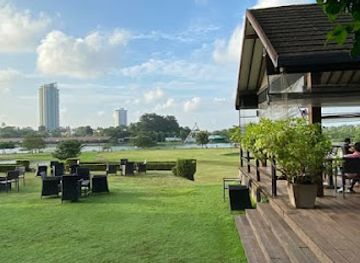
Waters Edge - Sri Lanka
Discover serenity and luxury at Waters Edge - your ultimate escape in Battaramulla, Sri Lanka.
-
Restaurant
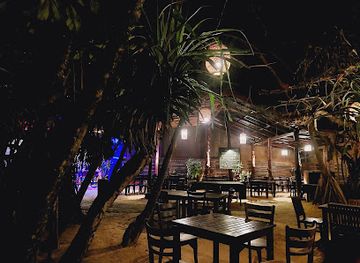
Barracuda Sea Food & Grill
Experience exceptional seafood dining at Barracuda Sea Food & Grill in Dehiwala-Mount Lavinia—where fresh flavors meet stunning ocean views.
-
Buffet
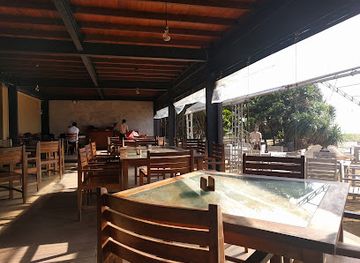
Graze Kitchen
Discover a world of flavors at Graze Kitchen in Colombo - an exquisite buffet offering international cuisines with fresh local ingredients.
-
Seafood
The Station Restaurant & Bar
Experience fresh seafood delights in a relaxed ambiance at The Station Restaurant & Bar in Colombo.

Best bars in Wet Zone
Nightlife is concentrated in Colombo, where the largest selection of hotel bars, cocktail venues, restaurants, live-music spaces and late-evening entertainment can be found. Galle offers a smaller evening scene centred on restaurants, wine and cocktail bars, cafés and occasional live music, particularly around the Fort, while coastal resorts near Bentota and other southern beach areas provide hotel bars and seasonal entertainment rather than a continuous club circuit. Negombo has long-established tourist nightlife, including restaurants and bars near the beach, though the atmosphere changes with the season and individual venues. Kandy’s evenings are more restrained, with restaurants, hotel lounges and cultural performances more prominent than nightclubs. In rural districts, tea country and rainforest areas, nightlife generally means a guesthouse dinner, a local restaurant or a traditional pub-style setting. Drink responsibly, check transport arrangements in advance and remember that religious and residential areas may be quiet after dark.
-
Asian Fusion
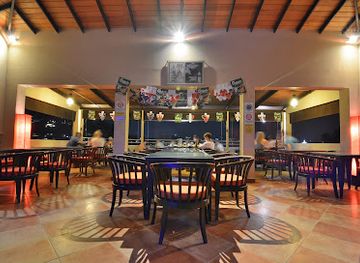
Slightly Chilled Lounge Bar and Restaurant
Discover a culinary haven in Kandy at Slightly Chilled Lounge Bar and Restaurant, offering a fusion of Asian flavors in a relaxed setting.
-
Pub
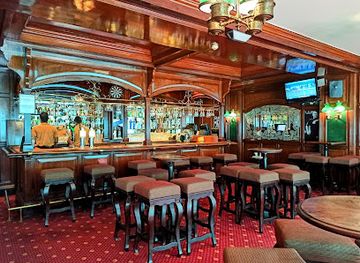
Cheers Pub
Experience the vibrant nightlife of Colombo at Cheers Pub, where great food and drinks meet an unforgettable atmosphere.
-
Pub
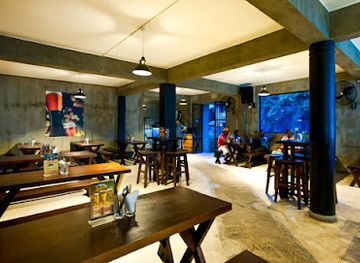
Malli
Experience the vibrant ambiance and delightful drinks at Malli, the premier pub in Sri Jayawardenepura Kotte for relaxation and fun.
-
Pub
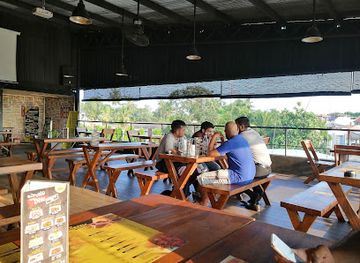
Nawala Machang (නාවල මචං) - Mirihana
Experience the vibrant culinary scene at Nawala Machang, a lively pub and restaurant offering a fusion of local and international flavors.
Best nightclubs in Wet Zone
Nightlife is concentrated in Colombo, where the largest selection of hotel bars, cocktail venues, restaurants, live-music spaces and late-evening entertainment can be found. Galle offers a smaller evening scene centred on restaurants, wine and cocktail bars, cafés and occasional live music, particularly around the Fort, while coastal resorts near Bentota and other southern beach areas provide hotel bars and seasonal entertainment rather than a continuous club circuit. Negombo has long-established tourist nightlife, including restaurants and bars near the beach, though the atmosphere changes with the season and individual venues. Kandy’s evenings are more restrained, with restaurants, hotel lounges and cultural performances more prominent than nightclubs. In rural districts, tea country and rainforest areas, nightlife generally means a guesthouse dinner, a local restaurant or a traditional pub-style setting. Drink responsibly, check transport arrangements in advance and remember that religious and residential areas may be quiet after dark.
-
Disco club
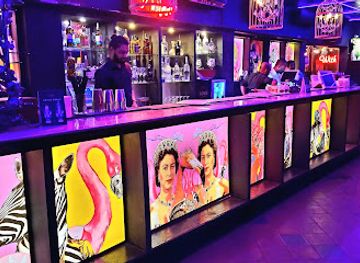
The Love Bar at Flamingo House
Experience the vibrant nightlife at The Love Bar in Colombo, a top disco club offering an electrifying atmosphere and expertly crafted cocktails.
-
Night club
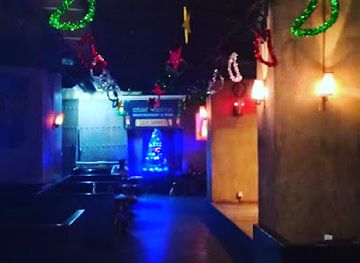
Cleopatra Nightclub
Cleopatra Nightclub: Dive into the heart of Colombo's nightlife with electrifying music, vibrant ambiance, and unforgettable experiences.
-
Night club
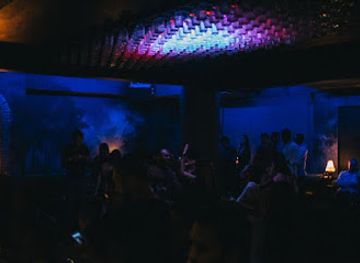
The Chiller Room
Discover Colombo's vibrant nightlife at The Chiller Room, where music and dance come alive in an unforgettable club experience.
-
Night club
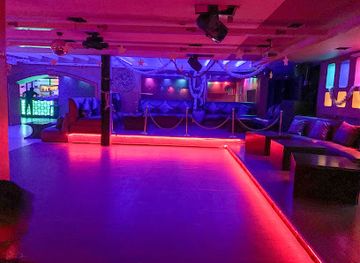
W Lounge
Discover Colombo's vibrant nightlife at W Lounge, an upscale night club and bar offering exquisite drinks and electrifying entertainment.
Best shops in Wet Zone
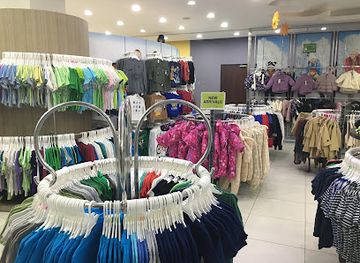
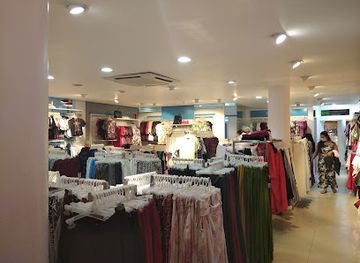
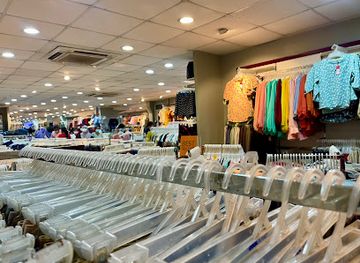
Shopping in the Wet Zone ranges from Colombo’s modern retail, department stores, bookshops and design boutiques to the market streets of smaller coastal and inland towns. Colombo is the best place for the widest choice of contemporary Sri Lankan crafts, clothing, jewellery, books, artwork and packaged food, while Galle’s Fort has galleries, craft shops, design-led stores and independent retailers in historic buildings. Southern coastal towns offer pottery, masks, woven goods and locally made souvenirs, although quality and authenticity vary, so compare products and ask about materials and provenance. Tea is the most recognisable regional purchase from the central highlands, with different grades and growing districts available from reputable sellers. Spices, coconut-based products, batik, handloom textiles and carved wooden items are also widely available. Farmers’ markets and town markets are useful for fruit, vegetables and everyday local produce rather than polished souvenirs. Bargaining may be normal in some informal markets but is not appropriate in every shop; fixed-price stores, galleries and supermarkets generally make their terms clear.
-
Clothing store
House of Fashions
Discover a world of fashion at House of Fashions, Colombo – where local culture meets modern style in a vibrant shopping experience.
-
Clothing store
Cool Planet
Explore the vibrant shopping experience at Cool Planet in Colombo, offering a unique blend of fashion and local culture.
-
Store
Cool Planet - Nugegoda
Explore the latest trends at Cool Planet, Nugegoda's premier clothing store offering stylish fashion for all ages in a vibrant shopping environment.
-
Clothing store
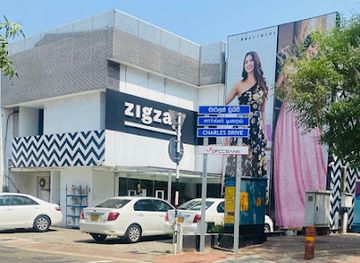
Zigzag Store
Explore the vibrant Zigzag Store in Colombo for stylish women's clothing and accessories that reflect the latest trends in fashion.
Get your free copy of our complete guide to Wet Zone, delivered straight to you.
Everything on this page, from attractions and restaurants to essentials and local phrases, in one PDF you can read offline, print or share.
Already have an account? Sign in
Your Wet Zone guide is ready.
We'll send it to · Not you? Sign out

Getting your guide ready…
We are putting together a fresh copy of the Wet Zone guide. This can take up to a minute.
This can take a few moments. If your browser asks, choose Allow so the download can start. You'll find the guide in your Downloads folder.
Nothing happened? Download it again
Sorry, the guide is taking longer than usual. Please try again in a minute, or get it by email instead.
Wet Zone essentials
Currency and Payment
Safety
Emergency Situations
Do's and Don'ts
Local Tips
From Eve
Local phrases worth knowing
You don't need to get them perfect. A few words go a long way, and locals appreciate the effort.
Basics
| English | Local | Say it |
|---|---|---|
| Hello | හෙලෝ | [Hello] |
| Goodbye | ගුඩ්බයි | [Goodbye] |
| Yes | ඔව් | [Ow] |
| No | නැහැ | [Næhæ] |
| Please/You're welcome | කරුණාකර/ස්තූතියි | [Karunākara / Stūthiyi] |
| Thank you | ස්තූතියි | [Stūthiyi] |
| Excuse me/Sorry | කණගාටුයි | [Kaṇagāṭuyi] |
| How are you? | ඔබට කෙසේද? | [Obaṭa kesēda?] |
| Fine. And you? | හොඳයි. ඔබට කෙසේද? | [Hoṇḍayi. Obaṭa kesēda?] |
| Do you speak English? | ඔබ ඉංග්රීසි කතා කරනවාද? | [Oba iṅgrīsi kathā karanavāda?] |
| I don't understand | මට තේරෙන්නේ නැහැ | [Maṭa thērēnnē næhæ] |
Eating & Drinking
| English | Local | Say it |
|---|---|---|
| I'd like to see the menu, please | කරුණාකර මෙනුව බලන්න | [Karunākara menuva balanna] |
| I don't eat meat | මම මස් කන්නේ නැහැ | [Mama mas kannē næhæ] |
| Cheers! | සතුටින්! | [Satuṭin!] |
| I would like to pay, please | කරුණාකර ගෙවන්න | [Karunākara gewanna] |
Emergencies
| English | Local | Say it |
|---|---|---|
| Help! | ආධාරයක්! | [Ādhārayak!] |
| Go away! | ඉවත්වන්න! | [Ivatwannā!] |
| Call the Police! | පොලීසිය කතා කරන්න! | [Polīsiya kathā karanna!] |
| Call a doctor! | ඩොක්ටර් කතා කරන්න! | [Ḍokṭar kathā karanna!] |
| I'm lost | මම අහිමි වෙලා | [Mama ahimi Velā] |
| I'm ill | මම රෝගී වෙලා | [Mama rōgī velā] |
Shopping
| English | Local | Say it |
|---|---|---|
| I'd like to buy... | මට මිලදී ගන්න ඕනෑ... | [Maṭa milādī ganna ōnæ...] |
| I'm just looking | මම බලනවා | [Mama balanavā] |
| How much is it? | ඒක කීයක්ද? | [Ēka kīyakda?] |
| That's too expensive | එය ගැඩි ගණන් | [Eya gæḍi gaṇan] |
| Can you lower the price? | මිල අඩු කරා පුළුවන්ද? | [Mila aḍu karā puḷuvandā?] |
Time & Numbers
| English | Local | Say it |
|---|---|---|
| What time is it? | කීයටද? | [Kīyatda?] |
| It's one o'clock | එය එකටයි | [Eya ekataiy] |
| Half past (10) | අර්ධය (10) | [Ardhaya (10)] |
| Morning | සවස | [Savasa] |
| Afternoon | දවල් | [Daval] |
| Evening | ආරත්රි | [Āraṭri] |
| Yesterday | ඊයේ | [Īyē] |
| Today | අද | [Aḍa] |
| Tomorrow | හෙට | [Hæṭa] |
| 1 | 1 | [1] |
| 2 | 2 | [2] |
| 3 | 3 | [3] |
| 4 | 4 | [4] |
| 5 | 5 | [5] |
| 6 | 6 | [6] |
| 7 | 7 | [7] |
| 8 | 8 | [8] |
| 9 | 9 | [9] |
| 10 | 10 | [10] |
Transport & Directions
| English | Local | Say it |
|---|---|---|
| Where's a/the...? | ආයුබෝවන්...? | [Āyubōvan...?] |
| What's the address? | ලිපිනය කුමක්ද? | [Lipinaya kumakda?] |
| Can you show me (on the map)? | මට පෙන්වන්න (පැතිකඩට)? | [Maṭa penwanna (pæthikadaṭa)?] |
| When's the next (bus)? | ඉදිරි (බස්) කීයටද? | [Idiri (bas) kīyatda?] |
| A ticket (to ....) | පතක් (....ට) | [Pathak (....ṭa)] |
History of Wet Zone
Early Settlements and Buddhist Kingdoms
The humid southwest was occupied by farming, fishing and forest communities long before written records, while river valleys and coastal routes connected it with the island’s ancient kingdoms. Buddhism became a major cultural force in Sri Lanka from the third century BCE, and monasteries, shrines and irrigation settlements shaped regional life. The Wet Zone was generally more heavily forested than the dry-zone centres around Anuradhapura and Polonnaruwa, but it remained linked to them through trade, pilgrimage and political networks. Sacred sites and long-established temples in the western and central districts continue to reflect this early religious history.
Kotte and the Medieval Western Lowlands
From the late medieval period, the kingdom of Kotte made the southwestern lowlands a major political centre. Kotte, situated near present-day Colombo, developed in a landscape of wetlands, waterways and fertile cultivation. Its rulers controlled important parts of the island and maintained links with maritime merchants. The kingdom’s literary and Buddhist traditions were particularly influential, while the surrounding lowlands supplied agricultural goods to inland and coastal markets. Although little of medieval Kotte survives as a single monumental centre, its historical importance remains visible in place names, religious institutions and the continuing political significance of the Colombo region.
Portuguese and Dutch Maritime Rule
European intervention transformed the Wet Zone’s coastal politics from the sixteenth century onwards. The Portuguese established fortified and commercial positions along the western and southern coasts, including Colombo and Galle, before the Dutch East India Company displaced them in many areas during the seventeenth century. The Dutch expanded fortifications, administrative systems and maritime trade, leaving their clearest architectural legacy at Galle Fort. Canals, churches, warehouses and administrative buildings also reflected the commercial importance of the coast. These settlements connected Sri Lanka more closely to Indian Ocean trading networks while imposing new political and religious structures.
British Ceylon and the Rise of Colombo
The British took control of the Dutch territories in 1796 and later incorporated the Kandyan Kingdom, bringing the island under a unified colonial administration. Colombo expanded as the principal port, administrative capital and commercial centre, with roads, railways, schools and public buildings reshaping the western region. The railway reached the hill country in the nineteenth century, making tea estates and upland settlements more accessible to the coast. British planning and construction introduced new civic, military and commercial districts, while older Sinhala, Tamil, Muslim, Malay and Burgher communities continued to shape the region’s social life.
Plantations, Labour and the Tea Highlands
Coffee cultivation initially expanded in the central hills under British rule, but a devastating coffee disease in the nineteenth century encouraged the rapid development of tea. Estates spread across the uplands around Kandy and Nuwara Eliya, supported by railways, roads, processing factories and imported labour from southern India. The plantation economy created enduring inequalities as well as a distinctive cultural landscape of tea fields, estate settlements and industrial buildings. Tea remains a central symbol of Sri Lanka’s export history, while the communities descended from plantation workers are an important part of the social and cultural life of the central highlands.
Independence and the Modern Western Corridor
Sri Lanka became independent in 1948, and Colombo continued to develop as the country’s administrative, commercial and cultural centre. Post-independence growth extended along the western coastal corridor, bringing new housing, industry, transport infrastructure and tourism. The region’s historic ports and colonial buildings were increasingly understood as heritage assets, while the beach areas south of Colombo developed into major visitor destinations. At the same time, rapid urbanisation placed pressure on wetlands, waterways and agricultural land. Contemporary Wet Zone travel therefore involves both historic conservation and the visible effects of a changing metropolitan and coastal economy.
Rainforest Conservation and Heritage Tourism
During the twentieth century, concern over forest loss and habitat fragmentation led to stronger protection for remaining wet-zone ecosystems. Sinharaja was declared a forest reserve and later recognised internationally for its exceptional biodiversity, while other wetlands, forests and highland environments received increasing conservation attention. Galle Fort and several religious and colonial sites also became important heritage destinations. Today, tourism links cultural conservation with nature-based travel, but visitors should remember that rainforest ecosystems, coastlines and historic structures remain vulnerable to heavy use, development, waste and changing weather patterns.
Wet Zone in Photos
Browse through our photo collection highlighting the charm and character of the destination.
Neighbouring regions of Wet Zone
The closest regions to Wet Zone, if you have time for more than one.
-

-

-

-

-


Swipe for more regions
Explore more

Explore more of Sri Lanka
Discover Sri Lanka: Rich culture, stunning landscapes, and warm hospitality await you in this tropical paradise. Explore ancient cities, wildlife, tea plantations, and pristine beaches.
Explore Sri Lanka