

Free Kandy Travel Guide & Mobile App
Plan your Kandy trip with Evendo. Get free guides to top attractions, restaurants, hotels, and bars. Web access or download the mobile app.


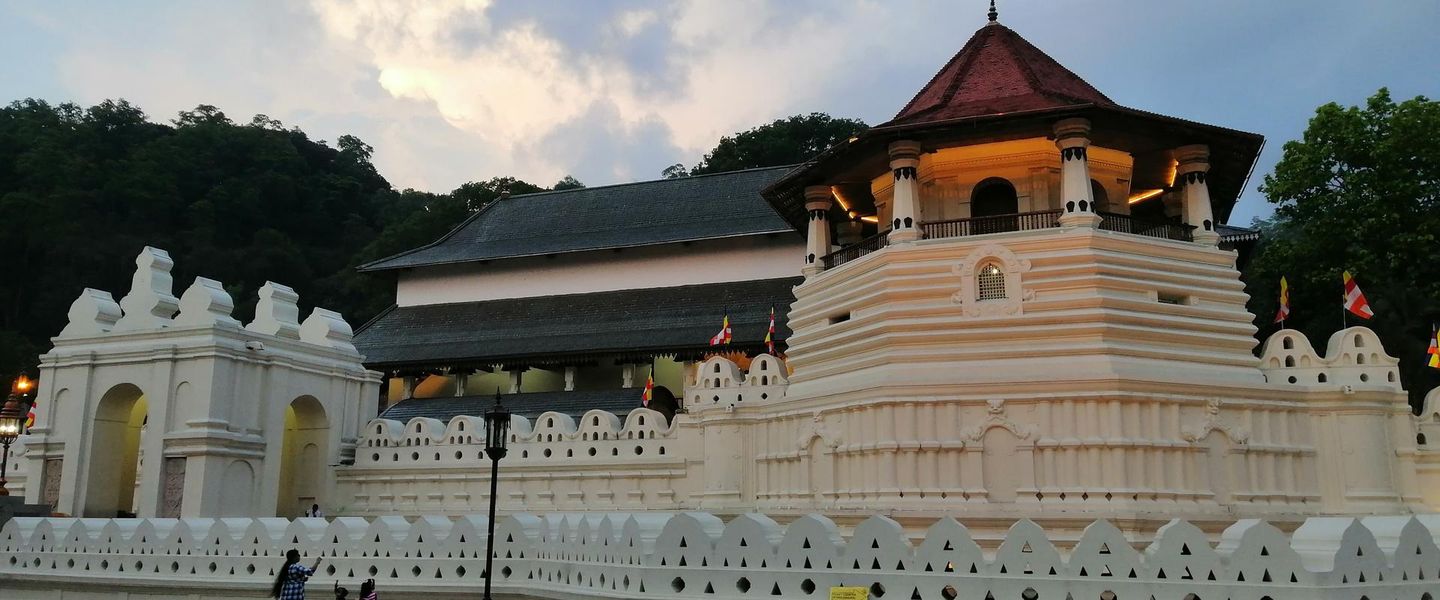


Kandy, Sri Lanka pairs a sacred lake, royal history and Buddhist heritage with hill-country scenery, cultural sights and memorable local experiences.
A City Shaped by Hills and History
Kandy occupies a basin of green hills in Sri Lanka’s Central Province, gathered around the broad waters of Kandy Lake. Its setting is more intimate than that of the coastal cities: roads climb through wooded slopes, red-roofed buildings follow the contours of the terrain, and mist often settles over the surrounding uplands. The city was the last royal capital of the Kandyan kingdom, whose independence preserved a distinctive court culture and Buddhist tradition until British annexation in 1815.Read more about Kandy
The Sacred City
Culture in the Uplands
When is the best time to visit Kandy?
Best: January–March · 27–28°C| Month | High (°C) | Rainfall (mm) |
|---|---|---|
| January (best) | 27 | 112 |
| February (best) | 27 | 117 |
| March (best) | 28 | 177 |
| April | 29 | 383 |
| May | 30 | 417 |
| June | 30 | 344 |
| July | 30 | 224 |
| August | 30 | 196 |
| September | 30 | 194 |
| October | 29 | 411 |
| November | 28 | 413 |
| December | 27 | 233 |
Getting to and around Kandy
How to get there
Transportation
Best attractions in Kandy
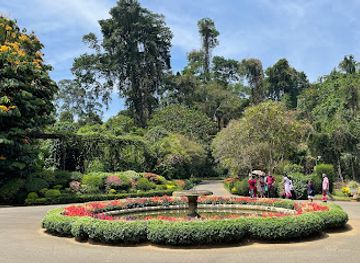
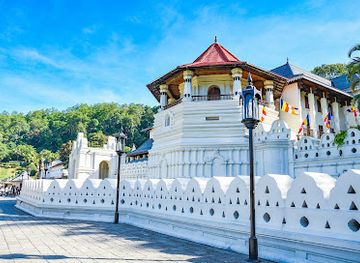
Kandy’s principal attractions gather around the lake and the former royal precinct. The Temple of the Sacred Tooth Relic introduces visitors to the city’s central Buddhist tradition through shrine rooms, courtyards and daily devotional activity, while the National Museum of Kandy presents objects associated with the Kandyan court and the region’s past. Nearby, the Kandyan Cultural Centre is associated with performances of traditional dance and drumming, offering context for the island’s artistic heritage. The broad green space of Kandy Lake provides an easy route between sights, although its roads can be busy. Beyond the centre, the Royal Botanic Gardens at Peradeniya combine landscaped avenues, mature trees and riverside scenery, and are among the area’s most rewarding places for a slower visit. Viewpoints on the hills above town reveal the compact basin, temple roofs and forested ridges that give Kandy its distinctive setting.
-
Buddhist temple
Sri Dalada Maligawa
Discover the spiritual heart of Kandy at Sri Dalada Maligawa, home to the sacred Tooth Relic of Buddha and a UNESCO World Heritage Site.
11 min walk · 0.9 km from city centre
-
Botanical garden
Royal Botanic Gardens, Peradeniya
Explore the lush landscapes and diverse flora of Royal Botanic Gardens, Peradeniya - a serene escape in Kandy, Sri Lanka.
14 min drive · 4.8 km from city centre
-
 National forest
Udawatta Kele Sanctuary
Explore the lush landscapes and diverse wildlife of Udawatta Kele Sanctuary, a serene haven in the heart of Kandy, Sri Lanka.
17 min walk · 1.3 km from city centre
-
Buddhist temple
Sri Maha Bodhi Viharaya
Discover the spiritual heart of Kandy at Sri Maha Bodhi Viharaya, a revered Buddhist temple rich in history and tranquility, perfect for cultural exploration.
8 min walk · 0.6 km from city centre


Best landmarks in Kandy
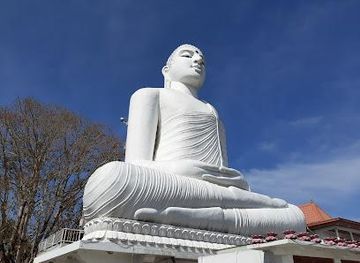
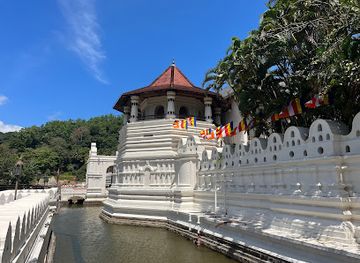
The Temple of the Sacred Tooth Relic is Kandy’s defining landmark, both a place of Buddhist worship and the surviving spiritual centre of the former royal capital. Its ceremonial buildings stand within the historic palace complex, alongside the Magul Maduwa, or audience hall, whose timber columns and carved details represent the architectural language of the Kandyan court. Kandy Lake, created in the early nineteenth century under King Sri Wickrama Rajasinghe, forms a carefully composed foreground to the old city and remains one of its most recognisable features. The octagonal Pallekele? no — The octagonal tower at the palace precinct is associated with the former royal library and is a familiar part of the city’s skyline. On the hills beyond the centre, the white Bahirawakanda Sri Maha Bodhi statue is a modern viewpoint landmark, while the nearby monasteries and shrines reflect Kandy’s continuing religious importance.
-
Buddhist temple
Sri Dalada Maligawa
Explore the spiritual heart of Sri Lanka at Sri Dalada Maligawa, home to the sacred Tooth Relic and a symbol of the nation's rich Buddhist heritage.
11 min walk · 0.9 km from city centre
-
Botanical garden
Royal Botanic Gardens, Peradeniya
Explore the Royal Botanic Gardens, Peradeniya – a stunning oasis of biodiversity and tranquility near Kandy, Sri Lanka, perfect for nature lovers and explorers.
14 min drive · 4.8 km from city centre
-
Historical landmark
Sacred City of Kandy
Explore the Sacred City of Kandy, a UNESCO World Heritage Site, rich in history, culture, and breathtaking landscapes in Sri Lanka.
11 min walk · 0.8 km from city centre
-
Shopping mall
Kandy City Centre
Explore Kandy City Centre, the vibrant shopping mall offering a fusion of local culture, international brands, and delightful dining in Kandy, Sri Lanka.
5 min walk · 0.4 km from city centre

Explore Kandy on the map
Plan your Kandy trip on one map. See where the top attractions, landmarks, restaurants, bars and hotels are, find what's near where you're staying, and book hotels and experiences in a few clicks.
Best hotels in Kandy
Best restaurants in Kandy
Kandy’s food scene reflects the wider culinary traditions of Sri Lanka, with rice and curries, spicy sambols, hoppers, string hoppers, kottu and short eats available alongside dishes shaped by the island’s regional and colonial history. Local cooking makes generous use of coconut, curry leaves, treacle, jackfruit, lentils and carefully balanced spice blends; Kandyan menus may also include specialities from the central highlands. Around the central market and commercial streets, modest cafés and family-run eateries provide inexpensive, informal meals, while hotels and more established restaurants offer broader menus for visitors seeking air-conditioned dining or international dishes. Tea is an important part of the region’s identity, and cafés commonly serve it with sweet or savoury snacks. Food markets and bakeries are useful for encountering everyday flavours rather than only formal restaurant cooking.
-
Vegetarian
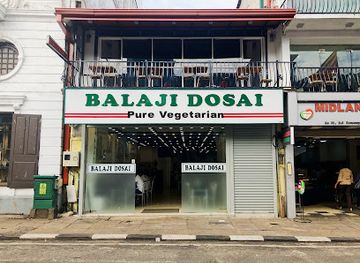
Balaji Dosai
Discover the vibrant flavors of South Indian vegetarian cuisine at Balaji Dosai in Kandy – a culinary gem that delights every palate.
8 min walk · 0.6 km from city centre
-
Pizza
Vito Wood Fired Pizza
Savor the rich flavors of authentic wood-fired pizza at Vito Wood Fired Pizza in Kandy—an unforgettable culinary experience awaits.
12 min walk · 1.0 km from city centre
-
Restaurant
Dinemore - Kandy
Discover the flavors of Sri Lanka at Dinemore - Kandy, where delicious submarines and local cuisine await you.
15 min walk · 1.2 km from city centre
-
Restaurant
Fab Ceylon
Experience the flavors of Sri Lanka at Fab Ceylon – where tradition meets modern cuisine in a cozy setting.
8 min walk · 0.7 km from city centre
Best bars in Kandy
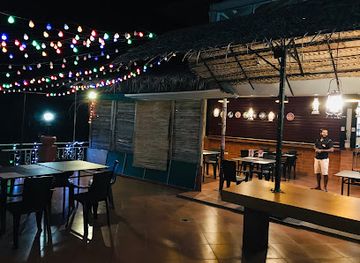
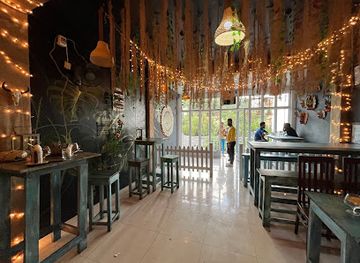
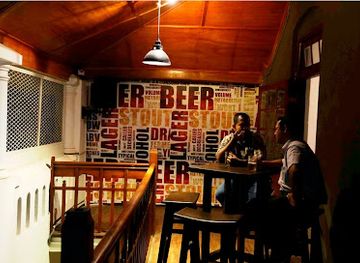
Kandy’s evenings are generally restrained rather than centred on large nightclubs. Hotel bars and restaurants provide the most reliable settings for a drink, while some venues offer live music or informal evening entertainment. Around the lake and central town, visitors can find places for a quiet dinner or conversation, but the city’s strongest after-dark experiences are cultural: Kandyan dance and drumming performances, temple observances and occasional arts events convey more of its character than a late-night club circuit. Alcohol is not served in or around Buddhist temples, and public behaviour near religious sites should remain respectful. During the Esala Perahera season, the streets become animated by processions, performers and crowds, though access, noise and transport conditions differ substantially from ordinary evenings. Those seeking a broad choice of clubs generally find Colombo more suitable than Kandy.
-
Bar
Slightly Chilled Lounge Bar and Restaurant
Discover the perfect blend of relaxation and Asian fusion cuisine at Slightly Chilled Lounge Bar and Restaurant in Kandy.
16 min walk · 1.3 km from city centre
-
Restaurant
Hideout Lounge
Discover the vibrant flavors of Kandy at Hideout Lounge, where the best of bar and grill meets a cozy pizza restaurant atmosphere.
18 min walk · 1.5 km from city centre
-
Bar
Royal Bar & Hotel
Discover the unique blend of history and hospitality at Kandy's Royal Bar & Hotel, a perfect retreat for discerning travelers.
8 min walk · 0.7 km from city centre
-
Pub
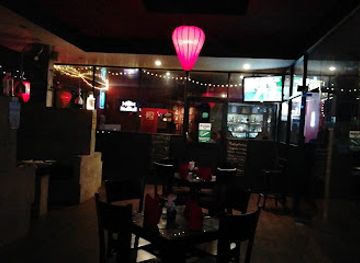
HQ Pub & Restaurant
Discover the lively HQ Pub & Restaurant in Kandy, where delicious meals and refreshing drinks create the perfect atmosphere for relaxation and fun.
11 min walk · 0.9 km from city centre
Best nightclubs in Kandy
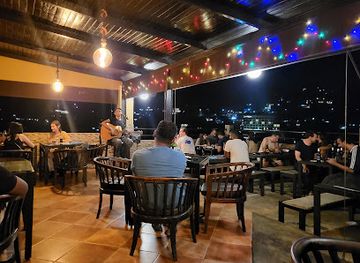
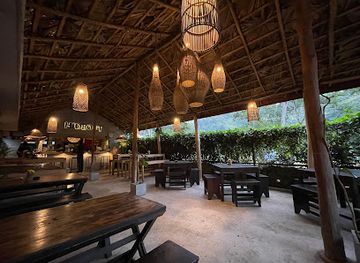
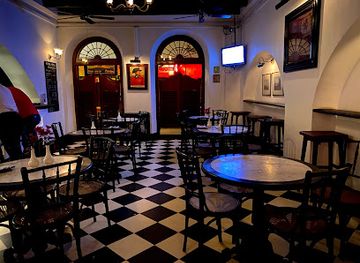
Kandy’s evenings are generally restrained rather than centred on large nightclubs. Hotel bars and restaurants provide the most reliable settings for a drink, while some venues offer live music or informal evening entertainment. Around the lake and central town, visitors can find places for a quiet dinner or conversation, but the city’s strongest after-dark experiences are cultural: Kandyan dance and drumming performances, temple observances and occasional arts events convey more of its character than a late-night club circuit. Alcohol is not served in or around Buddhist temples, and public behaviour near religious sites should remain respectful. During the Esala Perahera season, the streets become animated by processions, performers and crowds, though access, noise and transport conditions differ substantially from ordinary evenings. Those seeking a broad choice of clubs generally find Colombo more suitable than Kandy.
-
Asian Fusion
Slightly Chilled Lounge Bar and Restaurant
Discover a unique blend of Asian fusion cuisine and a vibrant atmosphere at Slightly Chilled Lounge Bar and Restaurant in Kandy.
16 min walk · 1.3 km from city centre
-
Bar
Old Trinitian's Sports Club
Experience the vibrant social scene at Old Trinitian's Sports Club in Kandy, where tradition meets modern nightlife.
12 min walk · 1.0 km from city centre
-
Hotel
The Kandy Club
Experience an unforgettable nightlife adventure at The Kandy Club, where music, culture, and great food unite in the heart of Kandy.
15 min walk · 1.2 km from city centre
-
Bar
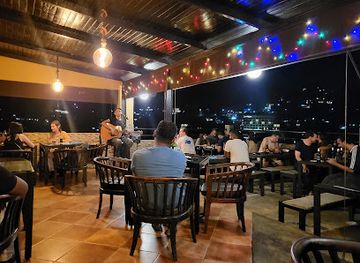
Tavern 29 Rooftop Bar
Discover Tavern 29 Rooftop Bar in Kandy, where breathtaking views and delectable drinks create an unforgettable nightlife experience.
10 min drive · 3.4 km from city centre
Best shops in Kandy
Shopping in Kandy ranges from practical local markets to crafts aimed at visitors. The Central Market is the most atmospheric place to see fruit, vegetables, spices, flowers and household goods moving through everyday commerce, while streets near the railway station and market contain small shops selling clothing, snacks and travel necessities. Lacquerware, carved wooden objects, handloom textiles, batik and traditional masks are among the crafts associated with Sri Lanka and can be found in specialist shops and craft centres, though quality and provenance vary. Tea from the central highlands is a popular purchase, as are spices and packaged regional foods. Visitors should compare workmanship, ask about materials when buying traditional objects, and avoid antiquities or wildlife products whose export may be restricted. Kandy’s retail landscape is more local and practical than a dedicated luxury-shopping district.
-
Shopping mall
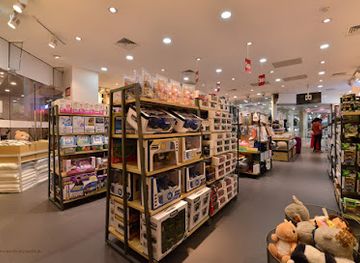
Kandy City Centre
Explore Kandy City Centre: A vibrant shopping destination blending modern retail with Sri Lankan culture in the heart of Kandy.
5 min walk · 0.4 km from city centre
-
Market
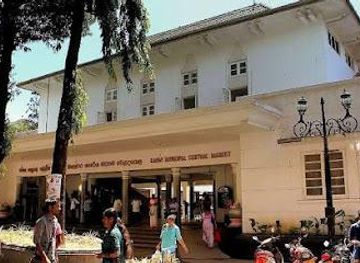
Kandy Municipal Central Market
Explore Kandy Municipal Central Market, a lively hub of local culture, fresh produce, and unique crafts in the heart of Sri Lanka's historic city.
2 min walk · 0.2 km from city centre
-
Department store
Cool Planet
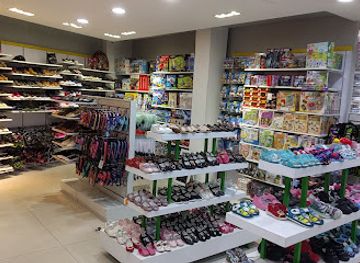
Explore Cool Planet, Kandy's premier shopping destination for trendy women’s clothing and unique fashion accessories.
15 min walk · 1.2 km from city centre
-
Women's clothing store
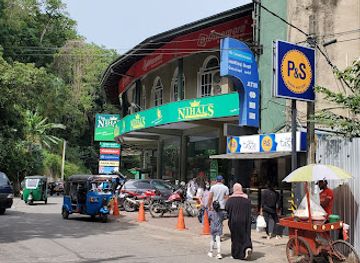
Nils
Explore Nils in Kandy for a unique selection of women's clothing that combines elegance, style, and local craftsmanship.
14 min walk · 1.1 km from city centre
Get your free copy of our complete guide to Kandy, delivered straight to you.
Everything on this page, from attractions and restaurants to essentials and local phrases, in one PDF you can read offline, print or share.
Already have an account? Sign in
Your Kandy guide is ready.
We'll send it to · Not you? Sign out

Getting your guide ready…
We are putting together a fresh copy of the Kandy guide. This can take up to a minute.
This can take a few moments. If your browser asks, choose Allow so the download can start. You'll find the guide in your Downloads folder.
Nothing happened? Download it again
Sorry, the guide is taking longer than usual. Please try again in a minute, or get it by email instead.
Kandy essentials
Currency and Payment
Safety
Emergency Situations
Do's and Don'ts
Local Tips
From Eve
Local phrases worth knowing
You don't need to get them perfect. A few words go a long way, and locals appreciate the effort.
Basics
| English | Local | Say it |
|---|---|---|
| Hello | ආයුබෝවන් | [Ayubowan] |
| Goodbye | සල්ලි | [Salli] |
| Yes | ඔව් | [Owa] |
| No | නෑ | [Nae] |
| Please/You're welcome | කරන්න/ස්වභාවික | [Karanna/Suwabawik] |
| Thank you | ස්තූතියි | [Sthuthiyi] |
| Excuse me/Sorry | කියන්න/සමාවෙන්න | [Kiyanna/Samawenna] |
| How are you? | ඔයා කොහෙද? | [Oya koheda?] |
| Fine. And you? | හොඳේ. ඔයා? | [Hode. Oya?] |
| Do you speak English? | ඔයා ඉංග්රීසි කතා කරයිද? | [Oya ingreesi katha karayi da?] |
| I don't understand | මට දත්ත නොදෙනුනේ | [Mata data nodenu] |
Eating & Drinking
| English | Local | Say it |
|---|---|---|
| I'd like to see the menu, please | මම මෙනු බලන්නන්, කරුණාකළ | [Mama menu balannanna, karunakala] |
| I don't eat meat | මම මස් කන්නේ නෑ | [Mama mas kannae nae] |
| Cheers! | සුමන් | [Suman] |
| I would like to pay, please | මම ගෙවිලා ගත්තේ, කරුණාකළ | [Mama gevila gatthe, karunakala] |
Emergencies
| English | Local | Say it |
|---|---|---|
| Help! | උකුලට | [Ukulta] |
| Go away! | යලියෙන්න | [Yaliyenna] |
| Call the Police! | පොලිස් කළද? | [Police kalada?] |
| Call a doctor! | වෛර කලද? | [Vaidya kalada?] |
| I'm lost | මම අතේදාගෙනා | [Mama athedagenaa] |
| I'm ill | මම අස්වැල්ලුවා | [Mama aswelluwa] |
Shopping
| English | Local | Say it |
|---|---|---|
| I'd like to buy... | මම ... මෙනු වෙනවා | [Mama ... menu wenawa] |
| I'm just looking | මම කරත්තන්ට පෙනෙනවා | [Mama karattant penenawa] |
| How much is it? | එයාලා කොචලා? | [Eyala kothala?] |
| That's too expensive | එයාලා කට්ටියේ ප්රමාණයයි | [Eyala katteye pramanayi] |
| Can you lower the price? | මිනිස්සු කට්ටි අඩු කරනවාද? | [Minissu katti adu karanavada?] |
Time & Numbers
| English | Local | Say it |
|---|---|---|
| What time is it? | නොකියාම කාලය කුගුලයි? | [Nokiyaama kalaya kugulayi?] |
| It's one o'clock | එකට | [Ekata] |
| Half past (10) | සමිප්වල | [Sampawala] |
| Morning | පානම් | [Panam] |
| Afternoon | පසළ | [Pasala] |
| Evening | සවස | [Savasa] |
| Yesterday | ඊයේ | [Iye] |
| Today | අද | [Ada] |
| Tomorrow | හෙට | [Heta] |
| 1 | එක | [Eka] |
| 2 | දෙක | [Deka] |
| 3 | තුන | [Thuna] |
| 4 | හතලි | [Hathali] |
| 5 | පහ | [Paha] |
| 6 | හය | [Haya] |
| 7 | හත | [Hatha] |
| 8 | අට | [Ata] |
| 9 | නත් | [Natha] |
| 10 | දහය | [Dahaya] |
Transport & Directions
| English | Local | Say it |
|---|---|---|
| Where's a/the...? | ... ඉවුල්කොට? | [... Ivulkota?] |
| What's the address? | ලිපිනය කුලයි? | [Lipinaya kuli?] |
| Can you show me (on the map)? | මට (කිසිවක්) පෙනෙනවාද? | [Mata (Kisiwak) penenavada?] |
| When's the next (bus)? | ඊතලට (බස්) කුලයි? | [Italata (Bas) kuli?] |
| A ticket (to ....) | ප්රාන්තය (.... වෙත) | [Prantaya (.... wetha)] |
History of Kandy
Early Kandyan Kingdom
The central highlands supported settlements and regional kingdoms before Kandy became the principal seat of power. The Kandyan kingdom emerged as a significant polity in the late medieval period, drawing strength from difficult terrain and from the authority of its rulers over the interior. The city, known historically as Senkadagalapura, developed around a fortified royal centre rather than an open lowland commercial port. Its geography helped the kingdom resist the Portuguese and later the Dutch, who controlled important parts of Sri Lanka’s coast. This separation also allowed court customs, religious institutions and artistic forms associated with the highlands to develop with considerable continuity.
Kandy Becomes the Royal Capital
Kandy became the permanent capital of the Kandyan kingdom in the late sixteenth century under King Vimaladharmasuriya I, after the Portuguese capture of Kotte weakened the established lowland order. The relocation gave the hill kingdom a defensible political centre and reinforced the city’s religious importance. The Tooth Relic, believed by Buddhists to be a powerful symbol of legitimate kingship, was brought to Kandy and housed within the royal complex. Palace buildings, temples, audience spaces and gardens grew around this sacred and political focus, establishing the relationship between monarchy, Buddhism and urban life that still defines the historic centre.
Court Culture and Sacred Architecture
During the seventeenth and eighteenth centuries, Kandyan rulers maintained an independent court while negotiating military and diplomatic pressure from European powers on the coast. Kandy’s architecture developed a distinctive character, seen in timber detailing, painted decoration, tiled roofs and ceremonial buildings adapted to the hill environment. The royal precinct included the Temple of the Sacred Tooth Relic, the king’s palace and the Magul Maduwa, or audience hall. Religious foundations around the city also supported monastic learning and artistic traditions. The period’s political turbulence did not erase the court’s cultural influence, much of which survives in Kandy’s ritual life, dance and craft heritage.
The British Annexation of 1815
Kandyan independence ended in 1815, when representatives of the British Crown and Kandyan chiefs signed the Kandyan Convention. The agreement transferred sovereignty to the British while promising to protect Buddhism and established customs, though the political settlement soon produced deep tensions. Resistance culminated in the Uva–Wellassa uprising of 1817–1818, which was suppressed by British forces and followed by severe destruction and displacement in affected areas. British rule altered Kandy’s administrative structures and connected the hill capital more closely to the developing colonial economy, while the city’s temples and royal buildings remained enduring symbols of the former kingdom.
Colonial Connections and Urban Change
Under British rule, Kandy became an important administrative and transport centre for the interior. Roads and the railway improved access between the hill capital, Colombo and the plantation districts, while commercial streets and public institutions expanded beyond the old royal precinct. The growth of coffee and later tea in the central highlands brought new labour systems, markets and patterns of migration to the wider region. Colonial buildings joined older Kandyan structures around the lake and town, creating the layered urban landscape visible today. These changes also made Kandy a gateway to the highlands rather than solely a royal and religious centre.
Heritage in Modern Sri Lanka
After Sri Lanka gained independence in 1948, Kandy retained its status as a major cultural and religious centre. The Temple of the Sacred Tooth Relic and the surrounding historic area were inscribed as the Sacred City of Kandy on the UNESCO World Heritage List in 1988, recognising the importance of the royal capital and its living Buddhist traditions. Modern Kandy remains a regional hub for education, commerce and pilgrimage, while the Esala Perahera, temple ceremonies and surviving court architecture connect contemporary public life with the history of the Kandyan kingdom.
Kandy in Photos
Browse through our photo collection highlighting the charm and character of the destination.
Cities near Kandy
The closest cities to Kandy, if you have time for more than one stop.
-

-

-

-
-


Swipe for more cities
Explore more

Explore more of Sri Lanka
Discover Sri Lanka: Rich culture, stunning landscapes, and warm hospitality await you in this tropical paradise. Explore ancient cities, wildlife, tea plantations, and pristine beaches.
Explore Sri Lanka