

Free Ella Travel Guide & Mobile App
Plan your Ella trip with Evendo. Get free guides to top attractions, restaurants, hotels, and bars. Web access or download the mobile app.


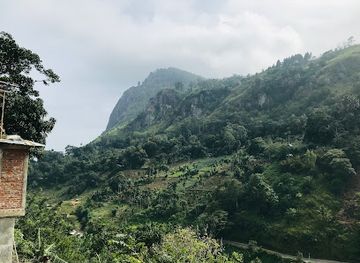
Explore Ella: Sri Lanka's serene hill station with stunning landscapes, iconic landmarks, and vibrant local culture. Perfect for nature lovers and adventure seekers.
Read more about Ella
When is the best time to visit Ella?
Best: January–March · 26–28°C| Month | High (°C) | Rainfall (mm) |
|---|---|---|
| January (best) | 26 | 200 |
| February (best) | 27 | 140 |
| March (best) | 28 | 140 |
| April | 29 | 230 |
| May | 29 | 450 |
| June | 29 | 400 |
| July | 29 | 400 |
| August | 29 | 400 |
| September | 29 | 400 |
| October | 29 | 380 |
| November | 29 | 300 |
| December | 28 | 260 |
Getting to and around Ella
How to get there
Transportation
Best attractions in Ella
Ella, a charming town nestled in the lush green mountains of Sri Lanka, offers visitors a unique blend of natural beauty and cultural experiences. From the iconic Nine Arch Bridge where you can watch the mesmerizing sight of the train passing through the lush greenery, to the breathtaking views from Little Adam's Peak, Ella is a paradise for nature lovers and hikers. Don't miss the chance to visit the Ravana Falls, a stunning waterfall surrounded by tropical forests, or explore the historic sites like the ancient Buddhist temple of Dowa Rock Temple. With its cool climate, friendly locals, and delicious cuisine, Ella is a must-visit destination for anyone looking for a memorable and authentic Sri Lankan experience.
-
 Bridge
Nine Arches Bridge
Explore the Nine Arches Bridge in Ella, a stunning architectural gem surrounded by lush tea plantations and breathtaking views.
5 min drive · 1.6 km from city centre
-
Tourist attraction
Lipton's Seat
Experience the breathtaking vistas and rich tea heritage of Lipton's Seat, a breathtaking viewpoint in Sri Lanka's lush hills.
31 min drive · 11 km from city centre
-
Tourist attraction
Diyaluma Falls
Experience the breathtaking beauty of Diyaluma Falls, Sri Lanka's second highest waterfall, surrounded by lush landscapes and serene nature.
36 min drive · 16 km from city centre
-
Tourist attraction
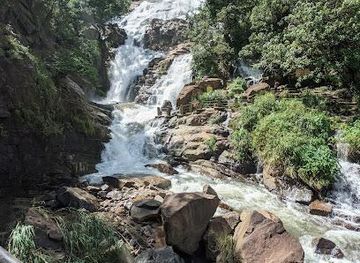
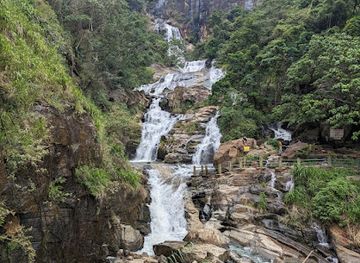
Ravana Waterfall
Discover the enchanting Ravana Waterfall in Ella, a stunning natural wonder surrounded by lush landscapes, perfect for nature lovers and adventure seekers alike.
12 min drive · 4.0 km from city centre


Best landmarks in Ella
Ella, a charming town nestled in the hill country of Sri Lanka, offers visitors a unique blend of natural beauty and cultural heritage. From the iconic Nine Arch Bridge to the breathtaking views from Little Adam's Peak, Ella is a paradise for hikers and nature lovers. Don't miss a visit to the Ravana Falls, a majestic waterfall steeped in local mythology, or a stroll through the lush tea plantations that dot the landscape. For history buffs, a trip to the ancient rock temple of Dowa Rajamaha Viharaya is a must, offering a glimpse into Sri Lanka's rich past. With its stunning landscapes and rich history, Ella is a destination that will captivate and inspire visitors from around the world.
-
Restaurant
Cafe Chill
Experience the flavors of Sri Lanka at Cafe Chill, where breathtaking views meet mouthwatering dishes in the heart of Ella.
4 min walk · 0.3 km from city centre
-
Tourist attraction
Ravana Waterfall
Experience the enchanting beauty of Ravana Waterfall in Ella, Sri Lanka - a natural wonder steeped in myth and surrounded by lush greenery.
12 min drive · 4.0 km from city centre
-
Adventure sports center
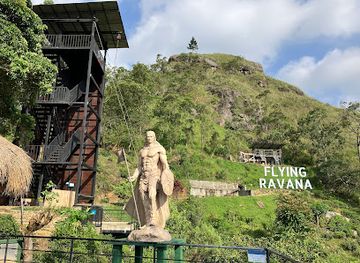
Flying Ravana Mega Zipline
Experience the thrill of a lifetime at Flying Ravana Mega Zipline, the longest zipline in South Asia, soaring above the breathtaking landscapes of Ella, Sri Lanka.
6 min drive · 2.0 km from city centre
-
Tourist attraction
Ravana's Cave
Discover the legendary Ravana's Cave in Ella, where myth meets nature in stunning surroundings, perfect for adventurers and history lovers alike.
16 min walk · 1.3 km from city centre
Explore Ella on the map
Plan your Ella trip on one map. See where the top attractions, landmarks, restaurants, bars and hotels are, find what's near where you're staying, and book hotels and experiences in a few clicks.
Best hotels in Ella
Best restaurants in Ella
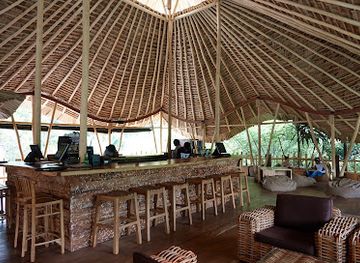
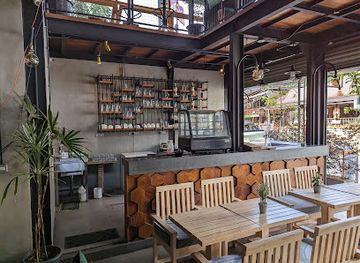
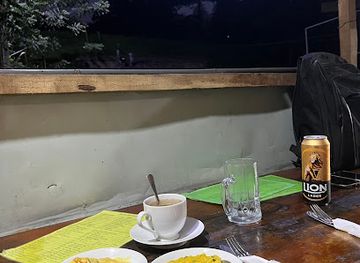
The dining scene in Ella offers a diverse range of options for visitors to indulge in. From cozy cafes serving up freshly brewed coffee and homemade pastries to bustling street food stalls offering authentic Sri Lankan dishes, there is something for everyone. For a more upscale dining experience, visitors can choose from a selection of restaurants serving international cuisine with stunning views of the surrounding mountains. Additionally, Ella is known for its vibrant nightlife, with lively bars and restaurants offering a mix of cocktails and live music, creating the perfect atmosphere for socializing and unwinding after a day of exploring the city.
-
Restaurant
Cafe Chill
Experience authentic Sri Lankan flavors amidst stunning views at Cafe Chill in Ella - where culinary delight meets natural beauty.
4 min walk · 0.3 km from city centre
-
Restaurant
The Barn by Starbeans
Discover culinary delights at The Barn by Starbeans in Ella—where every meal is accompanied by stunning views and a cozy atmosphere.
3 min walk · 0.3 km from city centre
-
Restaurant
Matey Hut Ella Sri Lanka
Discover authentic Sri Lankan cuisine at Matey Hut Ella - a cozy restaurant with breathtaking views in the heart of Ella.
2 min walk · 0.2 km from city centre
-
Restaurant
360 Ella
Discover 360 Ella: A delightful restaurant and café offering exquisite local cuisine amidst breathtaking views in the heart of Sri Lanka's scenic Ella.
5 min walk · 0.4 km from city centre
Best bars in Ella
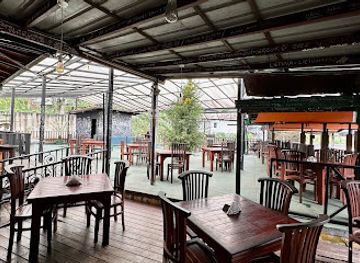
Ella may be a small town, but its nightlife scene packs a big punch. From cozy rooftop bars offering stunning views of the surrounding mountains to lively nightclubs where you can dance the night away, there is something for everyone here. Enjoy live music performances by talented local artists, sip on delicious cocktails made with fresh fruits, and mingle with fellow travelers from around the world. The laid-back and friendly atmosphere of Ella's nightlife will surely make your evenings unforgettable.
-
Restaurant
Cafe Chill
Experience authentic Sri Lankan cuisine with stunning views at Cafe Chill, a must-visit restaurant in Ella.
4 min walk · 0.3 km from city centre
-
Restaurant
The Barn by Starbeans
Explore the vibrant flavors of Ella at The Barn by Starbeans, a culinary gem offering local and international dishes in a cozy atmosphere.
3 min walk · 0.3 km from city centre
-
Restaurant
360 Ella
Experience the flavors of Sri Lanka at 360 Ella, a delightful restaurant and tea house nestled in the heart of Ella’s breathtaking landscapes.
5 min walk · 0.4 km from city centre
-
Bar
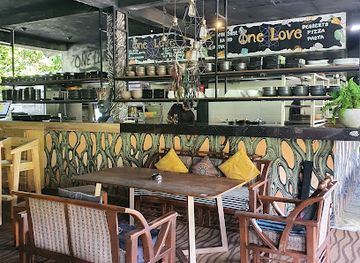
Cafe One Love
Discover the vibrant flavors and cozy atmosphere of Cafe One Love in Ella, where culinary delights meet stunning natural beauty.
2 min walk · 0.1 km from city centre
Best nightclubs in Ella
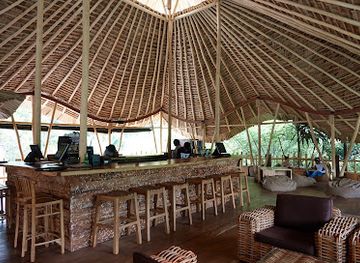
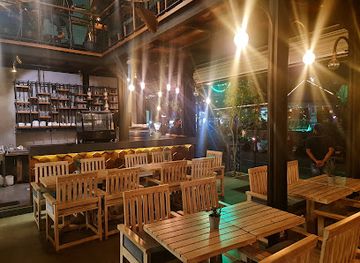
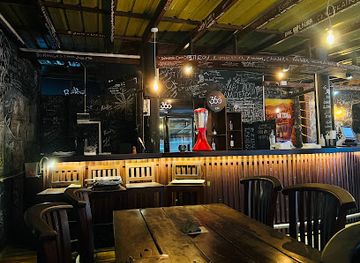
Ella may be a small town, but its nightlife scene packs a big punch. From cozy rooftop bars offering stunning views of the surrounding mountains to lively nightclubs where you can dance the night away, there is something for everyone here. Enjoy live music performances by talented local artists, sip on delicious cocktails made with fresh fruits, and mingle with fellow travelers from around the world. The laid-back and friendly atmosphere of Ella's nightlife will surely make your evenings unforgettable.
-
Bar
Cafe One Love
Discover the vibrant flavors of Ella at Cafe One Love, where culinary delights meet a lively atmosphere for an unforgettable dining experience.
2 min walk · 0.1 km from city centre
-
Club
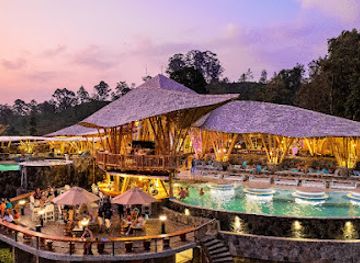
Ravana Pool Club
Discover the tropical charm and vibrant nightlife of Ravana Pool Club in Ella, a perfect blend of relaxation and entertainment.
5 min drive · 1.7 km from city centre
-
Bar
Spice Ella
Discover the vibrant flavors of Sri Lanka at Spice Ella, a lively bar and restaurant in the heart of Ella, perfect for culinary explorers.
5 min walk · 0.4 km from city centre
-
Restaurant
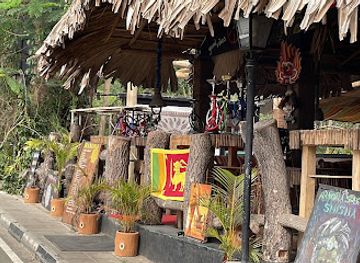
Tiki bar ella
Experience the vibrant flavors and stunning views at Tiki Bar Ella, the perfect tropical retreat in the heart of Sri Lanka's Ella.
2 min walk · 0.1 km from city centre


Best shops in Ella
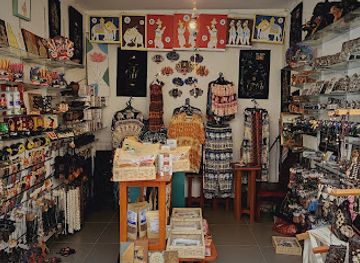
Ella offers a unique shopping experience for visitors, with a variety of local handicrafts, souvenirs, and spices available in the bustling markets and quaint shops. From handwoven textiles to handmade jewelry, tourists can find one-of-a-kind items to take home as mementos of their trip. The vibrant colors and intricate designs of the local products add to the charm of shopping in Ella, making it a must-do activity for anyone looking to immerse themselves in the culture and creativity of the city.
-
Clothing store
Chill Bay Ella
Explore Chill Bay Ella for trendy clothing and unique handmade souvenirs in the heart of Sri Lanka's scenic Ella.
4 min walk · 0.3 km from city centre
-
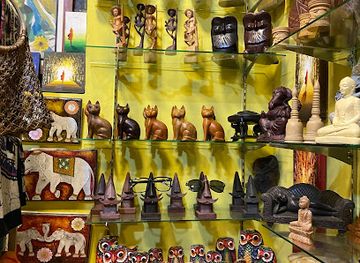
Souvenir store
R.M.S. Antiques & Brassware. AUTHENTIC SOUVENIRS
Explore the charm of Sri Lankan craftsmanship at R.M.S. Antiques & Brassware, your go-to destination for authentic souvenirs in Ella.
3 min walk · 0.2 km from city centre
-
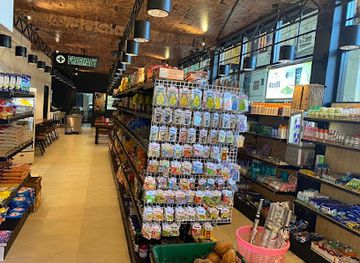
Supermarket
Somasiri Supermarket
Discover local flavors and essentials at Somasiri Supermarket, the bustling heart of Ella's shopping scene.
4 min walk · 0.3 km from city centre
-
Herb shop
ONE@ELLA
Explore ONE@ELLA in Ella, Sri Lanka: A charming herb shop filled with local spices, souvenirs, and unique artwork, perfect for travelers.
3 min walk · 0.2 km from city centre

Get your free copy of our complete guide to Ella, delivered straight to you.
Everything on this page, from attractions and restaurants to essentials and local phrases, in one PDF you can read offline, print or share.
Already have an account? Sign in
Your Ella guide is ready.
We'll send it to · Not you? Sign out

Getting your guide ready…
We are putting together a fresh copy of the Ella guide. This can take up to a minute.
This can take a few moments. If your browser asks, choose Allow so the download can start. You'll find the guide in your Downloads folder.
Nothing happened? Download it again
Sorry, the guide is taking longer than usual. Please try again in a minute, or get it by email instead.
Ella essentials
Currency and Payment
Safety
Emergency Situations
Do's and Don'ts
Local Tips
From Eve
Local phrases worth knowing
You don't need to get them perfect. A few words go a long way, and locals appreciate the effort.
Basics
| English | Local | Say it |
|---|---|---|
| Hello | හෙලෝ | [helo] |
| Goodbye | ආරාධනා | [aradhana] |
| Yes | ඔව් | [ov] |
| No | නෑ | [nē] |
| Please/You're welcome | කරන්න | [karanna] |
| Thank you | ඔබට ස්තූතියි | [obata stuti] |
| Excuse me/Sorry | සමාවක් | [samāwak] |
| How are you? | ඔයාට කොහොමද? | [ōyāta kohōmada?] |
| Fine. And you? | හොඳම. ඔයා? | [hodama. ōyā?] |
| Do you speak English? | ඔයාට ඉංග්රීසි කතා කරයිද? | [ōyāta iṁgrīsi kathā karayida?] |
| I don't understand | මම දත්ත නොදත්තේ | [mama dattha nodatthē] |
Eating & Drinking
| English | Local | Say it |
|---|---|---|
| I'd like to see the menu, please | කරුණාකර මෙනු බලන්න | [karunākara menu balanna] |
| I don't eat meat | මම මස් කෑමට නොවූවෙන් | [mama mas kāmata novūwēn] |
| Cheers! | සුභම පාට | [subha pāṭa] |
| I would like to pay, please | කරුණාකර ගෙවන්න | [karunākara gevanna] |
Emergencies
| English | Local | Say it |
|---|---|---|
| Help! | උකුල්ල! | [ukulla!] |
| Go away! | ඉවත්කරන්න! | [iwathkaranna!] |
| Call the Police! | පොලිස් කළමු! | [polis kalamu!] |
| Call a doctor! | වෛරයකරු කළමු! | [vārayakaru kalamu!] |
| I'm lost | මම නැවතුනෙද් | [mama nāwatunē] |
| I'm ill | මම අස්වැනීනෙද් | [mama asvānīnē] |
Shopping
| English | Local | Say it |
|---|---|---|
| I'd like to buy... | මම ... මිලට දෙන්නන්න | [mama ... milata denannanna] |
| I'm just looking | මම පෙන්නවා | [mama penna] |
| How much is it? | එය කොහෙත් වැඩිය? | [eya kohet vādiya?] |
| That's too expensive | එය විශාලය | [eya viśālaya] |
| Can you lower the price? | මිල අවම කළ හැකිද? | [mila avama kala hēkida?] |
Time & Numbers
| English | Local | Say it |
|---|---|---|
| What time is it? | දිනපියක් කුමක් වැඩිය? | [dinapīyak kumak vādiya?] |
| It's one o'clock | එකට | [ekata] |
| Half past (10) | බත් | [bath] |
| Morning | පාන්දු | [pandu] |
| Afternoon | දවස | [davasa] |
| Evening | සව්ව | [savva] |
| Yesterday | ඊයේ | [īyē] |
| Today | අද | [ada] |
| Tomorrow | හෙනක් | [hēnak] |
| 1 | එක | [eka] |
| 2 | දෙක | [deka] |
| 3 | තුන | [thuna] |
| 4 | හත් | [hata] |
| 5 | පහ | [paha] |
| 6 | හය | [haya] |
| 7 | හත | [hatha] |
| 8 | අට | [ata] |
| 9 | නත | [nata] |
| 10 | දහය | [dahaya] |
Transport & Directions
| English | Local | Say it |
|---|---|---|
| Where's a/the...? | ... කොහෙත් තුල්ලෙන්? | [... kohet tullēn?] |
| What's the address? | ලිපිනය කුමක්? | [lipinaya kumak?] |
| Can you show me (on the map)? | මට ප්රස්ථාරයට පෙන්නන්න | [mata prasthāraya penannanna] |
| When's the next (bus)? | ඊළඟට කොහෙත්? | [īlaṅgat kohet?] |
| A ticket (to ....) | ටිකට් (එයට) | [ṭikat (eyaṭa)] |
History of Ella
Ancient Beginnings
Ella, a picturesque town in the Badulla District of Uva Province, Sri Lanka, has a rich history that dates back to ancient times. The region was part of the Ruhuna Kingdom, which flourished from the 3rd century BCE to the 13th century CE. Archaeological evidence suggests that the area was inhabited by early settlers who were engaged in agriculture and trade.
The Kandyan Kingdom Era
During the 16th to 19th centuries, Ella was under the influence of the Kandyan Kingdom, the last independent monarchy in Sri Lanka before British colonization. The region was known for its strategic importance and lush landscapes, which were used for agriculture and as a retreat by the Kandyan kings. The remnants of ancient temples and ruins in the area are a testament to this period.
Colonial Influence
Ella's modern history is deeply intertwined with the period of British colonization in Sri Lanka. With the arrival of the British in the 19th century, the region saw significant changes, particularly in agriculture. The British established tea plantations, transforming Ella into a major center for tea production. The construction of the railway line in the late 19th century, connecting Ella to other parts of Sri Lanka, facilitated the transport of tea and boosted the local economy.
Railway Engineering Marvel
One of Ella's most iconic landmarks is the Nine Arches Bridge, also known as the 'Bridge in the Sky.' Completed in 1921, this architectural marvel is a testament to the engineering prowess of the British colonial period. The bridge, made entirely of stone and cement without the use of steel, spans 91 meters and stands 24 meters high, offering breathtaking views of the surrounding tea plantations and forests.
Ella in the Independence Era
Following Sri Lanka's independence in 1948, Ella continued to thrive as a center for tea production. The town gradually transformed into a popular tourist destination, attracting visitors with its lush landscapes, cool climate, and historical significance. The shift towards tourism has led to the development of various amenities and attractions, making Ella a key highlight in Sri Lanka's travel circuit.
Cultural Heritage
Ella is not only known for its natural beauty but also for its rich cultural heritage. The town is home to several ancient temples and historical sites, such as the Dhowa Rock Temple, which features a large unfinished Buddha statue carved into the rock face. These cultural landmarks offer a glimpse into the religious and artistic traditions of the region, adding depth to Ella's historical tapestry.
Contemporary Ella
Today, Ella is a vibrant town that seamlessly blends its historical roots with modern amenities. It is a hub for eco-tourism, attracting hikers, nature enthusiasts, and history buffs alike. The town's economy has diversified, with a focus on sustainable tourism and preserving its natural and cultural heritage. Ella continues to be a testament to Sri Lanka's rich history and dynamic future.
Ella in Photos
Browse through our photo collection highlighting the charm and character of the destination.
Cities near Ella
The closest cities to Ella, if you have time for more than one stop.
-

-
-

-
-


Swipe for more cities
Explore more

Explore more of Sri Lanka
Discover Sri Lanka: Rich culture, stunning landscapes, and warm hospitality await you in this tropical paradise. Explore ancient cities, wildlife, tea plantations, and pristine beaches.
Explore Sri Lanka