

Free Matale District Travel Guide & Mobile App
Explore Matale District with free travel guides. Discover regional history, expert tips, proposed trips, and audio guides on web or mobile app.


Explore Matale District: Sri Lanka's hidden gem with ancient temples, lush spice gardens, and stunning landscapes.
Read more about Matale District
When is the best time to visit Matale District?
Best: January–March · 29–30°C| Month | High (°C) | Rainfall (mm) |
|---|---|---|
| January (best) | 29 | 70 |
| February (best) | 30 | 60 |
| March (best) | 30 | 90 |
| April | 31 | 150 |
| May | 32 | 200 |
| June | 31 | 120 |
| July | 30 | 110 |
| August | 30 | 110 |
| September | 30 | 140 |
| October | 29 | 190 |
| November | 29 | 200 |
| December | 28 | 150 |
Getting to and around Matale District
How to get there
Transportation
Top city travel guides in Matale District
The cities of Matale District, and the easiest places to base yourself.
-
 Sigiriya
Discover Sigiriya, the Lion's Rock Fortress in Sri Lanka, a UNESCO World Heritage Site offering stunning views, ancient gardens, and nearby attractions like Dambulla Cave Temple and Minneriya National Park.
Sigiriya
Discover Sigiriya, the Lion's Rock Fortress in Sri Lanka, a UNESCO World Heritage Site offering stunning views, ancient gardens, and nearby attractions like Dambulla Cave Temple and Minneriya National Park.
-
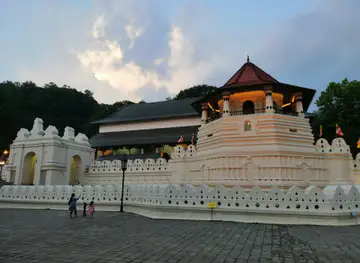 Kandy
Discover Kandy, Sri Lanka: A city of rich cultural heritage, sacred temples, and breathtaking landscapes. Experience the vibrant Esala Perahera and serene Kandy Lake.
Kandy
Discover Kandy, Sri Lanka: A city of rich cultural heritage, sacred temples, and breathtaking landscapes. Experience the vibrant Esala Perahera and serene Kandy Lake.
-
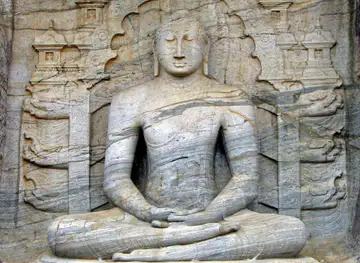 Polonnaruwa
Discover the ancient wonders of Polonnaruwa, a UNESCO World Heritage site in Sri Lanka, filled with majestic ruins, serene Buddha statues, and stunning landscapes.
Polonnaruwa
Discover the ancient wonders of Polonnaruwa, a UNESCO World Heritage site in Sri Lanka, filled with majestic ruins, serene Buddha statues, and stunning landscapes.
Swipe for more cities
Destinations in Matale District
Resorts, valleys and scenic spots worth a trip of their own.
-
 Minneriya National Park
Explore Minneriya National Park: Witness 'The Gathering' of elephants, rich biodiversity, and historical wonders in the heart of Sri Lanka.
Minneriya National Park
Explore Minneriya National Park: Witness 'The Gathering' of elephants, rich biodiversity, and historical wonders in the heart of Sri Lanka.
-
 Dambulla
Explore Dambulla: A gateway to Sri Lanka's ancient cave temples, bustling markets, and breathtaking natural beauty.
Dambulla
Explore Dambulla: A gateway to Sri Lanka's ancient cave temples, bustling markets, and breathtaking natural beauty.
Swipe for more destinations
Best attractions in Matale District
Matale District in Sri Lanka is a hidden gem brimming with historical and natural wonders. Visitors can explore the awe-inspiring Sigiriya Rock Fortress, a UNESCO World Heritage site known for its ancient frescoes and panoramic views. The Aluvihara Rock Cave Temple offers a serene retreat with its Buddhist relics and ancient manuscripts. Nature enthusiasts will be captivated by the lush greenery of the Knuckles Mountain Range, perfect for trekking and bird watching. The Sembuwatta Lake provides a tranquil setting for boating and picnicking, while the Matale Spice Gardens offer a fragrant journey through Sri Lanka's rich spice heritage. Don't miss the vibrant Hindu temples, such as the Sri Muthumariamman Temple, showcasing colorful Dravidian architecture. Matale District is a treasure trove of cultural, historical, and natural attractions waiting to be discovered.
-
Tourist attraction
Riverston
Experience the breathtaking beauty and adventure at Riverston Basecamp, a must-visit destination for nature lovers in Sri Lanka.
-
National reserve
Knuckles Forest Reserve
Discover the breathtaking beauty and rich biodiversity of Knuckles Forest Reserve, a UNESCO World Heritage site in Sri Lanka.
-
Buddhist temple
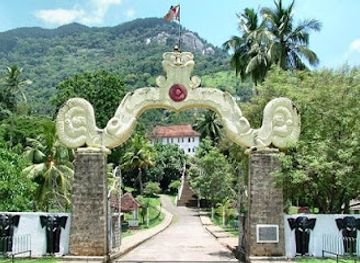
Aluviharaya Rock Cave Temple
Explore the Aluviharaya Rock Cave Temple, where history and spirituality meet amidst breathtaking natural beauty in Sri Lanka.
-
Ecological park
Pitawala Pathana, Riverston
Discover the breathtaking beauty of Pitawala Pathana, an ecological park in Riverston, where nature and adventure await every traveler.
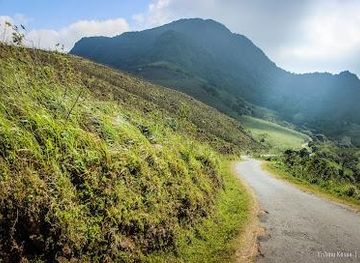
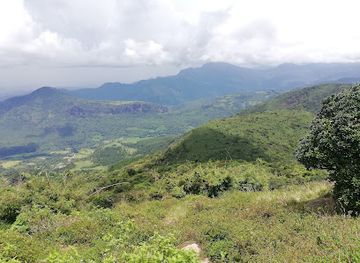
Best landmarks in Matale District
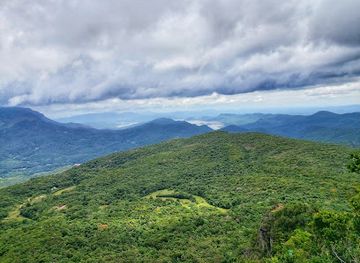
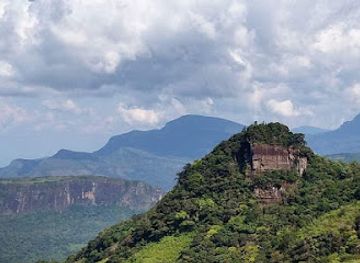
Nestled in the heart of Sri Lanka, Matale District is a treasure trove of historical and natural wonders waiting to be explored. The iconic Sigiriya Rock Fortress, a UNESCO World Heritage site, stands majestically with its ancient frescoes and breathtaking views from the summit. Nearby, the Dambulla Cave Temple offers a mesmerizing array of Buddha statues and intricate cave paintings that date back over two millennia. For nature enthusiasts, the Knuckles Mountain Range provides stunning landscapes, perfect for hiking and bird watching. The Aluvihare Rock Temple, steeped in history, is where the sacred Pali Canon was first written down. Don't miss the spice gardens of Matale, where the air is fragrant with the scent of cinnamon, cardamom, and nutmeg. Each landmark in Matale District promises a unique and unforgettable experience, rich in culture, history, and natural beauty.
-
Buddhist temple
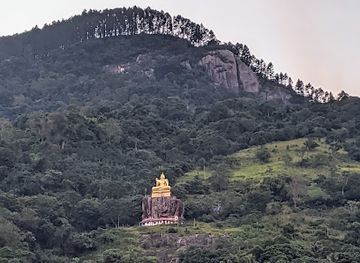
Dambulla Royal Cave Temple and Golden Temple
Explore the Dambulla Royal Cave Temple, a UNESCO World Heritage Site showcasing ancient Buddhist art and breathtaking views in Sri Lanka.
-
Tourist attraction
Riverston
Explore the breathtaking beauty of Riverston, a premier hiking destination in Sri Lanka, where nature and adventure meet.
-
Tourist attraction
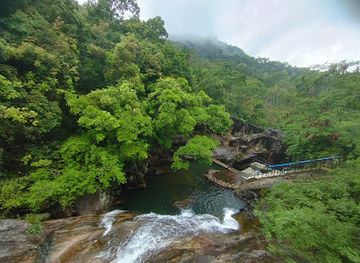
Bambarakiri Ella
Experience the tranquility and breathtaking beauty of Bambarakiri Ella, a hidden waterfall gem in Sri Lanka, perfect for nature lovers and adventurers.
-
Buddhist temple
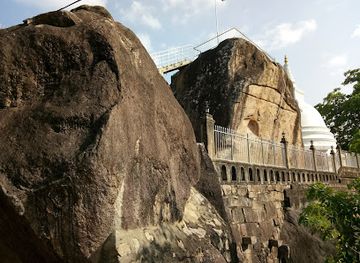
Aluviharaya Rock Cave Temple
Explore the tranquil Aluviharaya Rock Cave Temple, a historic Buddhist site in Sri Lanka, renowned for its stunning rock formations and sacred art.
Explore Matale District on the map
Plan your trip on one map. See where the top cities, national parks and sights are, and book hotels and experiences in a few clicks.
Best hotels in Matale District
Best restaurants in Matale District
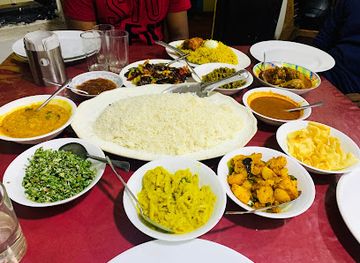
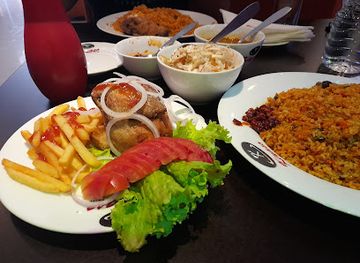
In the heart of Sri Lanka, Matale District's dining scene is a tantalizing mosaic of flavors and aromas that reflect the region's rich cultural tapestry. Visitors can expect an array of traditional Sri Lankan eateries serving up iconic dishes like aromatic rice and curry, spicy pol sambol, and mouth-watering hoppers. Don't miss out on the unique flavors of Matale's famed spice gardens, where you can savor meals infused with freshly harvested herbs and spices. For those seeking a blend of local and international cuisine, boutique cafes and charming colonial-style restaurants offer delightful fusion dishes, set against the backdrop of lush landscapes and historic architecture. Street food enthusiasts can revel in bustling markets, where vendors dish out piping hot snacks like kottu roti and samosas, perfect for a quick bite while exploring. Whether dining in rustic village settings or elegant establishments, Matale promises a culinary journey that is as diverse and vibrant as its heritage.
-
Fast Food
Food Corner
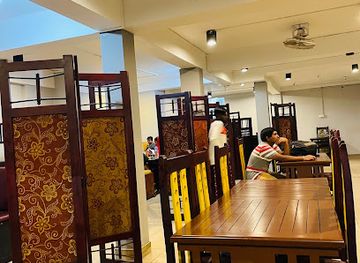
Discover the vibrant flavors of Sri Lanka at Food Corner in Matale - where fast food meets local culinary delights.
-
Restaurant
Burger Chief
Discover the unique flavors of Sri Lanka at Burger Chief in Matale – where local ingredients meet classic burgers in a vibrant setting.
-
Restaurant
Kiyaso
Experience authentic Sri Lankan flavors at Kiyaso in Matale – where every dish tells a story.
-
Restaurant
Yamee yamee resturant
Experience authentic Sri Lankan cuisine at Yamee Yamee Restaurant - a culinary gem on Inamaluwa-Sigiriya Road.
Best bars in Matale District
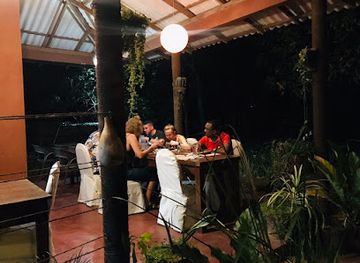
Matale District may not be renowned for its bustling nightlife like the major cities, but it offers a unique and charming evening experience under the stars. Visitors can enjoy tranquil nights in cozy local bars with rustic charm, savoring authentic Sri Lankan cocktails and local brews. Traditional music fills the air as friendly locals share tales of the region's rich history and culture. For those seeking more excitement, some resorts host cultural shows featuring traditional Kandyan dances and drumming sessions that captivate and enthrall. Night markets occasionally pop up, offering an array of street food, crafts, and a vibrant atmosphere perfect for an evening stroll. The serene ambiance of Matale’s night scene offers a perfect blend of relaxation and cultural immersion, providing a refreshing contrast to the hustle and bustle of urban nightlife.
-
Bar
Slightly Chilled Lounge Bar and Restaurant
Experience the best of Asian fusion cuisine and refreshing drinks at Slightly Chilled Lounge Bar and Restaurant in Kandy.
-
 Bar
BarThe Grand Mountain Hotel
Discover unparalleled luxury and relaxation at The Grand Mountain Hotel, a serene escape in the heart of Matale with stunning mountain views.
-
Bar
Sundaras Restaurant & Pool BAR
Discover exquisite dining and relaxation at Sundaras Restaurant & Pool Bar in Dambulla, where culinary delights meet tranquil ambiance.
-
Gastropub
The Downtown Gastropub
Experience the fusion of local flavors and modern gastronomy at The Downtown Gastropub, a must-visit dining spot in Sigiriya.
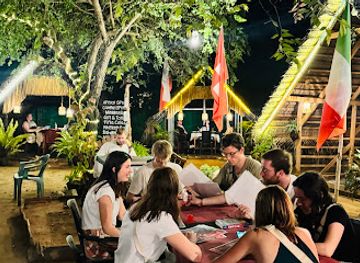
Best nightclubs in Matale District
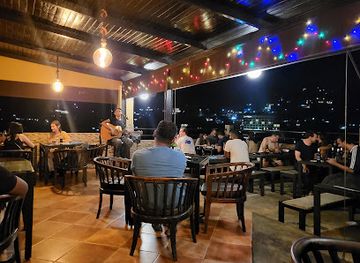
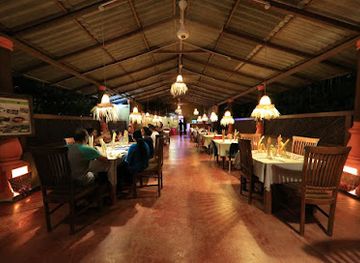
Matale District may not be renowned for its bustling nightlife like the major cities, but it offers a unique and charming evening experience under the stars. Visitors can enjoy tranquil nights in cozy local bars with rustic charm, savoring authentic Sri Lankan cocktails and local brews. Traditional music fills the air as friendly locals share tales of the region's rich history and culture. For those seeking more excitement, some resorts host cultural shows featuring traditional Kandyan dances and drumming sessions that captivate and enthrall. Night markets occasionally pop up, offering an array of street food, crafts, and a vibrant atmosphere perfect for an evening stroll. The serene ambiance of Matale’s night scene offers a perfect blend of relaxation and cultural immersion, providing a refreshing contrast to the hustle and bustle of urban nightlife.
-
Asian Fusion
Slightly Chilled Lounge Bar and Restaurant
Discover the vibrant atmosphere and exquisite flavors at Slightly Chilled Lounge Bar and Restaurant in Kandy, Sri Lanka.
-
Bar
Old Trinitian's Sports Club
Experience the lively atmosphere of Old Trinitian's Sports Club in Kandy, where good drinks, sports, and camaraderie come together.
-
Pub
Sizzle Sports Pub
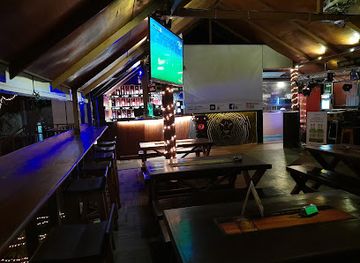
Experience the vibrant nightlife at Sizzle Sports Pub in Kandy, where sports, cocktails, and entertainment come together.
-
Pub
Stag's Head Pub
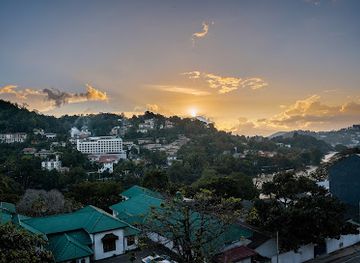
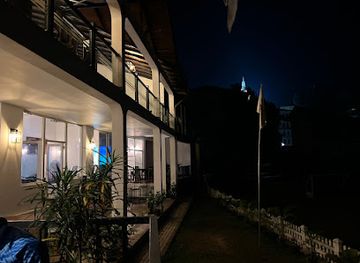
Discover the heart of Kandy's nightlife at Stag's Head Pub, where lively ambiance, delicious food, and great company await.
Best shops in Matale District
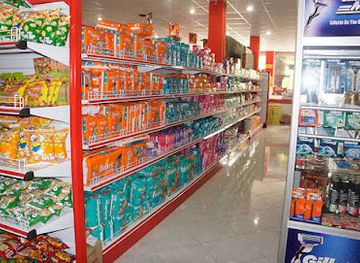
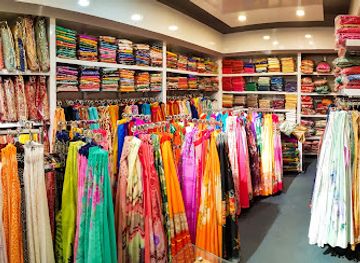
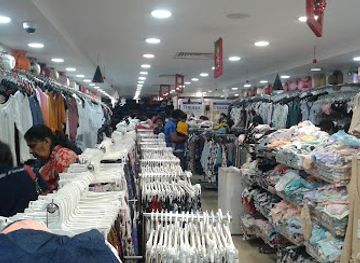
Matale District offers a vibrant and diverse shopping experience that caters to all senses and tastes. Visitors can explore bustling local markets like the Matale Central Market, where they will find a kaleidoscope of fresh produce, aromatic spices, and traditional Sri Lankan street food. Artisan boutiques and craft shops scattered throughout the district showcase exquisite handloom textiles, intricate wood carvings, and beautifully crafted brassware, reflecting the area's rich cultural heritage. For those seeking unique souvenirs, the spice gardens in Matale provide an opportunity to purchase freshly ground spices and Ayurvedic products, ensuring a piece of Sri Lanka's culinary and wellness traditions can be taken home. Whether you're strolling through lively bazaars or quaint village shops, the shopping scene in Matale District promises an immersive and sensory-rich experience.
-
Supermarket
Keells - Matale (Nagolla Road)
Experience the best of local and international shopping at Keells Supermarket in Matale, your go-to destination for convenience and quality.
-
Shopping mall
CIB Shopping Centre - Matale
Explore CIB Shopping Centre in Matale for an unforgettable shopping experience featuring local fashion, home goods, and unique gifts.
-
Clothing store
Sriyani Dress Point - Matale
Discover unique traditional and modern Sri Lankan fashion at Sriyani Dress Point in Matale.
-
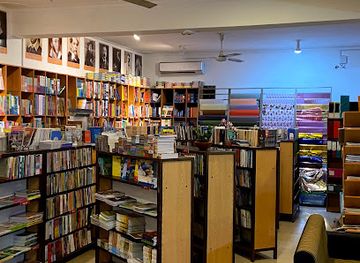
Book store
Abhiru Book Shop
Explore Abhiru Book Shop in Matale for an enchanting selection of books and a cozy reading experience.
Get your free copy of our complete guide to Matale District, delivered straight to you.
Everything on this page, from attractions and restaurants to essentials and local phrases, in one PDF you can read offline, print or share.
Already have an account? Sign in
Your Matale District guide is ready.
We'll send it to · Not you? Sign out

Getting your guide ready…
We are putting together a fresh copy of the Matale District guide. This can take up to a minute.
This can take a few moments. If your browser asks, choose Allow so the download can start. You'll find the guide in your Downloads folder.
Nothing happened? Download it again
Sorry, the guide is taking longer than usual. Please try again in a minute, or get it by email instead.
Matale District essentials
Currency and Payment
Safety
Emergency Situations
Do's and Don'ts
Local Tips
From Eve
Local phrases worth knowing
You don't need to get them perfect. A few words go a long way, and locals appreciate the effort.
Basics
| English | Local | Say it |
|---|---|---|
| Hello | ආයුබෝවන් | [Āyubōvan] |
| Goodbye | ආයුබෝවන් | [Āyubōvan] |
| Yes | ඔව් | [Ov] |
| No | නැහැ | [Næhæ] |
| Please/You're welcome | කරුණාකර | [Karunākara] |
| Thank you | ස්තුතියි | [Sthuthiyi] |
| Excuse me/Sorry | කණගාටුයි | [Kaṇagāṭuyi] |
| How are you? | ඔබට කොහොමද? | [Obaṭa kohomada?] |
| Fine. And you? | හොඳයි. ඔබට? | [Hoṇḍayi. Obaṭa?] |
| Do you speak English? | ඔබට ඉංග්රීසි කතාකරන්න පුළුවන්ද? | [Obaṭa iṅgrīsi kathākaranna puḷuvanda?] |
| I don't understand | මට තේරුම් නැහැ | [Maṭa thērǣm næhæ] |
Eating & Drinking
| English | Local | Say it |
|---|---|---|
| I'd like to see the menu, please | කරුණාකර මෙනුව බලන්න | [Karunākara menuva balanna] |
| I don't eat meat | මට මස් කන්න අමාරුයි | [Maṭa mas kanna amāruyi] |
| Cheers! | සතුටින්! | [Satuṭin!] |
| I would like to pay, please | කරුණාකර මට ගෙවීම කරන්න | [Karunākara maṭa gevīma karanna] |
Emergencies
| English | Local | Say it |
|---|---|---|
| Help! | ආධාරය! | [Ādhāraya!] |
| Go away! | යාමට! | [Yāmaṭa!] |
| Call the Police! | පොලිසිය ආරංචි කරන්න! | [Polisiya ārāṅchi karanna!] |
| Call a doctor! | ඩොක්ටර්ගේ ආරංචි කරන්න! | [Ḍokṭarge ārāṅchi karanna!] |
| I'm lost | මට අහිමිවී තිබෙනවා | [Maṭa ahimīvī thibēnavā] |
| I'm ill | මට රෝගීයි | [Maṭa rōgīyi] |
Shopping
| English | Local | Say it |
|---|---|---|
| I'd like to buy... | මට මිලදී ගන්න ඕනෑ... | [Maṭa milādī ganna ōnā...] |
| I'm just looking | මම පරීක්ෂා කරනවා | [Mama parīkṣā karanavā] |
| How much is it? | එය කොච්චරද? | [Eya kochchara da?] |
| That's too expensive | එක අතිශය මිලක් | [Eka athishaya milak] |
| Can you lower the price? | මිල අඩු කරන්න පුළුවන්ද? | [Mila aḍu karanna puḷuvanda?] |
Time & Numbers
| English | Local | Say it |
|---|---|---|
| What time is it? | මෙතන කුමන වේලාවද? | [Methana kumana vēlāvada?] |
| It's one o'clock | එය එකේ වේලාවයි | [Eya ekē vēlāvayi] |
| Half past (10) | අර්ධය (10) | [Arḍhaya (10)] |
| Morning | උදෑසන | [Udǽsana] |
| Afternoon | දෙසන | [Desana] |
| Evening | සවස | [Savasā] |
| Yesterday | ඊයේ | [Īyē] |
| Today | අද | [Ada] |
| Tomorrow | හෙට | [Hēṭa] |
| 1 | 1 | [1] |
| 2 | 2 | [2] |
| 3 | 3 | [3] |
| 4 | 4 | [4] |
| 5 | 5 | [5] |
| 6 | 6 | [6] |
| 7 | 7 | [7] |
| 8 | 8 | [8] |
| 9 | 9 | [9] |
| 10 | 10 | [10] |
Transport & Directions
| English | Local | Say it |
|---|---|---|
| Where's a/the...? | කැයි/ඇත්තෙකුට ...? | [Kæyi/æththēkuṭa...?] |
| What's the address? | ලිපිනය කුමක්ද? | [Lipinaya kumakda?] |
| Can you show me (on the map)? | ඔබට (මාපයේ) පෙන්වන්න පුළුවන්ද? | [Obaṭa (māpayē) penvanna puḷuvanda?] |
| When's the next (bus)? | ඊළඟ (බස්) කවටද? | [Īḷaṅga (bas) kawatada?] |
| A ticket (to ....) | එක ටිකට්පත් (....ට) | [Eka ṭikaṭpath (....ṭa)] |
History of Matale District
Ancient Beginnings
Matale District, nestled in the heart of Sri Lanka, boasts a rich history dating back to ancient times. It was part of the Anuradhapura Kingdom, one of the greatest civilizations of ancient Sri Lanka. Archaeological evidence suggests that the area was inhabited as early as 900 BC. The fertile lands and strategic location made it a significant settlement for early Sinhalese kingdoms.
The Kingdom of Kandy
During the 16th century, Matale District became an integral part of the Kingdom of Kandy. The region served as a buffer zone against the Portuguese and later the Dutch, who sought to control the island's lucrative spice trade. Matale’s strategic location made it a vital territory for the Kandyan kings in their resistance efforts against colonial powers.
The Matale Rebellion of 1848
One of the most significant historical events in the district is the Matale Rebellion of 1848. This uprising was a response to the oppressive British colonial rule and their harsh taxation policies. The rebellion, led by charismatic leaders such as Puran Appu and Gongalegoda Banda, although ultimately unsuccessful, is remembered as a symbol of resistance and the struggle for independence in Sri Lankan history.
Aluvihare Rock Temple
The Aluvihare Rock Temple, located near the town of Matale, is a historical and cultural landmark. It is believed to be the site where the Pali Canon, the sacred scriptures of Theravada Buddhism, was first written down in the 1st century BC. The temple complex features ancient frescoes, cave shrines, and inscriptions that provide insight into the religious and cultural practices of ancient Sri Lanka.
Spice Gardens and Colonial Influence
Matale District is renowned for its spice gardens, which have a long history tracing back to the time of ancient trade routes. Spices such as cinnamon, pepper, cardamom, and nutmeg were highly prized commodities. During the colonial era, the British established large plantations, transforming the region’s agricultural landscape and integrating it into the global spice trade network.
Cultural Heritage and Traditions
The cultural heritage of Matale District is a vibrant tapestry woven from various influences over centuries. Traditional Kandyan dance and music, age-old crafts such as mat weaving and pottery, and unique culinary traditions highlight the district's rich cultural diversity. Festivals such as the Aluth Sahal Mangallaya (New Rice Festival) and the Esala Perahera provide a glimpse into the region’s cultural vibrancy and communal harmony.
Matale District in Photos
Browse through our photo collection highlighting the charm and character of the destination.
Neighbouring regions of Matale District
The closest regions to Matale District, if you have time for more than one.
-
 Cultural Triangle
Discover the Cultural Triangle of Sri Lanka: A Journey Through Ancient Cities, Sacred Temples, and Breathtaking Landscapes.
Cultural Triangle
Discover the Cultural Triangle of Sri Lanka: A Journey Through Ancient Cities, Sacred Temples, and Breathtaking Landscapes.
-
 Knuckles Mountain Range
Explore the Knuckles Mountain Range in Sri Lanka: A UNESCO World Heritage site teeming with biodiversity, hiking trails, and rich cultural heritage.
Knuckles Mountain Range
Explore the Knuckles Mountain Range in Sri Lanka: A UNESCO World Heritage site teeming with biodiversity, hiking trails, and rich cultural heritage.
-
 Central Province
Discover the beauty and heritage of Sri Lanka's Central Province, from the sacred city of Kandy to the breathtaking landscapes of Nuwara Eliya and Sigiriya.
Central Province
Discover the beauty and heritage of Sri Lanka's Central Province, from the sacred city of Kandy to the breathtaking landscapes of Nuwara Eliya and Sigiriya.
-
 Hill Country
Discover the serene beauty and cultural richness of Sri Lanka's Hill Country, where lush tea plantations, misty mountains, and historic towns offer endless adventure and relaxation.
Hill Country
Discover the serene beauty and cultural richness of Sri Lanka's Hill Country, where lush tea plantations, misty mountains, and historic towns offer endless adventure and relaxation.
-
 Kandy District
Discover the historical, cultural, and natural wonders of Kandy District in Sri Lanka, where sacred temples, lush gardens, and vibrant festivals await.
Kandy District
Discover the historical, cultural, and natural wonders of Kandy District in Sri Lanka, where sacred temples, lush gardens, and vibrant festivals await.
Swipe for more regions

