

Trincomalee District, Sri Lanka Travel Guide
Discover Trincomalee District: Pristine beaches, rich history, and vibrant marine life on Sri Lanka's northeast coast.
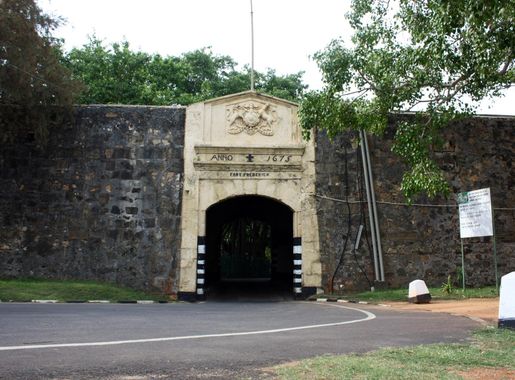
Trincomalee District, located on the northeast coast of Sri Lanka, is a treasure trove of natural beauty and historical significance. The district boasts some of the most pristine beaches in the country, with white sands, turquoise waters, and vibrant coral reefs. Uppuveli and Nilaveli beaches are perfect for sunbathing, swimming, and snorkeling, offering a tranquil escape from the hustle and bustle of city life. A visit to Trincomalee is incomplete without exploring its historical landmarks. The Koneswaram Temple, perched atop Swami Rock, is an ancient Hindu temple that offers panoramic views of the Indian Ocean. The temple is steeped in history and legend, making it a fascinating site for both spiritual and cultural exploration. Nearby, Fort Frederick, a colonial-era fort built by the Portuguese and later used by the Dutch and British, adds another layer of historical intrigue. For nature enthusiasts, Trincomalee is a gateway to the nearby Pigeon Island National Park, one of the two marine national parks in Sri Lanka. The park is a haven for snorkeling and diving, where you can witness an array of marine life, including vibrant coral reefs, reef sharks, and a variety of tropical fish. Whale watching is another popular activity, with tours available to see the magnificent blue whales and dolphins that frequent the waters off the coast. The district is also known for its hot springs at Kanniya, believed to have therapeutic properties. Visiting these hot springs offers a unique experience of local culture and natural wellness. With its blend of natural beauty, historical sites, and cultural richness, Trincomalee District promises an unforgettable journey for every traveler.

Know before you go
Hi, I'm Eve. Here are a few practical things to know before exploring Trincomalee District.
- Visit early in the morning to avoid crowds at popular attractions like Koneswaram Temple and Fort Frederick.
- Bring your own snorkeling gear for Uppuveli and Nilaveli beaches to fully enjoy the underwater experience.
- Respect local customs and dress modestly, especially when visiting temples and religious sites.
- Try local seafood dishes at the coastal eateries for an authentic taste of Trincomalee.
- Check the seasonal timing for whale watching tours to ensure the best chance of sightings.
Top City Travel Guides in Trincomalee District
The cities of Trincomalee District, and the easiest places to base yourself.

Explore Trincomalee District: Things to Do, Places to Eat, Hotels & More
Handpicked recommendations for top attractions, local dining, accommodations, and more

Top Attractions & Sightseeing in Trincomalee District
Top-rated picks
Best Attractions

Marble Beach
Experience the tranquility and beauty of Marble Beach in Trincomalee, a perfect escape for sun lovers and adventure seekers alike.

Kanniya Hot Water Springs
Experience the rejuvenating powers of nature at Kanniya Hot Water Springs, a serene oasis in Trincomalee filled with therapeutic mineral-rich waters.

Fort Frederick
Explore Fort Frederick, a historic fortress in Trincomalee, Sri Lanka, blending colonial heritage with breathtaking coastal views for an unforgettable experience.

Nilaveli Beach
Experience the serene beauty of Nilaveli Beach, a stunning coastal gem in Sri Lanka offering relaxation, adventure, and local culture.

Best landmarks in Trincomalee District
Top-rated picks
Best Landmarks

Thirukoneswaram Kovil
Discover the spiritual serenity and breathtaking views at Thirukoneswaram Kovil, a must-visit Hindu temple in Trincomalee, Sri Lanka.
Trinco Blu by Cinnamon
Experience the perfect blend of luxury, relaxation, and adventure at Trinco Blu by Cinnamon, a premier hotel in Trincomalee, Sri Lanka.
Marble Beach Airforce Resort
Experience the serene beauty and vibrant culture at Marble Beach Airforce Resort, your perfect getaway on the stunning Sri Lankan coastline.

Kanniya Hot Water Springs
Experience the healing powers of nature at Kanniya Hot Water Springs in Trincomalee, a serene escape into warm, mineral-rich waters.

Best restaurants in Trincomalee District
Top-rated picks
Best Restaurants

Cafe on the 18th
Discover culinary delights and breathtaking ocean views at Cafe on the 18th in Trincomalee's Fernando’s Beach Market.

Snack bar hawaii
Discover delectable seafood and vibrant beachside vibes at Snack Bar Hawaii in Trincomalee.

NINA Restaurant Trincomalee
Discover exquisite Asian and Sri Lankan flavors at NINA Restaurant Trincomalee – where fresh seafood meets vibrant BBQ delights.

Rice 'n' Curry Restaurant
Experience authentic Asian flavors at Rice 'n' Curry Restaurant in Trincomalee - where every dish tells a story.

Best bars in Trincomalee District
Top-rated picks
Best Bars

Fernando's Bar
Discover the lively atmosphere of Fernando's Bar in Trincomalee, where refreshing drinks and local flavors come together for an unforgettable experience.

Snack bar hawaii
Discover the finest seafood at Snack Bar Hawaii in Trincomalee, where fresh flavors and local specialties await every visitor.

Be Cool Juice Bar & Sea Food Restaurant
Experience the best of local seafood and refreshing juices at Be Cool Juice Bar & Sea Food Restaurant in Trincomalee, Sri Lanka.

Blue Sand Beach Restaurant
Experience the perfect blend of stunning ocean views and delicious local cuisine at Blue Sand Beach Restaurant in Trincomalee.

Best nightclubs in Trincomalee District
Top-rated picks
Best Nightclubs

Fernando's Bar
Discover the lively atmosphere and delightful dishes at Fernando's Bar in Trincomalee, where locals and tourists unite for great food and drinks.

Be Cool Juice Bar & Sea Food Restaurant
Discover fresh flavors and stunning views at Be Cool Juice Bar & Sea Food Restaurant in Trincomalee, Sri Lanka, where every meal is a tropical delight.

Blue Sand Beach Restaurant
Discover flavors and stunning views at Blue Sand Beach Restaurant in Trincomalee - an unforgettable dining experience by the sea.

Havana Club Resort
Experience the perfect blend of luxury and nature at Havana Club Resort, your ideal getaway in Trincomalee, Sri Lanka.

Best shops in Trincomalee District
Top-rated picks
Best Shops

Kanthy Kalangiyam
Explore the vibrant Kanthy Kalangiyam supermarket in Trincomalee, offering a wide selection of local and international products for all your needs.

RS Enterprises
Explore RS Enterprises in Trincomalee for unique gifts and essential accessories, making your shopping experience unforgettable.

Sandun gems and clothing
Explore Sandun Gems and Clothing in Trincomalee for exquisite jewelry, fashionable clothing, and delightful Sri Lankan tea experiences.

Ajmeer Traders
Explore Ajmeer Traders in Trincomalee for an unforgettable shopping experience filled with unique home goods and local craftsmanship.

Explore Trincomalee District on the Map
A handpicked selection of must-see spots in Trincomalee District, mapped for you.
Trincomalee District Essentials
-
Trincomalee District is located on the northeastern coast of Sri Lanka. The closest international airport is Bandaranaike International Airport (CMB) in Colombo, approximately 260 kilometers away. From Colombo, you can take a domestic flight to China Bay Airport near Trincomalee. Alternatively, you can travel by train or bus, which takes around 7-8 hours. Private taxis and car rentals are also available for a more comfortable journey.
-
Within Trincomalee District, transportation options include tuk-tuks, buses, and taxis. Tuk-tuks are a popular and affordable way to navigate short distances. Buses connect Trincomalee with surrounding towns and villages. For more convenient travel, you can hire a taxi or rent a car, which gives you the flexibility to explore at your own pace.
-
The official currency in Sri Lanka is the Sri Lankan Rupee (LKR). Credit cards are accepted in most hotels, restaurants, and shops in Trincomalee, but it is advisable to carry cash for smaller establishments and local markets. ATMs are available in Trincomalee town, so you can withdraw cash as needed.
-
Trincomalee is generally a safe destination for tourists. However, it is important to take standard precautions. Avoid walking alone at night in unfamiliar areas and be aware of your surroundings. Areas such as Nilaveli Beach and Uppuveli Beach are popular and generally safe, but always keep an eye on your belongings.
-
In case of emergency, dial 119 for police assistance and 110 for medical emergencies. Trincomalee General Hospital is the main medical facility in the area. It is advisable to have travel insurance that covers medical emergencies. For minor health issues, there are pharmacies available in Trincomalee town where you can purchase over-the-counter medications.
-
Fashion: Do dress modestly, especially when visiting religious sites. Avoid wearing revealing clothing. Religion: Do respect local customs and traditions. Remove your shoes and cover your head when entering temples. Public Transport: Do be respectful and offer your seat to elderly passengers. Don’t eat or drink on public transport. Greetings: Do greet people with a smile or a slight bow. A handshake is also acceptable. Eating & Drinking: Do try local delicacies and accept food offerings graciously. Don’t refuse hospitality, as it is considered impolite.
-
To experience Trincomalee like a local, visit the local markets such as the Trincomalee Market where you can buy fresh produce and traditional Sri Lankan goods. Engage with locals as they are often friendly and willing to share stories about the area's rich history and culture. Don’t miss visiting the Koneswaram Temple, Fort Frederick, and the beautiful beaches of Nilaveli and Uppuveli. For a unique experience, take a boat ride to Pigeon Island National Park, known for its vibrant coral reefs and marine life.
When is the best time to visit Trincomalee District?
Useful Local Phrases for Trincomalee District
You don't need to speak the language perfectly. Even learning a few simple words can make conversations warmer—and locals usually appreciate the effort.
— Eve

Here are the phrases I use most often in Trincomalee District. Try a few—you'll be surprised how far they go! 😊
❤️
-
- Helloආයුබෝවන්
[āyubōvan] - Goodbyeපැමිණිමට සුභපැතුම්
[pæmiṇimaṭa subhapæṭhum] - Yesඔව්
[ōv] - Noනැහැ
[næhæ] - Please/You're welcomeකරුණාකර / සාමන්යයි
[karuṇākara / sāmaṇyai] - Thank youස්තුතියි
[stutiyi] - Excuse me/Sorryසමාවන්න
[samāvanna] - How are you?ඔබට කෙසේද?
[obata kesēda?] - Fine. And you?හොඳයි. ඔබට?
[hoṇḍai. obata?] - Do you speak English?ඔබට ඉංග්රීසි කතා කරන්නද?
[obata iṅgrīsi kathā karannada?] - I don't understandමට තේරෙන්නේ නැහැ
[maṭa thērennē næhæ]
- Helloආයුබෝවන්
-
- I'd like to see the menu, pleaseකරුණාකර මෙනුව බලන්න
[karuṇākara menuva balanna] - I don't eat meatමම මාස් කෑම නොකරන්නෙ
[mama māś kæma nokaranne] - Cheers!සතුටින්!
[satuṭin!] - I would like to pay, pleaseකරුණාකර මට ගෙවන්න
[karuṇākara maṭa gewanna]
- I'd like to see the menu, pleaseකරුණාකර මෙනුව බලන්න
-
- Help!ආධාරයක්!
[ādhāraya!] - Go away!අපව ගියා!
[apava giya!] - Call the Police!පොලීසිය කැඳවන්න!
[polīsiya kæṇḍavanna!] - Call a doctor!ඩොක්ටරය කැඳවන්න!
[ḍokṭaraya kæṇḍavanna!] - I'm lostමම අහිමි උනා
[mama ahimi unā] - I'm illමම රෝගීයි
[mama rōgīyi]
- Help!ආධාරයක්!
-
- I'd like to buy...මම මිලදී ගන්න ඕනෑ...
[mama milādī ganna ōnæ...] - I'm just lookingමම පමණක් බලනවා
[mama pamaṇak balanavā] - How much is it?ආකාරය කීයක්ද?
[ākāraya kīyakda?] - That's too expensiveඑය අතිශය මිලියනයි
[eya atiśaya miliyanayi] - Can you lower the price?මිල අඩු කරන්න පුළුවන්ද?
[mila aḍu karanna puḷuvanda?]
- I'd like to buy...මම මිලදී ගන්න ඕනෑ...
-
- What time is it?කොච්චර වෙලාවක්ද?
[kochchara velāvakda?] - It's one o'clockඑය එක වෙලාවයි
[eya eka velāyai] - Half past (10)අර්ධය (10)
[ardhaya (10)] - Morningඋදේ
[udē] - Afternoonපැය පස්සෙ
[pæya passē] - Eveningරෑ
[rē] - Yesterdayඊයේ
[īyē] - Todayඅද
[ada] - Tomorrowහෙට
[heṭa] - 11
[1] - 22
[2] - 33
[3] - 44
[4] - 55
[5] - 66
[6] - 77
[7] - 88
[8] - 99
[9] - 1010
[10]
- What time is it?කොච්චර වෙලාවක්ද?
-
- Where's a/the...?කොහිද ...?
[koḧida ...?] - What's the address?ලිපිනය කුමක්ද?
[lipinaya kumakda?] - Can you show me (on the map)?මාපය මත මට පෙන්වන්න පුළුවන්ද?
[māpayamaṭa penvanna puḷuvanda?] - When's the next (bus)?ඉදිරි (බස්) කවදද?
[idiri (bas) kawadada?] - A ticket (to ....)ටිකට්පතක් (ට...)
[ṭikaṭpathak (ṭ...)]
- Where's a/the...?කොහිද ...?
History of Trincomalee District
-
Trincomalee, originally known as Gokanna or Gokarna, has been a significant maritime hub since ancient times. The port was a key center for trade, attracting merchants from various parts of the world, including Greece, Rome, China, and Arabia. The strategic importance of Gokanna is evident from its mention in classical texts and maps, including those of Ptolemy.
-
During the 2nd century BCE, Trincomalee came under the rule of King Kavantissa, who was instrumental in the development of the area. He fortified the region and established it as a crucial point for the defense of the kingdom. His reign marked a period of prosperity and cultural richness, with the construction of several temples and religious edifices.
-
Buddhism made its way to Trincomalee during the reign of King Devanampiya Tissa in the 3rd century BCE. The presence of ancient Buddhist stupas and monasteries, such as the Velgam Vehera, stands as a testament to the region's early adoption of Buddhism. These sites are not only religiously significant but also offer insights into the architectural styles of the period.
-
In the 10th century CE, the Chola dynasty from South India invaded Sri Lanka, and Trincomalee became a focal point of their military campaigns. The Cholas recognized the strategic importance of the port and established their dominance over the region. They built the famous Koneswaram Temple, which became a major religious site for the Tamil Hindu population.
-
The arrival of European colonial powers in the 16th century marked a new chapter in Trincomalee's history. The Portuguese, Dutch, and British all vied for control over the port due to its strategic location. The British, in particular, left a lasting impact by fortifying the area and developing it as a major naval base. Fort Fredrick, built by the Portuguese and later expanded by the Dutch and British, remains a prominent historical landmark.
-
During World War II, Trincomalee played a crucial role as a major Allied naval base in the Indian Ocean. The harbor was a target of Japanese air raids in April 1942, highlighting its importance in the wartime strategy. The remnants of wartime installations and bunkers can still be found around the district, serving as a poignant reminder of this turbulent period.
-
Following Sri Lanka's independence in 1948, Trincomalee continued to be a vital economic and cultural hub. The district has seen significant development in terms of infrastructure, tourism, and industry. Despite the challenges posed by the civil conflict that affected the region in the late 20th century, Trincomalee has emerged as a symbol of resilience and growth, preserving its rich history while embracing modernity.
Neighbouring Regions of Trincomalee District
The closest regions to Trincomalee District, if you have time for more than one.




Your all‑in‑one travel companion app
Explore expert travel guides, compare and book tours, experiences, hotels, and more—all from the palm of your hand. Download now for seamless trip planning wherever your wanderlust takes you.


Explore More of Sri Lanka

Looking beyond Trincomalee District? Discover Sri Lanka for broader travel guides, local hot-spots, and regional highlights.
Explore Sri LankaTrincomalee District in Photos
Browse through our photo collection highlighting the charm and character of the destination.


Enchanting Trincomalee: Sri Lanka's Coastal Gem
Trincomalee District, located on the northeast coast of Sri Lanka, is a treasure trove of natural beauty and historical significance. The district boasts some of the most pristine beaches in the country, with white sands, turquoise waters, and vibrant coral reefs. Uppuveli and Nilaveli beaches are perfect for sunbathing, swimming, and snorkeling, offering a tranquil escape from the hustle and bustle of city life. A visit to Trincomalee is incomplete without exploring its historical landmarks. The Koneswaram Temple, perched atop Swami Rock, is an ancient Hindu temple that offers panoramic views of the Indian Ocean. The temple is steeped in history and legend, making it a fascinating site for both spiritual and cultural exploration. Nearby, Fort Frederick, a colonial-era fort built by the Portuguese and later used by the Dutch and British, adds another layer of historical intrigue. For nature enthusiasts, Trincomalee is a gateway to the nearby Pigeon Island National Park, one of the two marine national parks in Sri Lanka. The park is a haven for snorkeling and diving, where you can witness an array of marine life, including vibrant coral reefs, reef sharks, and a variety of tropical fish. Whale watching is another popular activity, with tours available to see the magnificent blue whales and dolphins that frequent the waters off the coast. The district is also known for its hot springs at Kanniya, believed to have therapeutic properties. Visiting these hot springs offers a unique experience of local culture and natural wellness. With its blend of natural beauty, historical sites, and cultural richness, Trincomalee District promises an unforgettable journey for every traveler.