

Free Skåne Travel Guide & Mobile App
Explore Skåne with free travel guides. Discover regional history, expert tips, proposed trips, and audio guides on web or mobile app.


Explore Skåne’s medieval towns, Baltic coast, fertile countryside, food traditions and scenic walking routes in southern Sweden.
Read more about Skåne
When is the best time to visit Skåne?
Best: June–August · 19–21°C| Month | High (°C) | Rainfall (mm) |
|---|---|---|
| January | 3 | 40 |
| February | 3 | 35 |
| March | 5 | 40 |
| April | 10 | 45 |
| May | 16 | 50 |
| June (best) | 19 | 55 |
| July (best) | 21 | 60 |
| August (best) | 20 | 65 |
| September | 17 | 60 |
| October | 12 | 55 |
| November | 7 | 50 |
| December | 3 | 45 |
Getting to and around Skåne
How to get there
Transportation
Best attractions in Skåne
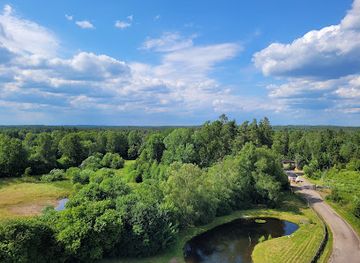
Skåne’s attractions range from dense urban culture to open landscapes and deeply layered heritage. Malmö offers museums, galleries, historic streets and the modern waterfront, while Lund centres on its cathedral, university setting and cultural institutions such as Kulturen. Helsingborg provides maritime and urban experiences on the Öresund, with the wider north-west leading towards the cliffs, forests and sea views of Kullaberg. In the interior, Söderåsen National Park is known for beech woodland, ravines and marked walking trails. The south and east combine sandy beaches, fishing villages, apple-growing districts and coastal paths, with Stenshuvud National Park offering woodland, meadows and Baltic scenery. Historic sites include Glimmingehus, medieval churches and the stone setting of Ales stenar. Birdwatching is especially rewarding around wetlands and shorelines, while cycling, hiking, canoeing and seasonal swimming make the countryside active without turning it into a single-purpose outdoor destination.
-
Tourist attraction
Kullaberg
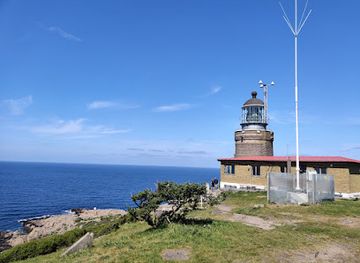
Wild cliffs plunge into Kattegat at Kullaberg, Sweden's biodiversity hotspot with epic hikes, rare plants, porpoises, and Kullen's beaming lighthouse.
-
Tourist attraction
Smålandet Moose Safari
Drive or ride through Sweden's moose heartland: intimate encounters with free-roaming giants, bison herds, and forest magic in a historic 15-hectare park.
-
National reserve
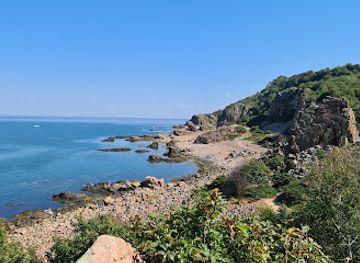
Hovs Hallar Nature Reserve
Rugged cliffs, seabird cliffs, and cinematic shores where Bergman's Death played chess against the sea's eternal roar.
-
Tourist attraction
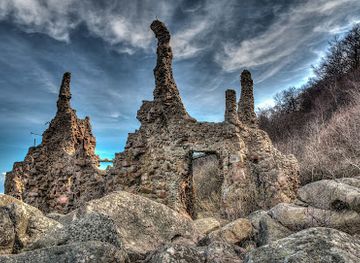
Nimis
A labyrinth of driftwood towers and walkways clinging to the Kullaberg cliffs — tactile, weathered and defiantly improvised.
Best landmarks in Skåne
Lund Cathedral is Skåne’s most important medieval ecclesiastical landmark, a Romanesque building whose twin towers and interior reflect the city’s former role as a major church centre in Scandinavia. Glimmingehus, near Hammenhög, is a remarkably preserved late-medieval fortified manor house, with thick walls and defensive features that reveal the uncertainties of the Danish borderland. Ales stenar near Kåseberga is the region’s most recognisable prehistoric monument: a large ship-shaped stone setting positioned above the Baltic coast, with its original purpose still interpreted cautiously. Malmö’s Turning Torso represents a very different era, marking the city’s transformed western waterfront and contemporary architectural ambition. In the natural landscape, Kullaberg’s rocky peninsula and lighthouse area form a defining north-western landmark, while the ravines and wooded escarpments of Söderåsen give the inland region a distinctive topography. Historic town centres in Ystad and Lund add smaller-scale architectural landmarks, including timber-framed buildings, cobbled streets and surviving medieval street patterns.
-
Tourist attraction
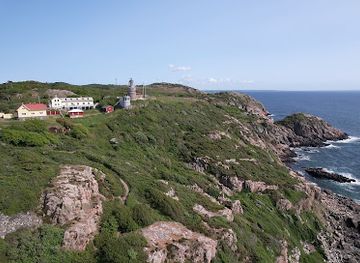
Kullen Lighthouse
Scandinavia's brightest beacon crowns rugged Kullaberg cliffs, flashing eternal vigilance over Öresund's turbulent waters with panoramic vistas and ancient maritime lore.
-
Historical landmark
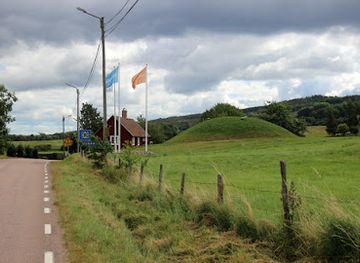
Lugnarohögen
A compact Bronze Age burial mound with an internal stone‑ship chamber and an underground viewing passage that preserves an early Scandinavian funerary ritual.
Explore Skåne on the map
Plan your trip on one map. See where the top cities, national parks and sights are, and book hotels and experiences in a few clicks.
Best hotels in Skåne
Best restaurants in Skåne
Skåne has one of Sweden’s strongest agricultural identities, and its restaurant culture reflects fertile soils, a long coastline and a growing interest in provenance. Menus may feature potatoes, cereals, root vegetables, apples, berries, game, pork, smoked fish and shellfish, with farm shops and seasonal kitchens particularly common in the south and east. Traditional dishes include äggakaka, often served with pork and lingonberries, and spettekaka, a distinctive spit-baked cake associated with southern Sweden. Around Österlen, orchards and local produce shape cafés, bakeries and farm-based dining, while Malmö and Lund provide the region’s broadest choice of international, modern Scandinavian and vegetarian food. Coastal towns offer fish and seafood, although menus vary with season and supply. Pubs, rural inns and contemporary restaurants coexist, and food markets are useful places to sample regional products without relying on a formal meal.
-
Hamburger
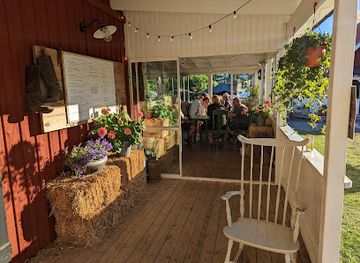
Bonden & Burgaren
Farm‑made smashburgers and house cheddar served in a casual, cashless counter on the Väddö dairy farm—simple, seasonal and locally sourced.
Best bars in Skåne
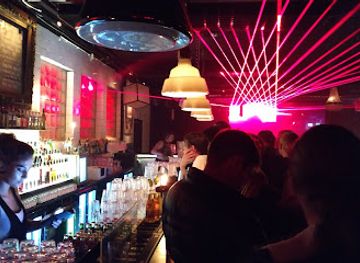
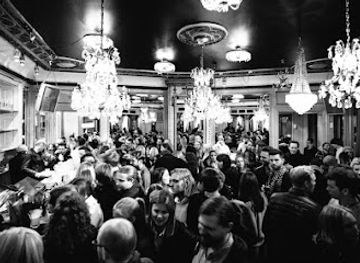
Nightlife in Skåne is concentrated in Malmö and Lund, with a more modest and locally oriented evening scene elsewhere. Malmö has the widest selection of cocktail bars, pubs, live music rooms, restaurants and late venues, spread through central streets and neighbourhoods rather than one single nightlife quarter. Lund’s student population gives its evenings a younger character, although many venues operate through clubs, cultural organisations or seasonal programmes rather than a permanent high-intensity scene. Helsingborg also has bars, restaurants and music venues around its central waterfront and town centre. In Ystad, Simrishamn and smaller towns, evenings generally centre on restaurants, traditional pubs, hotel bars and occasional live performances, with summer bringing more activity to the coast. Craft breweries and alcohol-free options are increasingly part of the wider scene, while licensing rules and opening arrangements can change, so current venue information should be checked directly.
-
Rock music club
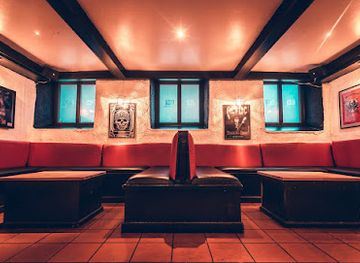
Rockbaren
Gothenburg's ultimate rock bar: live gigs, hearty eats, cheap drinks, and non-stop energy near Avenyn until the early hours.
Best nightclubs in Skåne
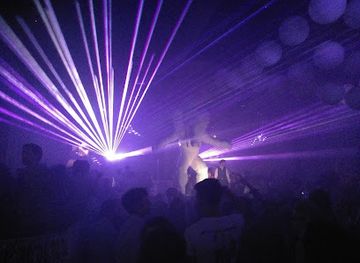
Nightlife in Skåne is concentrated in Malmö and Lund, with a more modest and locally oriented evening scene elsewhere. Malmö has the widest selection of cocktail bars, pubs, live music rooms, restaurants and late venues, spread through central streets and neighbourhoods rather than one single nightlife quarter. Lund’s student population gives its evenings a younger character, although many venues operate through clubs, cultural organisations or seasonal programmes rather than a permanent high-intensity scene. Helsingborg also has bars, restaurants and music venues around its central waterfront and town centre. In Ystad, Simrishamn and smaller towns, evenings generally centre on restaurants, traditional pubs, hotel bars and occasional live performances, with summer bringing more activity to the coast. Craft breweries and alcohol-free options are increasingly part of the wider scene, while licensing rules and opening arrangements can change, so current venue information should be checked directly.
-
Night club
Slakthuset
Raw industrial nightclub with techno rooms and summer rooftop TAK terrace—Berlin vibes meet Stockholm skyline in ex-slaughterhouse grit.
-
Night club
Sturecompagniet
A landmark two‑level nightclub in the historic Sturebadet building — classic architecture, modern club nights and multiple dancefloors at Stureplan.
-
Night club
Spy Bar
Stockholm's legendary Stureplan nightclub: elegant beats, stylish crowds, and dawn-dancing energy in a historic Östermalm gem.
-
Night club
Port Du Soleil
A seasonal, production-led nightclub at Trädgår'n — big lights, big sound and summer nights inspired by Ibiza and Miami.

Best shops in Skåne
Shopping in Skåne ranges from Malmö’s broad urban retail offer to independent shops, galleries and food producers in smaller towns. Malmö has the largest concentration of fashion, design, books, vintage goods and specialist food shops, while Lund combines student-oriented retail with independent businesses around its historic centre. Ystad, Simrishamn and other Österlen towns are known for galleries, crafts, ceramics, antiques and seasonal produce rather than large shopping centres. Farm shops are a practical way to buy apples, juices, preserves, vegetables, cheeses and other regional foods, particularly around the south-eastern countryside. Markets vary by town and season, so current days and locations should be checked before travelling. Suitable souvenirs include Scandinavian design, locally made ceramics, textiles, art, books about the region and food products that can legally be carried home. Retail opening patterns are generally more limited in rural areas, especially outside the main tourist season.
-
Souvenir store
Style Council Souvenir Shop
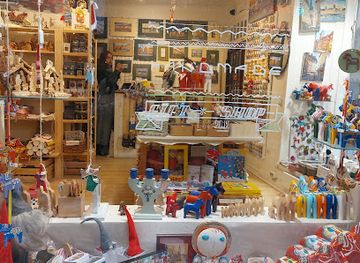
Discover authentic Swedish souvenirs at Style Council's flagship store on Drottninggatan—Dala horses, Viking crafts, and Nordic designs capturing Stockholm's timeless charm.
Get your free copy of our complete guide to Skåne, delivered straight to you.
Everything on this page, from attractions and restaurants to essentials and local phrases, in one PDF you can read offline, print or share.
Already have an account? Sign in
Your Skåne guide is ready.
We'll send it to · Not you? Sign out

Getting your guide ready…
We are putting together a fresh copy of the Skåne guide. This can take up to a minute.
This can take a few moments. If your browser asks, choose Allow so the download can start. You'll find the guide in your Downloads folder.
Nothing happened? Download it again
Sorry, the guide is taking longer than usual. Please try again in a minute, or get it by email instead.
Skåne essentials
Currency and Payment
Safety
Emergency Situations
Do's and Don'ts
Local Tips
From Eve
Local phrases worth knowing
You don't need to get them perfect. A few words go a long way, and locals appreciate the effort.
Basics
| English | Local | Say it |
|---|---|---|
| Hello | Hejsan | [hay-sahn] |
| Goodbye | Adjö | [ah-yuh] |
| Yes | Ja | [yah] |
| No | Nej | [nay] |
| Please/You're welcome | Tack | [tack] |
| Thank you | Tack så mycket | [tack so myuh-ket] |
| Excuse me/Sorry | Ursäkta mig | [ur-sehk-ta my] |
| How are you? | Hur mår du? | [hur mohr doo] |
| Fine. And you? | Bra. Och du? | [bra. ok doo] |
| Do you speak English? | Talar du engelska? | [tah-lar doo eng-els-ka] |
| I don't understand | Jag förstår inte | [yag fur-stor in-te] |
Eating & Drinking
| English | Local | Say it |
|---|---|---|
| I'd like to see the menu, please | Jag skulle vilja se menyn, tack | [yag skool-leh vil-ya seh meh-nyun, tack] |
| I don't eat meat | Jag äter inte kött | [yag eh-ter in-te yurt] |
| Cheers! | Skål! | [skawl] |
| I would like to pay, please | Jag skulle vilja betala, tack | [yag skool-leh vil-ya be-tah-la, tack] |
Emergencies
| English | Local | Say it |
|---|---|---|
| Help! | Hjälp! | [yelp] |
| Go away! | Gå bort! | [gaw bort] |
| Call the Police! | Ring polisen! | [ring po-lee-sen] |
| Call a doctor! | Ring en läkare! | [ring en leh-kah-reh] |
| I'm lost | Jag har gått vilse | [yag har got vil-seh] |
| I'm ill | Jag är sjuk | [yag air shook] |
Shopping
| English | Local | Say it |
|---|---|---|
| I'd like to buy... | Jag skulle vilja köpa... | [yag skool-leh vil-ya shuh-pah...] |
| I'm just looking | Jag tittar bara | [yag teet-ar bar-ah] |
| How much is it? | Hur mycket kostar det? | [hur myuh-ket kost-ar deh] |
| That's too expensive | Det är för dyrt | [deh air fur deert] |
| Can you lower the price? | Kan du sänka priset? | [kan doo sen-kah pree-set] |
Time & Numbers
| English | Local | Say it |
|---|---|---|
| What time is it? | Vad är klockan? | [vahd air kloh-kahn] |
| It's one o'clock | Det är ett | [deh air ett] |
| Half past (10) | Halv elva | [halv el-vah] |
| Morning | Morgon | [mor-gon] |
| Afternoon | Eftermiddag | [ef-ter-mid-dahg] |
| Evening | Kväll | [kvell] |
| Yesterday | Igår | [ee-gor] |
| Today | Idag | [ee-dahg] |
| Tomorrow | Imorgon | [ee-mor-gon] |
| 1 | Ett | [ett] |
| 2 | Två | [tvaw] |
| 3 | Tre | [treh] |
| 4 | Fyra | [fee-rah] |
| 5 | Fem | [fem] |
| 6 | Sex | [sex] |
| 7 | Sju | [hoo] |
| 8 | Åtta | [aw-tah] |
| 9 | Nio | [nee-oh] |
| 10 | Tio | [tee-oh] |
Transport & Directions
| English | Local | Say it |
|---|---|---|
| Where's a/the...? | Var ligger en...? | [var lig-ger en] |
| What's the address? | Vad är adressen? | [vahd air ad-res-sen] |
| Can you show me (on the map)? | Kan du visa mig (på kartan)? | [kan doo vee-sah my (paw kar-tan)] |
| When's the next (bus)? | När går nästa (buss)? | [nair gor nes-ta (boos)] |
| A ticket (to ....) | En biljett (till ...) | [en bil-yet (til ...)] |
History of Skåne
Stone Age Settlement and Ancient Landscapes
Skåne has some of Sweden’s richest archaeological evidence of early settlement, reflecting its position close to continental Europe. Stone Age communities farmed, fished and traded along the coasts and waterways, while later Bronze Age societies constructed burial monuments and ritual sites across the open landscape. The region’s prehistoric legacy is particularly visible in megalithic remains, burial mounds and stone settings, including Ales stenar near Kåseberga. These monuments should be understood within a wider Baltic and southern Scandinavian world rather than as isolated curiosities.
Lund and the Danish Medieval Kingdom
For much of the medieval period Skåne belonged to the Danish kingdom and was one of its most important regions. Lund became an ecclesiastical centre of exceptional significance after the creation of the archbishopric in 1103, and Lund Cathedral was subsequently built as a major Romanesque church. Market towns, royal estates, churches and fortified sites developed across the province, supported by agriculture, herring fisheries and trade around the Baltic. The surviving medieval town plans and churches reveal Skåne’s close connections with Denmark and northern European commerce.
Castles, Fortifications and the Danish Borderland
Skåne’s position between Denmark and Sweden made it a repeatedly contested borderland. Strongholds such as Glimmingehus, completed in the early sixteenth century, served both defensive and residential purposes in a region where noble estates controlled land and agricultural production. Helsingborg and Malmö also held strategic importance on the Öresund. Medieval and early modern churches, manor houses and earthworks remain reminders that Skåne was not a remote province but a heavily connected and politically significant part of the Danish realm.
The Swedish Conquest and the Scanian War
The Treaty of Roskilde in 1658 transferred Skåne, along with other Danish territories, to Sweden. The change was resisted during the Scanian War of 1675–79, when fighting and divided loyalties affected communities across the province. Sweden subsequently pursued integration through administration, military organisation, education and the church, while Danish language and cultural patterns gradually gave way to Swedish institutions. The conflict left a long historical memory and helps explain why Skåne’s architecture, dialect traditions and historical identity retain strong links to Denmark.
Agriculture, Trade and Early Industrialisation
Skåne’s fertile soils supported grain, livestock, sugar beet, potato and fruit production, shaping both settlement patterns and regional wealth. Estate agriculture coexisted with market towns and expanding ports, while food processing, textiles, engineering and other industries grew during the nineteenth and early twentieth centuries. Railways connected Malmö, Lund, Helsingborg, Ystad and inland towns more closely, reducing the isolation of rural districts and enabling produce and manufactured goods to reach wider markets. Agricultural traditions remain central to Skåne’s landscape and culinary culture.
The Öresund Connection and Contemporary Skåne
The opening of the Öresund Bridge in 2000 transformed connections between Skåne and eastern Denmark. Malmö became part of a cross-border metropolitan area linked to Copenhagen by road and rail, while the region gained new importance in business, higher education, culture and commuting. Lund’s university and research institutions, Malmö’s changing waterfront and the ports at Helsingborg and Ystad reflect a modern economy layered over older agricultural and maritime structures. Today Skåne’s identity combines Swedish administration with a distinctly southern, Baltic and historically Danish outlook.
Skåne in Photos
Browse through our photo collection highlighting the charm and character of the destination.
Neighbouring regions of Skåne
The closest regions to Skåne, if you have time for more than one.
-

-

-

-

-


Swipe for more regions
Explore more
Explore more of Sweden
Discover Sweden's breathtaking landscapes, vibrant cities, and rich cultural heritage. From the Northern Lights to historic castles, experience the essence of Scandinavia.
Explore Sweden